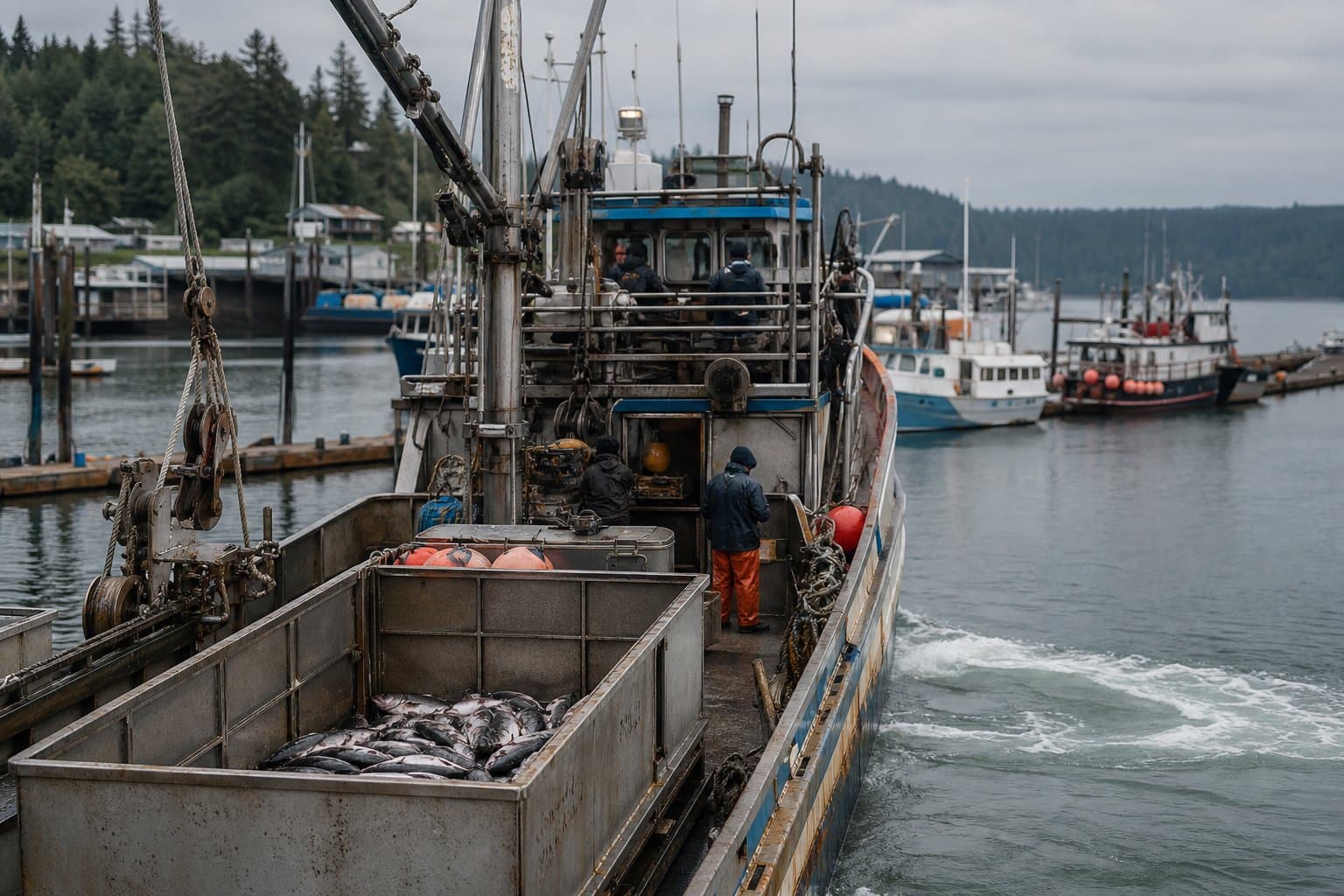
Seven-member citizen board setting Alaska's sport, personal-use, subsistence, and commercial fishing regulations statewide. Meets in Anchorage, Fairbanks, and regional hubs annually.
adfg.alaska.gov/index.cfm?adfg=fisheriesboard.main ↗
Alaska, USA
Video Clips
Browse all clips
Gray Jackson
“After the nominee is approved by the full committee, I anticipate that we will appoint the recommended nominee to serve as acting legislative auditor until his or her nomination is voted on separately by the House and the Senate or in a joint session at the first possible opportunity.”Alaska Legislature: Joint Budget & Audit - July 16, 2026 8:30am · Jul 16, 2026
Gray Jackson
“a few weeks ago on June 26th, sadly, in my opinion, Chris submitted her letter of resignation to the committee with an effective date of August 30th. I worked with Ms. Curtis and Stacy Bentley, the HR manager, to revise the job description for this critically important position. And the job announcement was posted to Workplace Alaska on Monday, July 6th, and it closes on Friday, July 24th.”Alaska Legislature: Joint Budget & Audit - July 16, 2026 8:30am · Jul 16, 2026
Chris Curtis
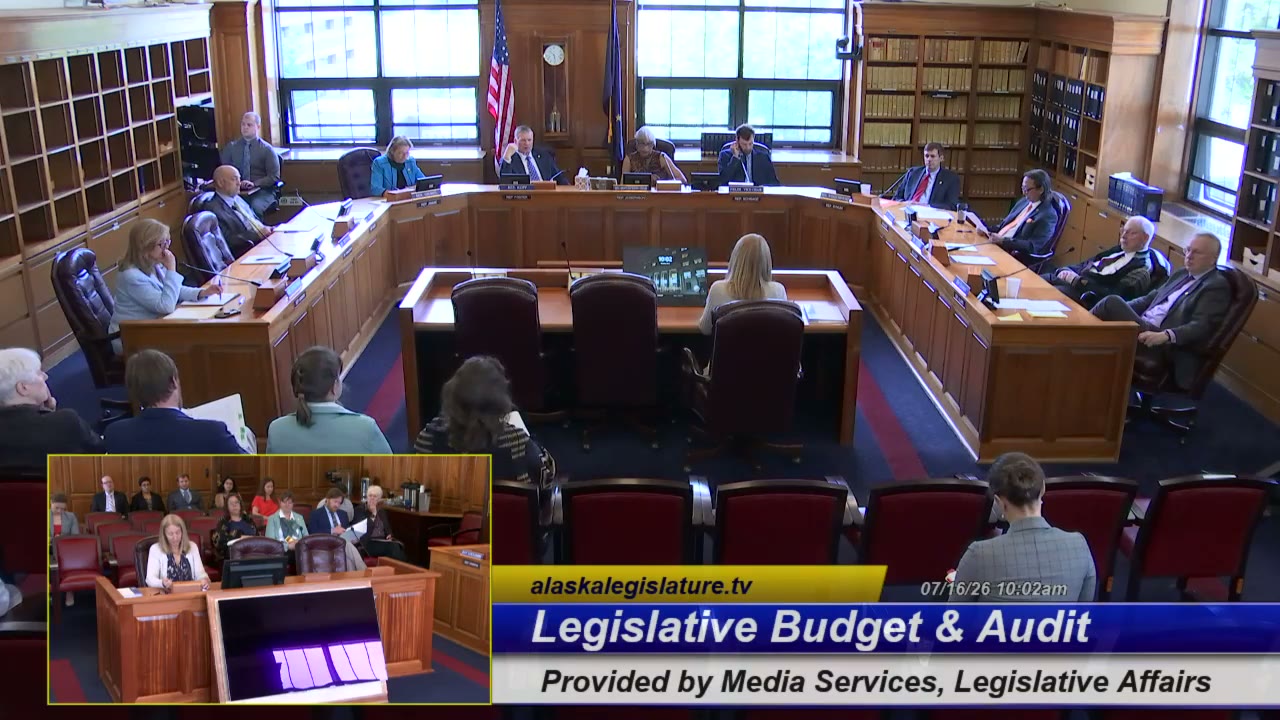
“Today we are asking for the committee's approval of an amendment to that contract to expand the scope of work to include a new mobile application for an additional contract amount for $17,700.”Alaska Legislature: Joint Budget & Audit - July 16, 2026 8:30am · Jul 16, 2026
Chris Curtis
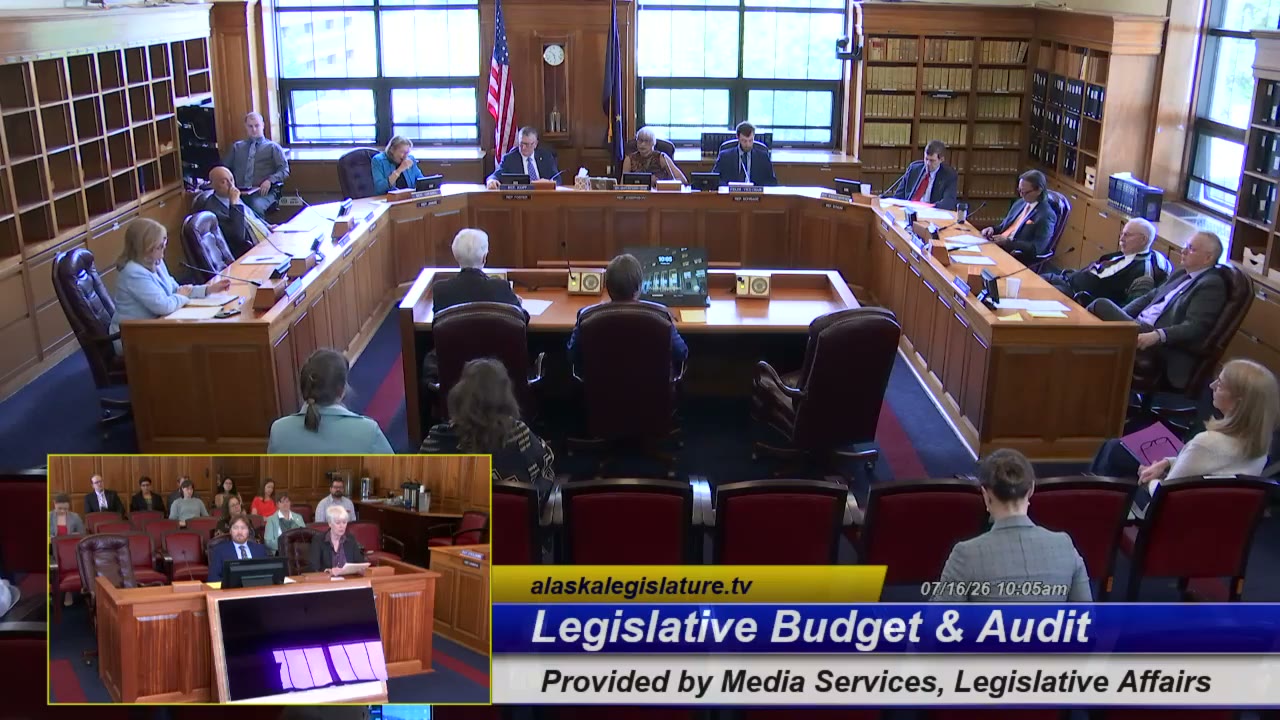
“With the addition of the mobile application to the contract, the new contract cumulative amount not to exceed is $262,450. And the Division of Legislative Audit has availability within our budget to absorb the additional cost.”Alaska Legislature: Joint Budget & Audit - July 16, 2026 8:30am · Jul 16, 2026
Louise Stutes
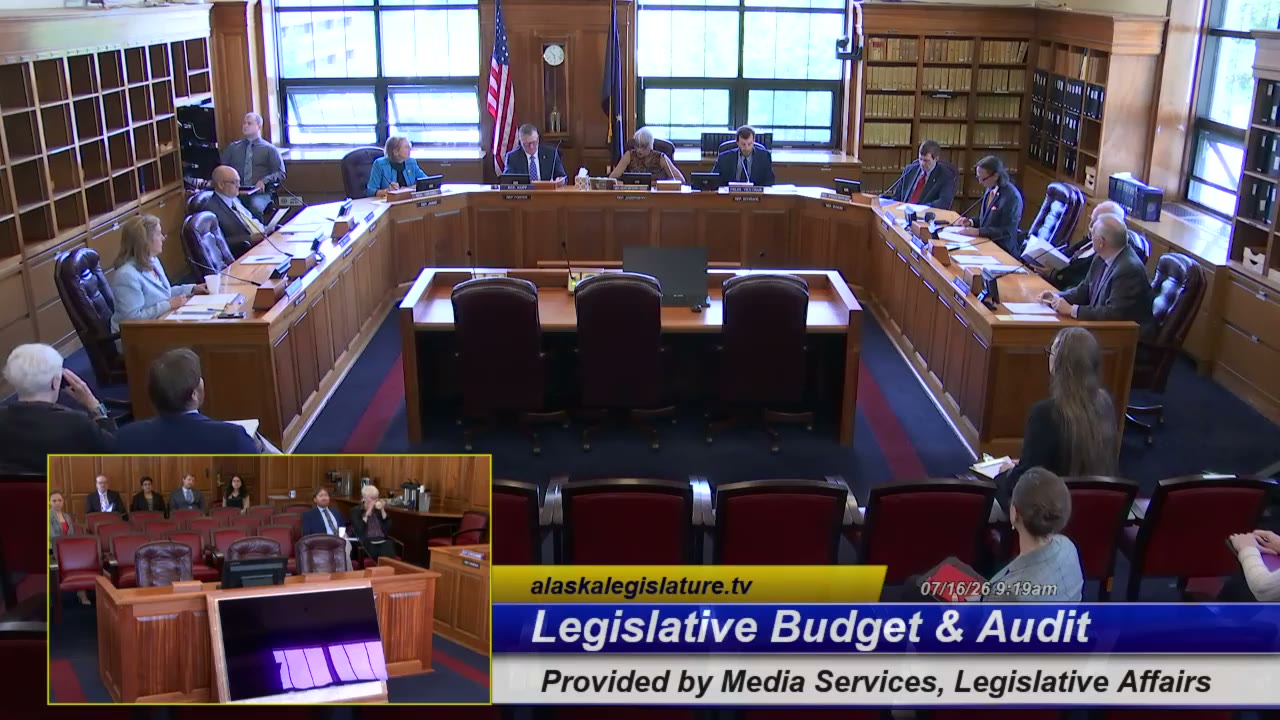
“as the body tasked with confirming board members and executive branch oversight, I believe it's the legislature's duty to initiate an independent review of the Board of Fisheries and to ensure they are compliant with applicable policies, regulations, and statutes.”Alaska Legislature: Joint Budget & Audit - July 16, 2026 8:30am · Jul 16, 2026
Gray Jackson
“Chris Curtis has served over 34 years with the Division of Legislative Audit and was approved by the legislature on March 2, 2012, to serve in her current position leading the division as legislative auditor.”Alaska Legislature: Joint Budget & Audit - July 16, 2026 8:30am · Jul 16, 2026
Trawl meeting in Anchorage Oct. 16 will take no remote testimony
Alaska Board of Fisheries and North Pacific Fishery Management Council joint committee meets Oct. 16 on trawl bottom contact; written comments due Oct. 9.
 by Walter AlaskaNews18h ago2 min read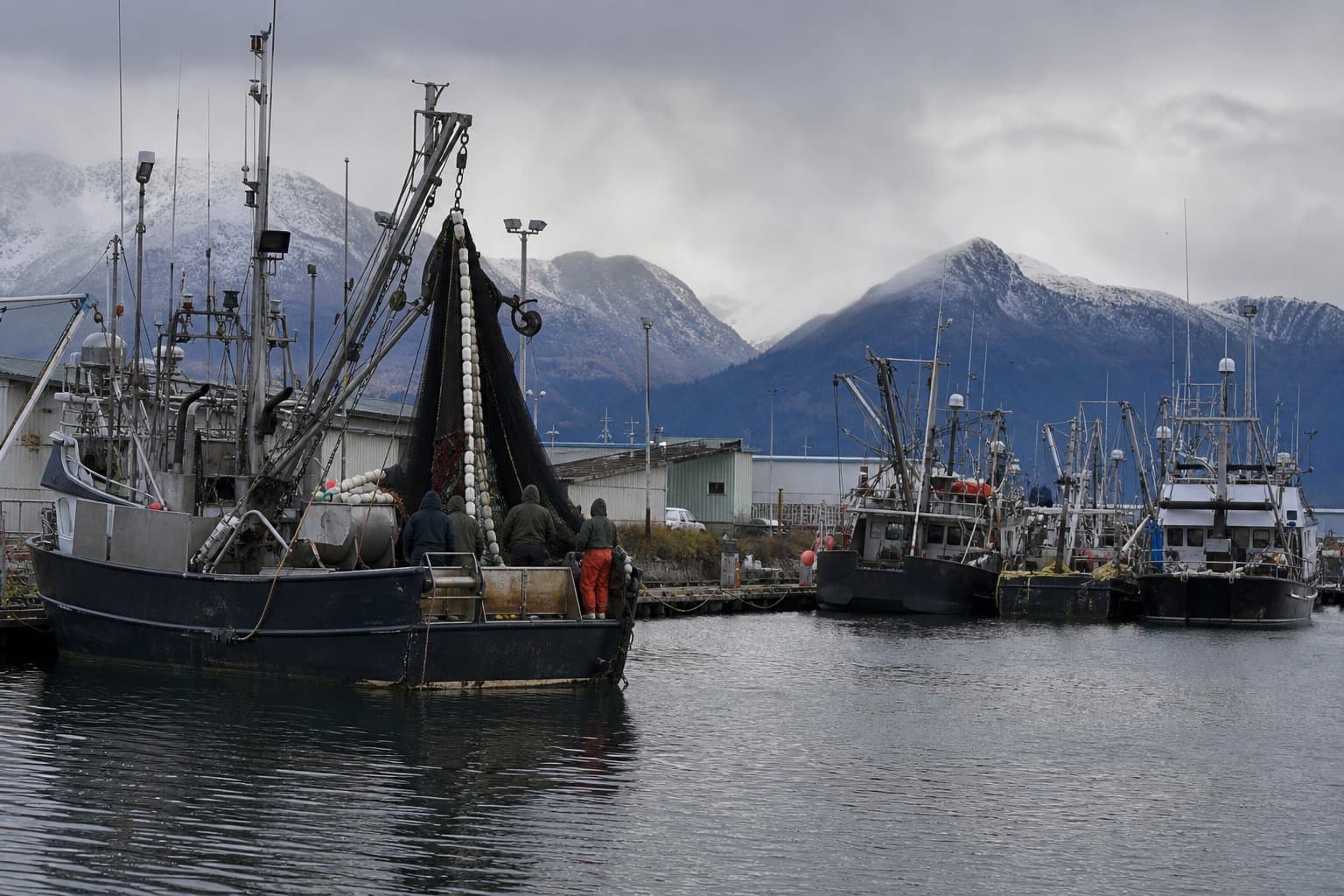
Board of Fisheries committee weighs how to let the public weigh in on last-minute rewrites
Alaska Board of Fisheries committee weighs how the public can comment on last-minute substitute language before the board deliberates; more talks set for October.
 by Bill AlaskaNews3d ago2 min read
Fish and Game proposes flagging struggling salmon runs a year earlier so the public can weigh in
Alaska Board of Fisheries stock of concern timing: ADF&G Commissioner Doug Vincent-Lang proposes designating struggling salmon stocks a year earlier.
by Bill AlaskaNews3d ago2 min read
Fishery managers will meet on trawl seafloor contact, with no power to recommend
Public comment on trawl bottom contact closes Oct. 9 before an Oct. 16 Board of Fisheries and NPFMC joint committee meeting that allows only in-person testimony.
by Walter AlaskaNews4d ago3 min read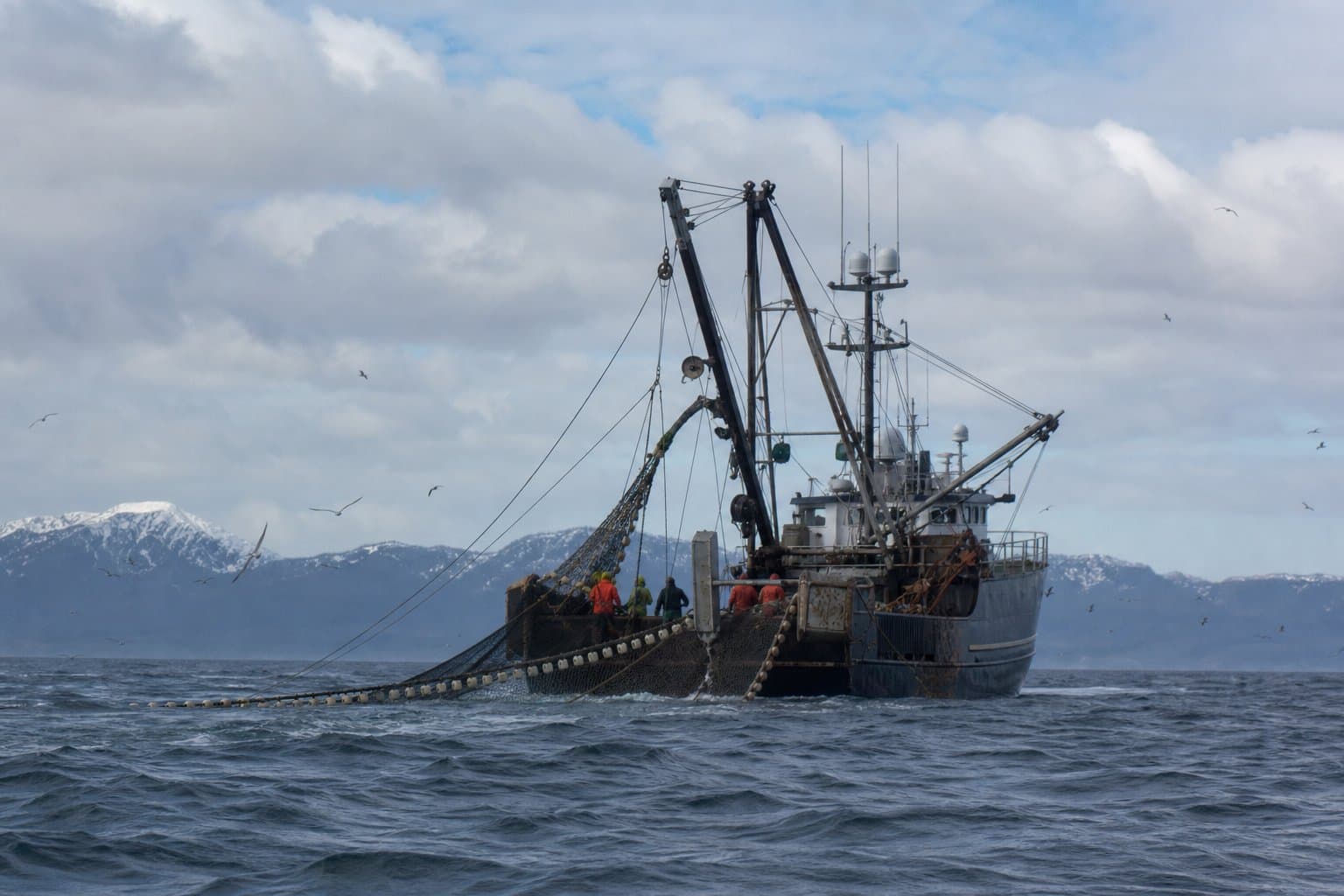
Nonresident rockfish retention stays closed in Ketchikan waters
Nonresident anglers out of Ketchikan cannot keep yelloweye or other demersal shelf rockfish for the rest of the year; their season ran only July 1 to Aug. 25. Residents may keep one a day inside three miles, but farther out everyone follows the nonresident rules.
by Bill AlaskaNews1w ago1 min read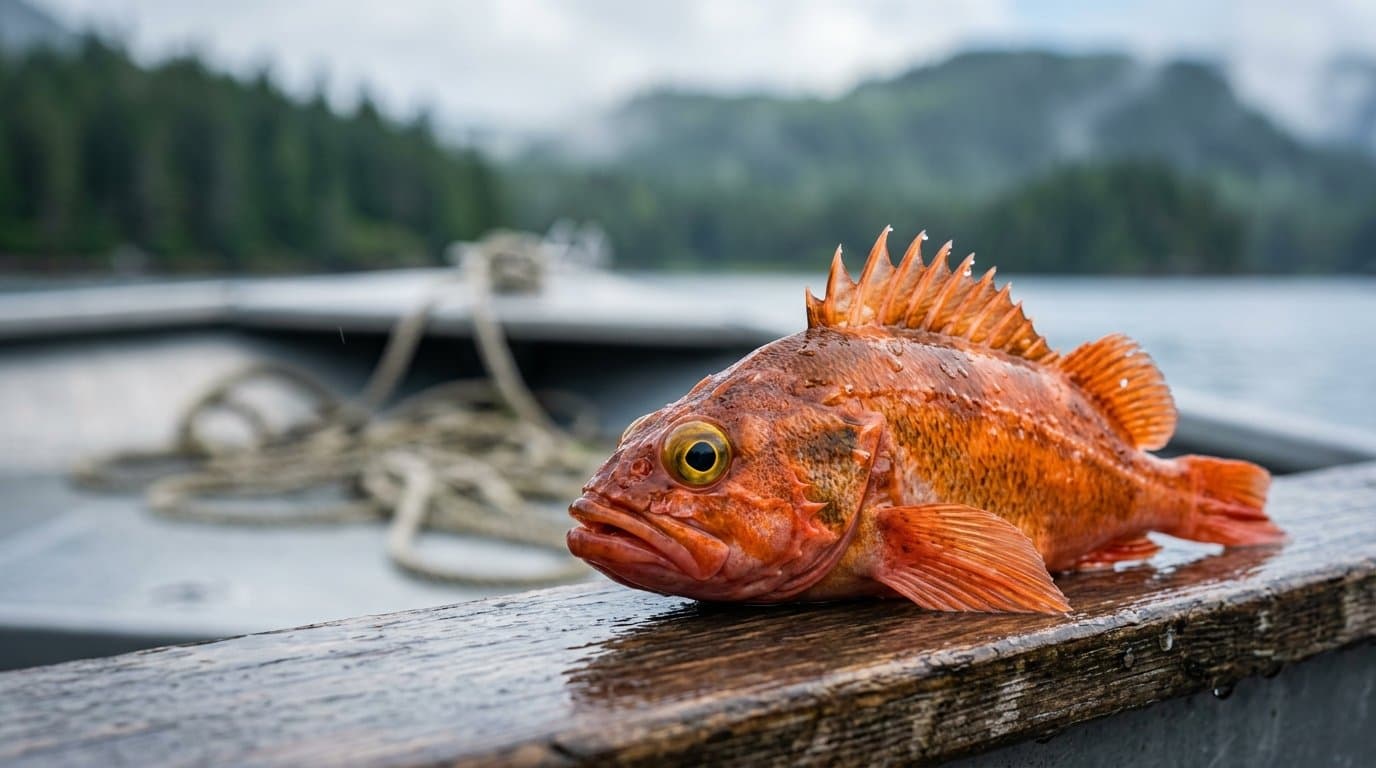
Fish board committee to review Traditional Knowledge report process Sept. 25
A fish board committee will review the Traditional Knowledge report process Sept. 25. The notice proposes no change to its place in regulation.
by Bill AlaskaNews1w ago1 min read
Ten sockeye a day holds through December in the Wood and Nushagak
The doubled sockeye bag limit of 10 per day stays in effect on the Wood River and Nushagak-Mulchatna drainages through Dec. 31, Fish and Game says.
by Bill AlaskaNews2w ago1 min read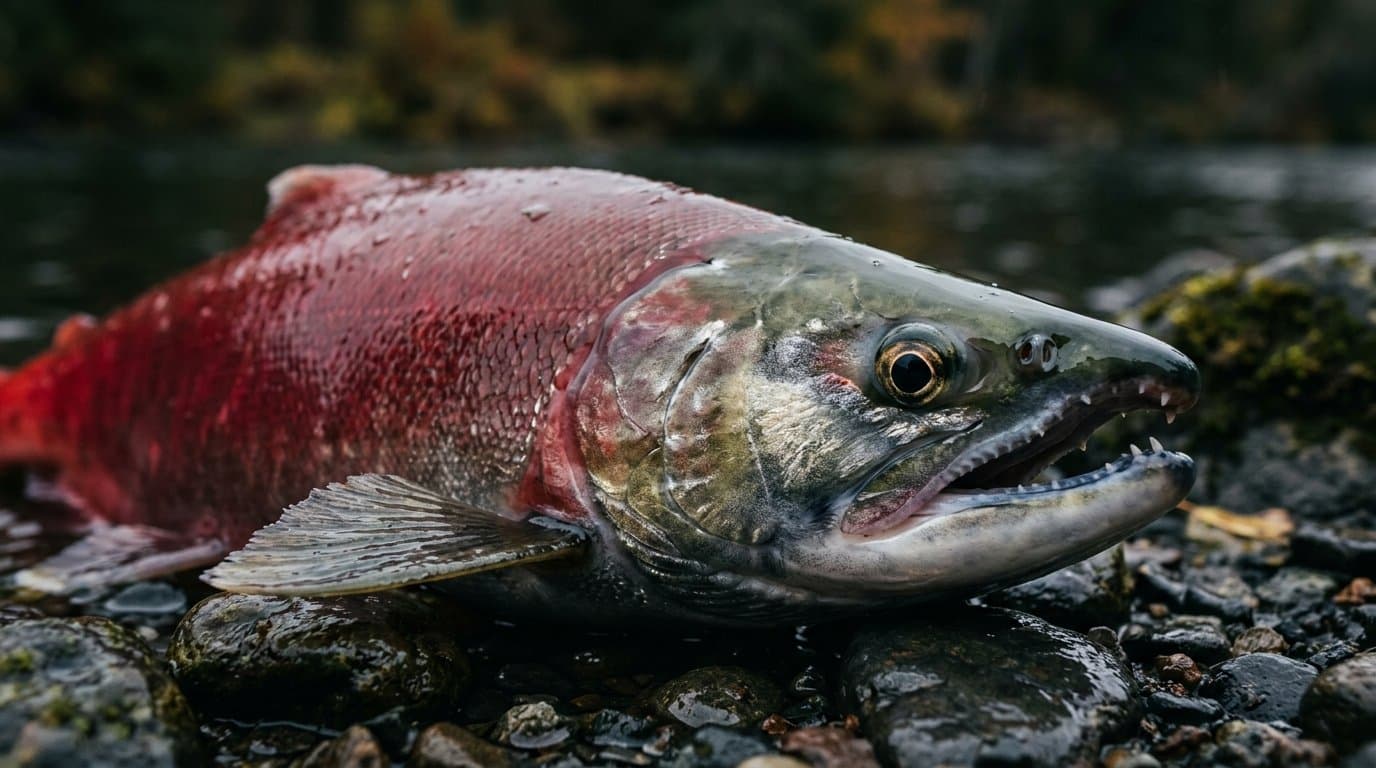
Bristol Bay's Nushagak opened late this year to protect its king salmon
Bristol Bay's 2026 sockeye harvest closed near 29.7 million fish, about 92% of the preseason commercial forecast, but Nushagak District permit holders started late: ADF&G held openings until king salmon triggers in the stock-of-concern plan were cleared.
by Bill AlaskaNews2w ago2 min read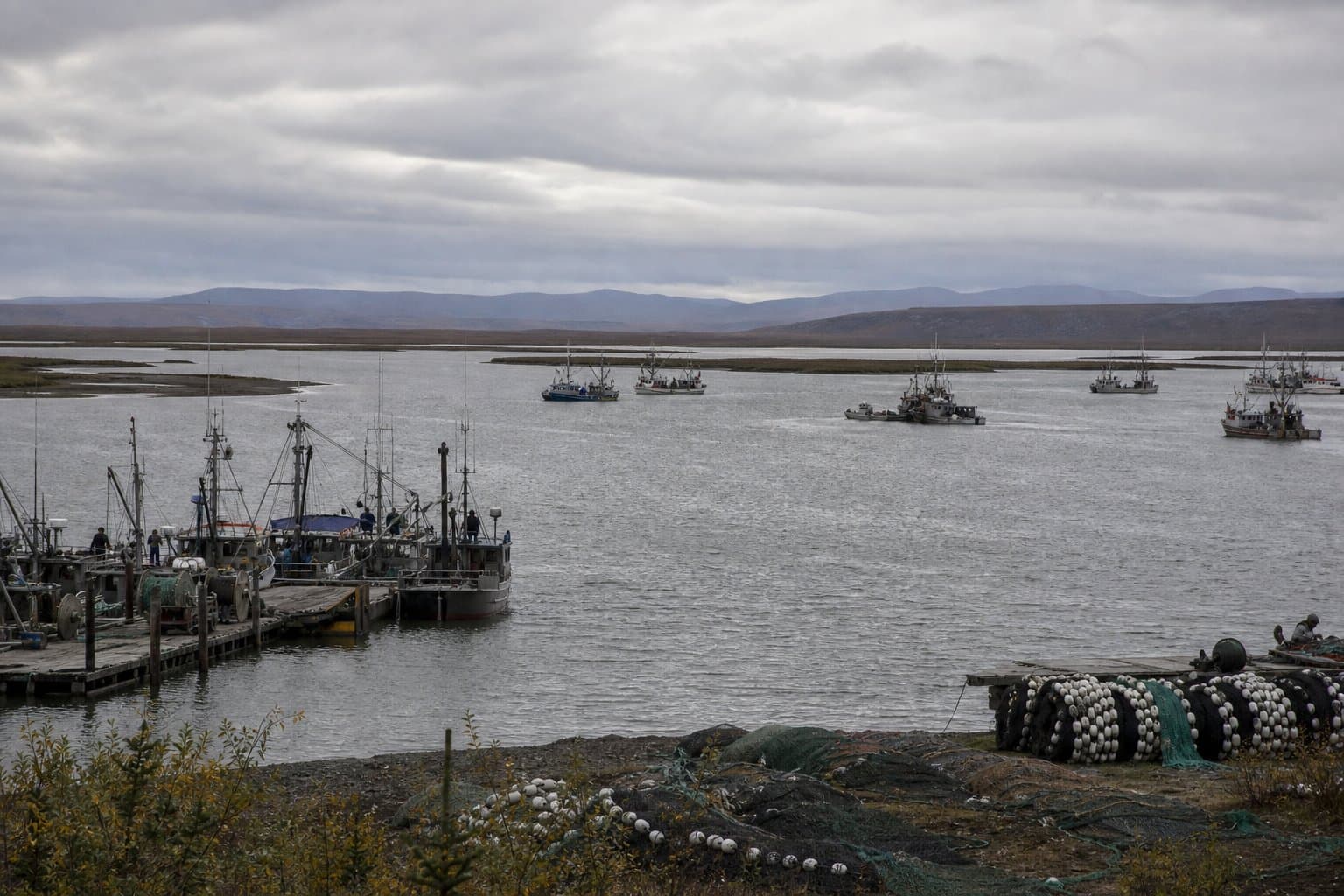
Gubernatorial candidates split on Board of Fisheries overhaul
At the Kodiak Chamber of Commerce fisheries debate Wednesday, Treg Taylor defended the state's first nullification of Board of Fisheries regulations, the five Area M salmon rules voided in May over ethics violations. Rivals pushed to enlarge or rebalance the seven-member board.
by Walter AlaskaNews2w ago2 min read
Razor clam permit still required on Cook Inlet as September digging season runs on
ADF&G's Sept. 4 Southern Kenai fishing report again lists the Cook Inlet and North Gulf Coast razor clam permit among the orders diggers must read first. One permit per household, all harvesters listed, and an online report due Dec. 31 or no permit in 2027.
by Bill AlaskaNews3w ago1 min read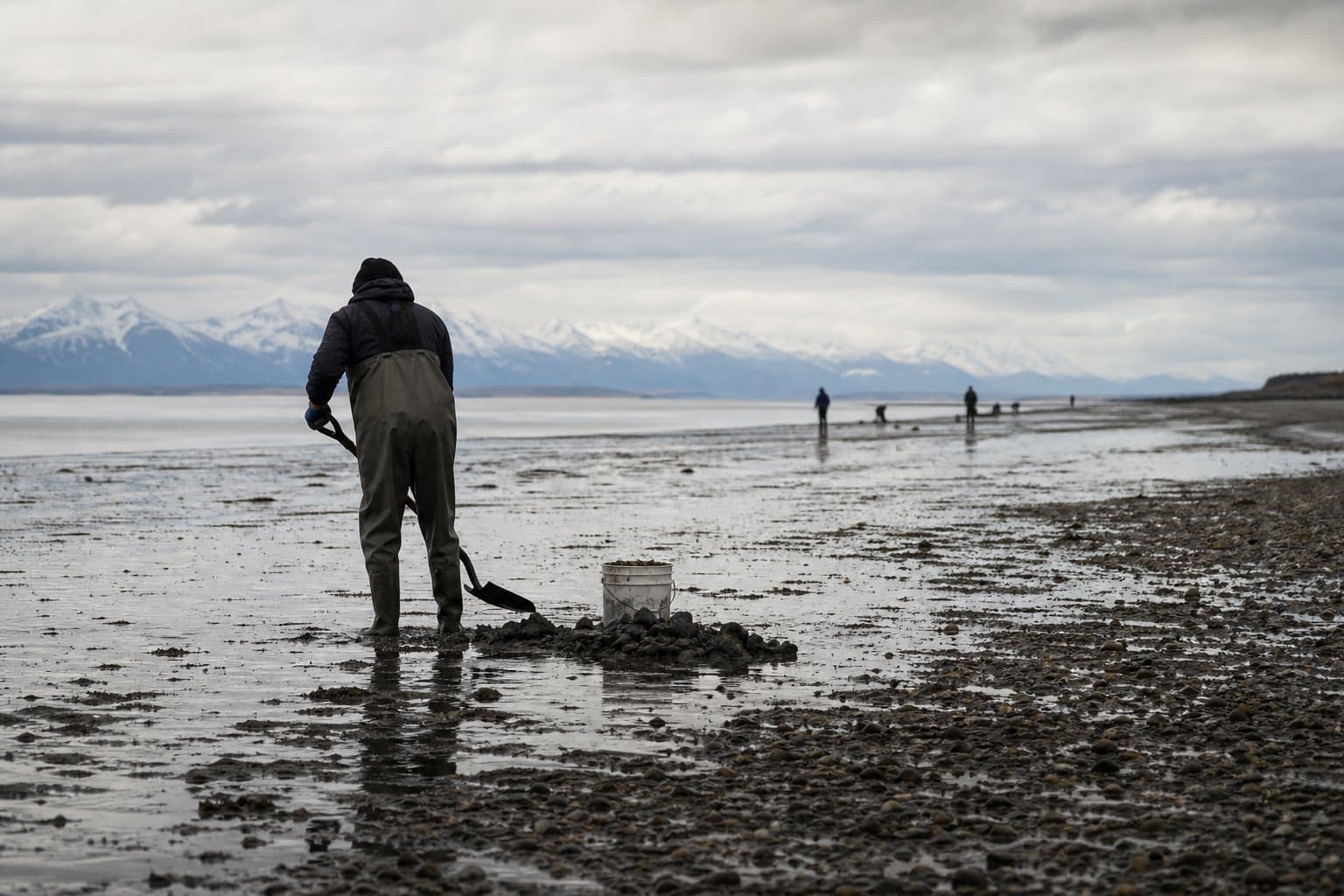
Southeast seiners get one 15-hour opening, in Sitka Sound
ADF&G's Sept. 1 announcement opens Section 13-B in Sitka Sound from 6 a.m. to 9 p.m. Thursday, Sept. 3, under Emergency Order 1S7226. Districts 1 through 4 and Section 13-A stay closed, with several bays and inlets carved out of the opening.
by Bill AlaskaNews3w ago1 min read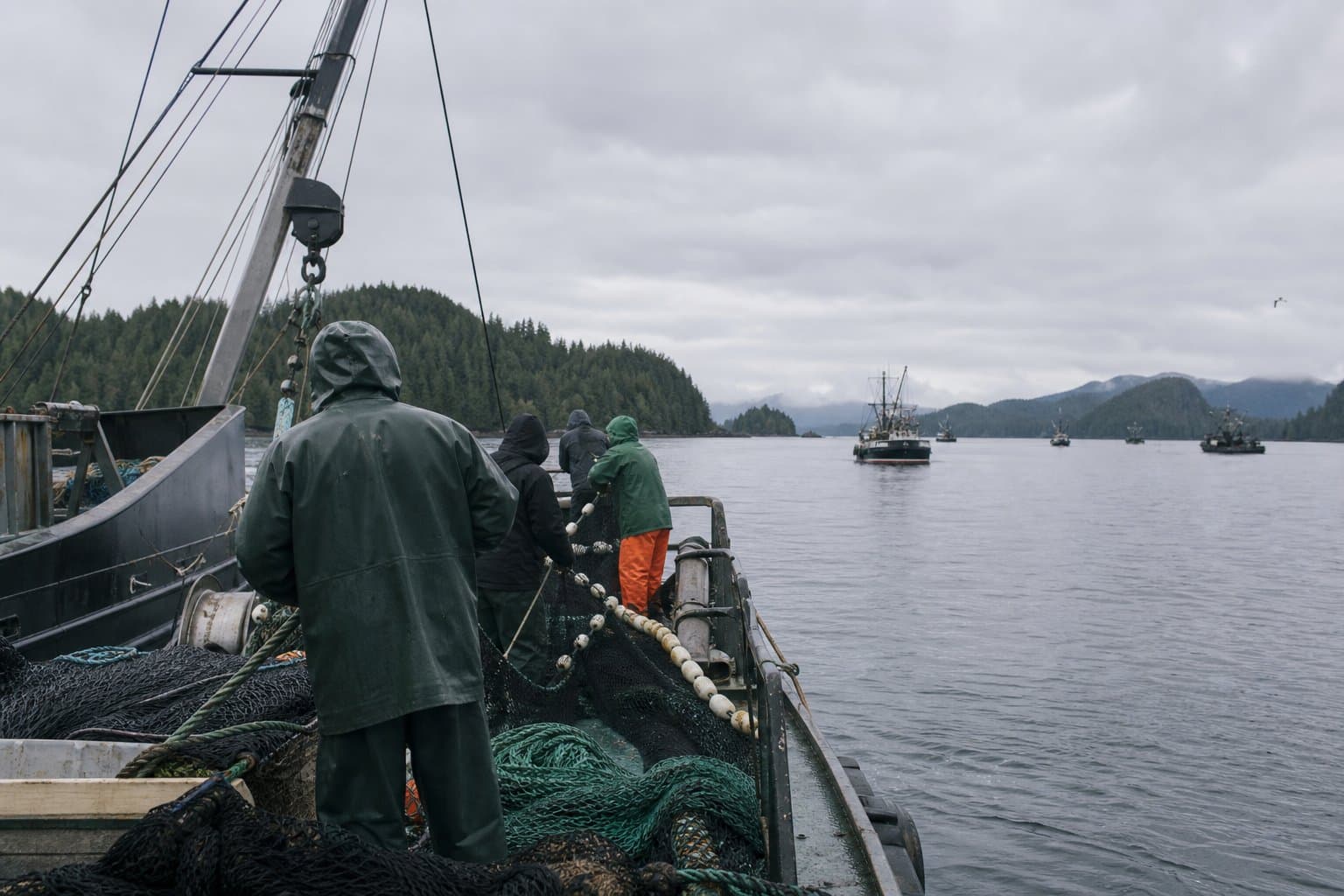
Southeast's sea cucumber divers get a smaller catch this fall
ADF&G will open the Southeast Alaska commercial sea cucumber dive fishery at 8 a.m. Monday, Oct. 5, with a total guideline harvest level of 1,397,600 pounds, about 18 percent below last season's 1,706,100-pound limit. Weekly openings run until area caps are met or March 31, 2027.
by Bill AlaskaNews4w ago2 min read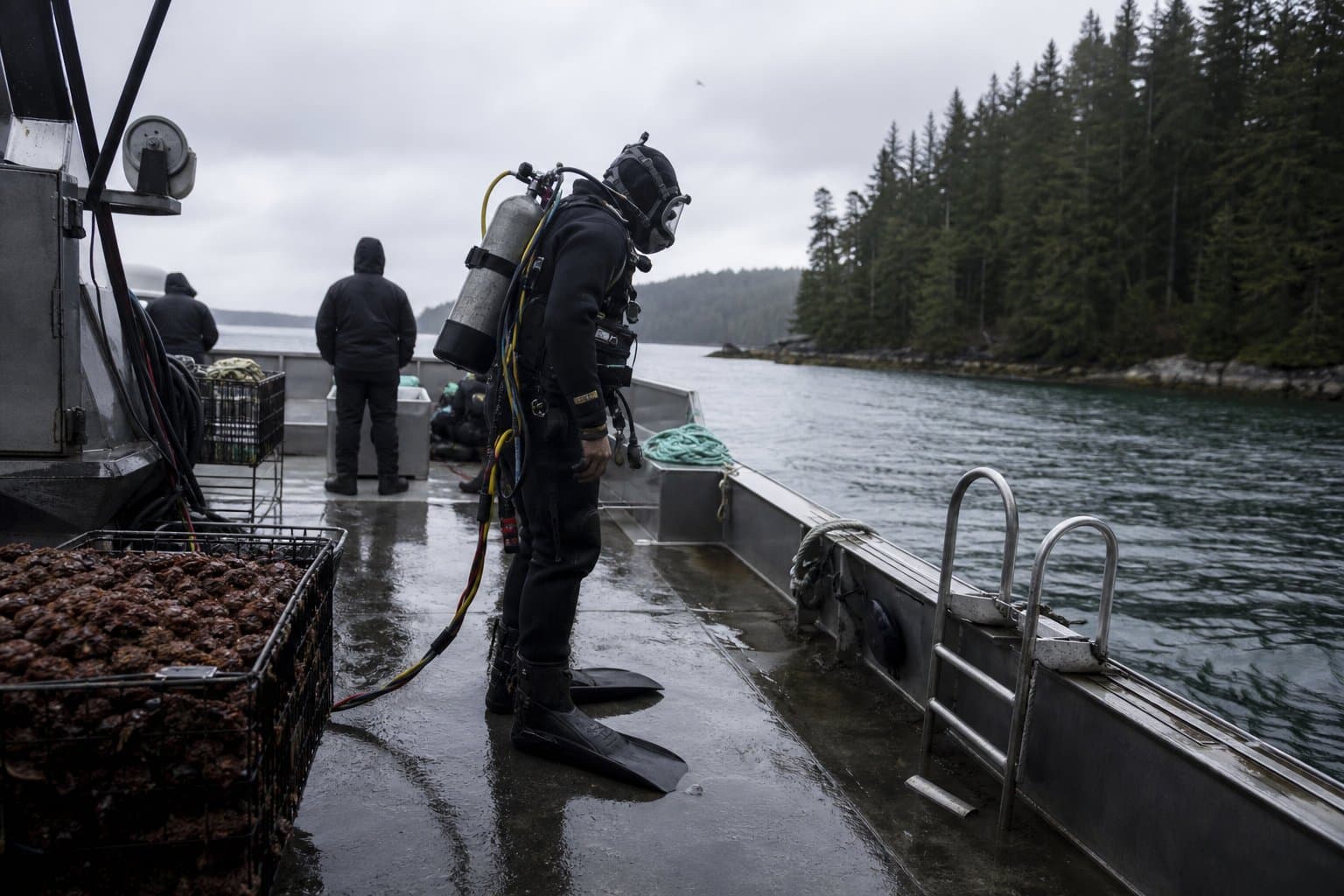
Ninth Circuit upholds federal Cook Inlet salmon management against drift fleet challenge
A Ninth Circuit panel upheld federal management of Cook Inlet's offshore salmon fishery, rejecting every claim brought by two Cook Inlet fishing groups.
by Bill AlaskaNewsadded 1mo ago2 min read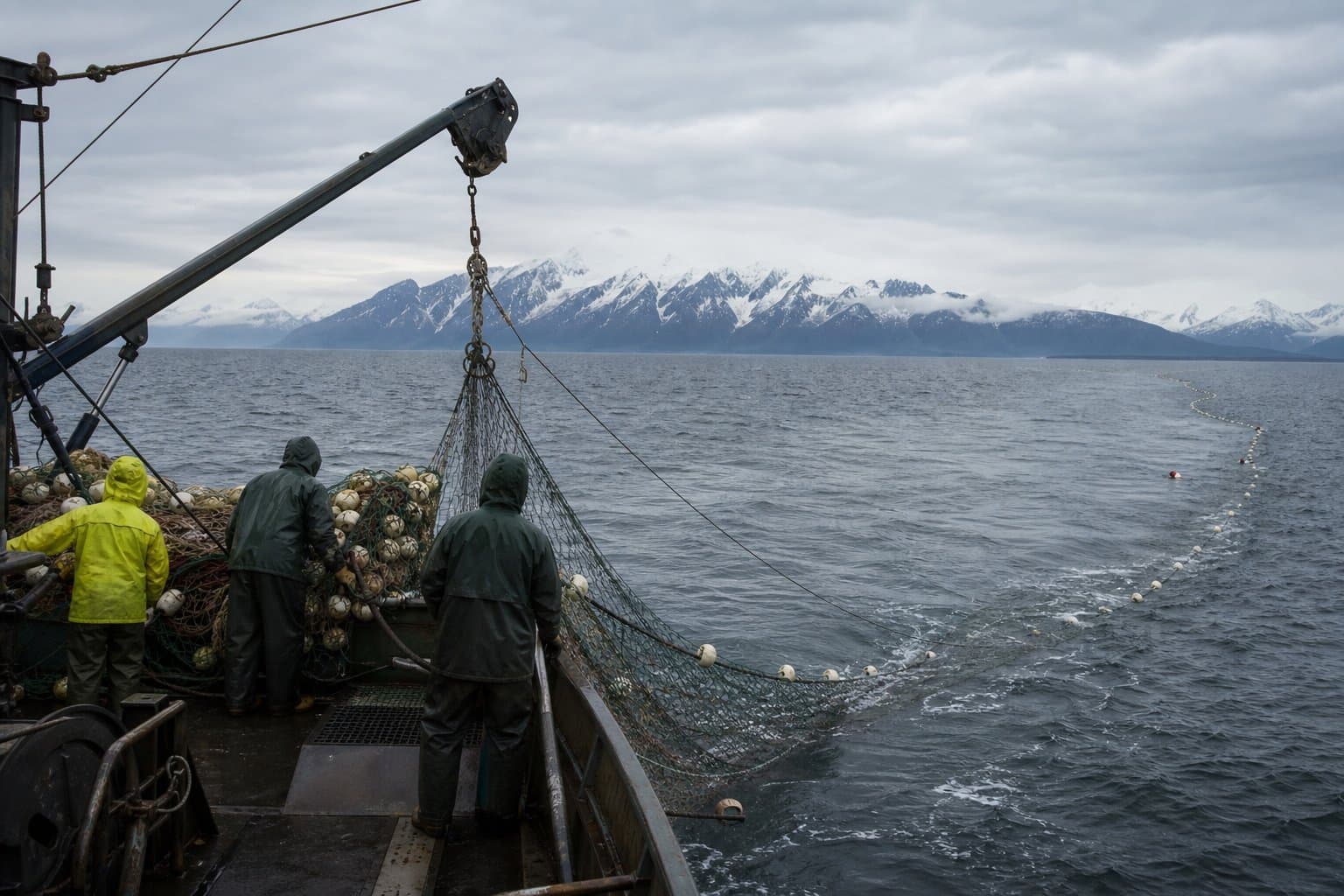
East Cook Inlet clam beaches stay closed; the west side is the option
East Cook Inlet razor clam beaches remain closed, leaving Polly Creek and Crescent River Bar on the west side as the season's best option for diggers.
by Bill AlaskaNews1mo ago2 min read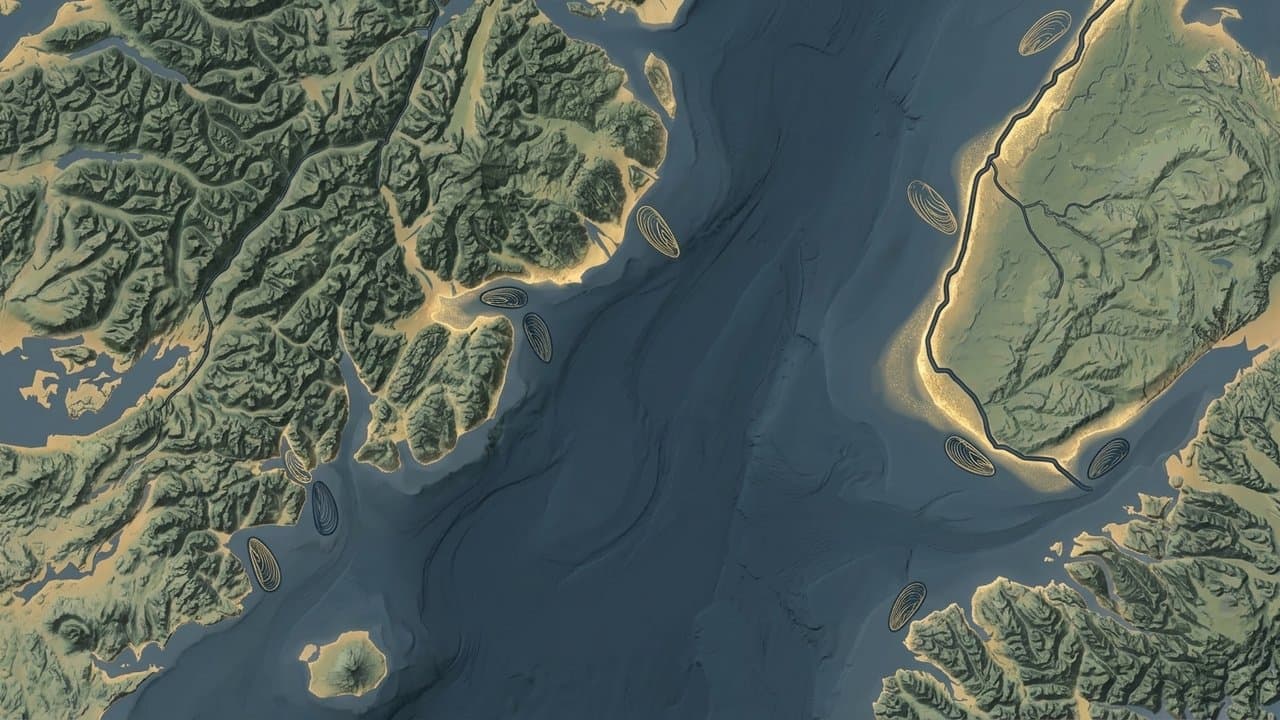
Kodiak salmon fishing extended again, running through Wednesday evening
ADF&G's Emergency Order #4-FS-K-40-26 gave Kodiak-area commercial salmon fishers 48 extra hours, from 6 p.m. Saturday, Aug. 22 to 6 p.m. Monday, Aug. 24, across most districts. Chinook nonretention for purse seine gear stays in effect.
by Bill AlaskaNewsadded 1mo ago2 min read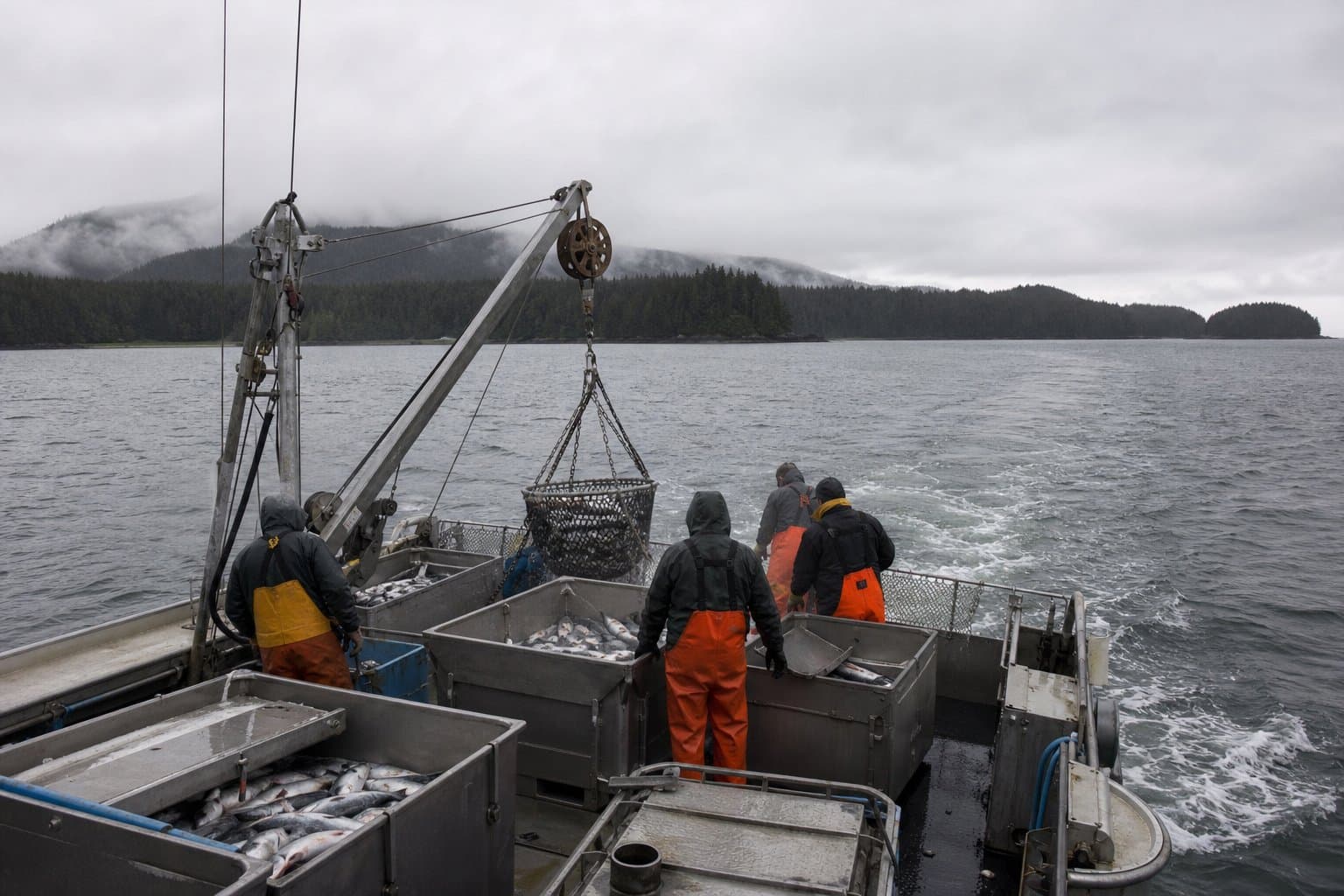
Subsistence coho fishing closes on the middle and upper Kuskokwim
ADF&G closed subsistence coho fishing in Kuskokwim Section 4 from 5 p.m. Friday and in Section 5 starting Aug. 28, after sonar counted about 156,000 coho against an average near 233,000. The department says harvest is unlikely to meet the subsistence amount set by the Board of Fisheries.
by Bill AlaskaNews1mo ago2 min read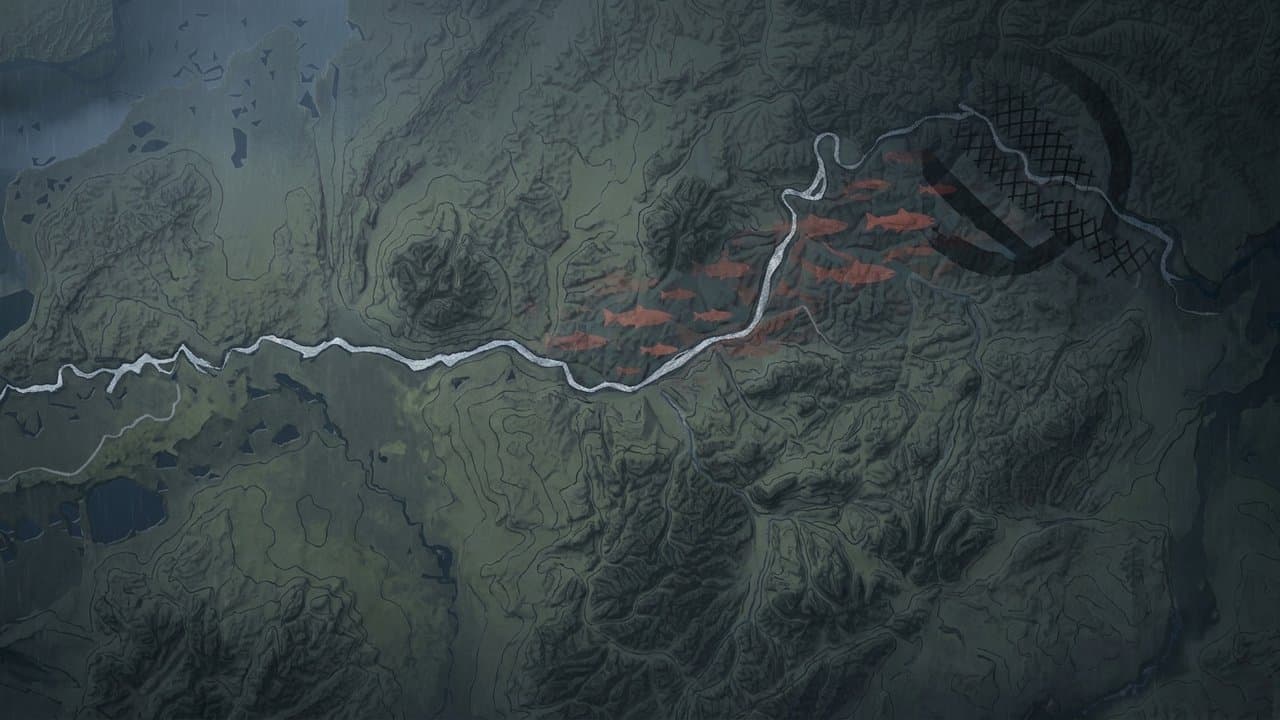
There's a narrow window to ask Alaska's fish board to take up new topics
Fishers, advisory committees and agencies have until 11:59 p.m. Aug. 28 to ask the Alaska Board of Fisheries to add out-of-cycle topics to the 2026/2027 cycle. The board reviews the requests at its Oct. 28-29 work session in Anchorage.
by Walter AlaskaNews1mo ago1 min read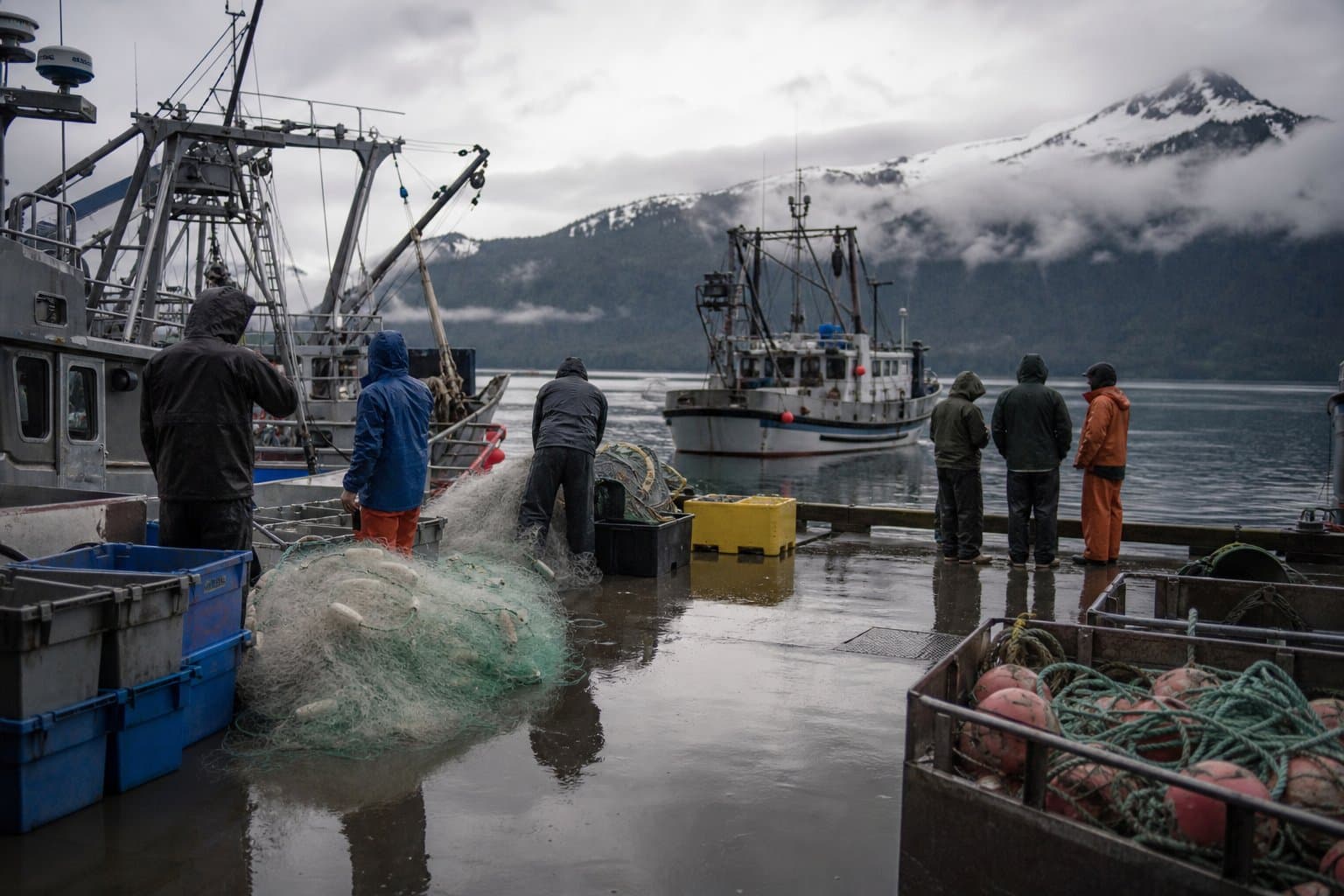
Fall chum and coho fishing is closed across the Tanana drainage
Fall chum and coho harvest closed across the Tanana River drainage at 12:01 a.m. Saturday for all users, running through Dec. 31, even as river-wide chum counts ran above median. Managers call it precautionary because Tanana-bound stock strength is still unknown.
by Walter AlaskaNews1mo ago1 min read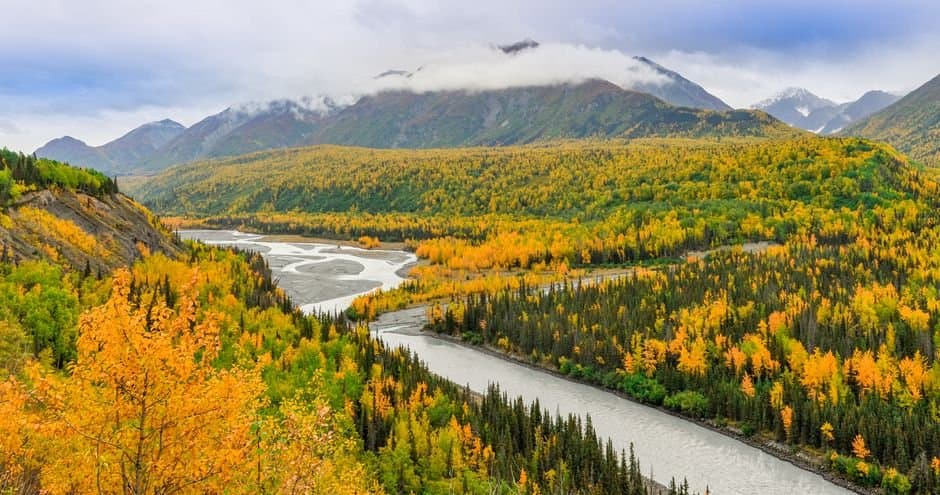
Yukon fall salmon fishing closes at the peak of the season, not for a weak run but to meet Canada's share
Directed subsistence fishing for fall chum and coho closed on the Yukon River from Manley to Eagle, not for a weak run but to meet Canadian treaty escapement goals under the U.S.-Canada agreement.
by Bill AlaskaNews1mo ago2 min read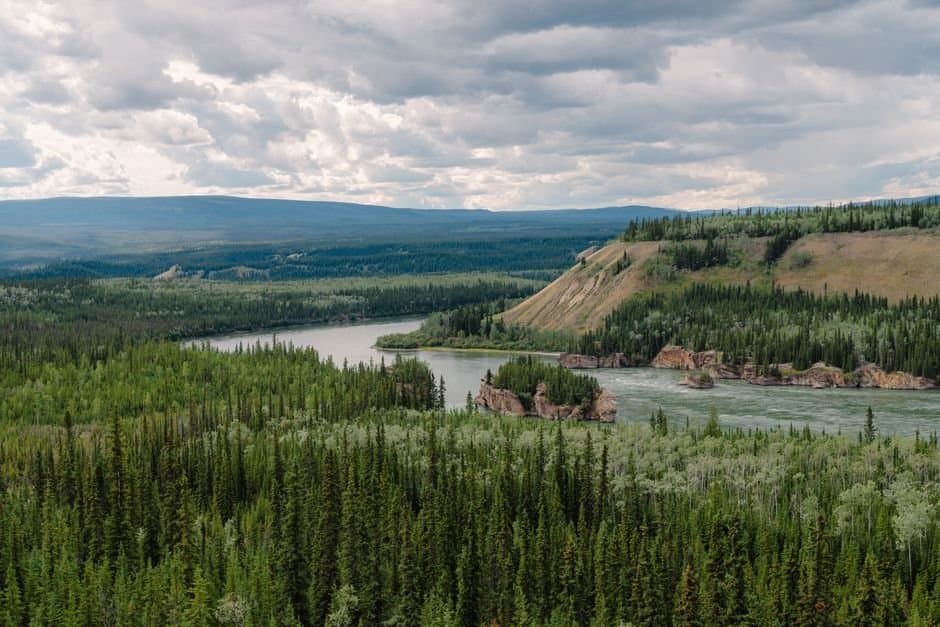
Upper Koyukuk and Innoko villages can keep every salmon again starting Monday
Starting 8 a.m. Monday, subsistence fishers in the Koyukuk and Innoko drainages can use 6-inch gillnets around the clock and keep everything they catch, while the Yukon mainstem stays closed to protect Canadian-bound fall chum.
by Bill AlaskaNews1mo ago2 min read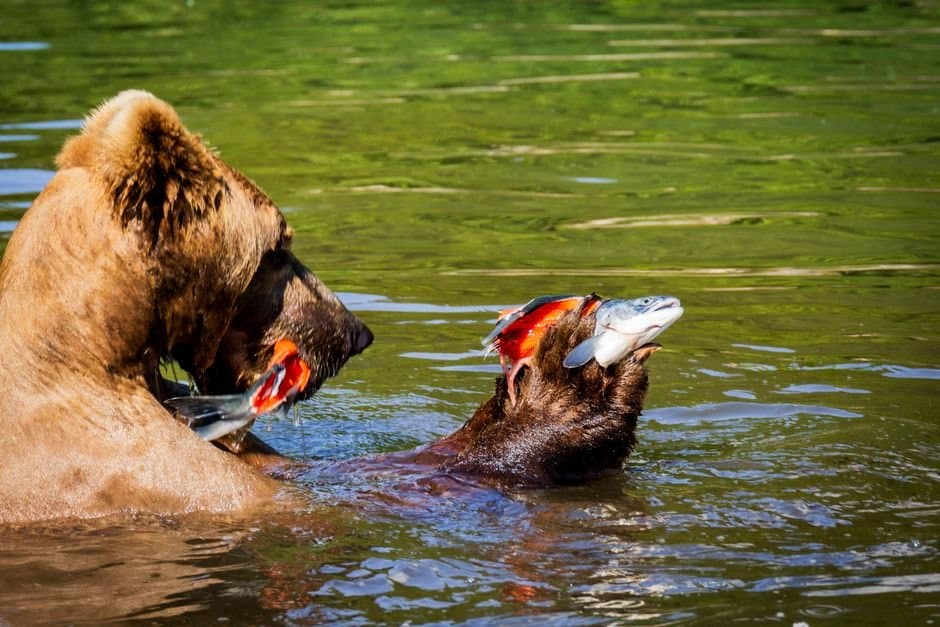
Cook Inlet razor clam permit holders must file a harvest report or lose next year's permit
The Alaska Department of Fish and Game's Aug. 14 Southern Kenai fishing report again flags the Cook Inlet and North Gulf Coast razor clam permit. Households that skip the online harvest report due Dec. 31 lose permit eligibility for 2027.
by Bill AlaskaNews1mo ago1 min read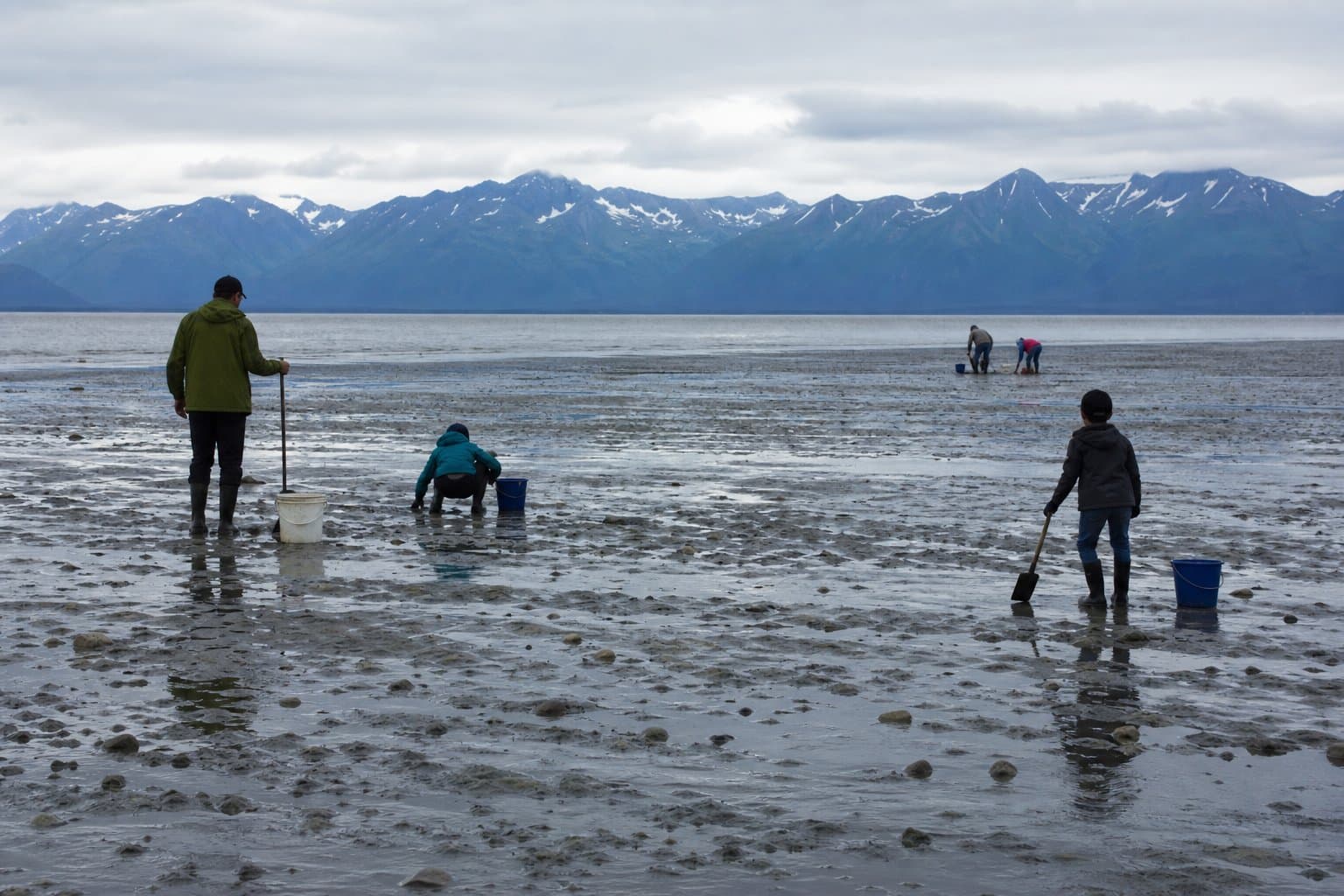
Eklutna Tailrace closes stretch to anglers 16 and older Saturday
Anglers 15 and younger get exclusive use of the Eklutna Tailrace from the Knik River confluence up to the pedestrian bridge from 6 a.m. to 6 p.m. Saturday, Aug. 15. Anglers 16 and older are shut out of that stretch, including catch-and-release.
by Walter AlaskaNews1mo ago2 min read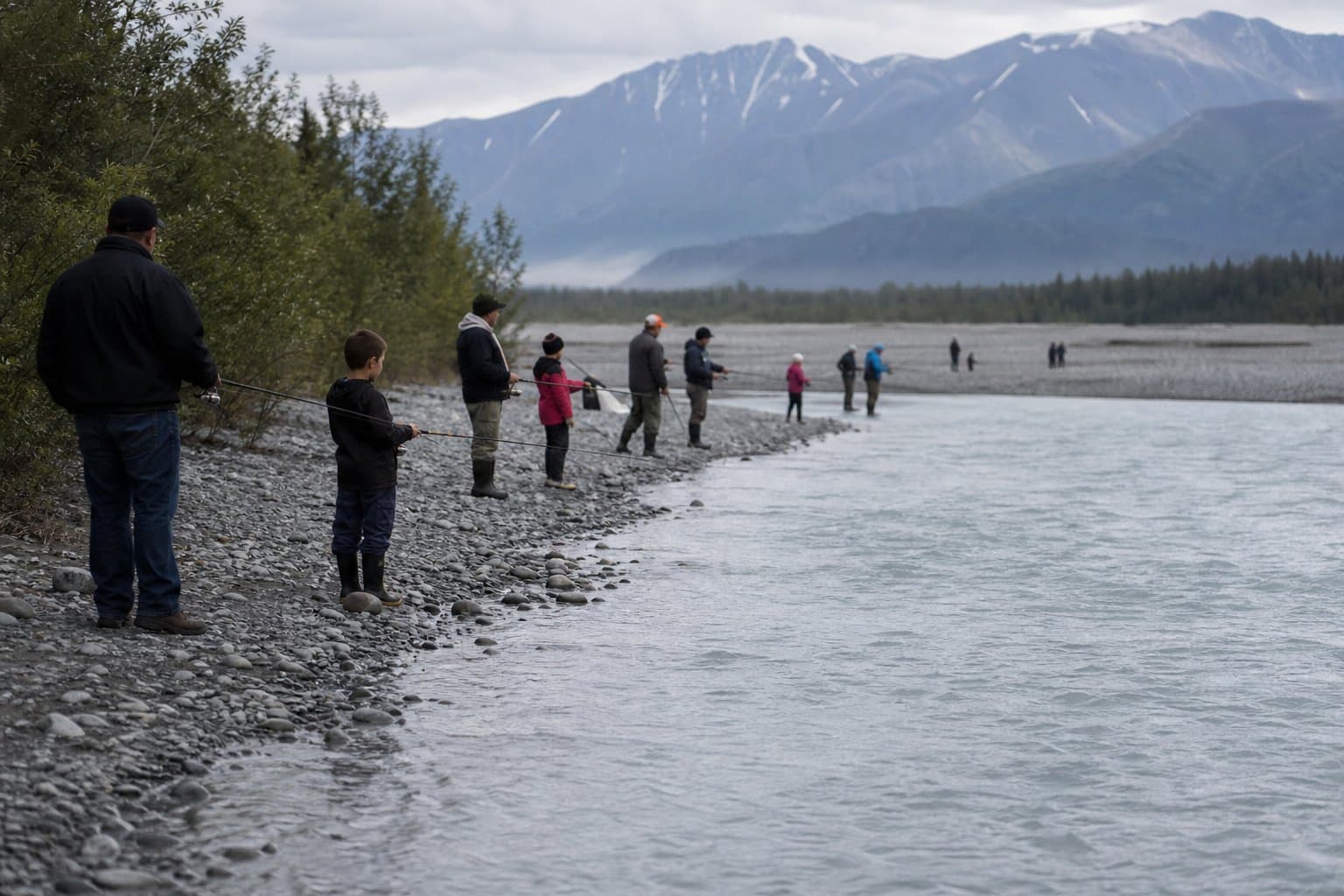
Yukon fall chum and coho fishing closes as the Canadian-bound run comes in far below treaty levels
Subsistence fishing for fall chum and coho in Yukon River District 6 closes Aug. 15, as the Canadian-origin chum run falls far below treaty objectives, straining families who depend on the fishery.
 by Maggie AlaskaNews1mo ago2 min read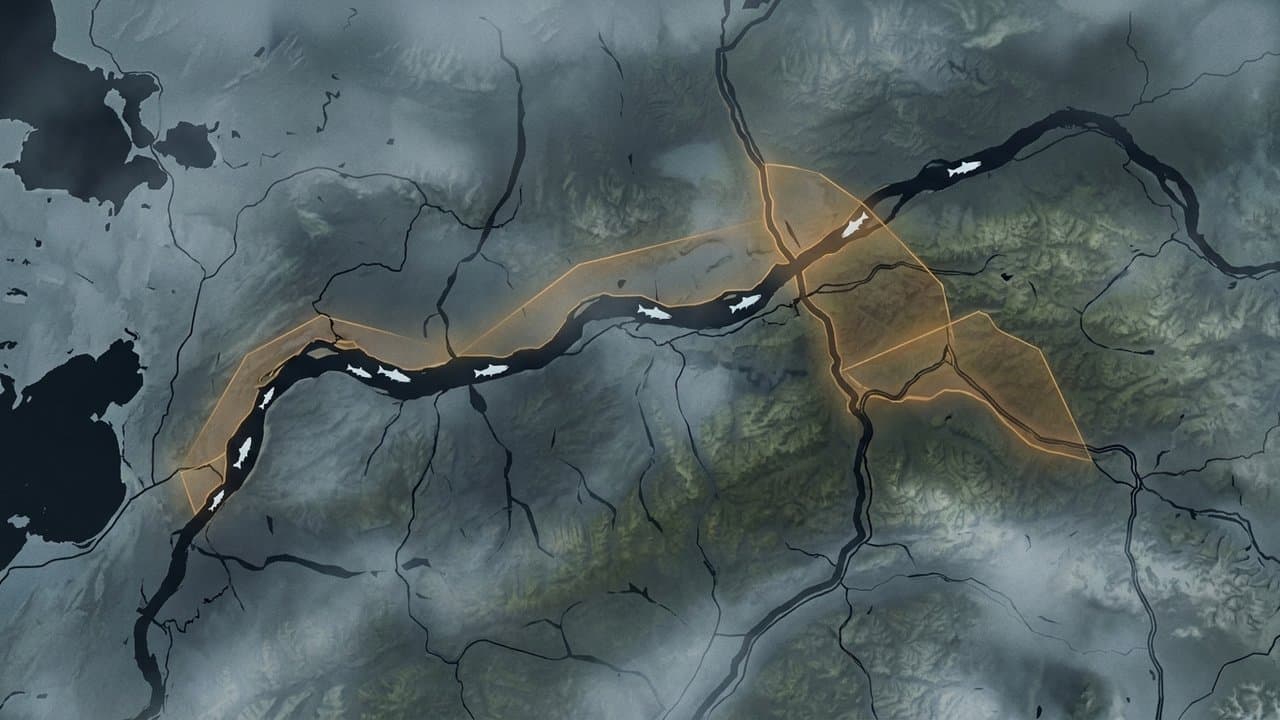
Upper Cook Inlet reopens to a one-king limit after a spring closure
Upper Cook Inlet salt waters north of Bluff Point reopen to a one-king limit Aug. 16 through Sept. 15, after a closure to protect Cook Inlet king stocks in low productivity.
by Walter AlaskaNews1mo ago1 min read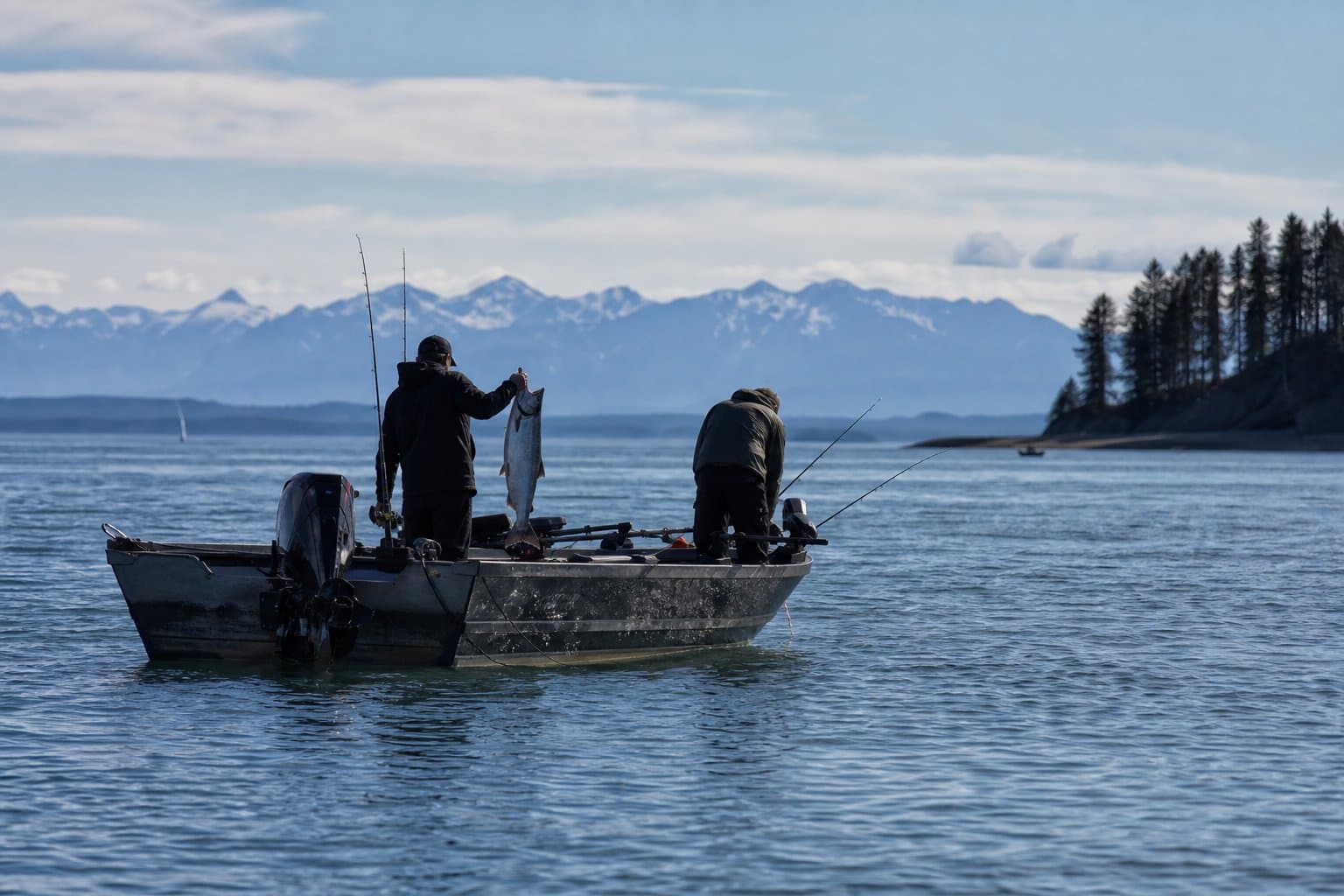
Yukon salmon conservation rules are now locked into state regulation, not left to managers' discretion
The Alaska Board of Fisheries adopted binding Yukon River king and fall chum salmon conservation plans, setting fixed thresholds that keep commercial and much subsistence fishing closed.
by Bill AlaskaNews1mo ago2 min read
Pollock fleet holds an Anchorage job fair days before a bycatch-shaped election
The Bering Sea pollock industry holds an Anchorage job fair Oct. 29, days before an election shaped by its salmon bycatch — now subject to the first mandatory Western Alaska chum cap.
by Bill AlaskaNews1mo ago3 min read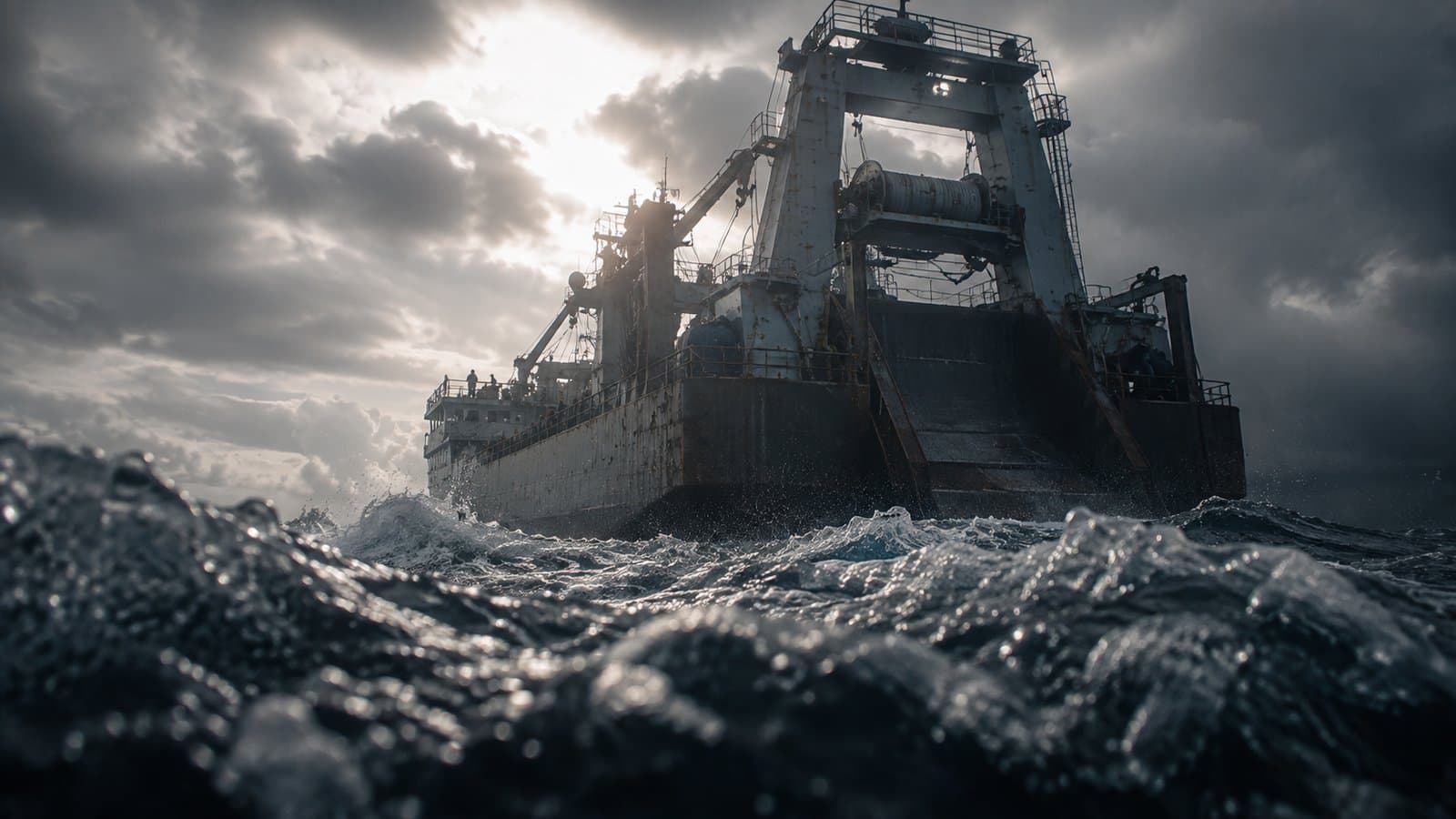
Alaska's one-boat state crab fishery reopens as offshore quota rises
Alaska's state-waters Aleutian golden king crab fishery reopens for 2026-27 with a 400-pot cap split among registered boats, a fishery just one vessel fished last season.
by Bill AlaskaNews1mo ago1 min read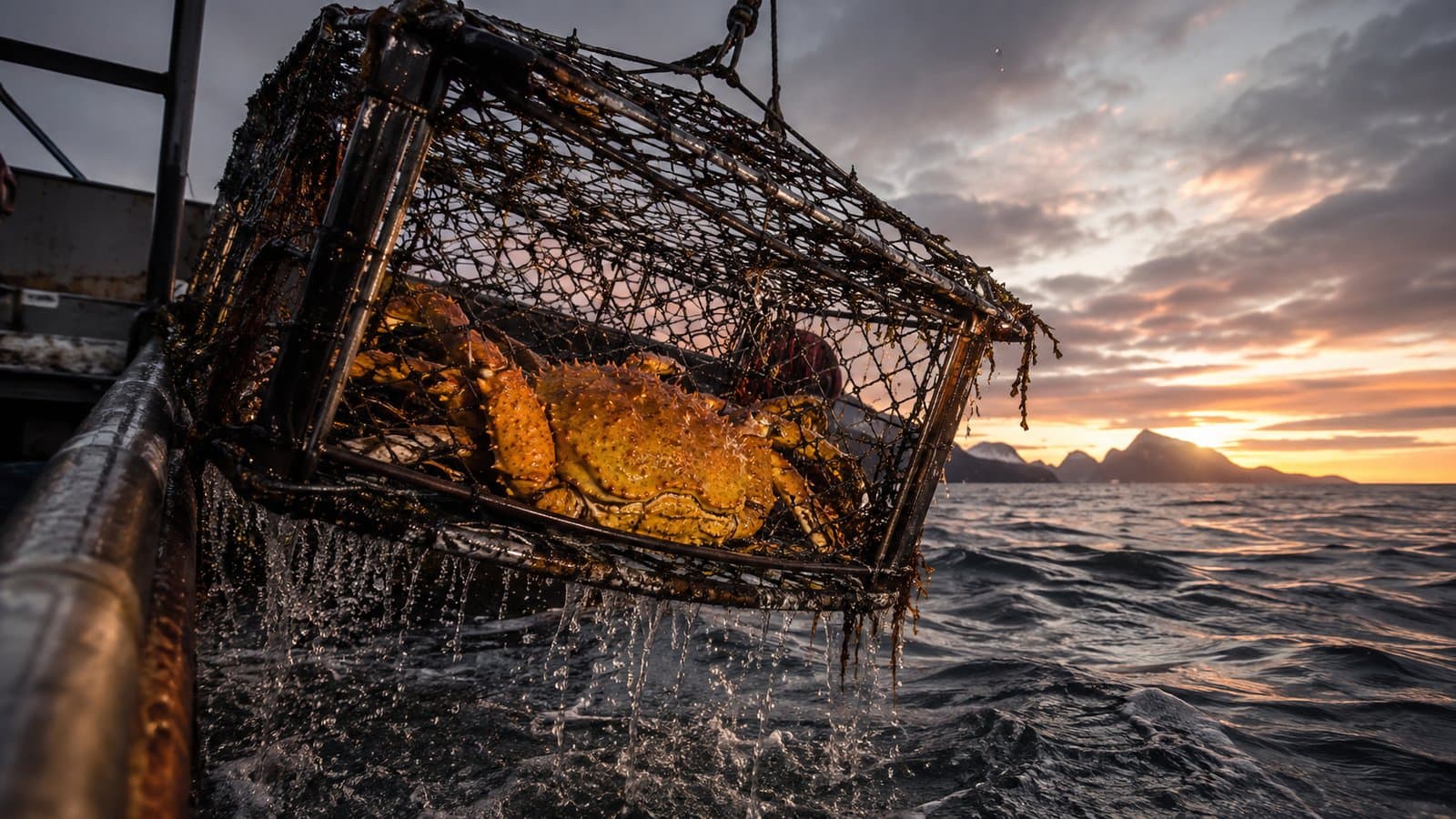
The state ordered Cook Inlet setnetters onto gear their permits don't allow
Alaska's Board of Fisheries ordered Cook Inlet setnetters onto beach seines their permits don't authorize, deepening a years-long wind-down as drift rules stay unchanged.
by Walter AlaskaNews2mo ago2 min read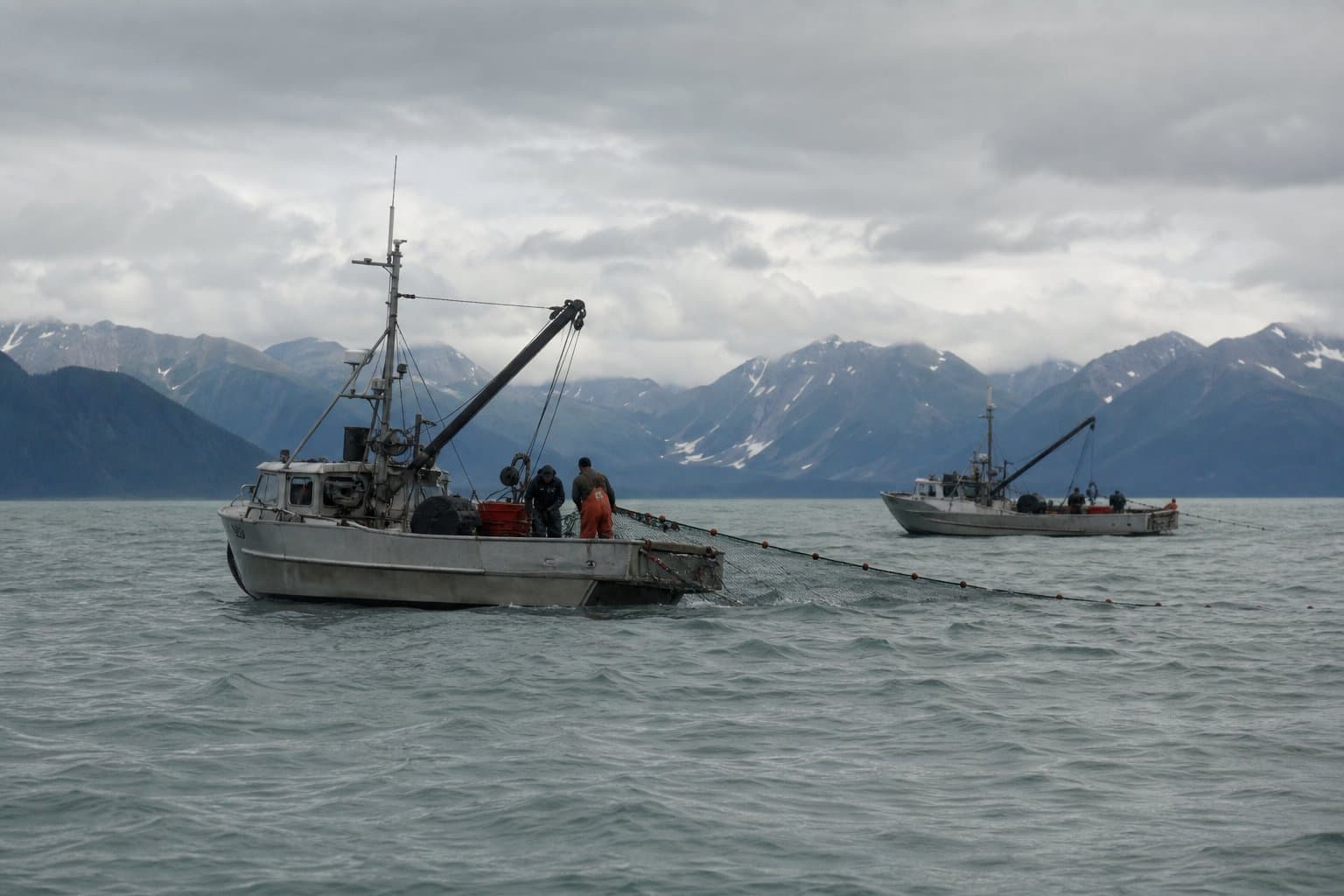
Aleutians East newsletter flags fisheries as defining issue in 2026 Alaska races
The Aleutians East Borough's election newsletter, published Wednesday, identifies fisheries as taking center stage in 2026 Alaska elections and points voters to candidate surveys sent by the Alaska Marine Community Coalition to all gubernatorial, U.S. Senate, and U.S. House candidates.
by Walter AlaskaNews2mo ago2 min read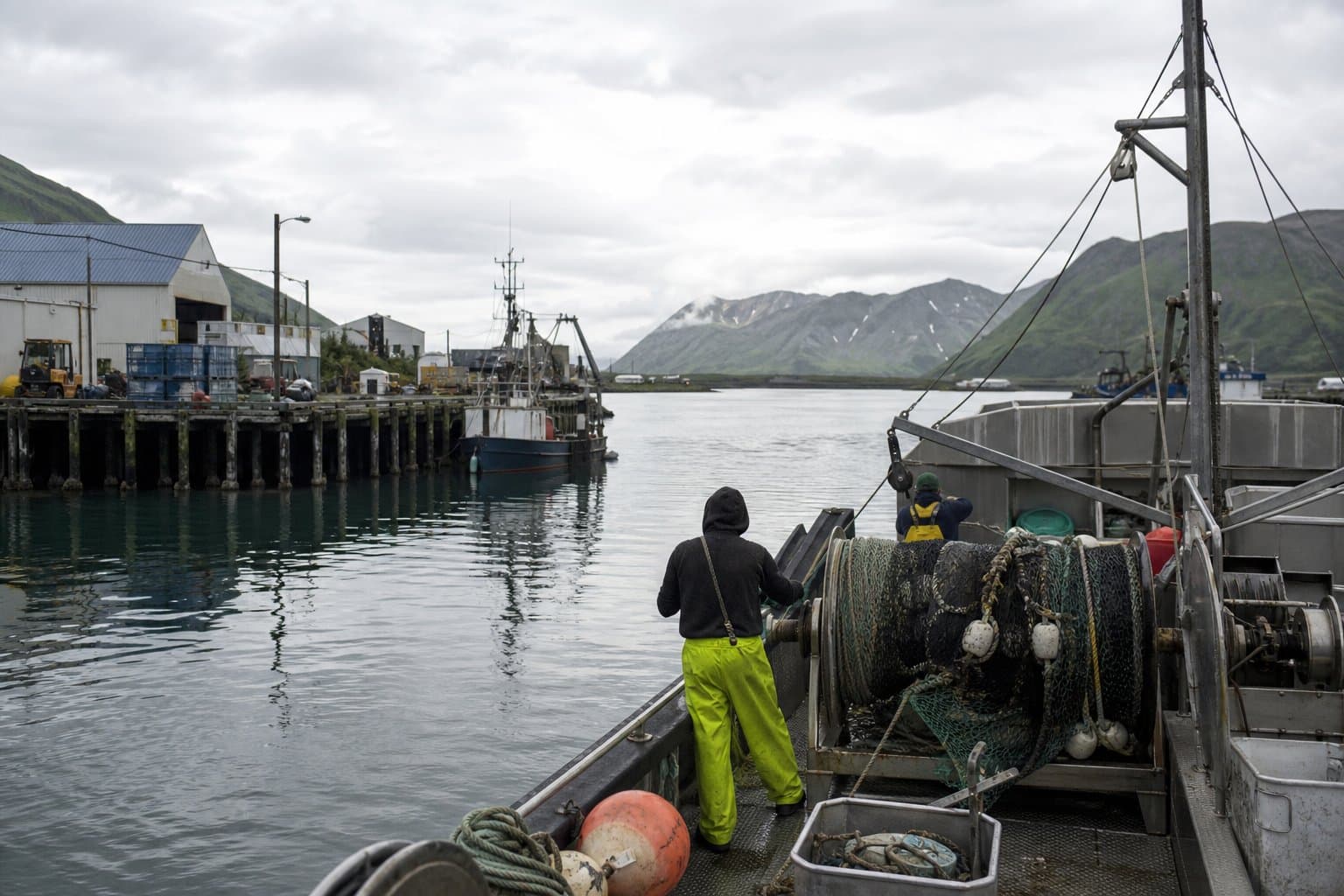
Alaska closes District 4 subsistence fishing for fall chum and coho starting Wednesday
ADF&G Emergency Order 3-S-FY-02-26 closes directed subsistence fishing for fall chum and coho salmon across Interior and lower Yukon communities starting Wednesday, July 22. The 2026 fall chum run is projected well below average, and Canadian treaty goals are not expected to be met even if the run lands within the escapement goal range.
 by Alaska News2mo ago2 min read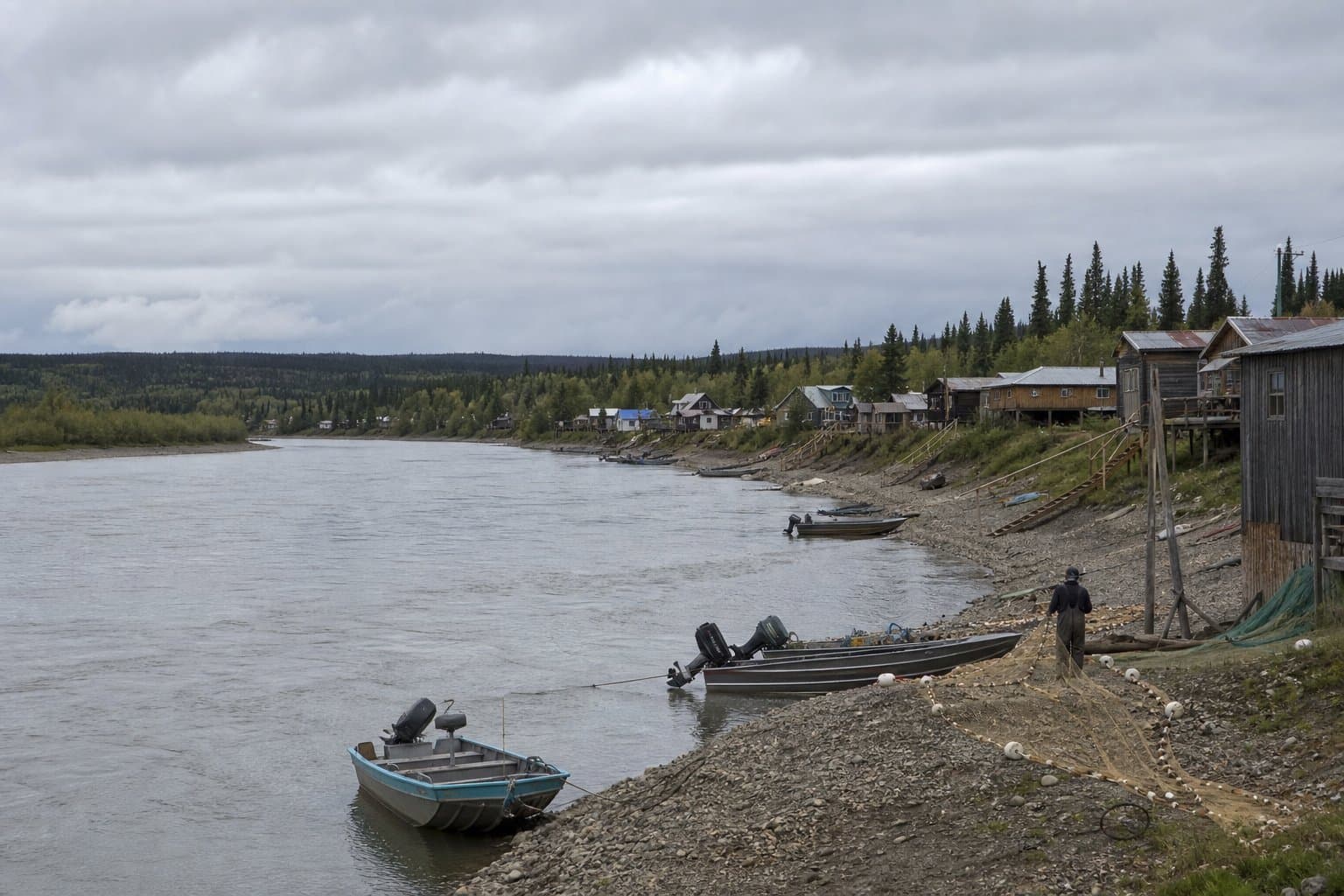
Kotzebue Sound fishing ban near airport runway takes effect with July 10 commercial opening
The Alaska Board of Fisheries permanently closed a stretch of Kotzebue Sound near the airport runway in November 2025, and the July 10 commercial salmon opening was the first season under that rule; the closure bars both commercial and subsistence fishing from the Weather Service Dome to the NANA building, one mile offshore.
by Bill AlaskaNewsadded 2mo ago1 min read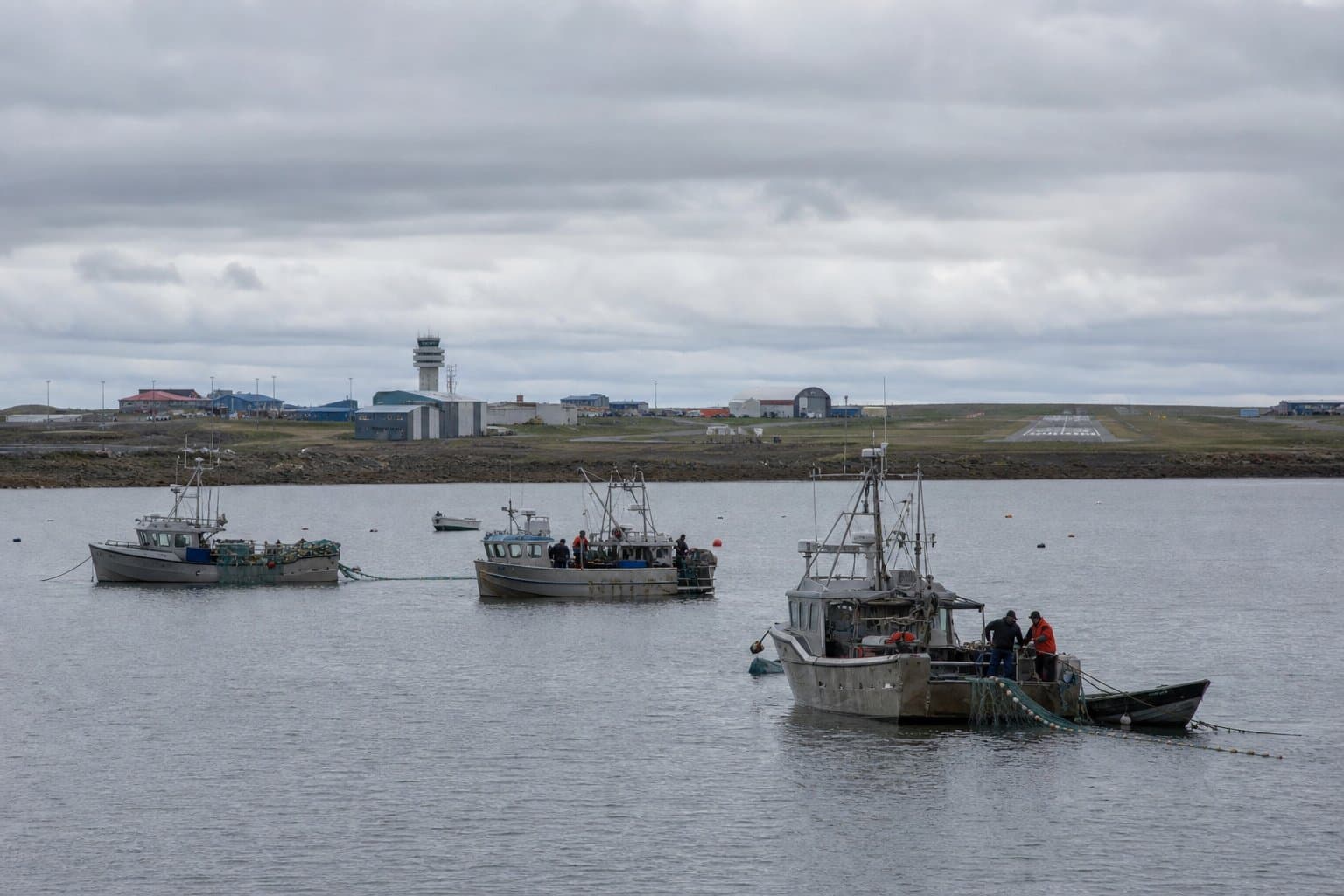
Alaska Peninsula Bering Sea drainages: non-residents banned from keeping king salmon starting July 18
New Alaska Board of Fisheries regulations take effect July 18, banning non-resident king salmon retention in Bering Sea drainages of the Alaska Peninsula and Aleutian Islands; Alaska residents are capped at one fish per day with a two-fish annual limit and must carry a harvest record.
by Bill AlaskaNews2mo ago2 min read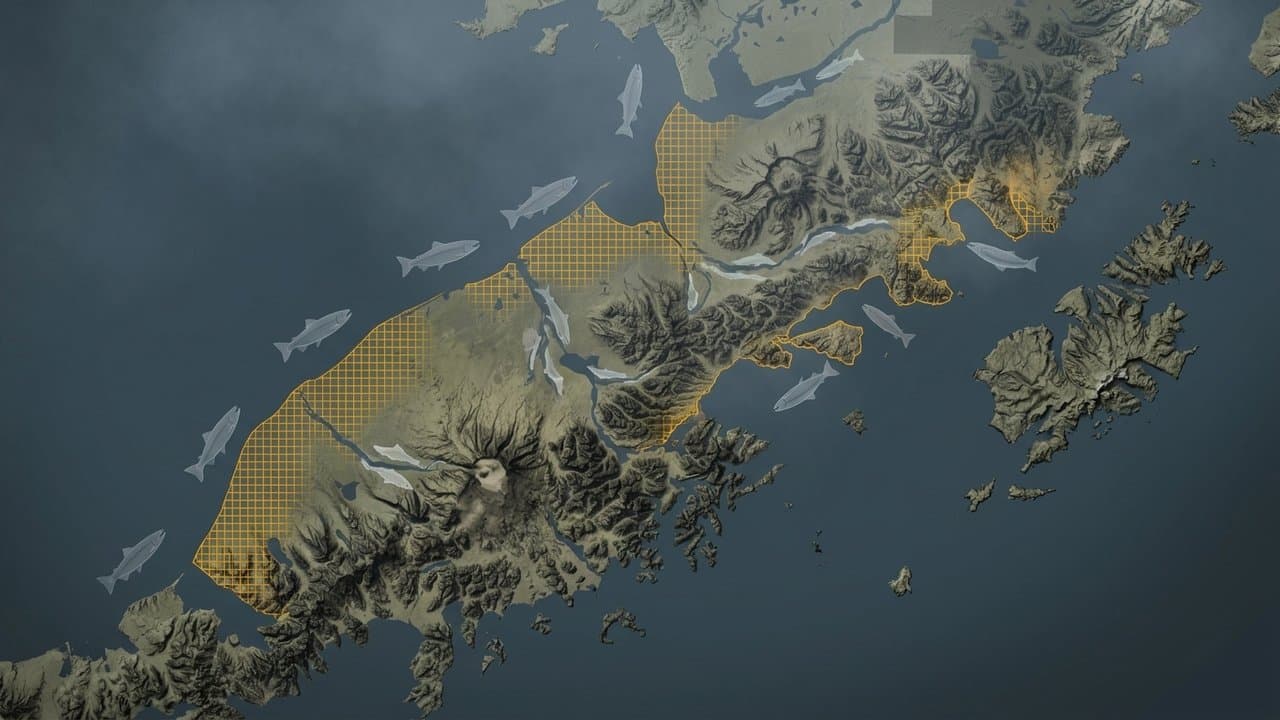
Alaska lawmakers order audit of Board of Fisheries process
The Alaska Legislative Budget and Audit Committee voted unanimously Thursday to commission a special audit of the Board of Fisheries, examining whether the board followed its own statutes, regulations, and public-notice requirements from October 2023 through July 2026.
by Walter AlaskaNews2mo ago2 min read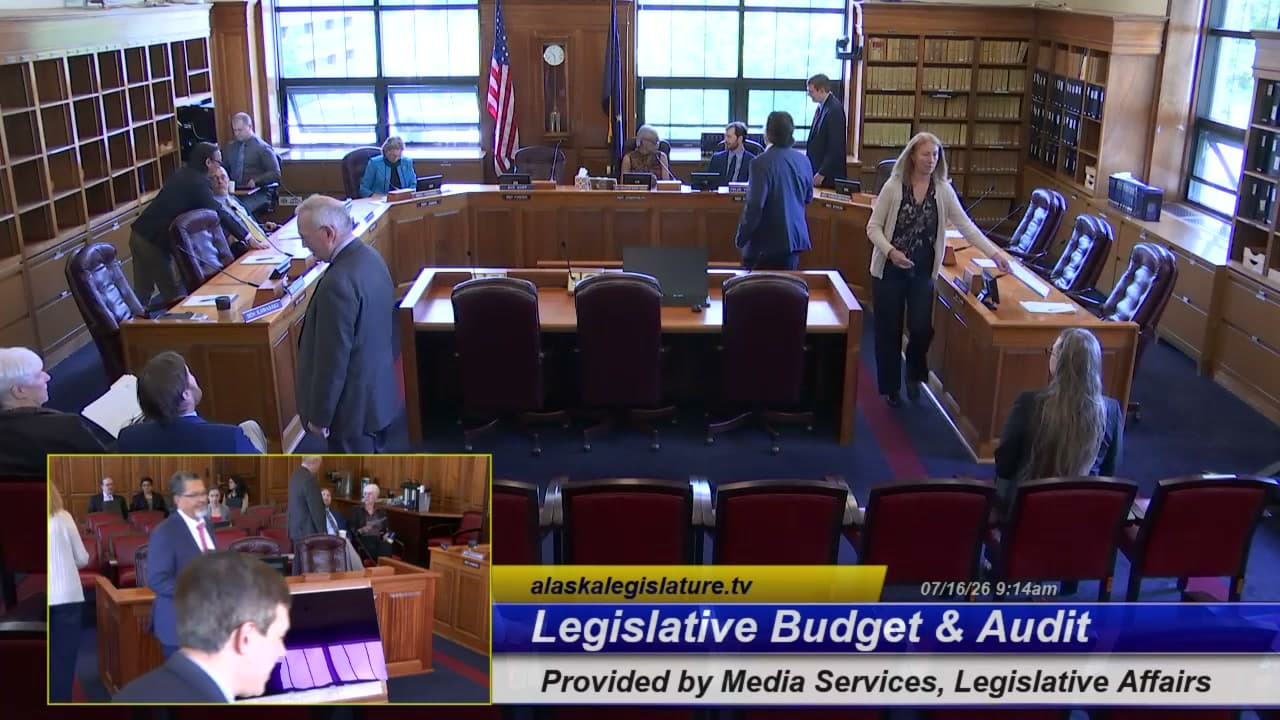
Bristol Bay tightens the rules on its king salmon again
New Alaska Board of Fisheries rules on Bristol Bay's Naknek and Nushagak rivers tighten king salmon limits and ban bait on the Nushagak, aiming to conserve a declining run.
by Bill AlaskaNews2mo ago1 min read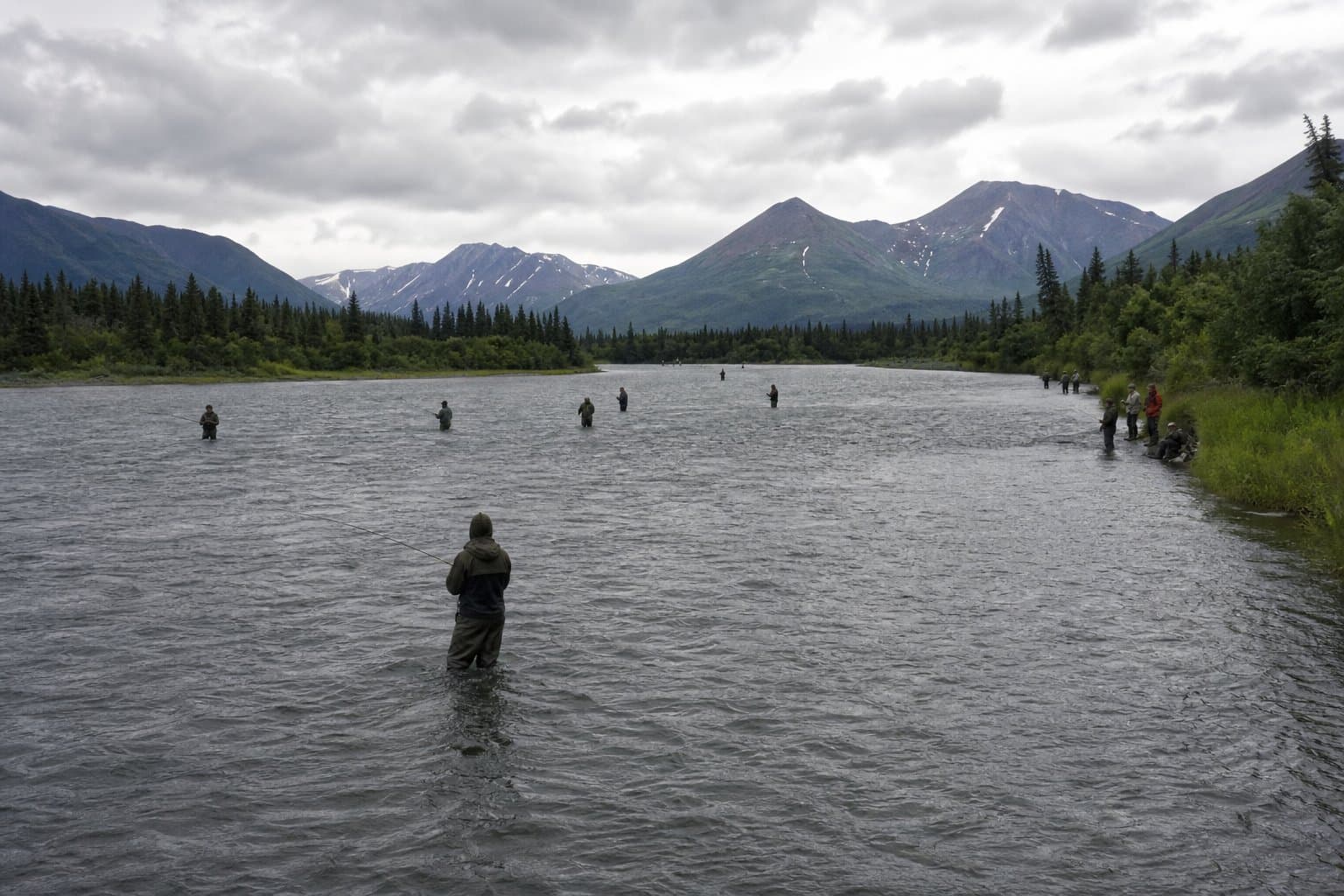
Too many young fish shut Sand Point's seiners out of the Shumagins
Fish and Game closed the Shumagin Islands to seine gear after test fisheries found immature salmon far above the closure threshold, amid a legal challenge to Area M's new rules.
by Bill AlaskaNews2mo ago1 min read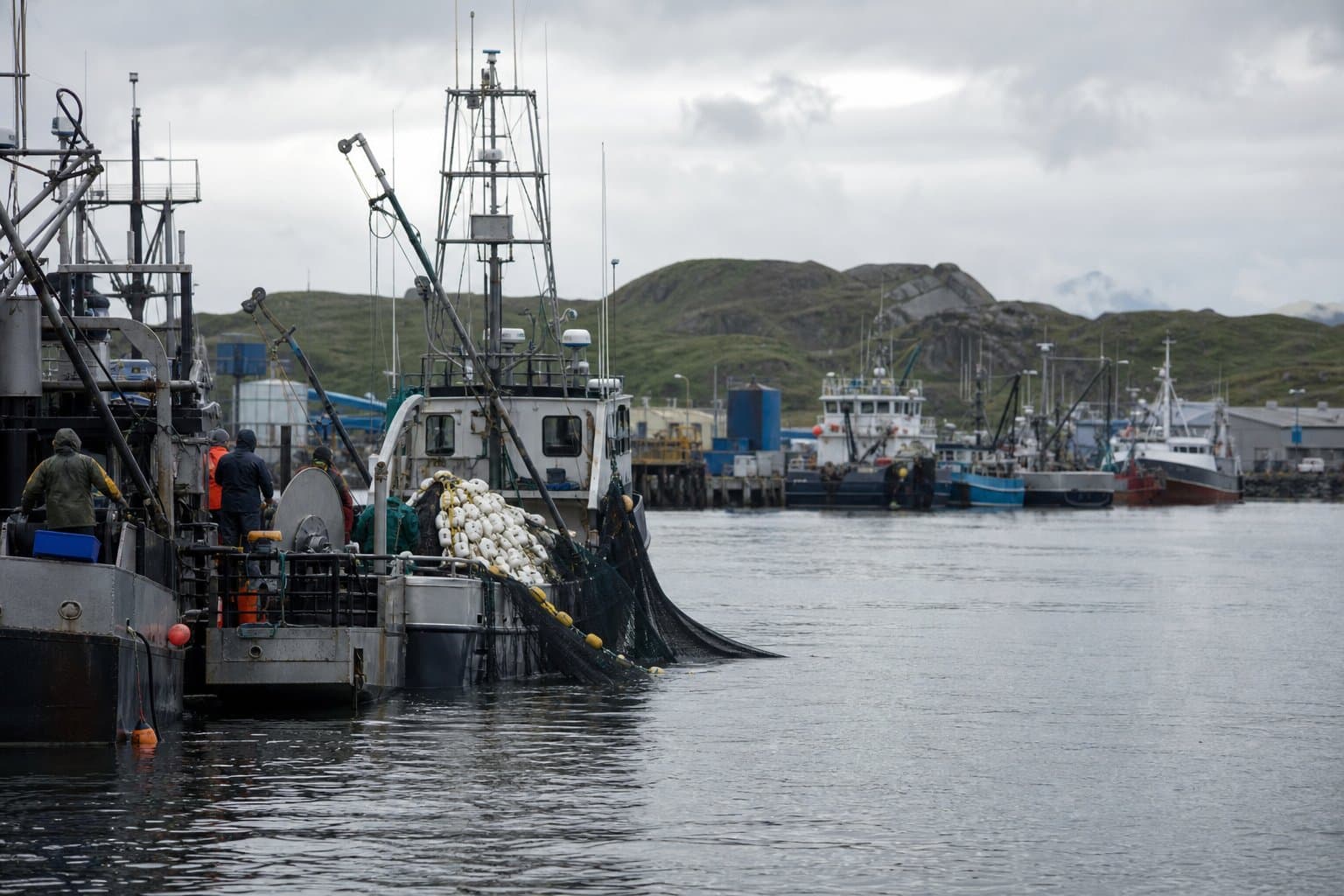
Weak kings, strong chum: the Yukon's salmon rules split by the run
Salmon rules across the Yukon shift by district this week: the Lower Yukon closes early over weak fall chum, Chinook restrictions continue, and a strong summer chum run
by Bill AlaskaNews2mo ago2 min read
On the Wood River, so many sockeye are coming back that the state wants you to keep more
ADF&G doubled the sport sockeye bag limit to 10 fish a day on the Wood River drainage near Dillingham through Dec. 31, after a run projected to exceed the escapement goal.
by Bill AlaskaNews3mo ago1 min read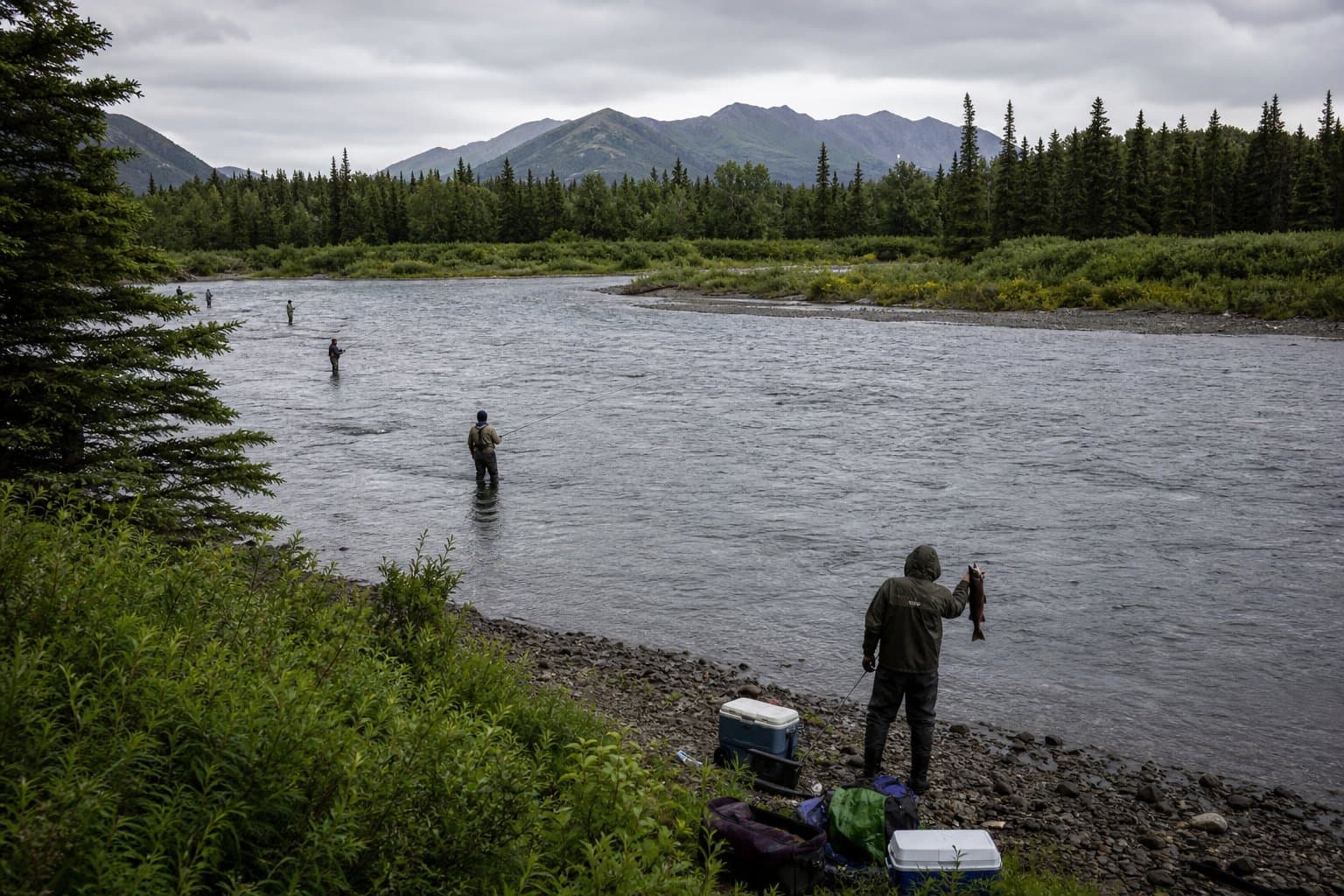
Kodiak seiners back Kreiss-Tomkins for governor
The Kodiak Seiners Association endorsed gubernatorial candidate Jonathan Kreiss-Tomkins, who pledged to reform the Board of Fisheries, protect Alaskan permits, and cut bycatch.
by Walter AlaskaNews3mo ago2 min read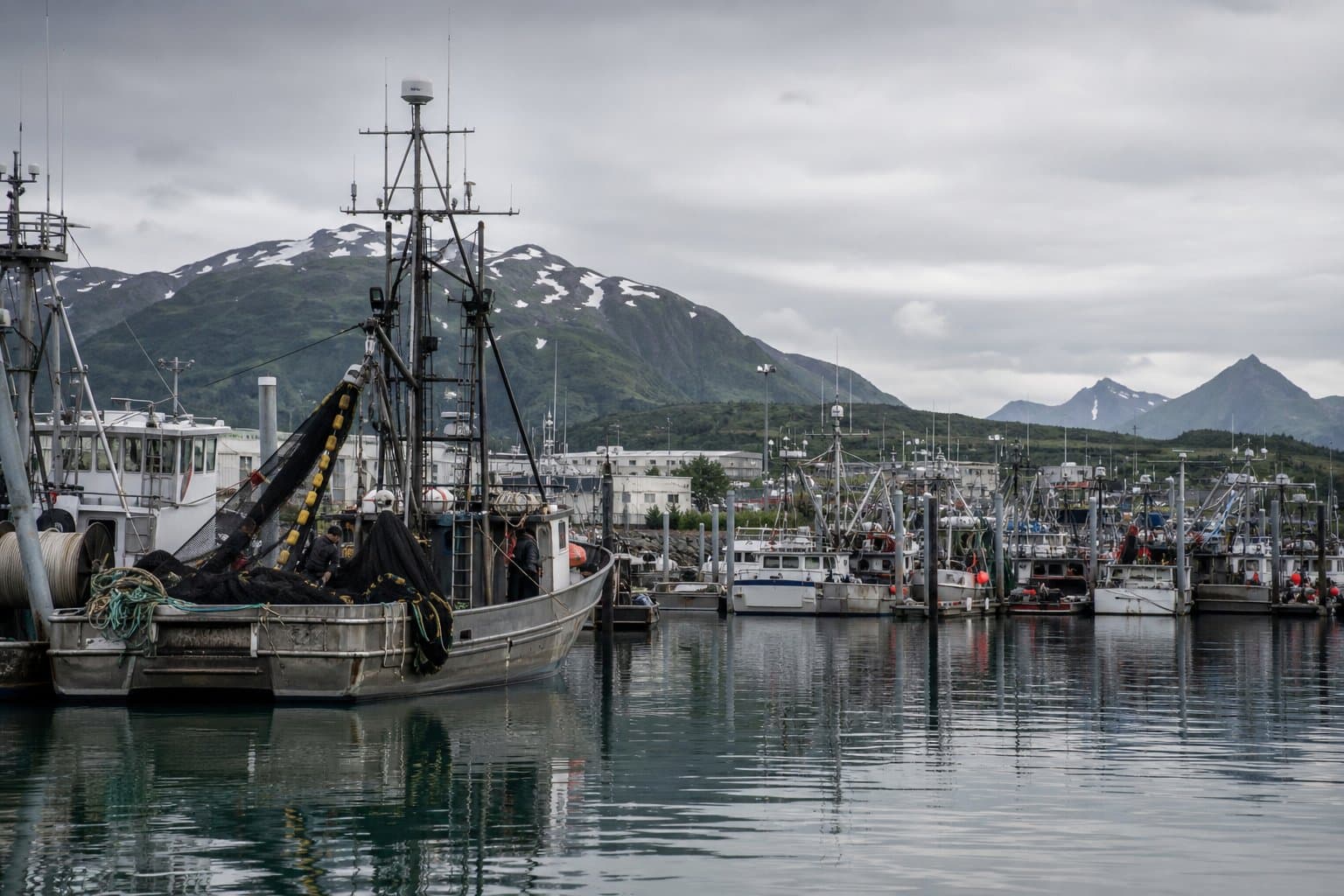
Copper River Kings Hit a Record Low — and Limits Drop
With Copper River king salmon at their lowest recorded count, Alaska's ADF&G is cutting the Upper Copper sport limit from four fish to one through Aug. 10 to protect spawning runs.
by Bill AlaskaNews3mo ago2 min read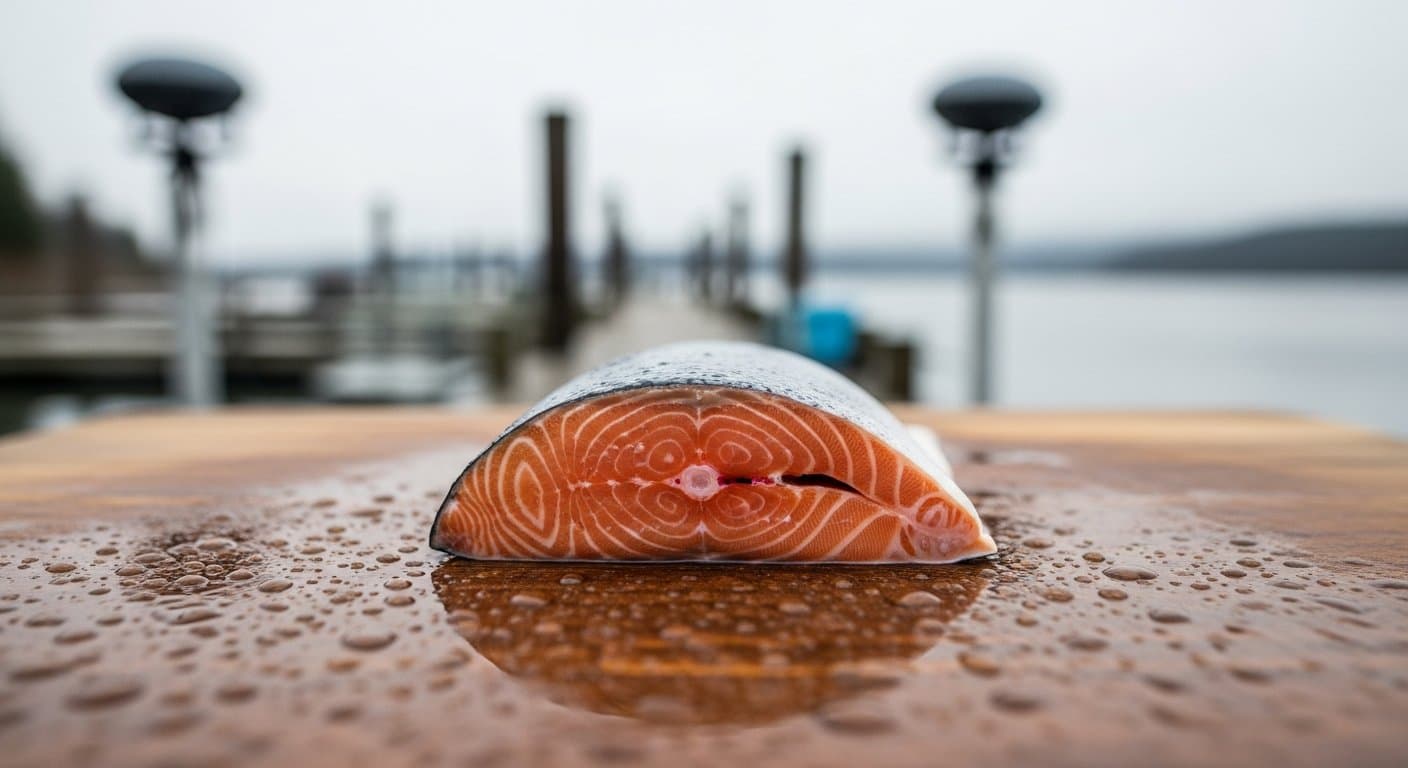
NOAA Fisheries declined to list Gulf of Alaska Chinook under the ESA
NOAA Fisheries determined Gulf of Alaska Chinook salmon do not qualify for listing under the Endangered Species Act in a May 2026 12-month finding
by Bill AlaskaNews3mo ago2 min read