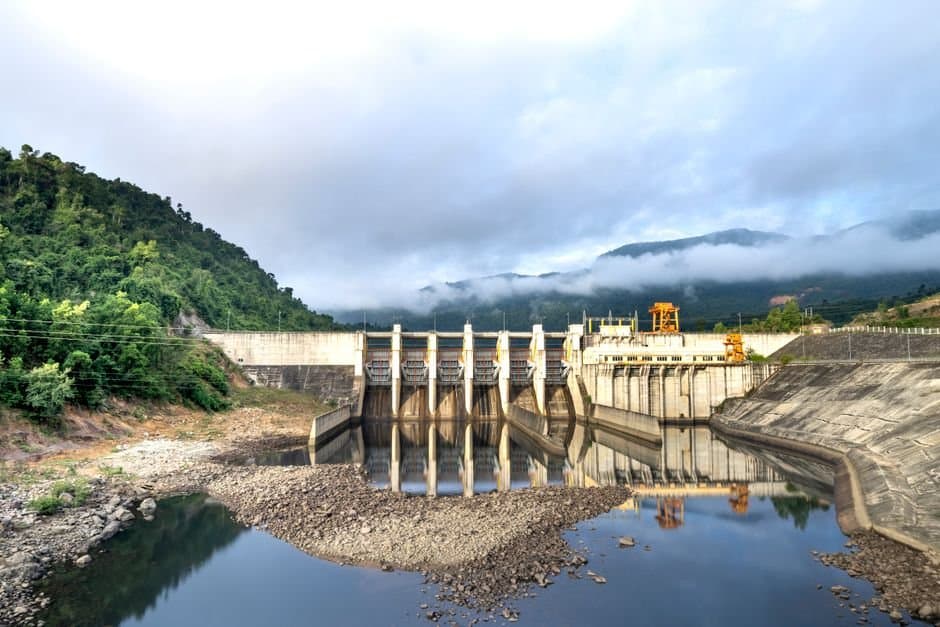
A $400 million expansion of Bradley Lake hydro would power about 30,000 homes and cut Southcentral's gas use
A $400 million expansion of the state-owned Bradley Lake Hydroelectric Project would add enough electricity for about 30,000 homes and offset 1.5 billion cubic feet of natural gas a year, the Alaska Energy Authority told legislative resources committees on Thursday.
The project would boost output at the plant by more than 40 percent — adding roughly 170,000 to 180,000 megawatt-hours a year to a facility that has averaged about 392,000 since the mid-1990s. Almost none of that gain comes from new generating capacity; the plant's rated capacity would barely change. The extra power comes instead from feeding more water through the existing powerhouse, in service since 1991.
That added water is the heart of the project. The plan would divert glacial meltwater from the Dixon Glacier into Bradley Lake through a 4.6-mile tunnel, raise the lake's operating level by 16 feet, and add a small turbine in a fish-water release valve. The authority, led by chief executive Curtis Thayer, calls the project shovel-ready, with a target of 2031. The $400 million price tag is an early-stage estimate with a wide margin of error.
For Southcentral Alaska, staring down a looming natural gas shortage, the appeal is the gas it would displace. The 1.5 billion cubic feet a year the expansion would offset equals about 7.5 percent of the region's projected unmet gas demand by 2030. As Tony Izzo, CEO of Matanuska Electric Association, put it this month, the project "will offset 1.5 BCF out of a demand in the inlet of 70."
The cost would be shared. The five utilities that buy Bradley Lake power would take on the financing, with ratepayers repaying up to $100 million and as much as $200 million expected to come from federal tax credits. The authority's filings also flag potential effects on aquatic habitat and water quality in the Martin River drainage from diverting its flow — a tradeoff federal regulators will weigh as the application moves forward.
The authority filed its application in late June, and federal regulators are taking public comment through Aug. 28.
Source: Alaska Energy Authority, Alaska Energy Authority: Delivering Energy Solutions That Power Alaska.
AI-assisted. How we use AI
Stay informed. Support what matters.
Free, permanent access to local news you can verify. Subscribe to support Walter AlaskaNews and go ad-free.
Related Coverage
As Cook Inlet gas runs short, Alaska moves to squeeze 38% more power from an existing dam
Alaska News · 2mo ago
Comments on the $400 million Bradley Lake expansion close Friday
Alaska News · 1mo ago
Bradley Lake expansion has carried three price tags in four months as the comment window closes
Alaska News · 2mo ago
Railbelt ratepayers will repay up to $100M for a Bradley Lake expansion built around federal tax credits
Alaska News · 1mo ago
A $413 million cable would give Kenai and Anchorage a second power link
Alaska News · 1mo ago
Comments
Sign in to leave a comment.
No comments yet. Be the first to share your thoughts.