AI image
A company wants to rework historic Interior goldfields, mining two creeks for a decade
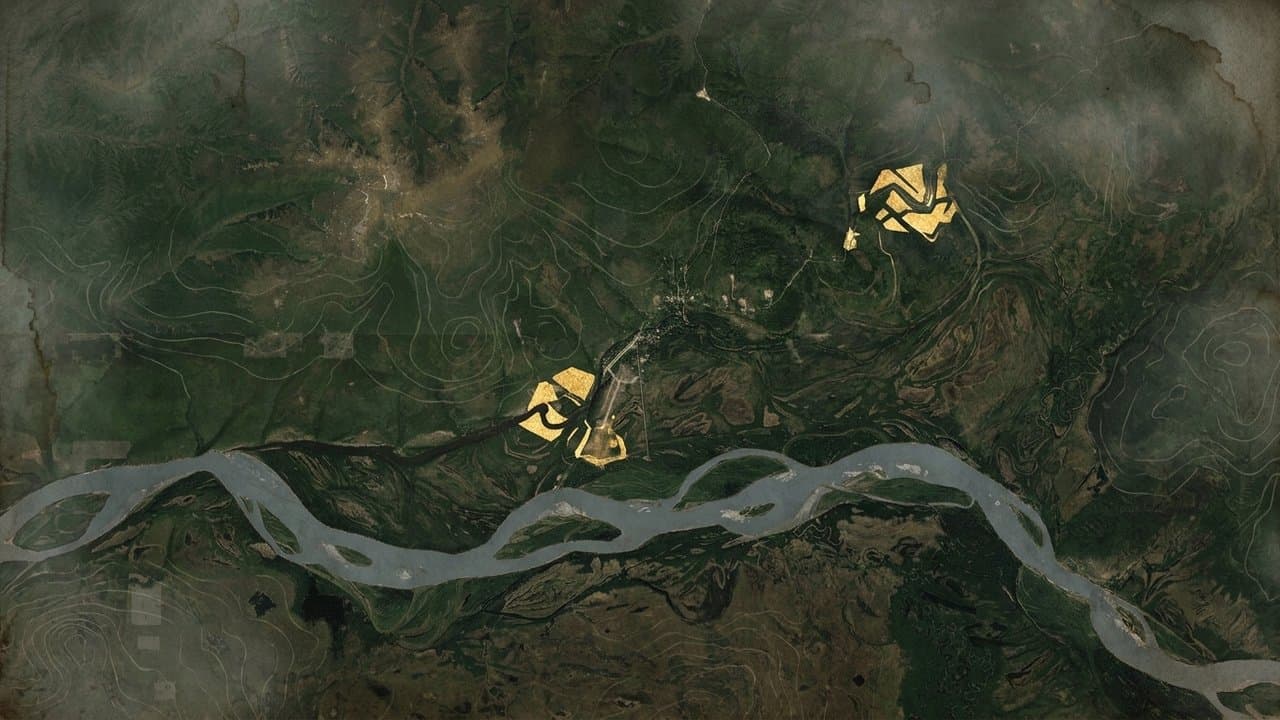
A company wants to spend the next decade mining gold from two creeks in one of Alaska's richest historic goldfields — sifting the gravels of Glenn Gulch and Flint Creek in the Interior's Ruby Mining District, in an operation that would disturb about 35 acres of streambed and other aquatic ground.
Tintina Gold Company's plan is for placer mining — the classic method of extracting gold by digging up and washing creek gravels, rather than blasting it from hard rock. Over 10 phased years, the company proposes clearing, stripping, excavating and then reclaiming the ground across the two drainages. Because it would tear up the beds of the creeks themselves, the work counts as disturbing aquatic resources, and it needs federal sign-off to do that.
These are not new goldfields. The Ruby–Poorman district, along the Yukon River, has yielded nearly half a million ounces of placer gold and produced some of the largest gold nuggets ever found in Alaska — including the state's biggest, a 294-ounce nugget pulled from a district creek in 1998. Gold was first discovered on Glenn Gulch in 1911, and the creek was mined along nearly its whole length in the years that followed before the early operations played out. Tintina is proposing, in effect, to rework ground that miners have chased for more than a century.
The proposal is early in a long permitting road, not a done deal. The federal comment period on it closed Aug. 10, but the U.S. Army Corps of Engineers permit the company is working under covers only five acres — so most of the 35-acre operation would need additional authorization before it could proceed. A parallel state filing runs through the end of 2035.
Placer mining puts machinery directly into salmon and fish-bearing streams. Environmental Protection Agency research on the practice broadly — not on these creeks specifically — has found degraded water quality and fish habitat downstream of such operations. The district's gold, meanwhile, has drawn miners since the first strikes of the early 1900s.
Source: Placer mining amendment application filed for Glenn Creek in Hot Springs Mining District.
AI-assisted. How we use AI
Stay informed. Support what matters.
Free, permanent access to local news you can verify. Subscribe to support Maggie AlaskaNews and go ad-free.
Related Coverage
A placer mine near Ruby would work 35 acres of creek for a decade
Alaska News · 1mo ago
Four new gold mining operations proposed near Central and Chicken
Alaska News · 4mo ago
A new gold claim would push mining into a creek the government has spent a decade repairing for fish
Alaska News · 1mo ago
Gold-exploration filings cluster in a historic Interior district
Alaska News · 2mo ago
A small gold permit, on a river fighting for its future
Alaska News · 2mo ago
Comments
Sign in to leave a comment.
No comments yet. Be the first to share your thoughts.