AI image
As the world burns, Alaska stays cool — a regional weather quirk
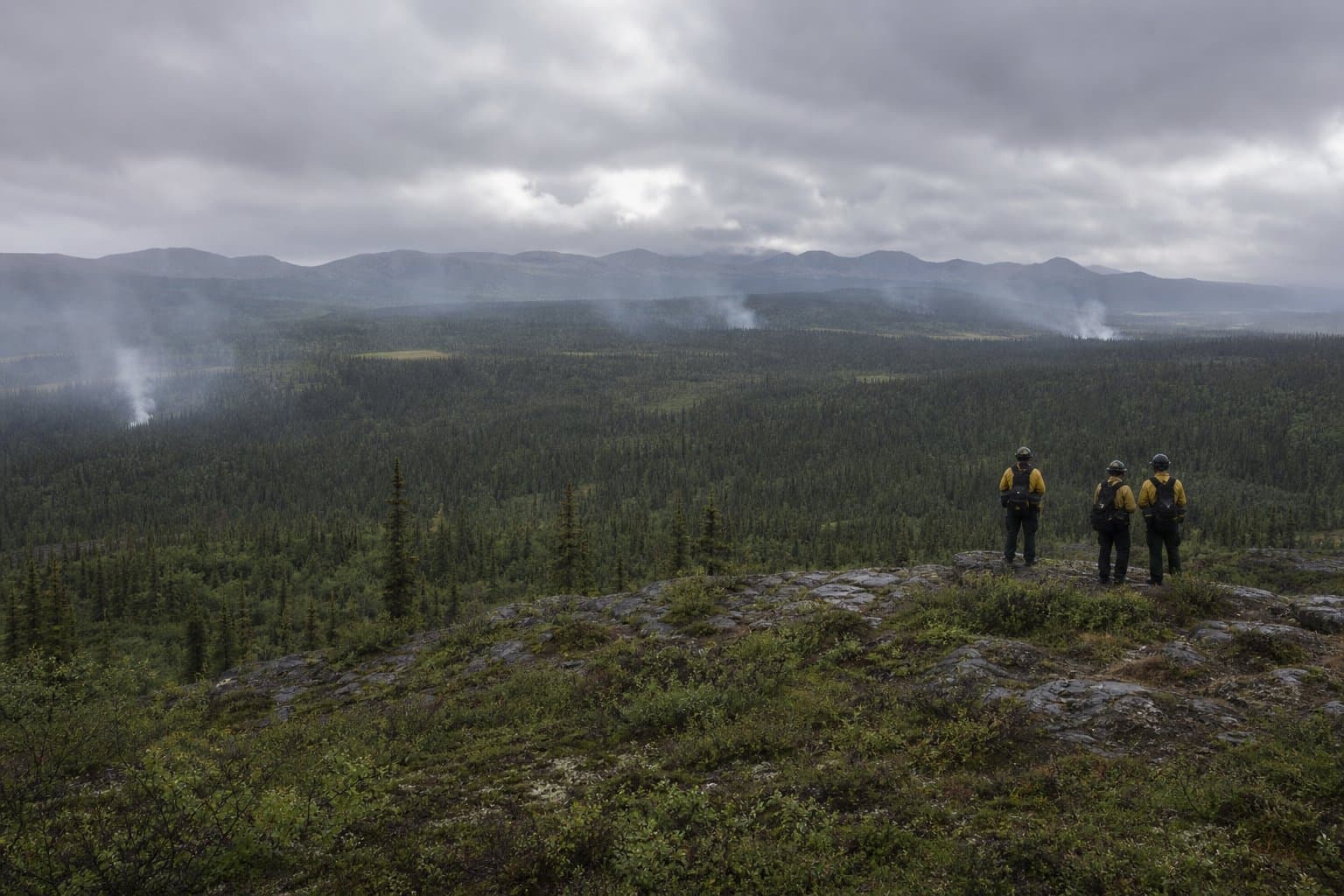
While much of the Northern Hemisphere burns, Alaska is having one of its quietest fire seasons in three decades — and an unusually cool summer to match.
About 43,000 acres have burned across Alaska through July, fewer than any year since 1993 except two, and under 10 percent of the long-term median, according to the July Arctic wildfire update from climate specialist Rick Thoman. Plenty of fires started; most never grew. What kept them small was the weather Alaska didn't get. Lightning ran near normal, but the stretches of hot, dry, windy days that turn small fires into big ones never came. At the end of July, the largest fire in the state, the Kilolitna fire north of Tanana, had reached 4,500 acres — in an active season, Thoman said, there might be two or three dozen fires bigger than that.
Elsewhere it's the opposite. Wildfires driven by heat and wind have forced roughly 65,000 people from their homes around Spokane and destroyed hundreds of structures, and Western Europe just logged its hottest June ever measured, with Germany setting all-time temperature records amid deadly fires across the continent.
None of it means Alaska is escaping a warming climate. The cool spell is a quirk of the weather, driven partly by unusually heavy sea ice in the Bering Sea this spring, which chilled the region into summer. But that ice was a regional exception. The Arctic as a whole reached its lowest-ever sea ice maximum this year. And over the long term, a USDA climate synthesis holds, warming is still pushing Alaska toward larger and more frequent fires. Thoman expects the pattern to flip before long — Alaska hot again while somewhere else turns cold.
Source: July 2026 Arctic Wildfire Update ().
Drafted with AI. Edited by Cale Green (1 revision). No full editor review is on record. Who is accountable.
Stay informed. Support what matters.
Free, permanent access to local news you can verify. Subscribe to support Maggie AlaskaNews and go ad-free.
Related Coverage
A tale of two Junes at the top of the world
Alaska News · 2mo ago
Alaska's August was warmer than its July, for the fourth time in a century
Alaska News · 5d ago
Alaska's smallest fire year since 1995 was also one of its most destructive
Alaska News · 2w ago
Seven straight months below normal: what drove Alaska's chilly first half of 2026
Alaska News · 2mo ago
Alaska's quiet June fire season faces July's heat and lightning
Alaska News · 2mo ago
Comments
Sign in to leave a comment.
No comments yet. Be the first to share your thoughts.