Alaska’s meetings, filings, and public notices, covered daily.
Alaska News

Peltola's campaign, Republican groups supporting Sullivan and a national progressive nonprofit network are running Senate race messaging through Alaska news-style brands.
Also in Alaska News
Alaska Senate panel advanced a bill requiring human operators in autonomous commercial vehicles, despite industry warnings it would halt testing in the state.

Where in Alaska are you?
We’ll put news from your area first. No account needed, change it anytime.
Senate panel voted to count pre-K students as full-time in school funding, removing a $3 million cap and 2034 sunset date to boost aid to districts.

Alaska House Finance advanced a civics education bill for high school graduation, rejecting a military exemption after finding existing law already protects military families.

Alaska Senate voted to require hunters and anglers to spend at least 180 days in state per year to qualify for cheaper resident licenses, using the same residency test as the Permanent Fund Dividend.

Alaska lawmakers unanimously approved a bill to fix an 8-year-old boundary error in the Jonesville Public Use Area, clearing the way for the state to finish writing rules for the land.
Alaska House committee advanced a bill adding sexual orientation and gender identity protections to state civil rights law in employment, housing, and public accommodations, voting 4-3 Thursday.
Senate approved a bill requiring schools to develop mental health education guidelines, with parental opt-out rights, after six years of pushing back against Alaska's youth suicide crisis.
Alaska Senate cut community impact fees for the Alaska LNG pipeline to $500,000 per mile, halving projected municipal payments from $740 million to $370 million during construction.

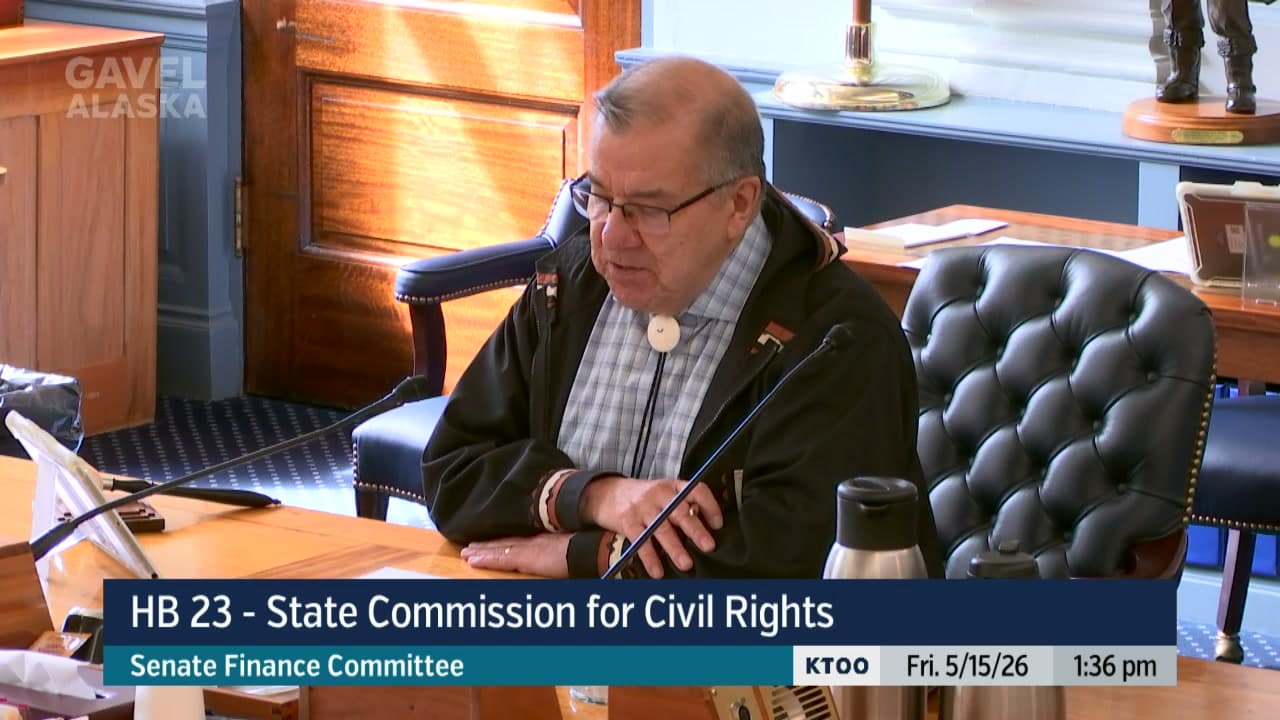
Alaska Senate Finance Committee advanced a bill that renames the human rights commission to civil rights commission, expands it to cover roughly 40,000 nonprofit employees, and adds a settlement tool.

A House committee advanced a bill requiring equal pay for telehealth and in-person care. It includes protections against moving Alaska healthcare jobs to lower-wage states.
Alaska House voted 32-8 to let pharmacists prescribe for minor ailments and chronic conditions, unlocking $272 million in federal rural health funding that requires the law by December 2027.
The Senate Judiciary Committee advanced Mike Miller to the Alaska Judicial Council despite his past lawsuit over judicial abortion views.

Alaska's Senate Finance Committee cut the oil production tax rate in half, from 35 percent to 17 percent, and will hear industry testimony Monday.

Alaska House passed a bill requiring the state to develop mental health curriculum guidelines for schools, responding to the nation's highest youth suicide rate among teenagers.
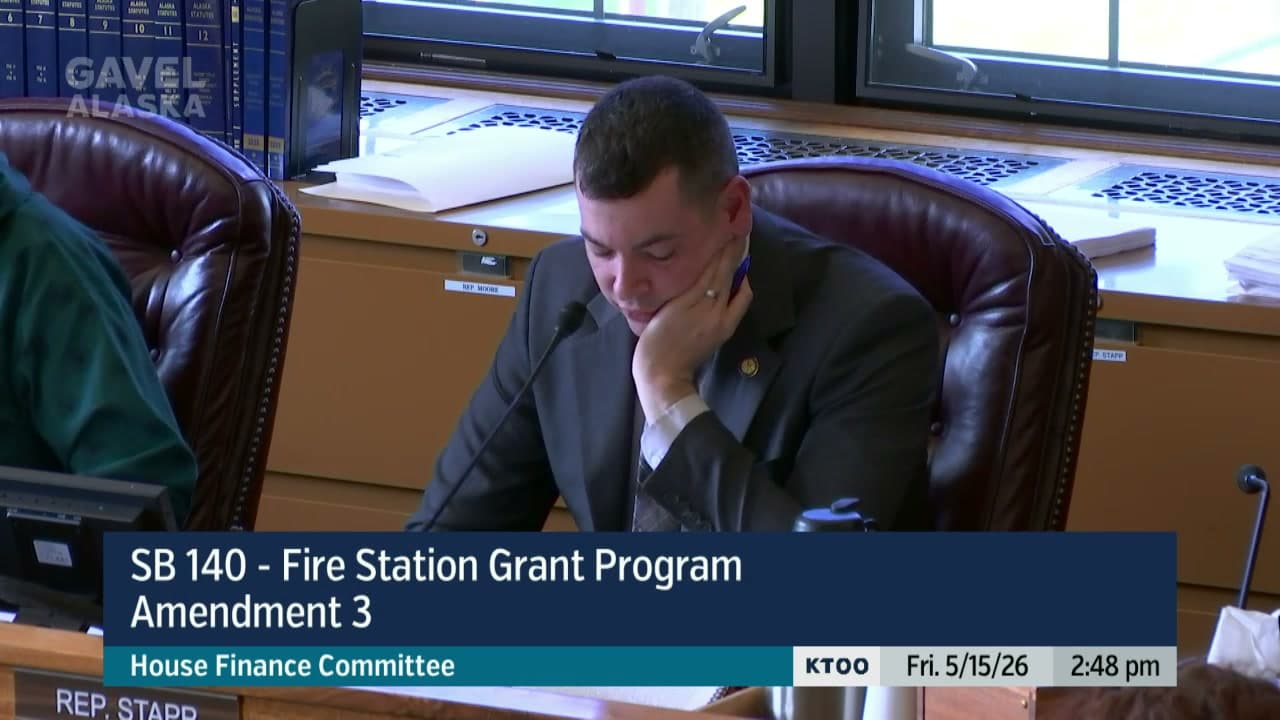
House Finance rejected amendments that would have eased the cost burden on small rural communities seeking fire station grants, keeping the 50 percent local match requirement in place.

House committee advanced a bill to let more Alaska infants access early intervention services by lowering the eligibility threshold from 50% to 25% developmental delay.

House Resources Committee unanimously advanced Senate Bill 208, which expands access to state agricultural land leases with 10-year terms, below-market fees, and a path to purchase after seven years.

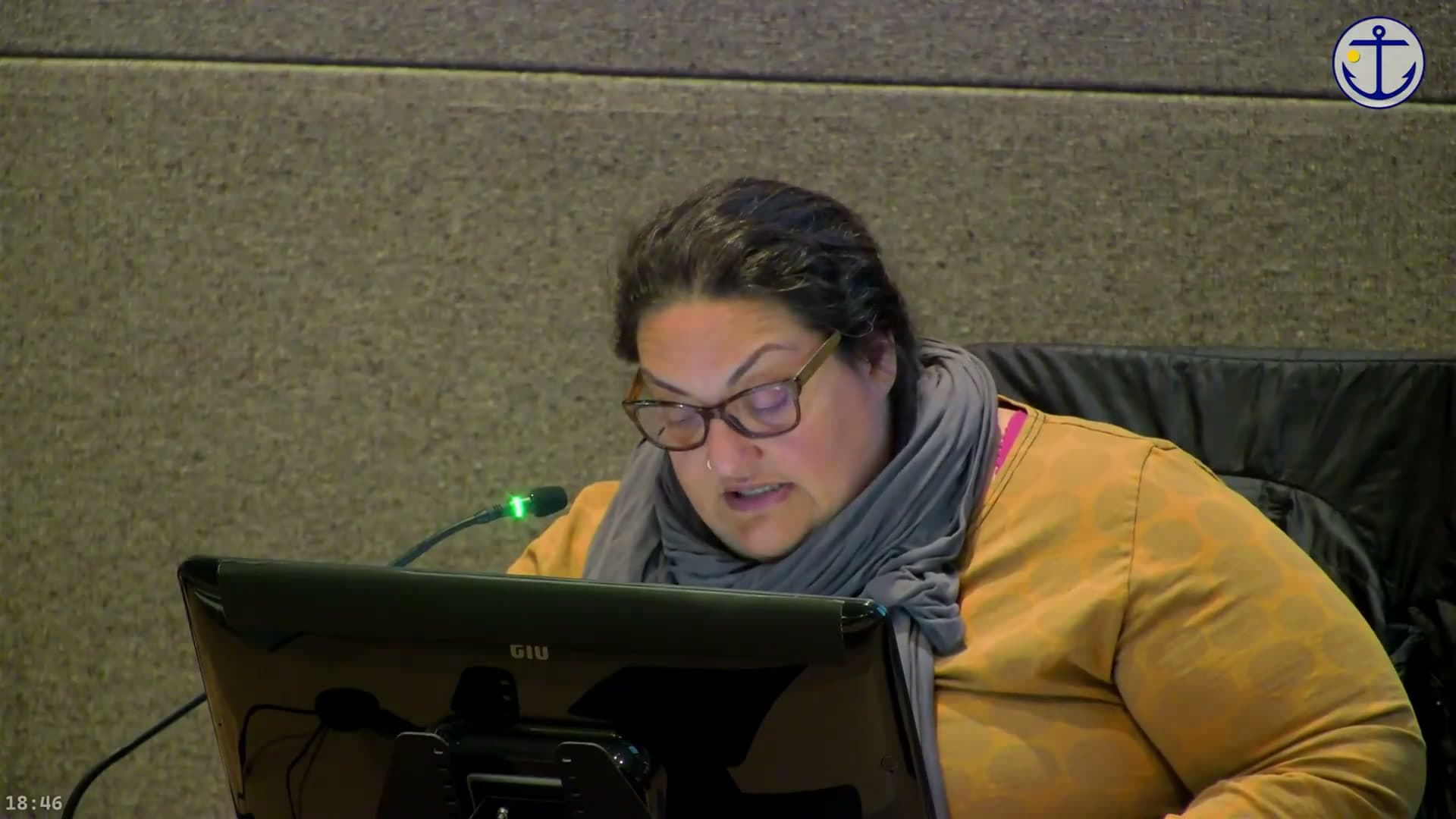
Anchorage zoning board unanimously approved a deck variance 3 feet from a property line instead of the required 5 feet, overriding staff concerns about the homeowner's self-imposed hardship.

Anchorage commissioners denied a landscaping variance for a West Dimond apartment project to protect neighbors from drainage issues.

Alaska Legislature rejected Stephen Cox as Attorney General, 29-31, over his focus on national legal battles instead of Alaska interests.
Fairbanks City Council rejected Mayor O'Neall's cabin lease deal on May 13 and ordered open bidding instead, likely delaying the downtown riverfront space's opening through summer tourism season.
House Finance approved a bill letting pharmacists prescribe basic antibiotics directly, rejecting an amendment to add Alaska to a national nurse licensing compact.

The Alaska House rejected a plan to strip $5 million in school funding from Galena and redirect it to projects in Anchorage, the Mat-Su, and Fairbanks, voting 20-19 after a dramatic rescind sequence.
Alaska House panel voted to restore farm tax breaks for flowers and hay production, reversing a 2024 limit that cut non-food crops from the program.

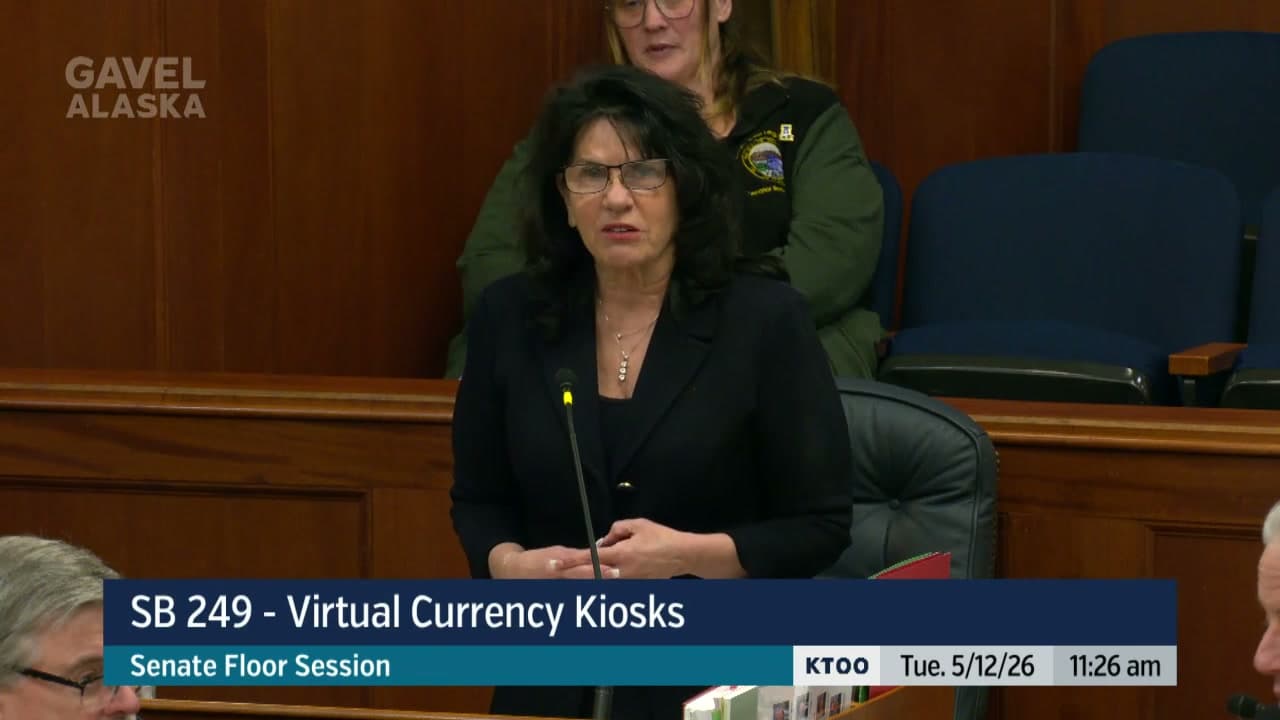
Alaska Senate unanimously approved regulations for cryptocurrency kiosks, requiring licenses and fraud warnings, after scammers stole from seniors including a lawmaker's mother.
Alaska Legislature passed a bill giving the Unorganized Borough its first seat on the commission that decides municipal boundaries and incorporations.
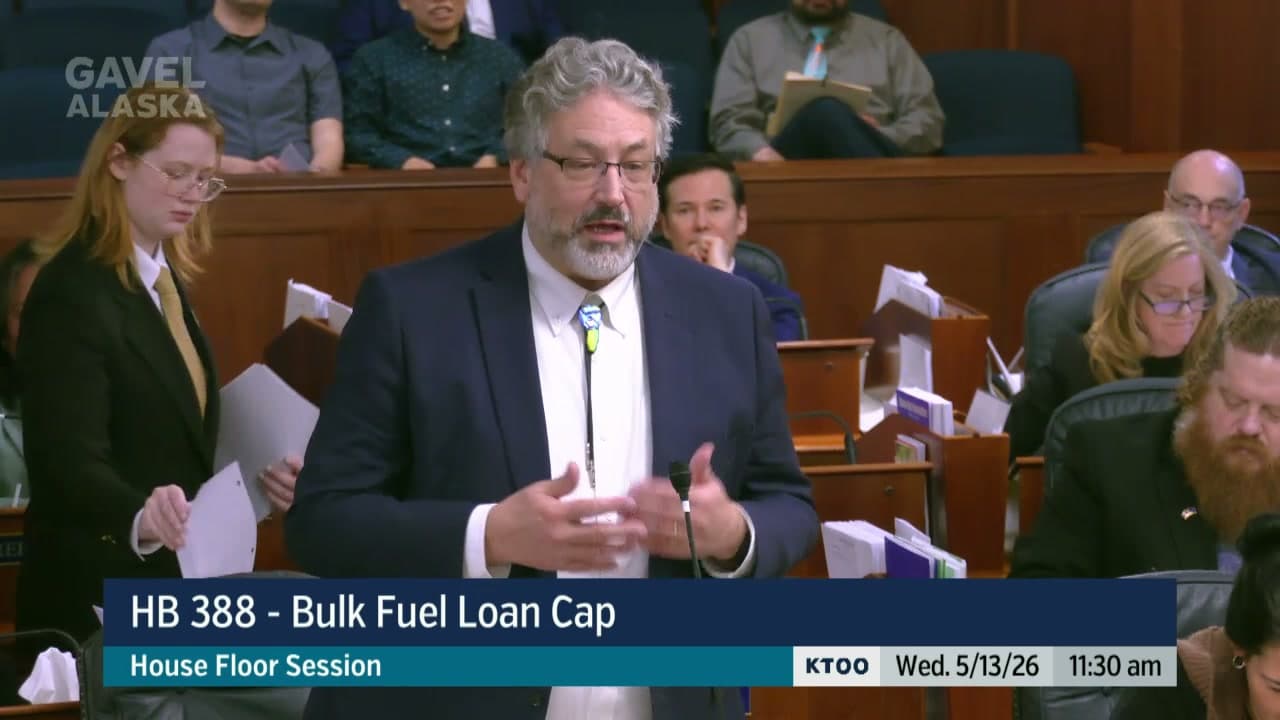
Alaska House unanimously raised the bulk fuel loan cap for rural communities from $750,000 to $1.5 million, responding to soaring energy costs and supply shortages in remote villages.

Alaska Senate unanimously passed a bill requiring cryptocurrency kiosk operators to verify identity and limit transactions to $1,500 daily, after Alaskans lost $26 million to online fraud last year.

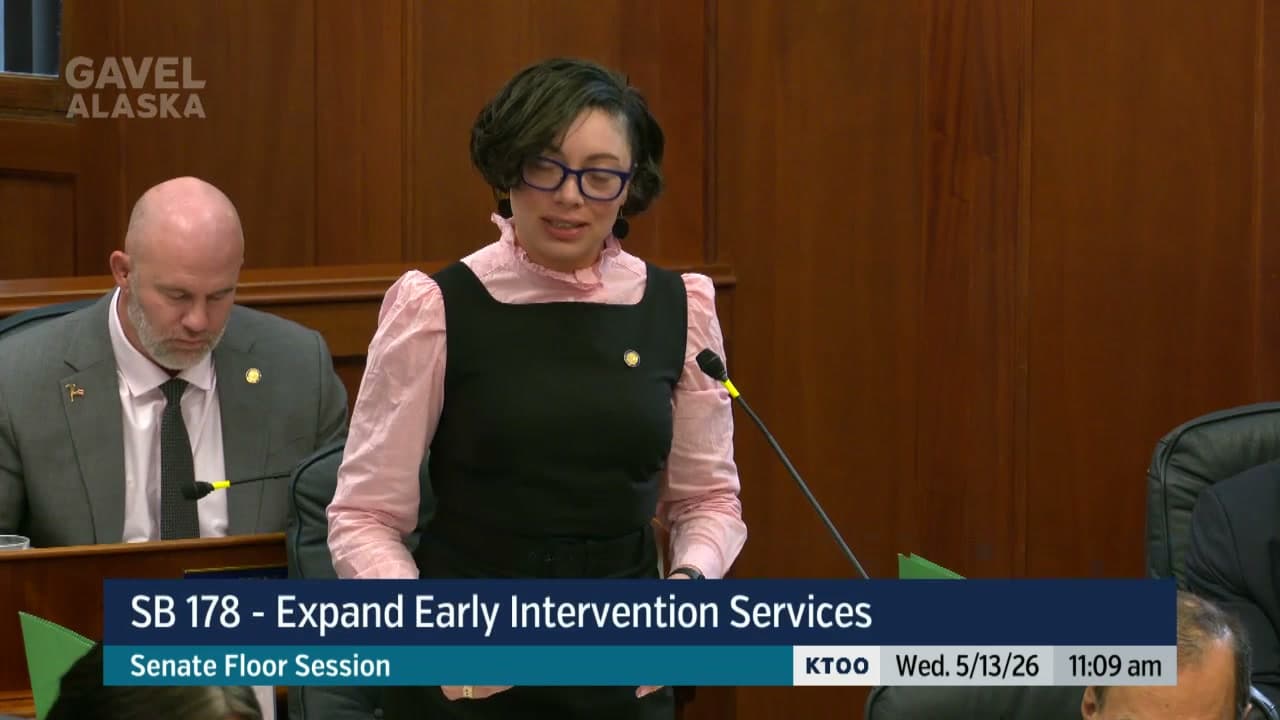
Alaska Senate unanimously passed a bill lowering early intervention eligibility for young children from 50 percent to 25 percent developmental delay, potentially saving $38.9 million annually.

Federal fisheries officials decided Gulf of Alaska Chinook salmon do not need endangered species protection, keeping management authority with Alaska instead of the federal government.
Alaska's Made in Alaska Program is accepting nominations through May 29, 2026 for its 2025 Manufacturer of the Year award, which recognizes Alaska-based manufacturers for growth and innovation.
Alaska Senate panel advanced a bill tying resident hunting licenses to a 180-day residency standard, matching Permanent Fund Dividend rules to stop non-residents from claiming cheaper resident tags.

Alaska House panel advanced a bill requiring retailers to round cash transactions symmetrically to the nearest five cents, standardizing rules as the U.S. stops making pennies.
House Finance advanced a paid parental leave bill creating a new payroll tax, with benefits starting in 2029. • Small businesses with fewer than 25 workers would be exempt from providing benefits but employees would still pay in. • Committee raised concerns about long-term funding past 2040 and potential equal protection issues.

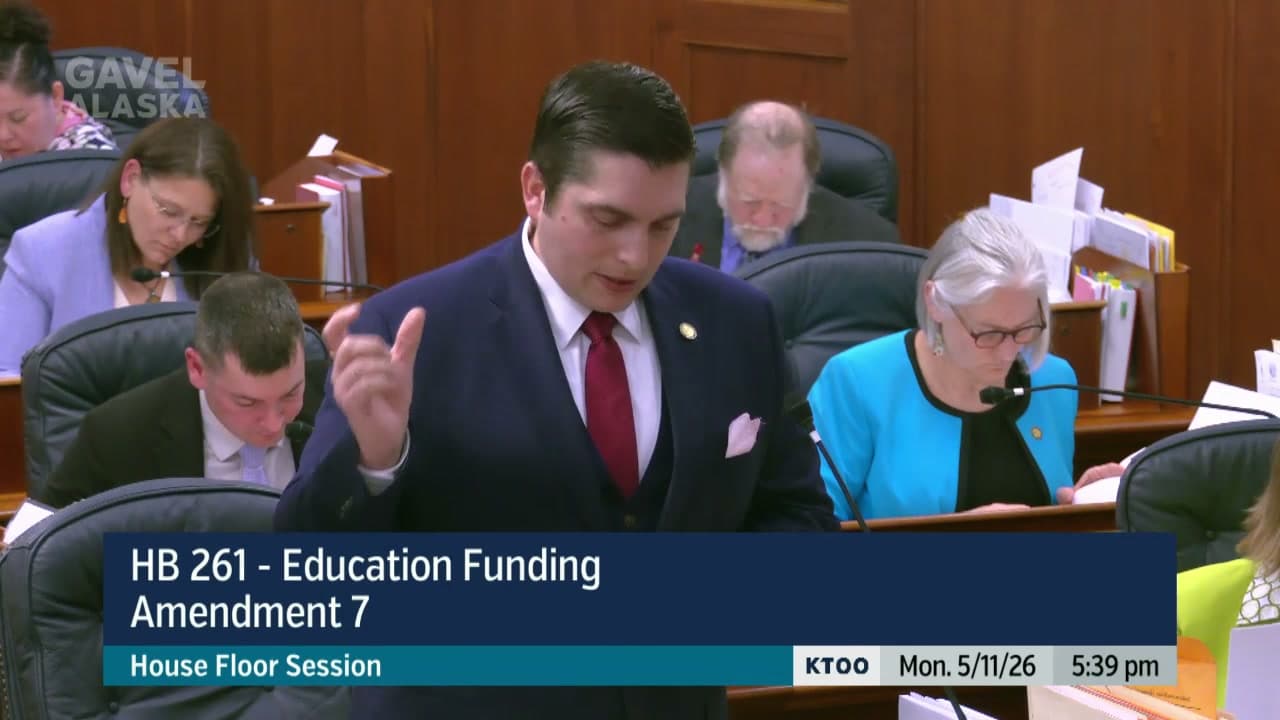
House passed education funding reform using three-year enrollment averaging to stabilize school budgets and reduce teacher layoffs, 31-9. • House split 20-20 on requiring public review of mental health curriculum, defeating both transparency amendments.

Alaska Legislature passed a bill recognizing gold and silver as legal tender and exempting those transactions from local sales taxes, sending it to Governor Dunleavy for signature.
Senate Finance approved a bill exempting Alaska's emergency management division from new contract payment rules to speed disaster response.

Alaska Senate passed a right to repair bill May 11 requiring manufacturers to provide parts and tools so consumers can fix electronics instead of replacing them.
Anchorage's Planning Commission postponed wetlands plan updates Monday after staff admitted no one on payroll can use the technical tools needed to manage wetlands permits.

Alaska House voted 24-16 to cap annual growth in required local school funding at 2%, shifting roughly $29 million in education costs from municipalities to the state.

New stories usually land 4p to 6p.
1,366
meetings transcribed
6,090
articles published
3,445
hours of audio processed
6
contributors this week
Local news, from the source · Public meetings deserve coverage · Every article names its source
Thu, Oct 22Alaska News Daily Brief9 min · 14 stories