AI image
The state ordered Cook Inlet setnetters onto gear their permits don't allow
Fish and Game will leave Upper Cook Inlet's drift gillnet rules unchanged this year — a minor note against the slow wind-down of the commercial fishery beside it.
For years the state has ratcheted down the east side set gillnet fishery — the shore-based fleet fishing state waters off the Kenai — to rebuild Kenai River king salmon, a stock of concern in decline for over a decade. Because setnets catch kings while fishing for sockeye, the state closed the fishery outright in 2023 and left it nearly shut in 2024. This spring the Board of Fisheries stripped setnets from the low-abundance plan and ordered the fleet onto beach seines — gear meant to release kings while keeping sockeye — over the objections of setnetters and some board members.
But the Board was ordering gear the permits don't cover. Set gillnetters hold a specific limited-entry permit for set gillnet gear, one of three distinct Cook Inlet salmon permits in state law. The Commercial Fisheries Entry Commission, which administers them, did not adopt beach seines as legal gear at its June meeting — a status the state's fish and game commissioner confirmed soon after. A setnet permit doesn't entitle its holder to seine, and converting one to the other raised Limited Entry Act questions, with opponents warning in the Board's own record that it would create a wholly new fishery. Setnetters were left with no clear legal way to fish a poor-king year.
Buying the fishery out is a recurring effort. Lawmakers have floated a setnet permit buyback for years, most recently as HB 195, from Soldotna Rep. Justin Ruffridge, whose findings cite the closures and the Board's "long-term allocative changes" that cut commercial setnetting while other fisheries kept operating.
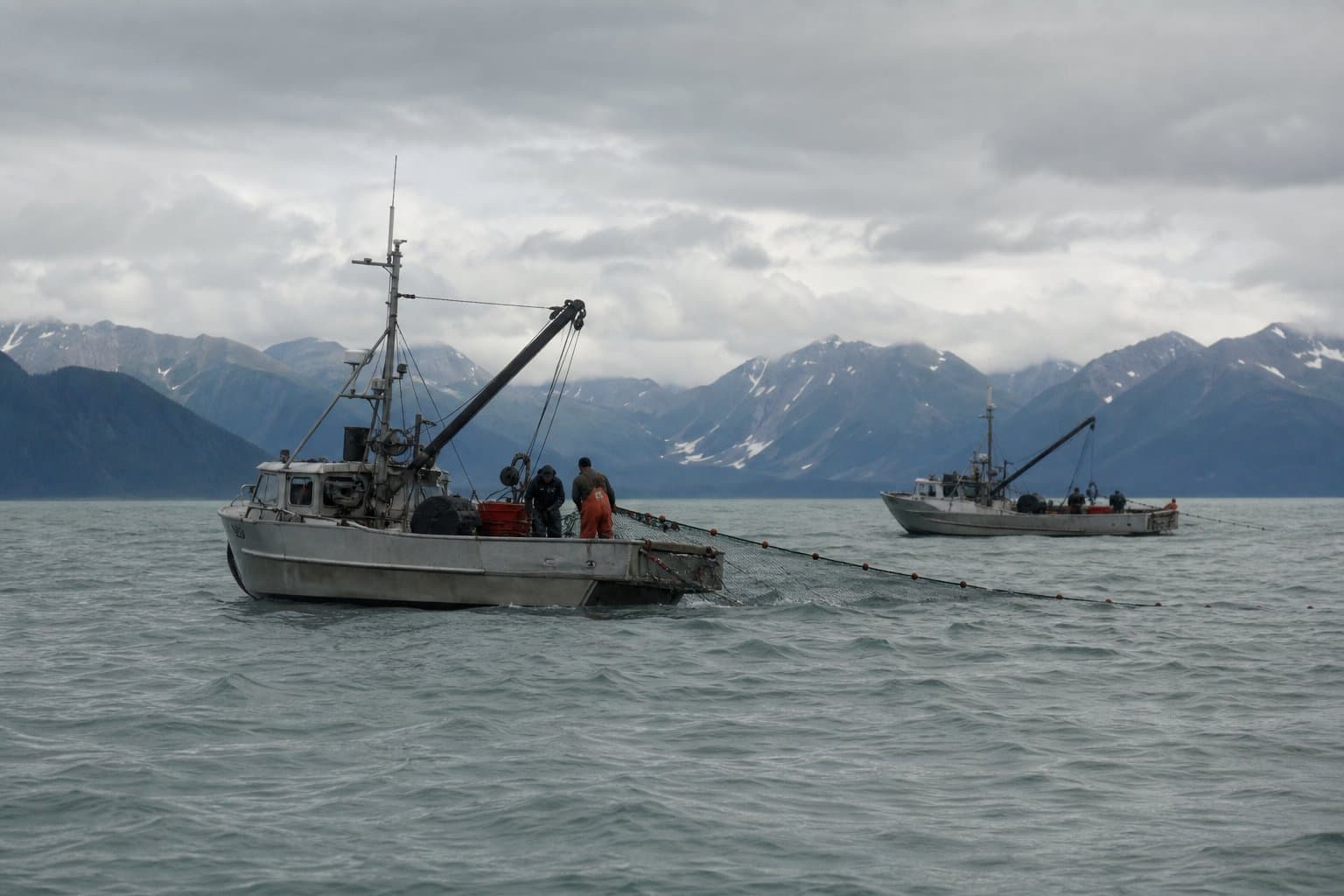
The drift fleet, by contrast, mostly fishes federal water. Its grounds in the Cook Inlet exclusive economic zone have been managed by the National Marine Fisheries Service since 2024, after the drift association won repeated rulings in federal court — beyond the reach of the state actions squeezing the setnetters.
Where the state still sets its rules, in its own nearshore waters, they turn on abundance: this year's Kenai sockeye run, projected near 3 million, sits below the preseason forecast but well above the escapement the river needs— the inriver goal is 1.1 to 1.4 million sockeye, and that goal, not the forecast, is what management protects.
Sport interests still argue the commercial pace is too high; the Kenai River Sportfishing Association said one drift opener took 270,000 sockeye. Drift boats must stay two miles off the Kenai shore — one more line to keep commercial nets off the kings.
Disclosure: Commercial Fisheries Entry Commission Chair Rick Green is the father of Alaska News CEO and editor Cale Green.
Source: Alaska Department of Fish and Game.
Made by our human newsroom with AI. Reviewed by Cale Green. How humans and AI work here · Grow with our newsroom
Stay informed. Support what matters.
Free, permanent access to local news you can verify. Subscribe to support Walter AlaskaNews and go ad-free.
Related Coverage
State commission again proposes letting Cook Inlet setnetters fish beach seines
Alaska News · 1w ago
East side Cook Inlet setnetters must prove recent fishing to stay in the fishery
Alaska News · 2w ago
Kodiak's seiners can fish — but not for a single king
Alaska News · 3mo ago
Lower Cook Inlet seiners are shut down while set netters keep fishing, days before the season ends
Alaska News · 2mo ago
Sockeye keep the drift fleet fishing while the Kenai's kings stay closed
Alaska News · 3mo ago
Comments
Sign in to leave a comment.
No comments yet. Be the first to share your thoughts.