Alaska’s meetings, filings, and public notices, covered daily.
Alaska News

Ted Stevens is officially a warship. The Navy commissioned the destroyer in a rainy Whittier ceremony Saturday before it heads home to Norfolk, Virginia.
Also in Alaska News
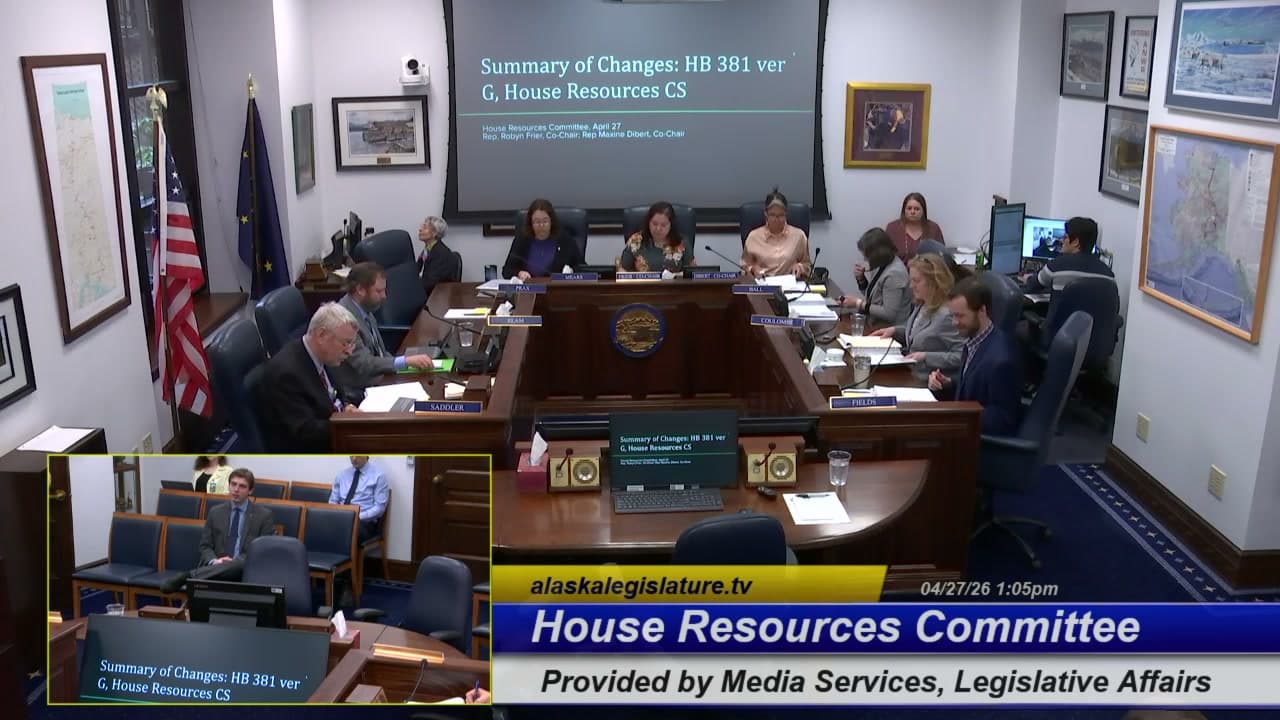
Alaska House panel advanced a ban on heavy fuel oil for large cruise ships in state waters, with an effective date of January 1, 2027.

Where in Alaska are you?
We’ll put news from your area first. No account needed, change it anytime.
Alaska Senate rewrote the governor's gas pipeline bill to raise property taxes from $74 million to $600 million at full production and ban passing cost overruns to consumers.

Alaska House committee advanced a bill requiring dental insurers to disclose what percentage of premiums pay for actual care, letting consumers compare plans.

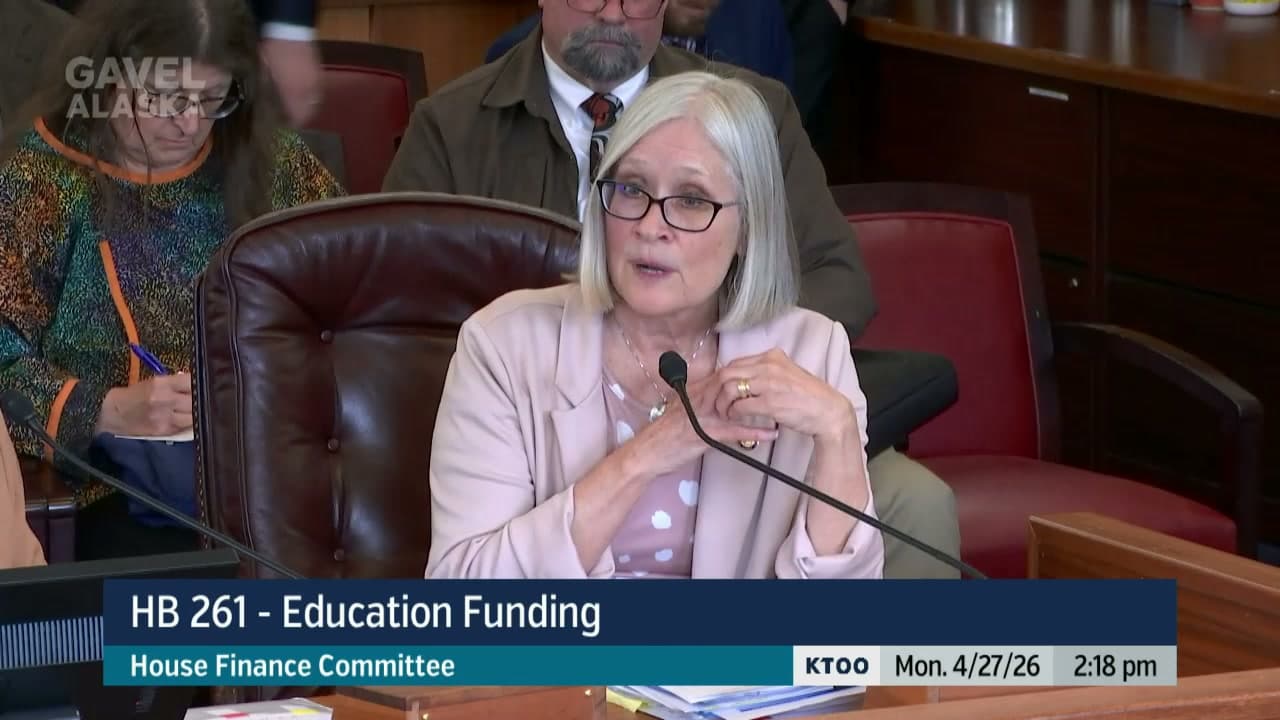
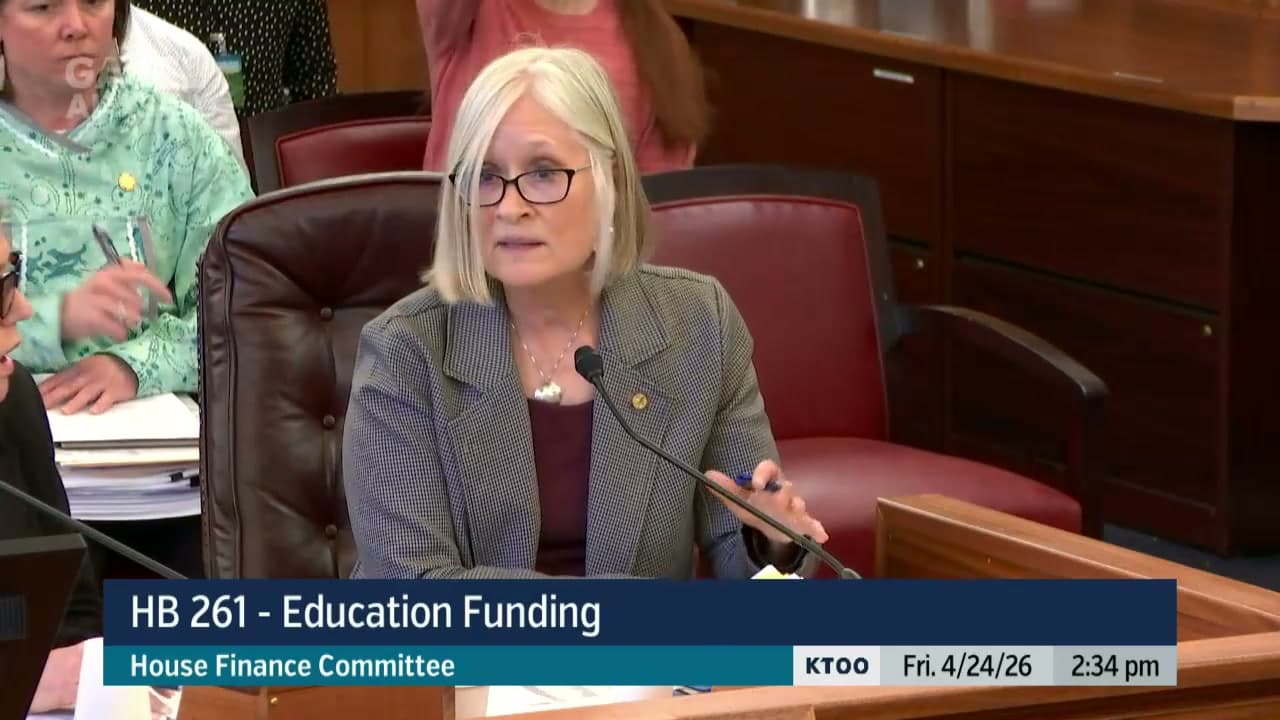
House Bill 261 would let Alaska school districts budget using enrollment numbers from July instead of October, letting them offer teacher contracts months earlier when more candidates are available.

A tax overhaul for Alaska LNG could cut delivered gas costs to Asia by 20 cents per unit, an energy consultant told lawmakers, but the Senate is pushing for higher taxes that could change the math.
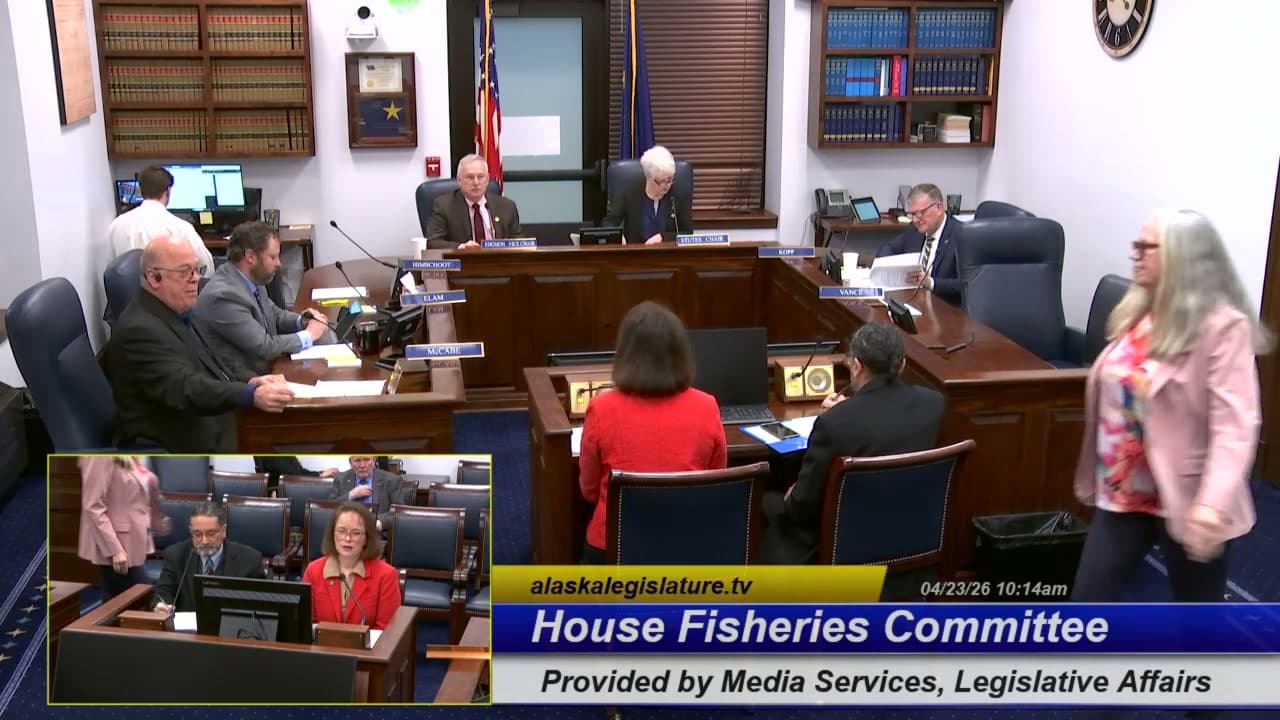
House Bill 356 would let small Alaska fishermen process and sell catch directly without industrial processor rules, if they harvest under 10,000 pounds annually.

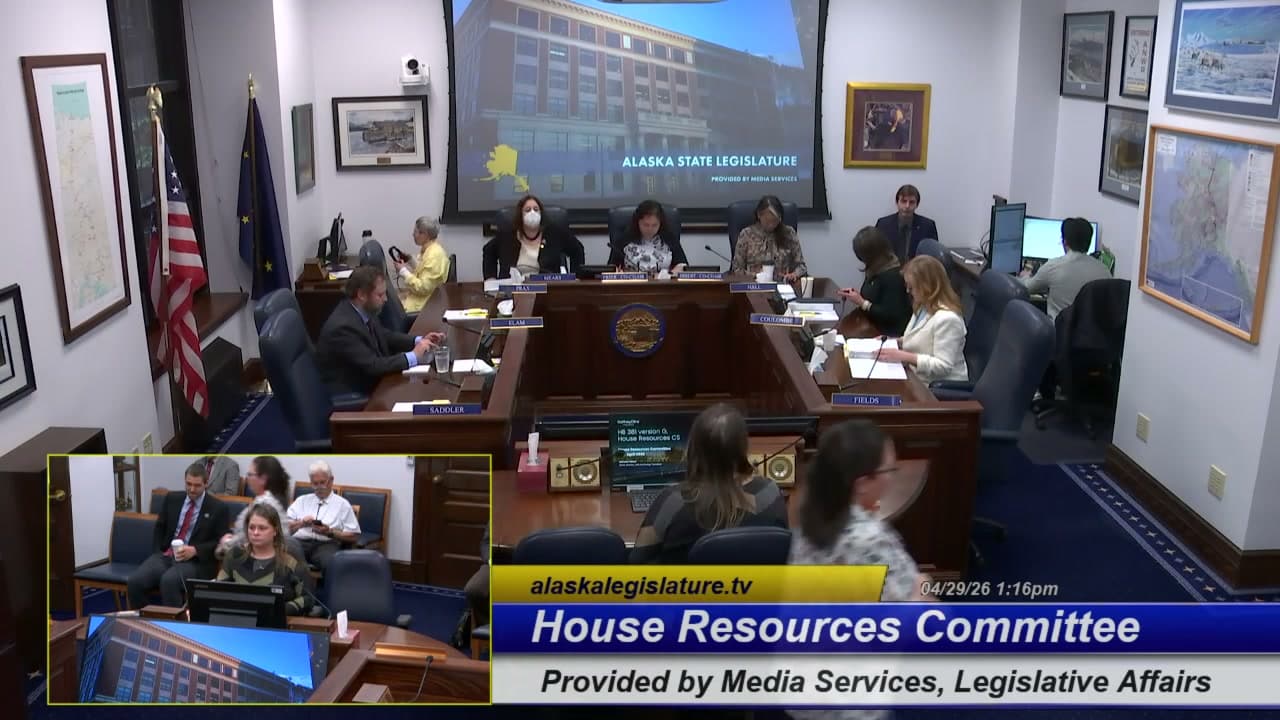
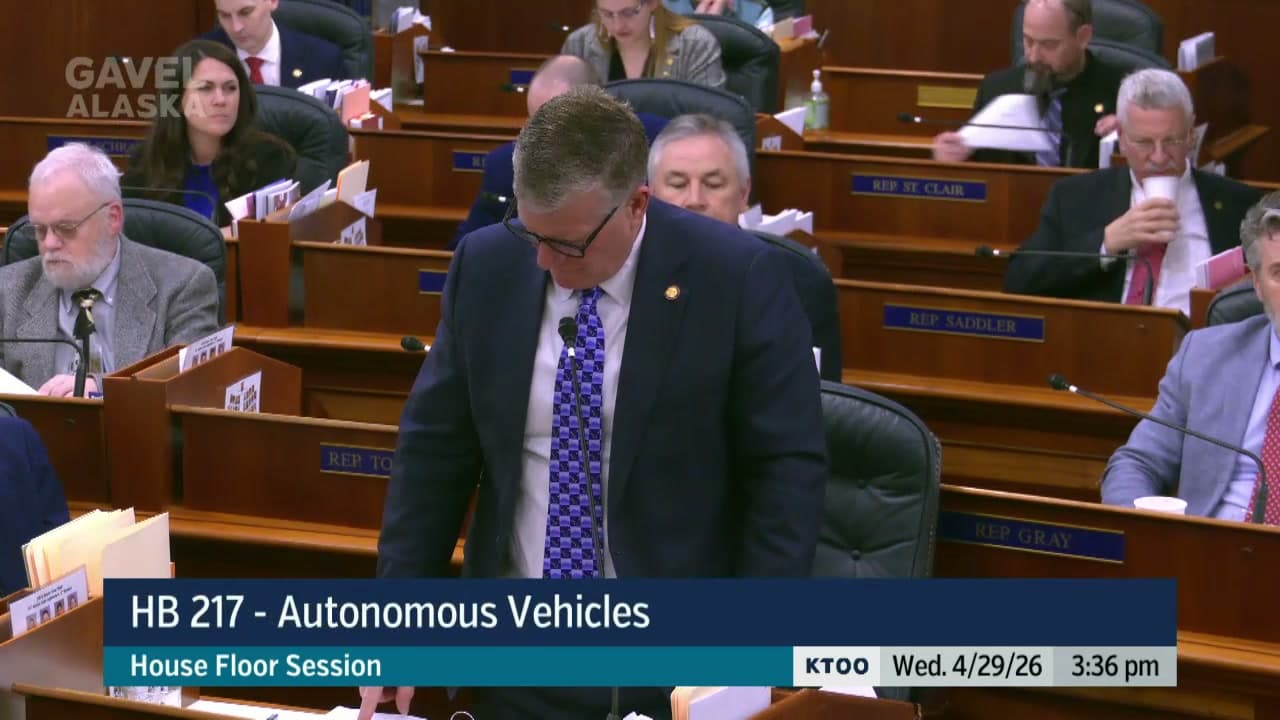
Alaska House advanced bills regulating commercial autonomous vehicles, requiring dementia care training for nurse aides, and adding interior designers to the state's professional licensing board.

The Alaska Board of Fisheries delayed a decision on banning large trawlers from Aleutian state waters to weigh habitat concerns against a potential 7 million dollar processing deal.
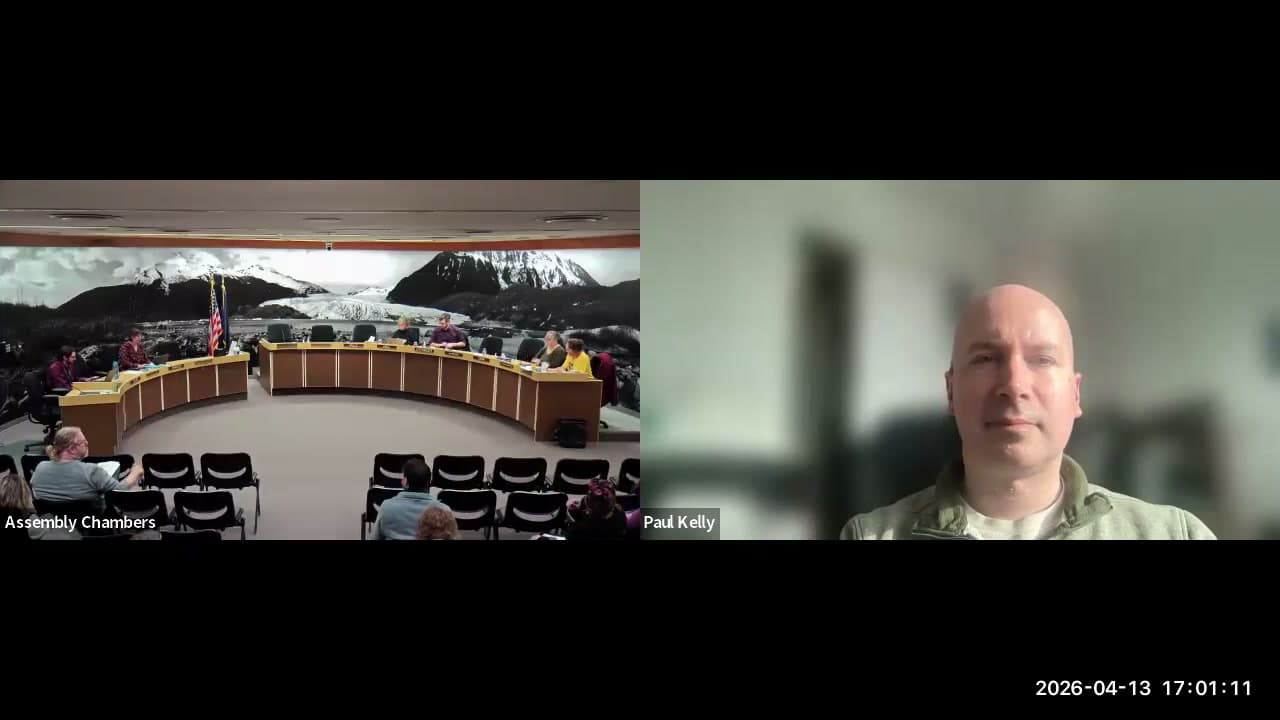
Kodiak Borough mayor proposed a three-tier framework to speed land sales and prioritize workforce housing on parcels near town requiring minimal infrastructure work.

Juneau's housing committee is reviewing a draft rule to cap short-term rentals at one per owner starting January 2027, but members disagree on whether rentals actually worsen housing shortages.

Anchorage's Planning Commission approved a redesign of the aging Seward Highway and Tudor Road interchange that will add protected bike and pedestrian paths, following five fatalities in the corridor.

A consultant warned lawmakers that Alaska LNG developers could net $8 billion annually by 2050. He cautioned his preliminary model may contain errors that require further review.

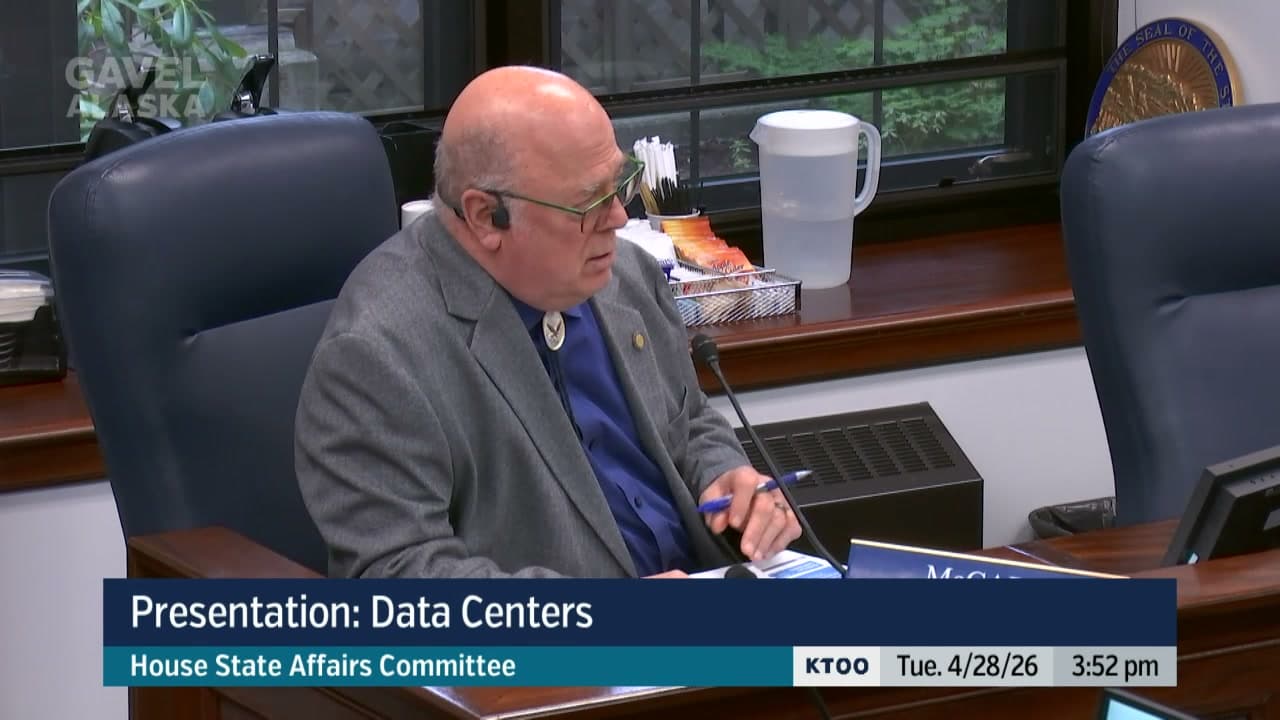
Alaska lawmakers heard Tuesday that the state's cold climate and natural gas could attract data centers, which cost over $1 billion to build but create few permanent jobs once running.

Kodiak Island Borough's $580,000 fiscal year 2027 budget adds a construction manager, switches to electric heating, and funds $147,000 in ADA accessibility upgrades.

House committee approved a three-part tax on Alaska LNG with a six-year break, but Senate wants rates up to 55 cents per thousand cubic feet. • The bill requires community benefit agreements and revenue sharing with municipalities, but lacks enforcement details. • North Slope and Kenai Peninsula boroughs could take equity stakes instead of tax payments, a structure unlike other major LNG projects.

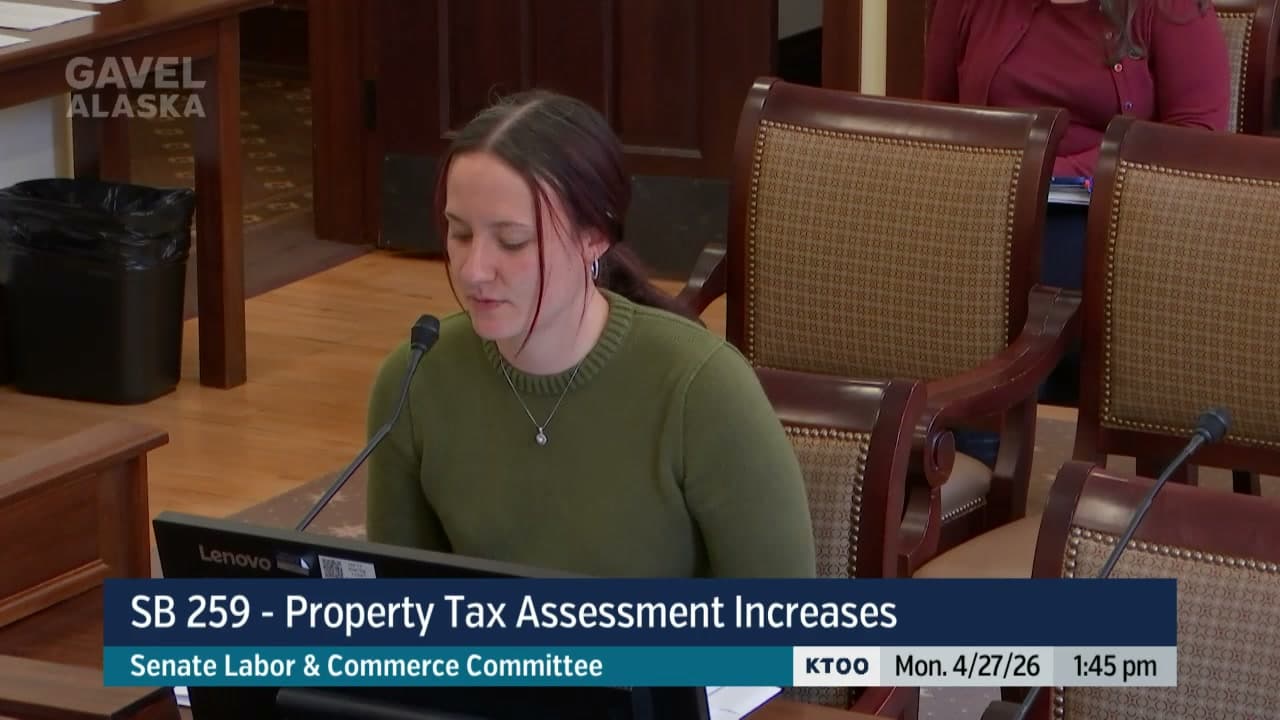
Senate panel advanced a bill letting cities cap annual property tax increases on owner-occupied homes, despite assessors warning it creates unfair burdens between longtime and new homeowners.

Alaska House panel heard testimony on HB 338, which would create automatic retirement savings accounts for workers at small businesses that lack retirement plans.

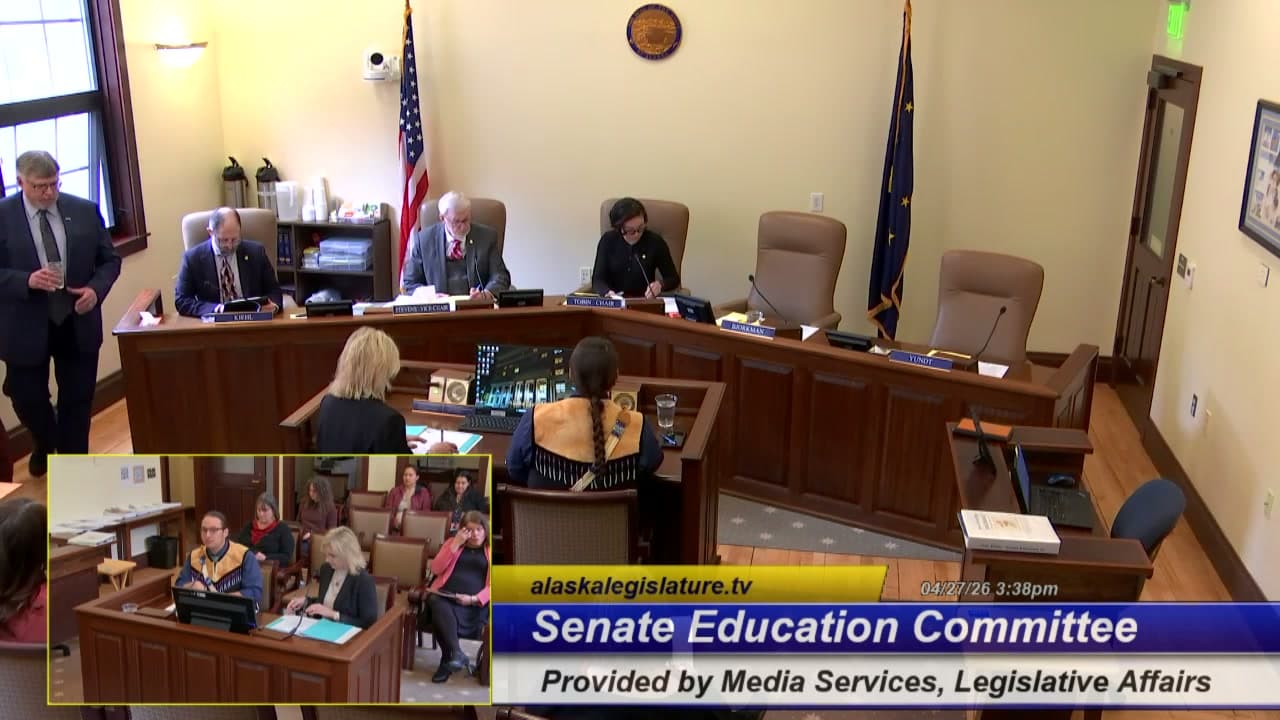
Senate Bill 66 would authorize up to five Alaska tribes to operate public schools under compact agreements, with a seven-year pilot costing $19.2 million in the first year.

Alaska's proposed LNG tax bill could swing state revenue by hundreds of millions depending on how regulators interpret rules for separating oil and gas costs, the Department of Revenue warned Monday.

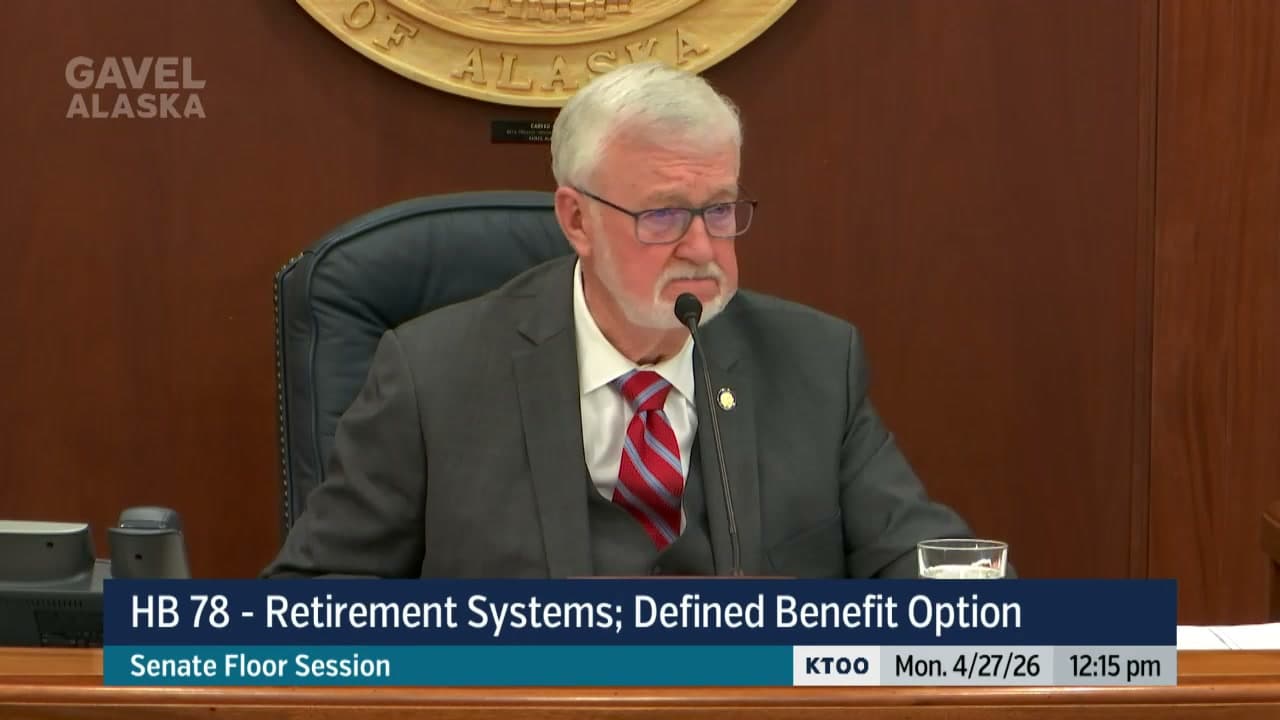
Alaska Senate advanced a major pension overhaul allowing public employees to choose between retirement plan types, but without an updated actuarial analysis of the final bill version.

House Bill 261 would let Alaska school districts know enrollment by July 1 instead of October, using three-year averaging to give them budget certainty and time to hire teachers earlier.

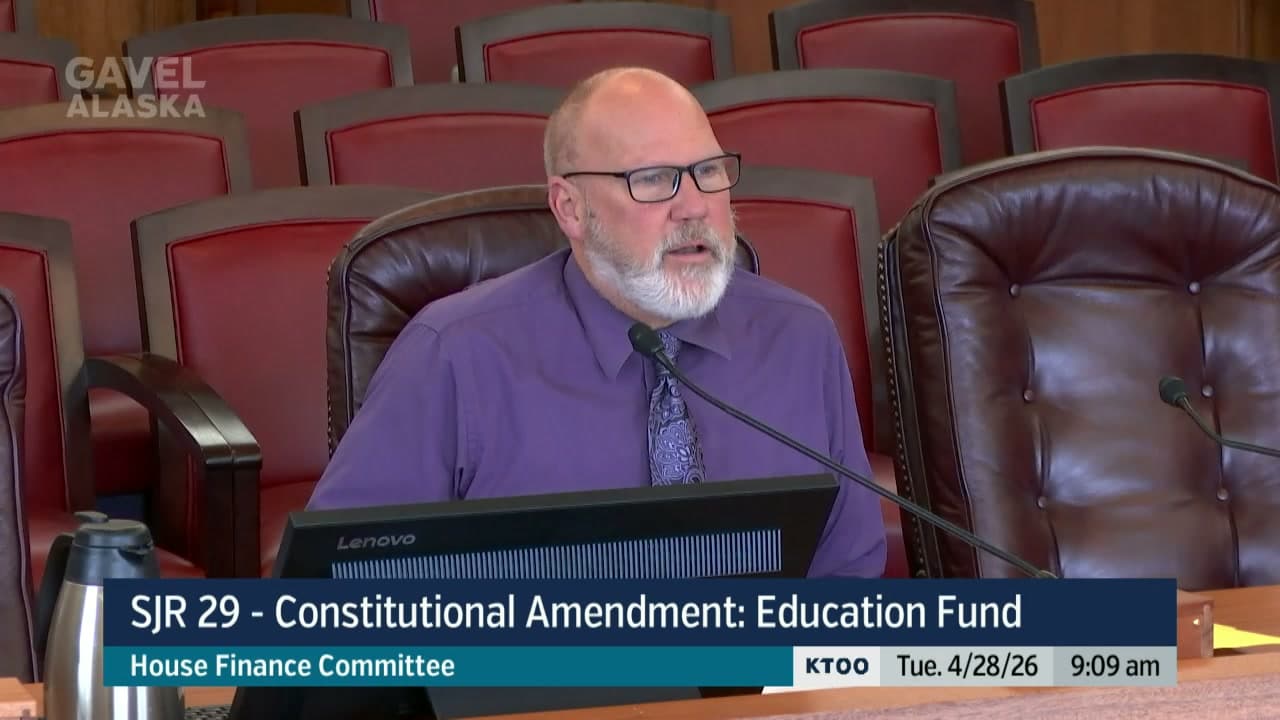
House Finance Committee questioned whether a proposed constitutional education fund guarantees school money, since it requires no dedicated revenue and lets future legislatures spend it down to zero.

House Finance heard $8.4 million in budget amendments, including salary increases for public safety workers and a reversal of pay raises for newly unionized University of Alaska employees.

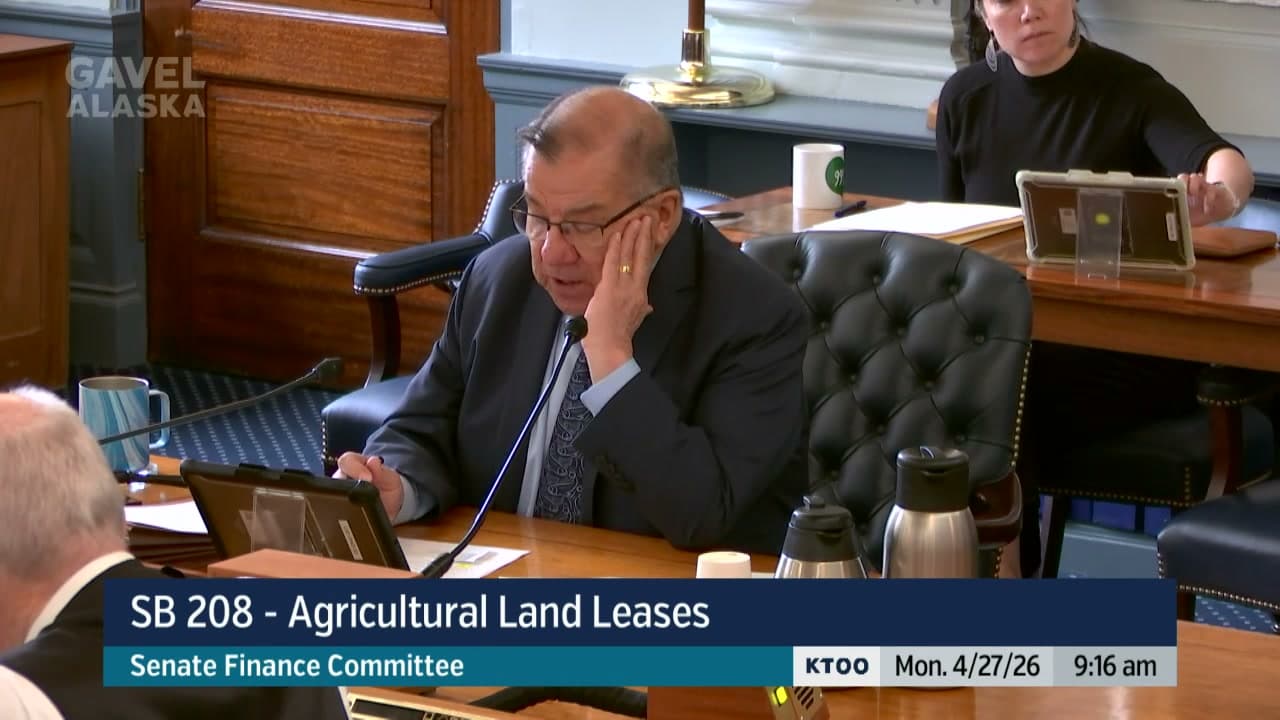
Senate Finance advanced a bill to let farmers lease state land at agricultural rates instead of development prices, after a Homer farmer's annual fee jumped from $1,000 to $9,000.

Rural Alaska diesel prices hit $17 per gallon and could jump 30 to 50 percent higher this year due to Middle East supply disruptions. • Lawmakers heard the state's $20 to $22 million bulk fuel loan program may need to double its funding to help communities cope. • A Jones Act waiver expiring in May and a compressed fuel delivery window in June or July add urgency to the crisis.

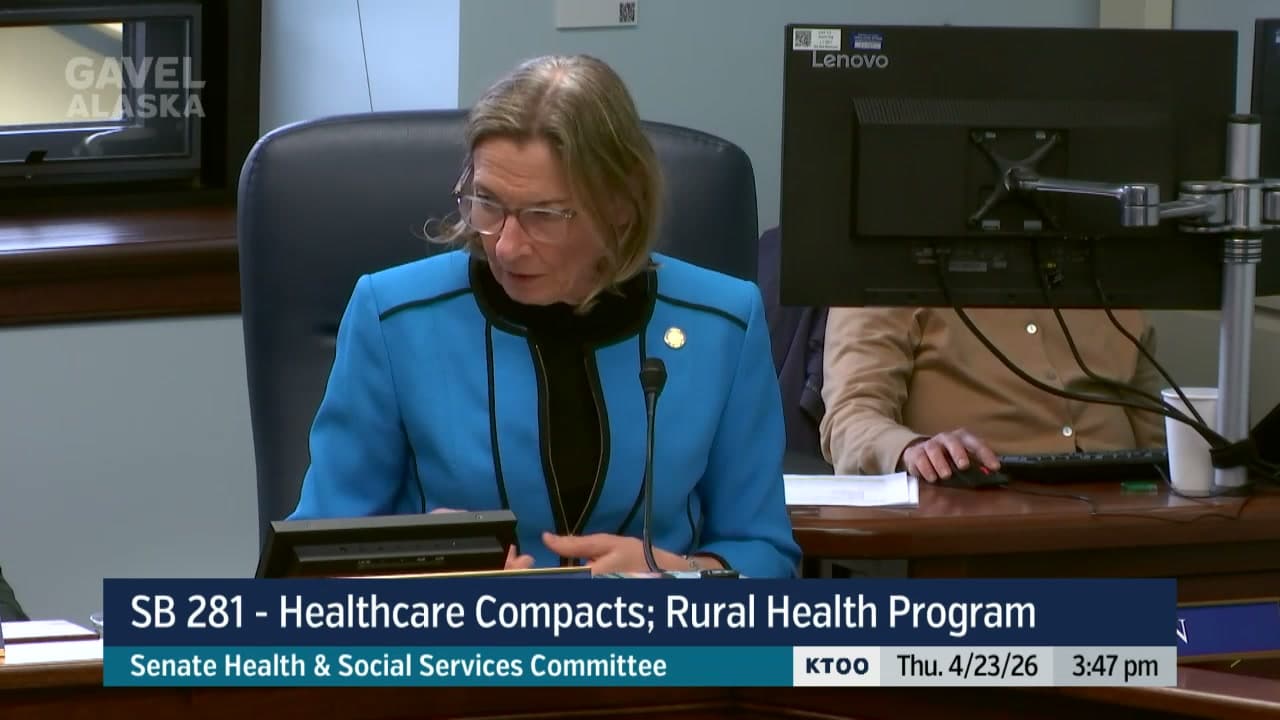
Alaska Senate panel approved changes to join four interstate medical licensing compacts aimed at recruiting rural health providers, adding background check requirements for medical professionals.

House panel heard testimony on a bill that would shift school funding to a three-year enrollment average, costing $113 million annually but giving districts budget certainty earlier in the year.

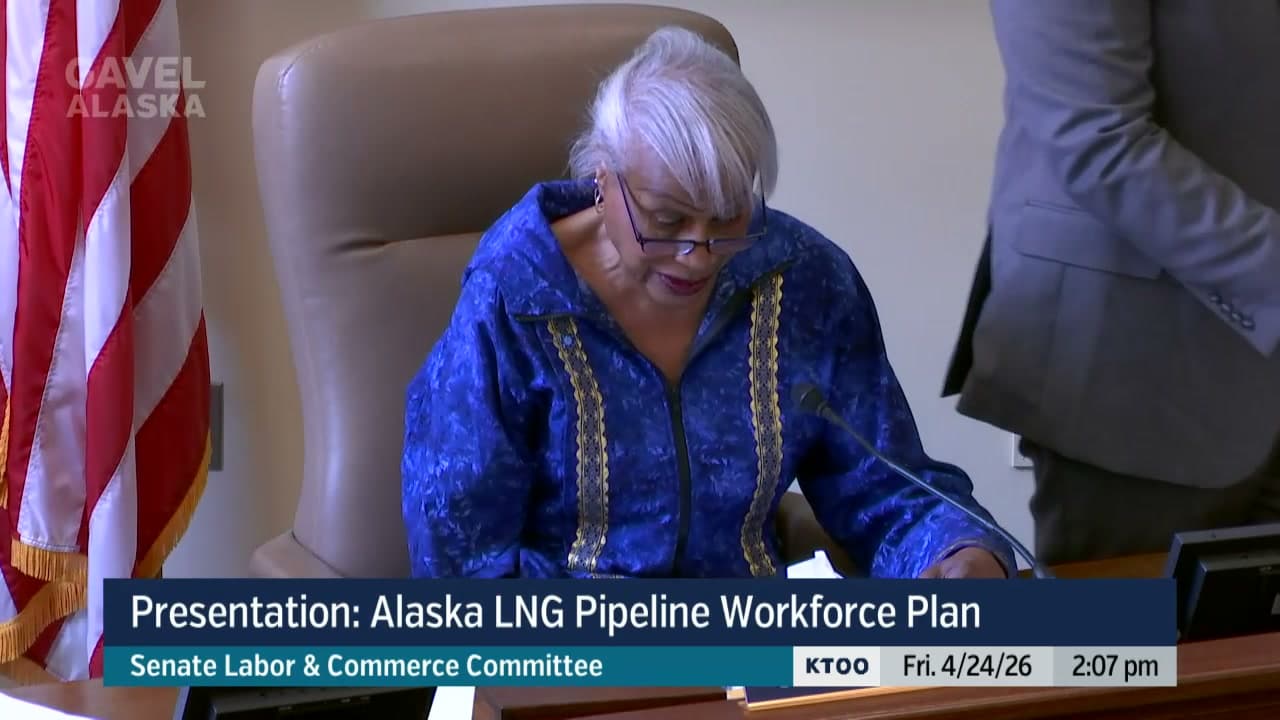
Alaska LNG pipeline needs 6,600 workers by 2027, but state's shrinking workforce means most will come from outside Alaska. • Training system runs at 60 to 80 percent capacity; barriers include instructor shortages and living costs during training. • State should expand short-cycle vocational programs and consider a state apprenticeship agency to increase hiring ratios.

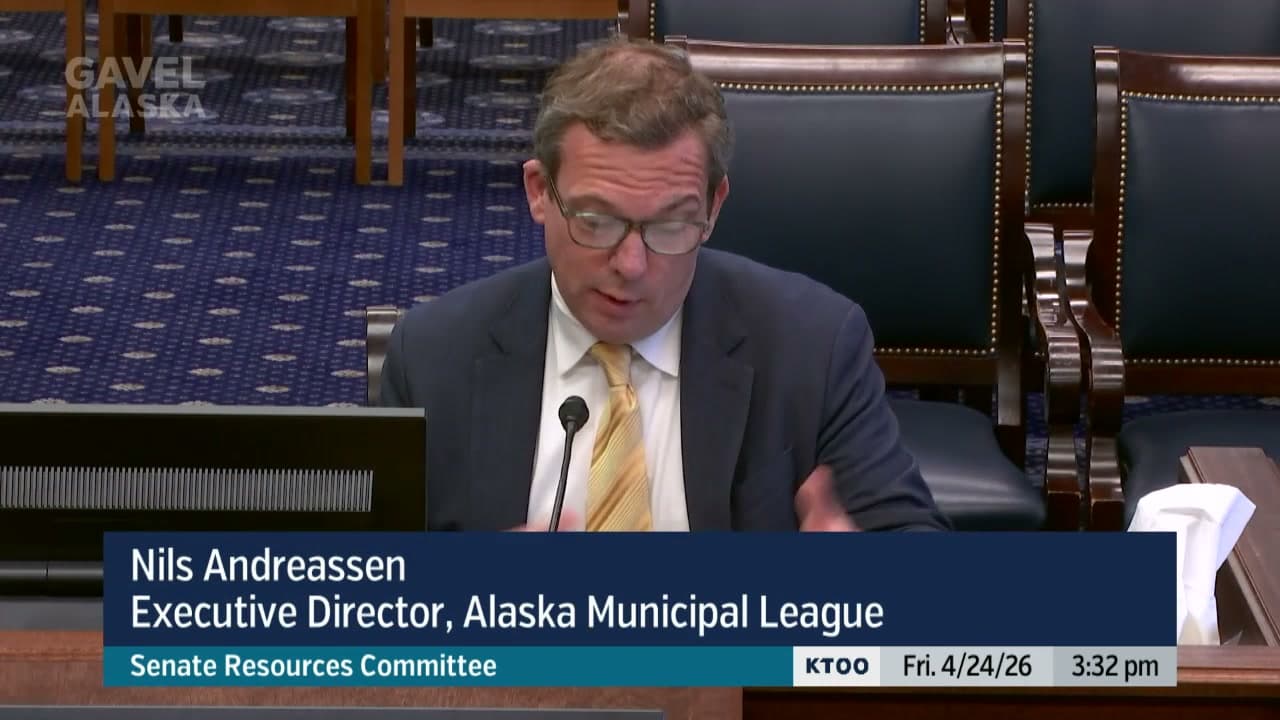
Alaska Municipal League urged state senators to let local governments negotiate their own tax deals with Alaska LNG rather than accept a statewide formula.

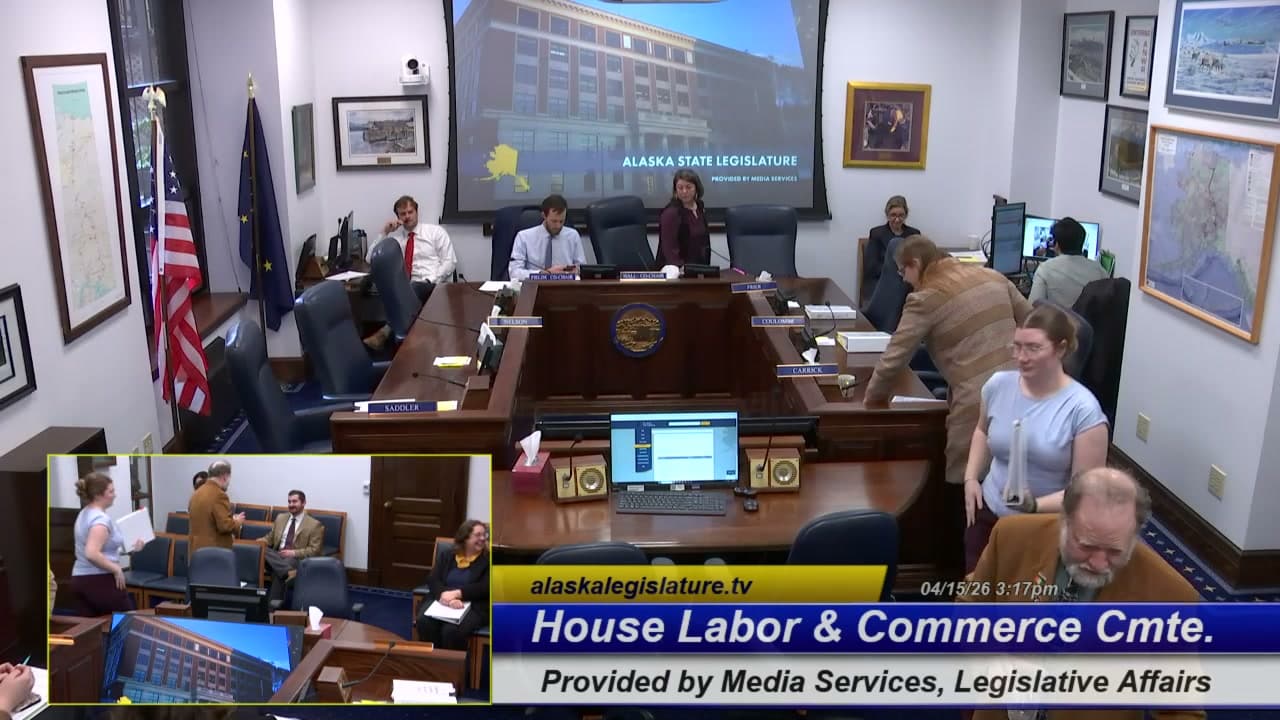
House Labor Committee advanced HB 302 updating travel insurance rules to take effect January 1, 2027. • Committee heard HB 335 requiring state disaster plans for pets and service animals after October 2026 typhoon response gaps. • Committee heard SB 180 to repeal 2024 language that created confusion over the Regulatory Commission of Alaska's authority over natural gas import facilities.

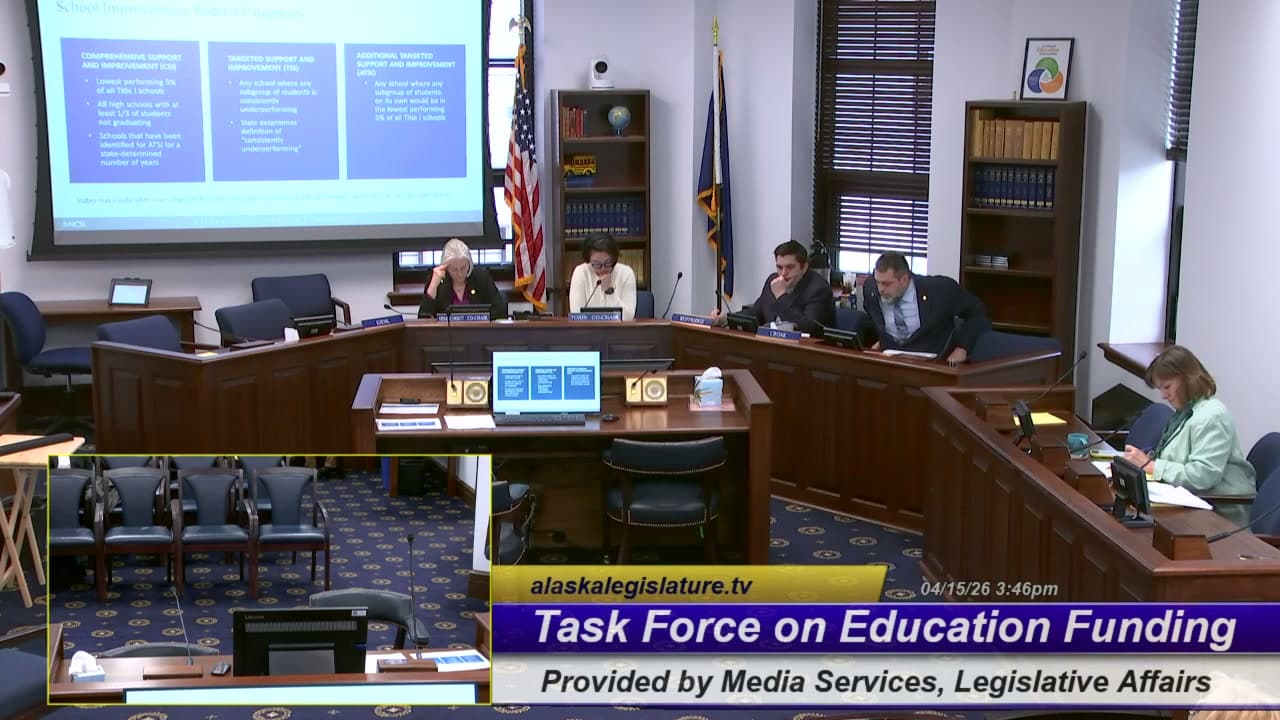
Task force learned federal law sets testing minimums but states choose how to assess and support schools. • NAEP proficiency scores are aspirational targets, not typical performance, and poverty matters more than school reforms alone. • Alaska's AKSTAR combines interim and spring tests to predict student achievement within 24 to 72 hours.

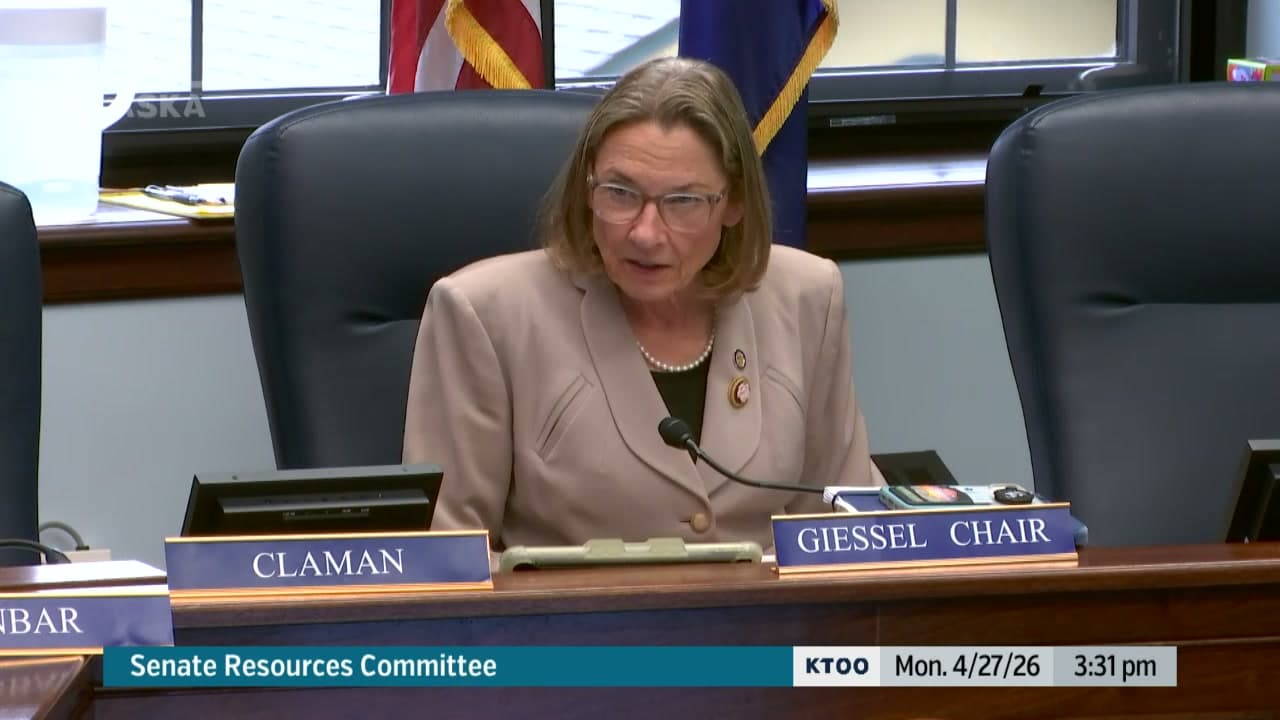
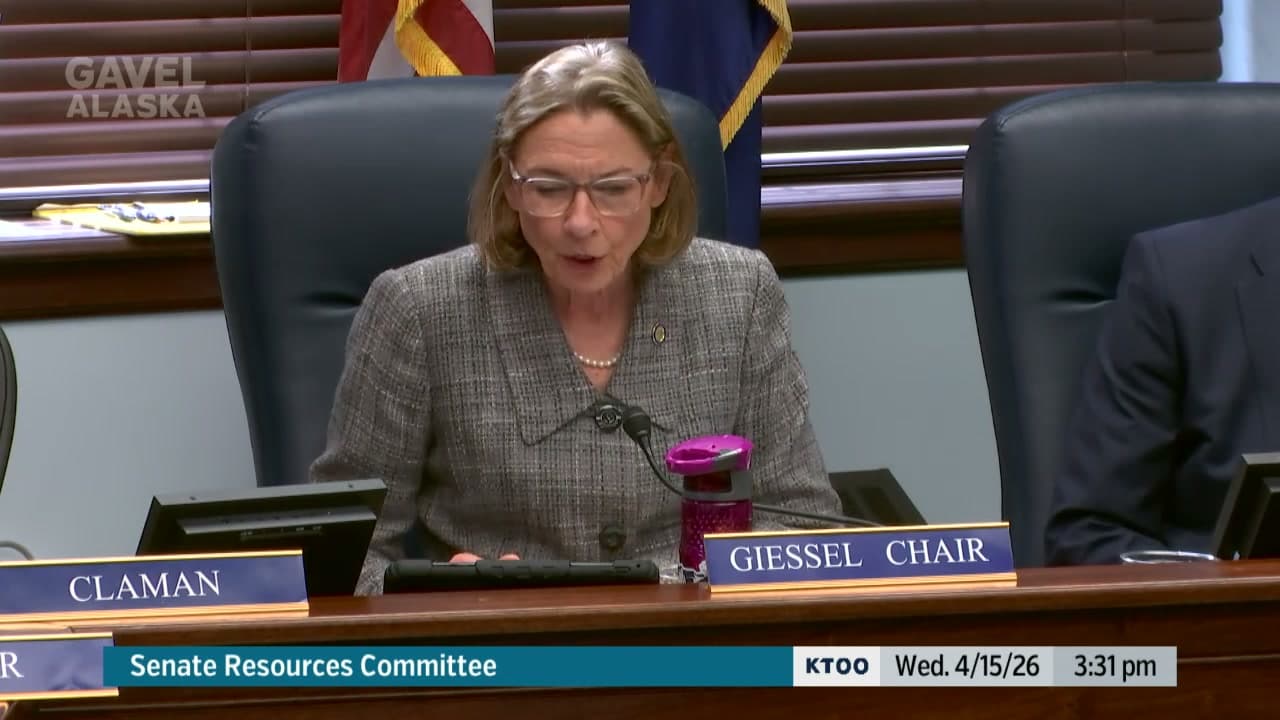
Alaska Senate Resources Committee heard a consultant compare LNG tax frameworks and flag that lack of clarity on property taxes may be blocking project talks with stakeholders.

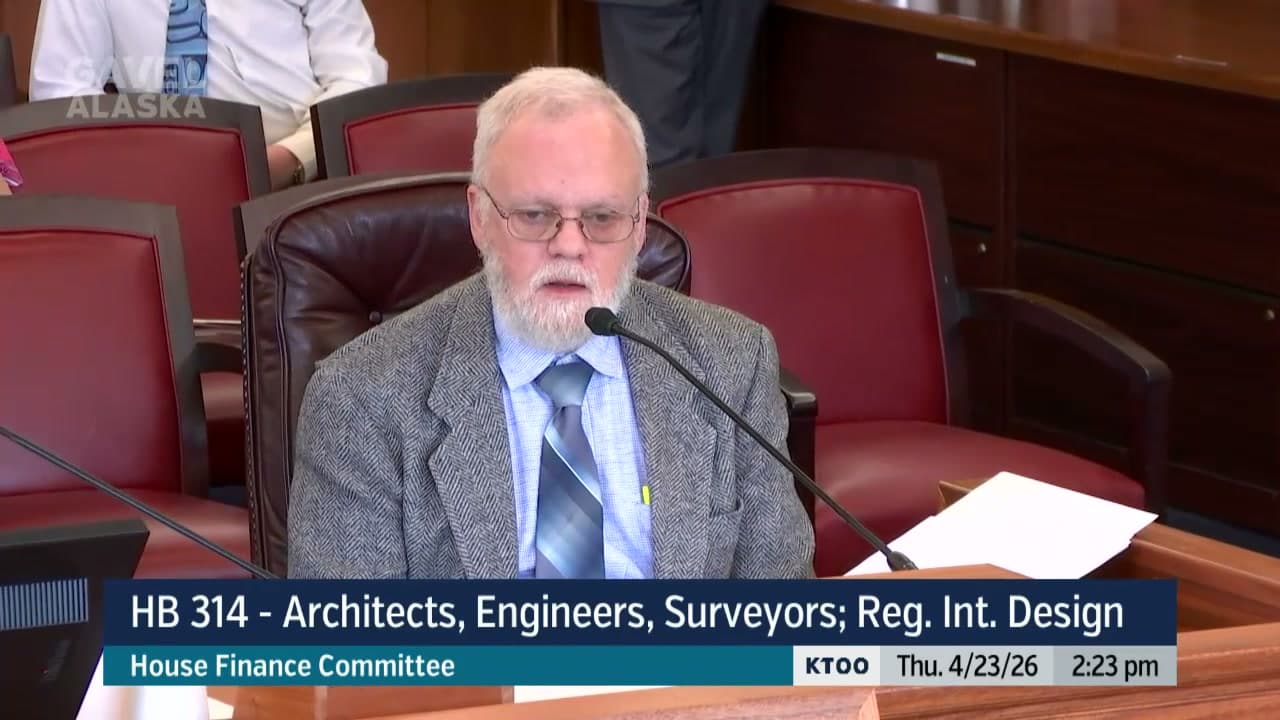
House Finance advanced a bill extending Alaska's professional licensing board and adding registered interior designers, after revising language that prompted a gubernatorial veto last year.

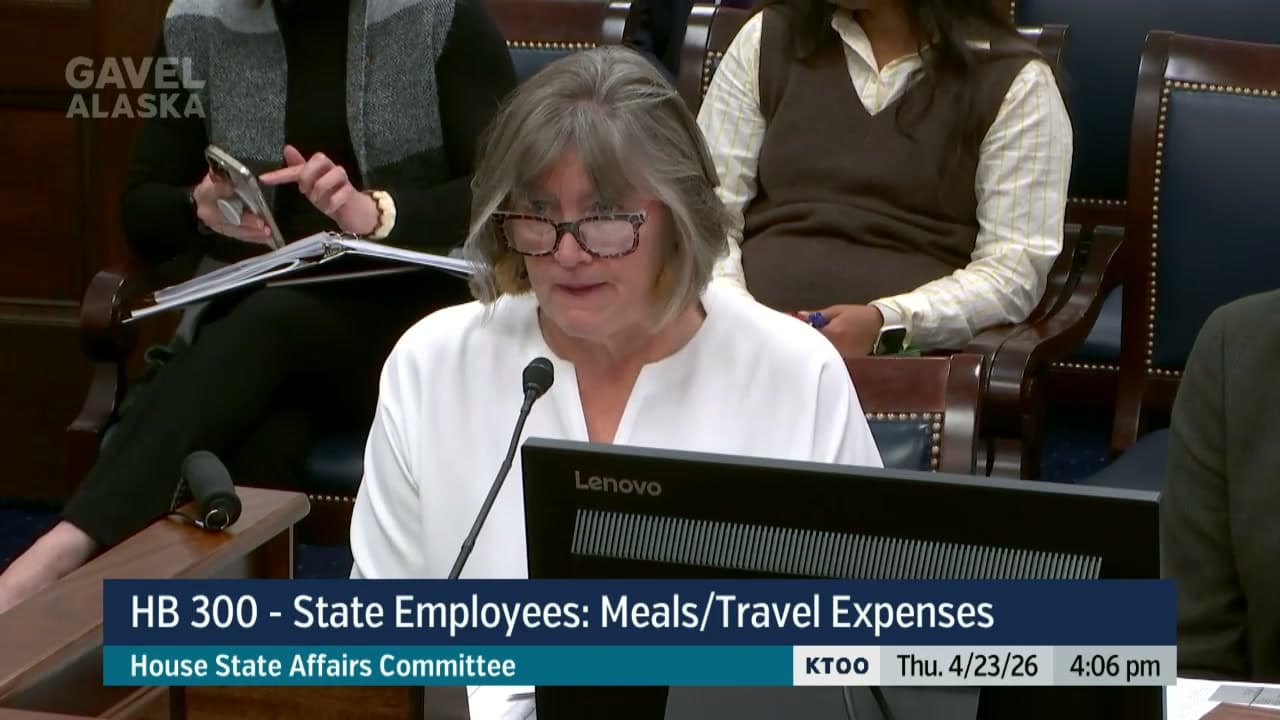
House Bill 300 would raise state employee per diem rates frozen since 2010 from $60 to $82 per day, with automatic adjustments every three years starting in 2029.

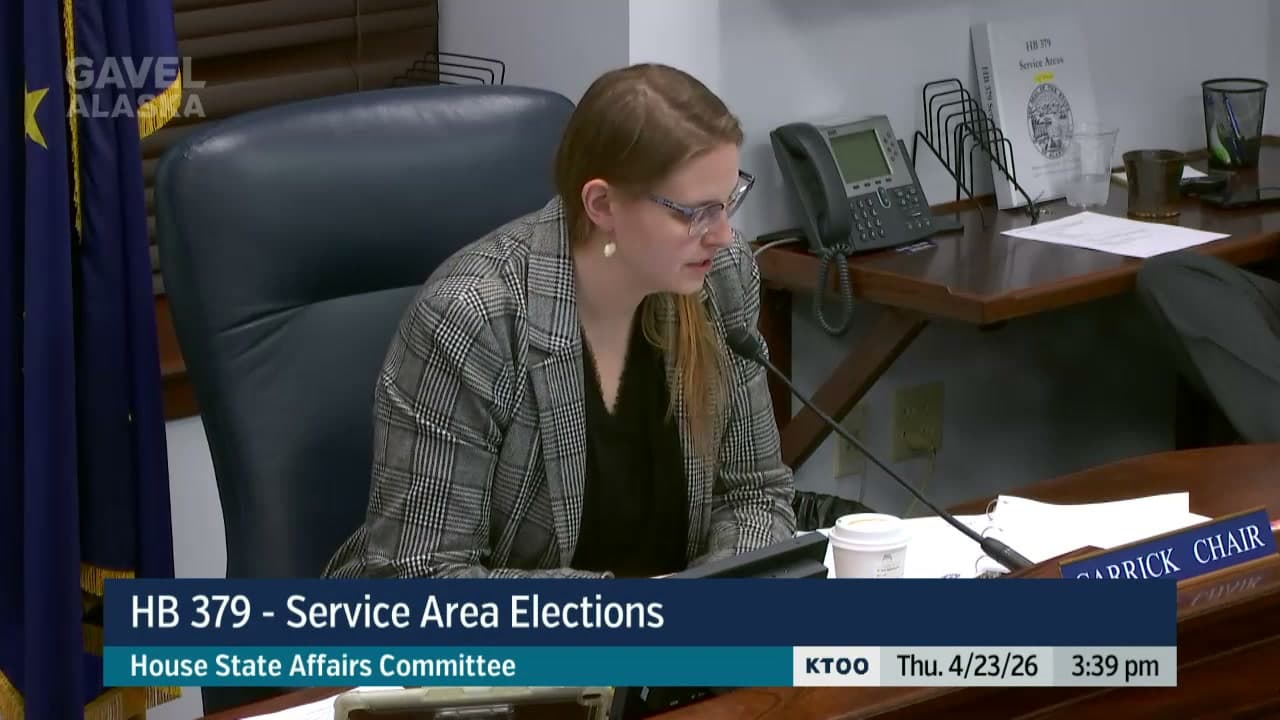
House panel heard a bill to let second-class boroughs reshape road service areas without two concurrent elections, a process that has failed 60 percent of the time.

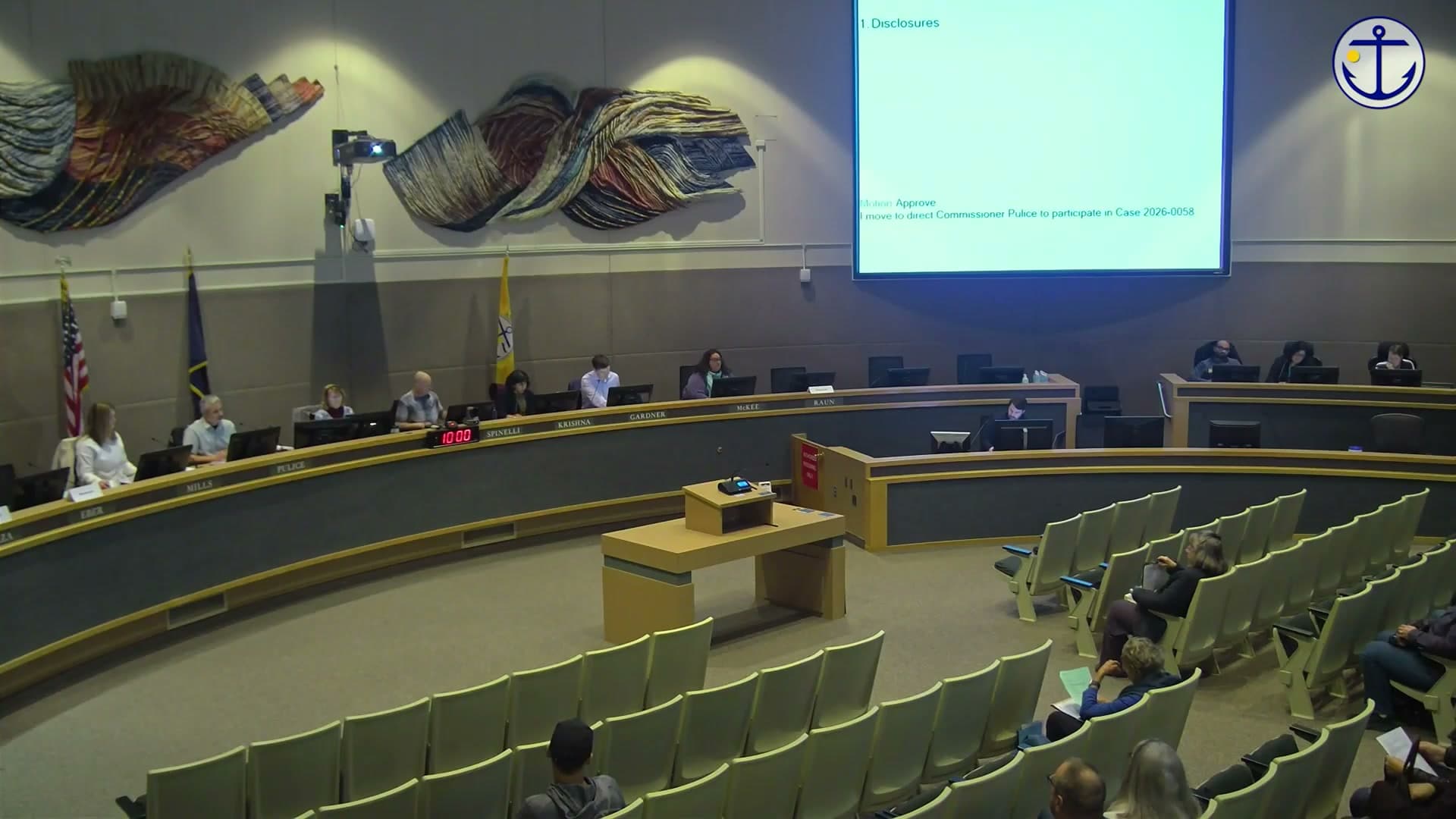
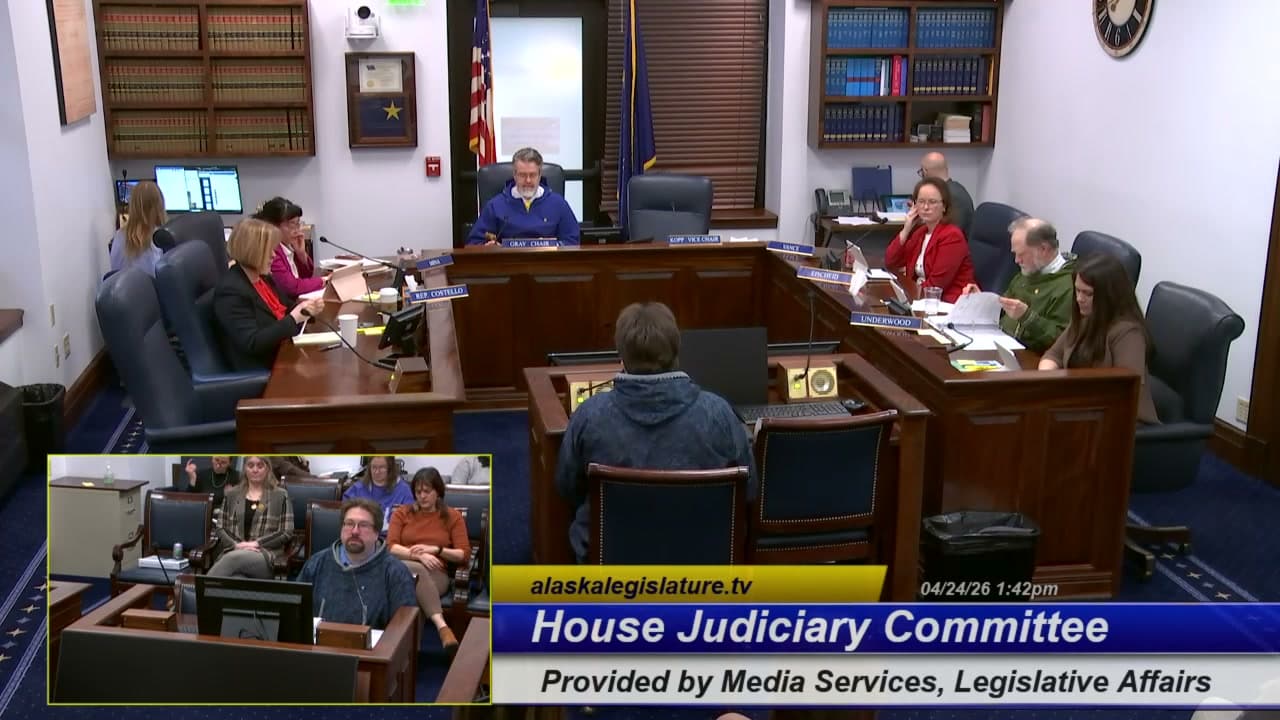
The House Judiciary Committee deadlocked 3-3 on the Alaska Data Privacy Act. The bill would have let Alaskans control how companies collect and sell their personal data.

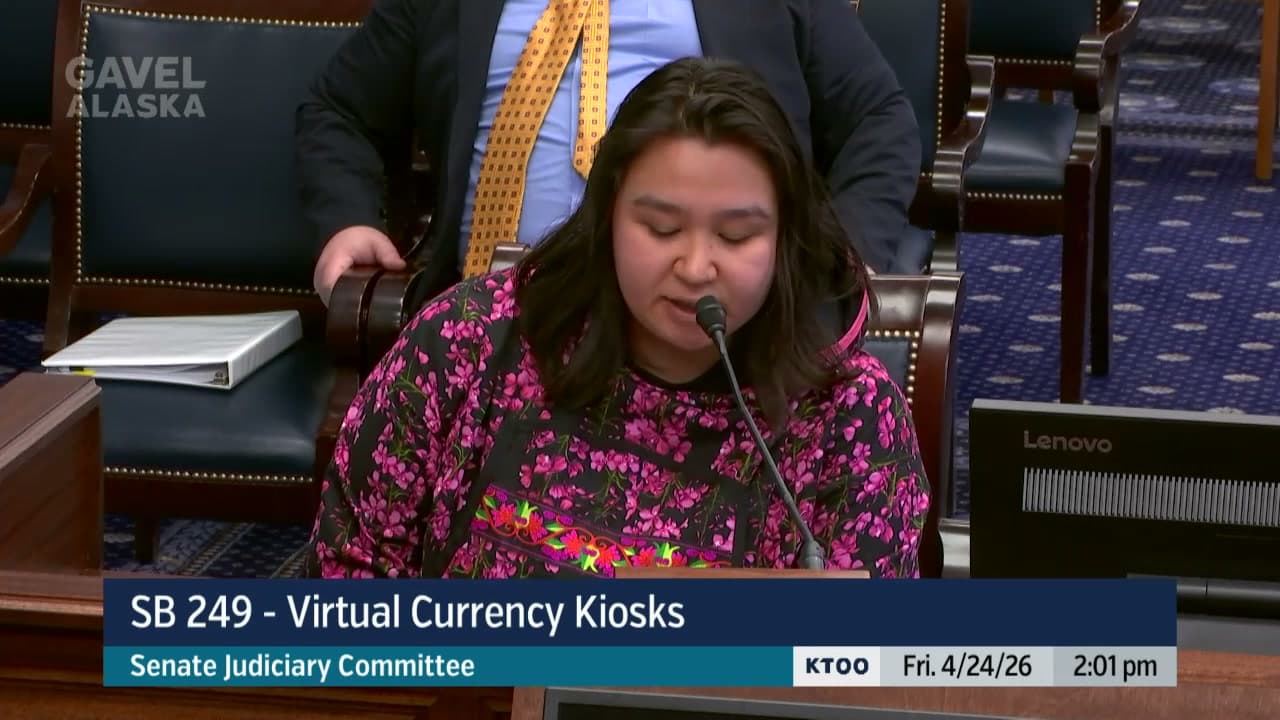
The Senate Judiciary Committee is weighing a crime omnibus bill that targets sexual assault, hit-and-run crimes, and AI abuse.

Senate Education Committee advanced a bill requiring opioid prevention curriculum in grades 6-12. • Committee heard first presentation on allowing tribes to operate public schools through state-tribal compacts, with second hearing scheduled Monday.

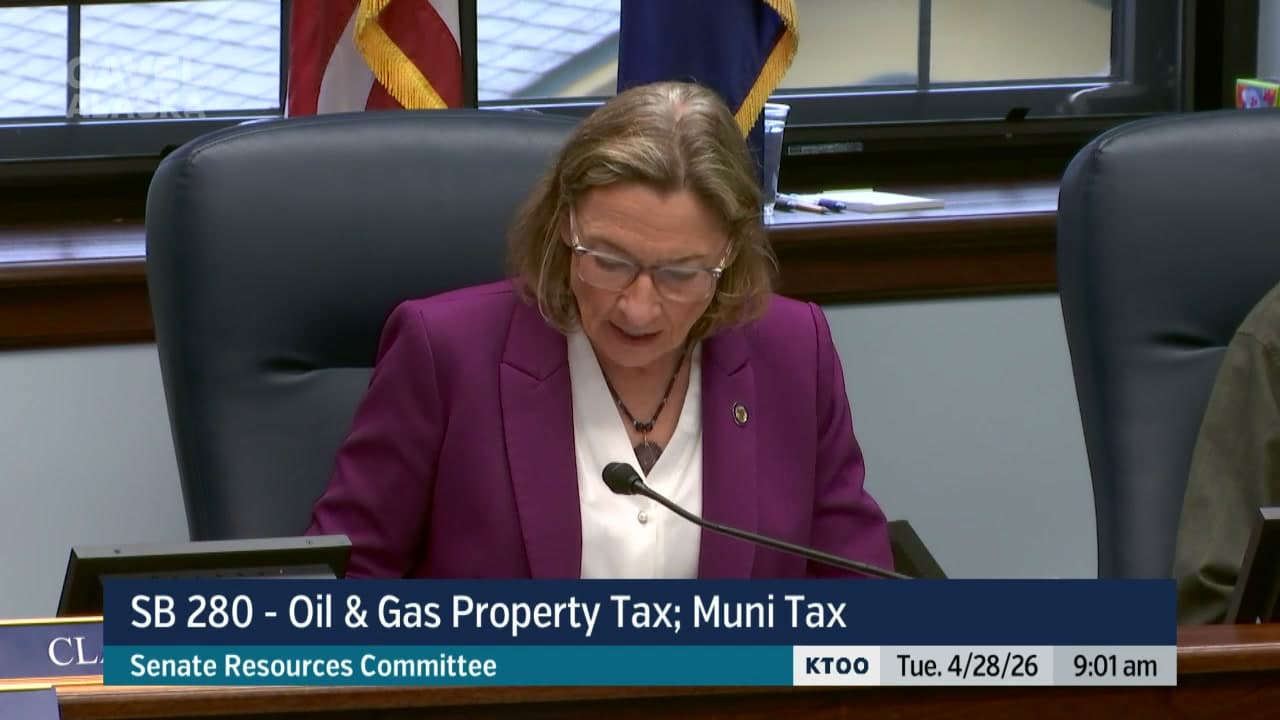
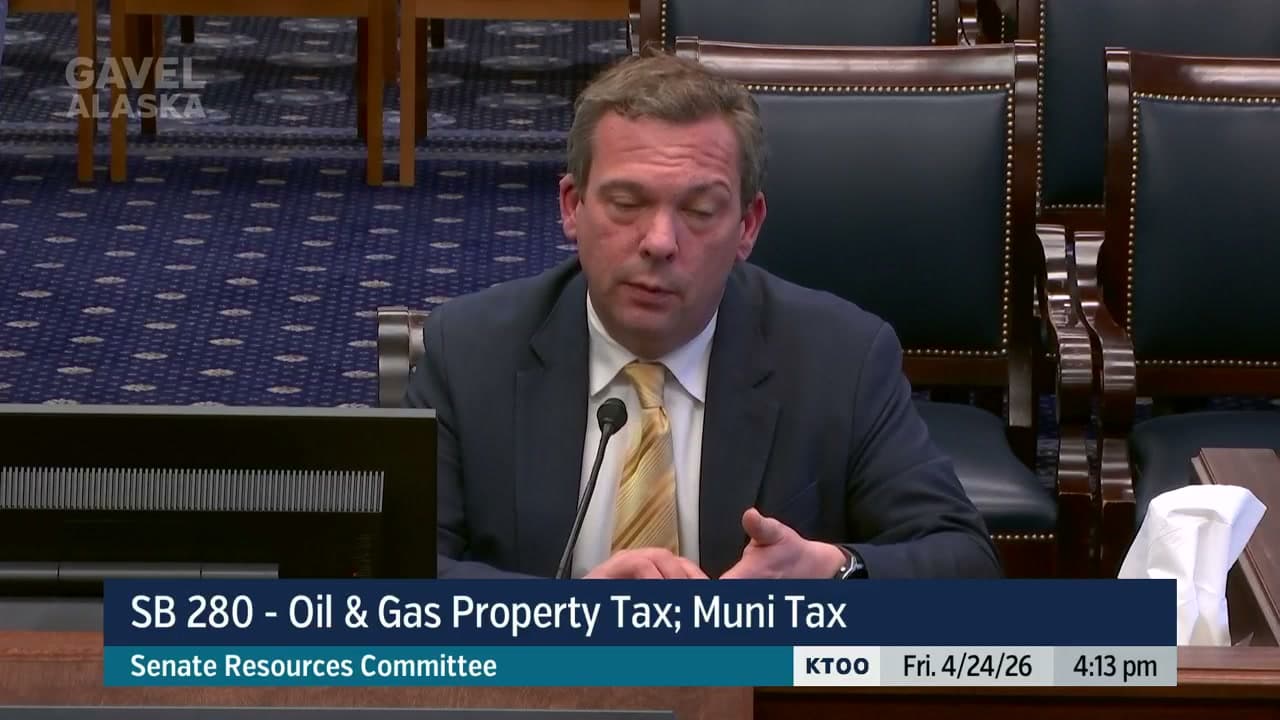
Alaska Senate panel questioned whether state price caps in Senate Bill 280 would conflict with federal authority over the Alaska LNG pipeline project.

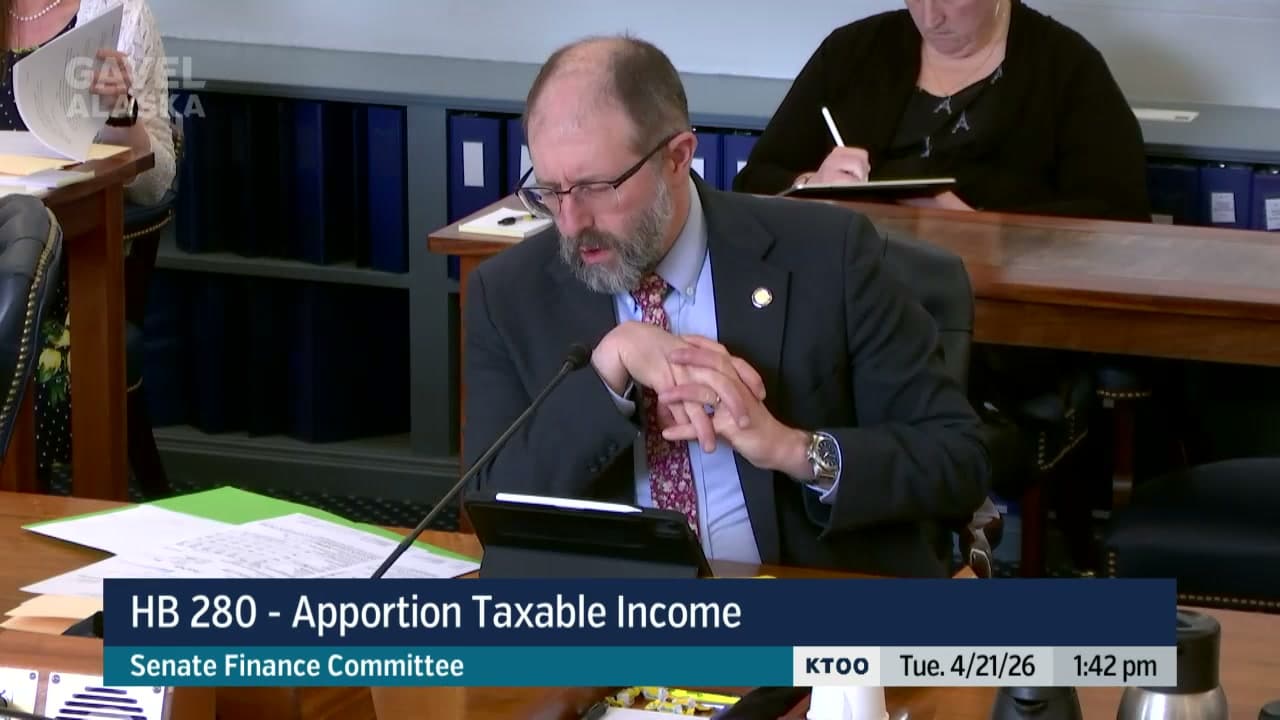
Senate Finance heard testimony on House Bill 280, which would shift corporate income tax to market-based sourcing and generate roughly $15 million annually, but deferred a vote.

New stories usually land 8a to 2p.
1,285
meetings transcribed
5,325
articles published
3,138
hours of audio processed
6
contributors this week
Local news, from the source · Public meetings deserve coverage · Every article names its source
New this weekendAlaska News Saturday Night12 min · 17 stories
Today's briefAlaska News Daily Brief7 min · 12 stories