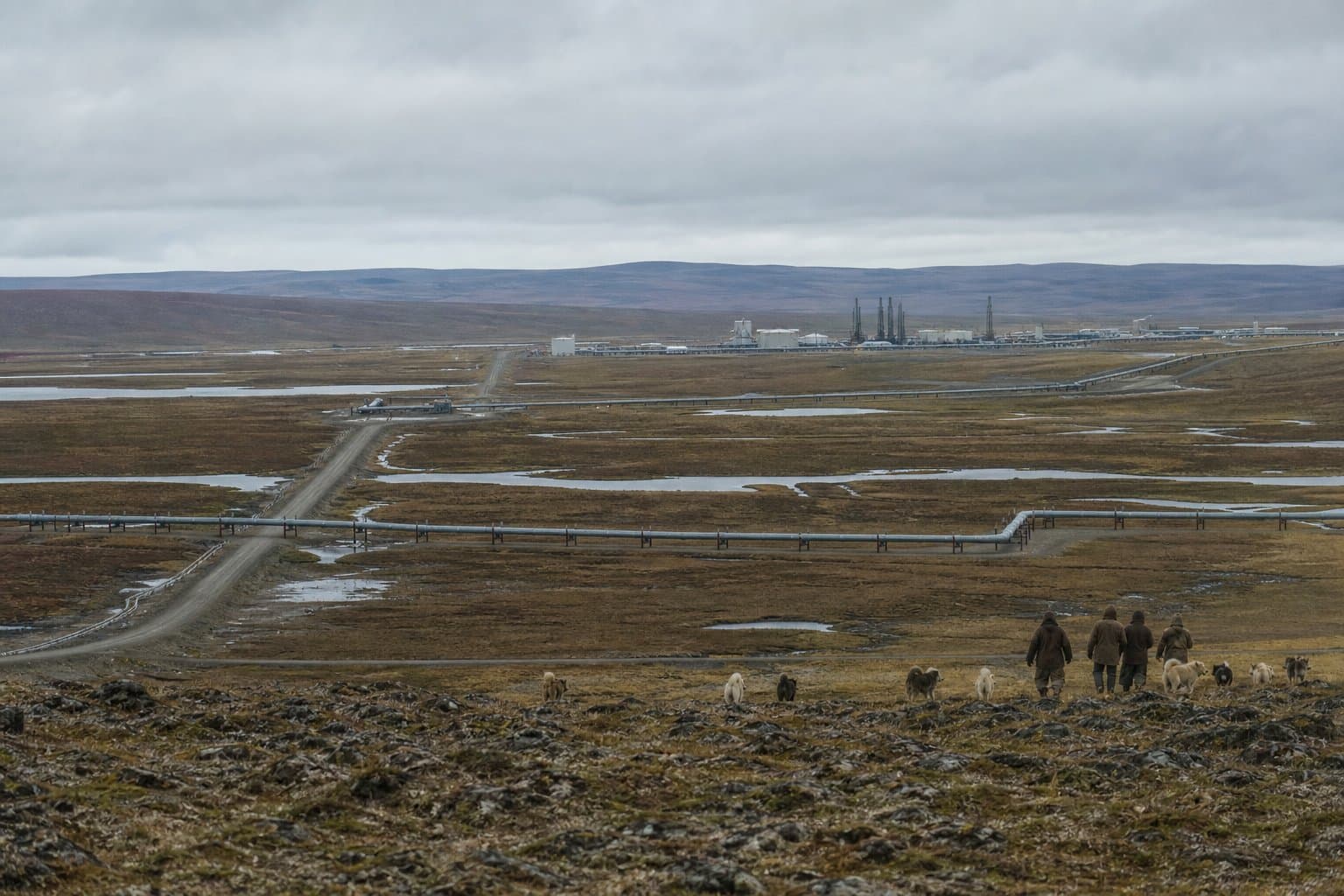
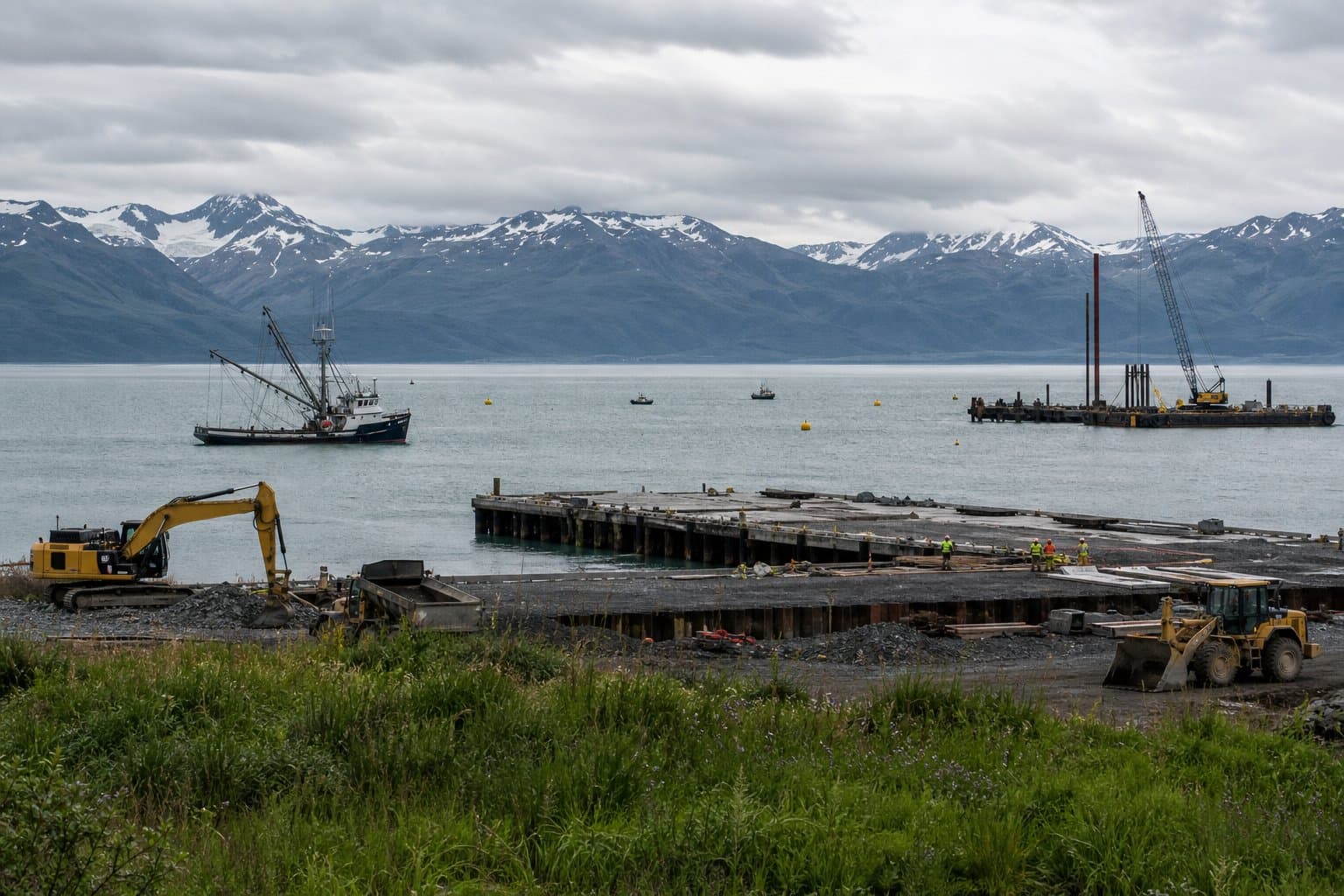
AIDEA's board meets Tuesday to consider changes to what it may spend on the Port MacKenzie rail line and on properties it owns. It will also review an Arctic refuge budget of up to $175 million for studies, not drilling.
North Slope Borough sued to stop a statewide oil tax rule, and 10 state senators asked the state not to adopt it. The state projects no revenue change.
The Senate passed a bill making it harder to yank permits from projects that have them all. A lease alone won't count, so Arctic refuge leaseholders wait.
Alaska's health department wants kids 3 to 18 to draw what being a "Health Hero" means to them — winning bookmark art gets printed. Entries are due Oct. 9.
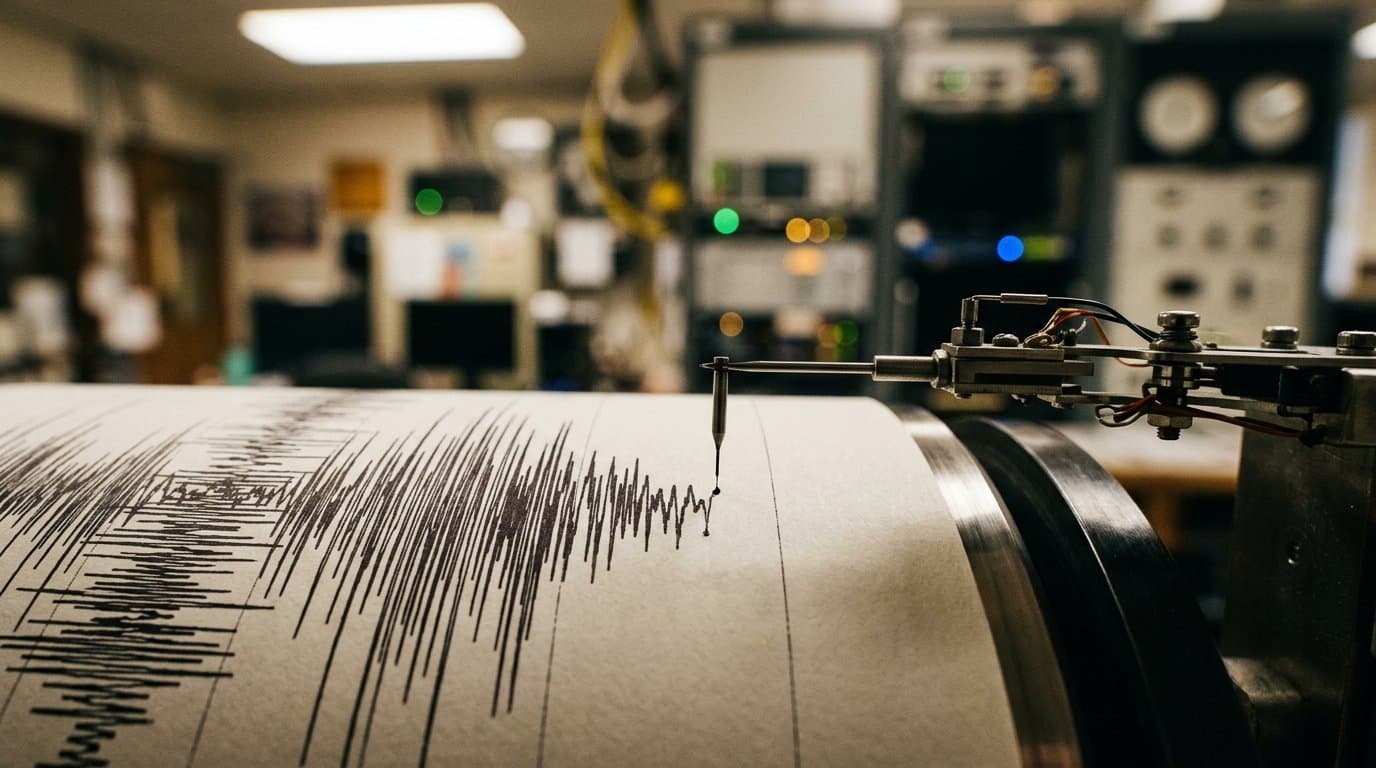
A magnitude 6.3 earthquake struck offshore in the central Aleutians early Thursday, setting off dozens of aftershocks — but no tsunami and no expected damage.
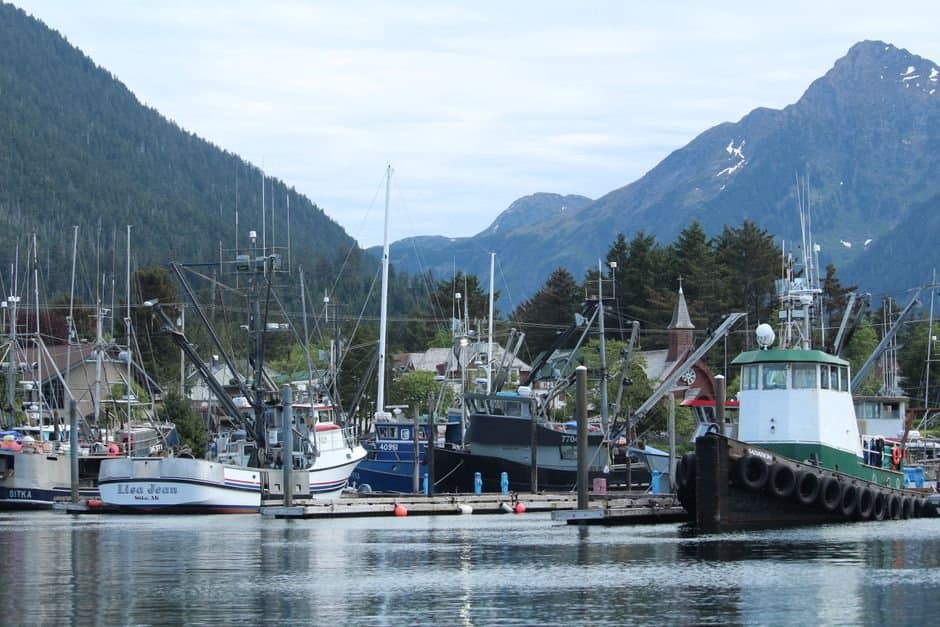
Sitka's Assembly will interview Gerrie Cotter for municipal administrator on Sept. 10, the sole remaining candidate after a months-long search that started over at least once.
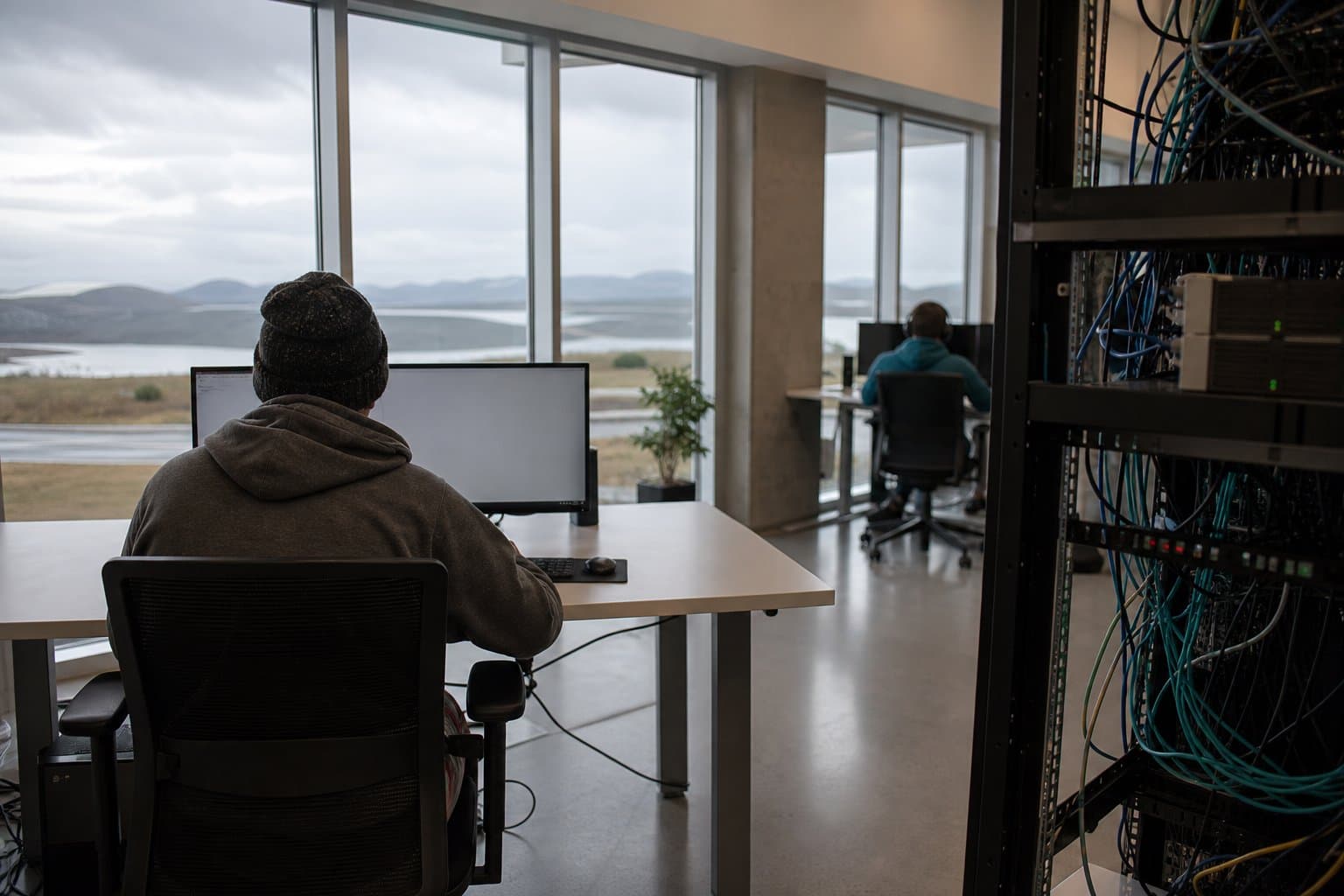
BBNC is hiring one IT apprentice in Dillingham, applications close Friday, Sept. 4. The one-year role includes CompTIA certifications and requires BBNC or Choggiung shareholder status.
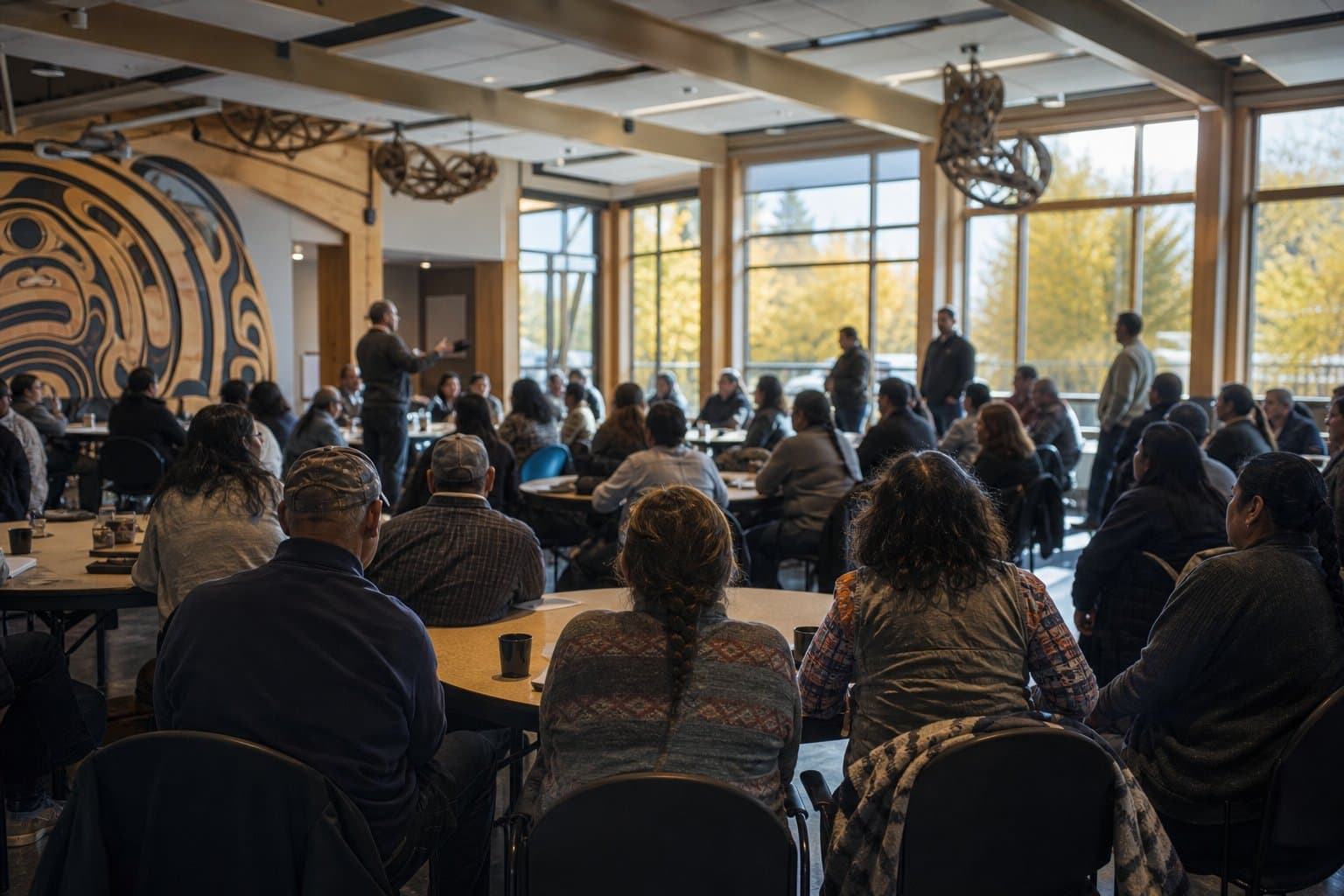
Bristol Bay Native Corporation is taking pitches through Oct. 2 for its December leadership forum — a corporate-led gathering, and not the region's only one.
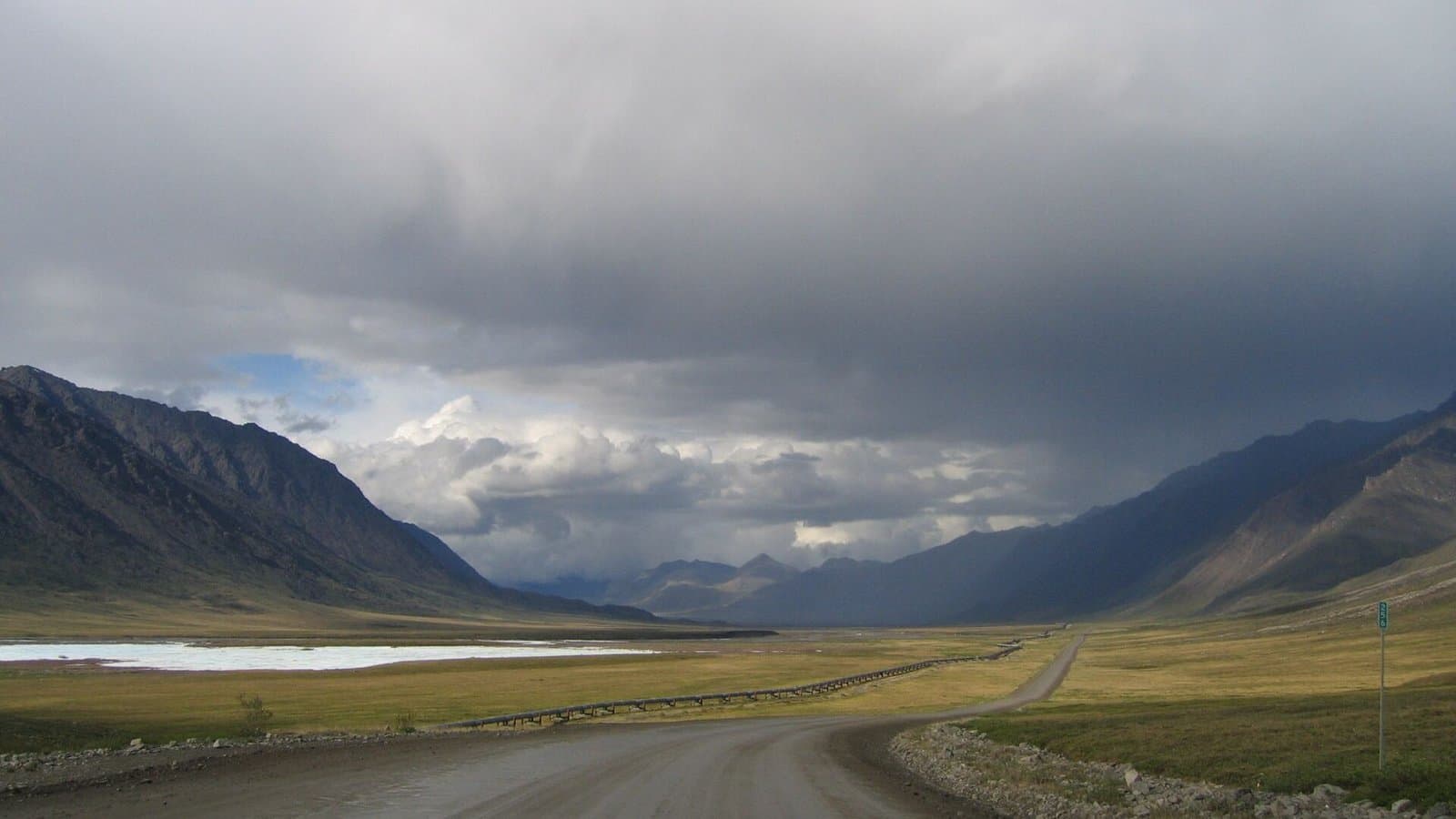
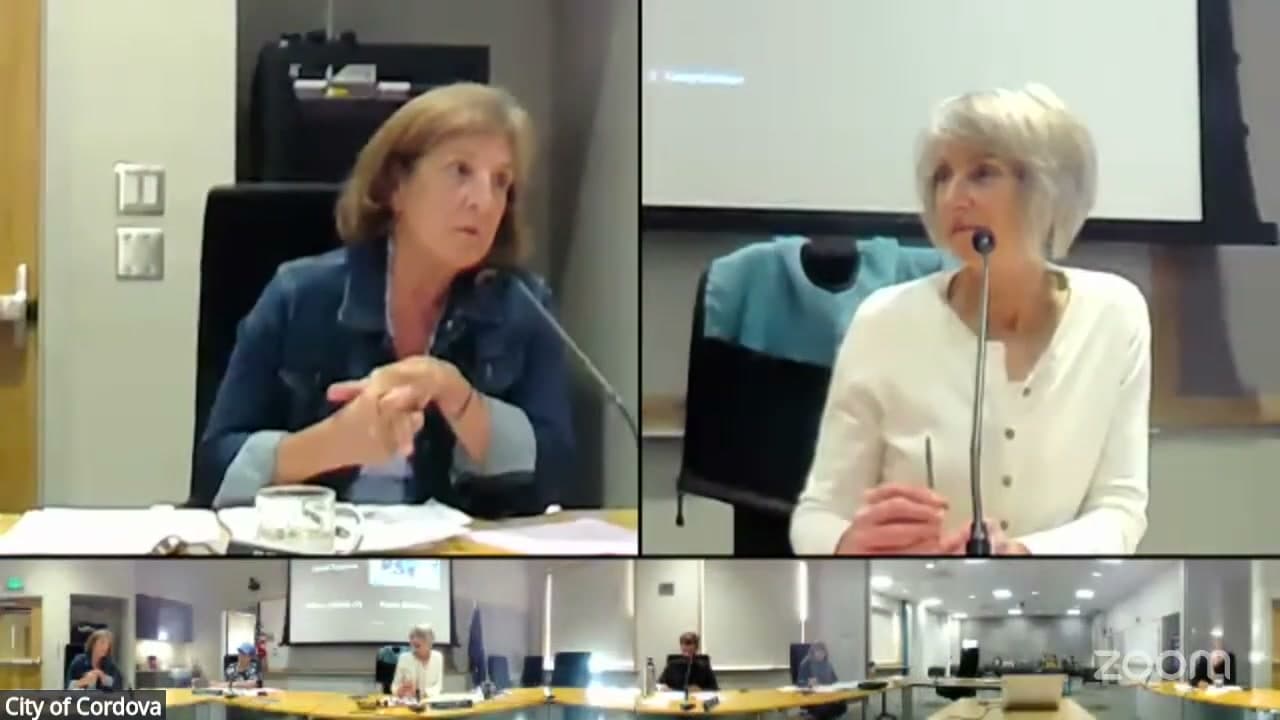
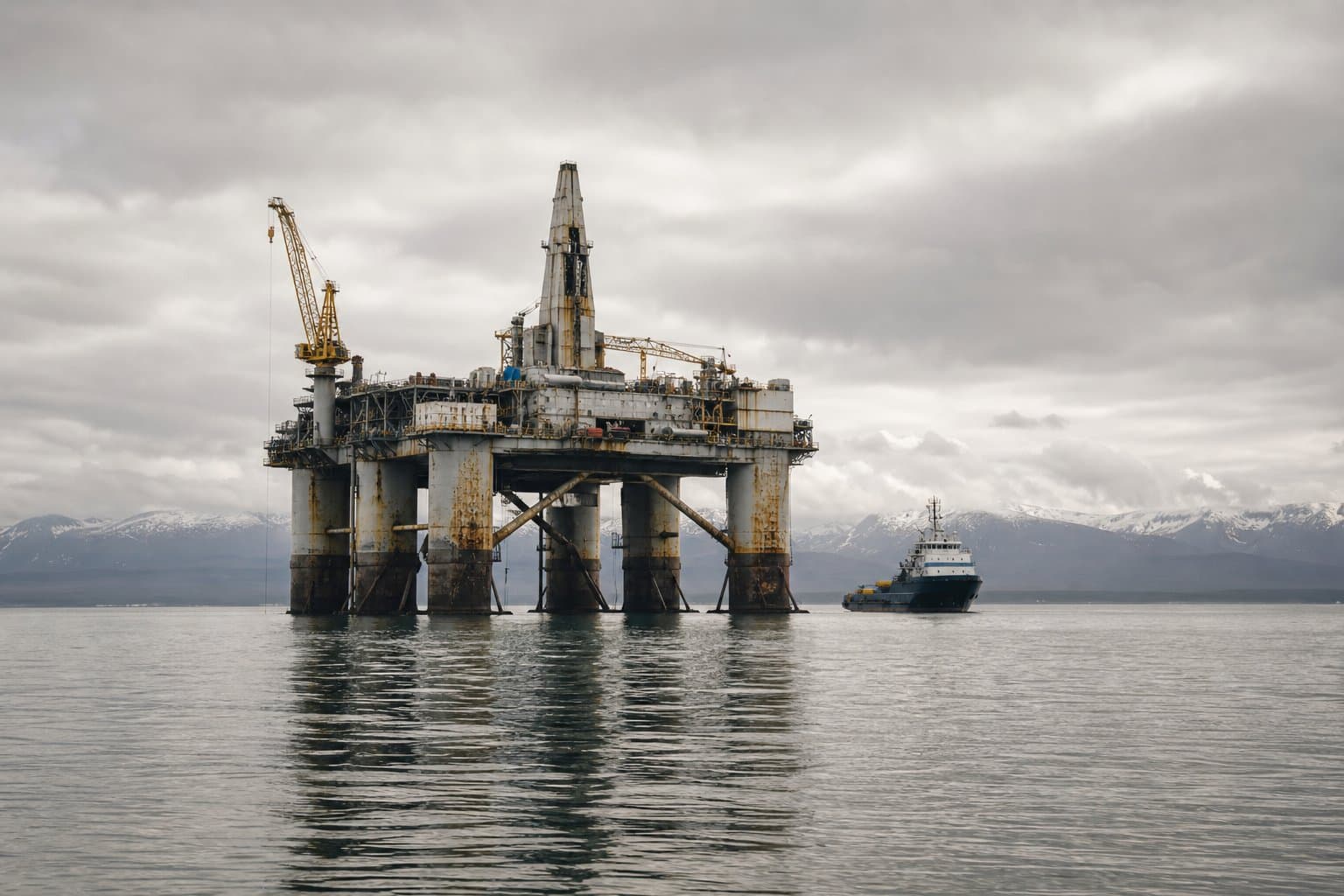
Alyeska seeks early renewal of the Trans-Alaska Pipeline permit with a faster review. Cordova wants a shorter term and money set aside to decommission aging infrastructure.
Cordova would get one ferry round trip a month this winter instead of none. January still has no service, and February hangs on how fast a shipyard works.
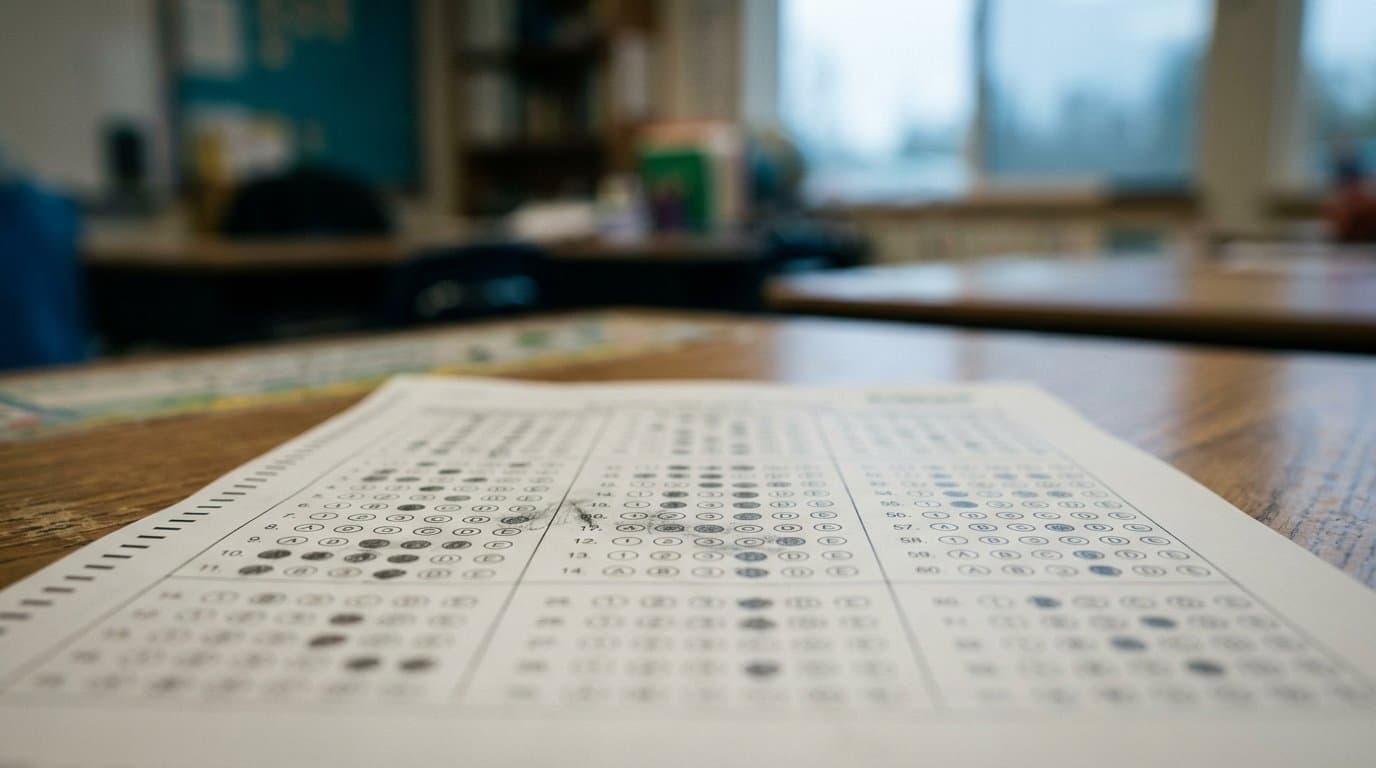
Alaska's youngest students are gaining in math and reading, but older grades have stalled — and most students still aren't testing proficient in either.
Federal regulators meet Sept. 30 to discuss charter halibut permit policy that affects Alaska's guided fishing industry, which accounts for most of the state's sport halibut catch.
Copper River dipnetters have until Sept. 30 to fish, closing out a below-average sockeye year — and the river gauge is down, so check conditions first.
Kodiak's school board has met four times in 18 days on a personnel matter identified only as "KAP," entirely in closed session, with no minutes published.
Kodiak Island Borough Assembly will introduce Thursday an ordinance that would start the clock for filling vacant seats the day a resignation is accepted and allow electronic applications.
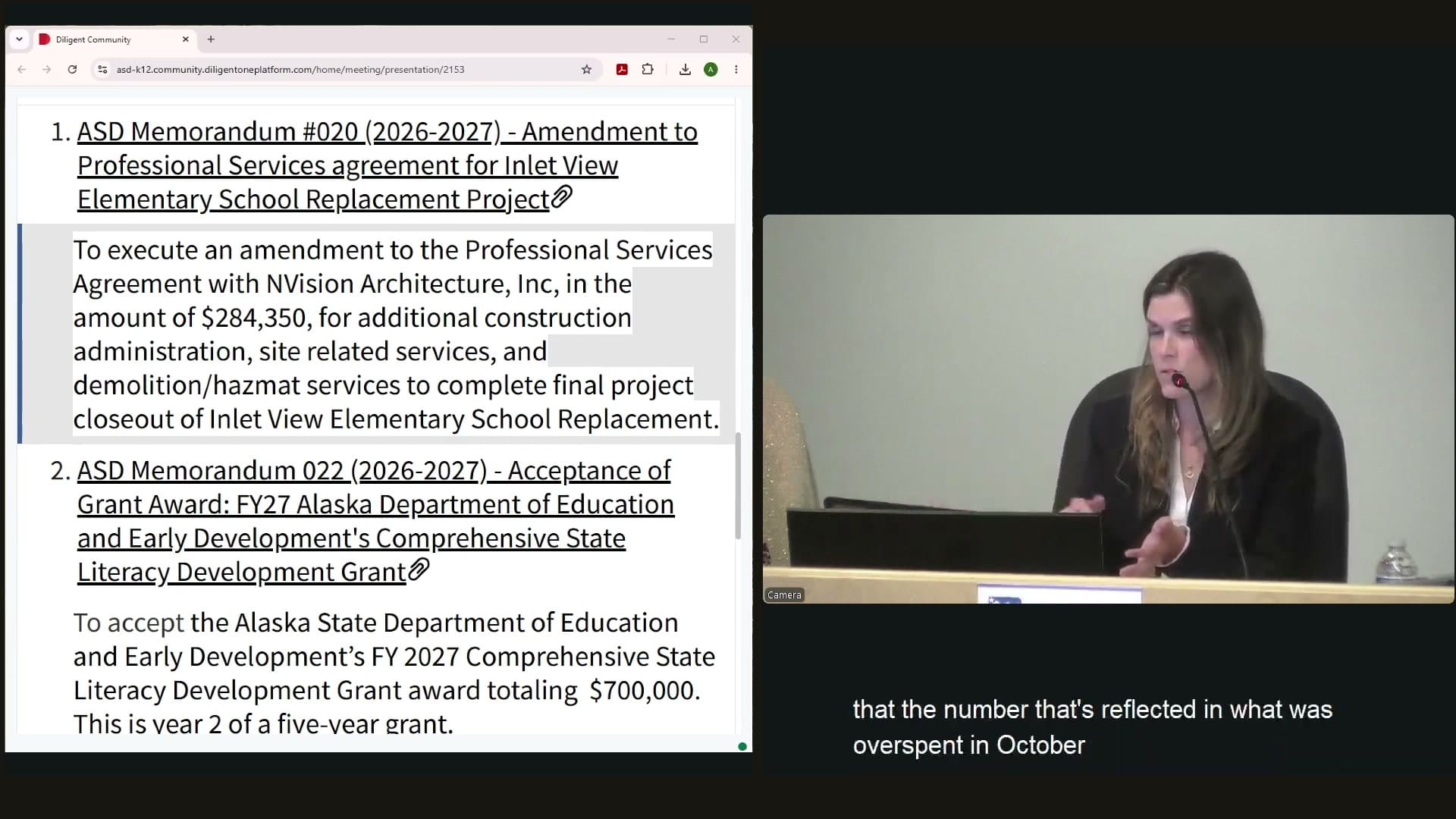
Anchorage schools will split $32 million in one-time state money, spending more than half this year and saving the rest to shrink a $40 million deficit expected next summer.
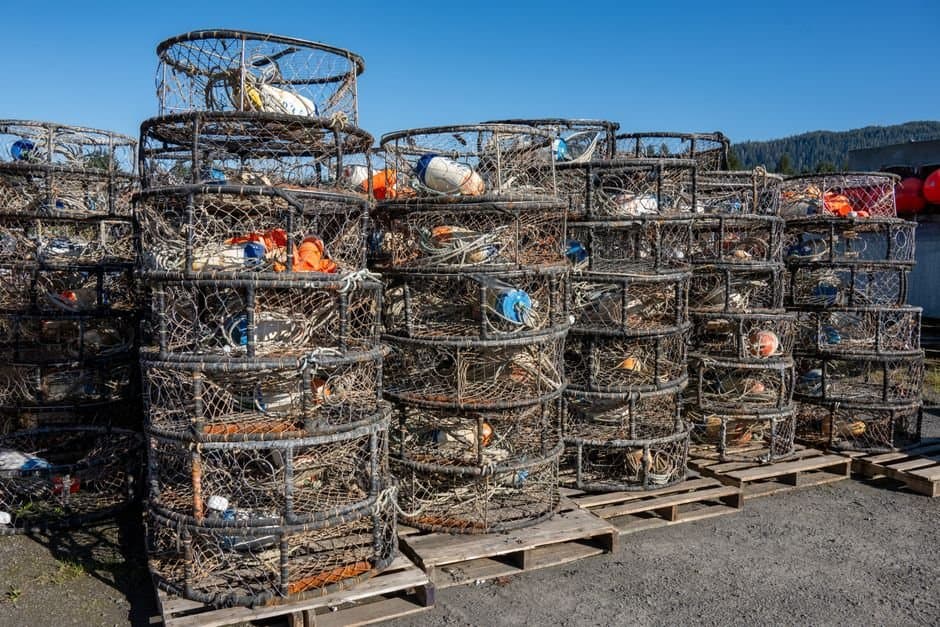
Norton Sound's summer king crab fishery landed $3.5 million worth of unusually big crab this year, even as the overall harvest limit fell 65 percent from 2025.
Juneau took Sealaska Heritage Institute's $1.5 million for its old City Hall instead of seeking bids at $2.5 million. Nobody has appraised the building.
Alaska rents rose again this year, but the pressure shifted. Mat-Su and the Kenai set records while Anchorage, Fairbanks and Juneau saw their smallest rises.
A $599,000 video wall for Anchorage's crime center returns to the Assembly Tuesday, alongside an ordinance that would write surveillance limits into city code.
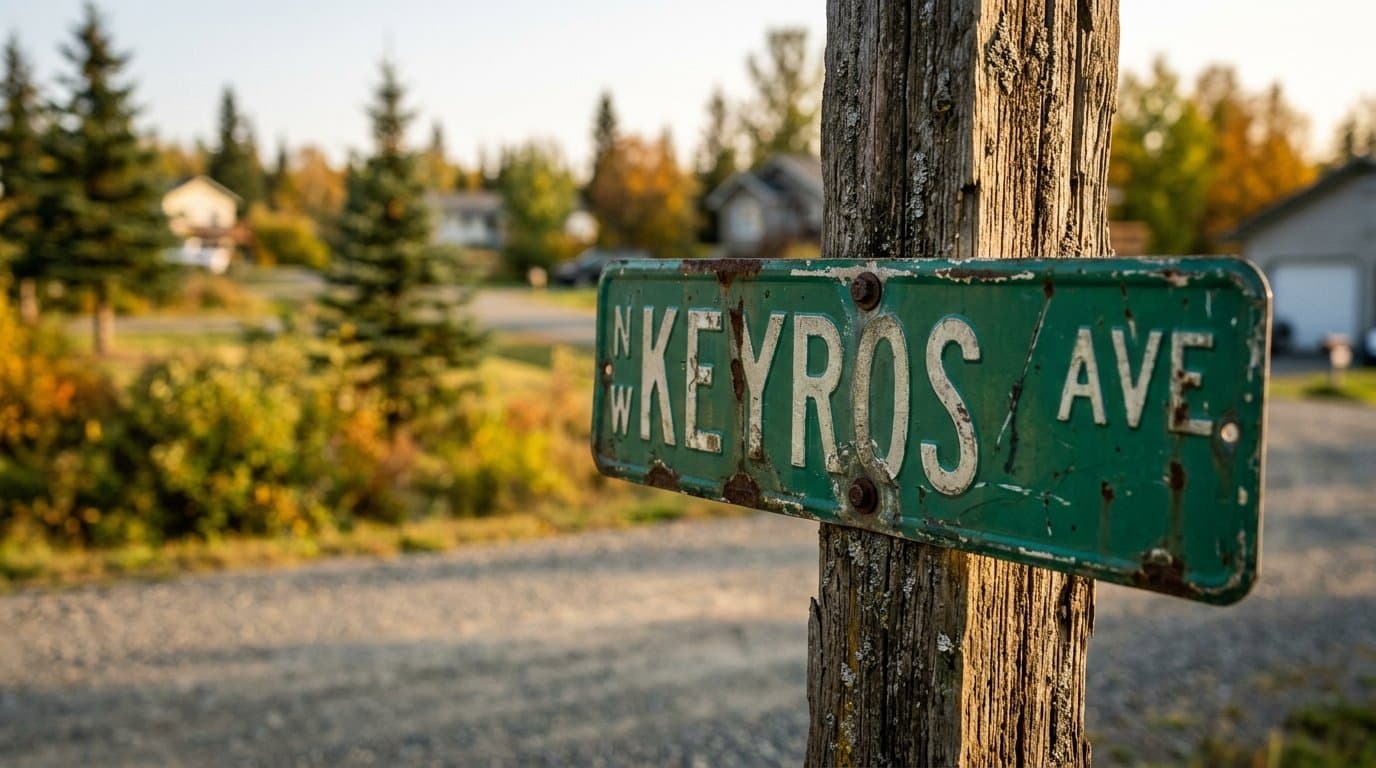
Kenai Peninsula planning commission will hear a petition Sept. 14 to vacate Keyros Avenue in Cohoe, with the borough assembly retaining veto power over any approval.
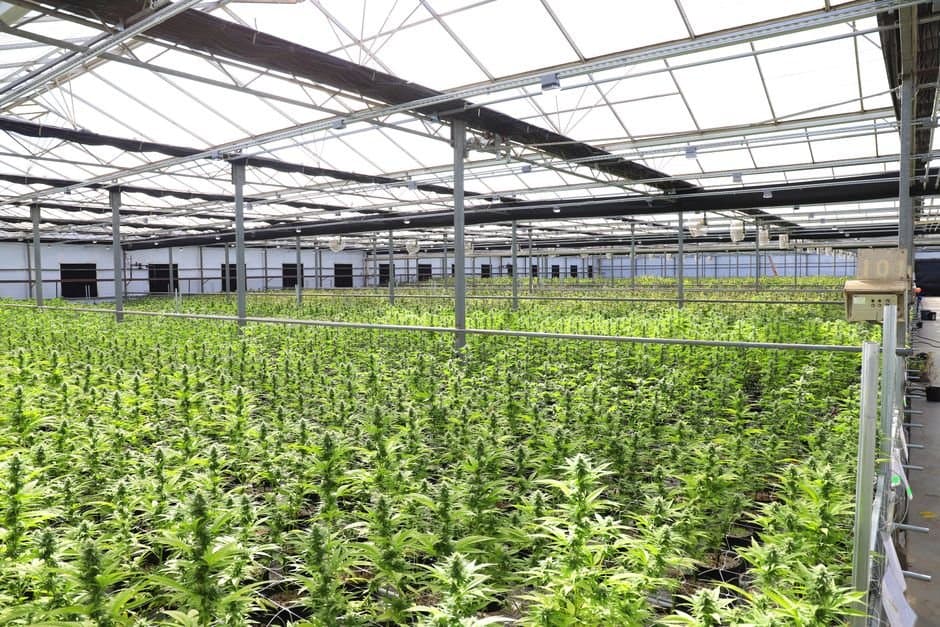
An Anchorage marijuana grower owes $664,440 in unpaid excise taxes and still appears active on state records months after the Marijuana Control Board denied its license renewal in December.
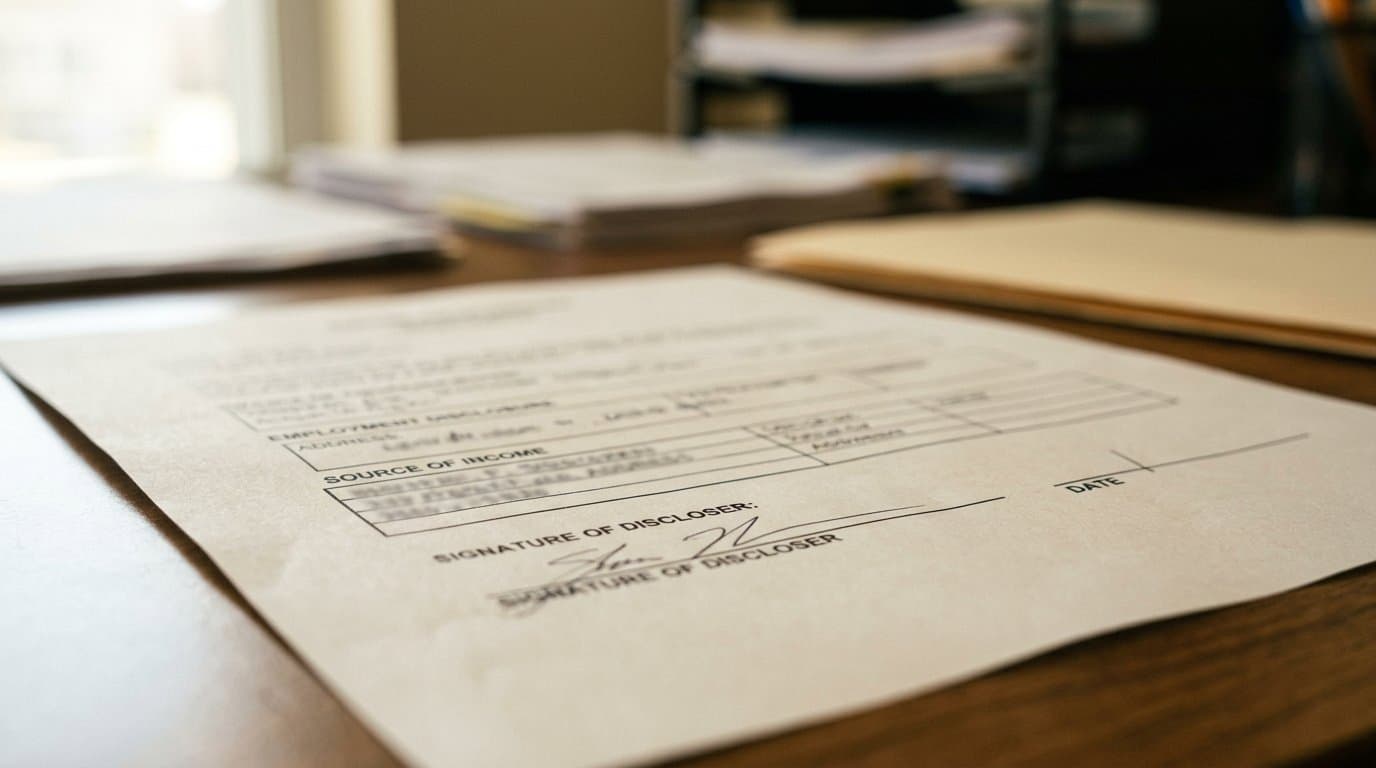
Kenai Peninsula Borough Assembly candidate Nathan Berga disclosed North Slope oilfield income and ownership of a Soldotna fishing business in a financial filing Monday.
Alaska drew $15.72 billion in federal awards through August, ranking 45th among states and territories, with about $21,000 per resident so far this fiscal year.
The Alaska Department of Health opened comment Thursday on the first Medicaid rates for subacute crisis facilities created by law in 2022. Hourly stabilization pay would fall 36 percent below the existing crisis observation rate, while daily residential rates would top the chart.
















 Stories