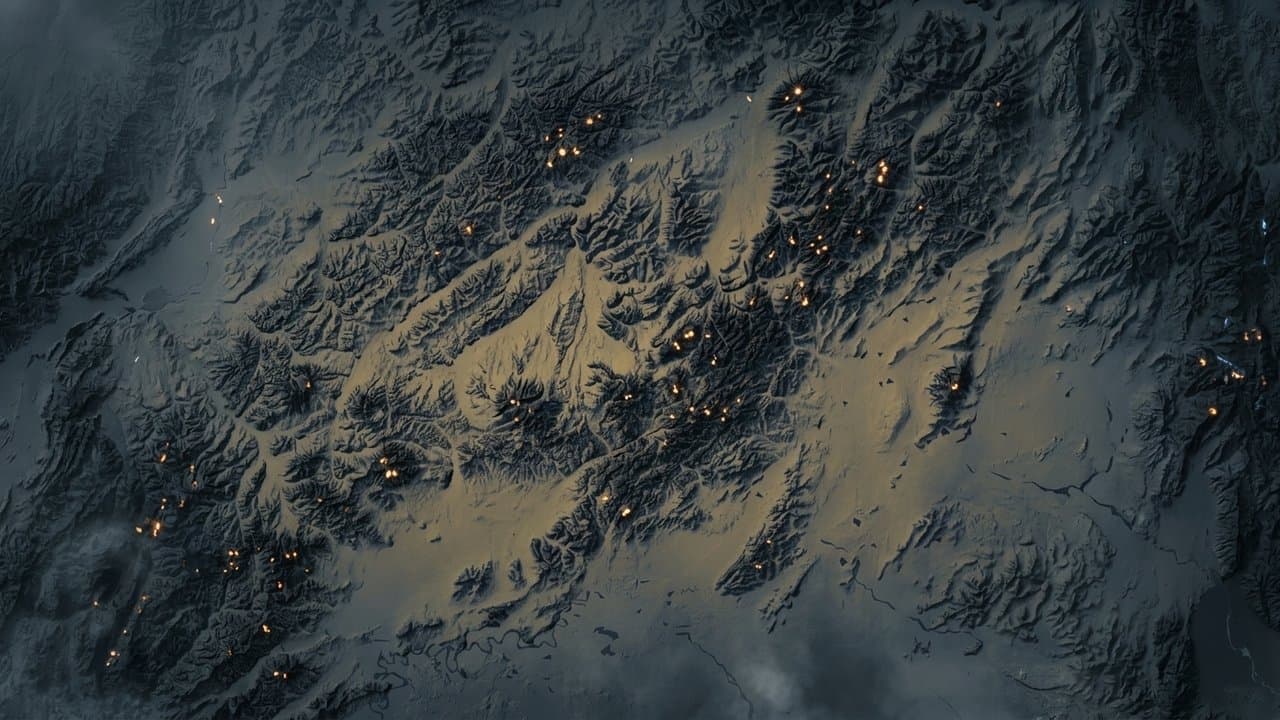
Editorial map (Gemini + Google Maps)
Alaska's missing Indigenous list drops to 355, with suspicious cases unchanged
Alaska's standing count of missing Alaska Native and American Indian people fell by eight last quarter, and none of the drop came from the cases the state cannot explain.
The Department of Public Safety's report for April through June lists 355 people, down from 363 three months earlier. All eight of those cases came out of two categories: environment fell from 269 to 266, and not suspicious from 56 to 51. The 21 cases the department calls suspicious did not move. Neither did the 17 it lists as unknown. Environment covers wilderness, waterways, ocean, aircraft crashes and other non-suspicious outdoor deaths where remains were never found.
Comparing the two published tables name by name, more than 20 people came off the list and nearly as many went on. That includes the suspicious column, where one case left and another entered, holding the total at 21 both quarters. The same thing happened in the unknown column.
The suspicious column is the only place in either report where women outnumber men, 12 to 9 in both quarters. Everywhere else the split runs the other way. Environment was 242 men to 24 women.
The report draws on eight agencies: the state troopers and the police departments in Anchorage, Fairbanks, Seward, Homer, Soldotna, Wasilla and Kenai. Five of those eight contributed nothing, and only the troopers and Anchorage and Fairbanks police appear in the case table.
Western and northern Alaska are left out. Communities out there generally have no municipal police department to report from, because there is no tax base to fund one. Law enforcement across most of rural Alaska is troopers, Village Public Safety Officers and village police, and the report can only include agencies that exist and file. Bethel is the borough carrying the most cases in the report, and they are there because troopers worked them.
Dates of last contact run from 1960 to 2026. The 1980s account for more cases than any other decade, including the 2020s.
The Legislature and Gov. Mike Dunleavy funded four full-time investigators for missing and murdered Indigenous persons cases in fiscal 2025, and the state's 2026 proclamation counts two tribal liaisons alongside them. Every missing person case now has to go into the federal NamUs database within 60 days.
In July, troopers identified remains found on Nunivak Island in 2009 as George Smith Sr., a 79-year-old Togiak man missing since that year, using family reference samples collected in February.
The department reported 230 people located over the quarter, 133 of them Alaska Native, American Indian or of unknown race. A chart new to this report shows 206 of those were runaway juveniles, with 11 more not found.
The report records 10 Alaska Native and American Indian homicide victims in the second quarter, all male, against eight in the first, split evenly between women and men. The department calls those figures preliminary, and at that size a change of two says little on its own.
The published series runs back only to the third quarter of 2025, and the department says the contents are subject to change.
Source: Alaska Department of Public Safety, Alaska's list of missing Indigenous people fell by eight last quarter. The 21 cases the state calls suspicious did not change, and neither did the 17 it cannot classify..
Made by our human newsroom with AI. How humans and AI work here · Grow with our newsroom
Stay informed. Support what matters.
Free, permanent access to local news you can verify. Subscribe to support Walter AlaskaNews and go ad-free.
Related Coverage
Museums have cleared 46 Alaska Native ancestors to come home
Alaska News · 1mo ago
Anchorage Police Publish 2026 Missing Persons, Homicide Solve Rates
Alaska News · 5mo ago
Jedidia Atchak, 40, has been missing from Chevak since Aug. 7, and no new search has been announced
Alaska News · 2mo ago
Eight of nine Alaska tribes get smaller military cleanup agreements in latest Defense Department round
Alaska News · 3w ago
The federal unit handling Alaska's MMIP cases can't return a family's calls
Alaska News · 3mo ago
Comments
Sign in to leave a comment.
No comments yet. Be the first to share your thoughts.