Alaska’s meetings, filings, and public notices, covered daily.
Alaska News
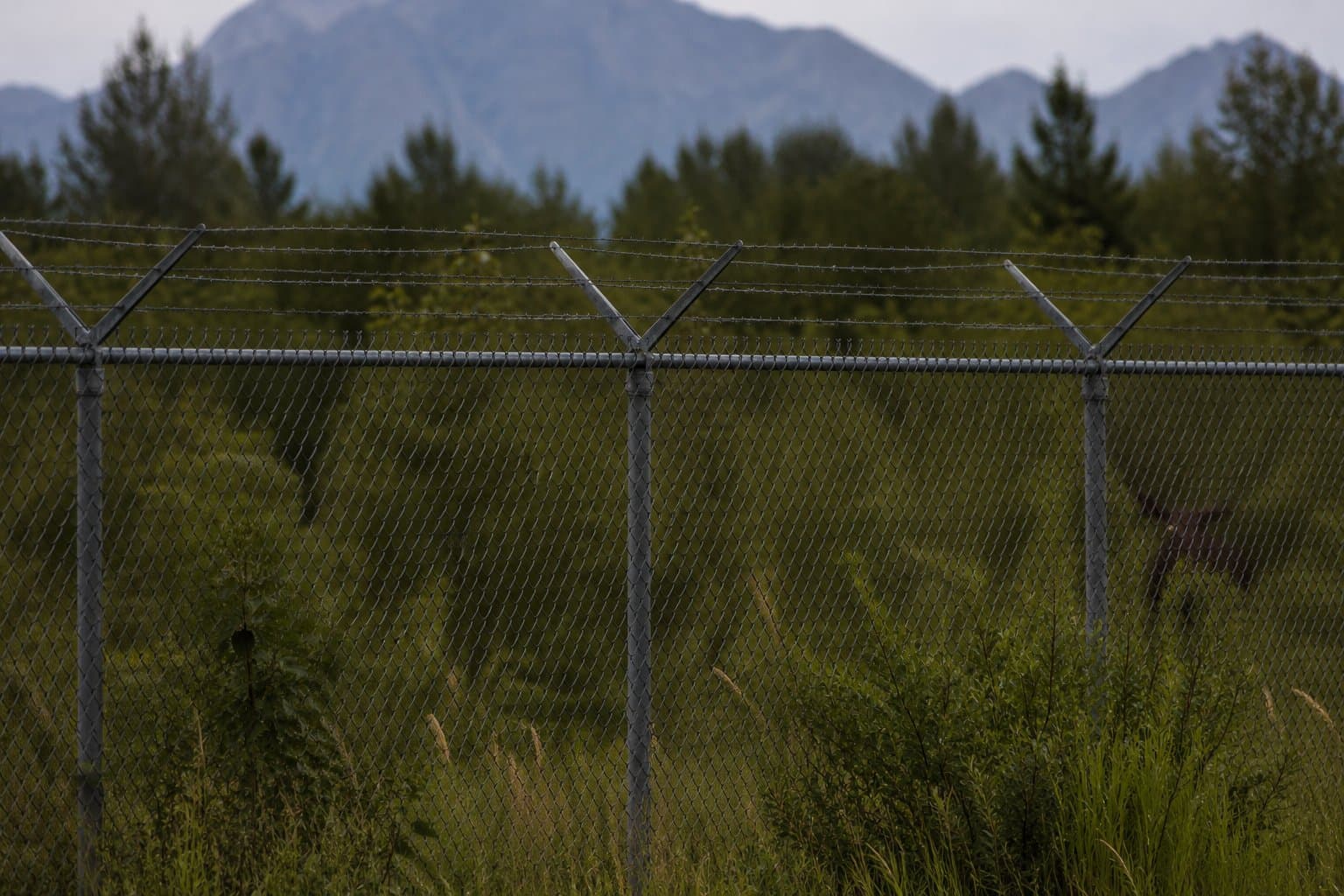
Joint Base Elmendorf-Richardson proposes a 7-mile barbed-wire fence along Anchorage neighborhoods, prompting resident concerns about wildlife, access, and community impact.
Also in Alaska News
Anchorage's Public Naming Commission scheduled a June 10 public hearing on naming a new downtown library the Anchorage Original Townsite Downtown Library, honoring donor Janet Goetz's wishes and the city's historic core.
Where in Alaska are you?
We’ll put news from your area first. No account needed, change it anytime.
The Alaska House of Representatives voted 40-0 Sunday to extend and expand a tax credit program that helps seafood processors invest in new equipment and value-added products, with supporters saying it aids both large processors and small direct-marketing fishermen during poor market conditions.

The Alaska Legislature passed HB 176, requiring the University of Alaska to provide itemized student fee statements and notice of fee increases.
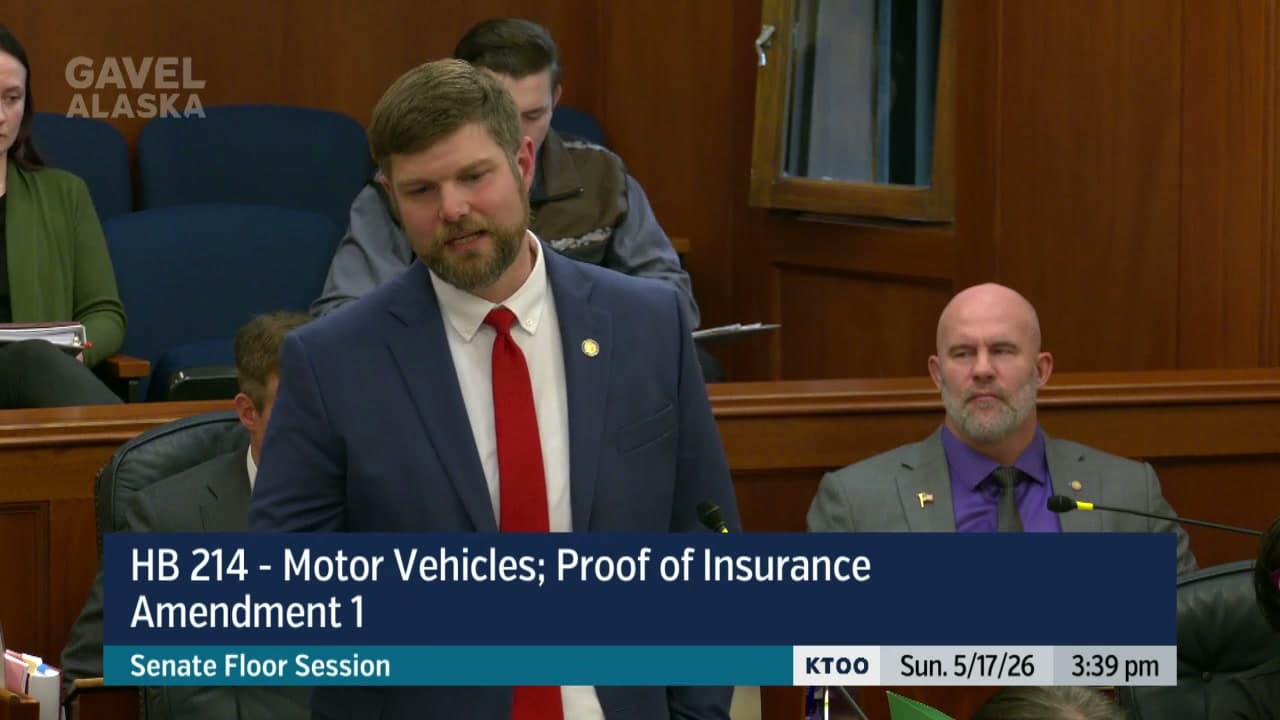
The Alaska Senate voted 13-7 Sunday to amend a bill requiring insurance coverage for delivery app drivers like Instacart and Uber Eats workers, who currently have zero coverage during accidents.

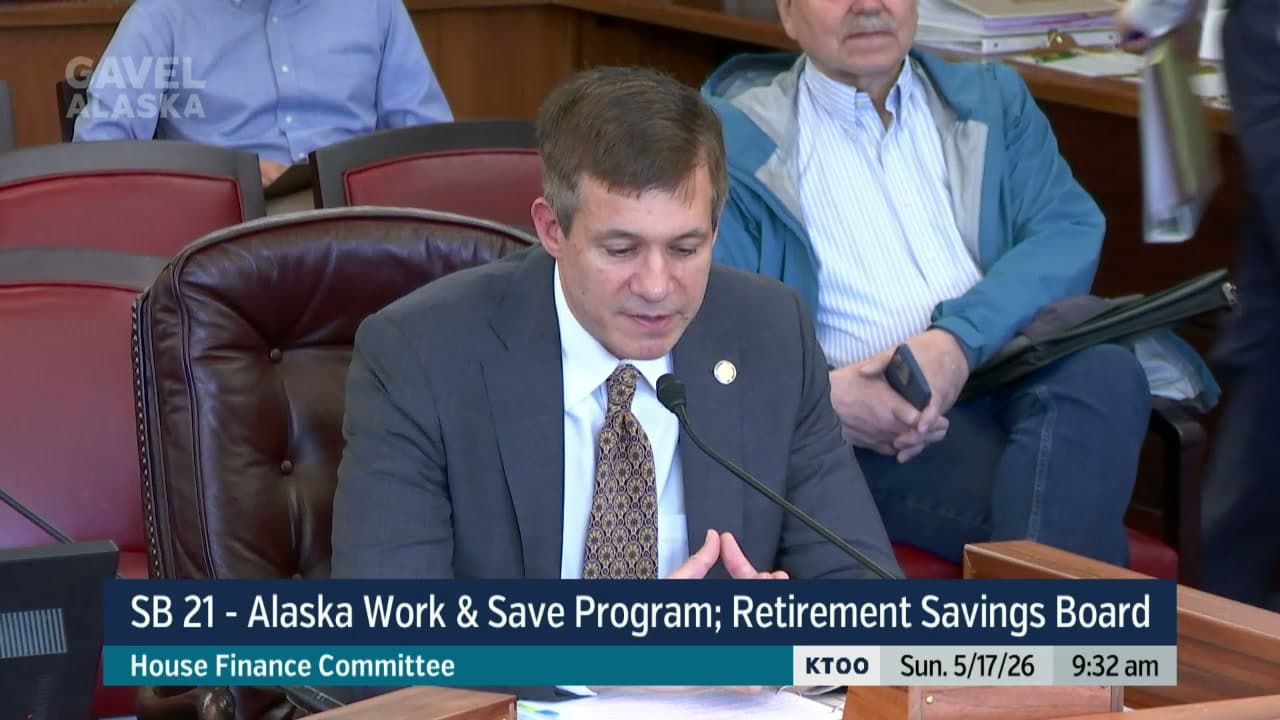
The House Finance Committee voted Sunday to move forward legislation creating an automatic IRA program for Alaska employees whose employers do not offer retirement plans.

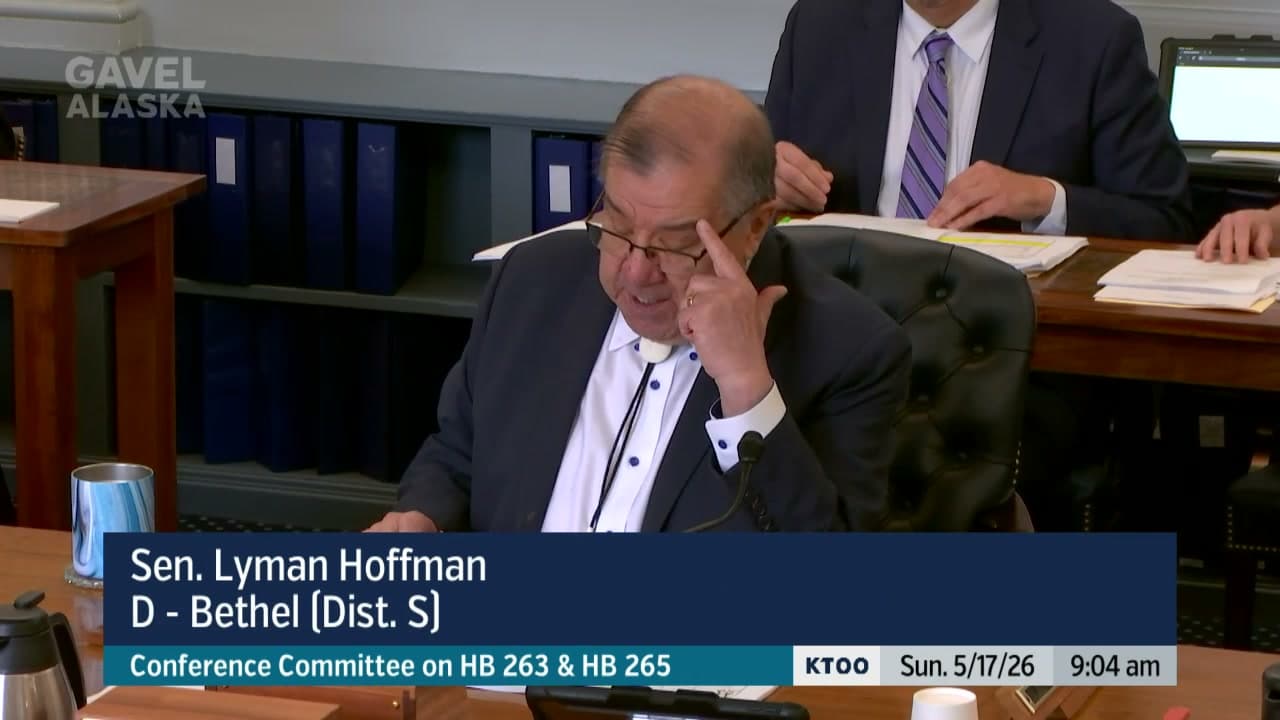
The Alaska Legislature conference committee approved a $1,000 Permanent Fund Dividend and increased energy relief payments from $150 to $200 per person, totaling $127.3 million, in a split vote Sunday.

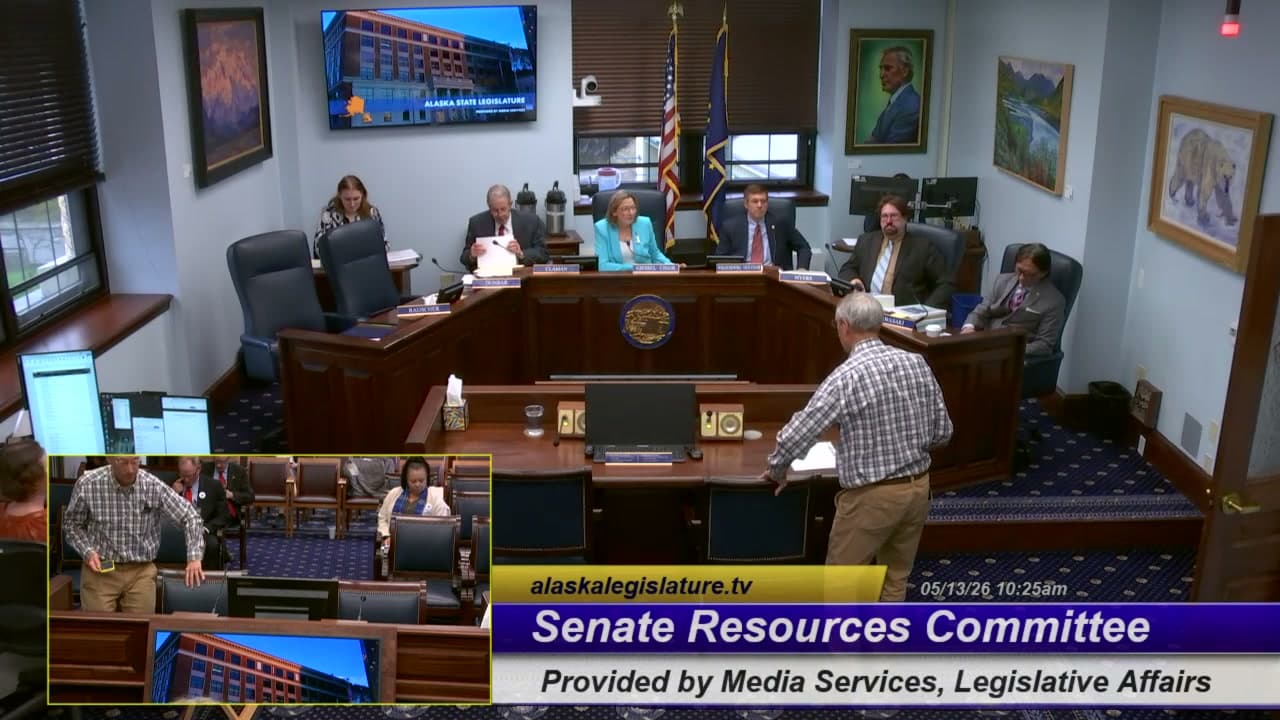
The Senate Resources Committee passed a gas pipeline tax bill that includes an oil production tax floor increase from four to six percent, prompting industry criticism despite thirty-two hearings on the measure.

The Alaska House passed a paid parental leave program (8-12 weeks) funded through unemployment insurance contributions while simultaneously exempting seasonal workers and businesses under 10 employees from voter-approved paid sick leave requirements.
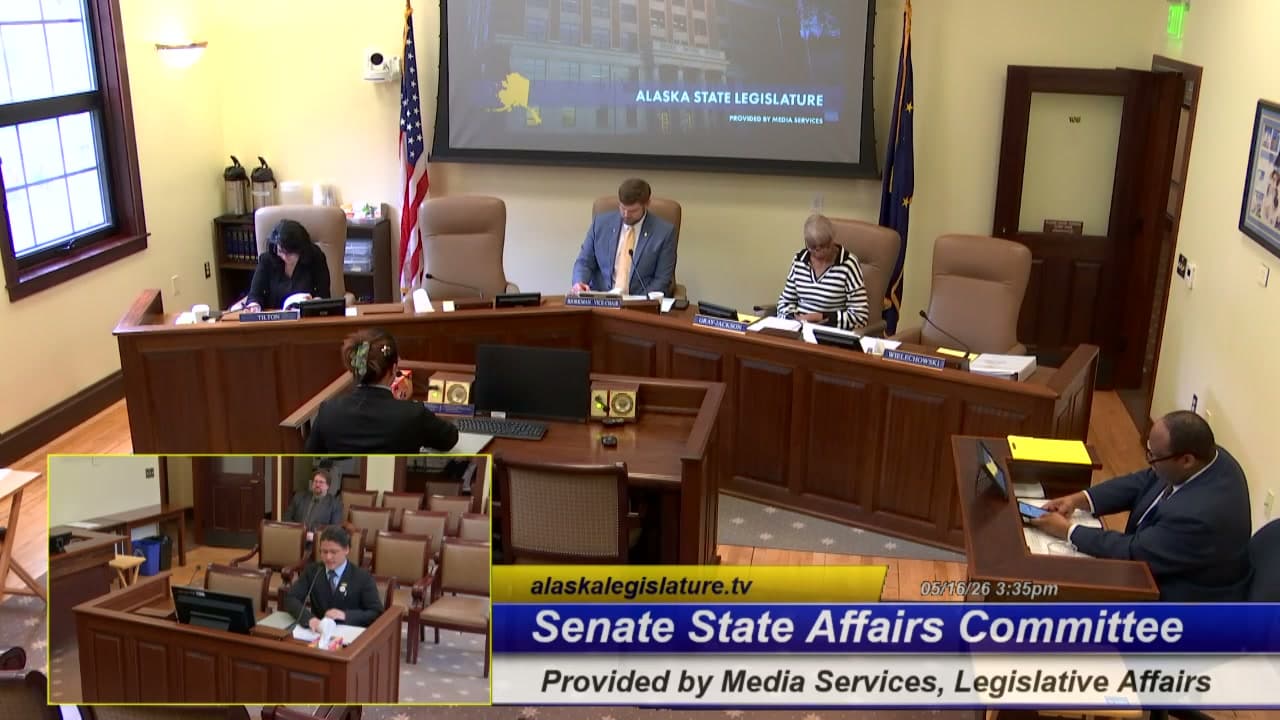
The Alaska Senate State Affairs Committee voted Saturday to advance a bill requiring human safety operators in autonomous commercial vehicles, despite warnings from industry representatives that the measure would effectively ban driverless technology in the state.

The Alaska House Finance Committee moved a civics education bill forward Saturday after voting down an amendment that would have exempted active-duty military children from a new graduation requirement.

The Alaska Senate passed legislation Saturday requiring hunters to be physically present in Alaska for 180 days annually to qualify for resident licenses, mirroring Permanent Fund Dividend requirements.

An eight-year-old boundary error in legislation creating the Jonesville Public Use Area is being corrected after unanimous legislative approval, allowing DNR to finally complete regulations for the area.
Fairbanks City Council rejected Mayor O'Neall's negotiated lease for a downtown riverfront cabin and ordered a competitive bidding process instead.
The Anchorage Urban Design Commission approved a landscaping variance for the west boundary of a 36-unit apartment expansion but denied the same relief for the south boundary, where neighbors have spent over $20,000 fighting water damage from the property.

The Alaska House State Affairs Committee voted 4-3 Thursday to advance HB 301, which would add sexual orientation and gender identity protections to state civil rights law covering employment, housing, and public accommodations.
The Alaska Senate voted 17-3 Friday to concur with House amendments to a bill requiring age-appropriate mental health education in schools, marking the culmination of a six-year legislative effort.
The Alaska Senate Resources Committee voted to reduce community impact fees for the Alaska LNG pipeline from $1 million to $500,000 per mile, cutting projected payments to municipalities from approximately $740 million to $370 million.

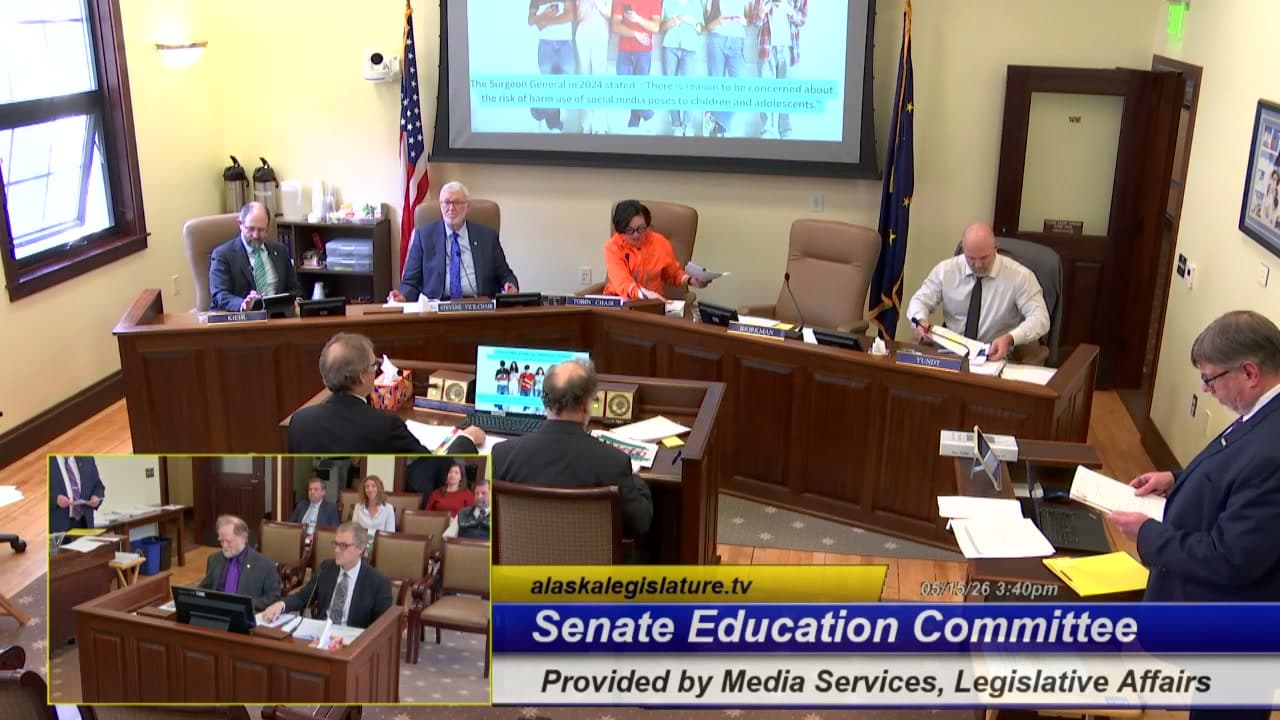
The Senate Education Committee voted Saturday to expand pre-kindergarten funding by counting pre-K students as full-time rather than half-time in the state funding formula, removing previous caps and sunset clauses.

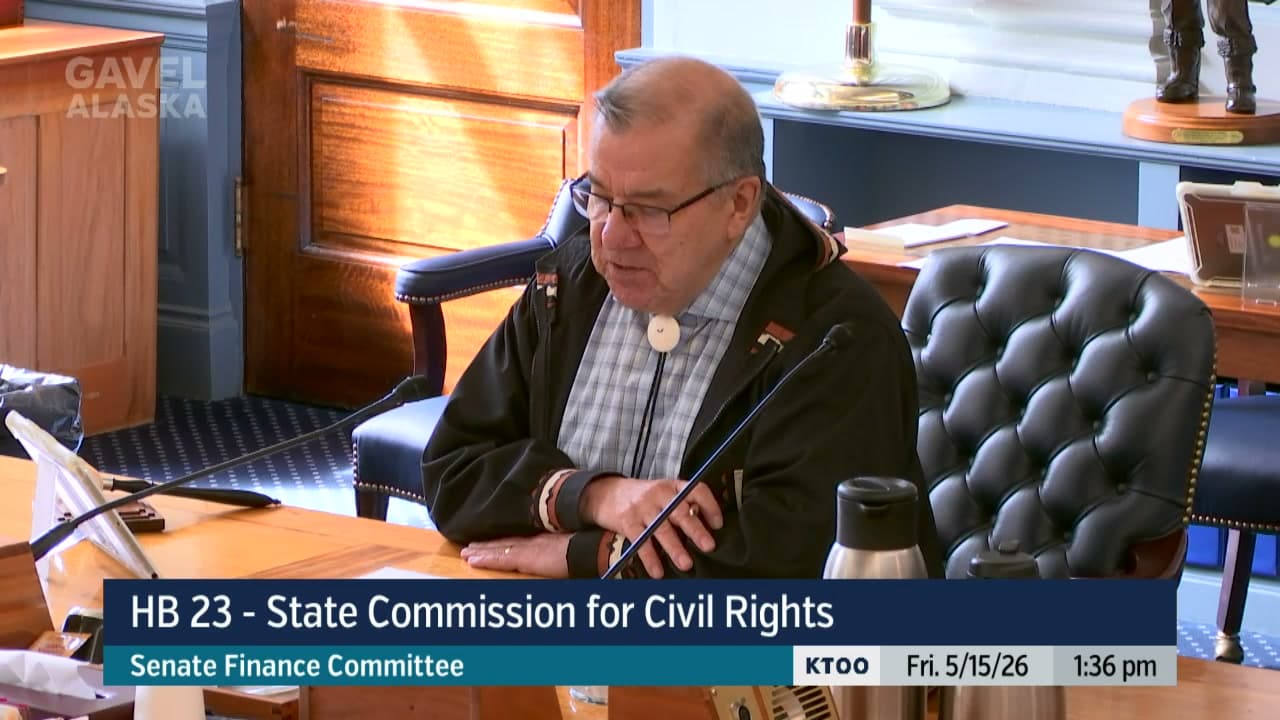
The Alaska Senate Finance Committee unanimously approved a bill Friday that adds a predetermination agreement procedure to the State Commission for Civil Rights, sending the measure to Senate Rules.

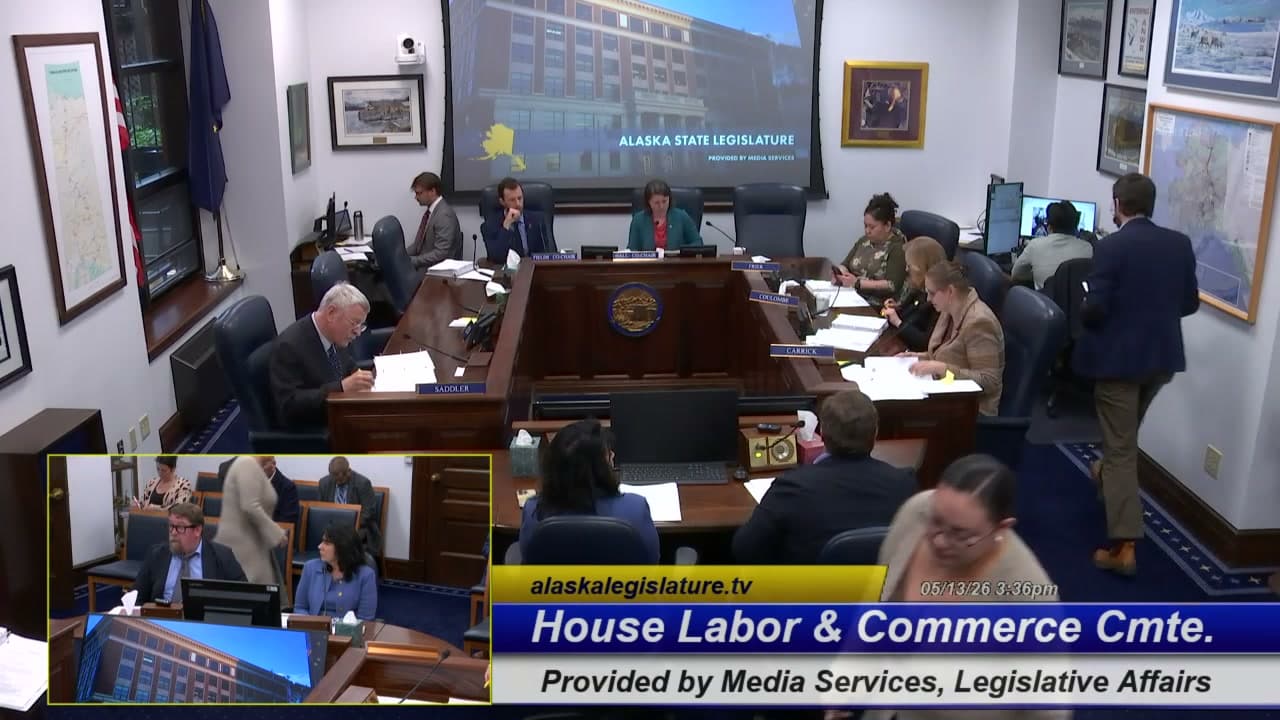
The Alaska House Labor and Commerce Committee passed legislation Friday requiring equal reimbursement for telehealth and in-person care while adding language to prevent healthcare companies from shifting jobs to lower-wage states.
The Alaska House of Representatives passed legislation Friday allowing pharmacists to prescribe and administer medications for minor ailments and chronic conditions, a policy tied to $272 million in federal rural health funding that must be enacted by December 2027.
The Senate Judiciary Committee forwarded Mike Miller's nomination to the Alaska Judicial Council to a joint session despite his 2004 lawsuit against judges over abortion questionnaires, after Miller said he changed his position 25 years ago.

The Chitina Personal Use dip net fishery is tentatively scheduled to open June 10, 2026, delayed by late breakup and cold temperatures that are expected to slow salmon migration timing in the Copper River drainage.
Alaska Department of Fish and Game has closed all king salmon sport fishing in the Tanana River drainage due to a below-average Yukon River run forecast.
Alaska Department of Fish and Game has one remaining spot in its June 2026 Wildfire and Wildlife educator workshop in Denali National Park, part of its Wildlife Education and Outreach program's summer professional development offerings.
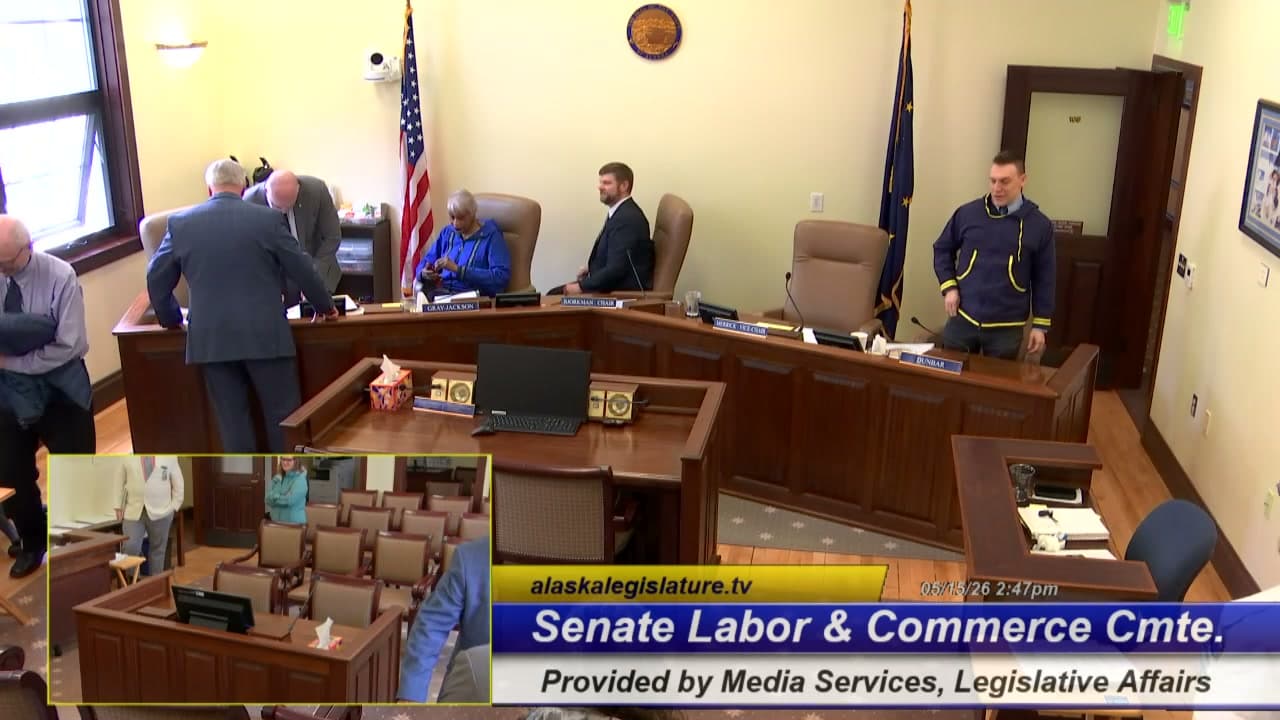
The Alaska House Labor and Commerce Committee voted Wednesday to advance consumer protection legislation requiring licensing, transaction limits, and fraud warnings on cryptocurrency kiosks after scammers stole $26 million from Alaskans in 2024.

Contractors have installed 3,500 linear feet of insulation board for a wildlife perimeter fence at Deadhorse Airport as part of drainage and safety improvements at the North Slope facility.
This episode covers the week's major Alaska stories: a gas pipeline tax bill that added oil tax increases, the Point Thomson condensate trade-off for pipeline gas, Mount Edgecumbe enrollment crisis, and McNeil River bear sanctuary access proposals.

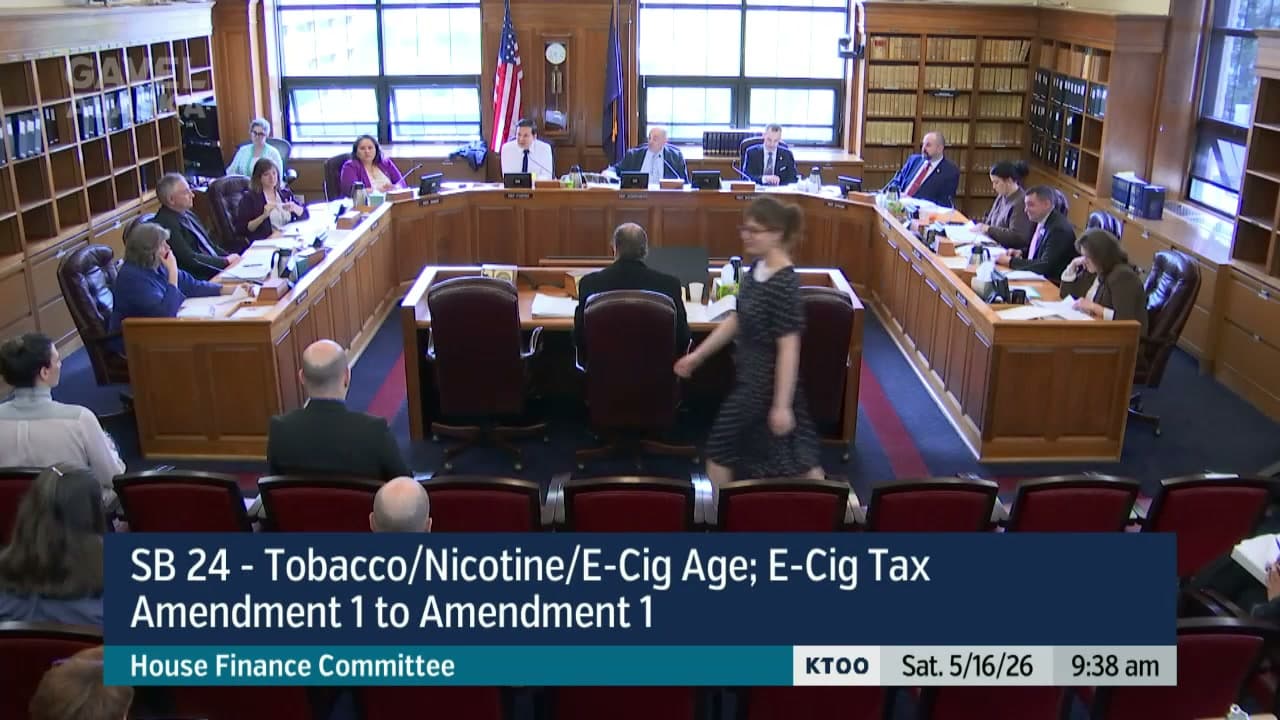
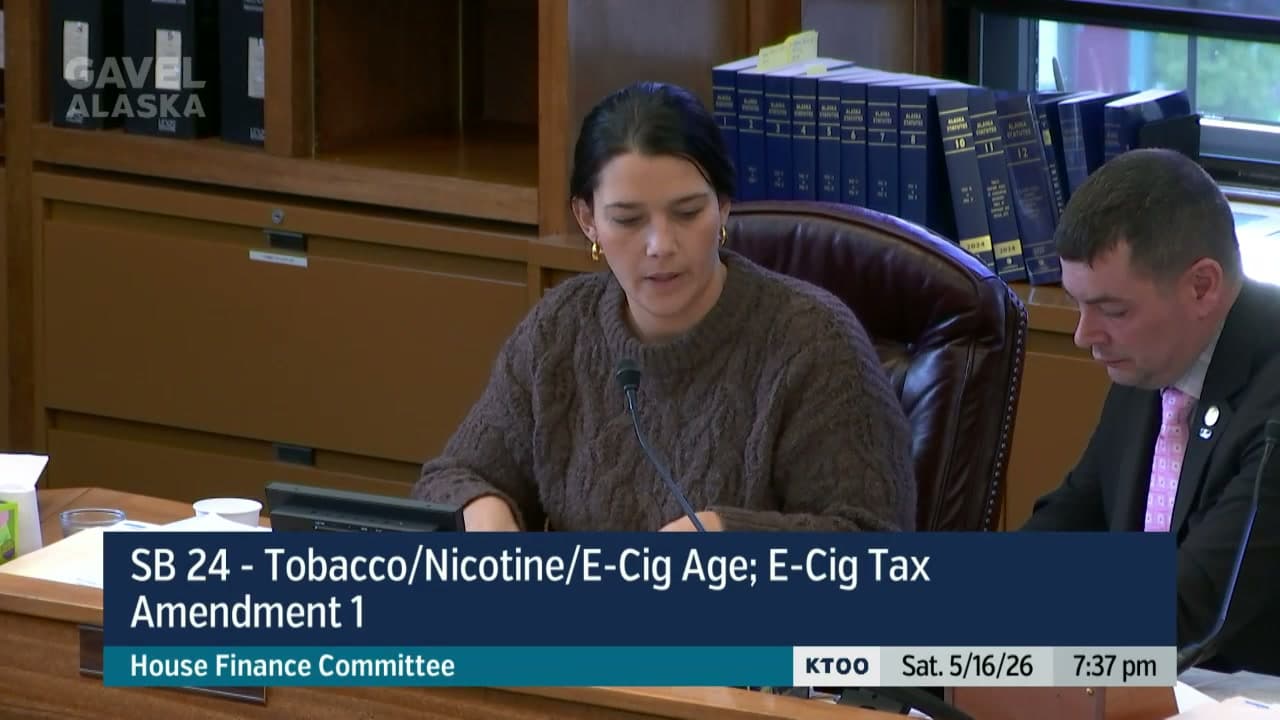
Alaska's House Finance Committee reduced proposed fines for minors possessing tobacco from $300 to $100 and eliminated mandatory court appearances, advancing legislation to raise the tobacco purchasing age to 21 and tax vaping products.

The Senate Finance Committee advanced a comprehensive public safety bill Saturday that restructures the parole board, creates an address confidentiality program for crime victims, and establishes a tribal liaison in corrections.
A consultant told the Senate Resources Committee that the current gas line tax bill provides developers a 20% savings when using discounted cash flow analysis, compared to 65% if taxes were delayed 10 years — raising questions about whether Alaska is competitive with Texas and Louisiana.

The Senate Resources Committee Saturday reviewed Alaska Municipal League concerns about tax abatements and revenue distribution for the Alaska LNG pipeline project, with legal counsel proposing a 10-year sunset provision to address precedent worries.

The Alaska Senate moved forward legislation Thursday that would restructure the University of Alaska Board of Regents, pushing the effective date to February 2027 and drawing bipartisan support from at least 10 senators who signed on as cross-sponsors.
The Alaska Senate Education Committee advanced House Bill 261, which would allow school districts to use multi-year enrollment averages instead of annual counts for more stable funding, addressing chronic budget uncertainty that forces teacher layoffs and school closures.

The Senate Labor and Commerce Committee heard testimony Friday on legislation that would establish minimum nurse-to-patient ratios in Alaska hospitals, with nurses describing unsafe workloads and advocates citing Oregon's successful implementation.

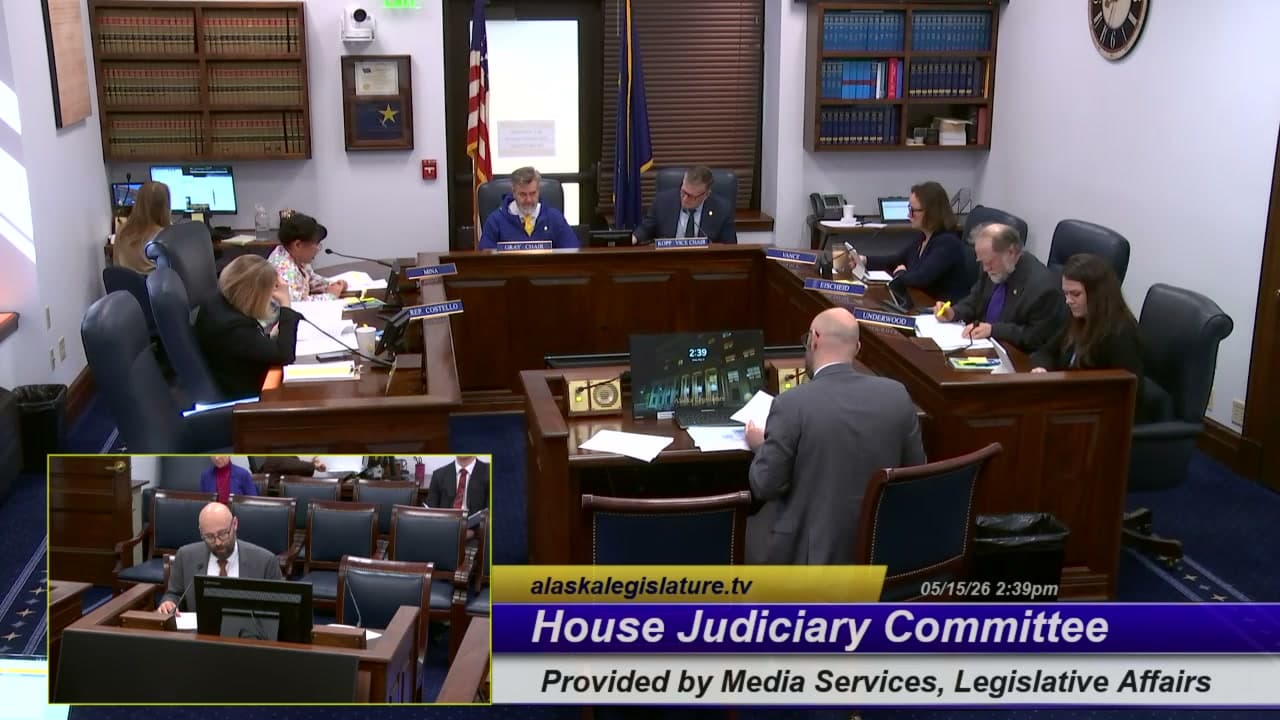
The Alaska House Judiciary Committee withdrew an amendment that would have declared AI systems cannot be recognized as persons under commercial law after members raised concerns about unintended legal consequences.

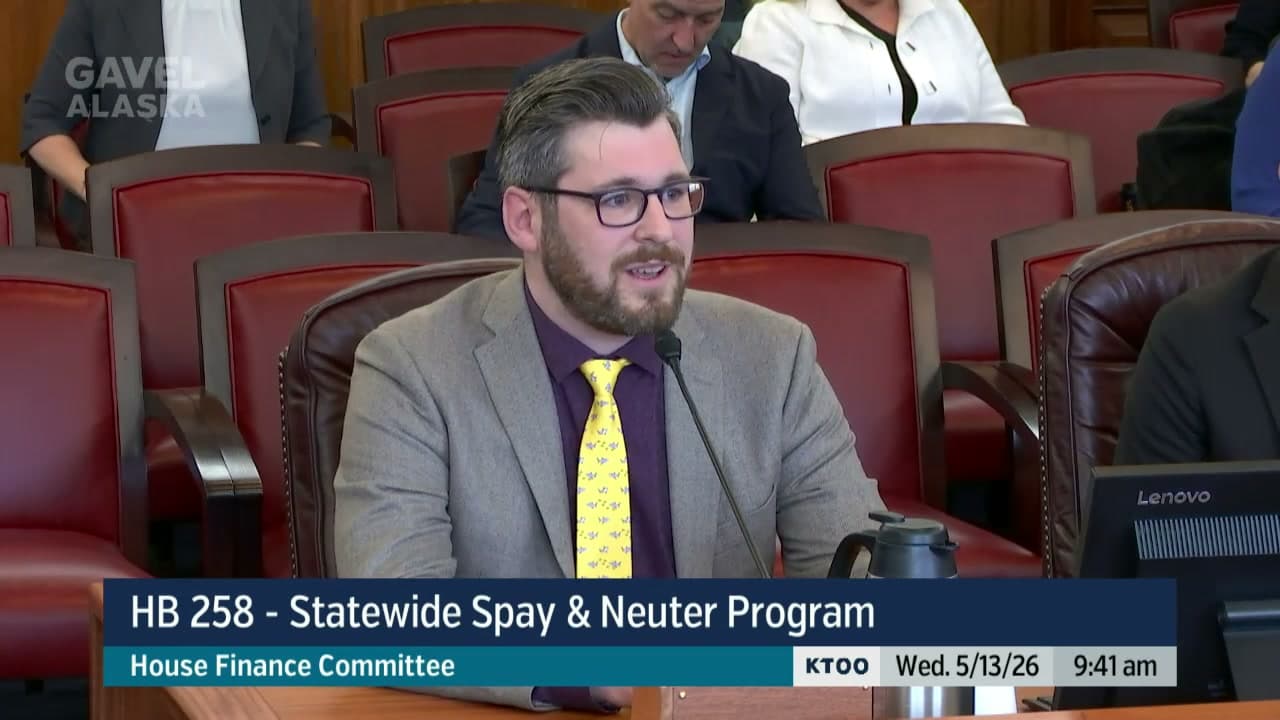
The Alaska House Finance Committee heard testimony Wednesday on legislation to create the state's first statewide spay and neuter assistance program, designed to address animal overpopulation in rural communities where veterinary services are scarce or nonexistent.

New stories usually land 4p to 6p.
1,266
meetings transcribed
5,131
articles published
3,108
hours of audio processed
6
contributors this week
Local news, from the source · Public meetings deserve coverage · Every article names its source