Alaska’s meetings, filings, and public notices, covered daily.
Alaska News

Ted Stevens is officially a warship. The Navy commissioned the destroyer in a rainy Whittier ceremony Saturday before it heads home to Norfolk, Virginia.
Also in Alaska News
Alaska Senate panel approved a resolution backing the U.S.-Mexico-Canada trade deal and calling for easier border crossings for travelers and pets.
Where in Alaska are you?
We’ll put news from your area first. No account needed, change it anytime.
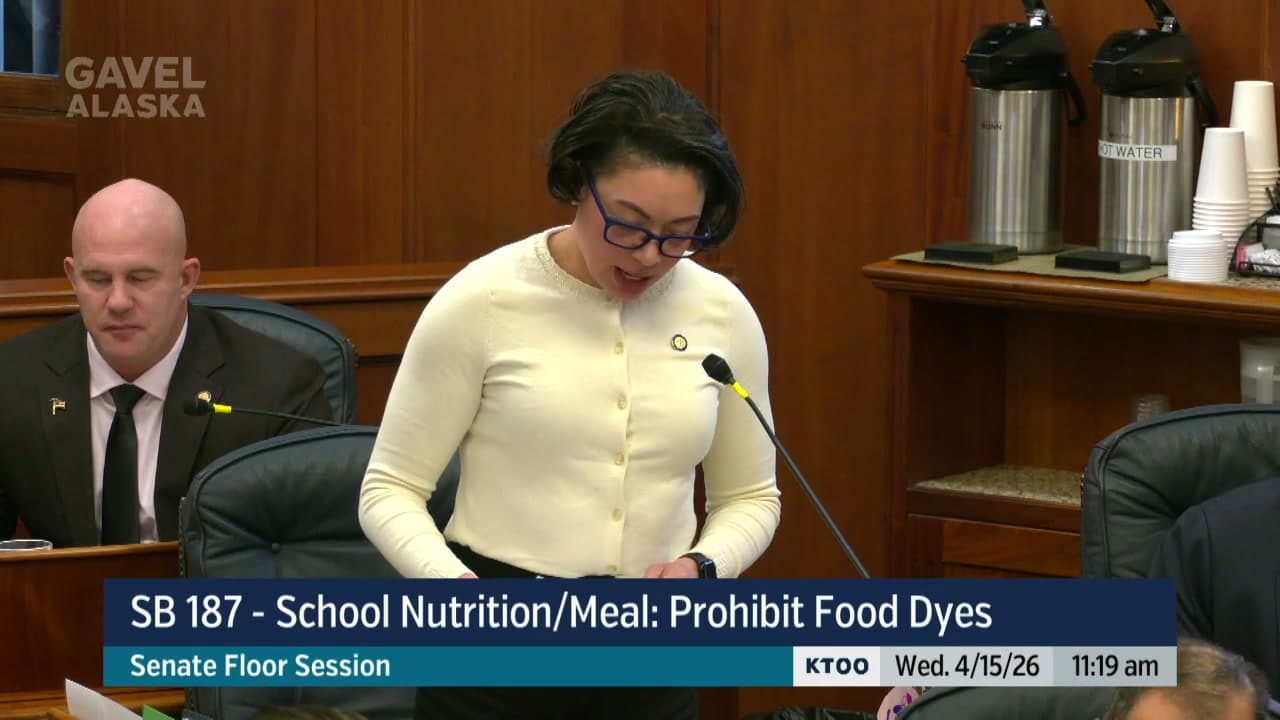
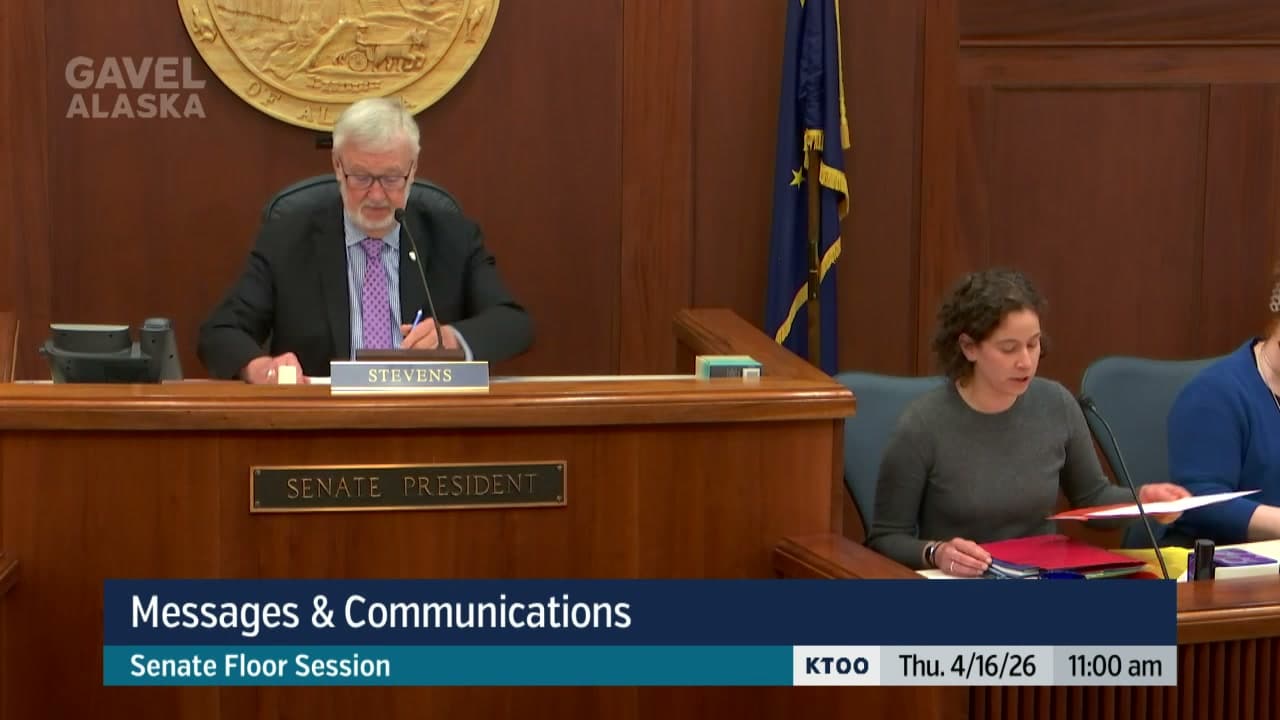
Alaska Senate advanced a bill banning seven synthetic food dyes from school meals starting January 2028, plus legislation on software licensing contracts and worker visa recognition.

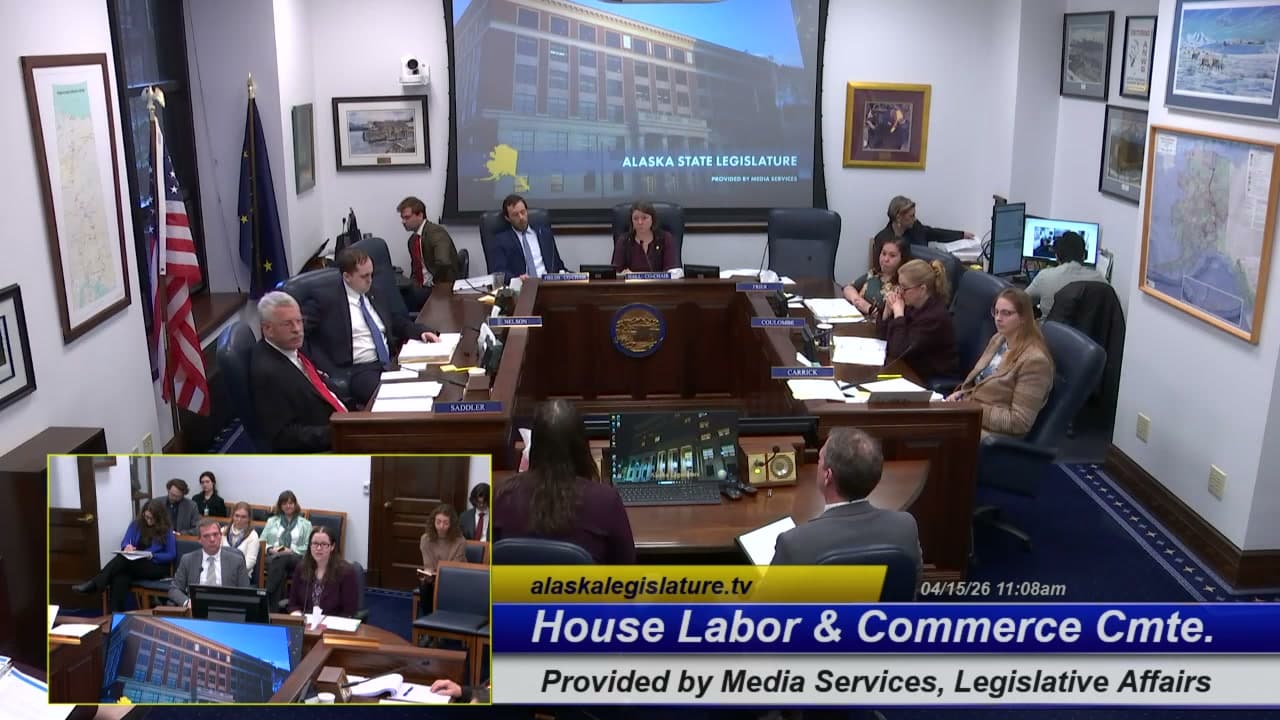
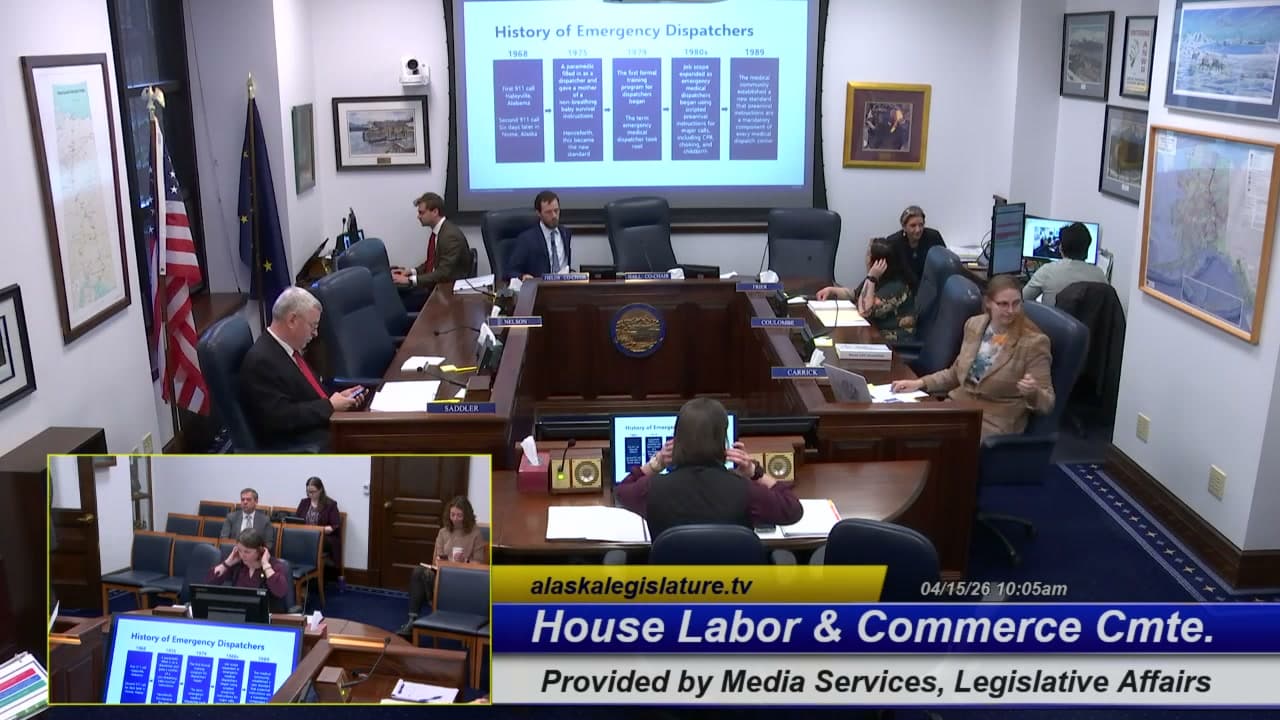
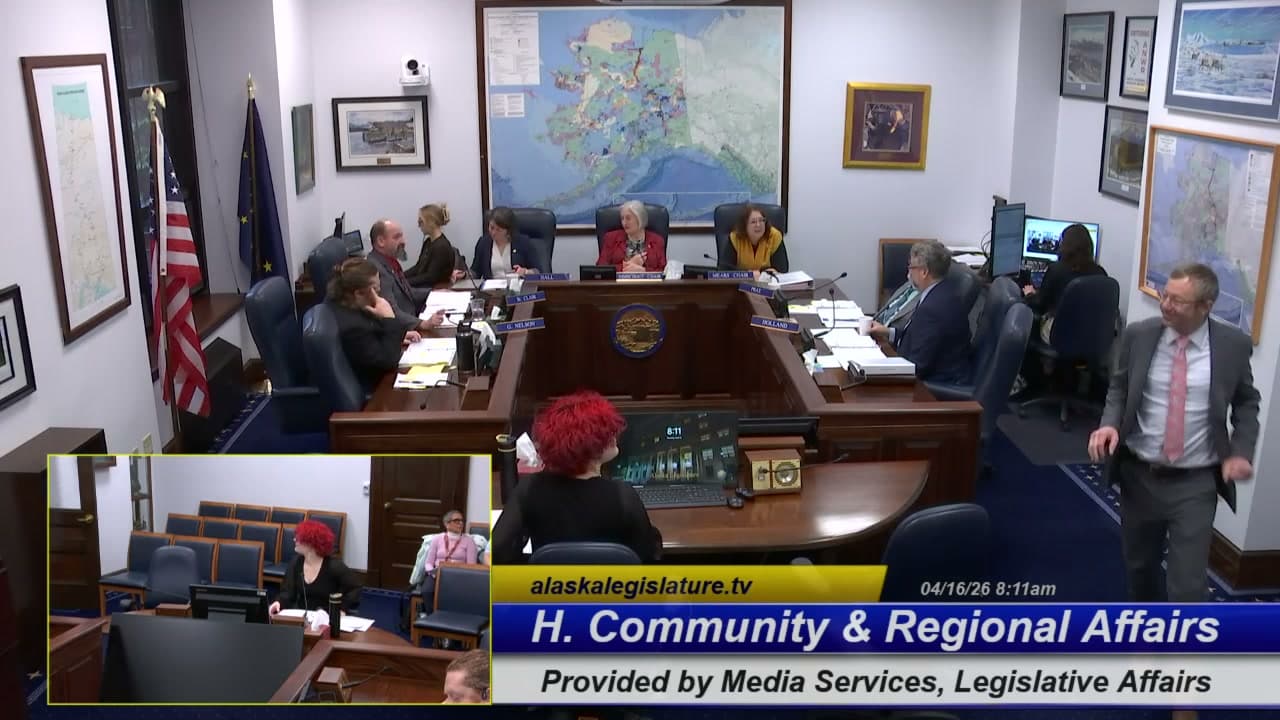
A House committee heard testimony on a bill to let emergency dispatchers retire after 20 years instead of 30 and classify them as first responders.

A House bill would let emergency dispatchers retire after 20 years instead of 30 by reclassifying them as first responders with police and firefighter benefits.

Alaska lawmakers raised safety concerns Thursday about a right-to-repair bill that would let consumers fix everything from iPhones to aircraft, warning it could endanger remote communities.

A House committee advanced a bill to add a sixth seat to the Local Boundary Commission. The new seat would represent the unorganized borough in future boundary and incorporation decisions.

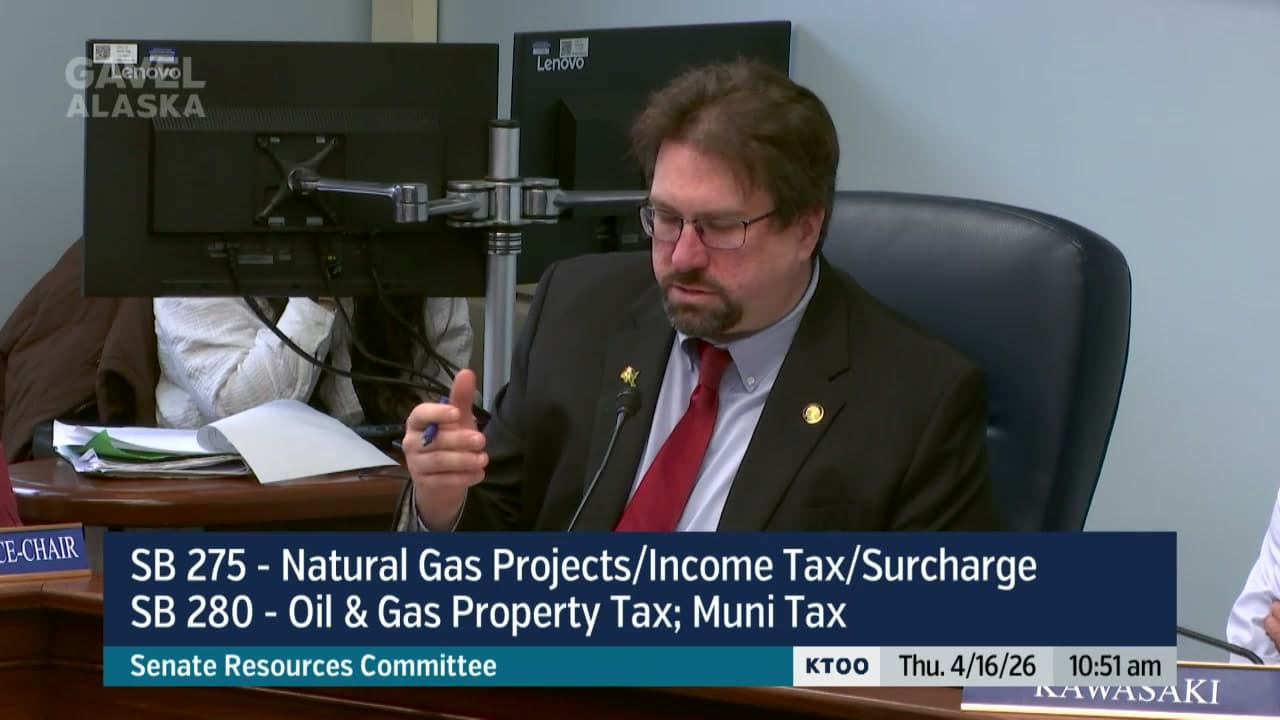
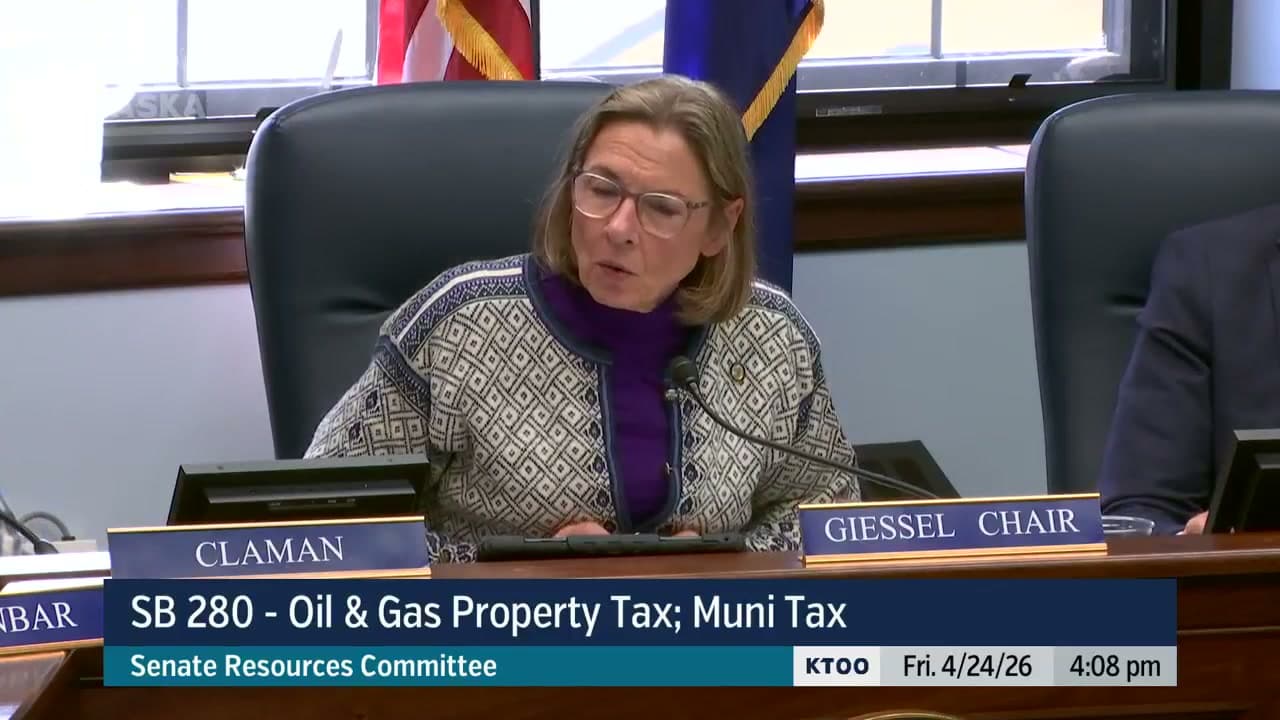
Senate Resources Committee heard Alaska LNG faces typical megaproject cost and schedule risks. • A proposed 6-cent volumetric tax would generate roughly $2 billion for the state over 35 years but raise the project's effective tax rate to 33 percent, above competing Canadian projects. • Phased construction reduces upfront costs but introduces financing risk if later phases are delayed.

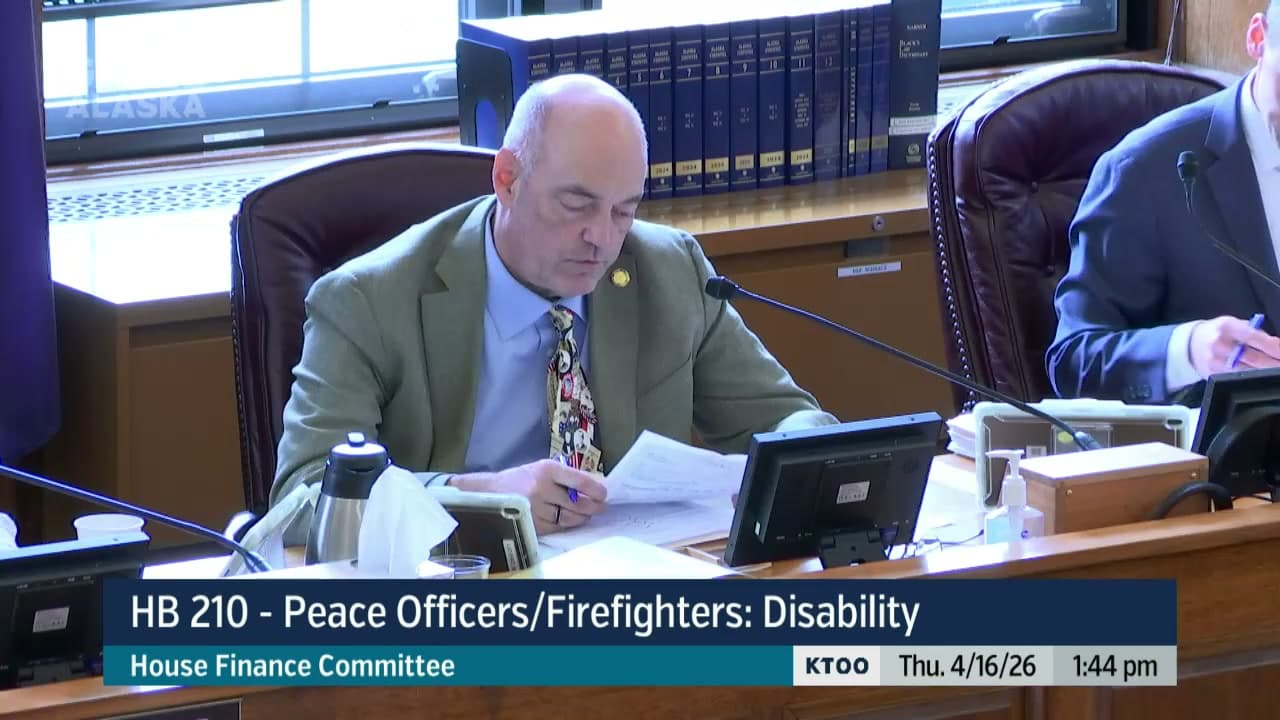
House Finance set an April 23 amendment deadline for a bill raising disability pay for injured police and firefighters from 40 percent to 75 percent of salary.

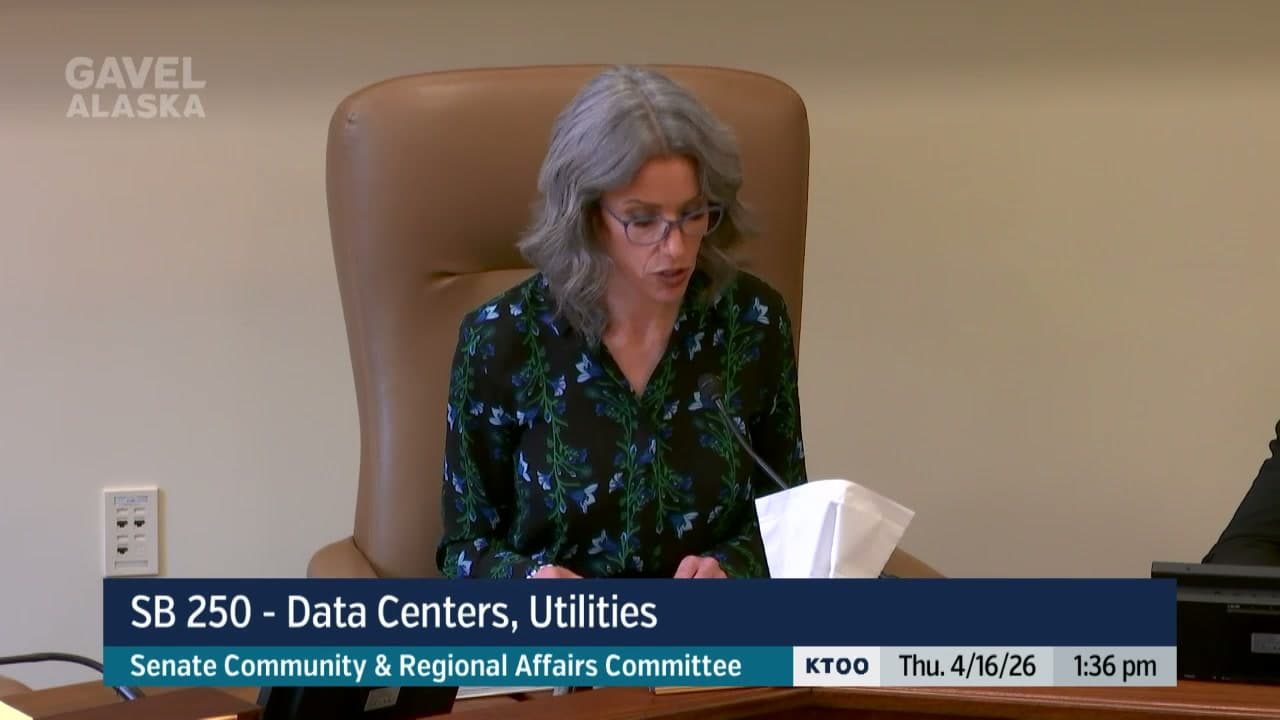
Senate panel heard testimony on a bill requiring data centers to cover their own infrastructure costs and protect Alaska ratepayers from fuel supply risks and rate increases.

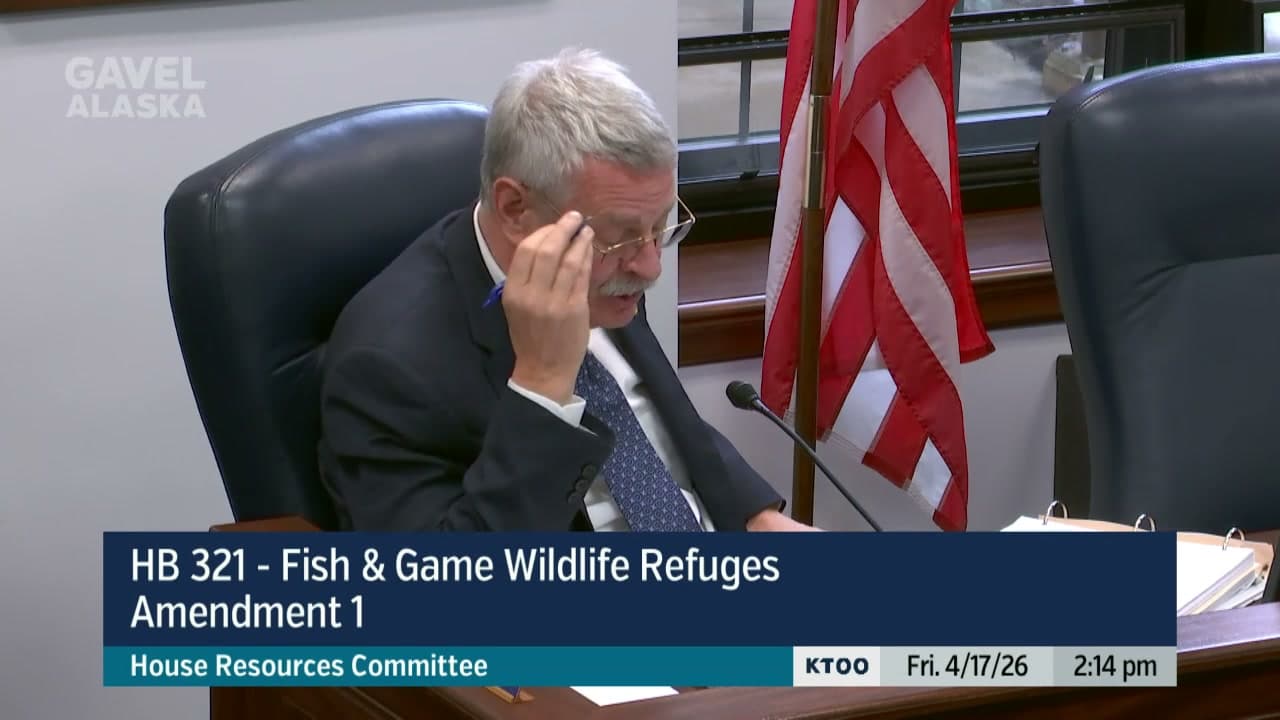
Alaska House Resources Committee heard testimony on state equity stakes in the Alaska LNG project and rejected five wildlife refuge bill amendments on 5-4 party-line votes Friday.

Alaska Senate panel heard a bill requiring human operators in commercial trucks and buses with self-driving technology, citing harsh winter conditions as reason for caution.

Senate Finance heard testimony on House Bill 280, which would shift corporate taxes to capture roughly $15 million annually from online sales to Alaska customers starting in 2027.
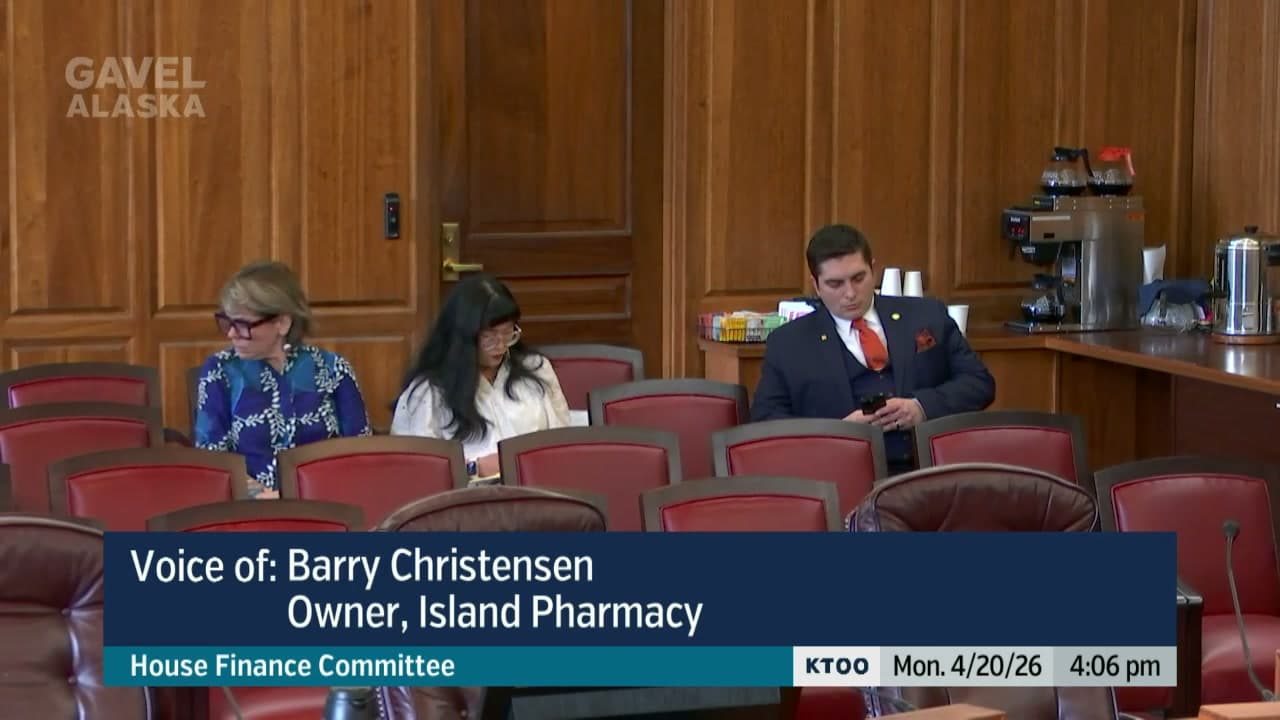
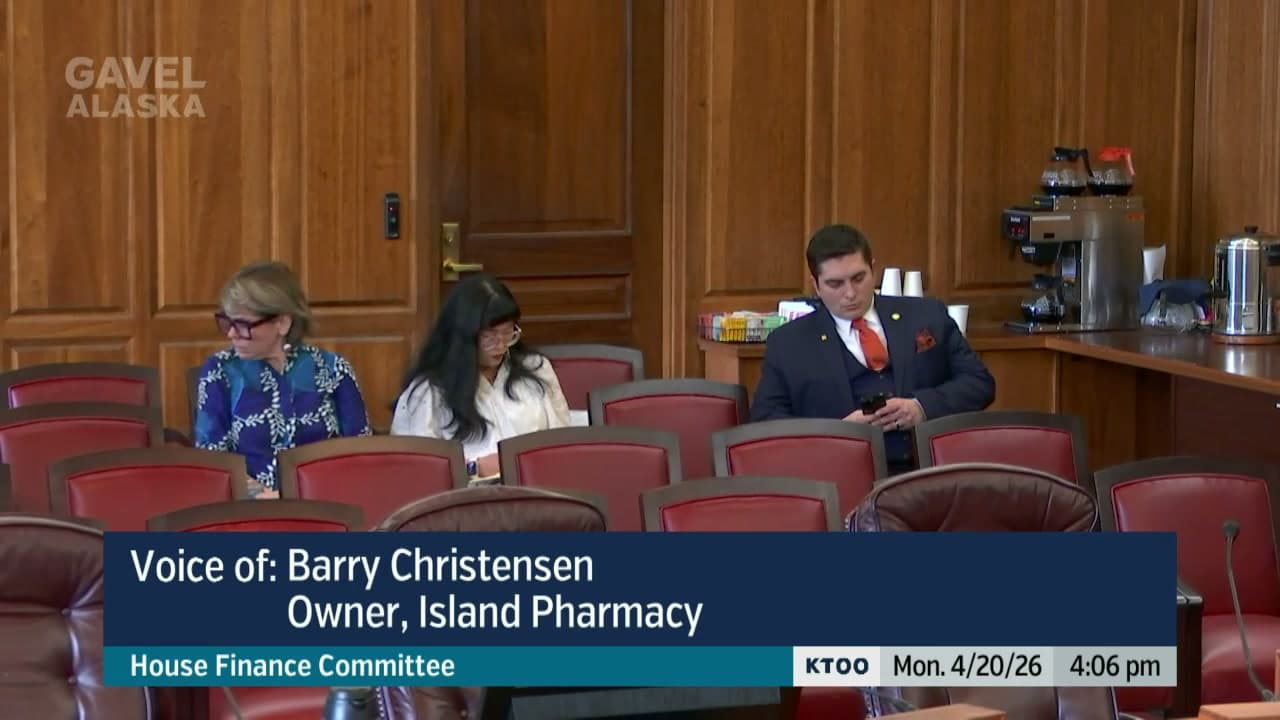
House Finance heard divided testimony on HB 195. The bill would let pharmacists treat routine illnesses to help fill rural care gaps.

Alaska House committee heard a bill to eliminate five obsolete tax discounts and deductions that would raise nearly $500,000 annually for the state.

Senate panel debated tax breaks and regulatory oversight for a proposed natural gas pipeline, with municipalities seeking clearer cost projections and more local control.

Senate panel advanced a bill allowing setnet fishermen to work cooperatively, addressing enforcement conflicts, while postponing a land transfer proposal pending more details.

A bill heard Monday would grant 44,000 nonprofit workers state discrimination protections. It closes a gap for those outside Anchorage and Juneau.

A Senate panel heard a bill that would let trash haulers use faster rate-setting procedures, cutting delays from three years to months and reducing the large rate increases customers now face.

Alaska Senate advanced its FY27 capital budget bill to the Rules Committee after a Finance Committee substitute, reconvening April 20.

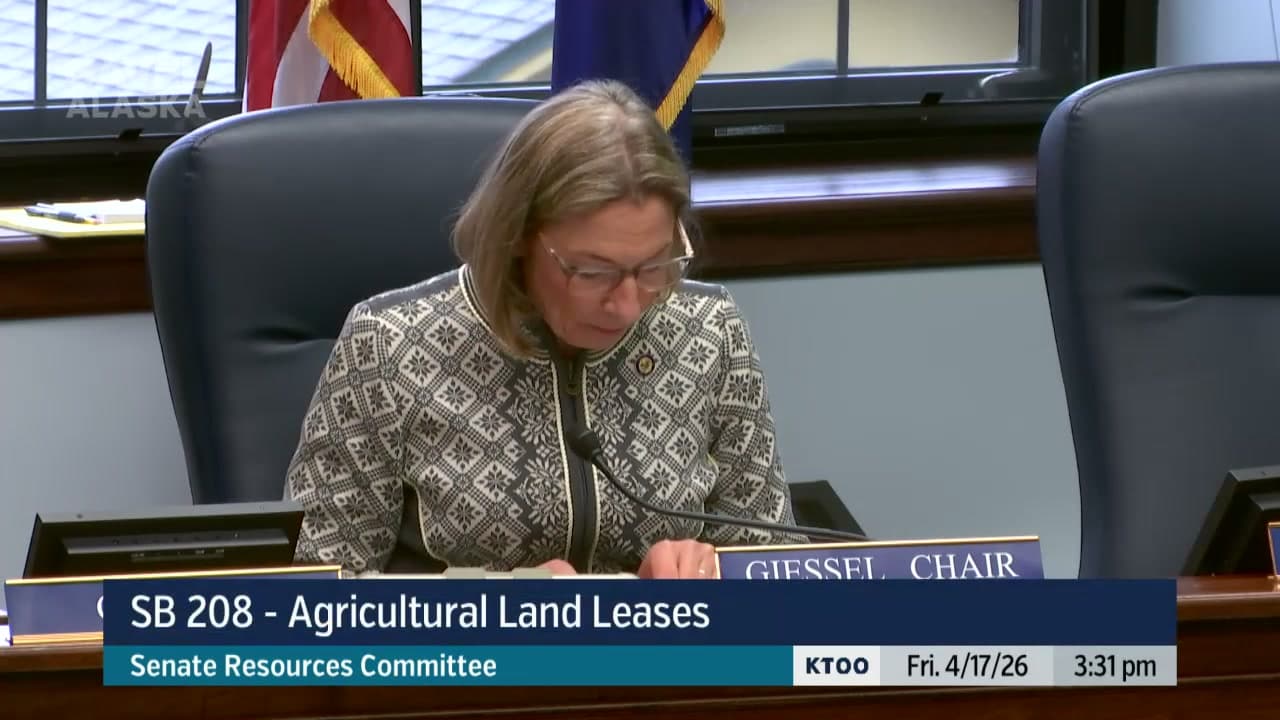
Senate Resources advanced three bills Friday: one speeds up agricultural land leases for farmers, one standardizes evacuation color codes statewide, and one creates an invasive species council to coordinate control efforts. • All three passed without objection.

House Finance heard divided testimony Monday on a bill expanding pharmacists' prescribing authority, with supporters citing rural healthcare access and opponents raising abortion medication concerns.

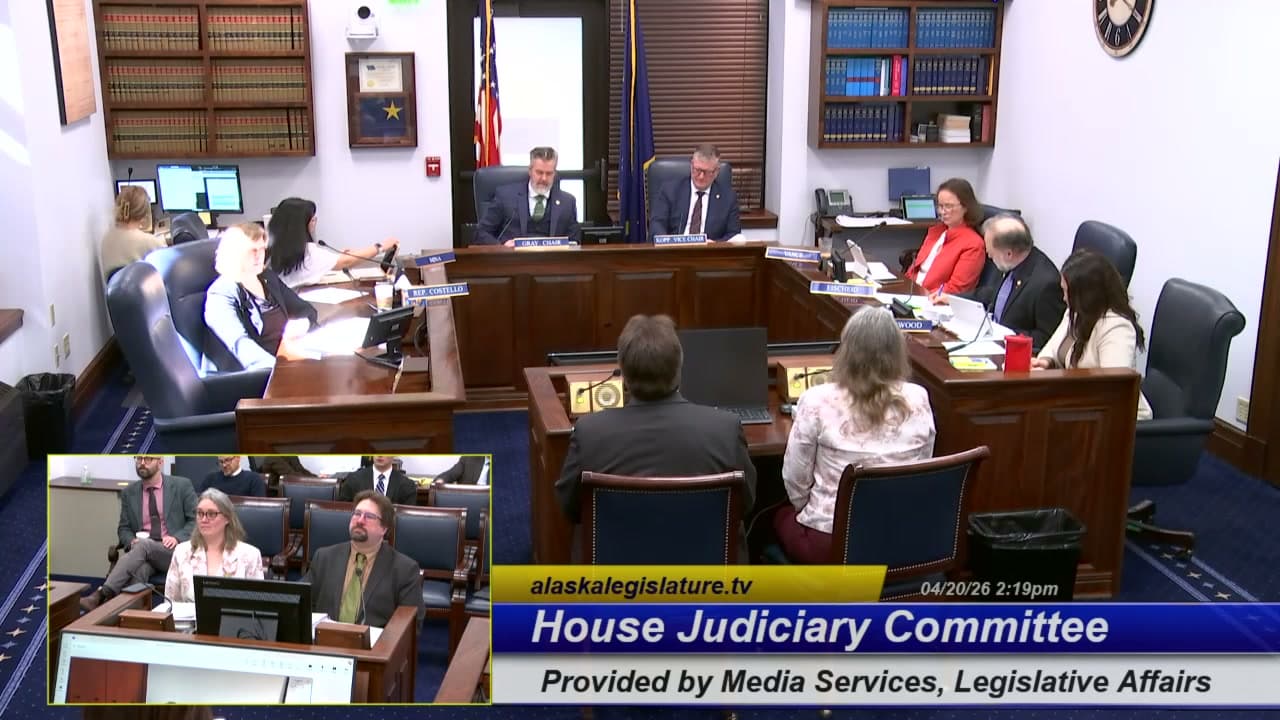
House Judiciary advanced a bill to let hospitals and fire stations install anonymous infant safety boxes, after two infants died abandoned in Anchorage since 2013.

Senate panel advanced a bill allowing cities to cap property tax increases at 3 to 10 percent yearly, despite state warnings of lost revenue and administrative chaos.
Senate committee delayed a bill allowing Alaska cities to cap property tax assessment increases, citing concerns about lost revenue and state calculation problems.

Alaska regulators extended review timelines for rate changes from Chugach Electric and Enstar Natural Gas serving Southcentral Alaska.
Anchorage Assembly voted to study creating a wildfire service area funded by property taxes on high-risk zones to pay for dedicated fire protection where development meets wildland.

Alaska lawmakers proposed legislative confirmation of Permanent Fund Corporation board members for the first time since 1982, as the $80 billion fund now covers over 60 percent of state spending.
Alaska House committee heard testimony on HB 217, which would ban driverless commercial trucks and make Alaska the only state requiring human operators in all autonomous vehicles.
Alaska senators say the state's school construction funding system favors wealthy districts that can afford architects and engineers, leaving poorer communities waiting years for basic repairs.
Senate Finance Committee advanced a retirement bill that would shift nearly $400 million in unfunded costs from municipalities to the state, rejecting an amendment that would have prevented the shift.
Alaska House debated school transportation funding as diesel prices surge, but rural lawmakers worry the money would shortchange districts using student flights instead of buses.
Alaska's rural health grant program has too many good ideas for its limited federal budget. The state is now hunting for private partners to fund the leftovers.
The Alaska Senate Judiciary Committee is considering House Bill 239 to set four to seven year prison terms for fatal hit and run crashes.
Alaska Senate shelved a bill banning homemade foods in vacuum-sealed jars after lawmakers found the botulism-safety rules too complex to define clearly.
Alaska Senate panel discussed a bill that would ban vacuum-sealed and heat-processed jar packaging for homemade foods sold online, citing botulism risk from improper sealing.
Alaska Senate panel heard testimony on a bill that would increase prison time for fatal hit-and-run crashes, citing 15 fatal hit-and-runs in Anchorage in 2024.
Alaska House panel advanced a bill to provide free school meals to 3,326 students who qualify for reduced-price programs, at an estimated cost of $200,000 to $430,000 annually.
Alaska Senate panel heard testimony on a bill to ban six synthetic food dyes from school meals, citing links to behavioral disorders and allergies and minimal cost to districts.
A House committee heard testimony on a bill to expand early intervention services for Alaska children by lowering eligibility thresholds, potentially saving the state up to $229,000 per child.
Alaska Senate committee heard testimony on a bill making fleeing a fatal accident a Class A felony with 7 to 11 years prison time, instead of treating it the same as injury hit-and-runs.
New stories usually land 8a to 2p.
1,285
meetings transcribed
5,325
articles published
3,138
hours of audio processed
6
contributors this week
Local news, from the source · Public meetings deserve coverage · Every article names its source
New this weekendAlaska News Saturday Night12 min · 17 stories
Today's briefAlaska News Daily Brief7 min · 12 stories