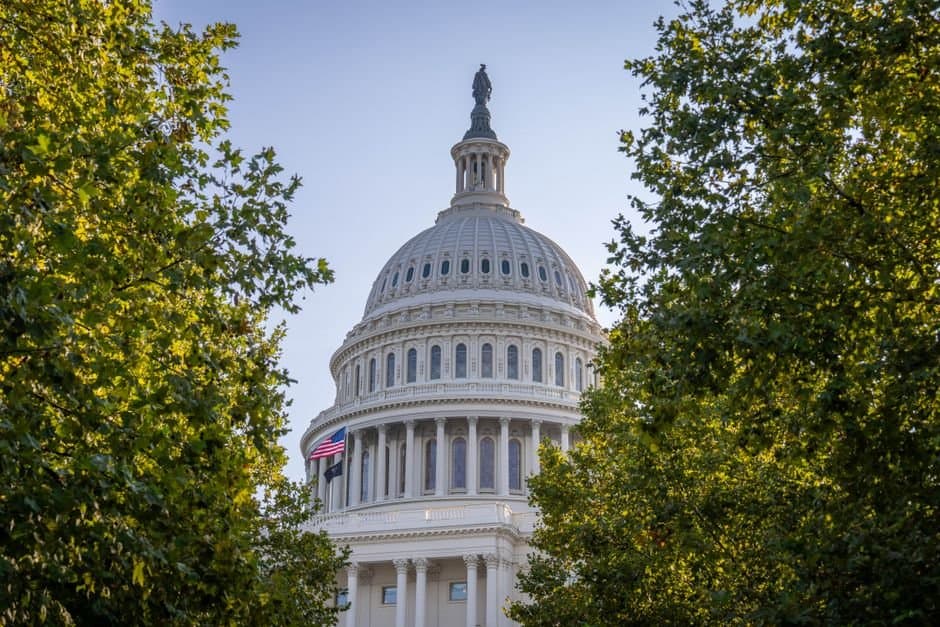
The Senate passed a bill to speed federal permits for mines, pipelines and roads, with both Alaska senators voting yes. The House has until Jan. 3 to act.
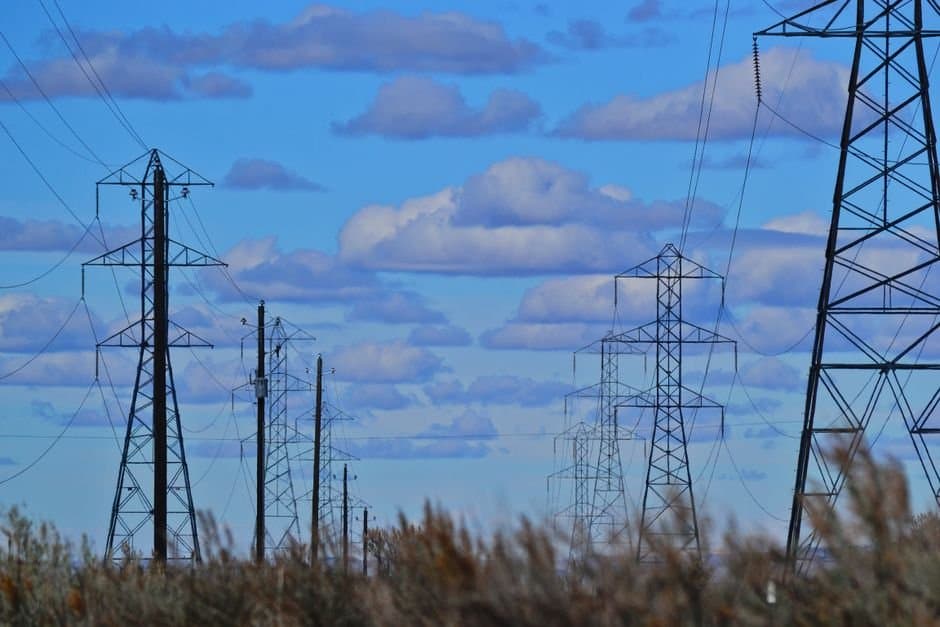
Alaska created a body to end the tolls utilities charge each other for moving power. Its plan would leave 11 existing agreements in place indefinitely.
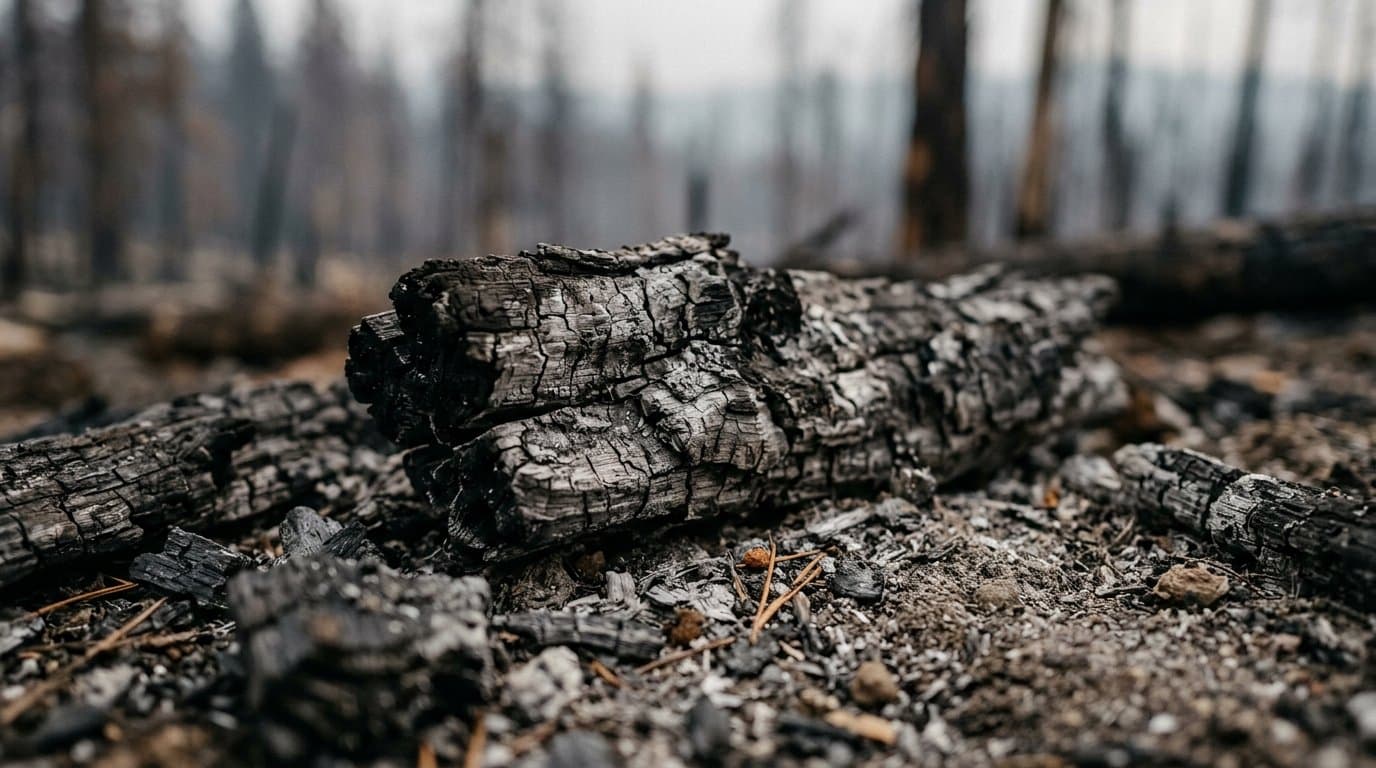
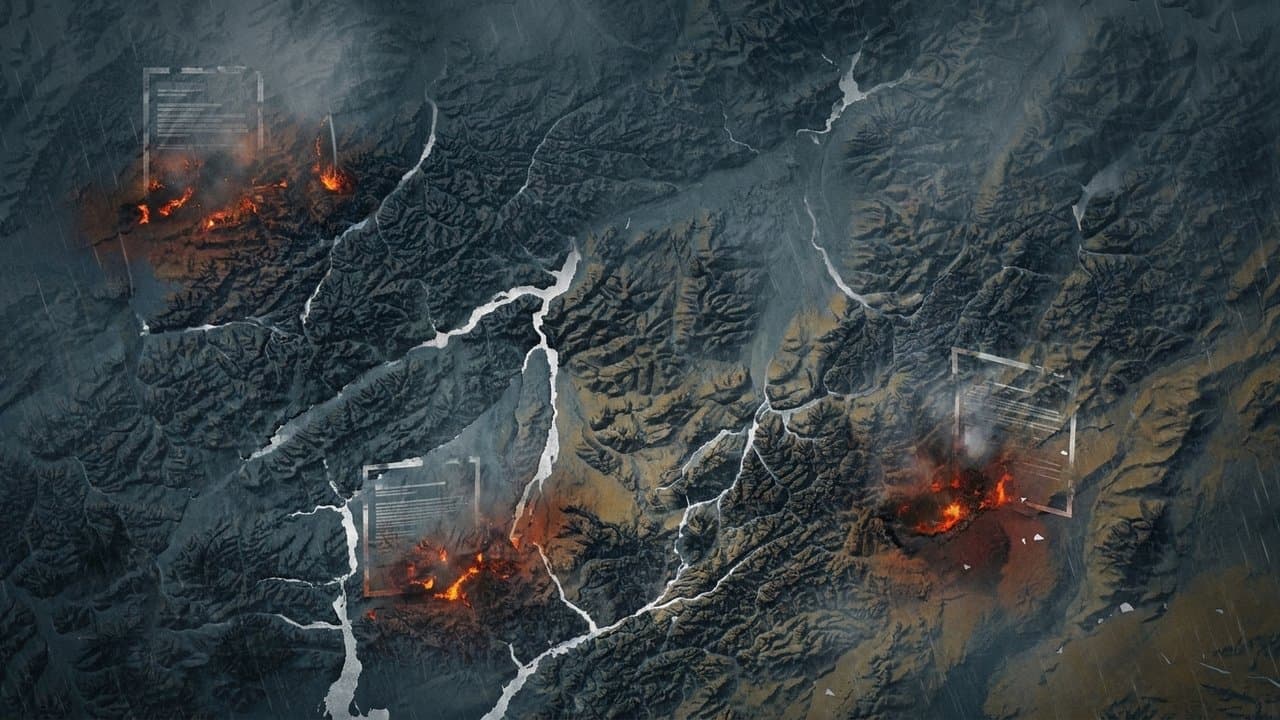
The cause of the Mukluk Fire near Tok, which damaged about 20 homes, remains under investigation — early reports pointed to power lines but aren't confirmed.
Alaska's Supreme Court found an obvious error in a homeless man's commitment and upheld it anyway. The ruling came two and a half years after he was released.
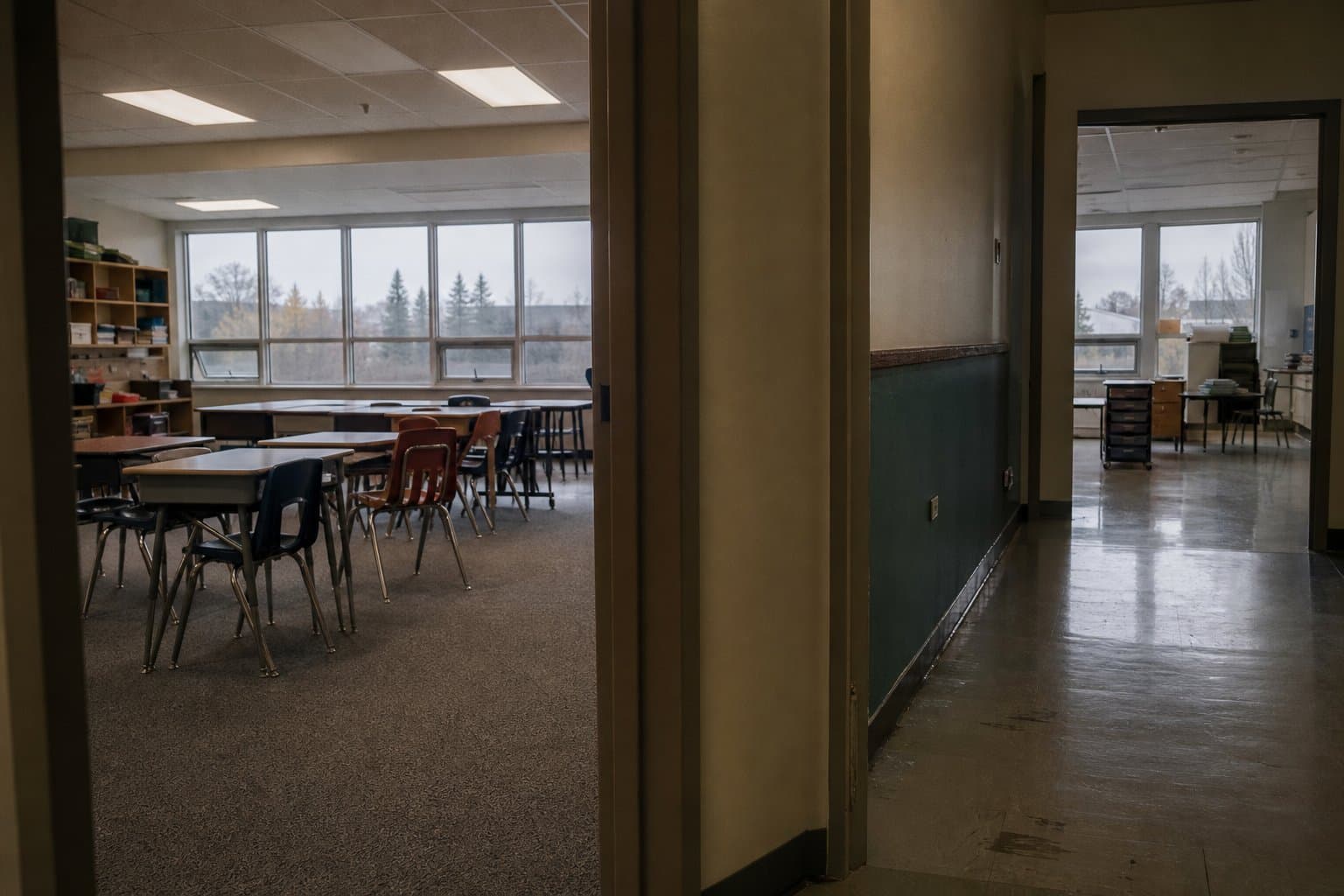
Three Anchorage Assembly members want a real vote on how the city closes schools, not the non-voting seat the School Board offered, as consolidation looms.
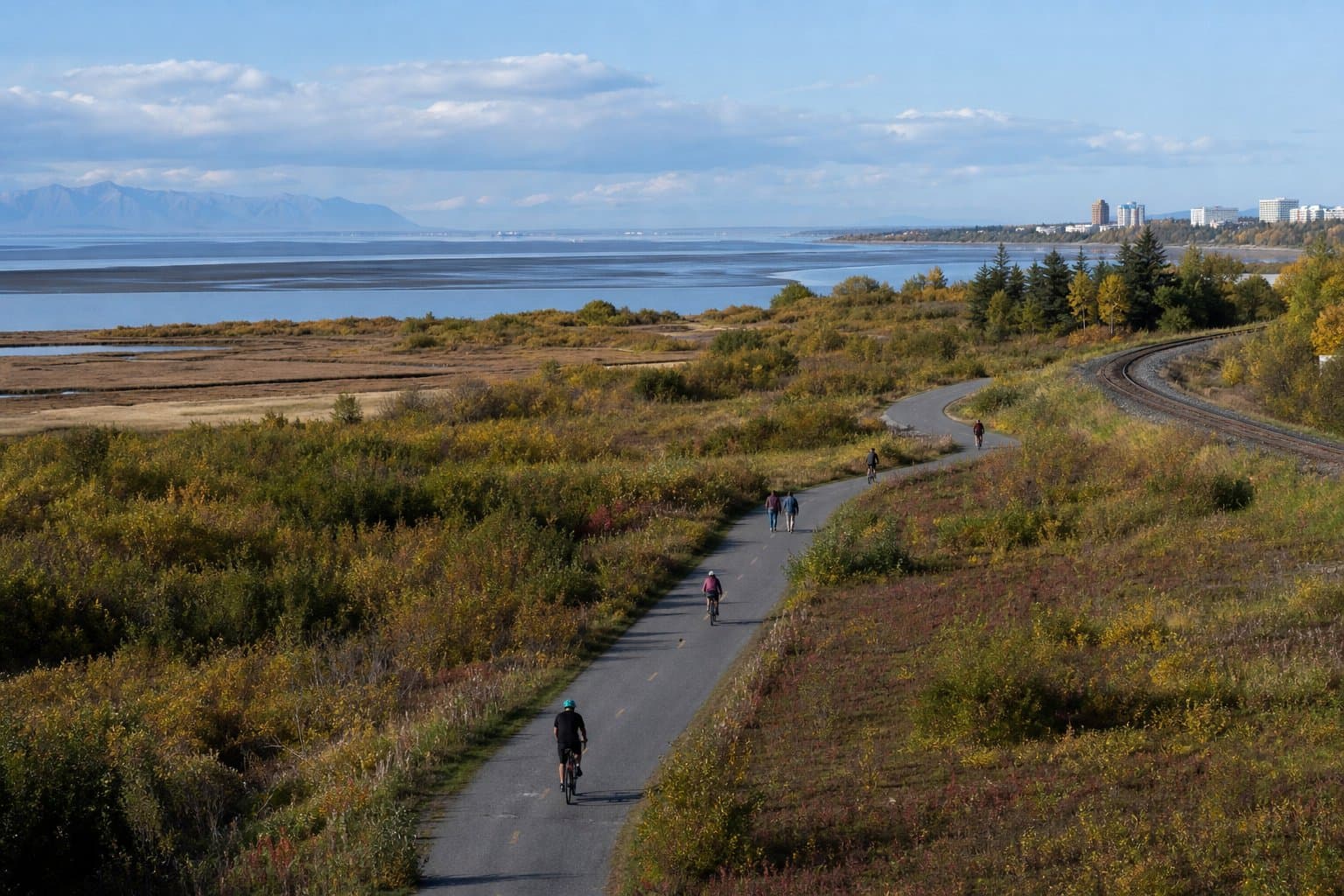
Anchorage wants to extend the Coastal Trail north across Eklutna land. The corporation would rather sell or trade than grant an easement, citing trespassers.
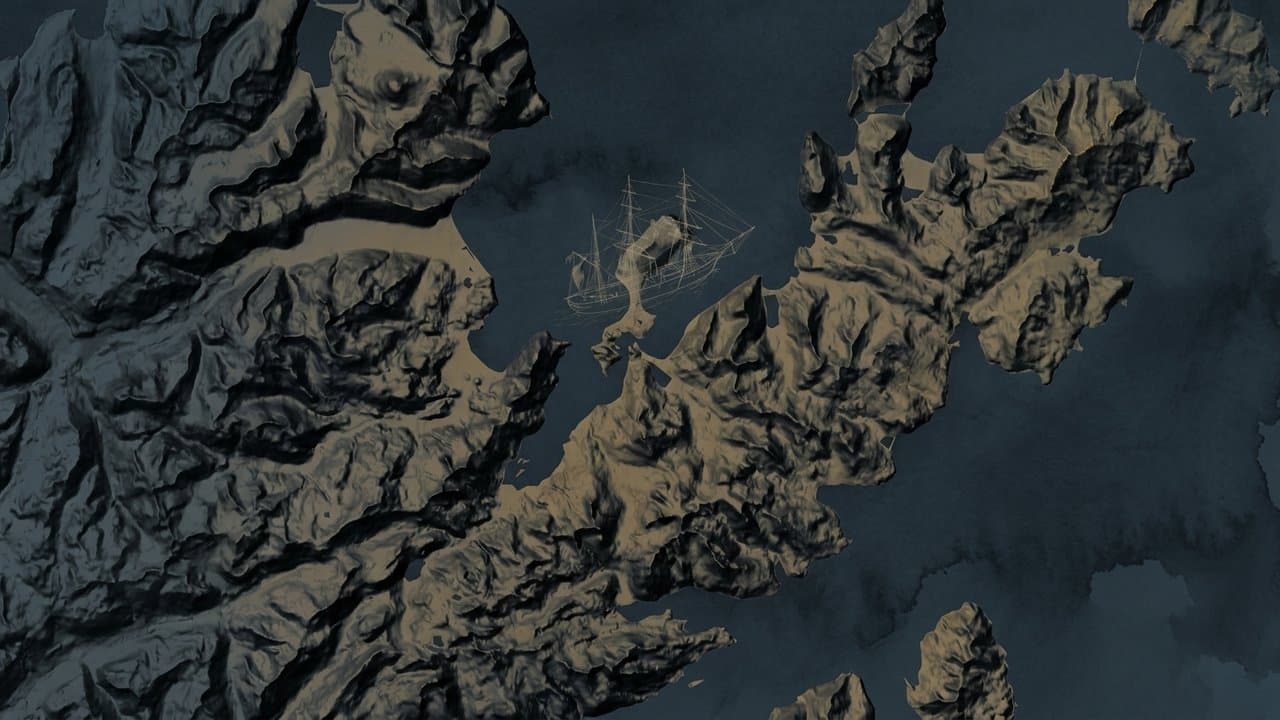
Unalaska student River Zaochney won a national Naval History Award for a project on the 1882 Navy bombardment of Angoon, a Tlingit village the Navy formally apologized for in 2024.
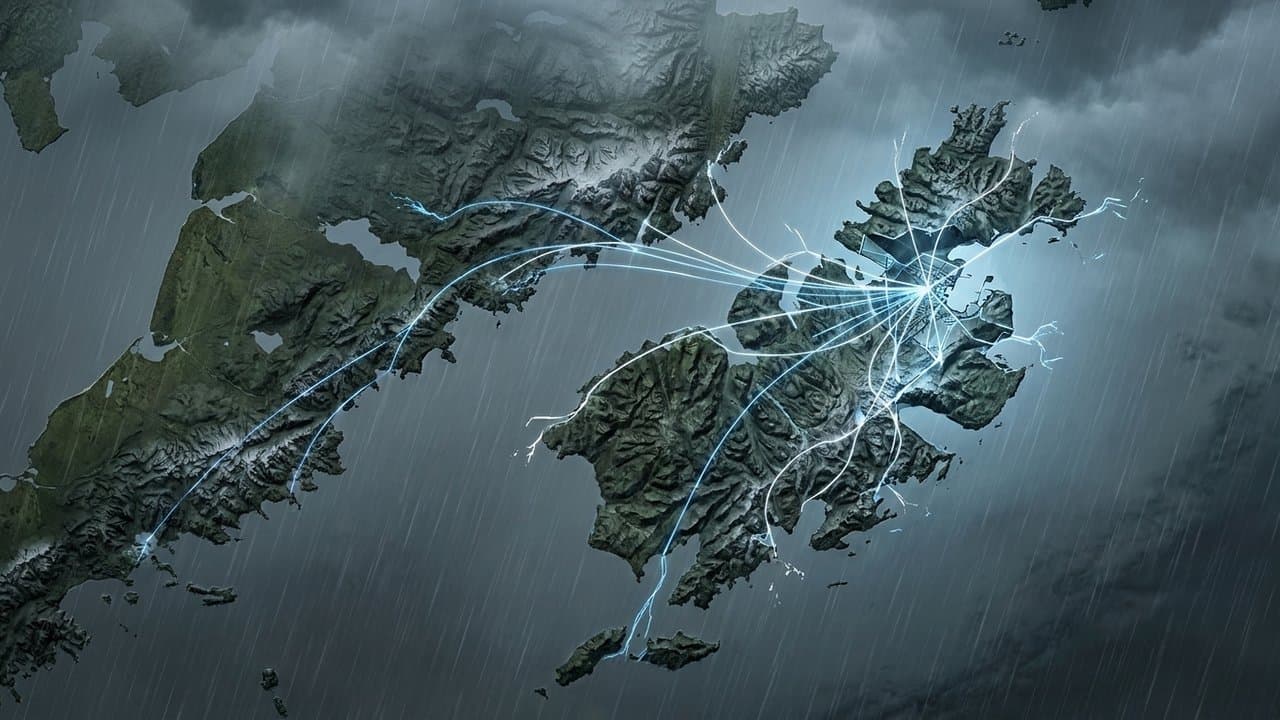
Three Alaska disaster declarations have no federal notice, though rules require one. For the Mat-Su storm, the finished notice has sat unfiled since April.
Two closed Anchorage schools, Abbott Loop and Campbell STEM, are set to return to the municipality, moving their fate from the School Board to the Assembly.
Kodiak's silver salmon are piling up at the mouth of the Buskin River, waiting for rain to move upstream — with only about 500 counted so far this season.
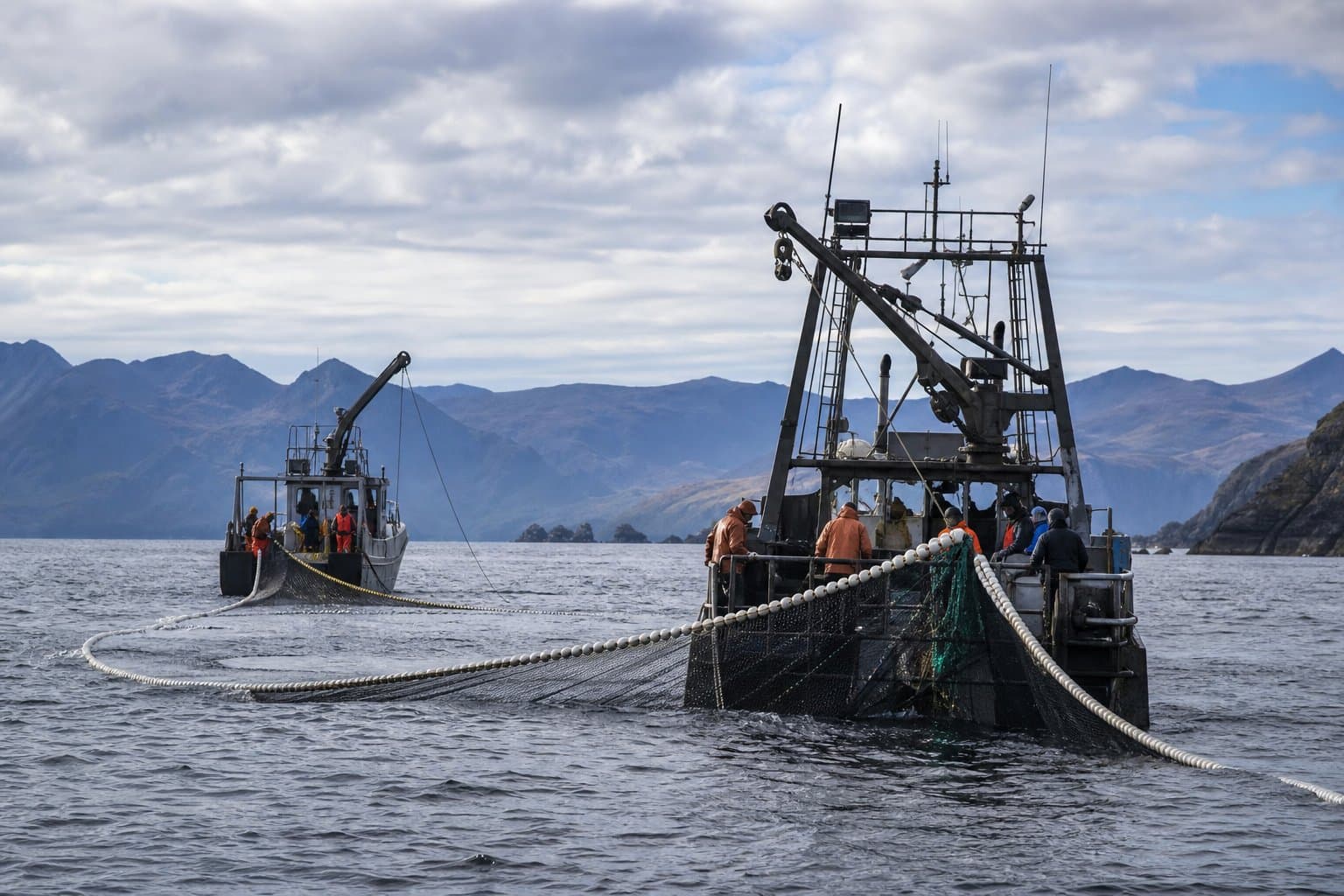
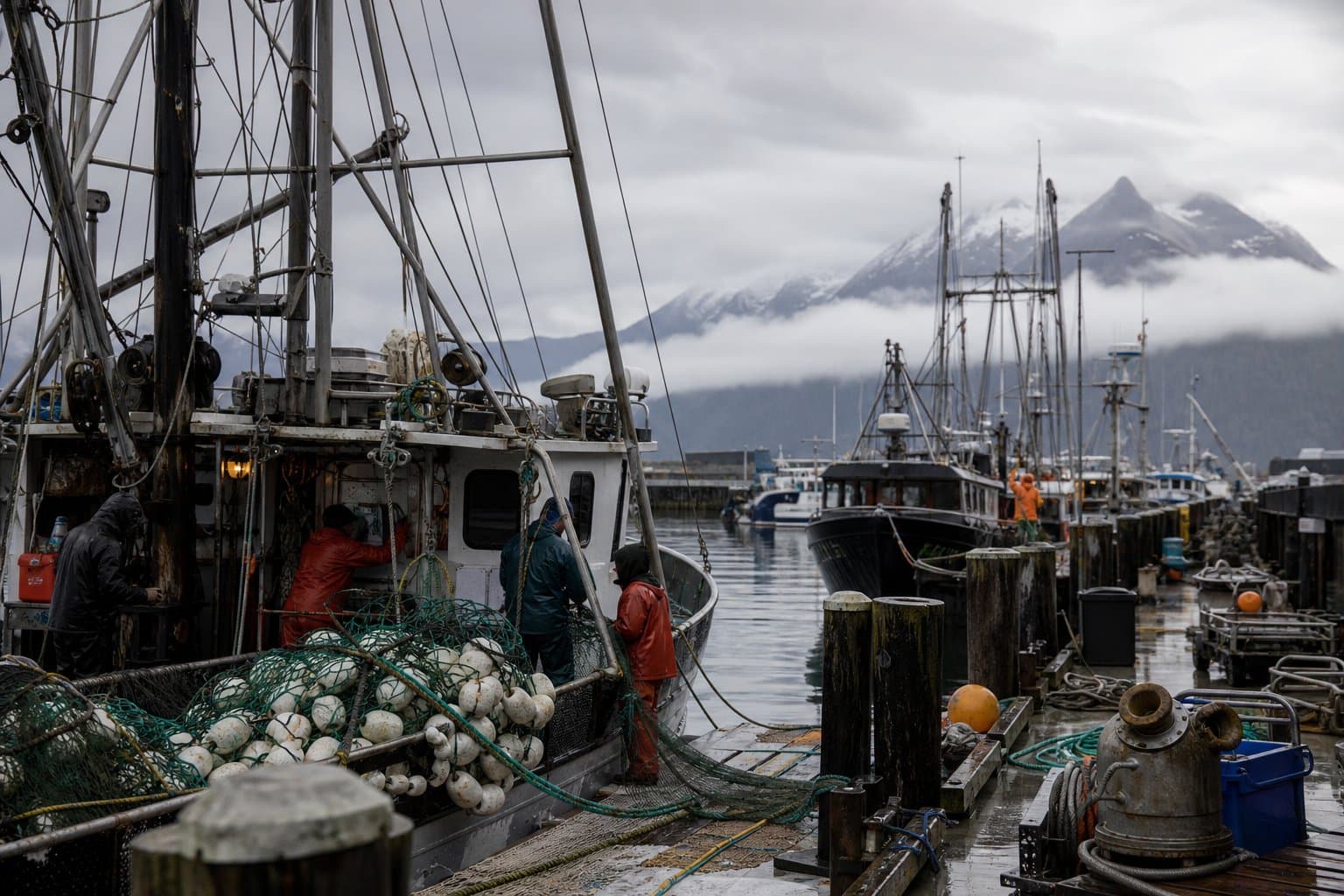
Pollock fishing in the Bering Sea reduces Western Alaska salmon returns by 1.9% on average, but a proposed cap on chum bycatch won't take effect until 2028 and tribal groups say it's still not enough.
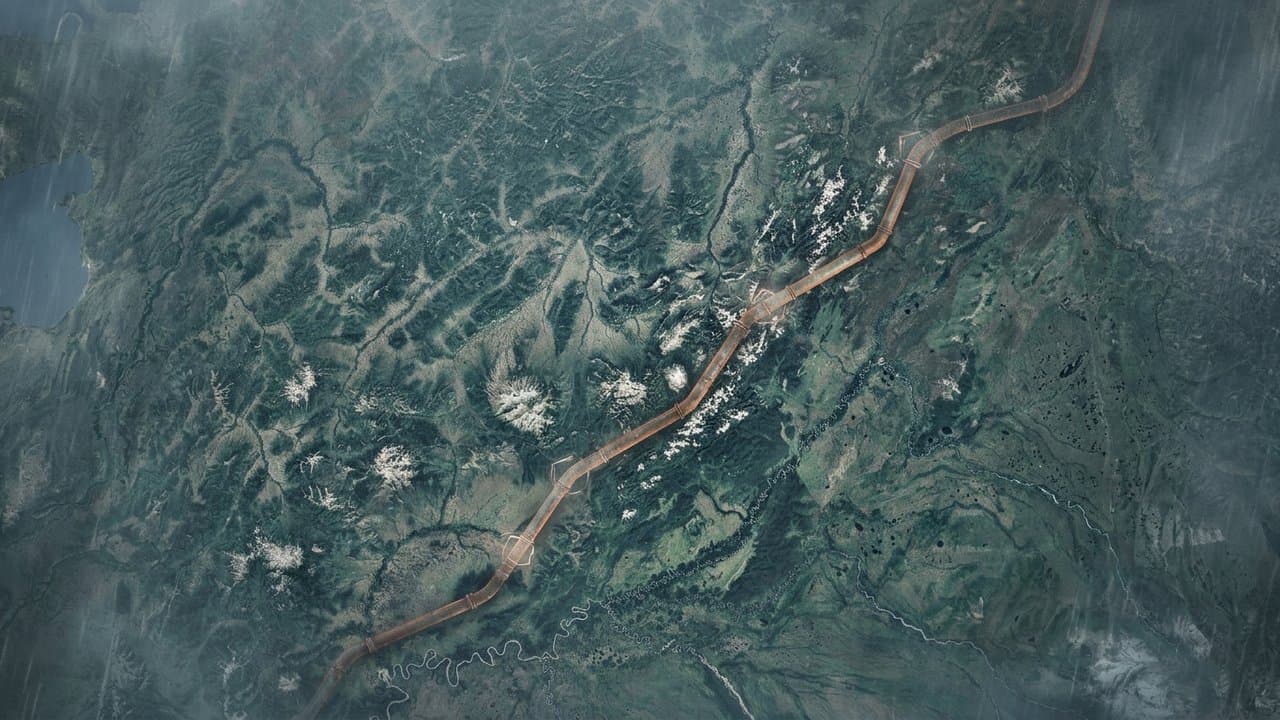
The public has until Sept. 17 to comment on whether the trans-Alaska pipeline keeps its federal right-of-way for 30 more years, after the Bureau of Land Management extended the deadline by a week.
A court found a Gulf fishery council's veto unconstitutional — and Alaska's council holds the same power, behind the CDQ program and other fishing regimes.
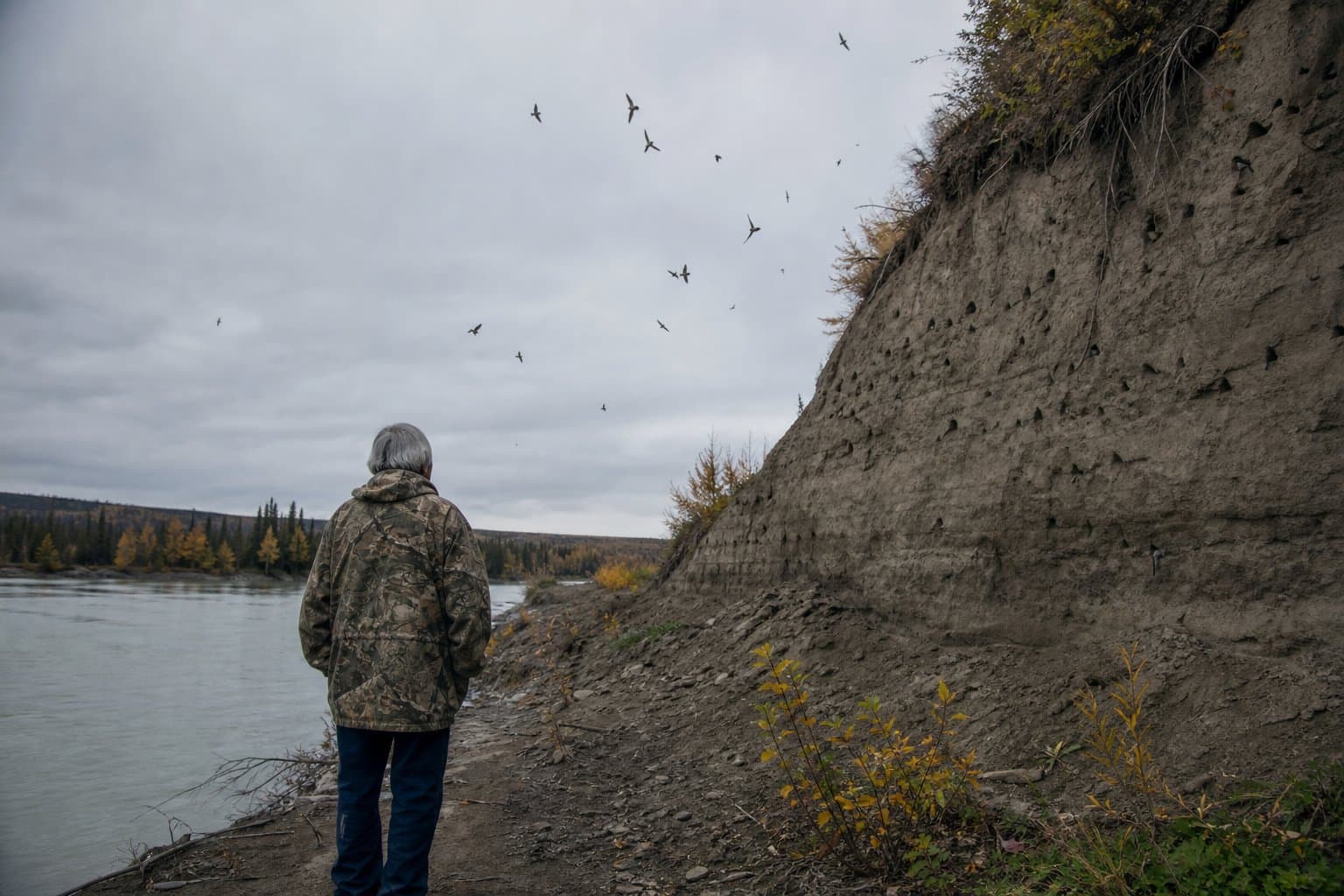
Elder Benedict Jones links Galena's 89 percent swallow decline since 1970 to Air Force pesticide spraying, documented in a Koyukon bird knowledge booklet published by the Tanana Chiefs Conference.
Unalaska City Council adopted new grant guidelines on Aug. 25, but the exact changes remain unclear because city records do not include the full resolution text.
Anchorage planners added an inland route option to a stalled coastal trail between Kincaid Park and Potter Marsh, blocked since the 1990s by private land and wildlife refuge concerns.
Anchorage voters banned traffic cameras in 1997. A far more powerful police surveillance system just arrived with no vote — and the debate has been telling.
Unalaska abandoned its Makushin geothermal project in May 2025, but a $2.5 million federal training grant tied to it remains open and largely unspent with only $75,000 spent so far.
Anchorage Assembly votes Sept. 1 on a $4.7 million federal grant to replace POL2, the fuel terminal damaged in 2018 that supplies half the port's capacity and virtually all fuel to JBER.
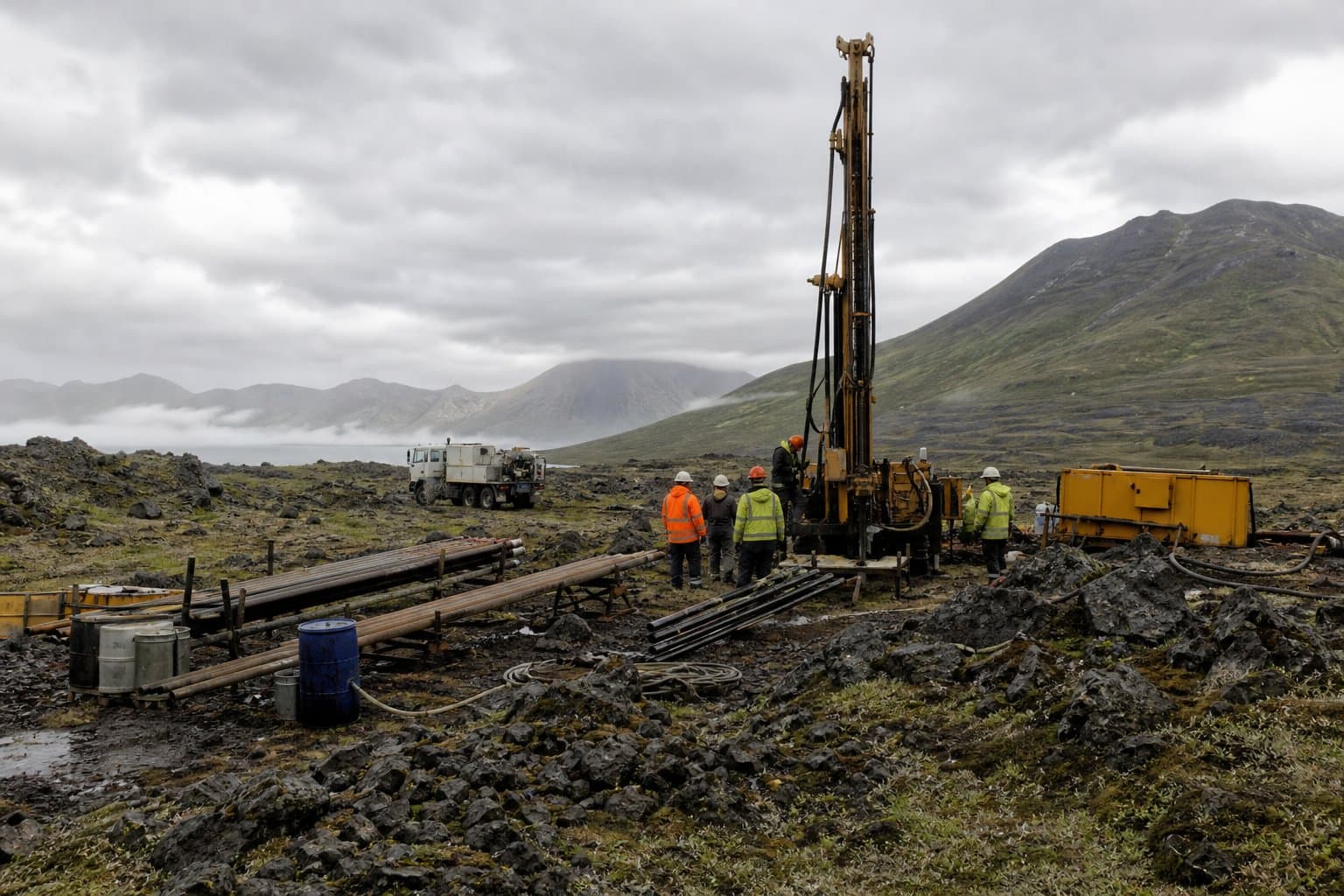
AIDEA committed up to $25 million to drill under a road with no buildable design yet, and its resolution names the three resource projects it would serve.
Free 90-minute career classes run weekly at Cook Inlet Tribal Council, 3600 San Jeronimo Drive in Anchorage, each counting toward its ARCTIC Workforce Certification. Developing a Leadership Mindset repeats at noon Sept. 22 and Sept. 29.
















 Stories