Disasters
RSSFederal disaster declarations (FEMA / SBA), emergency response, recovery operations, and disaster-related loan programs affecting Alaska
State flood coordinator meets with Kotzebue, Northwest Arctic Borough
Alaska's flood insurance coordinator met with Kotzebue and Northwest Arctic Borough to discuss recovery from Typhoon Halong and rebuilding rules that could affect their flood insurance eligibility.
 by Walter AlaskaNews2d ago1 min read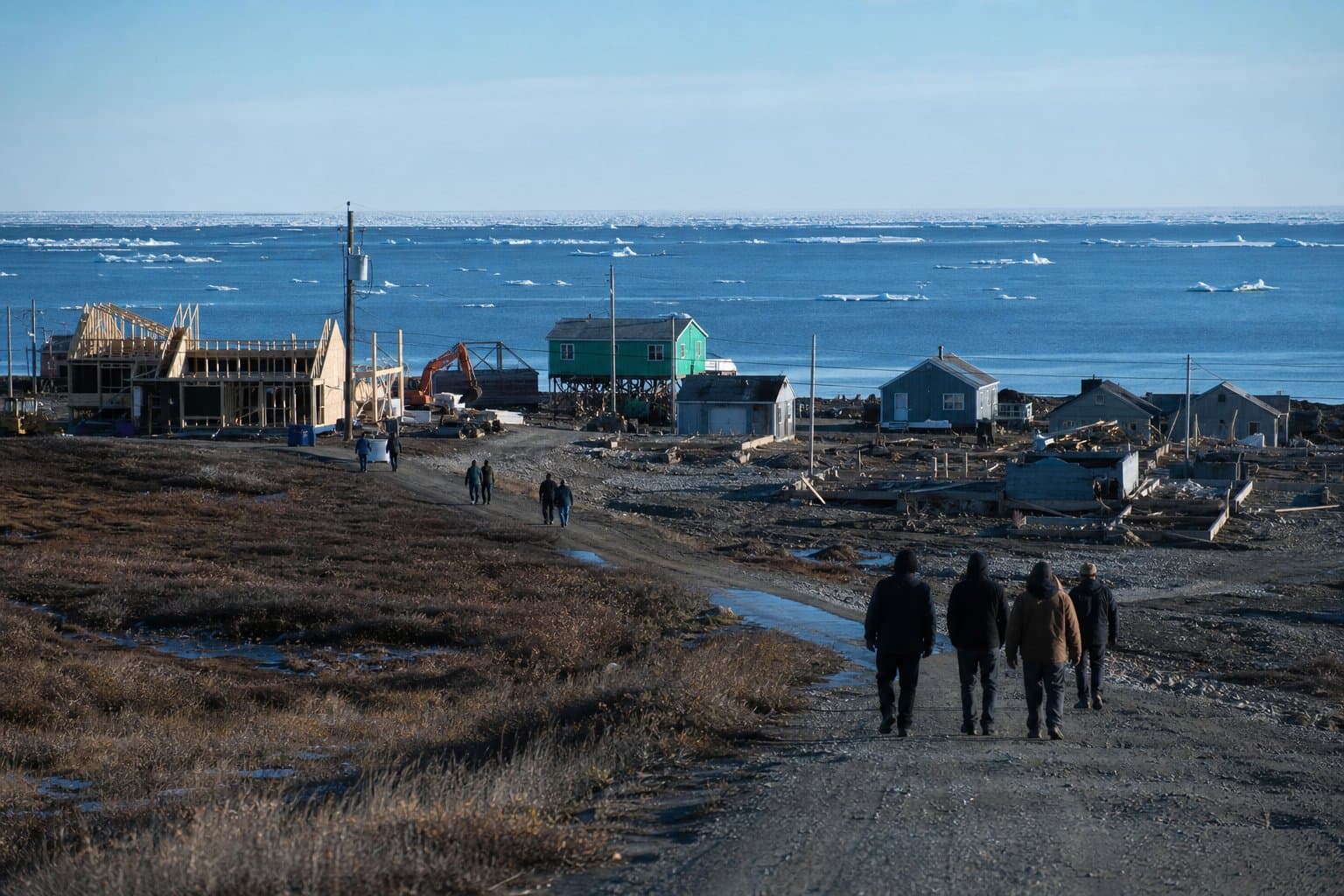
Alaska Volcano Observatory raises Gareloi alert level after brief explosion
Gareloi, a remote western Aleutian volcano, had a brief explosion Thursday. AVO raised its alert a notch and has reported no further unrest since.
by Walter AlaskaNews2d ago2 min read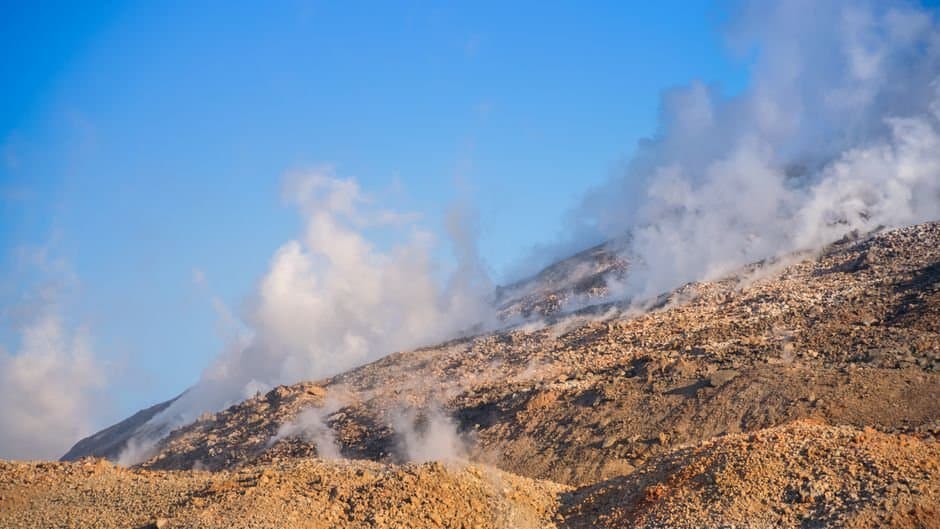
Anchorage Assembly to consider permanent mayoral emergency power for disasters outside the city
Last fall Anchorage needed a special emergency law to help Western Alaska storm evacuees. An ordinance up Tuesday would make that power permanent.
by Walter AlaskaNews5d ago2 min read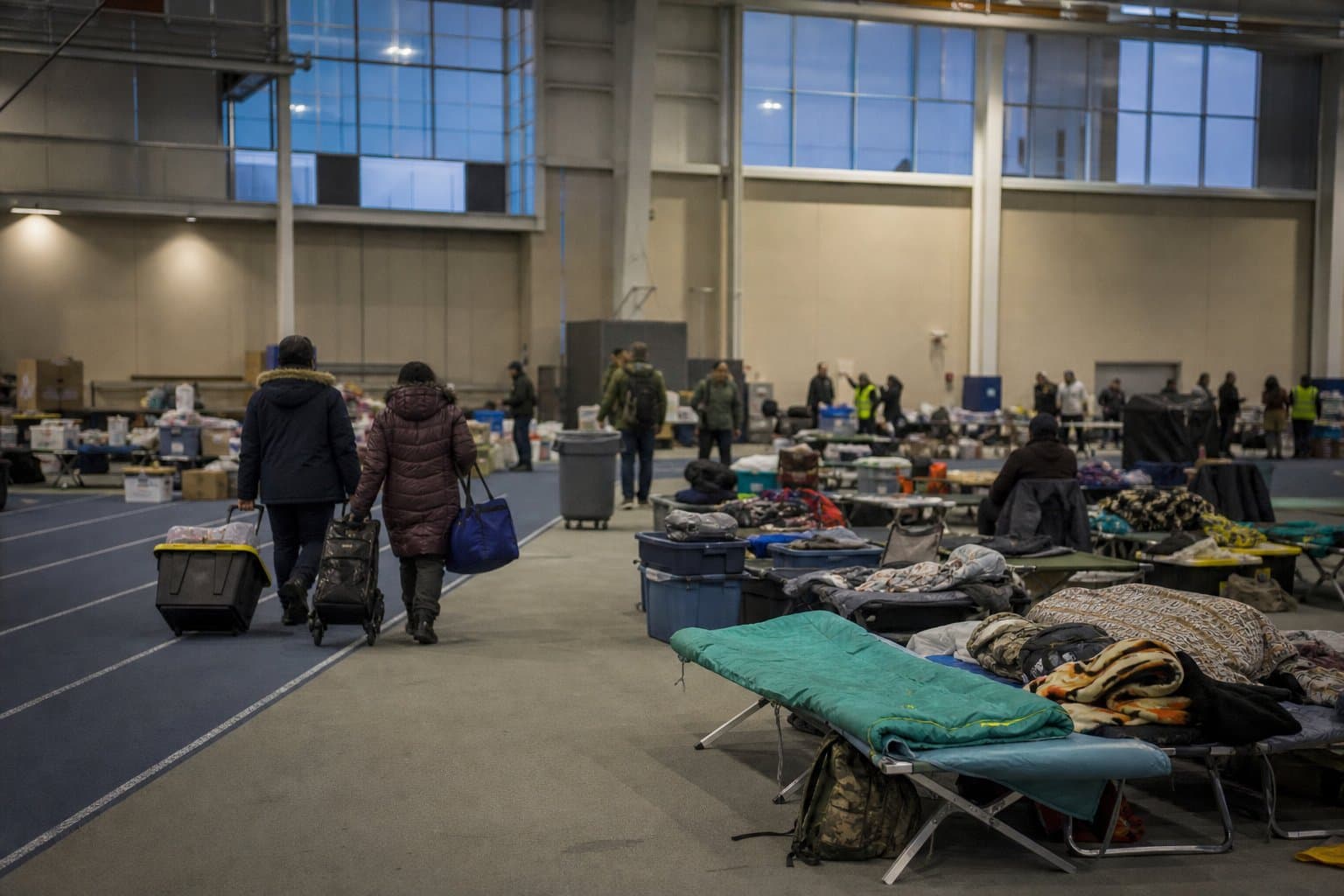
Tribes must waive sovereign immunity to seek Alaska bulk fuel disaster grants
Tribes and villages applying for a new $800,000 state grant to pay off disaster-related bulk fuel loan debt must include a waiver of sovereign immunity.
 by Melinda Communities.News1w ago2 min read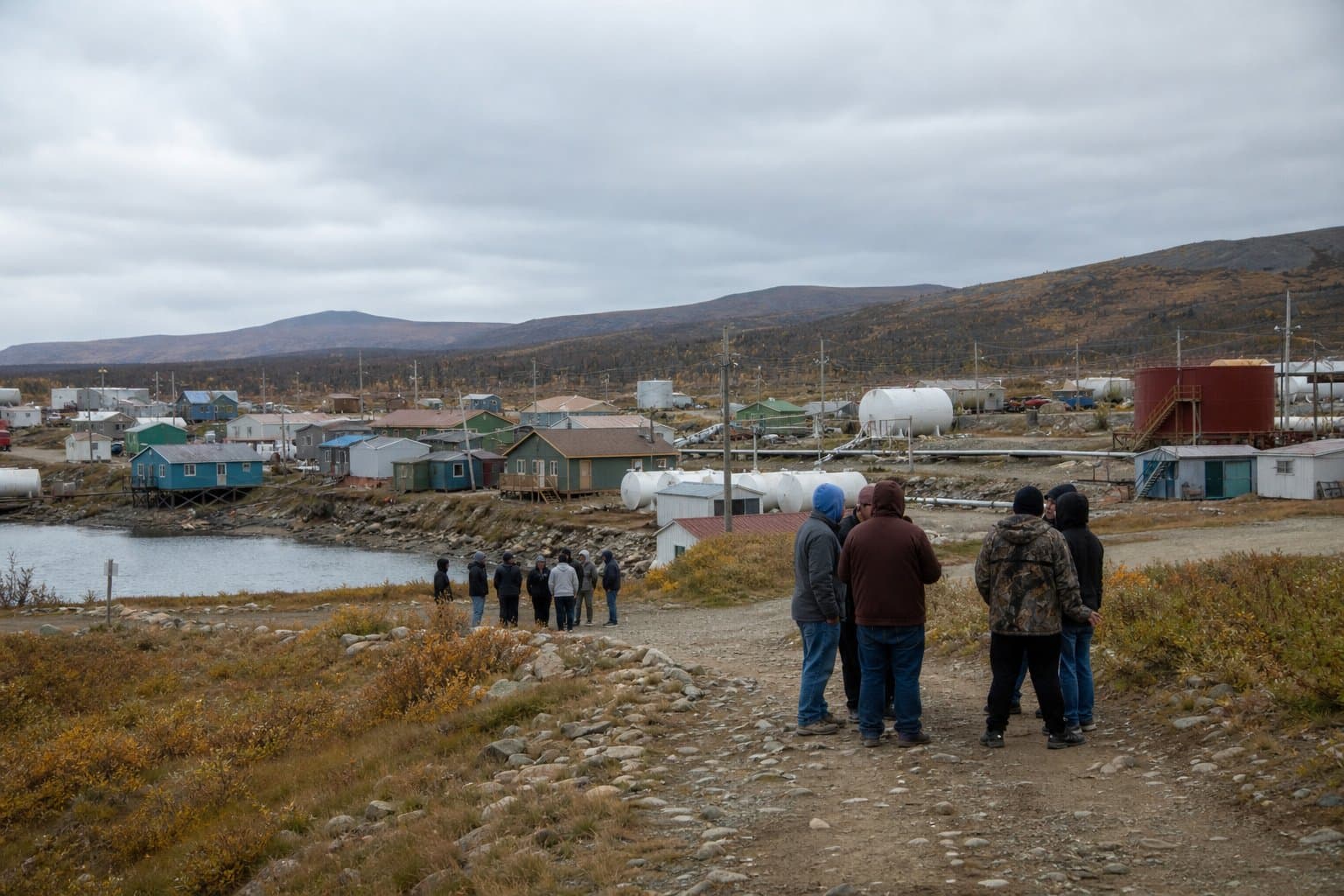
Coastal flood warning for Kipnuk and Kwigillingok canceled as storm tracks south
The storm passed south of Kipnuk and Kwigillingok, and the coastal flood warning was canceled Friday night. Earlier river flooding hit Kasigluk and Kwethluk.
by Walter AlaskaNews1w ago2 min read
Four years after Merbok, Alaska is hiring a contractor to start rebuilding homes
Four years after Merbok, Alaska is hiring a contractor to rebuild 77 homes by 2029. The bid notice also puts one region in the wrong funding tier.
by Walter AlaskaNews1w ago2 min read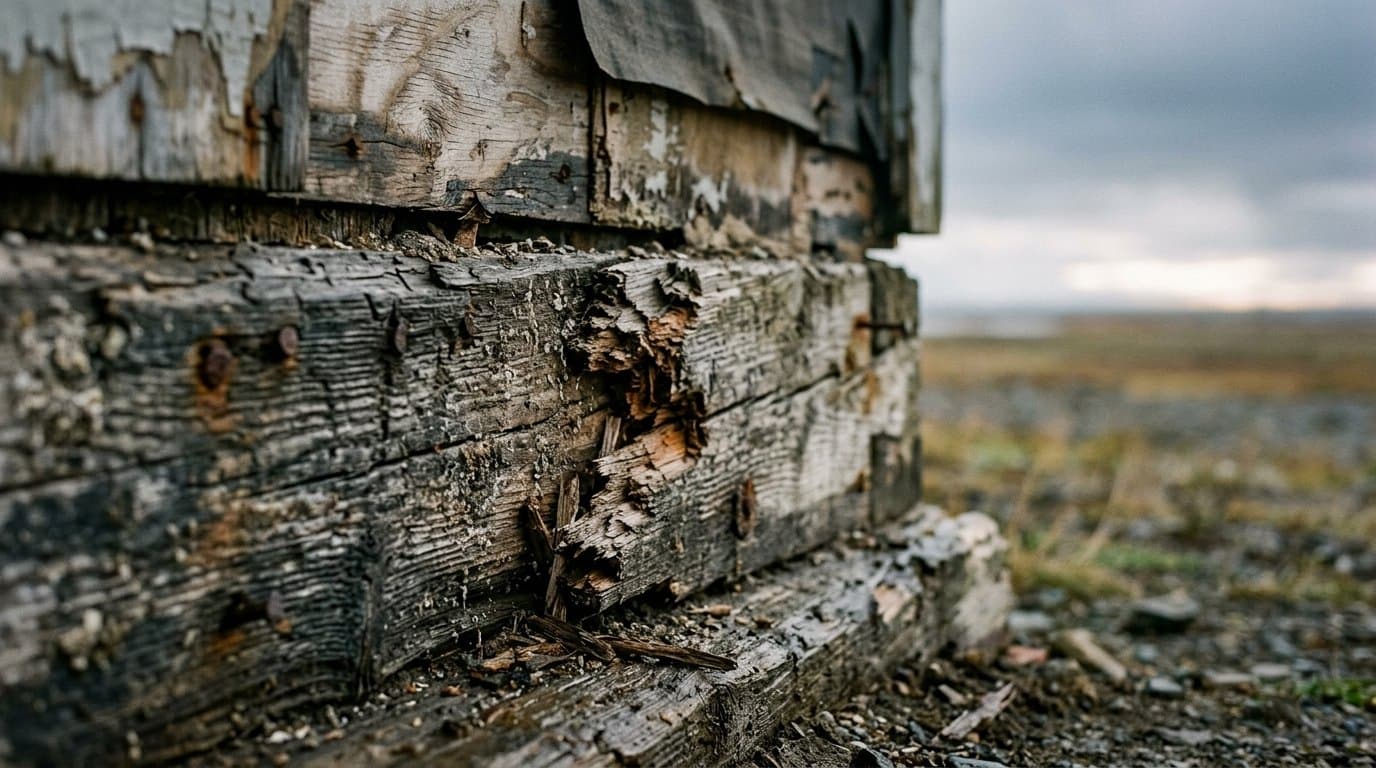
Juneau weighs a $27 million View Drive flood buyout with the homeowner share still unpriced
Sixteen of 18 View Drive homeowners are moving toward a federal flood buyout, but Juneau hasn't decided who carries the risk of collecting their share.
by Walter AlaskaNews2w ago2 min read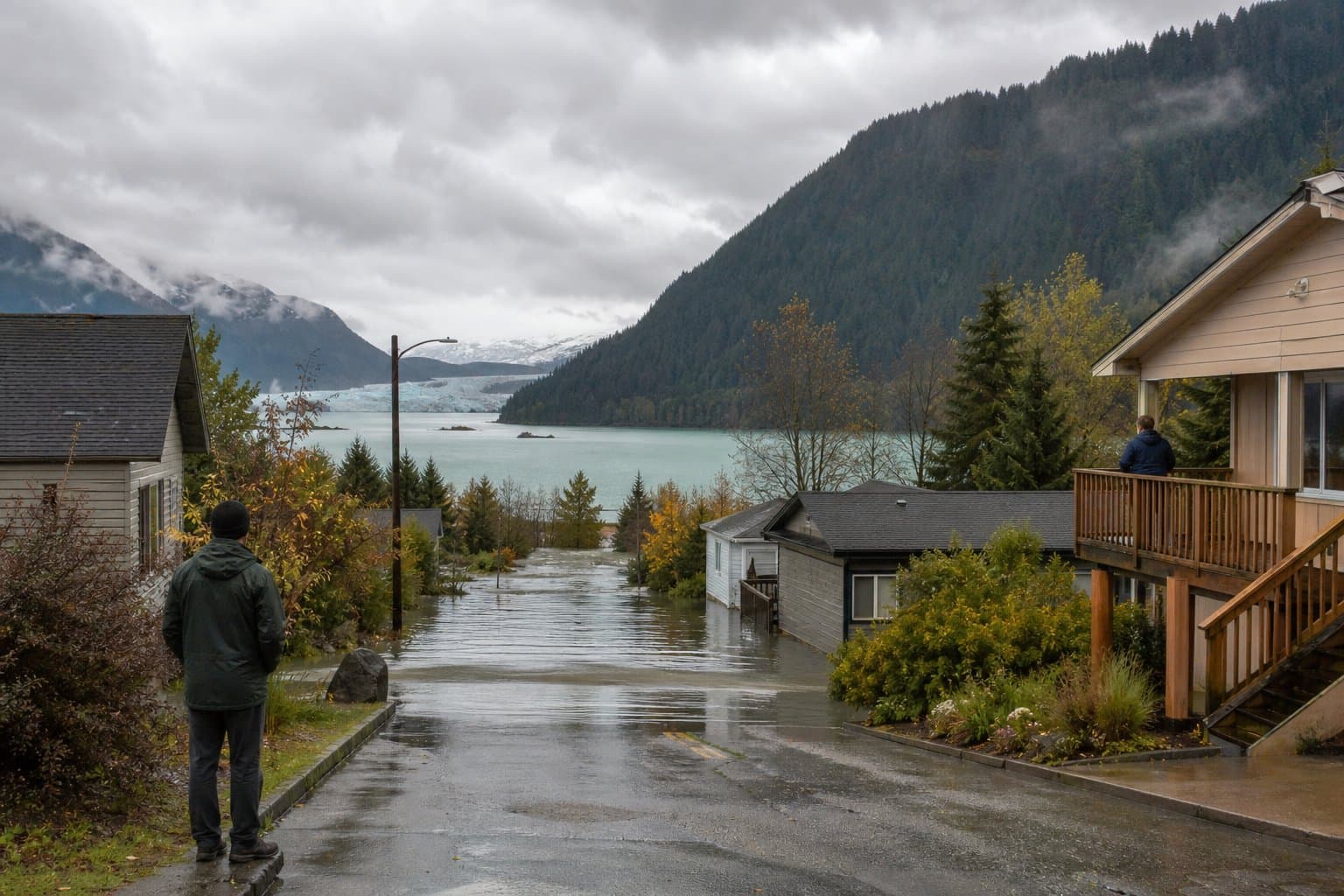
Bering Strait homeowners waited 184 days for storm repair loans
Bering Strait homeowners waited 184 days for SBA storm-repair loans that neighbors got in nine. The state's request is dated April; the records don't say why.
by Walter AlaskaNews2w ago3 min read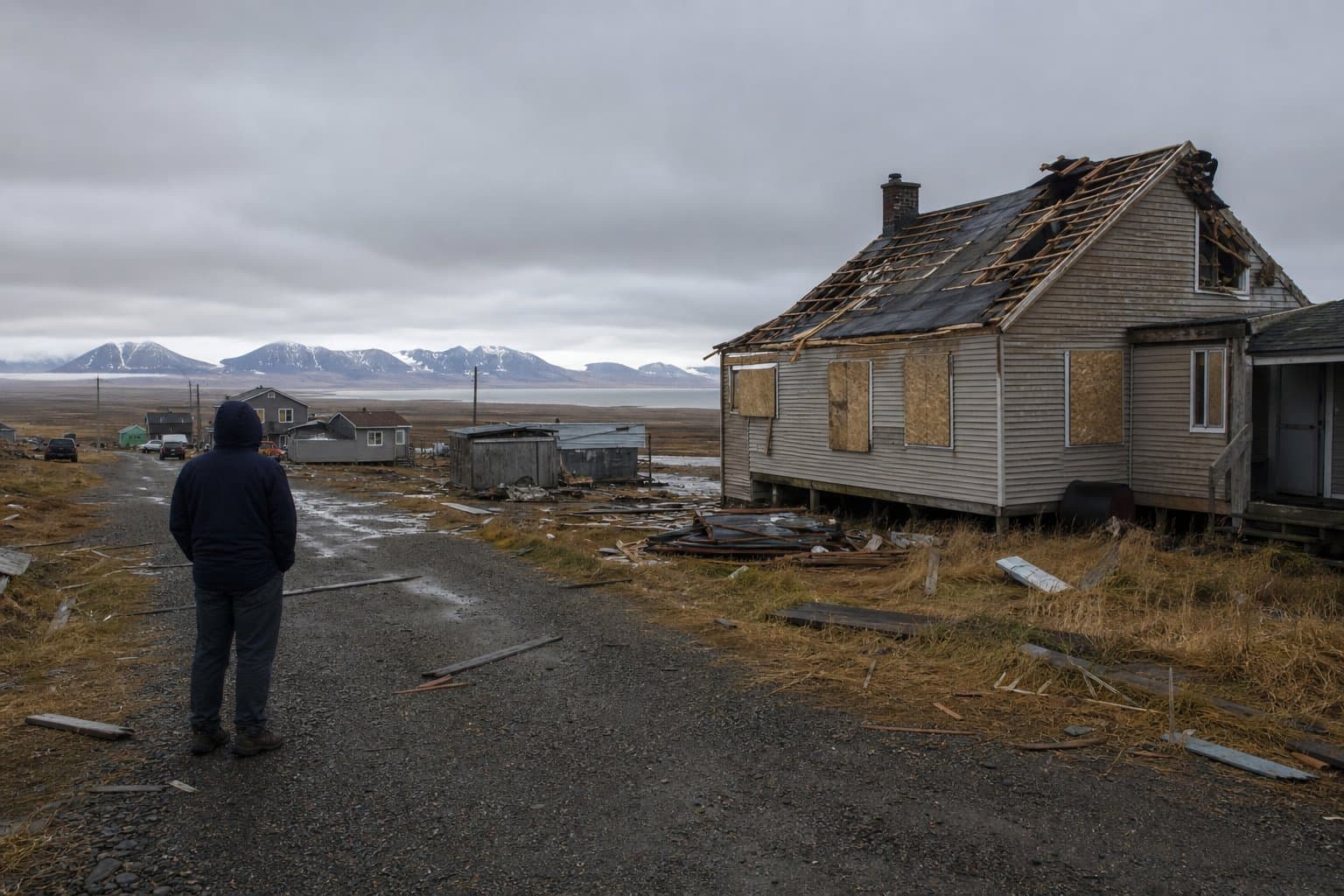
Alaska declines to move Kuskokwim villages into its larger Merbok tier
Alaska won't move Lower Kuskokwim villages into the larger tier of its $38.5 million Merbok grant, saying its survey found other regions hit harder.
by Walter AlaskaNews2w ago2 min read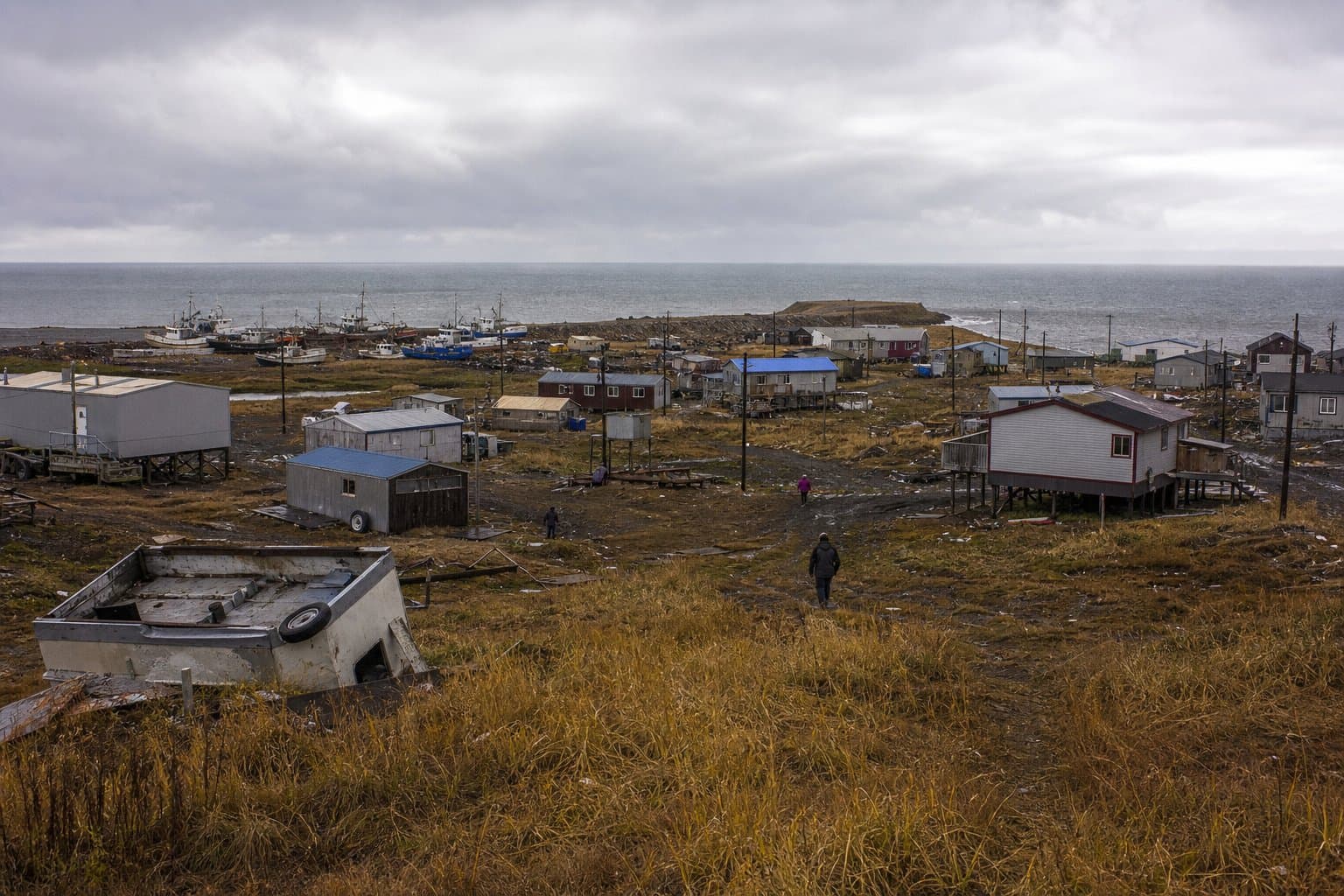
Juneau taxpayers at large would carry $4.7 million of the Mendenhall barrier bill as a quarter of the district objects
Juneau Assembly appropriated about $1 million in tribal and FEMA grants for additional phases of Mendenhall River flood barriers and 2024 flood response after an August 2024 glacial outburst flood damaged roughly 290 residences.
by Walter AlaskaNews2w ago2 min read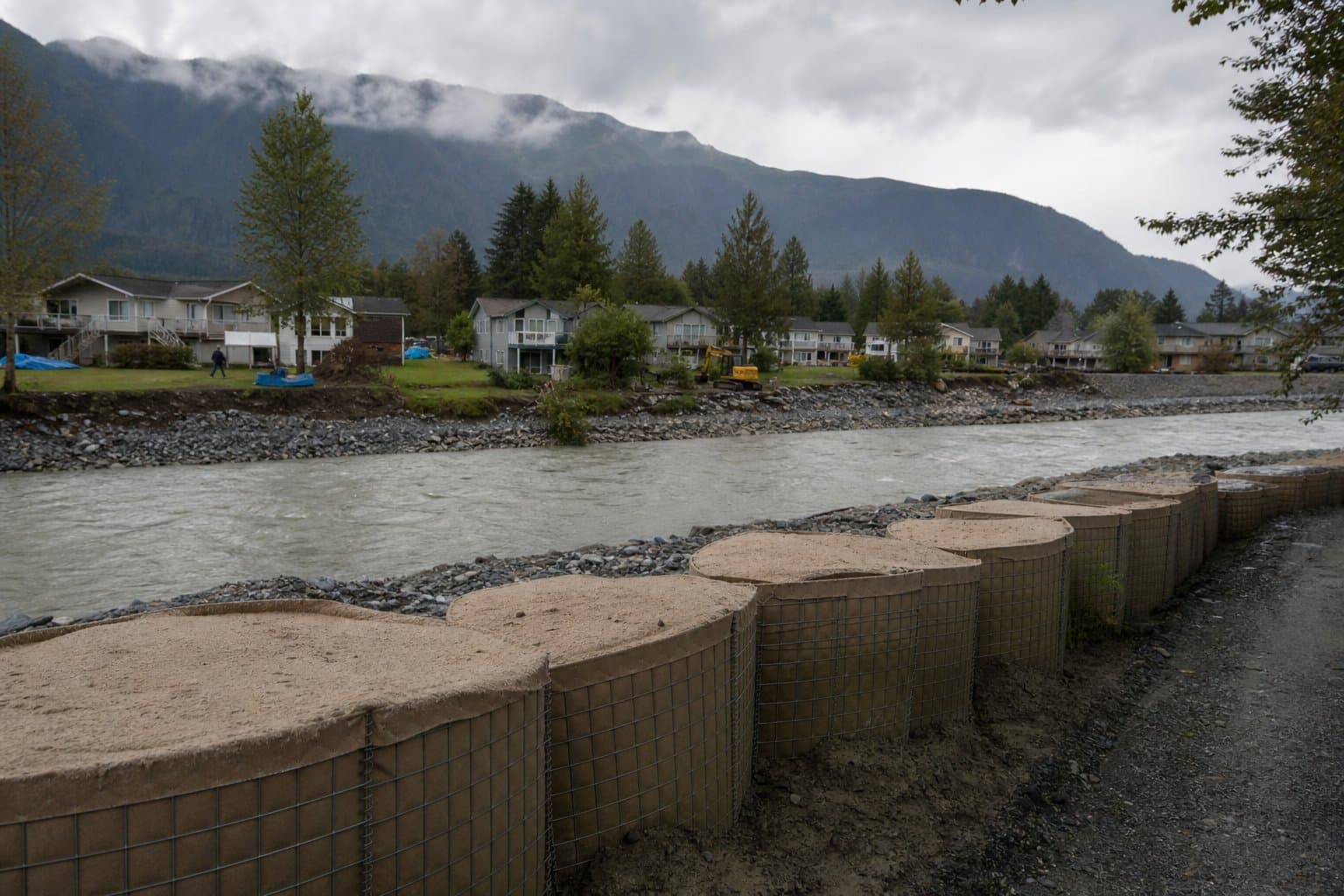
Alaska will clear Tok's fire debris free
Alaska will clear fire debris in Tok for free, but owners must sign a packet whose terms are final — and the form isn't posted where the state says it is.
by Walter AlaskaNews3w ago3 min read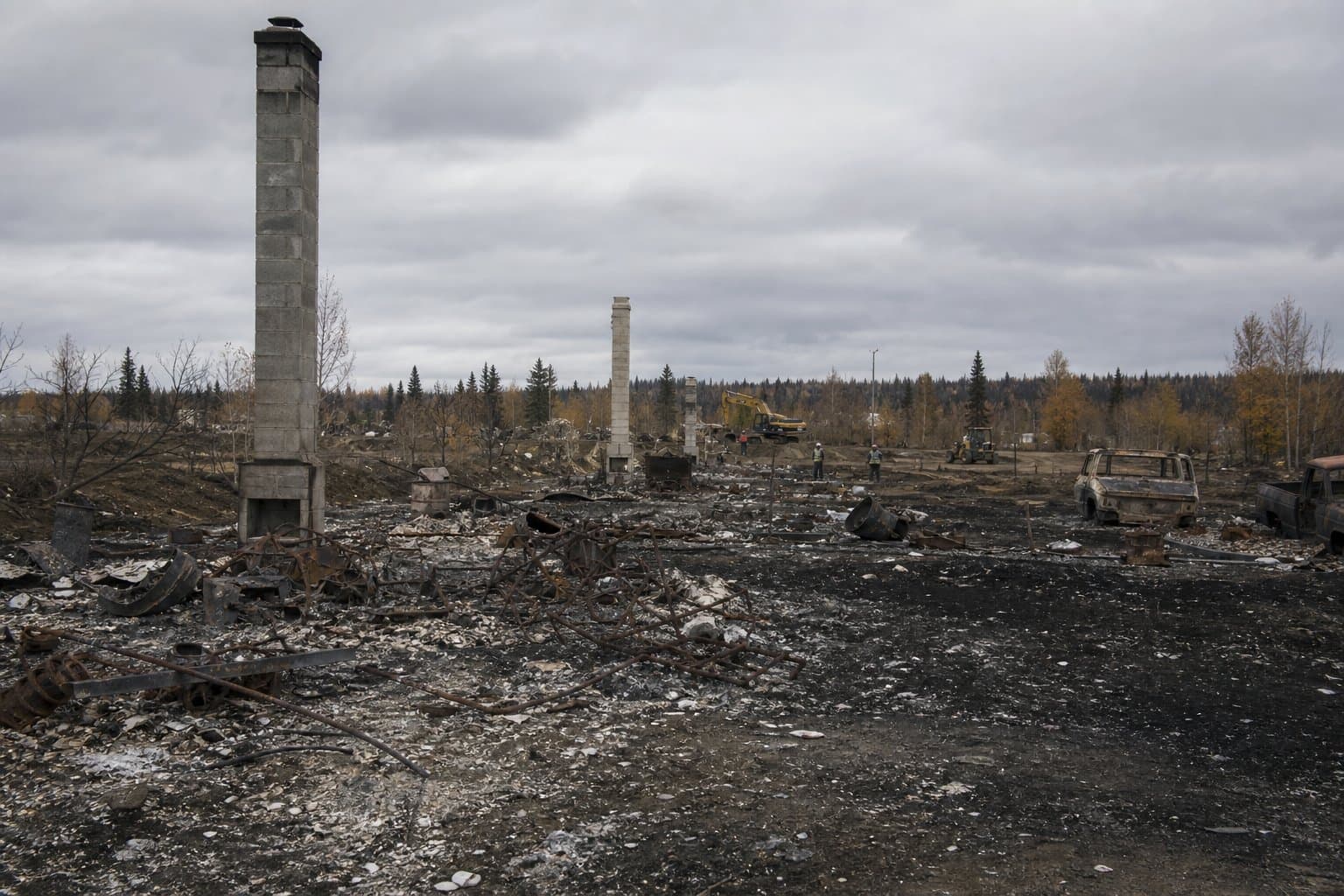
Fairbanks flood maps are final. Borough page still points to appeals
Fairbanks' flood maps are final, but the borough still links to obsolete appeal instructions. The Jan. 8 maps change insurance and building rules.
by Walter AlaskaNews3w ago2 min read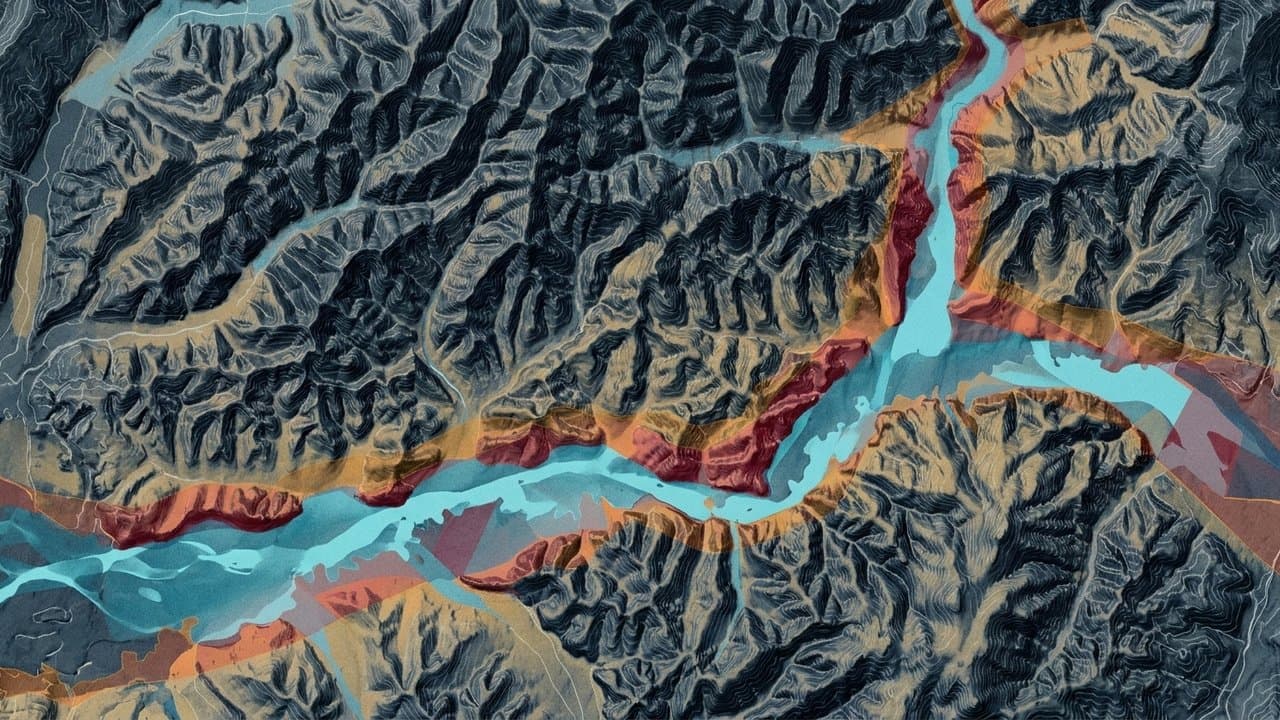
Three Alaska disaster declarations have no Federal Register notice
Three Alaska disaster declarations have no federal notice, though rules require one. For the Mat-Su storm, the finished notice has sat unfiled since April.
by Walter AlaskaNews3w ago2 min read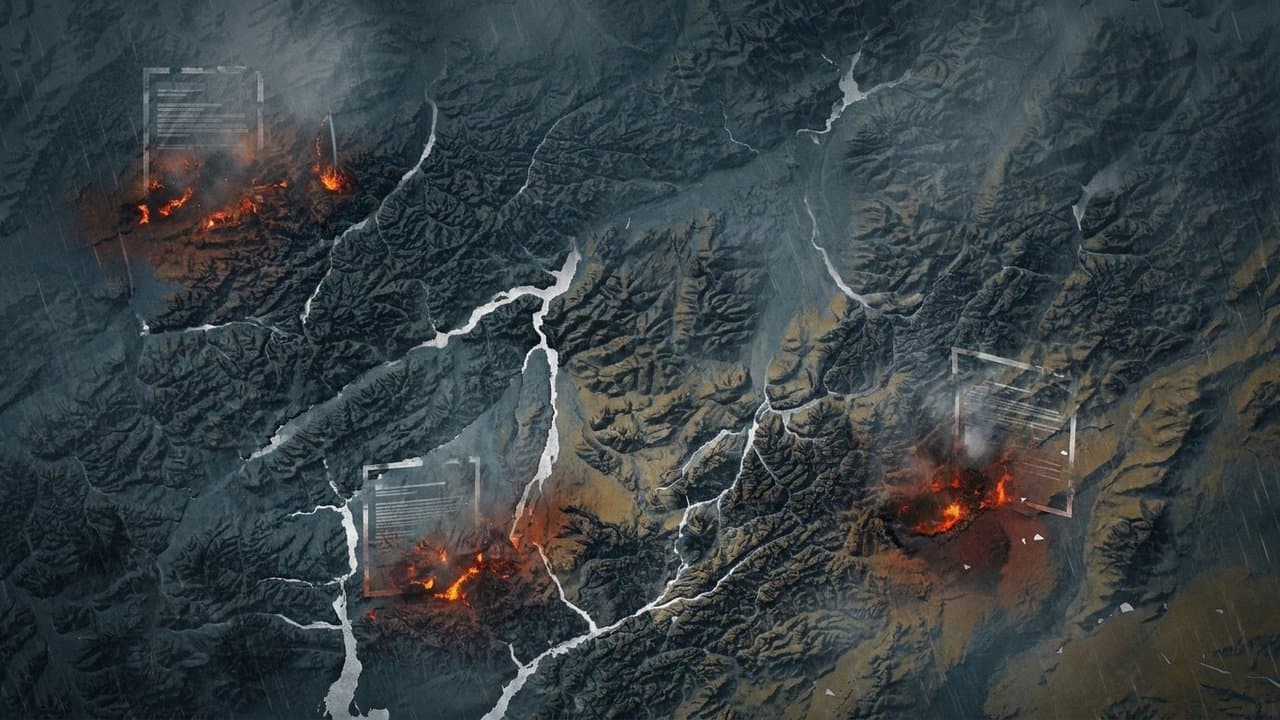
Kipnuk households paid $18 million; no village infrastructure project
Kipnuk families got $18 million in disaster aid after losing 153 homes, but almost none of the money to rebuild roads, water and public buildings has come.
by Walter AlaskaNews3w ago2 min read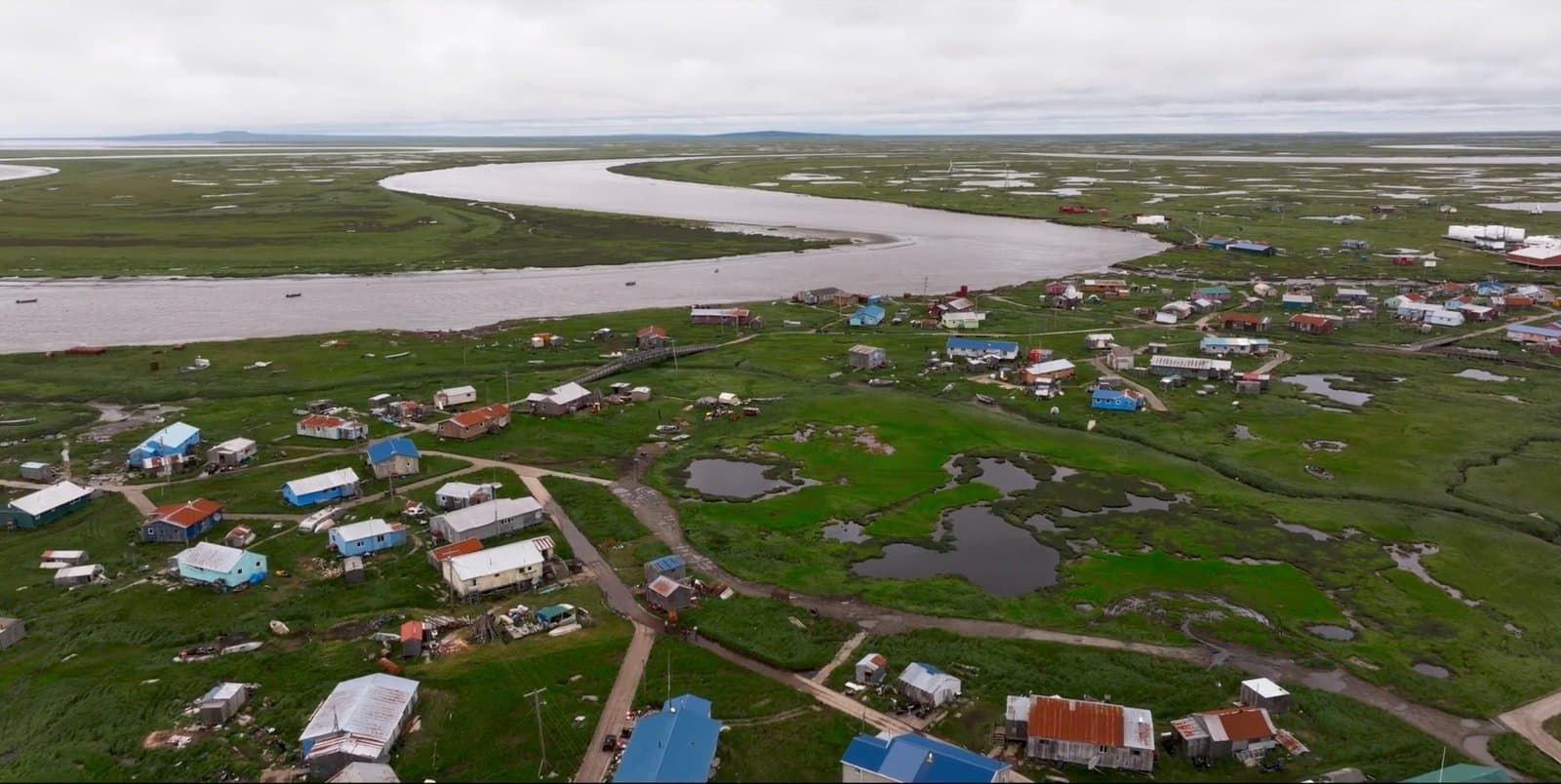
Ketchikan council to vote Thursday on $30,000 landslide grant
Ketchikan votes Thursday on $30,000 to work out how much rain makes the slopes above town dangerous. The work already started two weeks ago.
by Walter AlaskaNews3w ago2 min read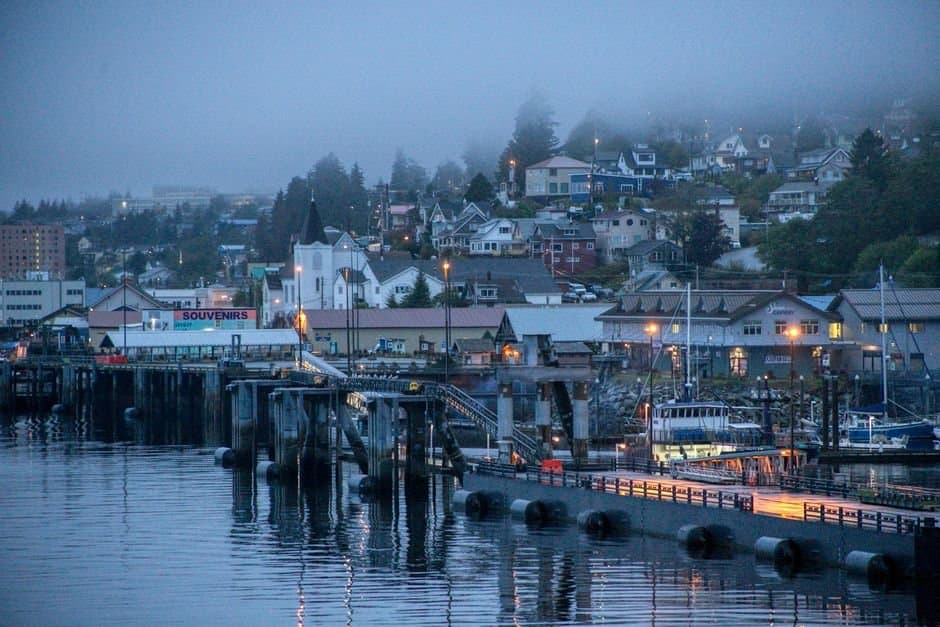
Alaska villages can rebuild after Halong. They can't use the money to move.
Western Alaska villages hit by Typhoon Halong can get federal money to rebuild, but not to relocate — the declaration left out hazard mitigation.
by Walter AlaskaNews3w ago3 min read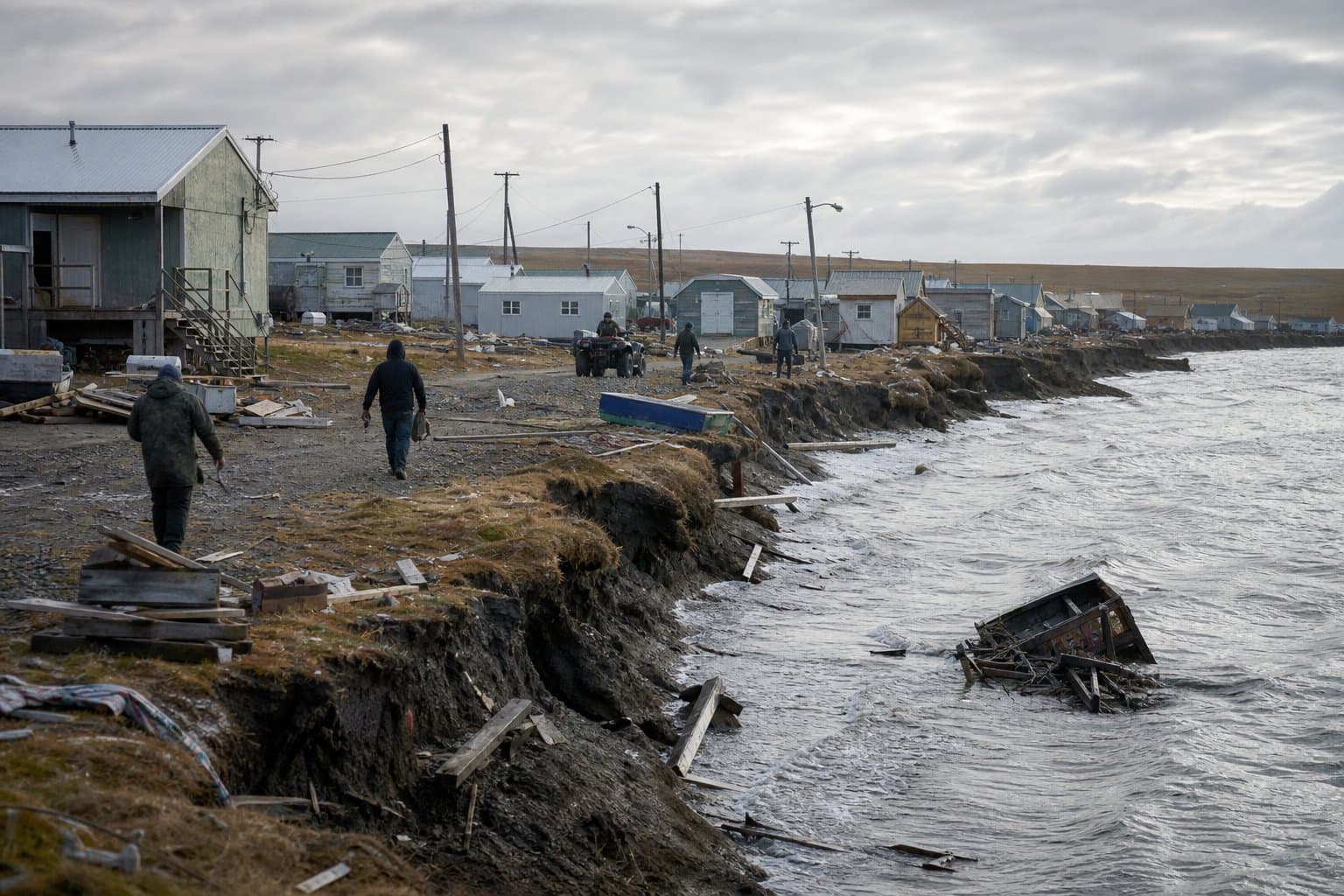
Wrangell calls the Dungeness crab decline a disaster; the state calls it the plan
Wrangell declared a local disaster over Dungeness crab and asked for federal relief. The state cut the season by formula and did not use the word.
by Walter AlaskaNews3w ago2 min read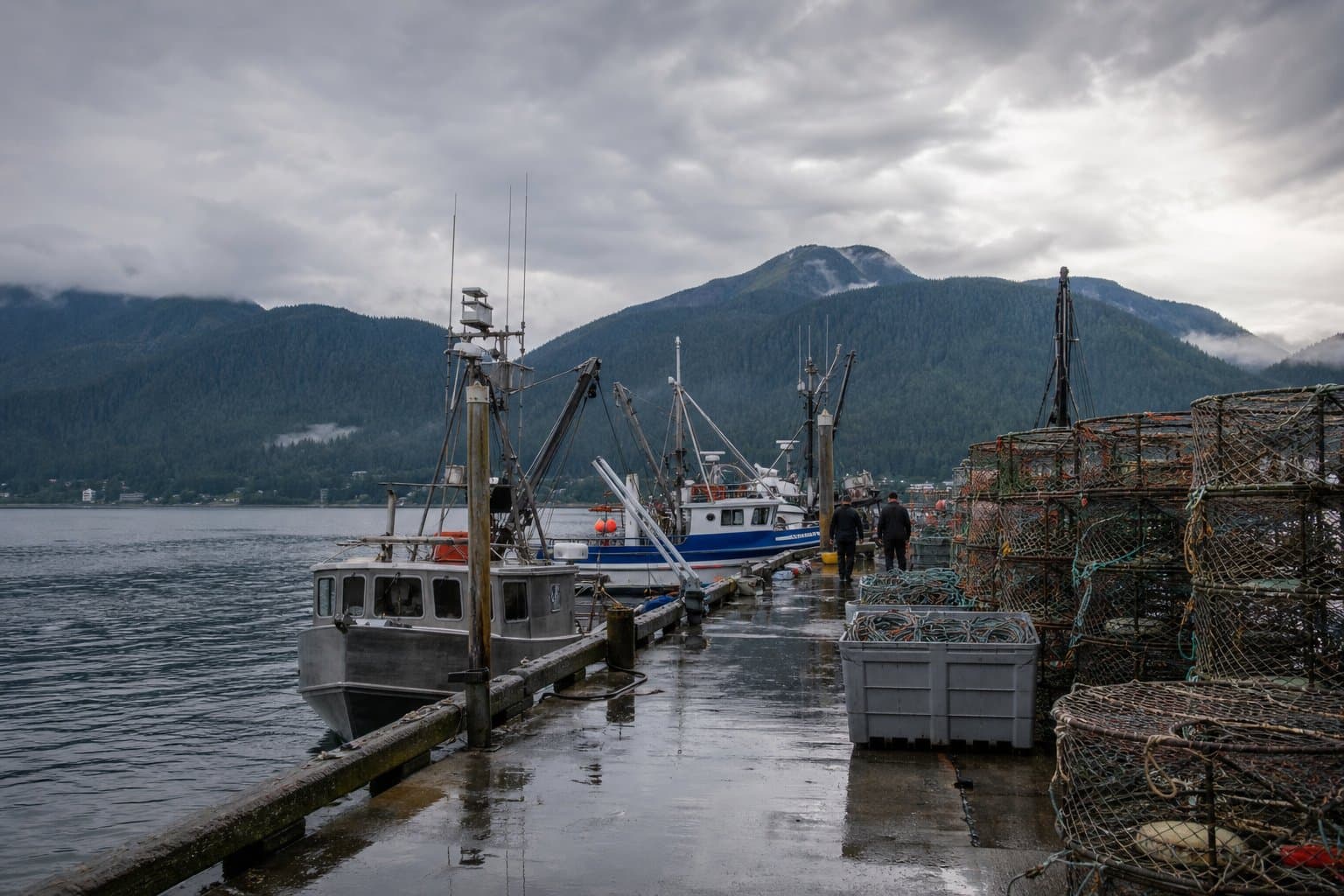
Three Aleutians dams could be reclassified as threats to life downstream
Three Aleutians dams could be reclassified "high hazard," meaning their failure would threaten lives downstream, under a draft open for public review.
 by Maggie AlaskaNews3w ago2 min read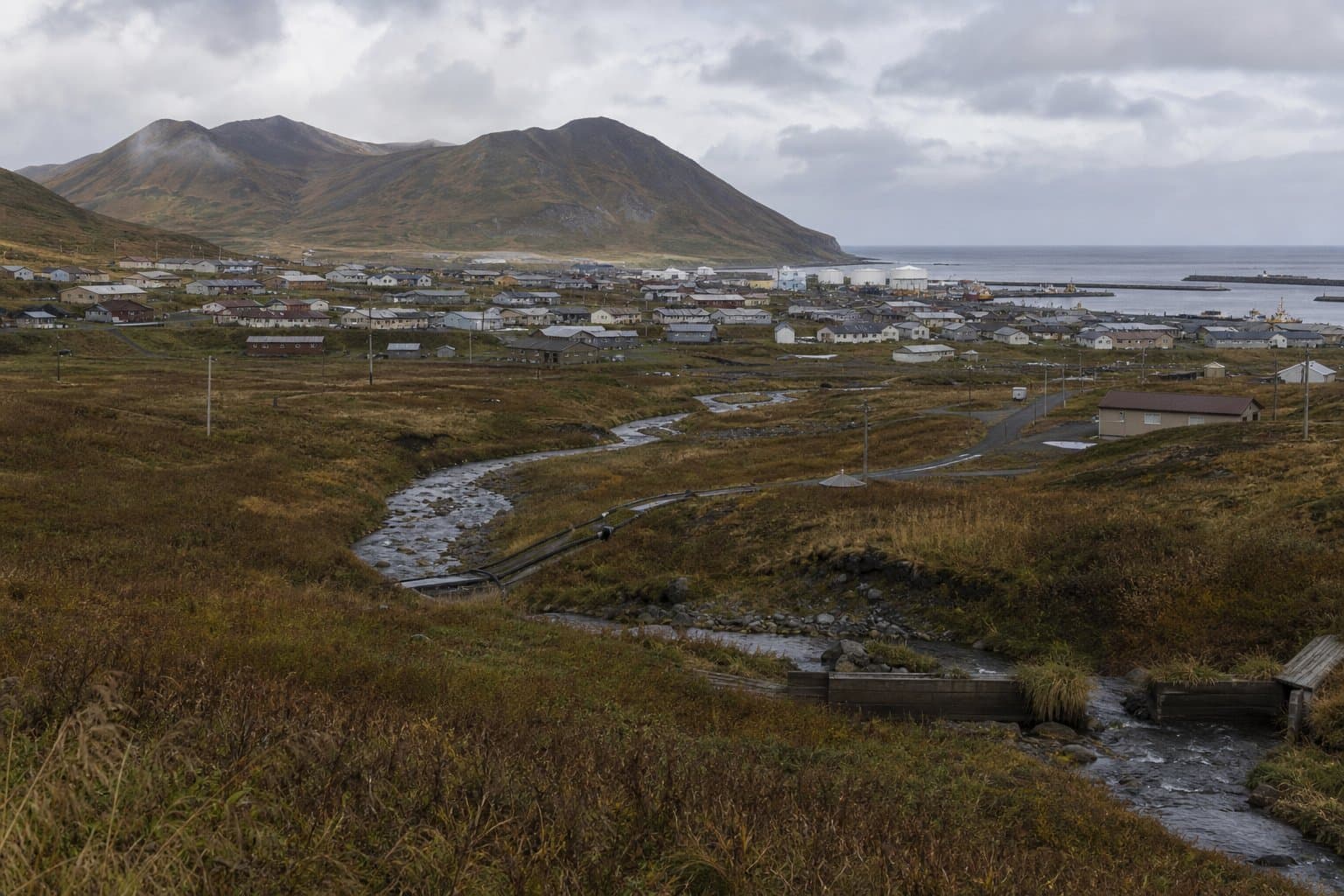
Haines donation drive collects wood stoves and building supplies for Tok fire rebuilding
Haines residents are collecting wood stoves, refrigerators, and building supplies for Tok-area households rebuilding after the Mukluk Fire destroyed 50 homes in August.
by Maggie AlaskaNews1mo ago2 min read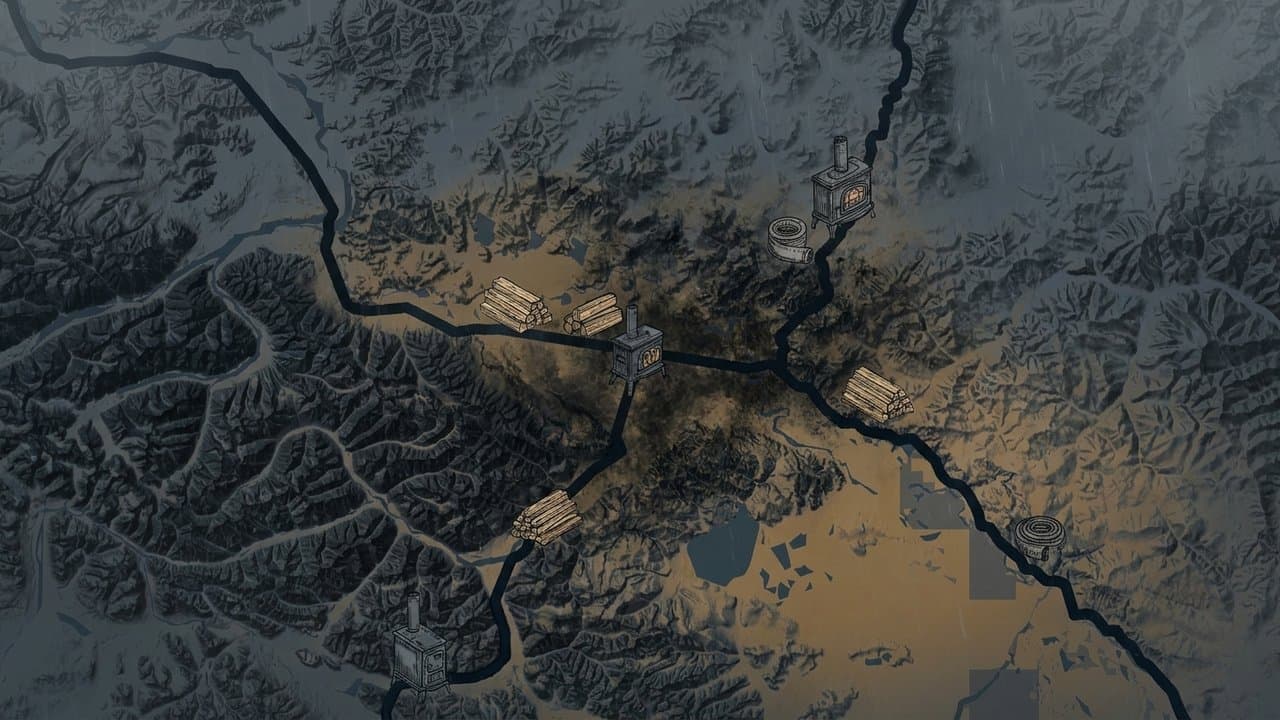
Most of what the Tok fire burned was outbuildings. Aid may not cover them.
Two-thirds of what the Mukluk Fire destroyed near Tok were outbuildings, and the only aid program for those families generally does not cover them.
by Walter AlaskaNews1mo ago2 min read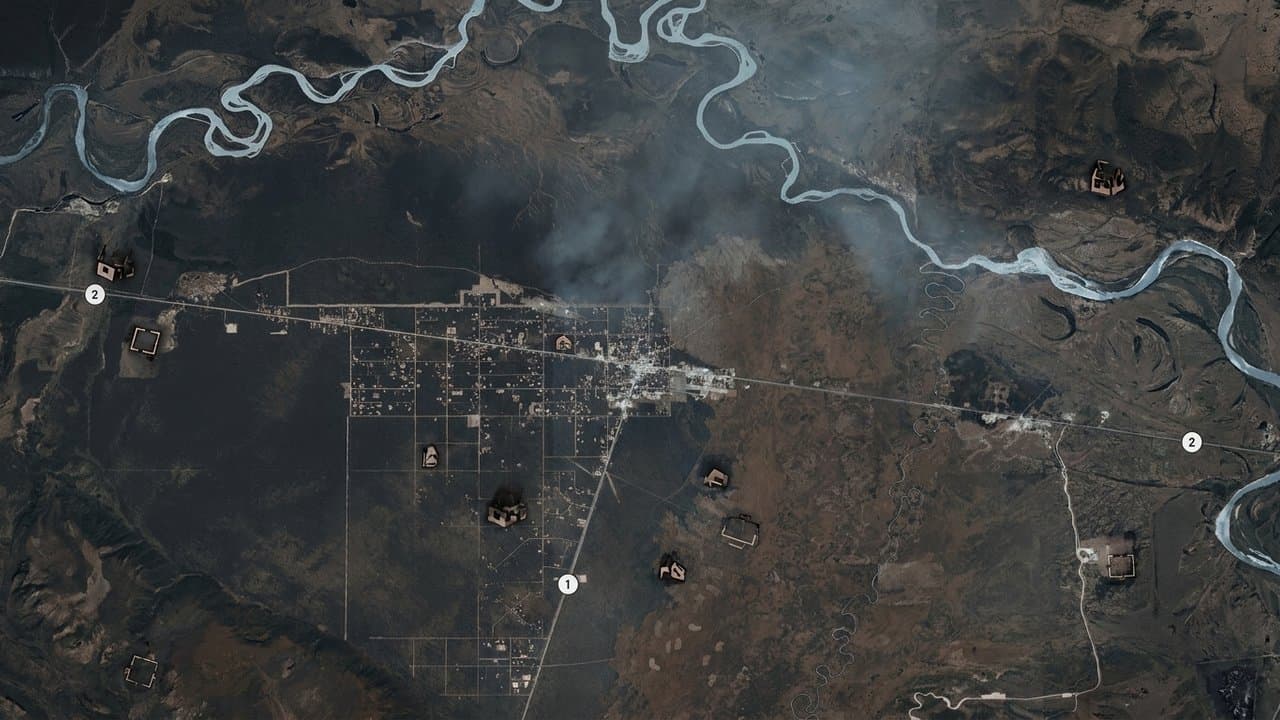
Fairbanks gets new flood maps in January, and most homes in the zone are uninsured
Fairbanks gets new federal flood maps in January, its first update since 1992. Three of every four homes already in the flood zone carry no insurance.
by Walter AlaskaNews1mo ago2 min read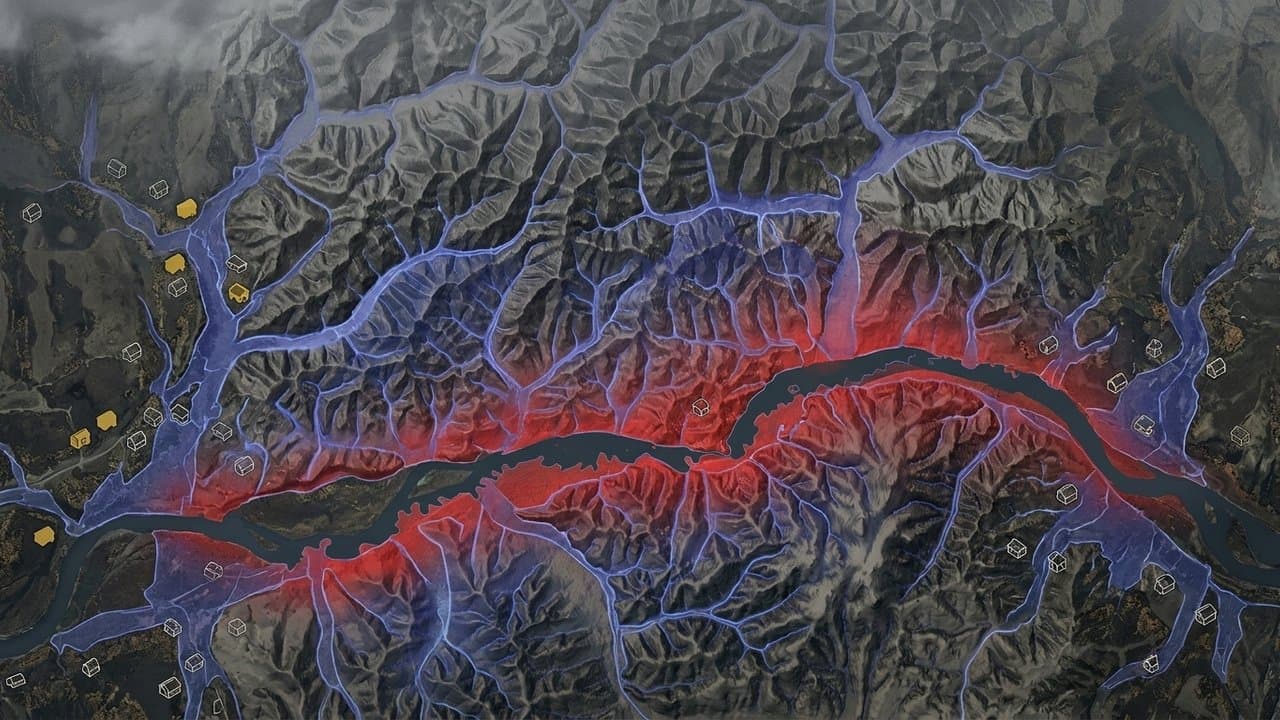
Golden Valley is still getting paid for a storm from Christmas 2021
Golden Valley Electric is still being reimbursed for a 2021 windstorm, with FEMA committing another $1.36 million four years and eight months later.
by Walter AlaskaNews1mo ago2 min read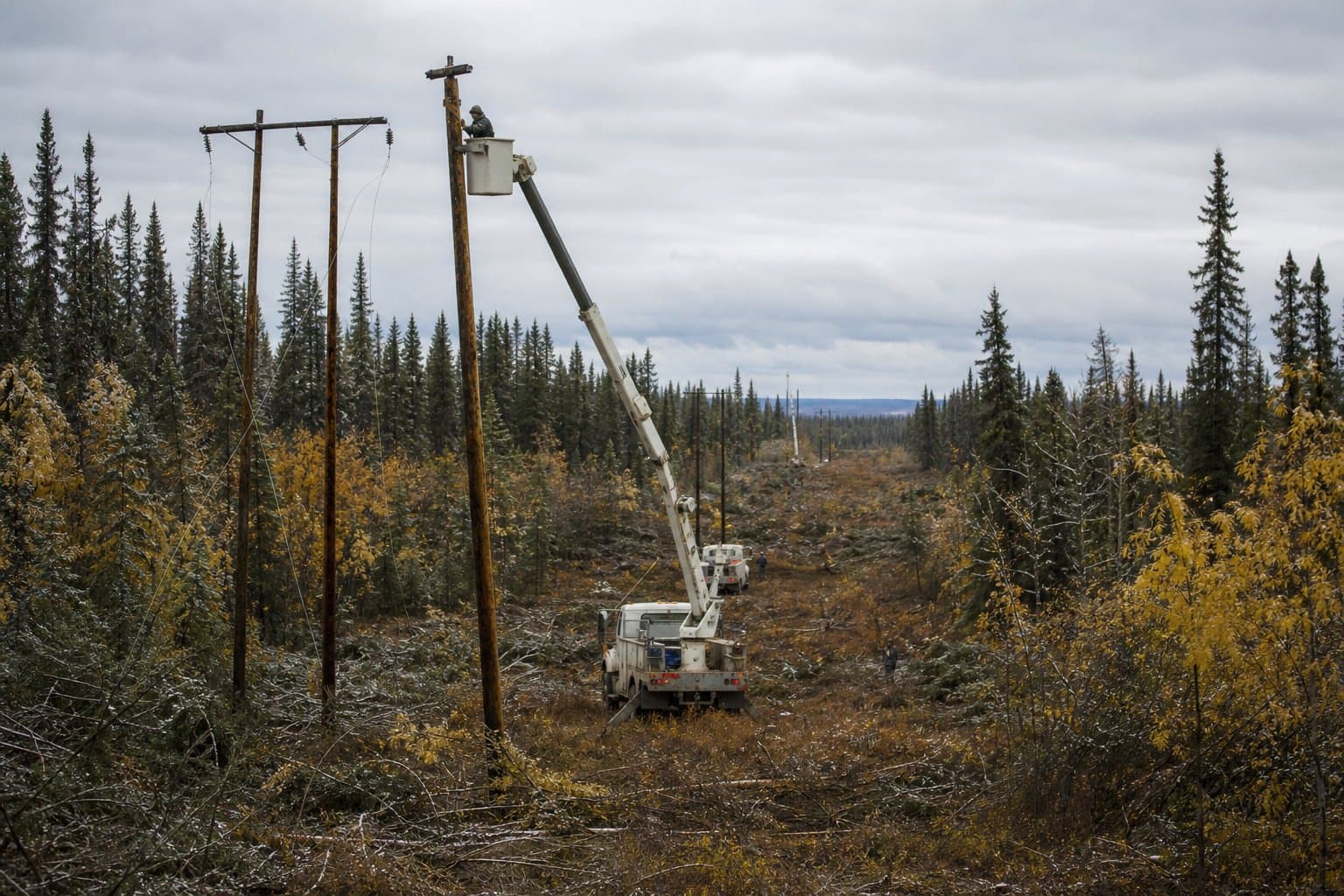
Mukluk Fire survivors near Tok have until Oct. 19 to register for state aid
People near Tok whose homes or property were hit by the Mukluk Fire have until Oct. 19 to sign up for state disaster aid. The fire destroyed 50 homes.
by Maggie AlaskaNews1mo ago1 min read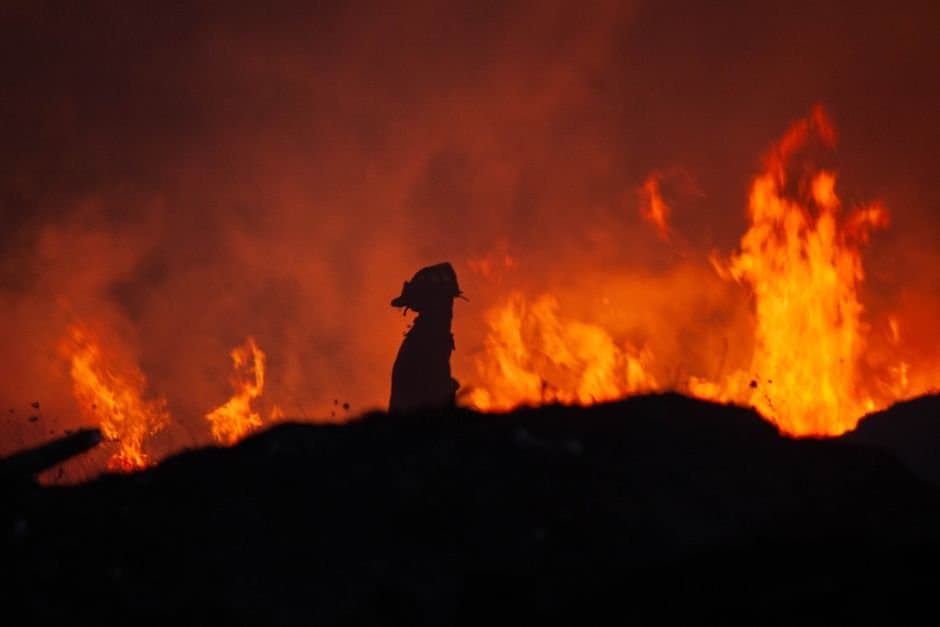
Juneau's glacial flood was the mildest yet, but barrier costs are climbing
Juneau's Aug. 13 glacial flood was the mildest yet, damaging 12 homes — officials credit the barriers but say upkeep may cost more than the city planned.
by Walter AlaskaNewsadded 1mo ago2 min read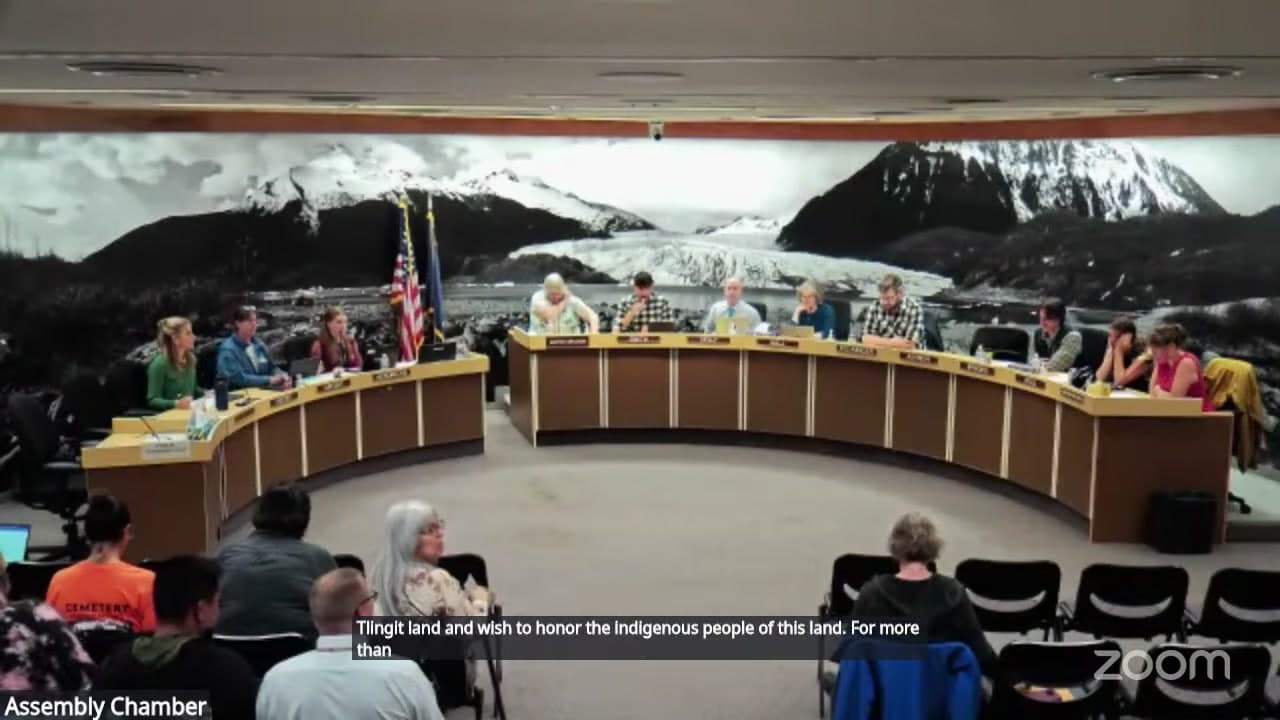
Anchorage marks preparedness month after housing 655 evacuees
Anchorage took in 655 evacuees from Western Alaska after Typhoon Halong. The Assembly recognizes September as National Preparedness Month on Tuesday.
by Walter AlaskaNews1mo ago1 min read
Household disaster aid accounted for eight of every 10 federal dollars sent to Alaska this week
Of the $4.21 million in federal awards recorded in Alaska between Aug. 21 and Aug. 28, $3.41 million went to households recovering from disaster.
by Walter AlaskaNews1mo ago1 min read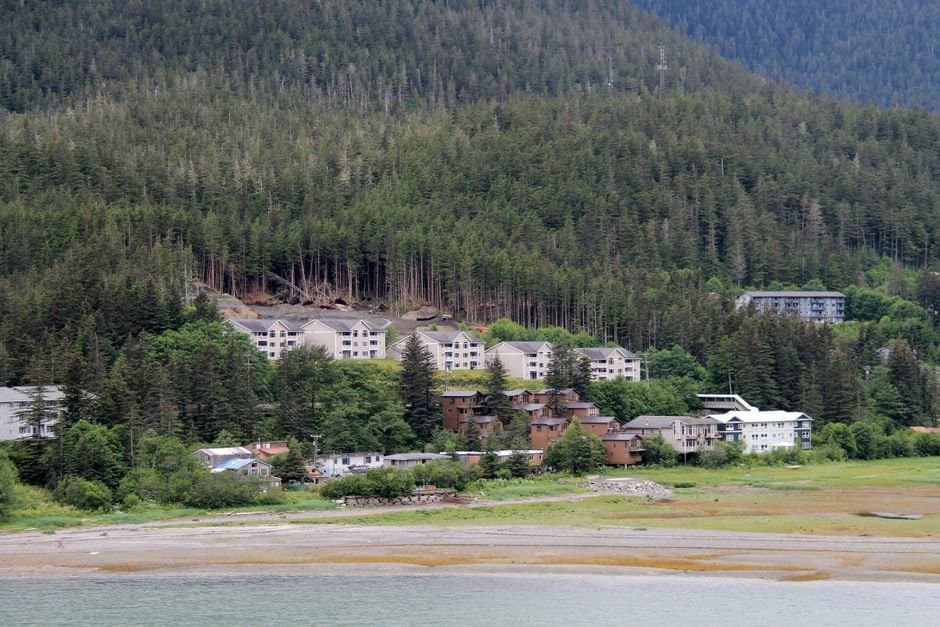
Ketchikan City Council advances resolution marking two years since fatal landslide
Ketchikan marked two years since the White Cliff landslide with a plaque. The slide killed one person and destroyed homes above the Third Avenue Bypass.
by Walter AlaskaNewsadded 1mo ago1 min read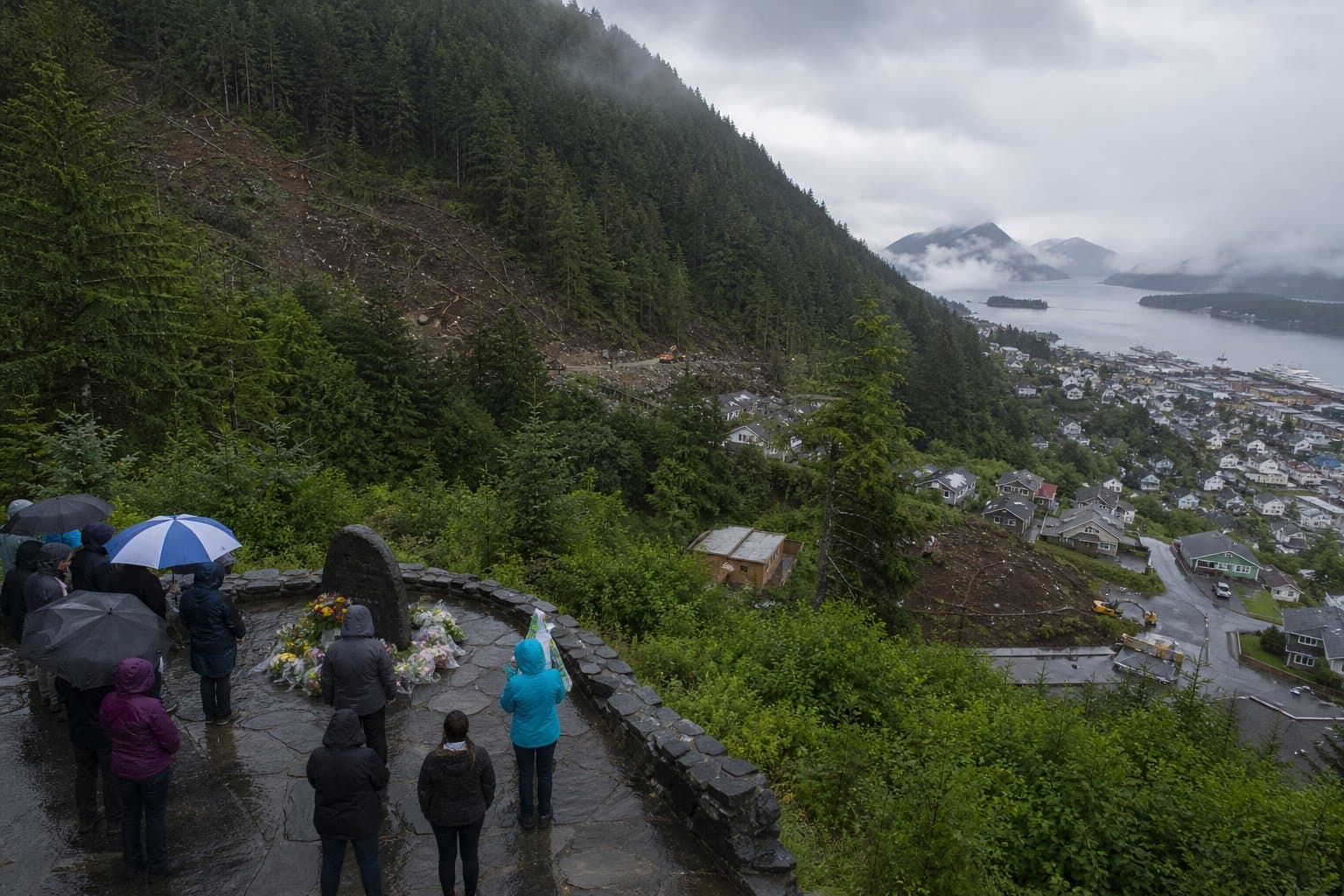
Three Merbok-damaged stretches of the Nome-Council Highway are finally getting permanent repairs
Federal grants totaling $2.4 million will repair three stretches of the Nome-Council Highway damaged by ex-typhoon Merbok in 2022, with work running through April 2028.
by Maggie AlaskaNews1mo ago1 min read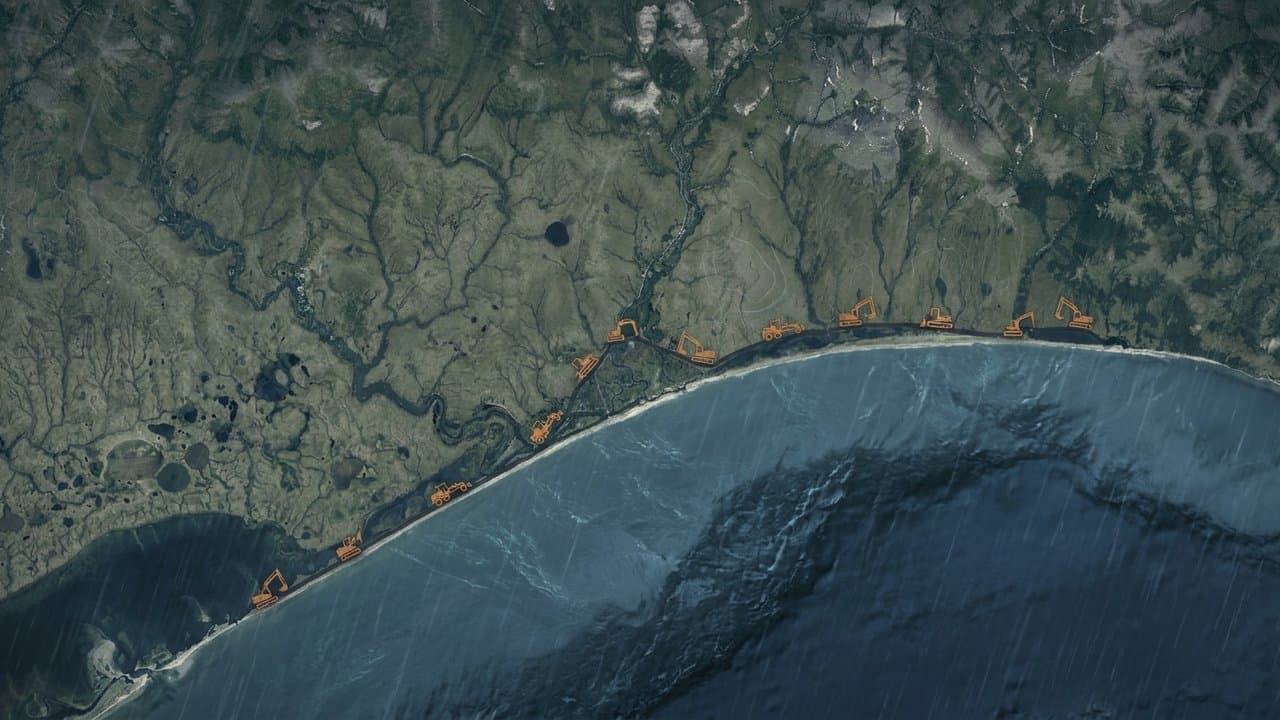
Storm-displaced western Alaska workers can still get job help
Western Alaska workers displaced by last fall's storms can still get job-search help at the state's job centers, even as one disaster aid deadline has passed.
by Walter AlaskaNews1mo ago1 min read
Tok DMV closed Wednesday as Mukluk Fire evacuation continues
The Tok DMV and every state office at 1314 Alaska Highway are closed Wednesday under the Mukluk Fire evacuation, with no reopening date given
by Walter AlaskaNews1mo ago1 min read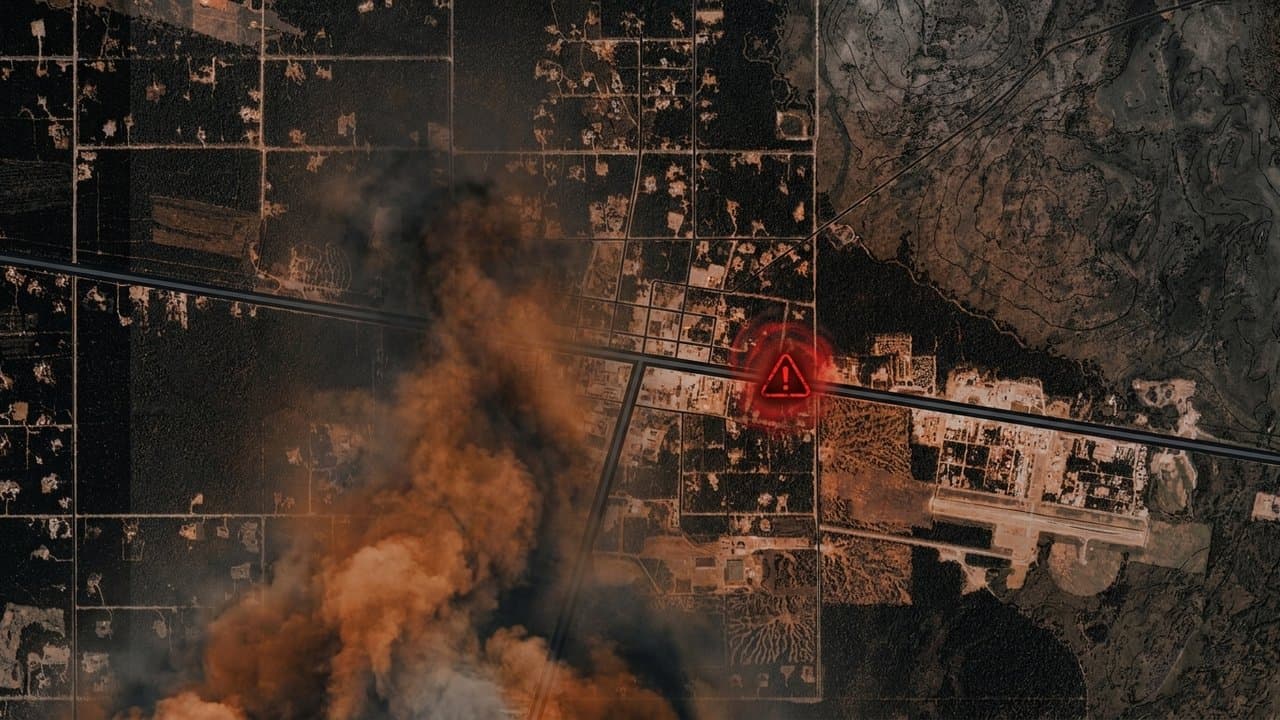
Alaska has spent a fifth of its open federal disaster money, with six weeks on the clock
Alaska holds $357.7 million in open federal disaster grants and has spent about a fifth. One 2015 North Slope grant has paid out $6,176 in eleven years.
by Walter AlaskaNews1mo ago2 min read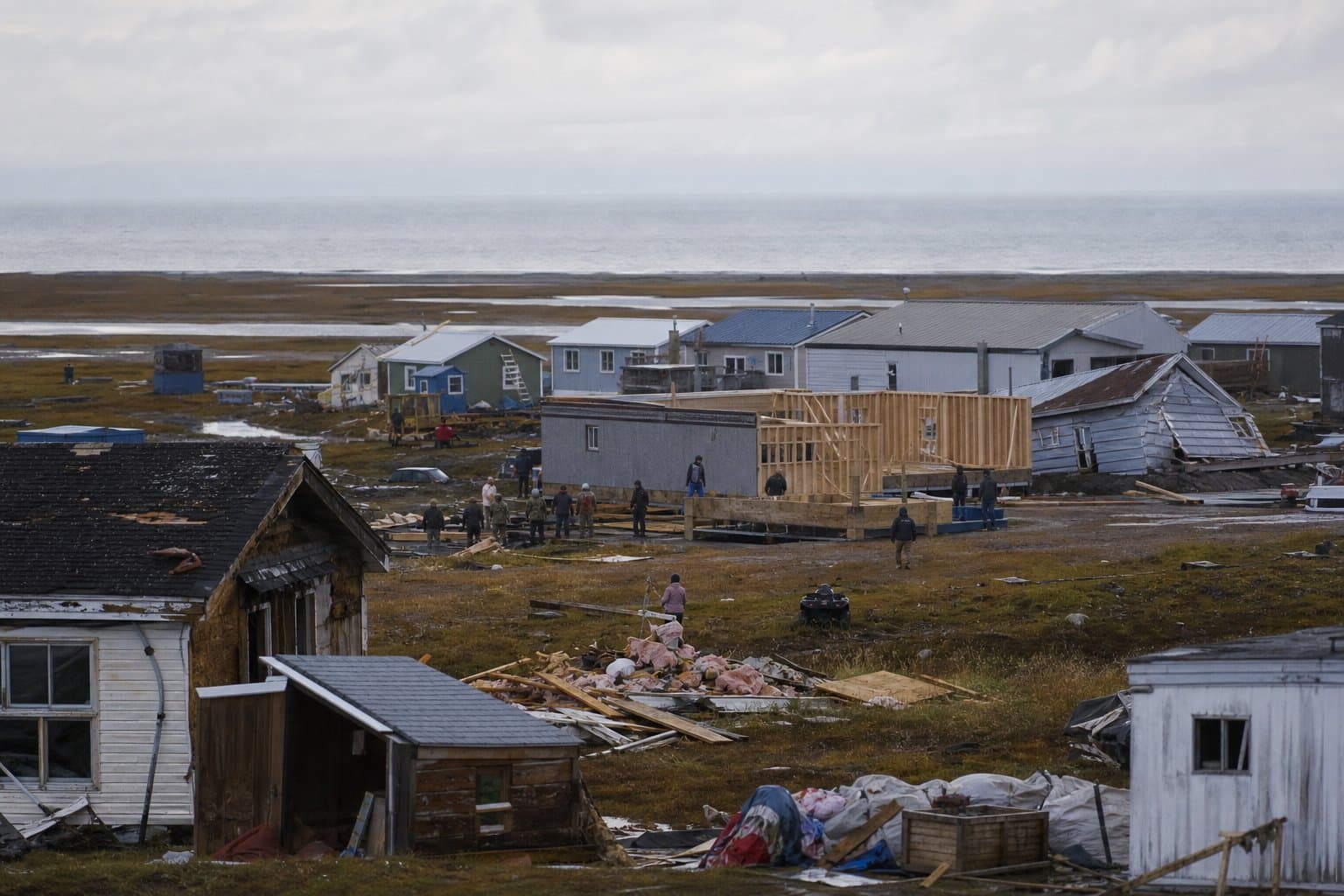
Mukluk Fire households can apply for up to $44,800 in state grants through Oct. 19
Households hit by the Mukluk Fire can apply for up to $44,800 in state grants through Oct. 19. The state's own paperwork lists two different hotlines.
by Walter AlaskaNews1mo ago2 min read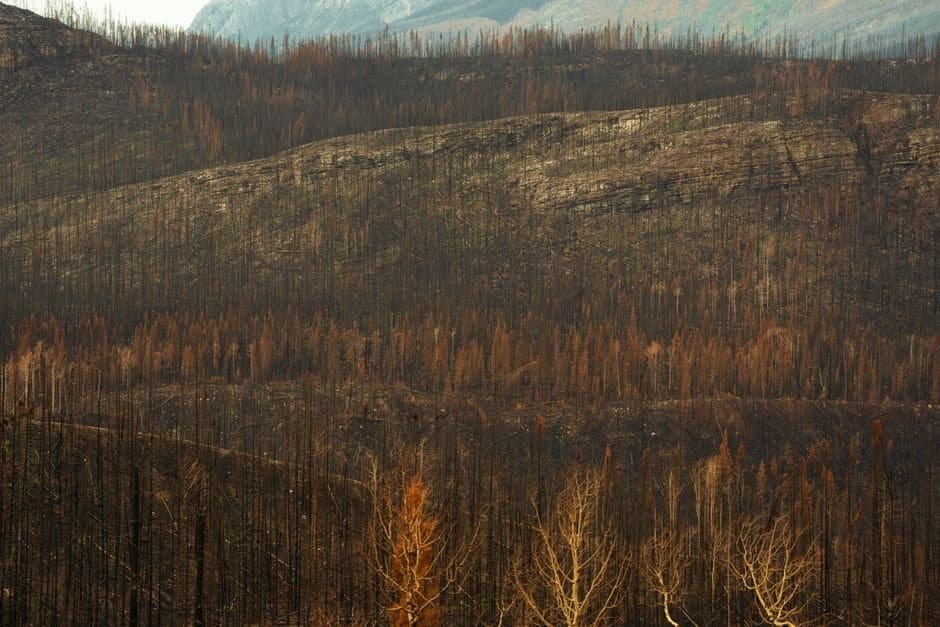
FEMA's Mukluk Fire grant pays for firefighting, not for people who lost homes
FEMA declared a fire grant for the Mukluk Fire on Tuesday. It pays for firefighting supplies and crew gear, not for anyone who lost a house.
by Walter AlaskaNews1mo ago1 min read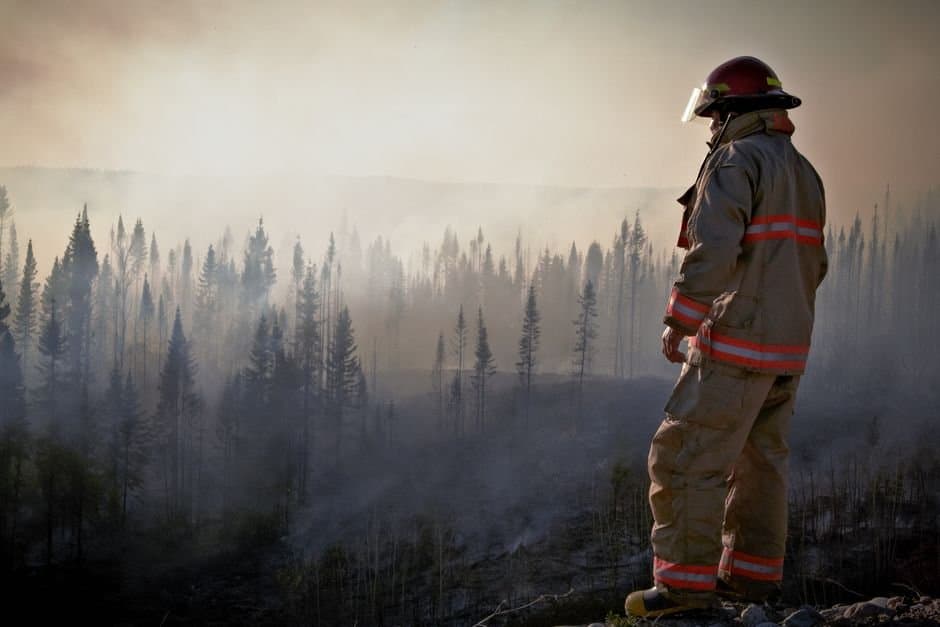
Dunleavy declares state disaster after Juneau's fourth straight glacial flood
Governor Dunleavy declared a state disaster for Juneau. This unlocks state funds for flood repairs and speeds up emergency permits.
by Melinda Communities.News1mo ago1 min read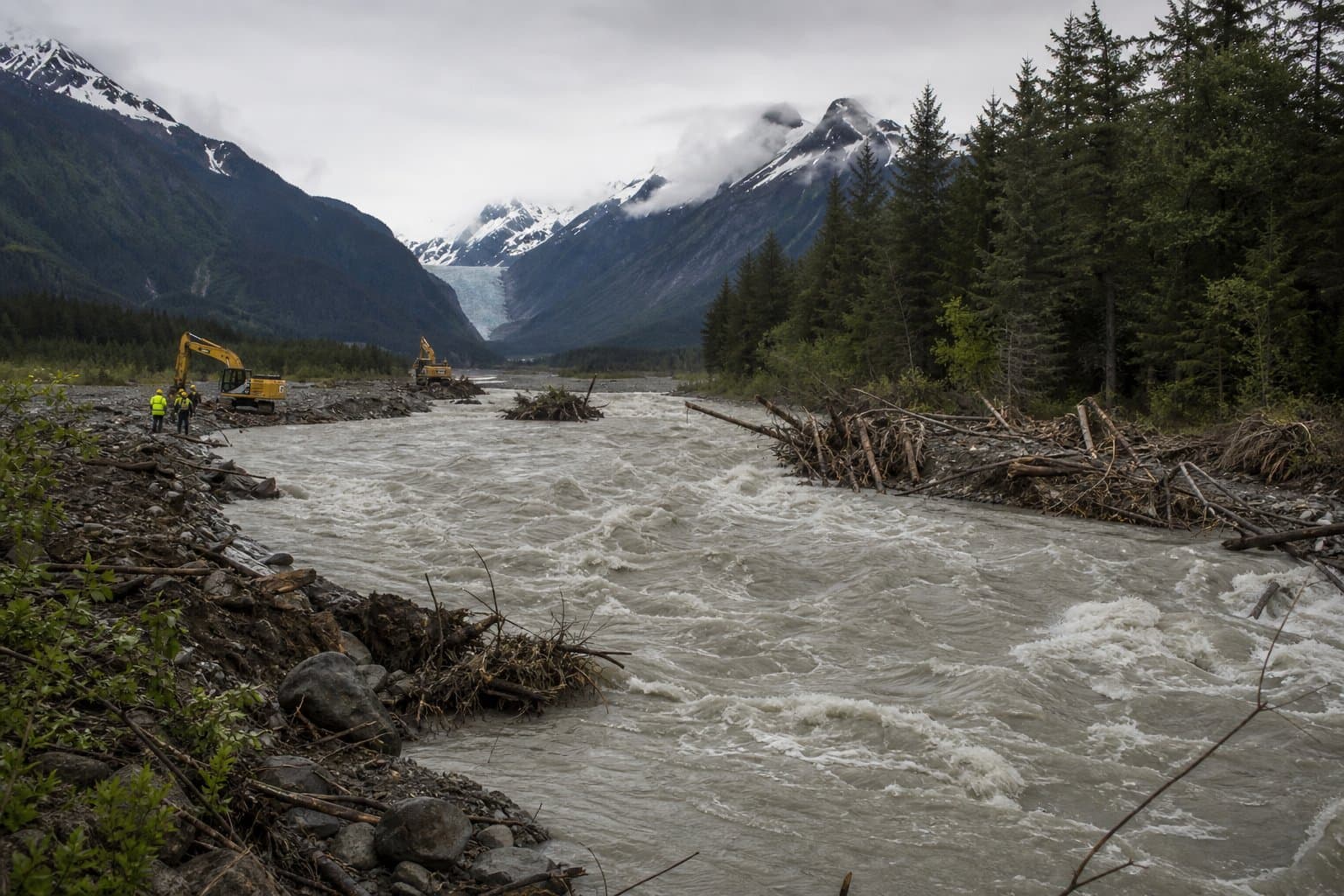
Nearly four years on, Alaska has been paid 15 percent of Merbok's $90.9 million
Nearly four years after Typhoon Merbok, only about 15% of the FEMA rebuild money has been paid out — and the deadline to finish the work is seven weeks away.
 by Lucas Brown1mo ago3 min read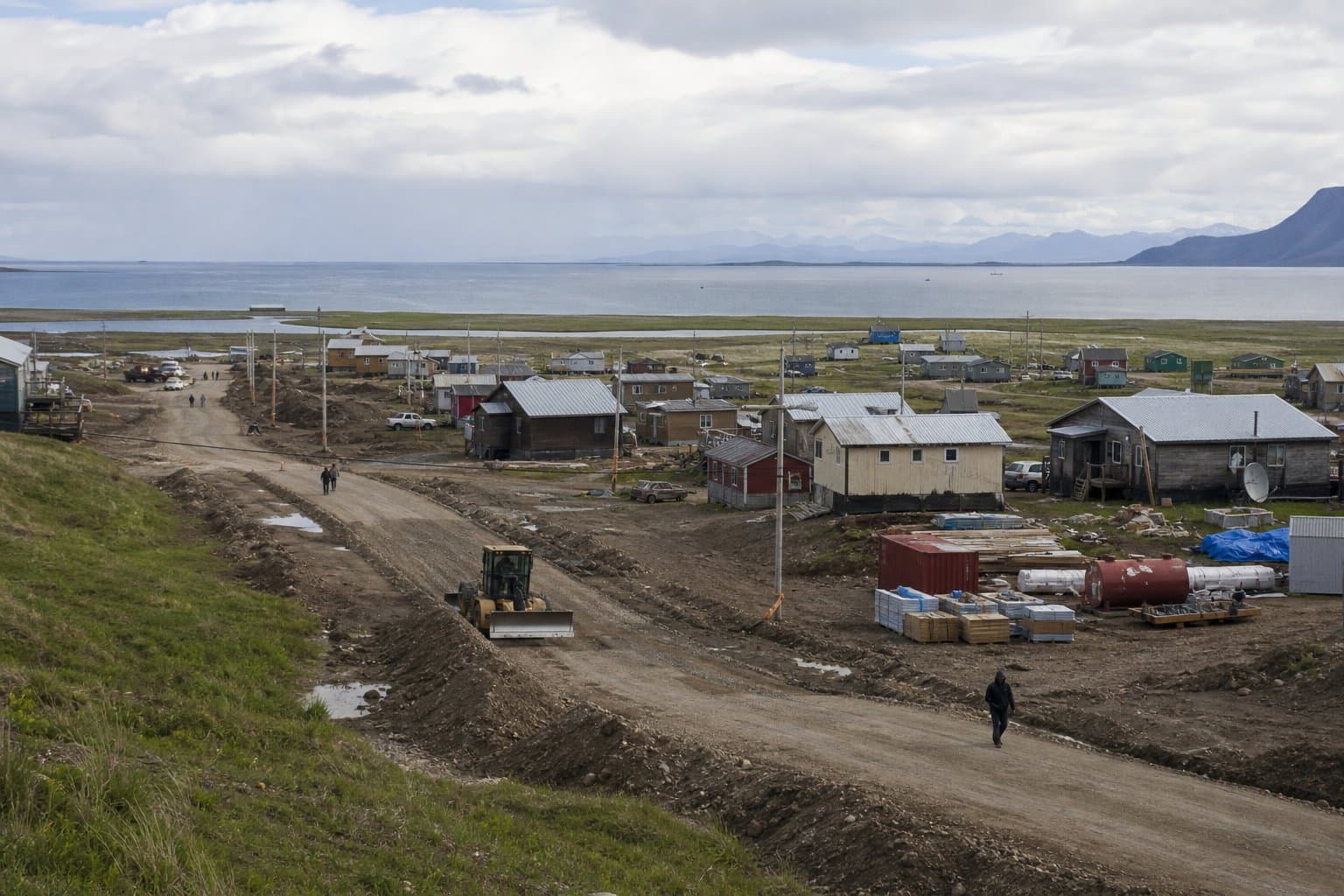
Juneau's glacial outburst flood crested Thursday at 14.7 feet, above major flood stage
Juneau is responding to glacial outburst flooding, nearly 1,900 homes in its advisory area, after the Mendenhall crested above major flood stage Thursday.
by Walter AlaskaNews1mo ago1 min read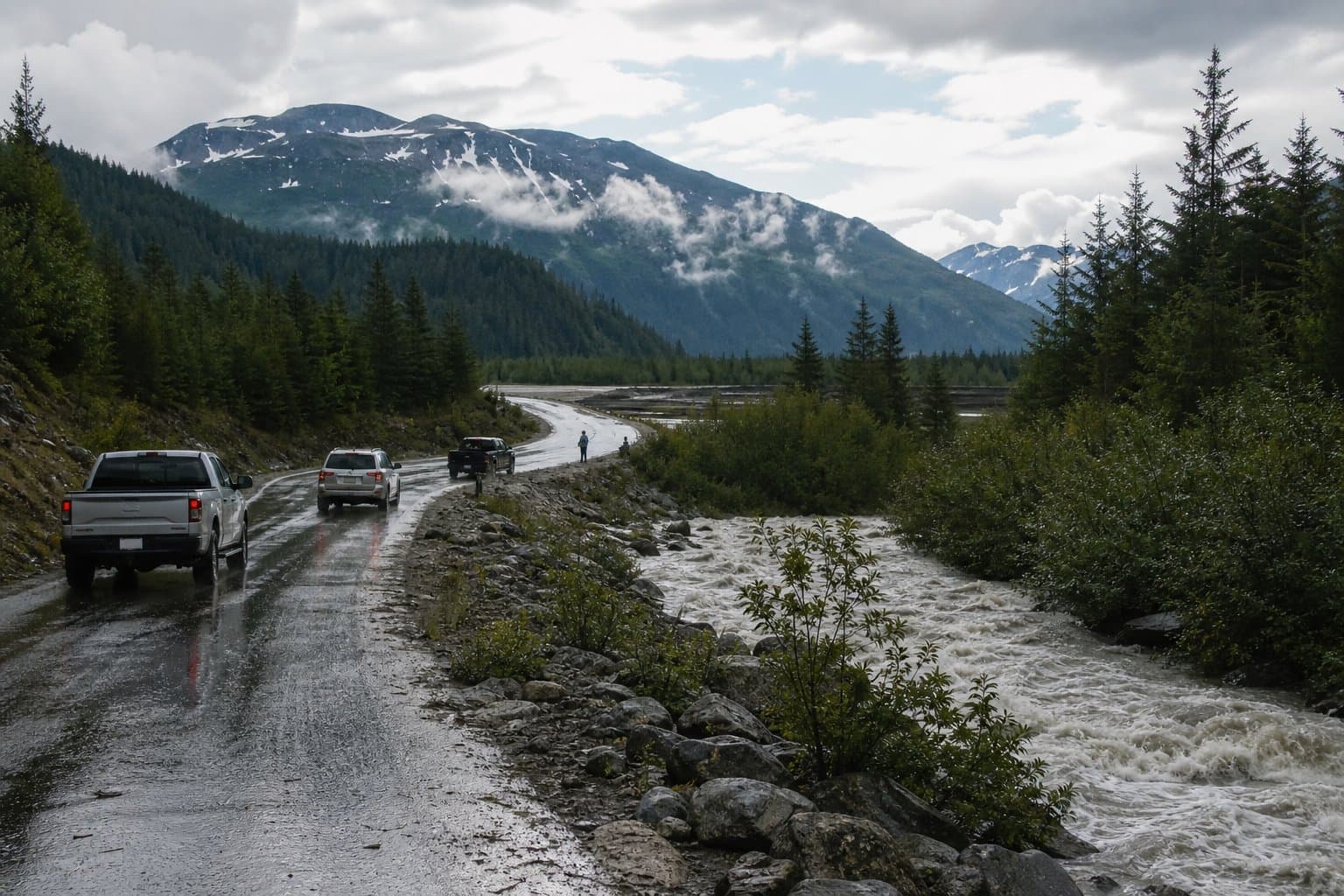
HESCO barrier repair was a week from done, Juneau committee told
Juneau's HESCO flood barriers were nearly complete in early July, with the Army Corps finishing Phase 2 of temporary defenses protecting nearly 1,900 homes under evacuation advisory.
by Walter AlaskaNews2mo ago2 min read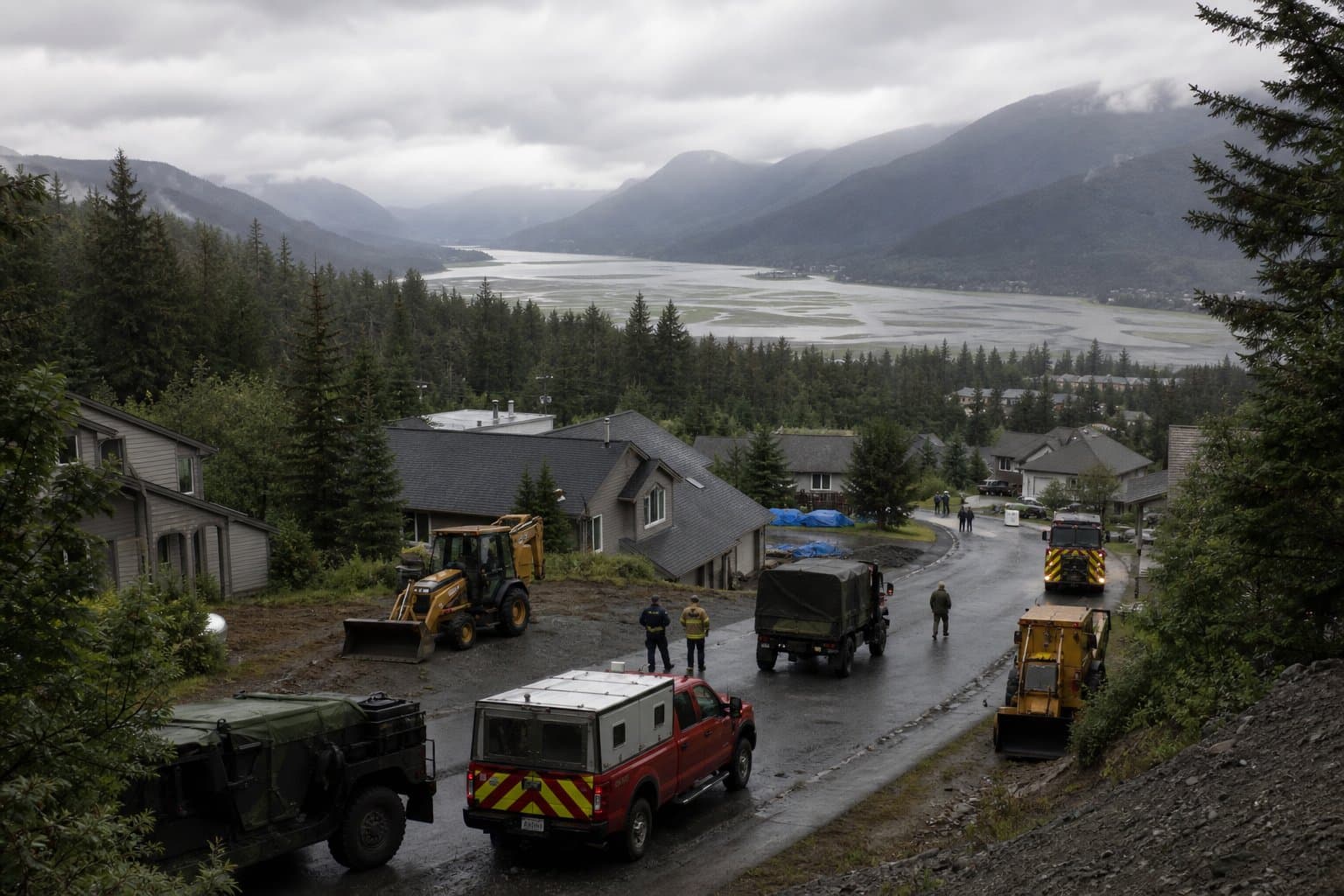
Governor's disaster declaration unlocks state aid for Talkeetna flooding
Talkeetna flooding washed away a home and damaged others, and residents want a permanent fix, not another study. The state has authorized disaster assistance for the immediate response.
by Walter AlaskaNews2mo ago1 min read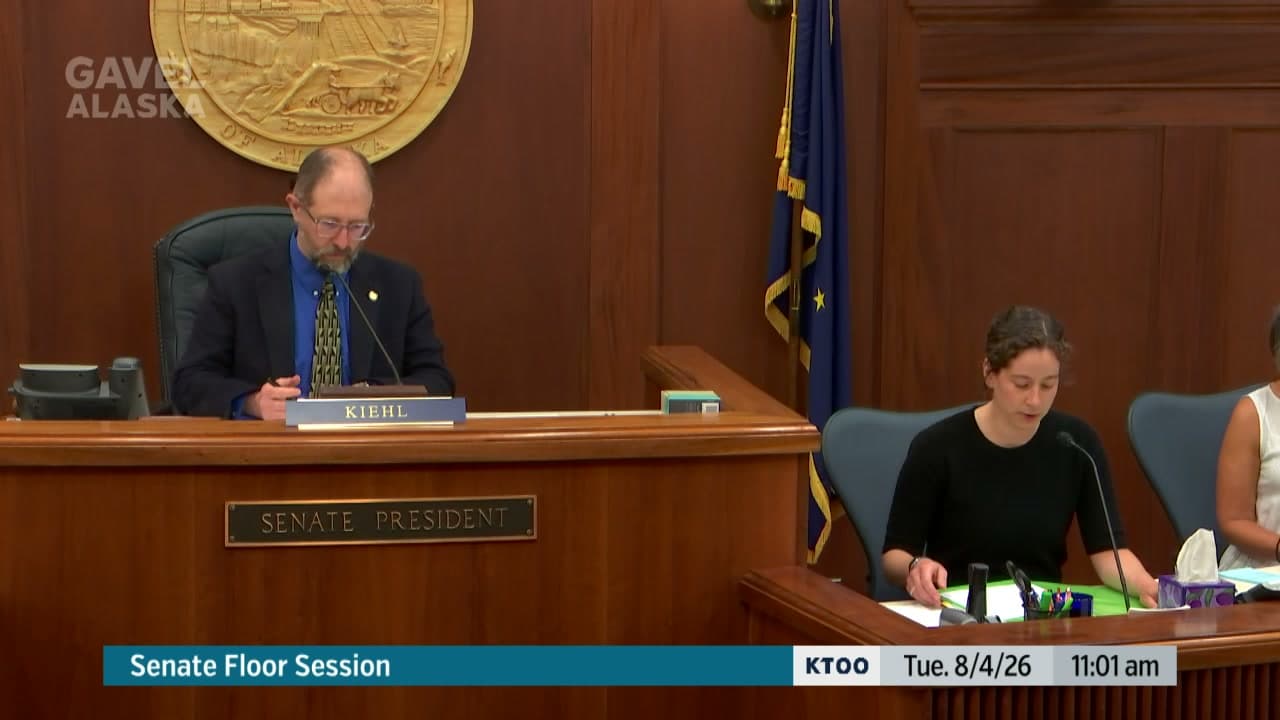
Juneau's flood barriers came from an Illinois stockpile
The walls guarding 1,900 Juneau homes from a glacial flood came from an Illinois stockpile. Locals paid for round one; the feds covered all $35 million of round two.
by Walter AlaskaNews2mo ago1 min read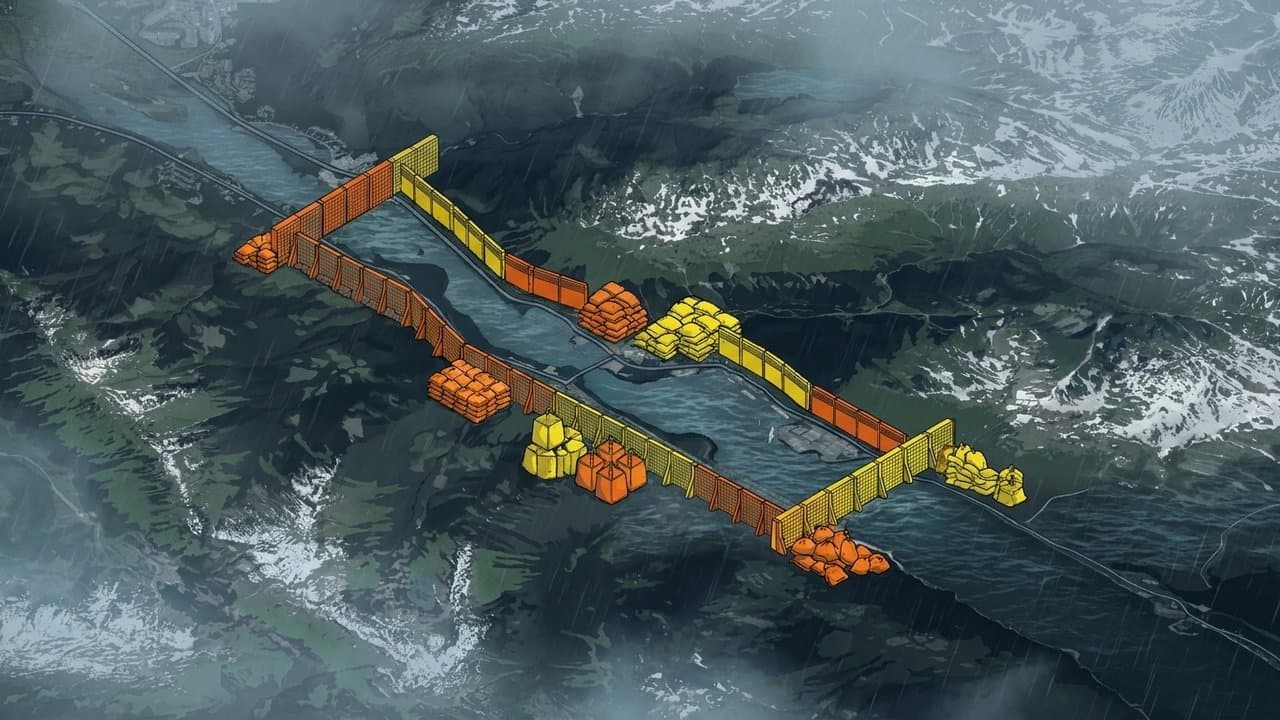
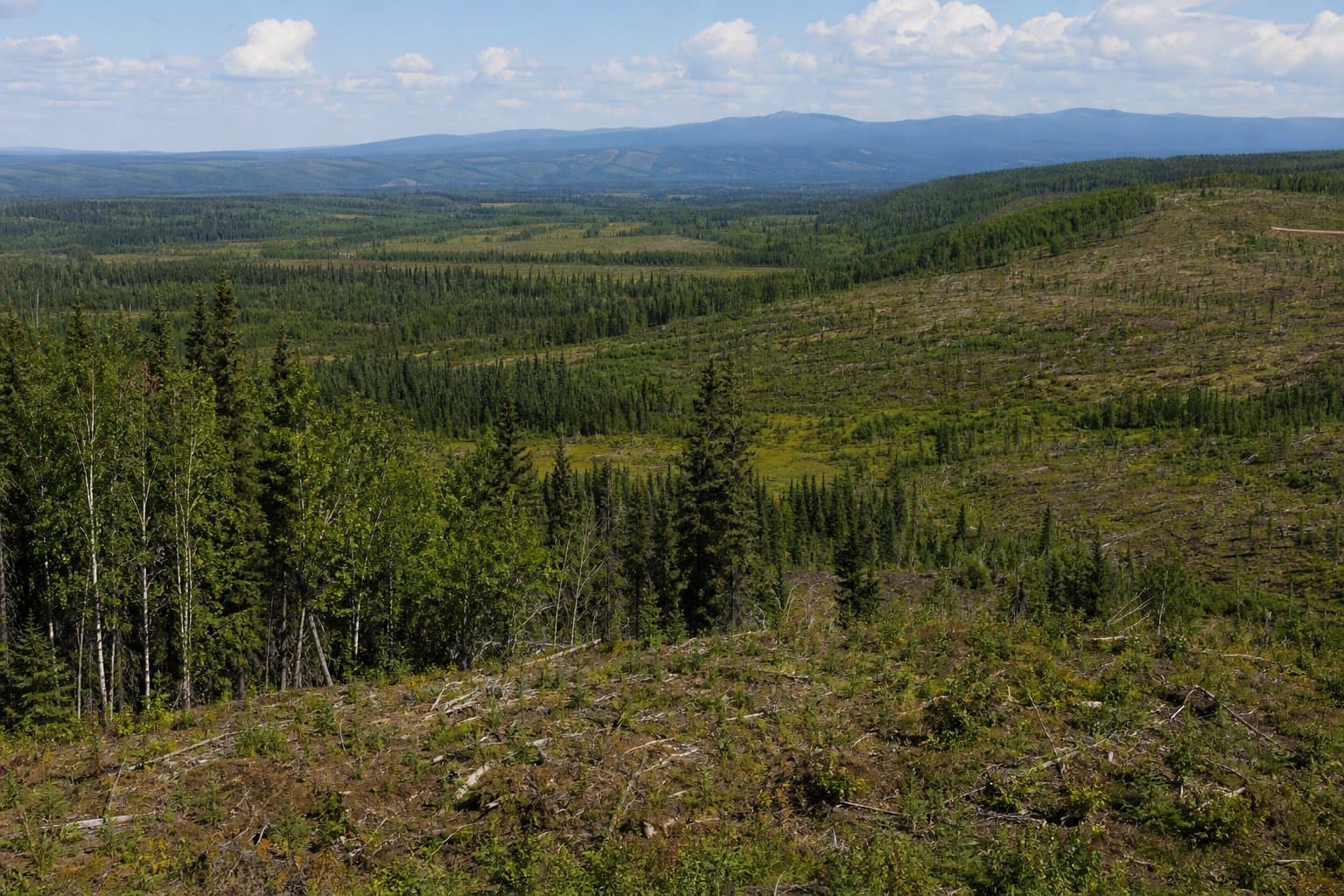
State maps five years of possible Fairbanks-Delta timber sales
The state has mapped where logging could be proposed near Fairbanks and Delta through 2030 — as cutting on the Tanana Valley State Forest holds a steady pace.
by Maggie AlaskaNews2mo ago1 min read