Local organizations and topics
Numbers are stories in the last 30 days.
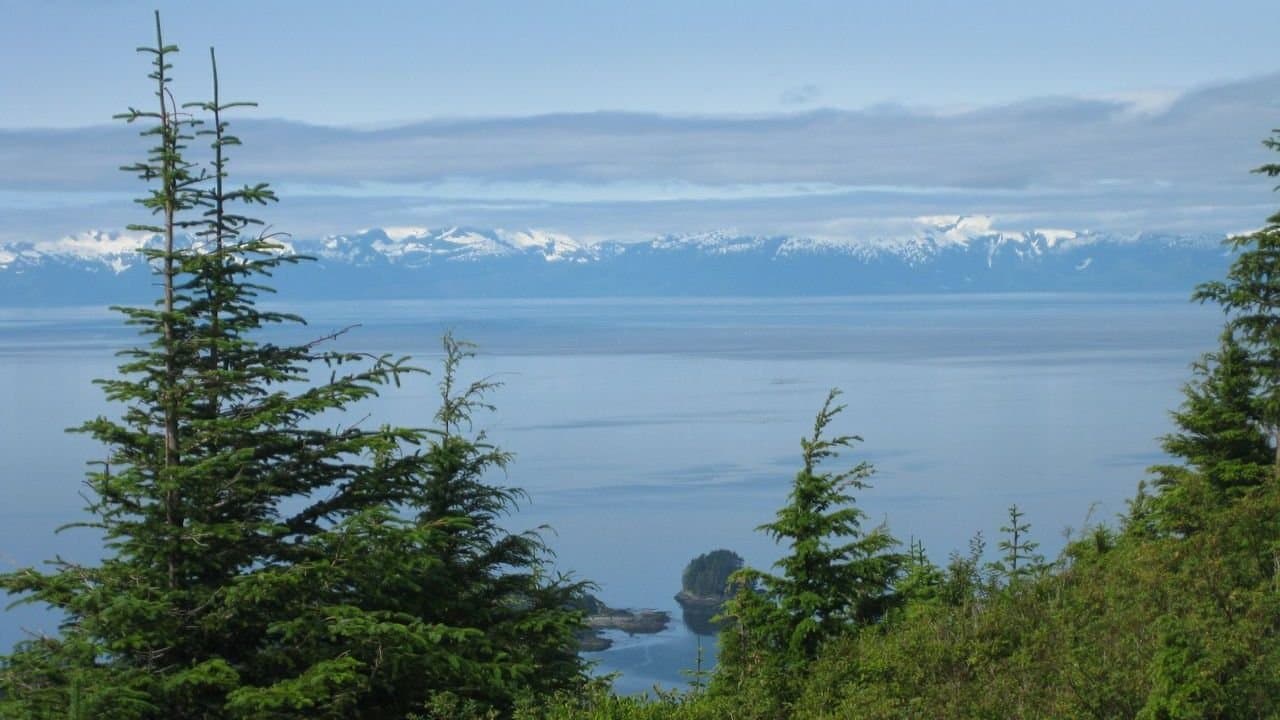
Photo: ENERGY.GOV via Wikimedia Commons · Photo source · Public domain
Forest Service adds Kake hearing on how roadless repeal could affect subsistence
The U.S. Forest Service will hold one more hearing on repealing the 2001 Roadless Rule, this time in Kake, the agency said Monday.
The Nov. 4 hearing, from 5 to 7 pm at the Organized Village of Kake Tribal Council Chambers, is for testimony on how ending the rule's limits on road building and logging could affect subsistence, according to the agency's updated release.
The agency is taking spoken testimony only. Written comments closed Oct. 6. Testimony becomes part of the record the Forest Service will consider for the final rule.
Kake is the sixth subsistence hearing and the only one left on the calendar. The others were in Ketchikan, Anchorage and online, plus one scheduled Monday in Craig, where the City Council asked Washington in September to keep the rule.
The 2001 rule generally bars new roads and logging in the roadless parts of national forests. In Alaska, that covers roughly 9.3 million acres of the Tongass, plus roadless land in the Chugach. Without it, each forest's own management plan would decide where roads and logging could go. The agency says repeal wouldn't by itself require a road or a cut anywhere.
What did you make of this story? (no account needed)
Have a story from Kake? Send a tip
Latest
September 2026
Unalaska student wins national naval history award for Angoon bombardment project
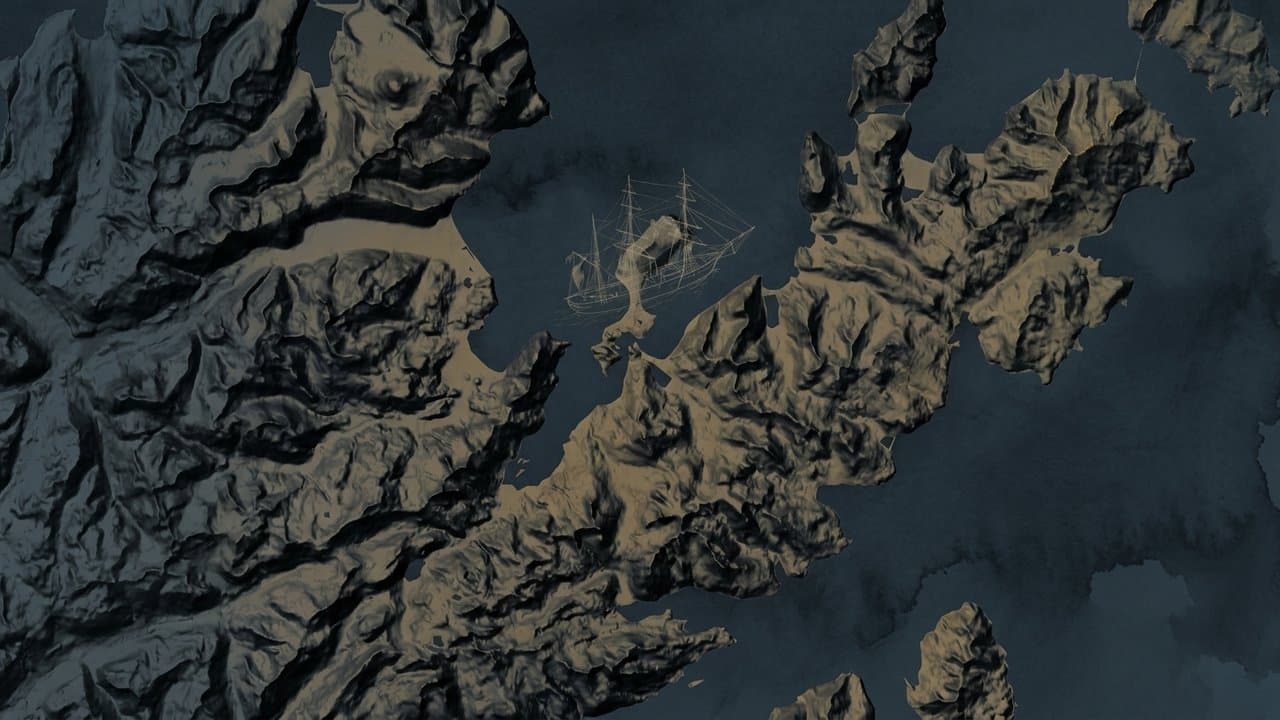
Unalaska student River Zaochney won a national Naval History Award for a project on the 1882 Navy bombardment of Angoon, a Tlingit village the Navy formally apologized for in 2024.
 by Maggie AlaskaNews1mo ago1 min read
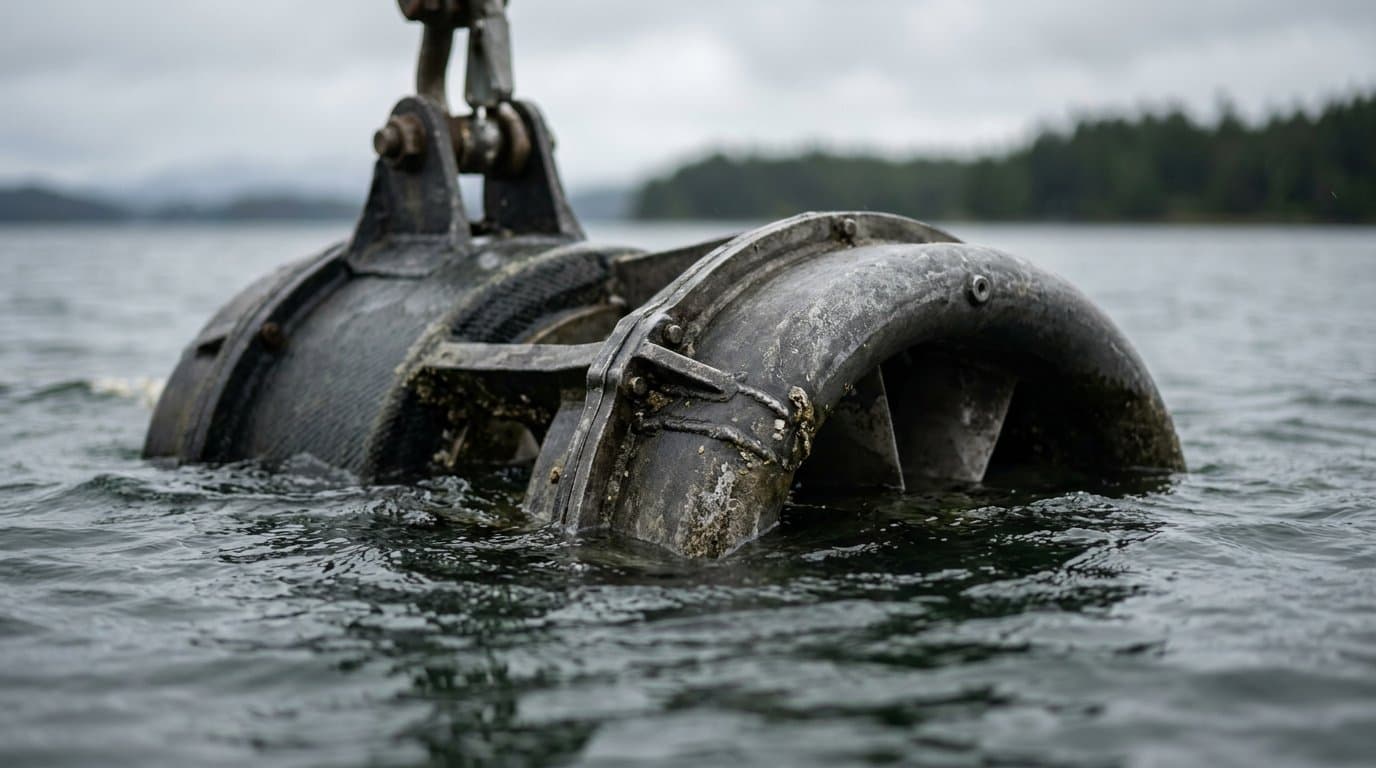
Sitkana's new patent covers how its tidal generator looks, not how it works
Juneau's Sitkana won a 15-year design patent for its floating tidal generator, protecting the device's exterior shape.
 by Melinda Communities.News2mo ago2 min read
August 2026
In Kake, showing up means a vote on fish and game
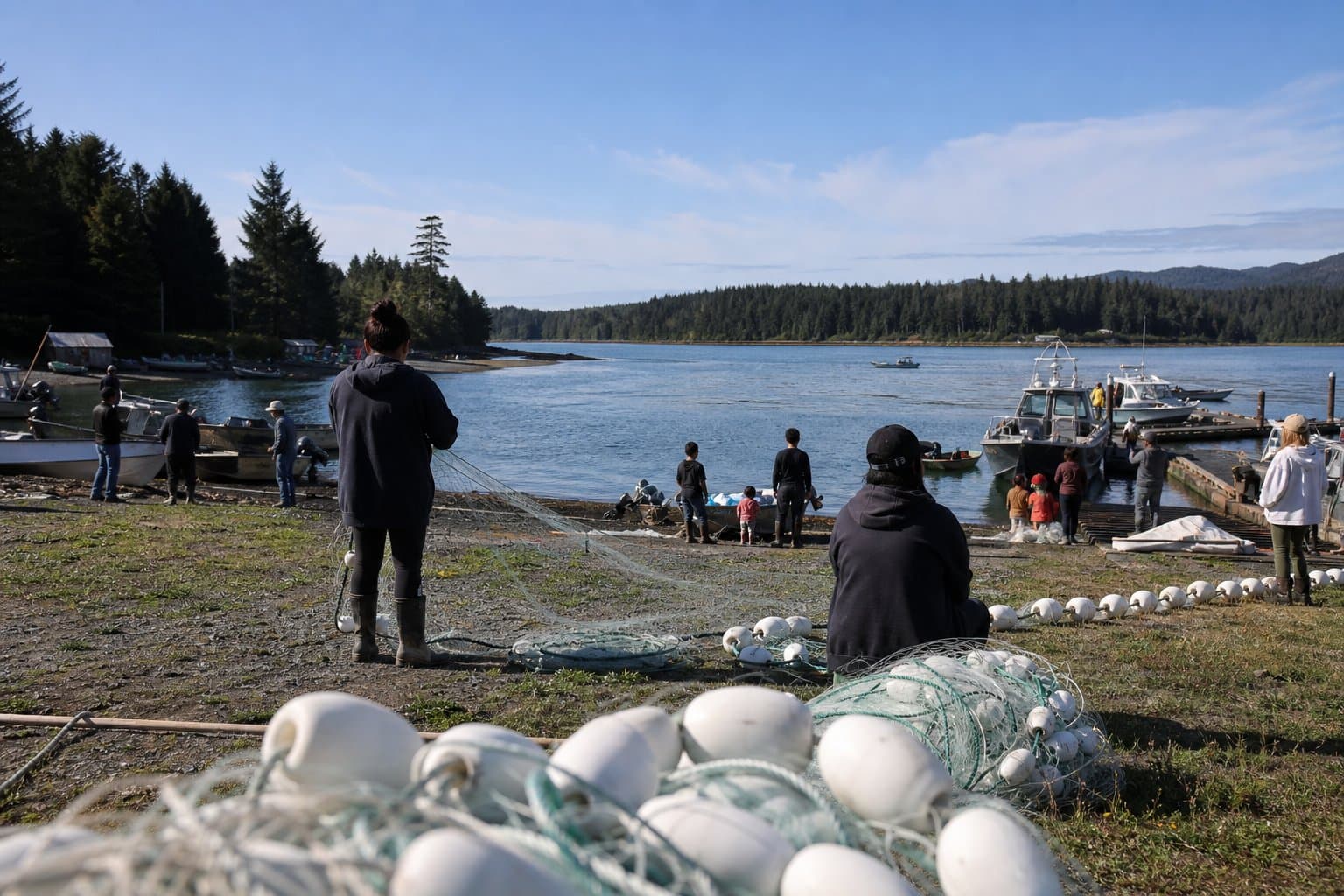
Any voting-age Kake resident who shows up can nominate and vote at the fish and game advisory committee's Aug. 26 meeting in the subsistence-salmon village.
 by Walter AlaskaNews3mo ago1 min read
July 2026
House panel advances bill to let Alaska Native artists sell work with feathers
A Tlingit artist was made to strip the feathers off his own work and hand them to federal agents. A House committee just advanced the bill named for him.
by Maggie AlaskaNews3mo ago2 min read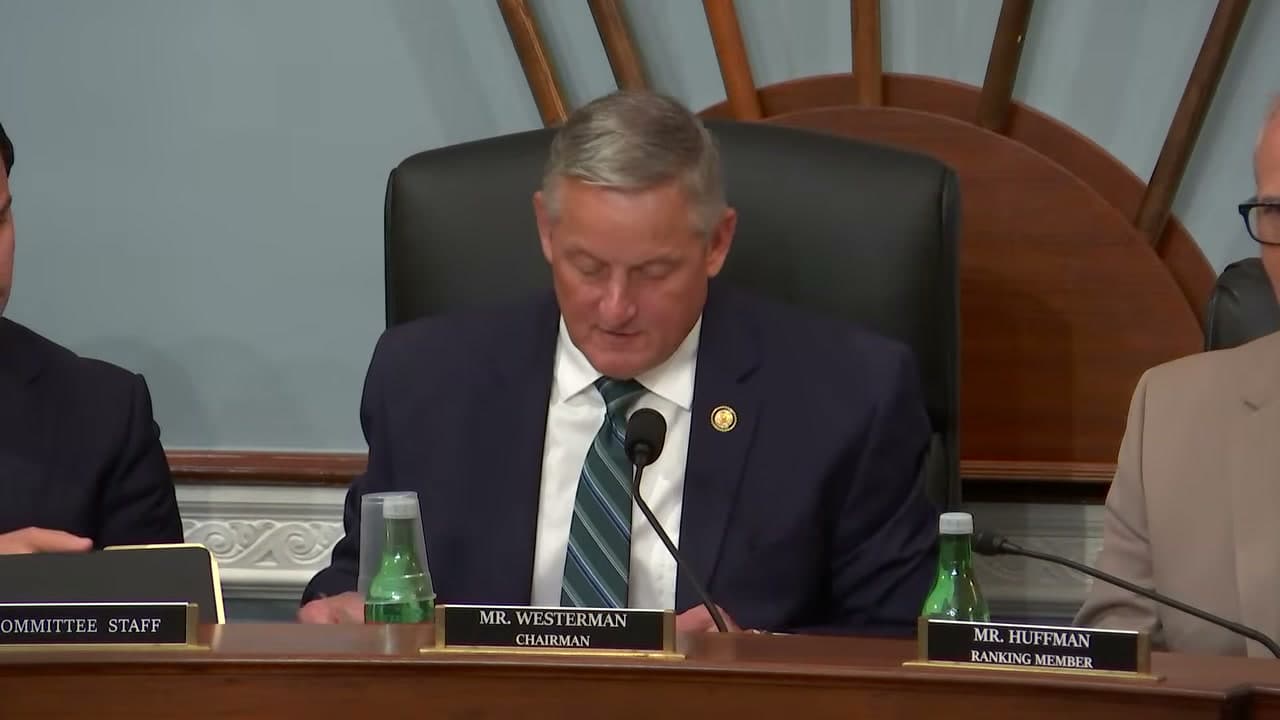
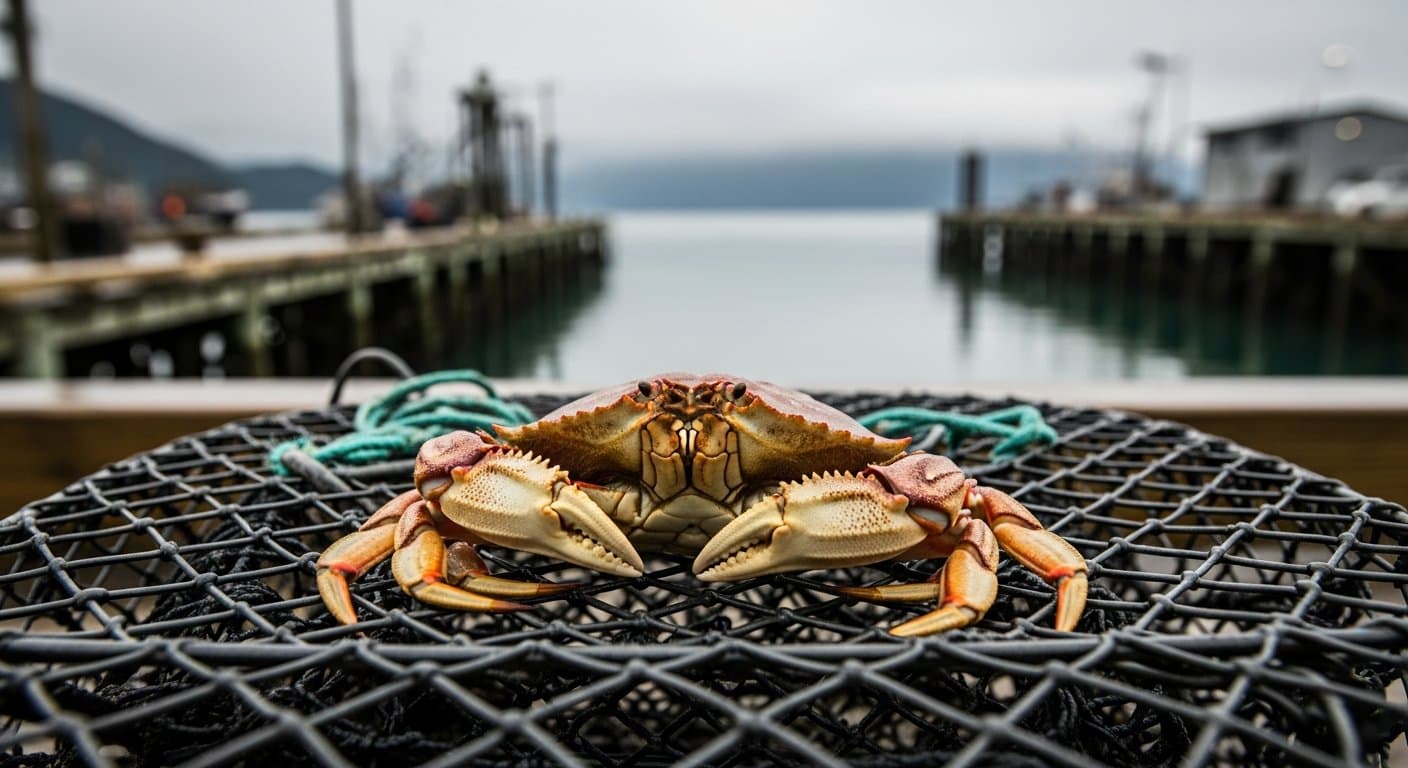
Southeast's Dungeness season closes early on a 25-year-low harvest
Southeast's summer Dungeness season closes three weeks early Saturday on the worst harvest estimate in 25 years. Sea otters are part of the long story.
 by Bill AlaskaNews3mo ago1 min read
June 2026
$2.2 million in federal trail money will fund 15 Alaska projects
Alaska handed trail money to its highway department, rebranded it ATLAS, and split $2.2M across 15 projects, from a new snow groomer to an Iditarod bridge.
by Walter AlaskaNews4mo ago2 min read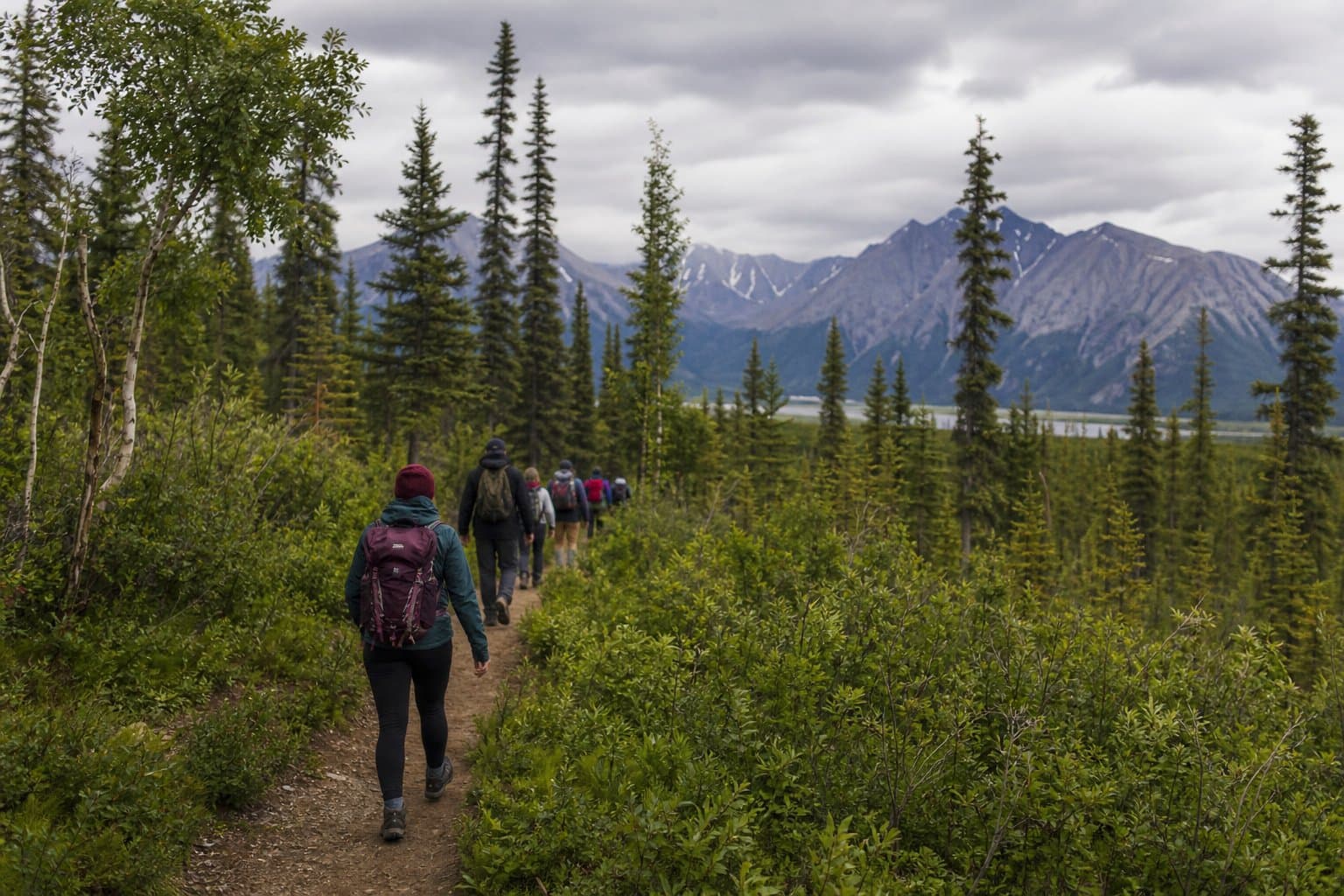
Alaska DOT&PF Awards $2.2M to 15 Trail Projects Statewide
Trail fail? No. Trail $2m bail out.
by Walter AlaskaNews4mo ago2 min read
About Kake
Kake, known in Tlingit as Keex' Kwáan, is a Tlingit village on Kupreanof Island in Southeast Alaska. It is a subsistence salmon community and is known for one of the world's tallest one-piece totem poles.
Fish and game matters are decided locally through a fish and game advisory committee, which any voting-age resident can join by attending its meetings. Because so much of village life depends on subsistence, federal land decisions in the Tongass National Forest, such as changes to limits on roads and logging, are weighed here for their effect on hunting and fishing.
Kake is tied to the Organized Village of Kake tribal government and to the wider network of Southeast communities that share its reliance on the Tongass and on regional ferry and transportation services.