



 Stories
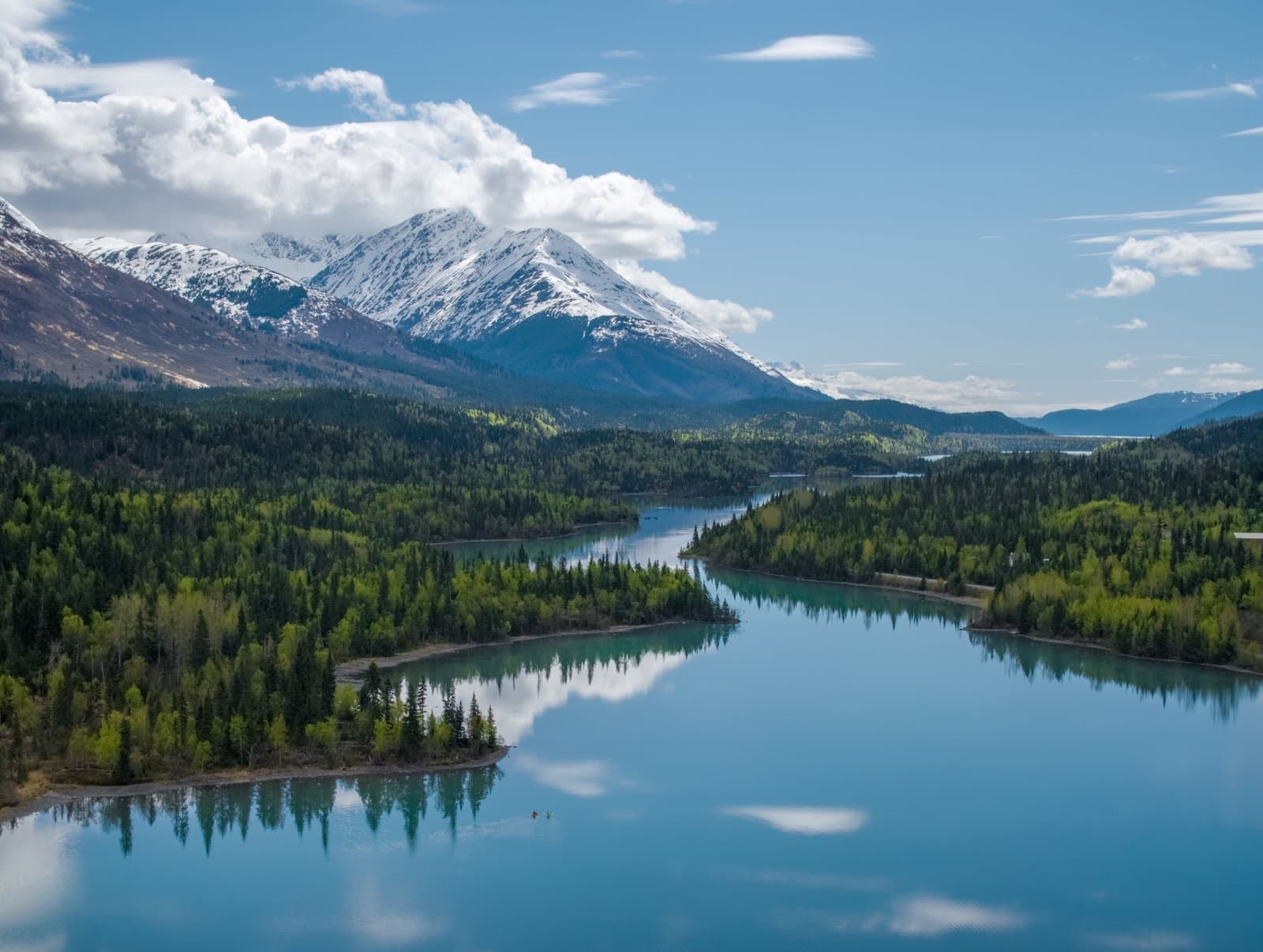
Photo by Cale Green
Alaska's $2.9B Reserve
Alaska's budget reserve fund of $2.9 billion ranks as the second highest among all U.S. states according to analysis presented to the Senate Finance Committee.
Tap or swipe for 26 more stories
Alaska’s meetings and filings, covered daily.
Alaska News
Dunleavy announced clemency for three Alaskans on Thanksgiving eve, citing second chances. City halls around Alaska close for the holiday. Happy Thanksgiving.
 by Alaska News
Also in Alaska News
Alaska's mines released over 450,000 pounds of mercury in 2018, the most in the nation, contaminating rivers that villages depend on for drinking water and subsistence fishing.
by Alaska NewsRural Alaskans pay three to five times more for electricity than urban residents because remote villages rely on expensive diesel microgrids, despite state renewable energy plans.
by Alaska NewsInterior hunters are reporting early black bear harvests as spring season opens, with the state tracking kills to manage predator populations and protect moose herds.
by Alaska NewsWhere in Alaska are you?
We’ll put news from your area first. No account needed, change it anytime.
Remote Alaska villages paid an average of $6.63 per gallon for gasoline this winter, straining household budgets as barge transport and small order volumes drive costs far above road-connected areas.
by Alaska NewsAlaska fish processors are turning salmon skins and other byproducts into pet food, converting waste that once cost money to dispose of into a new revenue stream.
 by CamilleSutherland
163 Alaskans await organ transplants, mostly kidneys, while the state lacks transplant programs and forces patients to travel to Washington for surgery.
by Alaska NewsAlaska's parole board approved 85% of recent discretionary parole applications, reversing years of declining approval rates as prisoner programming improved after COVID disruptions.
by Alaska NewsAlaska's scholarship program faces funding shortfalls through 2029 after the state expanded eligibility last year and more students applied, forcing potential cuts to both merit and need-based aid.
by Alaska NewsAlaska school districts cannot fill 200 special education teaching positions, forcing some schools to operate without a resident special education teacher.
by Alaska NewsTlingit & Haida is building two early education campuses on Prince of Wales Island, opening summer 2026, to expand Head Start and childcare access with Tlingit and Haida language immersion.
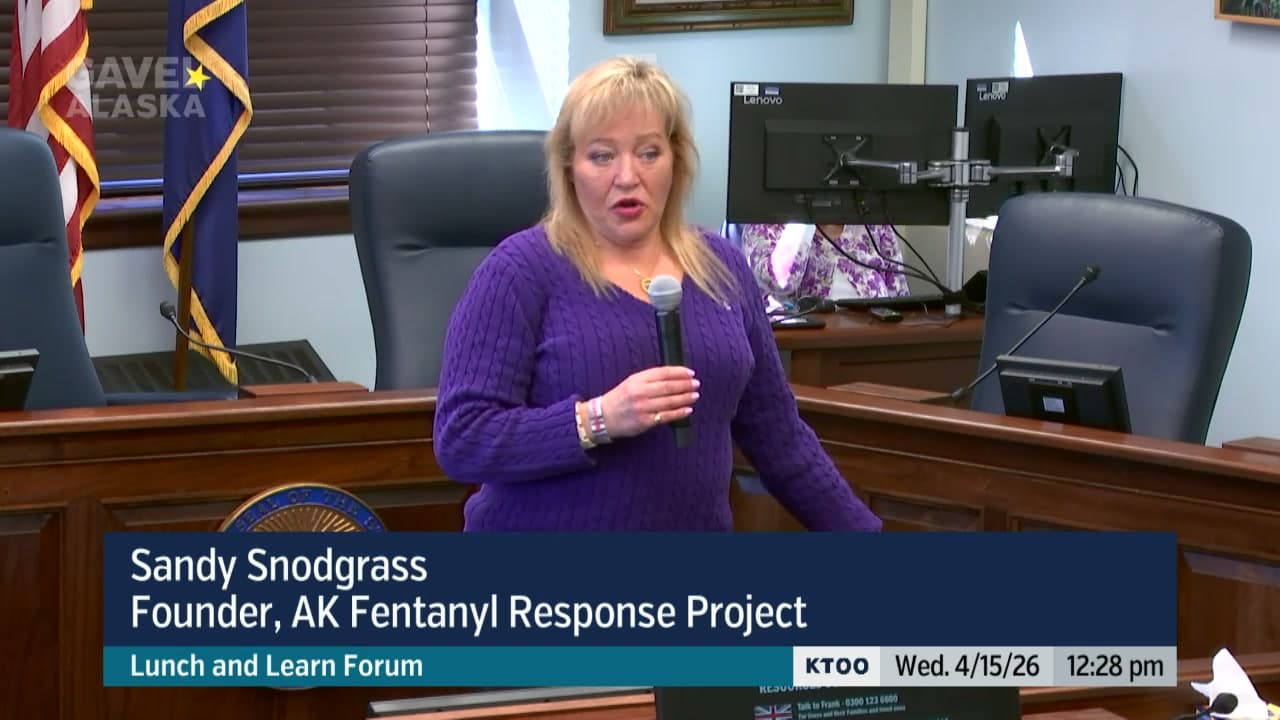
by Alaska NewsA psychologist whose son died from fentanyl poisoning urged Alaska lawmakers to fund education and demand reduction, citing 339 overdose deaths statewide in 2024.
by Alaska NewsAnger: A New Outlook (Afternoon Learning Circle)
Partners for Progress, 417 Barrow St., Anchorage, AK 99501
Friendsgiving Potluck at Double Shovel Cider Co.
Double Shovel Cider Co., 101 Center Street, Kodiak, AK 99615
Public Comment Deadline: Waymo LLC Land Use Permit ADA-91007
Fairbanks International Airport, Fairbanks, Alaska
Land Use Permit ADA-91007 Public Comment Deadline
Anchorage Social Club Monthly: Foodies + New Friends
Restaurant of the Month, West 36th Avenue, Anchorage, United States
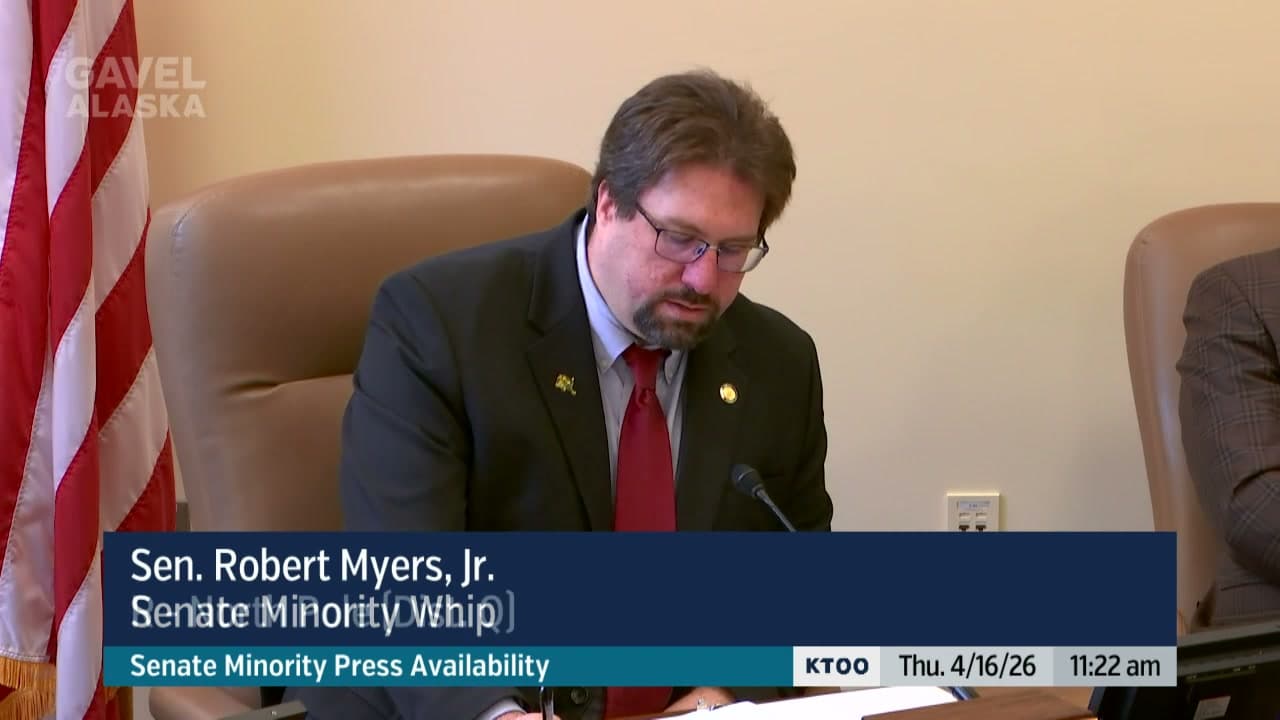
Alaska Senate minority members outlined concerns about pension reform, the Alaska LNG project's economic viability, and several judiciary bills at a Thursday press conference.
by Alaska NewsAlaska tribes removed 1.5 million pounds of marine debris last summer but face barriers like grant complexity and equipment costs that threaten their ability to protect subsistence resources.
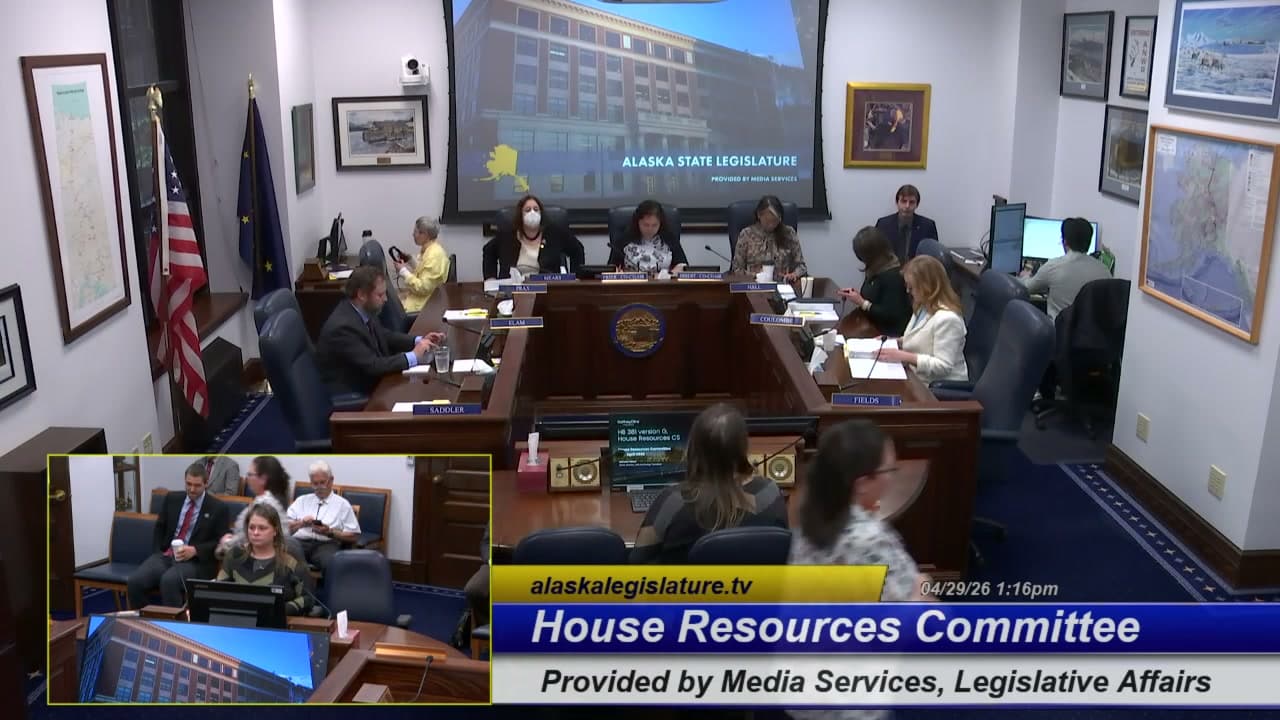
by Alaska NewsHouse Resources Committee approved a resolution backing Alaska Native corporations' continued access to a federal small business program that generated $13.5 billion in revenue for the state in 2022.
by Alaska NewsAlaska Federation of Natives told legislators that non-resident permit holders took $7.5 billion in salmon earnings since 1975, leaving rural villages with fishing participation down to 12%.
by Alaska NewsFairbanks is seeking $3.5 million in state funding to host the 2028 Arctic Winter Games, expecting 2,000 athletes and thousands of family members to boost local tourism.
by Alaska NewsAlaska Senate unanimously backed extending the federal ban on Russian seafood imports to protect the state's 44,000 fishing workers from subsidized foreign competition.
by Alaska NewsA state review panel called for standardized child abuse reporting training across Alaska after finding current programs vary widely and confuse mandatory reporters.
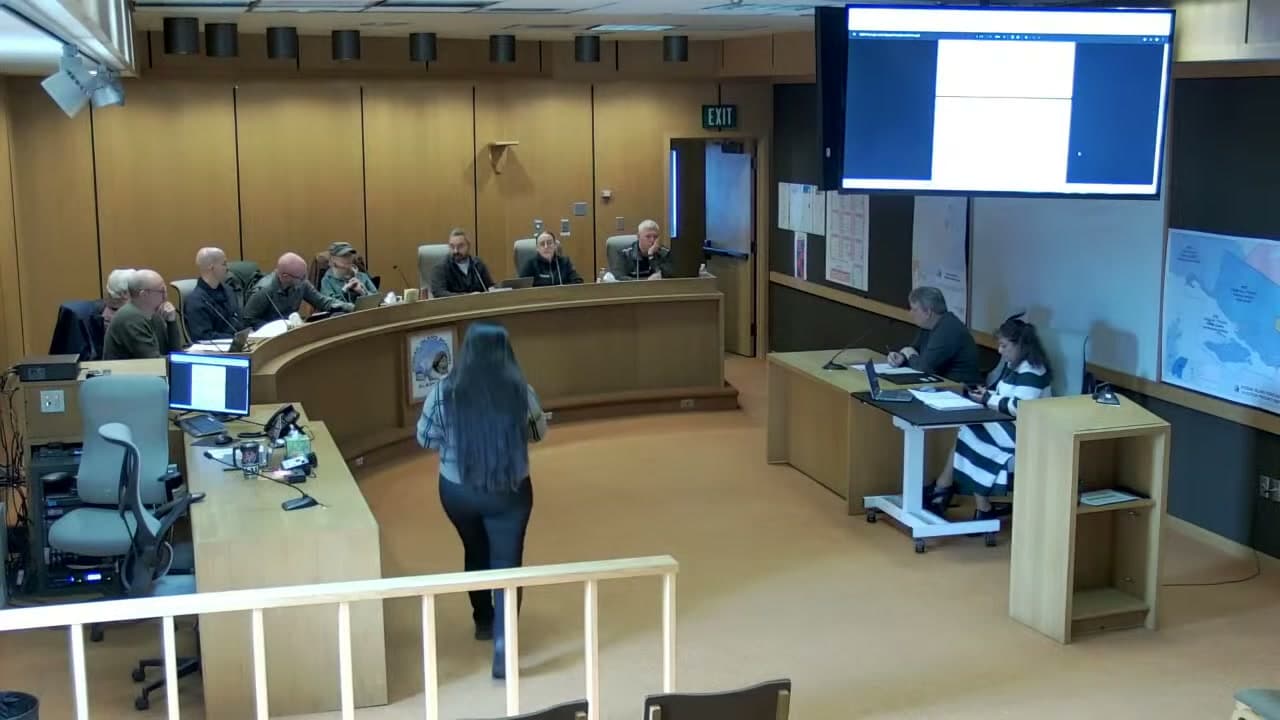
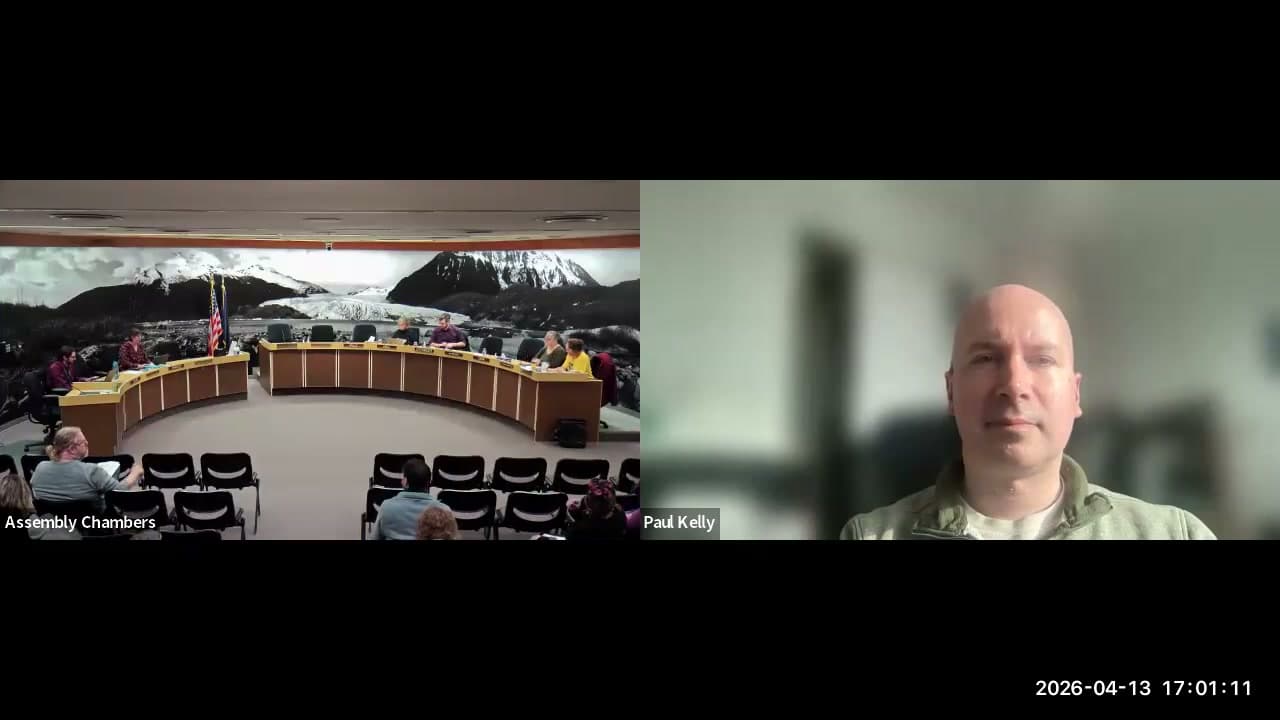
by Alaska NewsKodiak Borough mayor proposed a three-tier framework to speed land sales and prioritize workforce housing on parcels near town requiring minimal infrastructure work.
by Alaska NewsJuneau's housing committee is reviewing a draft rule to cap short-term rentals at one per owner starting January 2027, but members disagree on whether rentals actually worsen housing shortages.
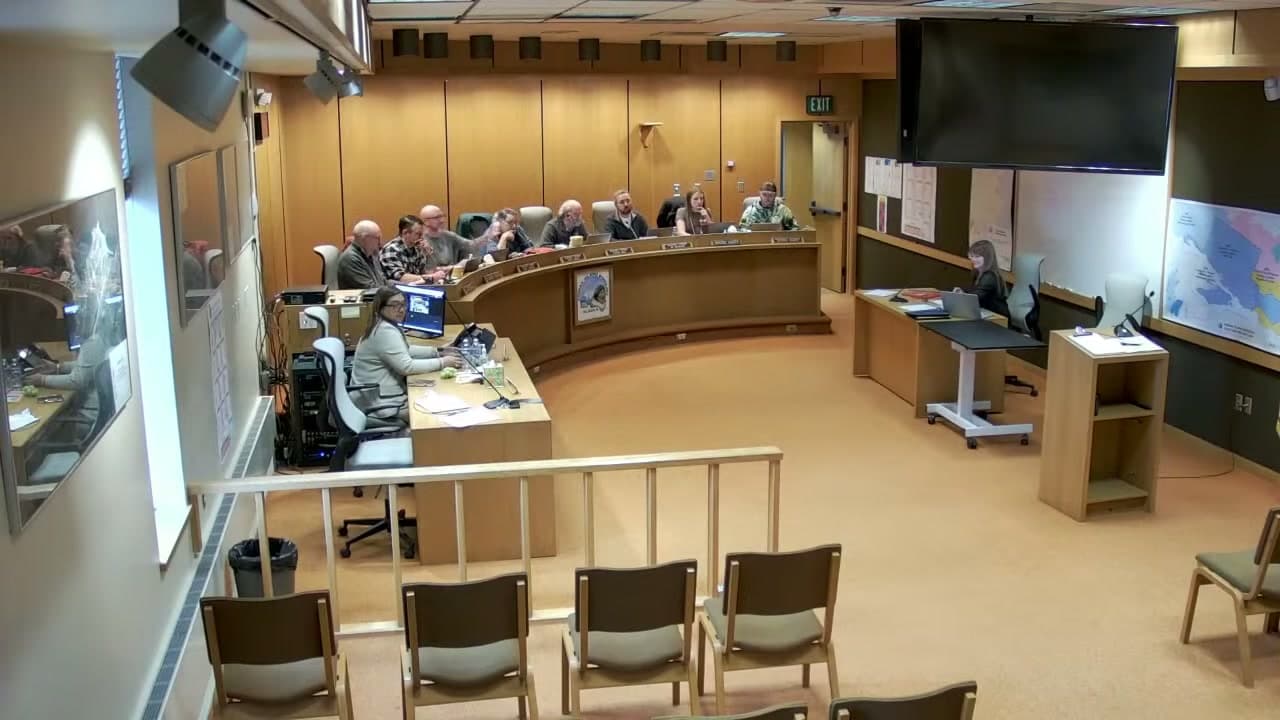
by Alaska NewsKodiak Island Borough's $580,000 fiscal year 2027 budget adds a construction manager, switches to electric heating, and funds $147,000 in ADA accessibility upgrades.
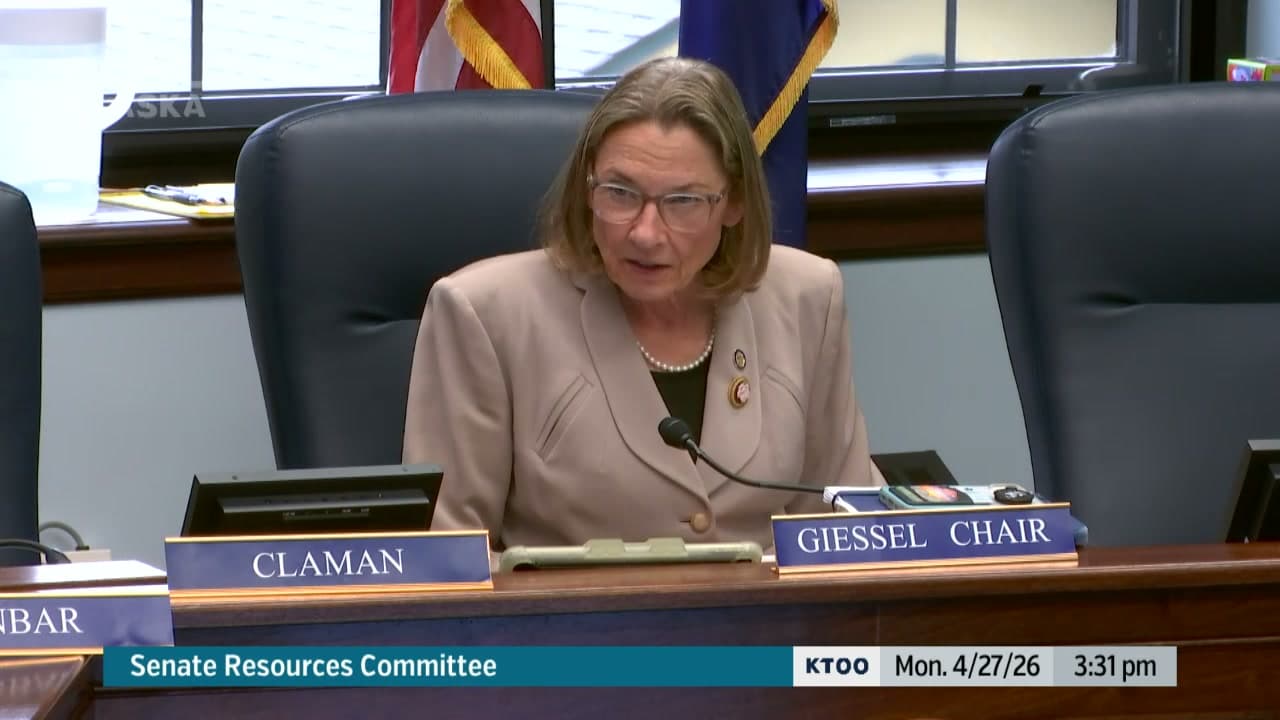
by Alaska NewsA tax overhaul for Alaska LNG could cut delivered gas costs to Asia by 20 cents per unit, an energy consultant told lawmakers, but the Senate is pushing for higher taxes that could change the math.
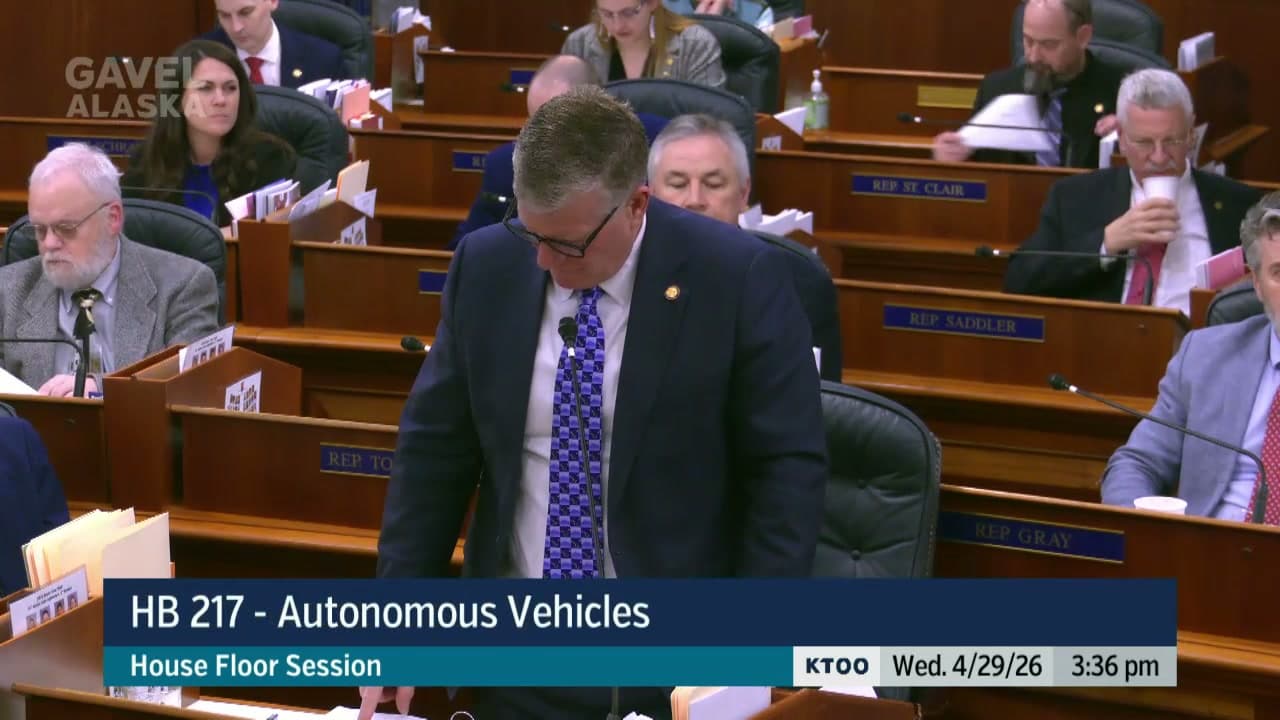
by Alaska NewsAlaska House advanced bills regulating commercial autonomous vehicles, requiring dementia care training for nurse aides, and adding interior designers to the state's professional licensing board.
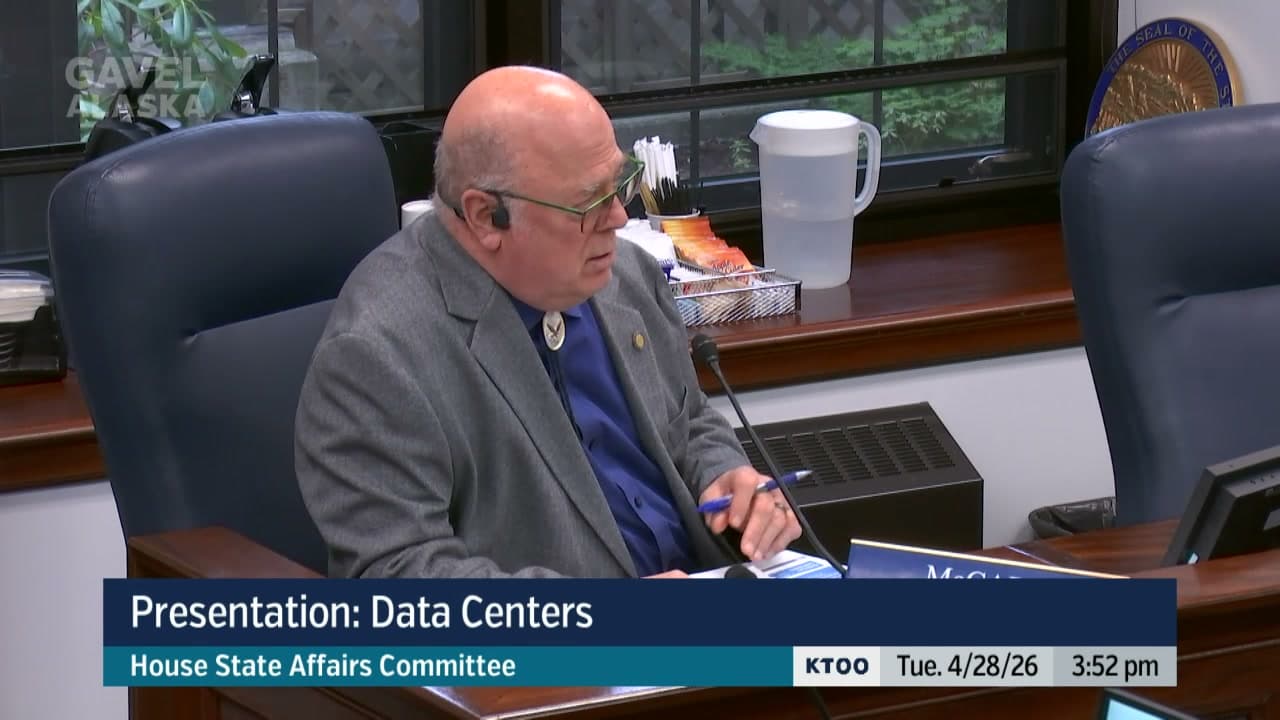
by Alaska NewsAlaska lawmakers heard Tuesday that the state's cold climate and natural gas could attract data centers, which cost over $1 billion to build but create few permanent jobs once running.
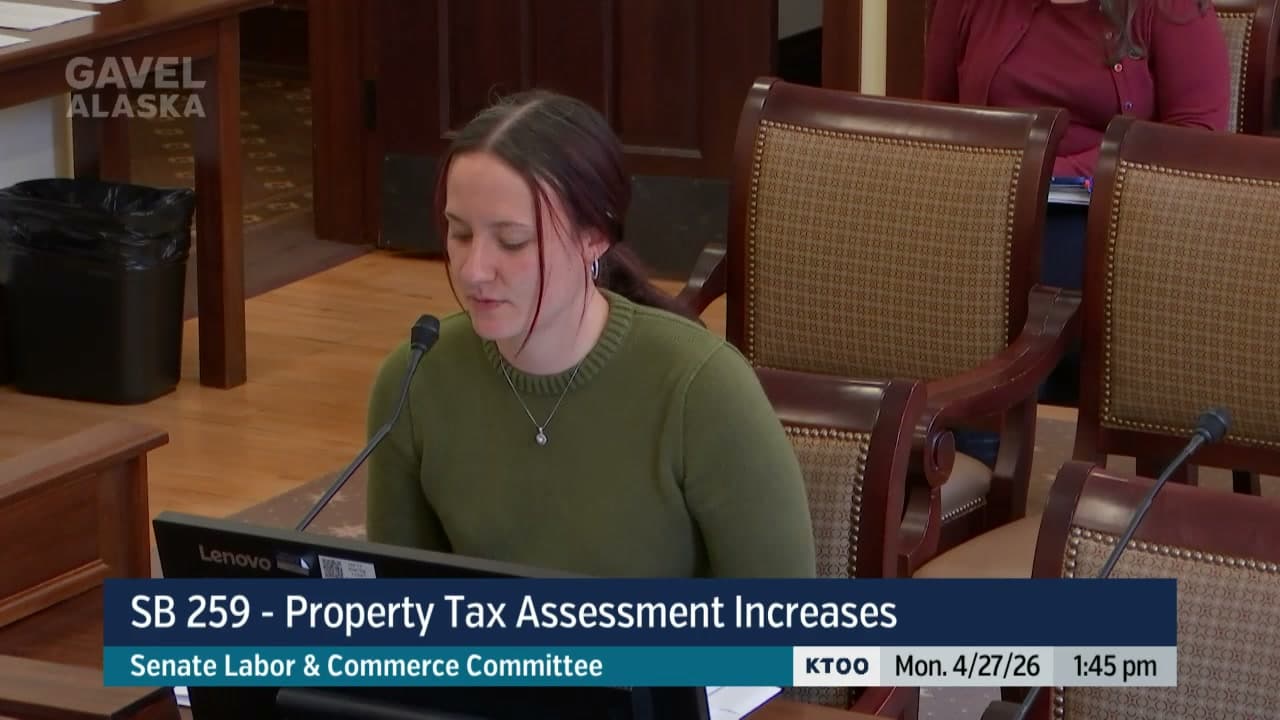
by Alaska NewsSenate panel advanced a bill letting cities cap annual property tax increases on owner-occupied homes, despite assessors warning it creates unfair burdens between longtime and new homeowners.
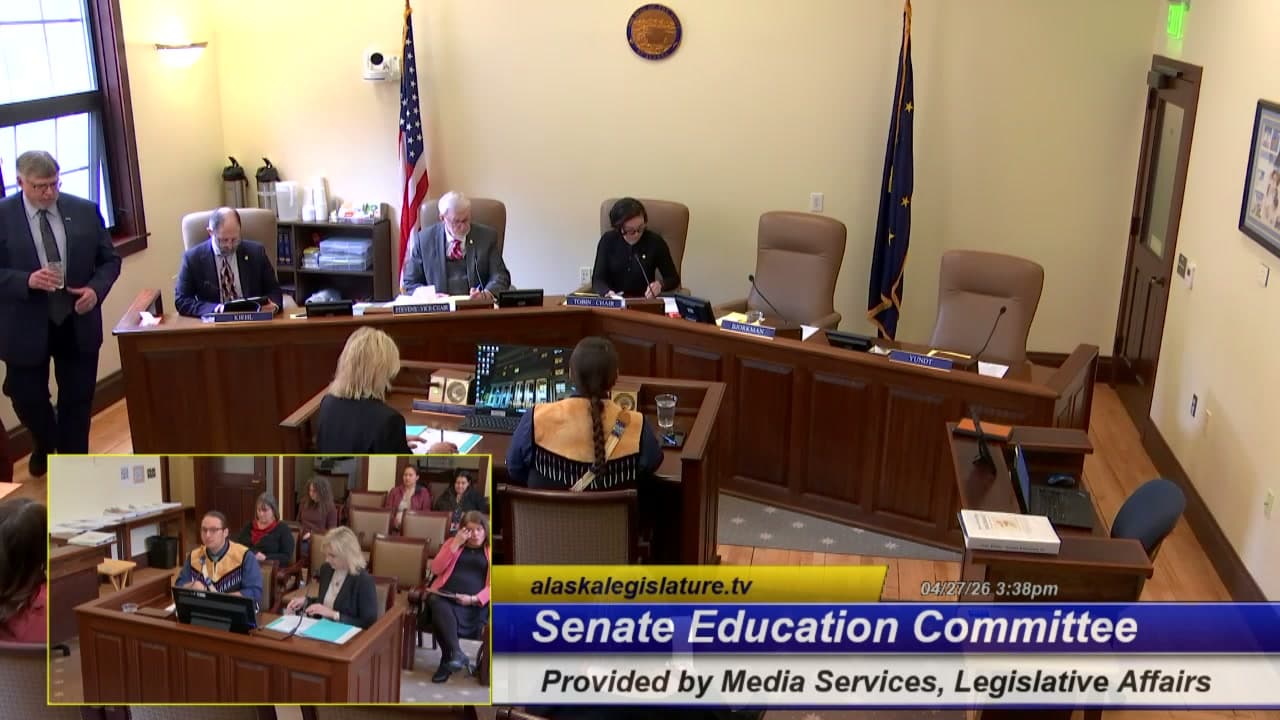
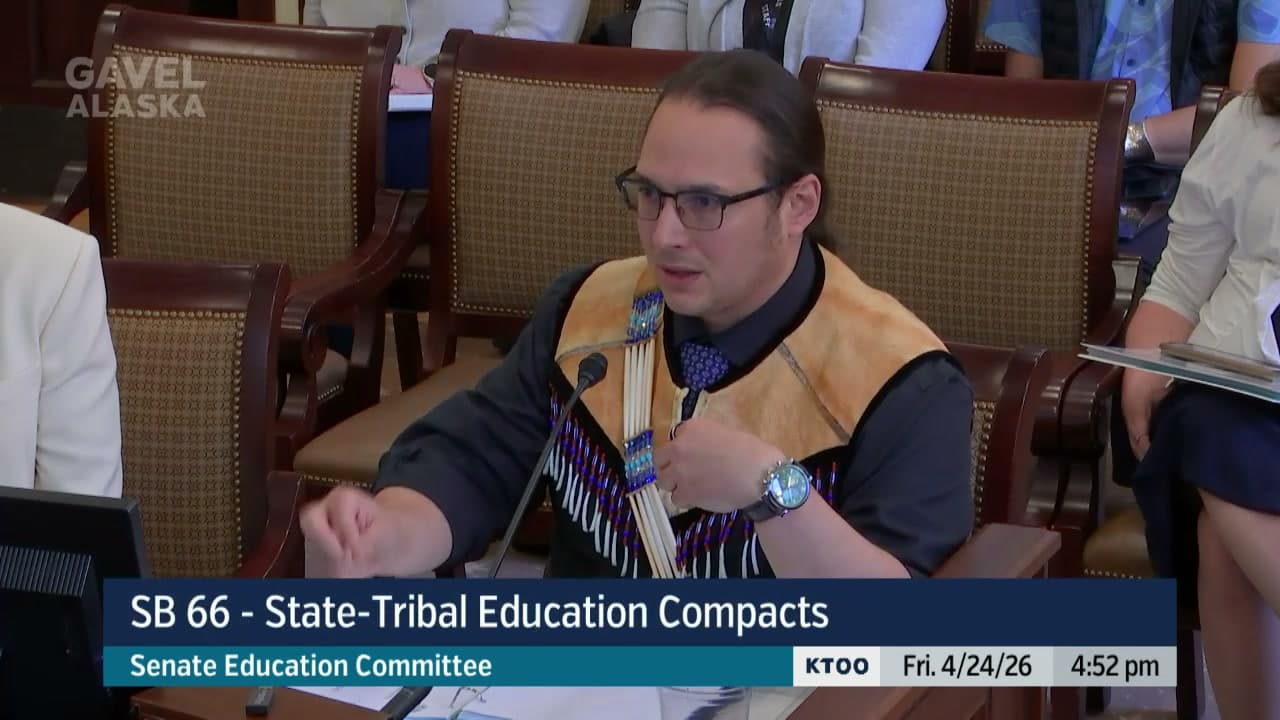
by Alaska NewsSenate Bill 66 would authorize up to five Alaska tribes to operate public schools under compact agreements, with a seven-year pilot costing $19.2 million in the first year.
by Alaska NewsAlaska's proposed LNG tax bill could swing state revenue by hundreds of millions depending on how regulators interpret rules for separating oil and gas costs, the Department of Revenue warned Monday.
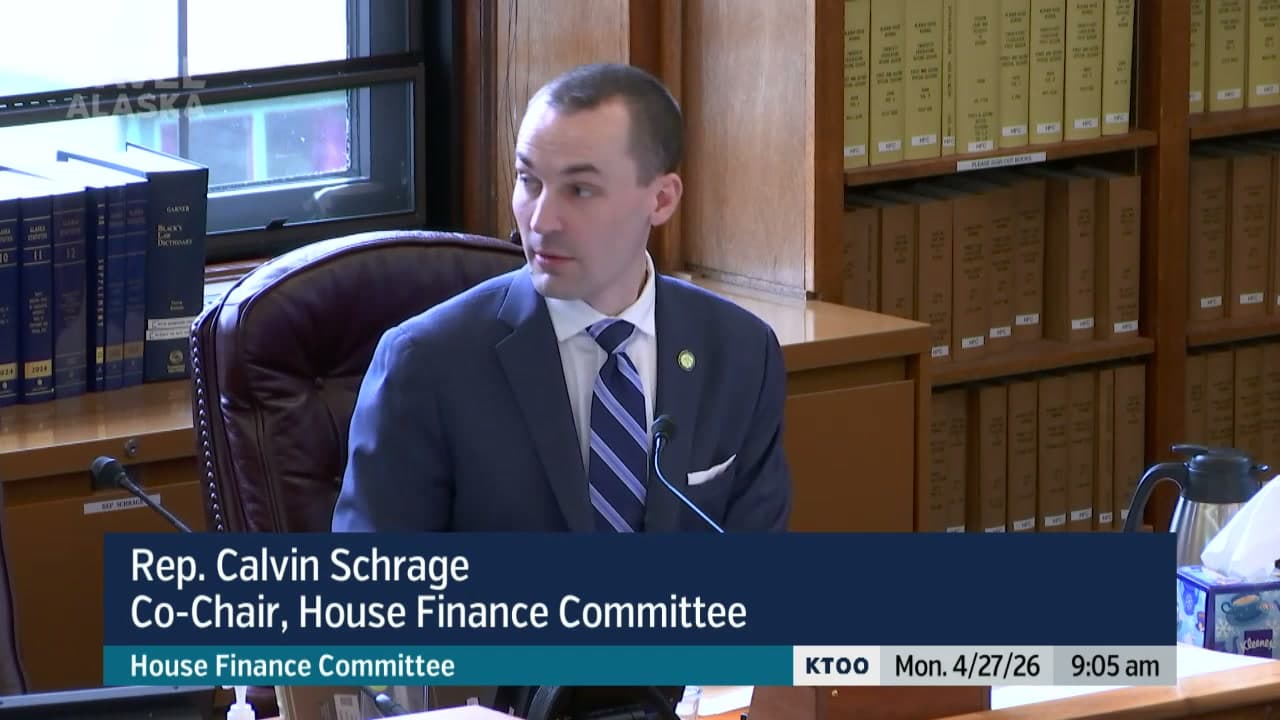
by Alaska NewsHouse Finance heard $8.4 million in budget amendments, including salary increases for public safety workers and a reversal of pay raises for newly unionized University of Alaska employees.
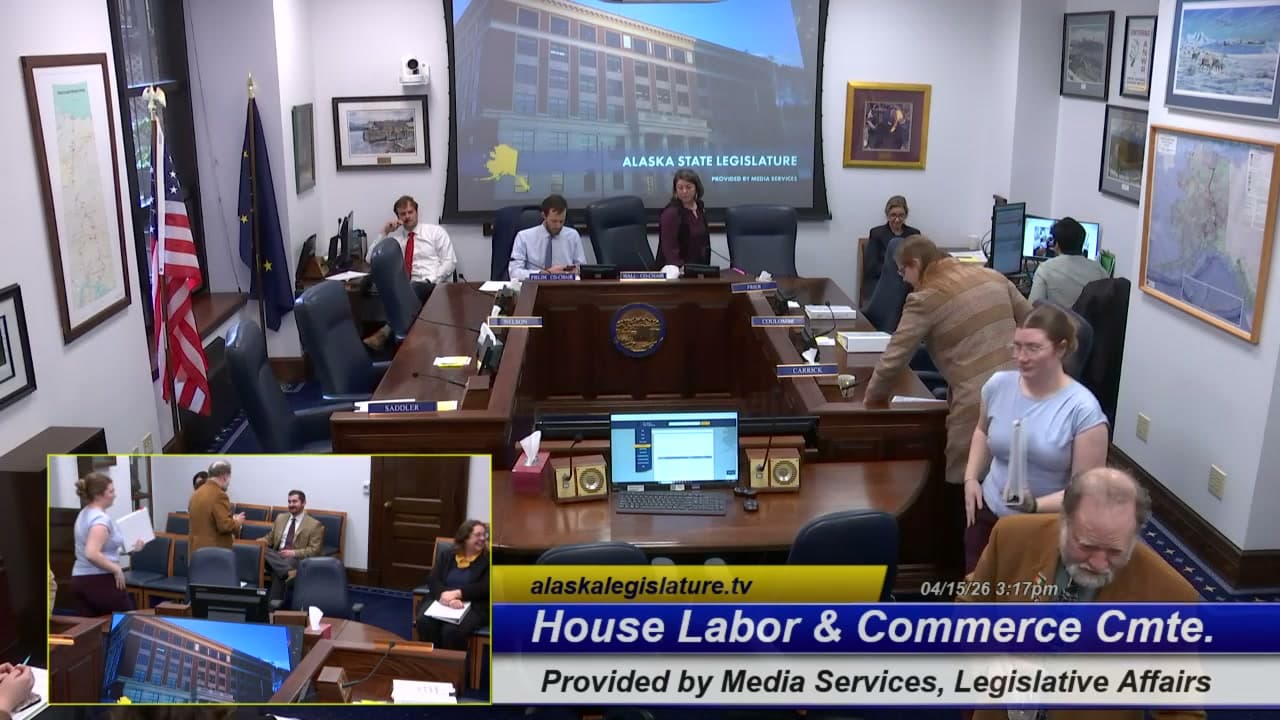
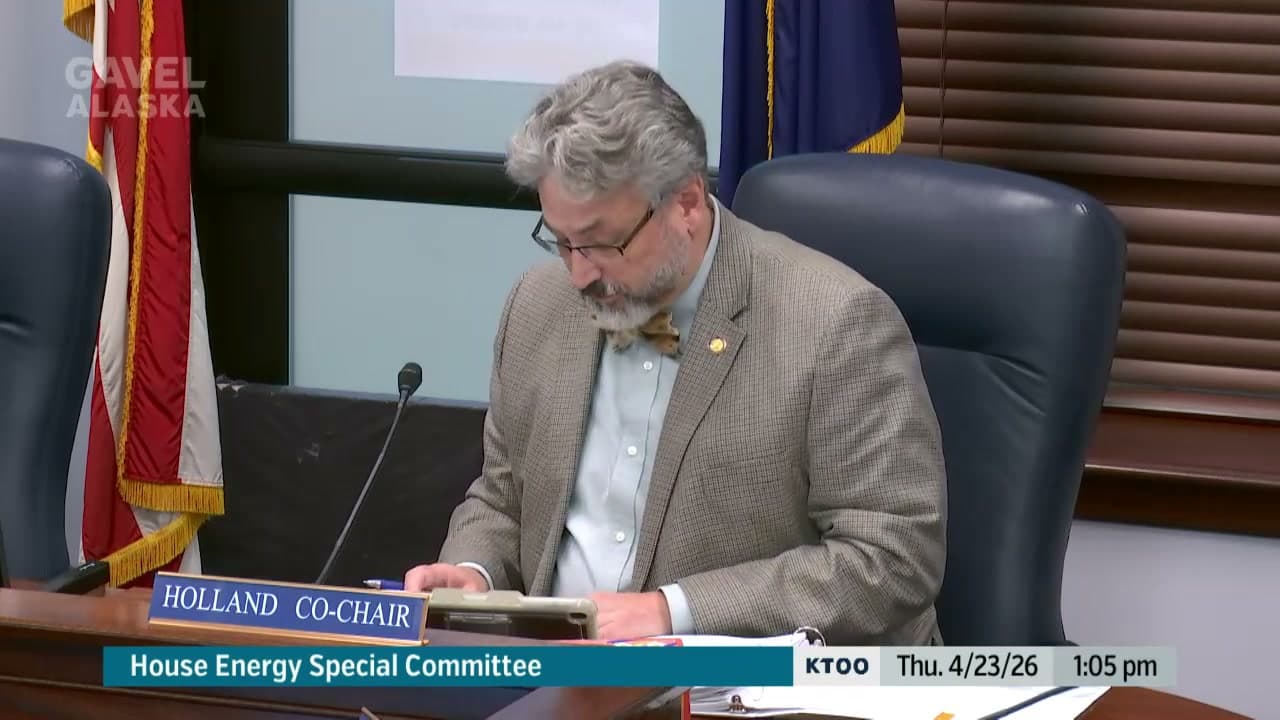
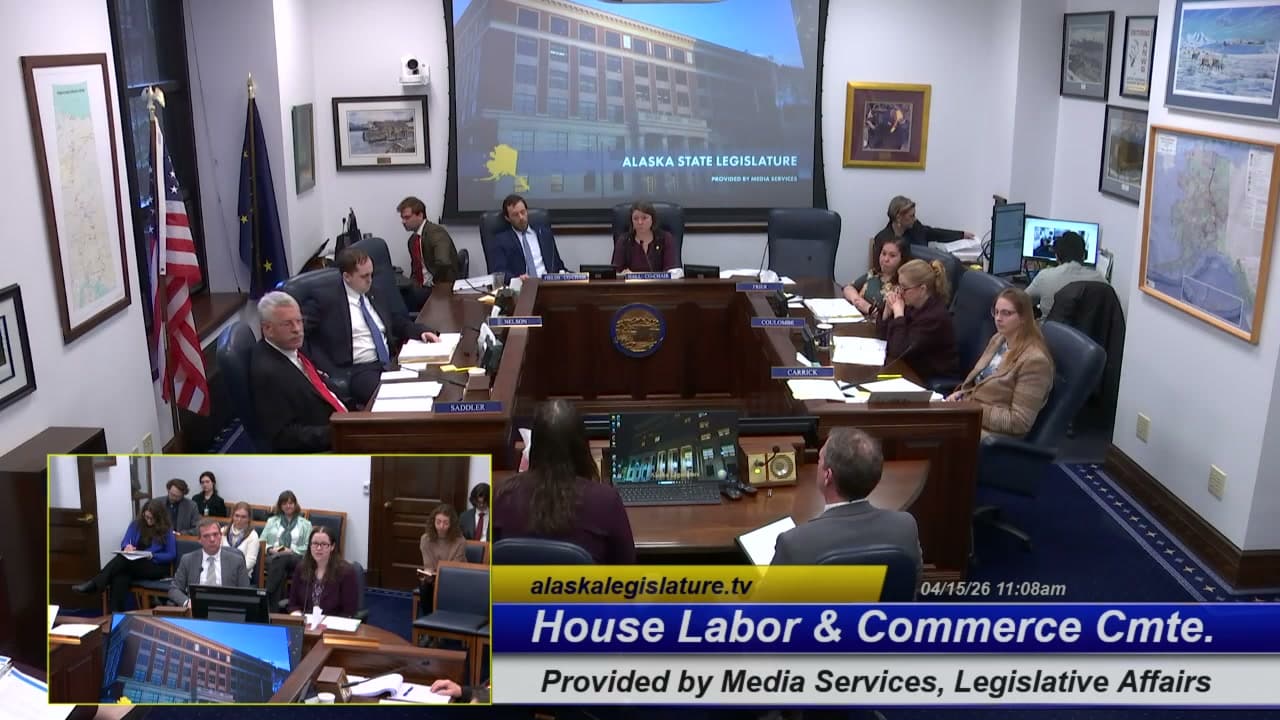
by Alaska NewsHouse Labor Committee advanced HB 302 updating travel insurance rules to take effect January 1, 2027. • Committee heard HB 335 requiring state disaster plans for pets and service animals after October 2026 typhoon response gaps. • Committee heard SB 180 to repeal 2024 language that created confusion over the Regulatory Commission of Alaska's authority over natural gas import facilities.
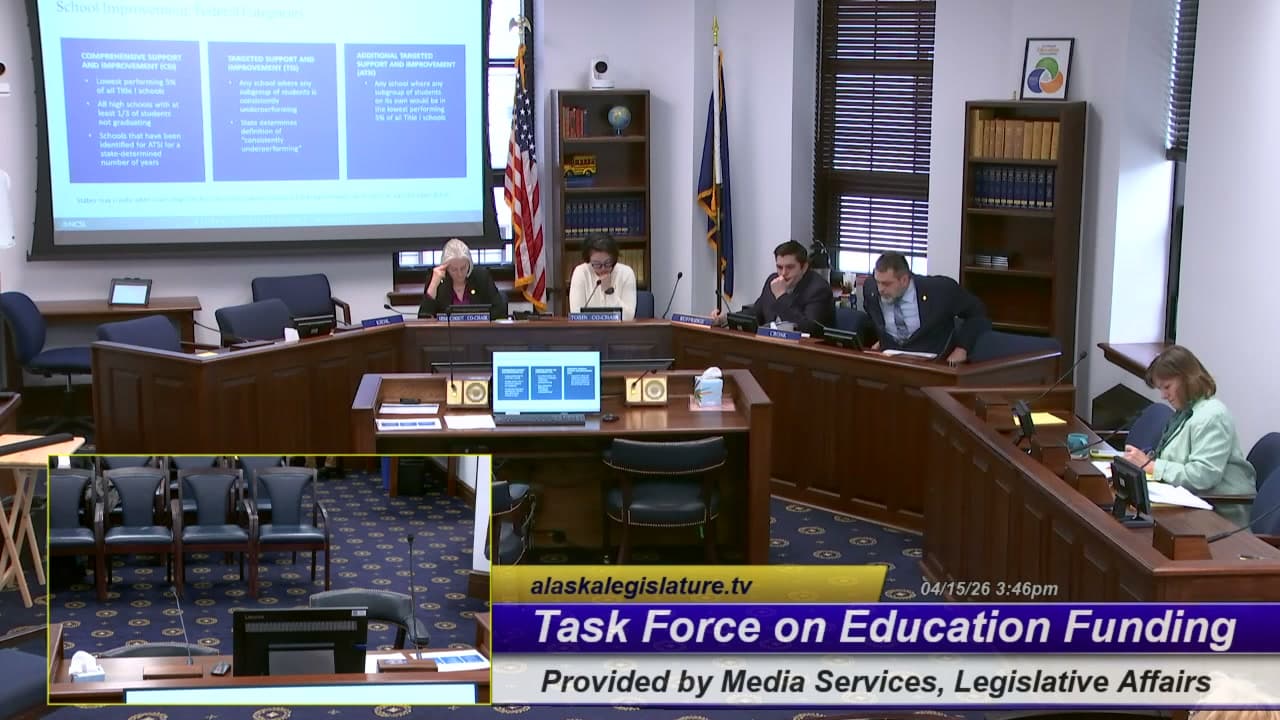
by Alaska NewsTask force learned federal law sets testing minimums but states choose how to assess and support schools. • NAEP proficiency scores are aspirational targets, not typical performance, and poverty matters more than school reforms alone. • Alaska's AKSTAR combines interim and spring tests to predict student achievement within 24 to 72 hours.
by Alaska NewsRural Alaska diesel prices hit $17 per gallon and could jump 30 to 50 percent higher this year due to Middle East supply disruptions. • Lawmakers heard the state's $20 to $22 million bulk fuel loan program may need to double its funding to help communities cope. • A Jones Act waiver expiring in May and a compressed fuel delivery window in June or July add urgency to the crisis.
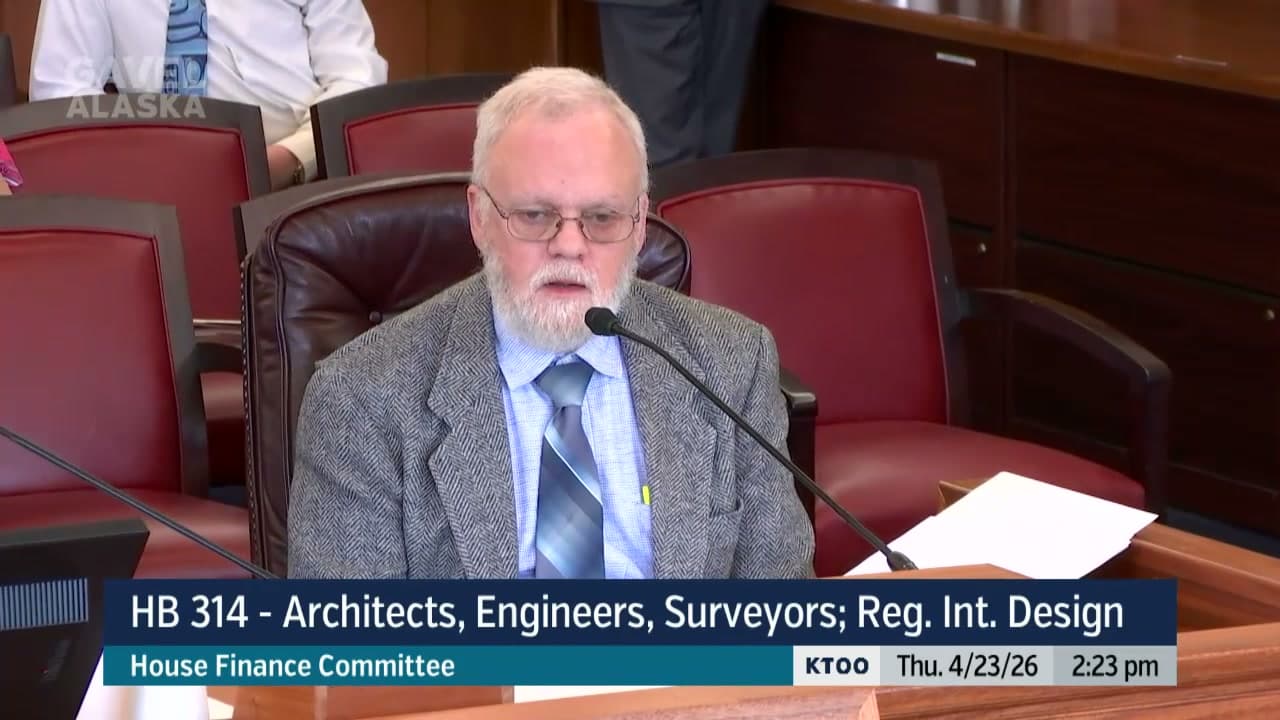
by Alaska NewsFrom House Finance advanced a bill extending Alaska's professional licensing board and adding registered interior designers, after revising language that prompted a gubernatorial veto last year.
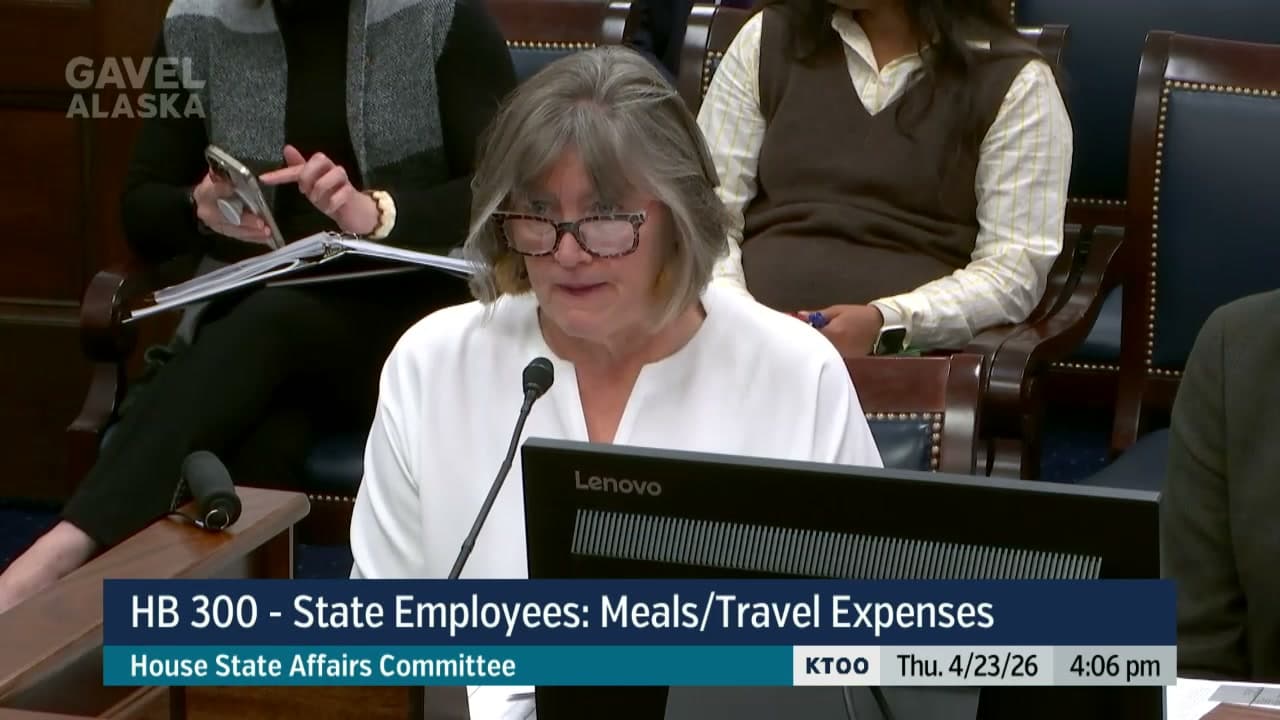
by Alaska NewsHouse Bill 300 would raise state employee per diem rates frozen since 2010 from $60 to $82 per day, with automatic adjustments every three years starting in 2029.
by Alaska NewsHouse panel heard a bill to let second-class boroughs reshape road service areas without two concurrent elections, a process that has failed 60 percent of the time.
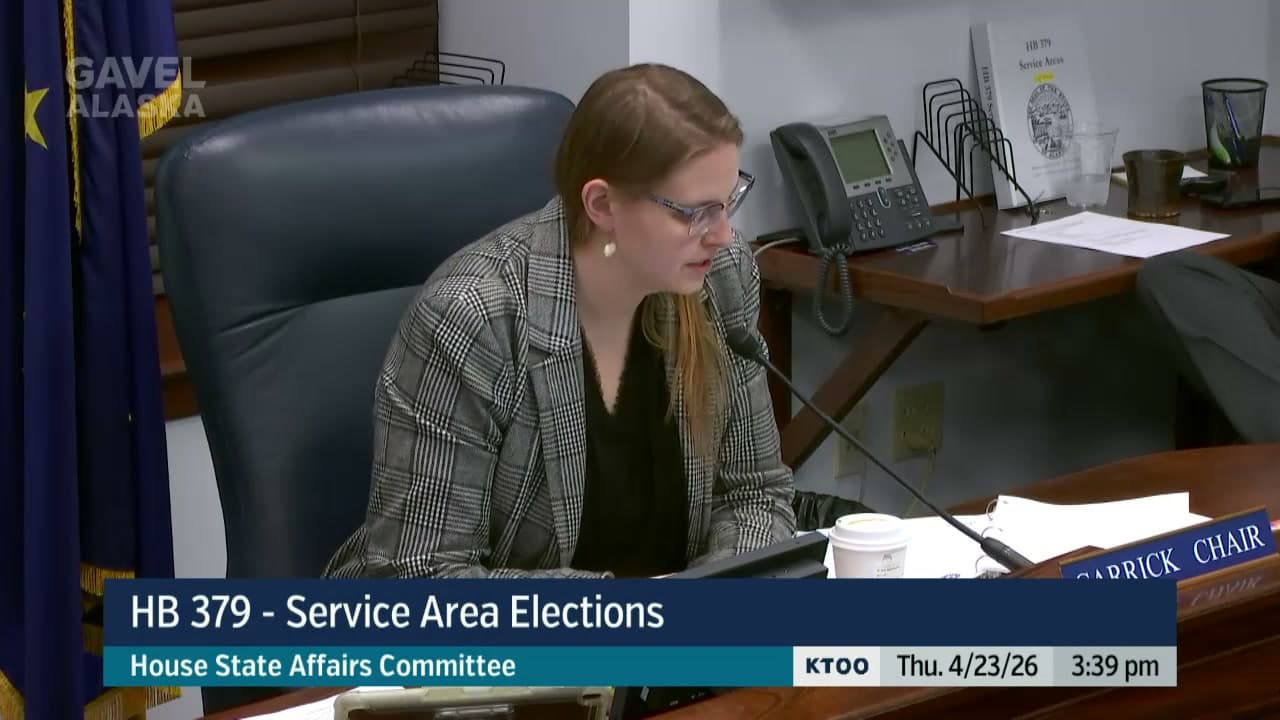
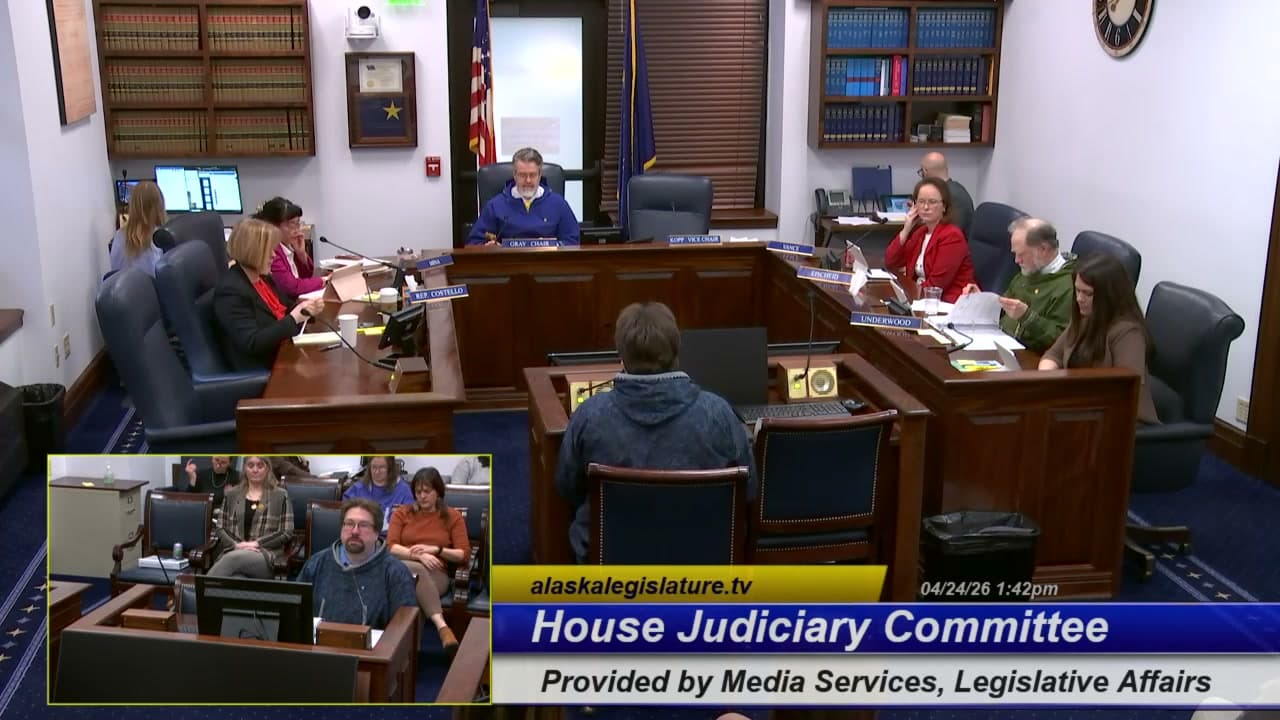
by Alaska NewsThe House Judiciary Committee deadlocked 3-3 on the Alaska Data Privacy Act. The bill would have let Alaskans control how companies collect and sell their personal data.
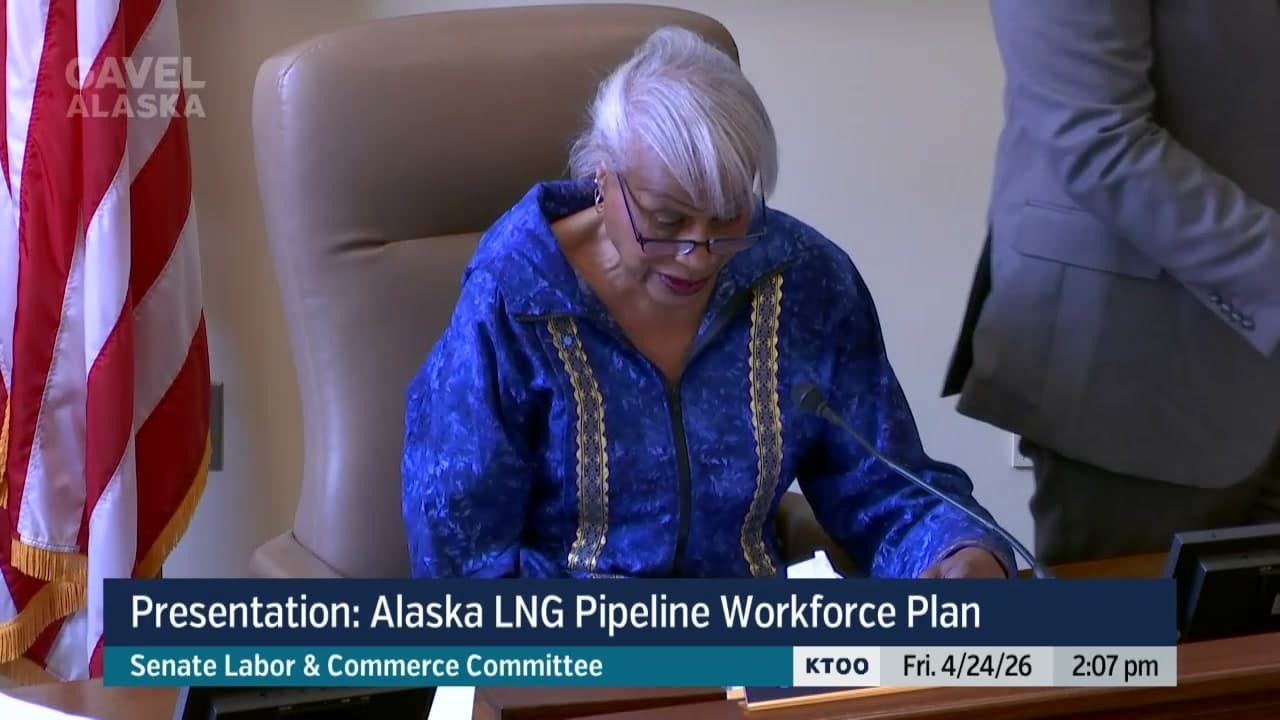
by Alaska NewsAlaska LNG pipeline needs 6,600 workers by 2027, but state's shrinking workforce means most will come from outside Alaska. • Training system runs at 60 to 80 percent capacity; barriers include instructor shortages and living costs during training. • State should expand short-cycle vocational programs and consider a state apprenticeship agency to increase hiring ratios.
by Alaska NewsSenate Education Committee advanced a bill requiring opioid prevention curriculum in grades 6-12. • Committee heard first presentation on allowing tribes to operate public schools through state-tribal compacts, with second hearing scheduled Monday.
by Alaska NewsA House committee heard testimony on a bill to let emergency dispatchers retire after 20 years instead of 30 and classify them as first responders.
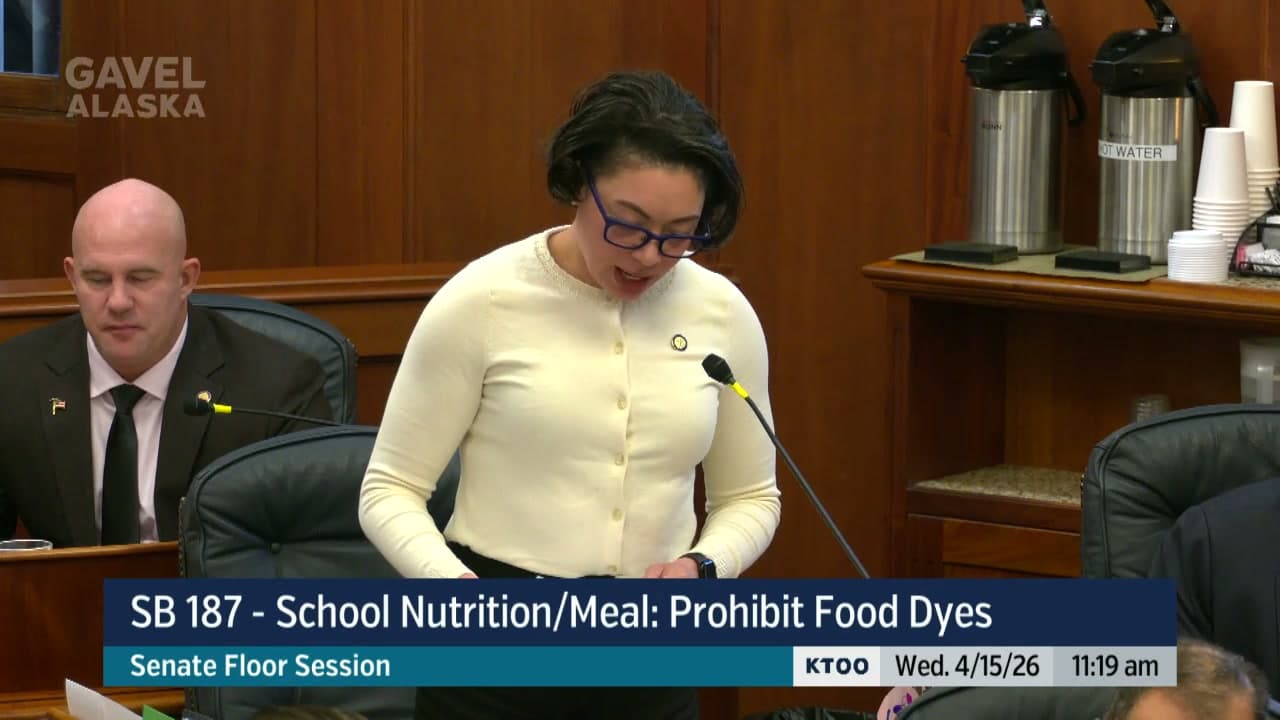
by Alaska NewsAlaska Senate advanced a bill banning seven synthetic food dyes from school meals starting January 2028, plus legislation on software licensing contracts and worker visa recognition.
by Alaska News

New stories usually land 12p to 12a.
New stories usually land 12p to 12a.
 Thu, Nov 26Alaska News Daily Brief9 min · 14 storiesStories
Photo by Cale Green
Alaska's budget reserve fund of $2.9 billion ranks as the second highest among all U.S. states according to analysis presented to the Senate Finance Committee.
Tap or swipe for 26 more stories