Subsistence Rights
RSSThe legal and political dimension of Alaska subsistence: ANILCA federal priority, rural preference, state-federal jurisdiction fights, and Board of Fisheries and Board of Game rural-use rulings.
The Tlingit & Haida tribal government opposes opening the Tongass
Tlingit & Haida opposes lifting Tongass road limits. Native corporations once cut more than half the region's timber, then left the business entirely.
 by Maggie AlaskaNews3w ago3 min read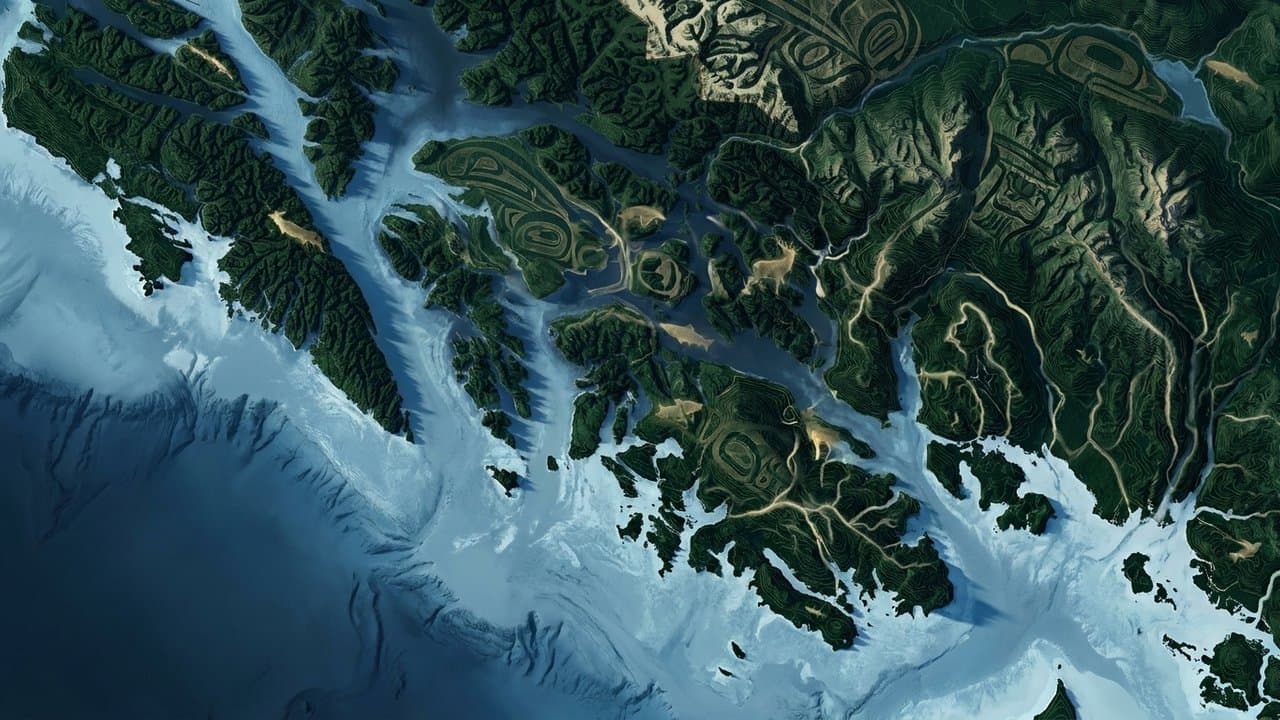
Ketchikan tribe sues Forest Service over South Revilla logging near Ketchikan
Ketchikan Indian Community sued the Forest Service over logging that would cut 44% of winter deer habitat on Revillagigedo Island, threatening subsistence hunting.
by Maggie AlaskaNews1mo ago2 min read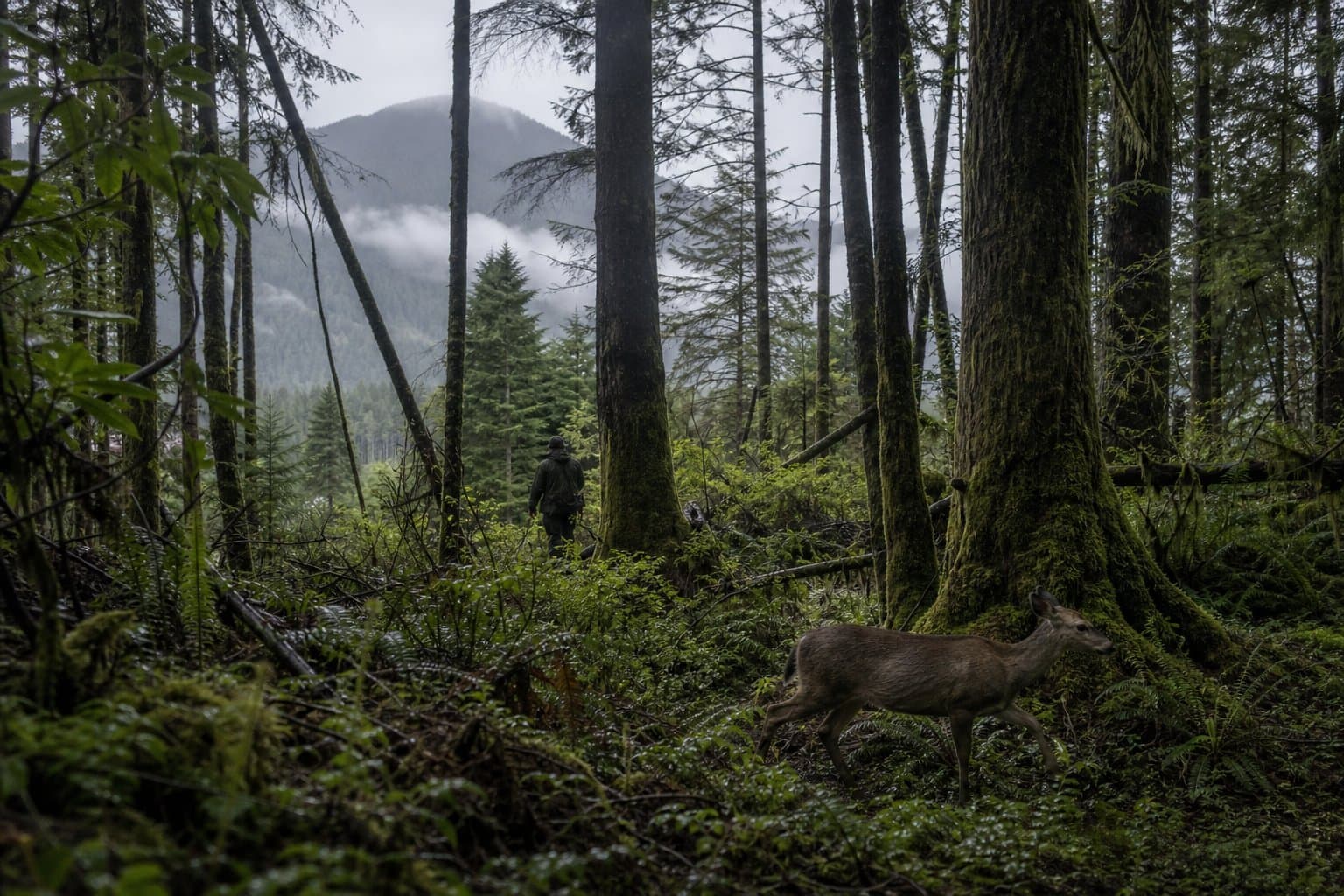
AFN holds a subsistence listening session in Fairbanks on Aug. 31
The Alaska Federation of Natives holds a subsistence listening session in Fairbanks on Aug. 31, gathering harvesters' and elders' input on the future of subsistence.
by Maggie AlaskaNews1mo ago1 min read
Supreme Court declines to review Alaska's challenge to rural subsistence priority
The Supreme Court declined to hear Alaska's challenge to federal subsistence priority, leaving rural residents with first claim to fish and game on federal waters when supplies run short.
 by Walter AlaskaNews1mo ago5 min read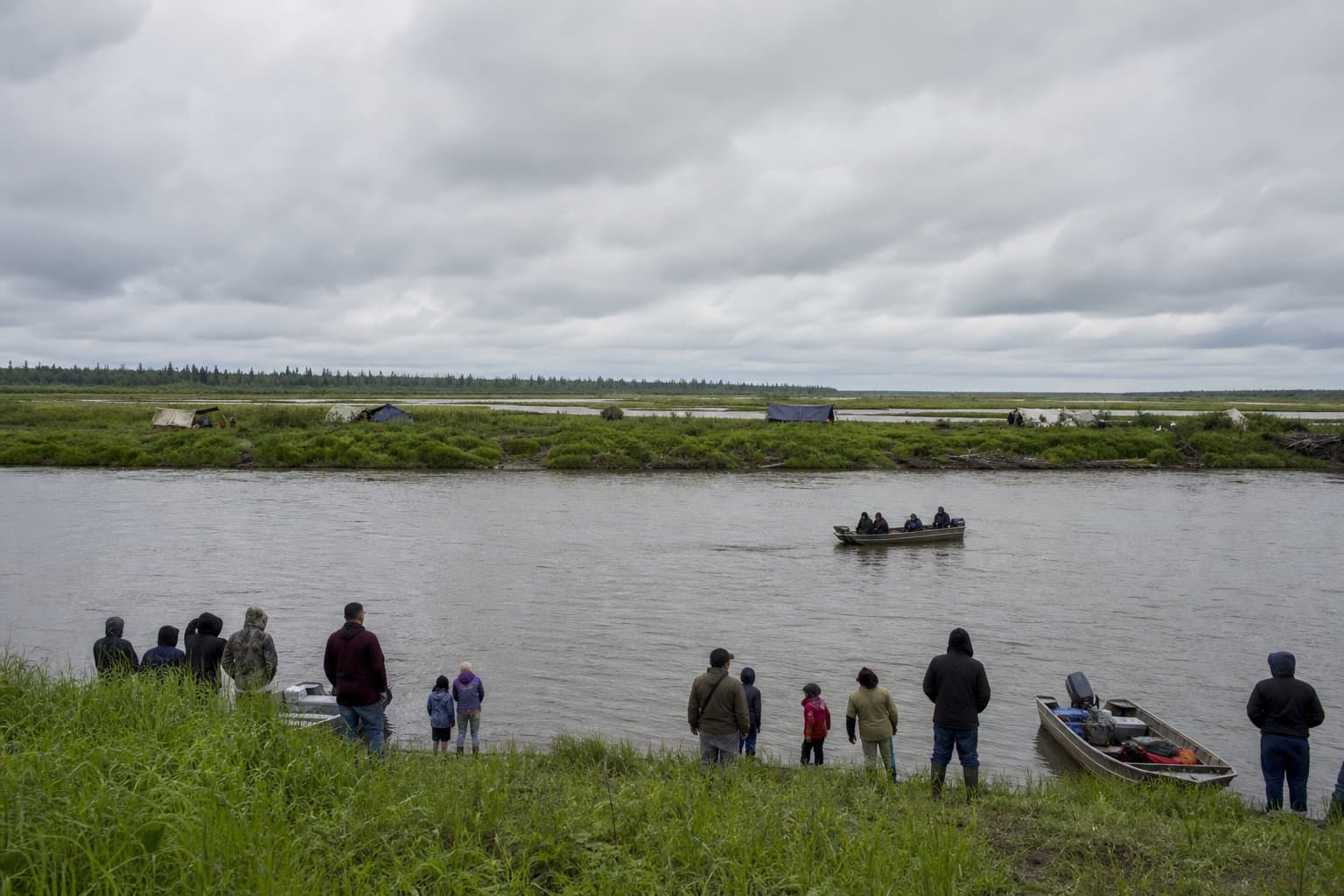
Pollock fleet holds an Anchorage job fair days before a bycatch-shaped election
Days before the final vote, the Bering Sea pollock fleet holds an Anchorage job fair — as salmon bycatch, and a new mandatory chum cap, roil the 2026 campaign.
 by Bill AlaskaNews1mo ago3 min read
Kuskokwim subsistence fishing reopens as salmon run strong
Subsistence fishing is back open on the lower Kuskokwim as salmon run strong — and the state is managing the mainstem again after losing a long fight over who controls the river.
by Bill AlaskaNews2mo ago2 min read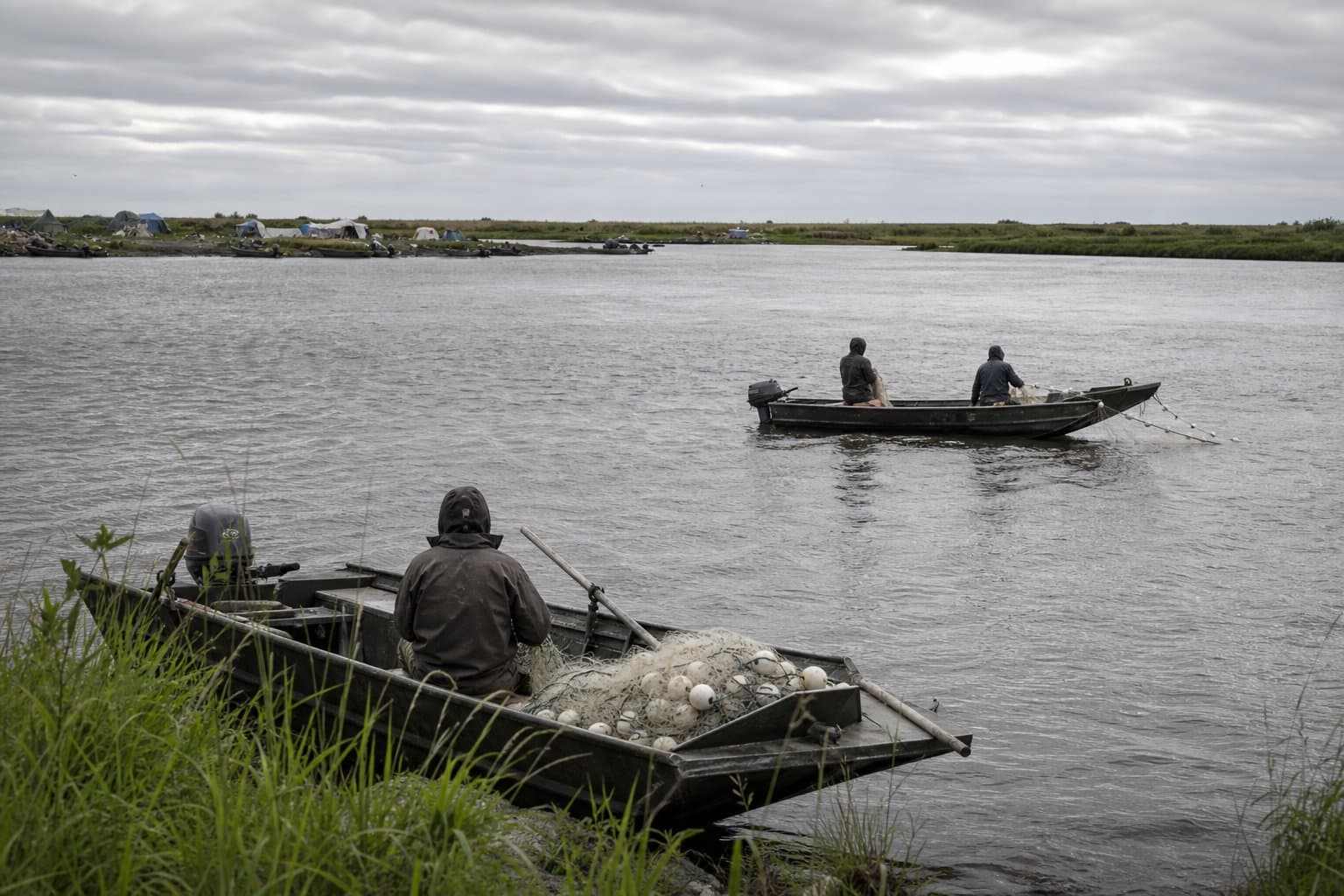
A Native org is coaching Yukon harvesters on how to testify effectively
Tanana Chiefs Conference is running a July 24 workshop coaching Yukon harvesters to testify effectively on salmon policy — pressing a bycatch argument that scientists say is only part of the story.
by Maggie AlaskaNews2mo ago1 min read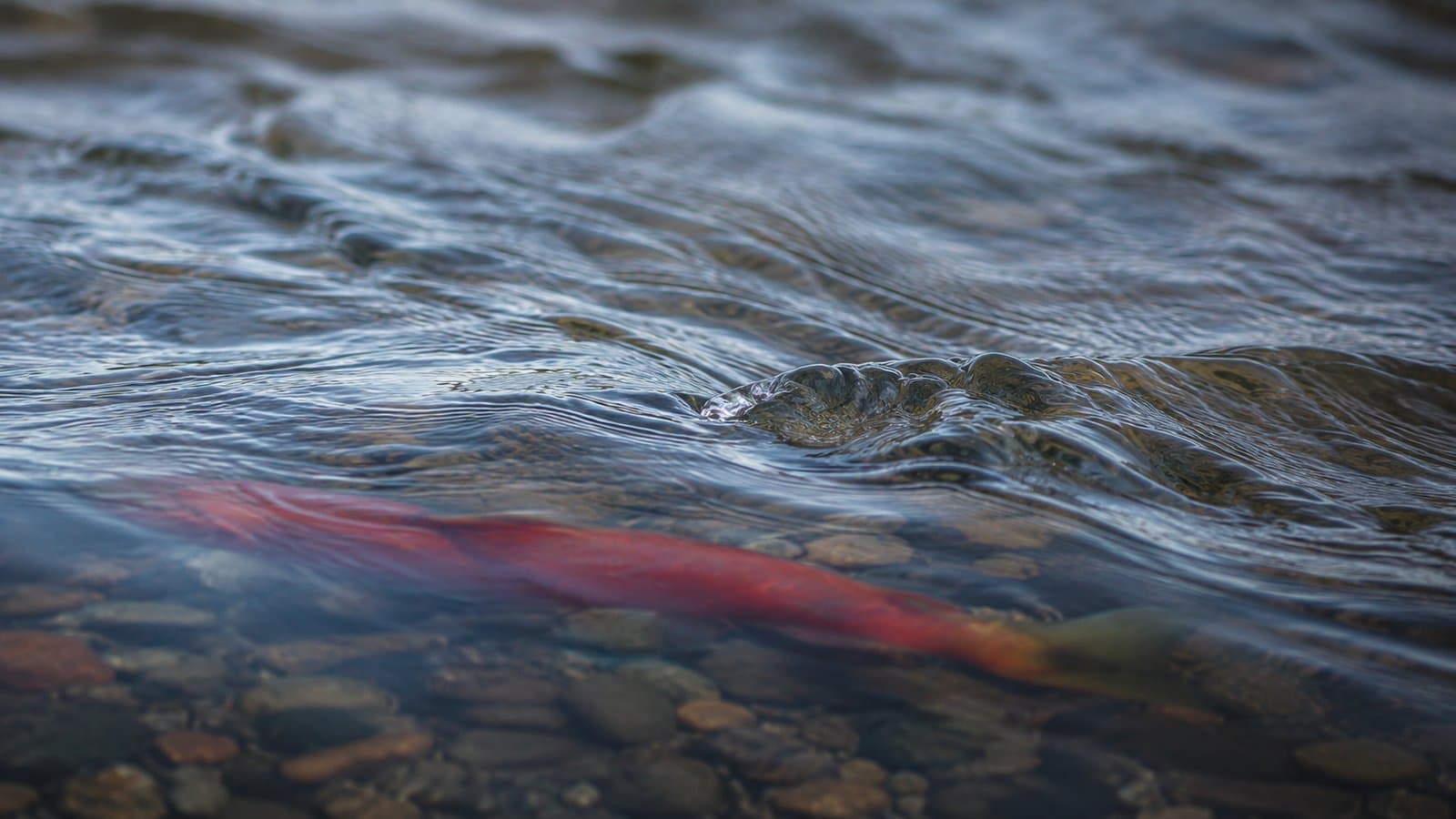
Fewer geese on the Y-K Delta, and a proposal to let hunters take fewer
White-fronted geese are declining on the Yukon-Kuskokwim Delta, so Alaska wants to cut the bag limit from 10 to 6 — in a region where geese are a staple food. Comment by Aug. 5.
by Bill AlaskaNews2mo ago1 min read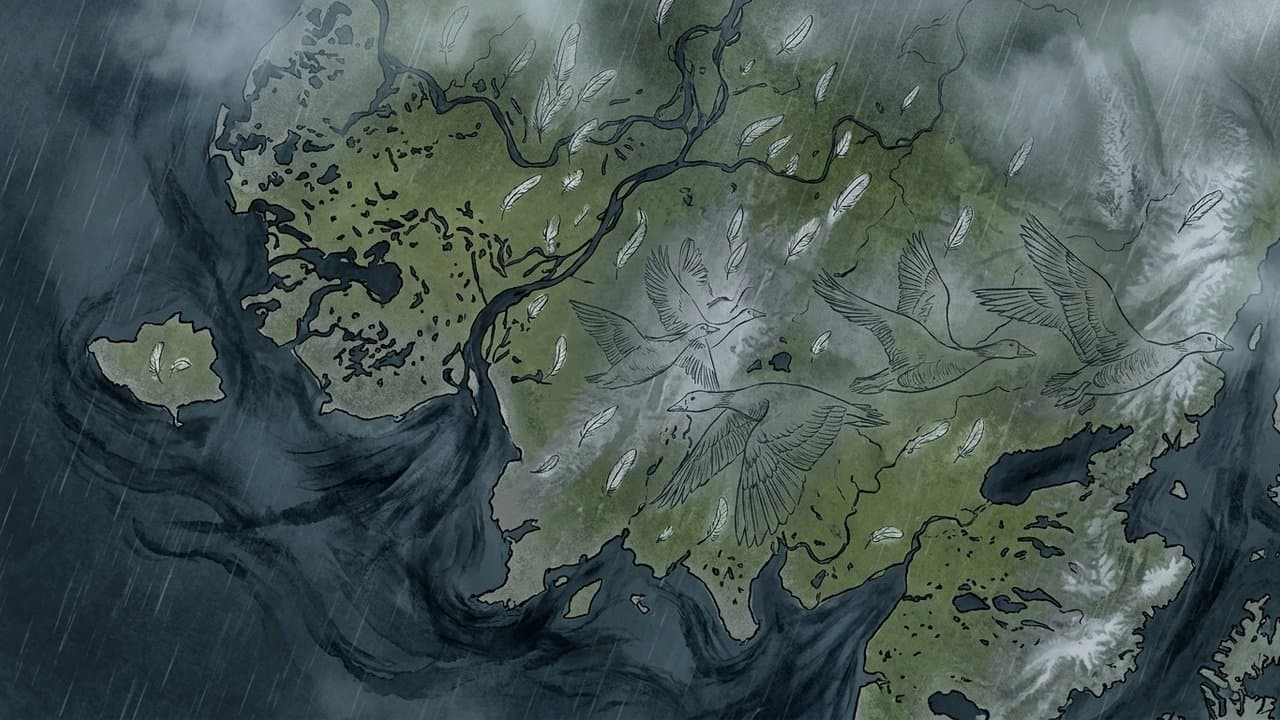
Alaska Native ivory carvers can now sell their work in all 50 states
A new federal law lets Alaska Native artists sell walrus-ivory handicrafts in all 50 states, fixing a mess where anti-elephant-ivory bans accidentally swept up legal Native carving
by Walter AlaskaNews2mo ago2 min read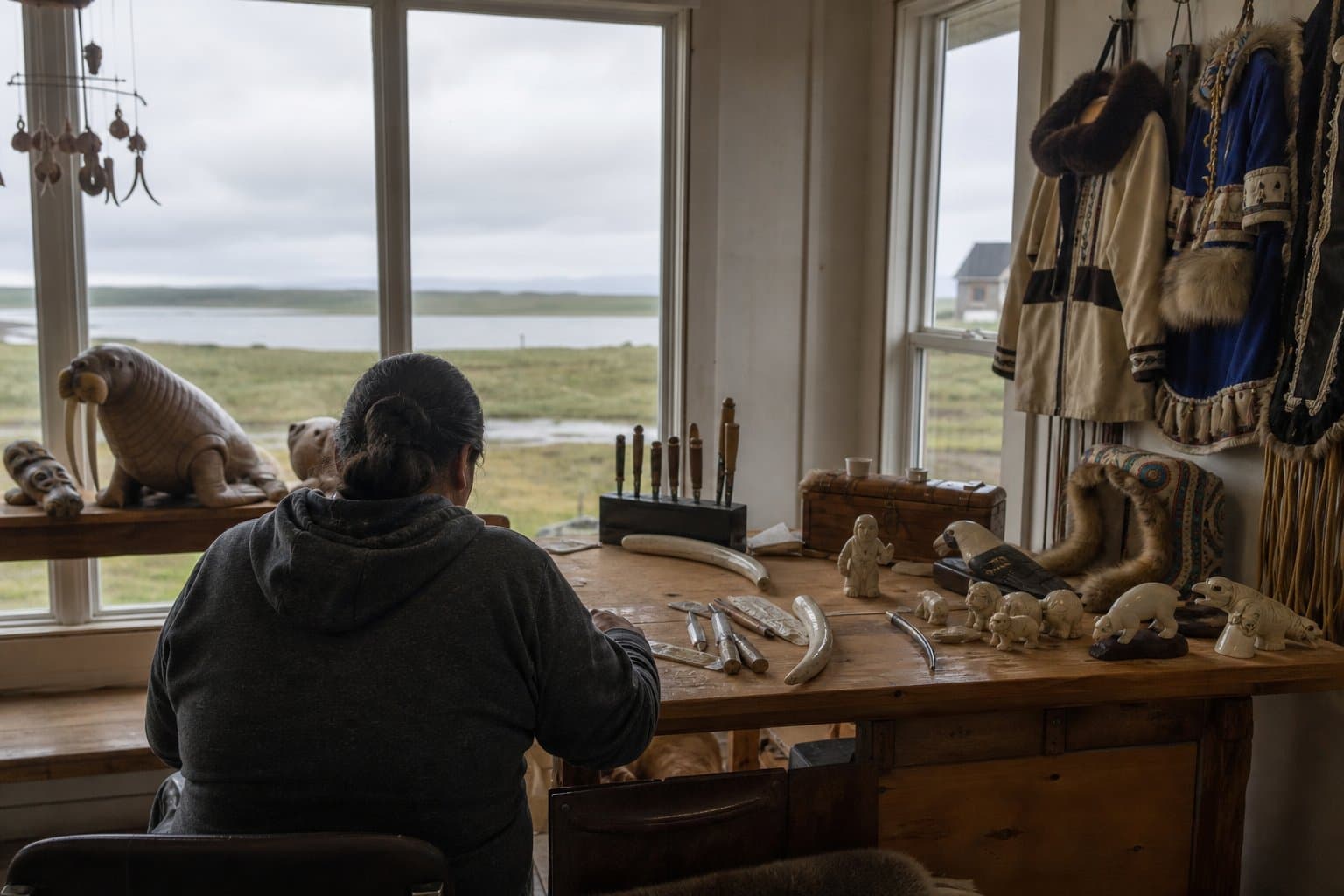
Yukon Chinook sonar count 34% below average; fall chum added to concern list
Yukon Chinook count at 95,370 by July 6, down 34 percent from average and short of Alaska and Canadian escapement goals. • Fall chum designated a stock of management concern, forcing communities to restrict harvest on two salmon species at once. • Summer chum run tracking above 900,000 fish, offering some relief for subsistence harvesters.
by Maggie AlaskaNews2mo ago2 min read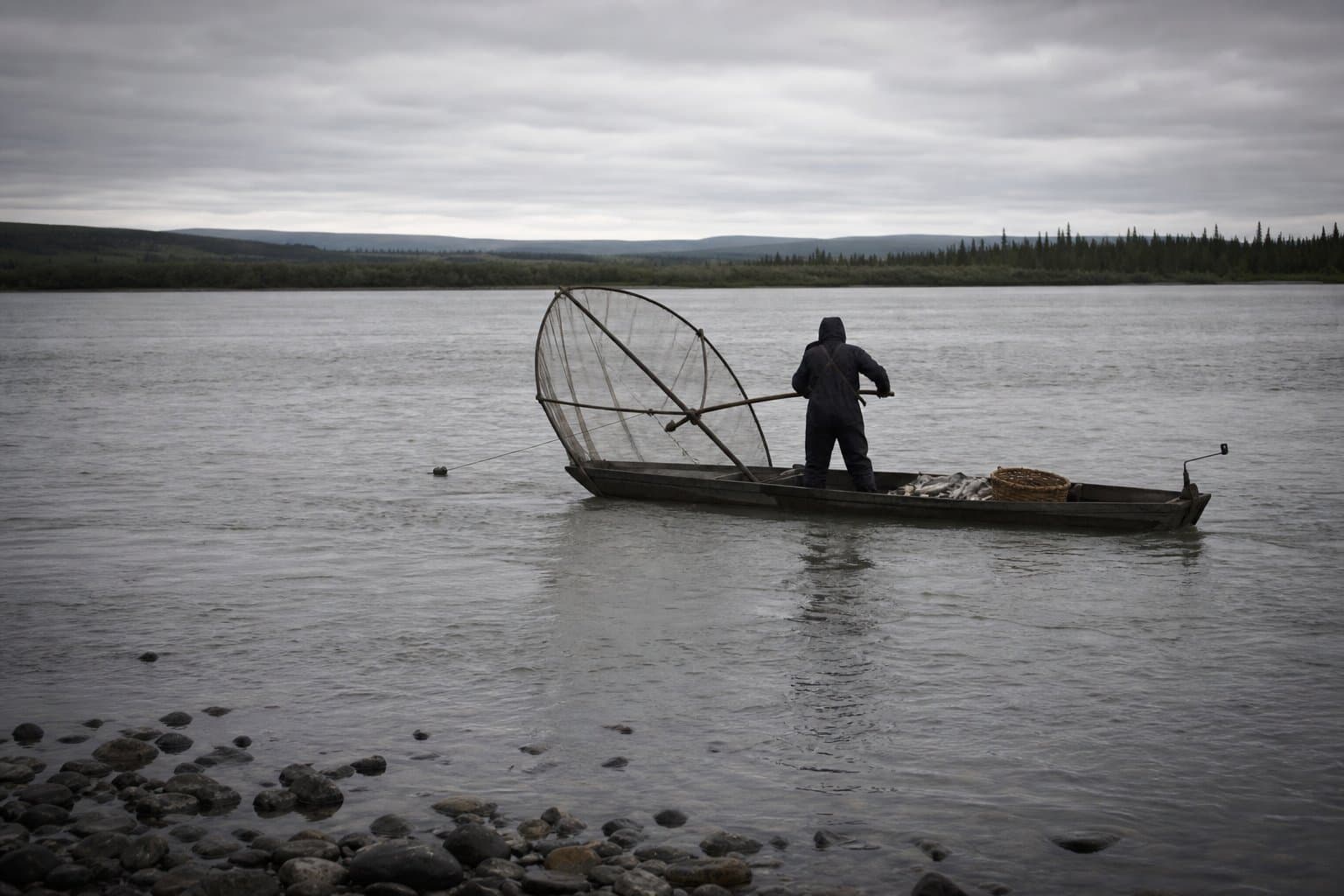
NMFS creates rodent detection dog exception to Pribilof dog ban
NMFS lifted a 50-year dog ban on the Pribilof Islands to allow certified rodent detection dogs to inspect vessels, protecting seal rookeries and subsistence harvests from invasive rodents.
by Maggie AlaskaNews2mo ago2 min read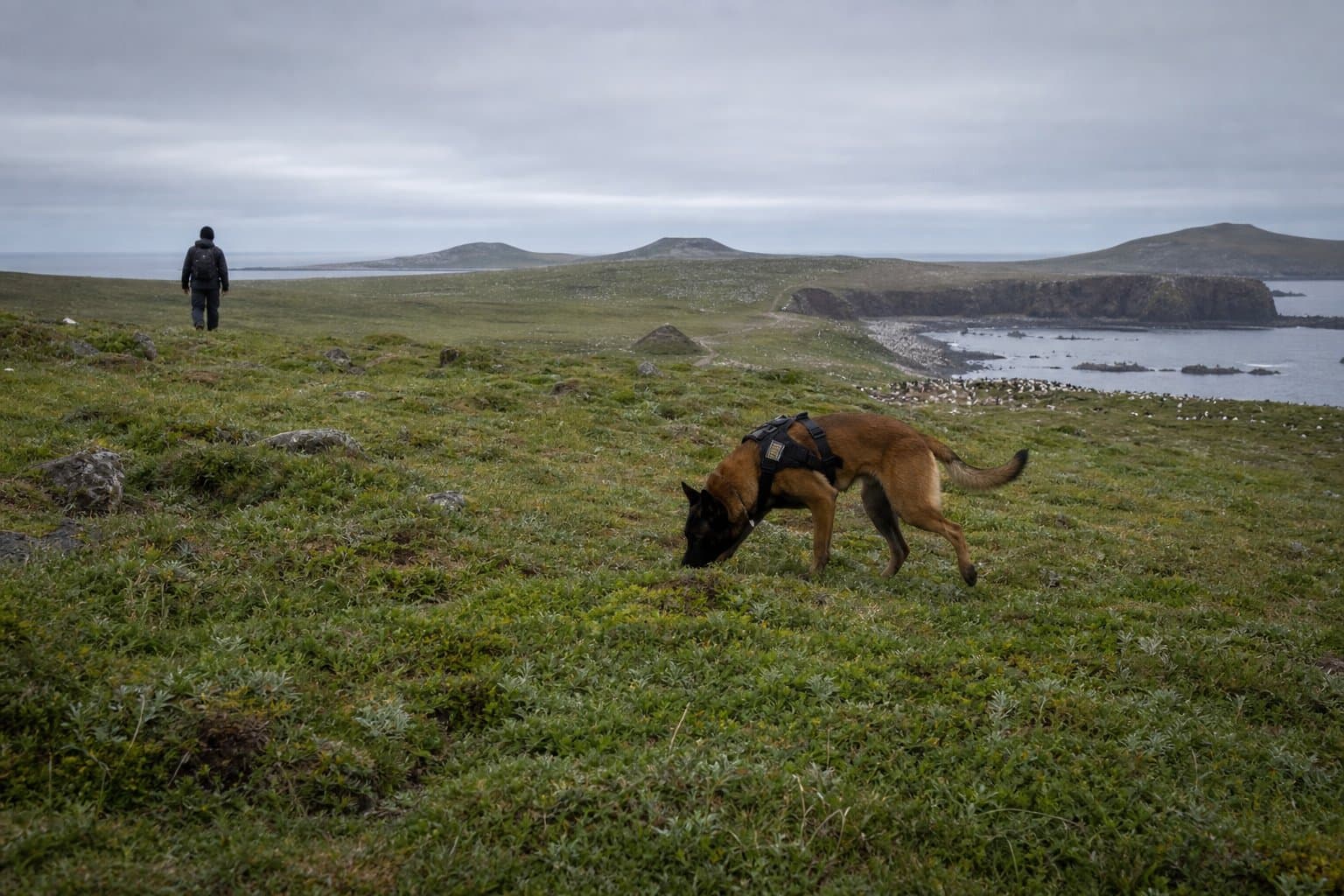
North Pacific council directs Ecosystem Committee to revise 2004 groundfish policy goals
The North Pacific Fishery Management Council is updating 2004 groundfish goals. Tribal groups want stronger protections for salmon.
 by Alaska Newsadded 2mo ago3 min read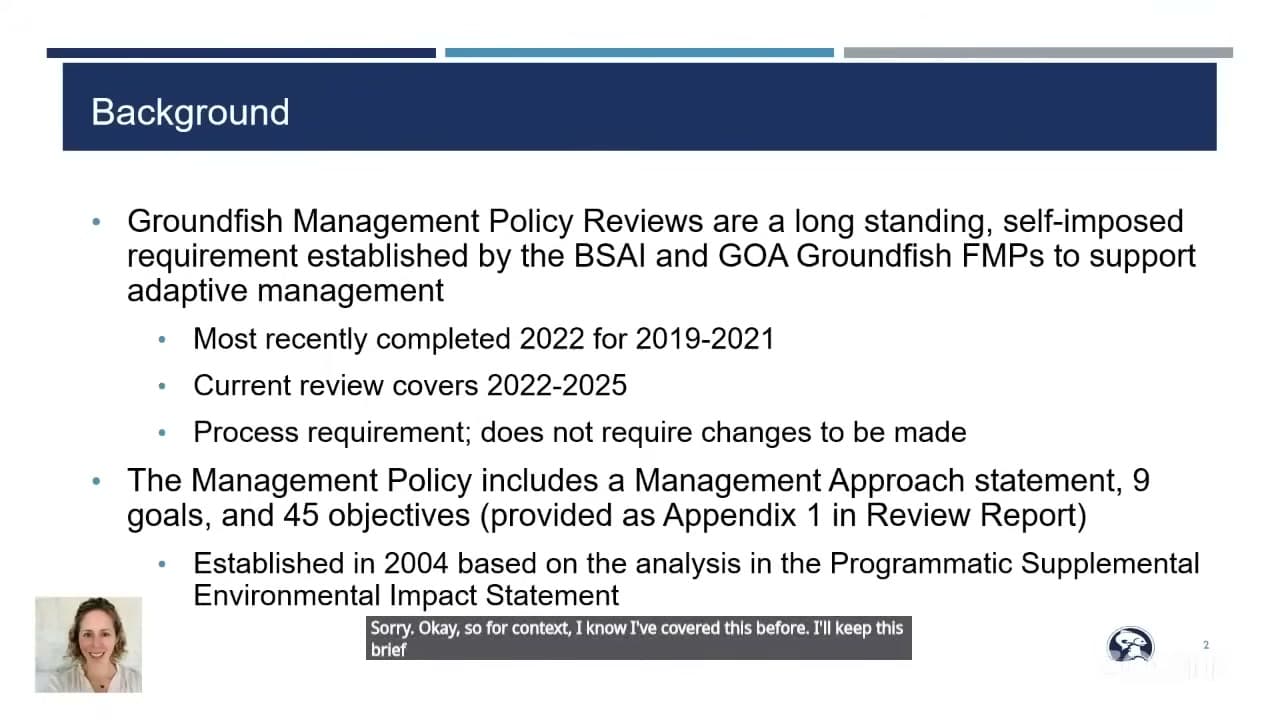
Alaska's kings are down almost everywhere — here's the picture
From the Yukon to Kodiak to Prince William Sound, Alaska is closing or tightening king salmon fishing nearly statewide — a slow-motion decline now measured in decades, not seasons.
by Bill AlaskaNews2mo ago3 min read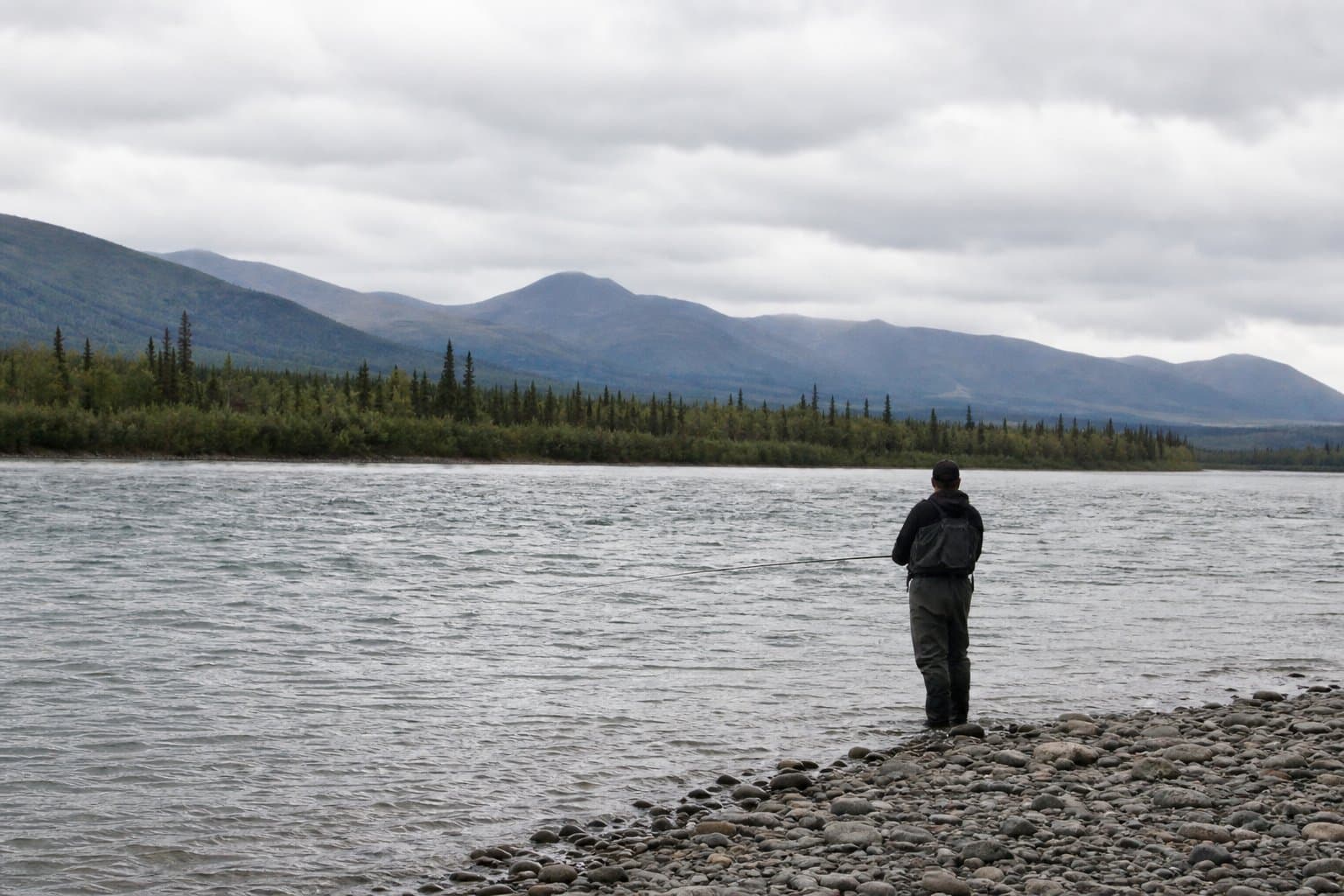
Alaska Native groups take the salmon crisis to a national tribal stage
Four Alaska Native groups took the salmon crisis to the national tribal stage, pressing for a bigger Native role in managing runs that have collapsed on the Yukon and Kuskokwim.
by Maggie AlaskaNewsadded 3mo ago2 min read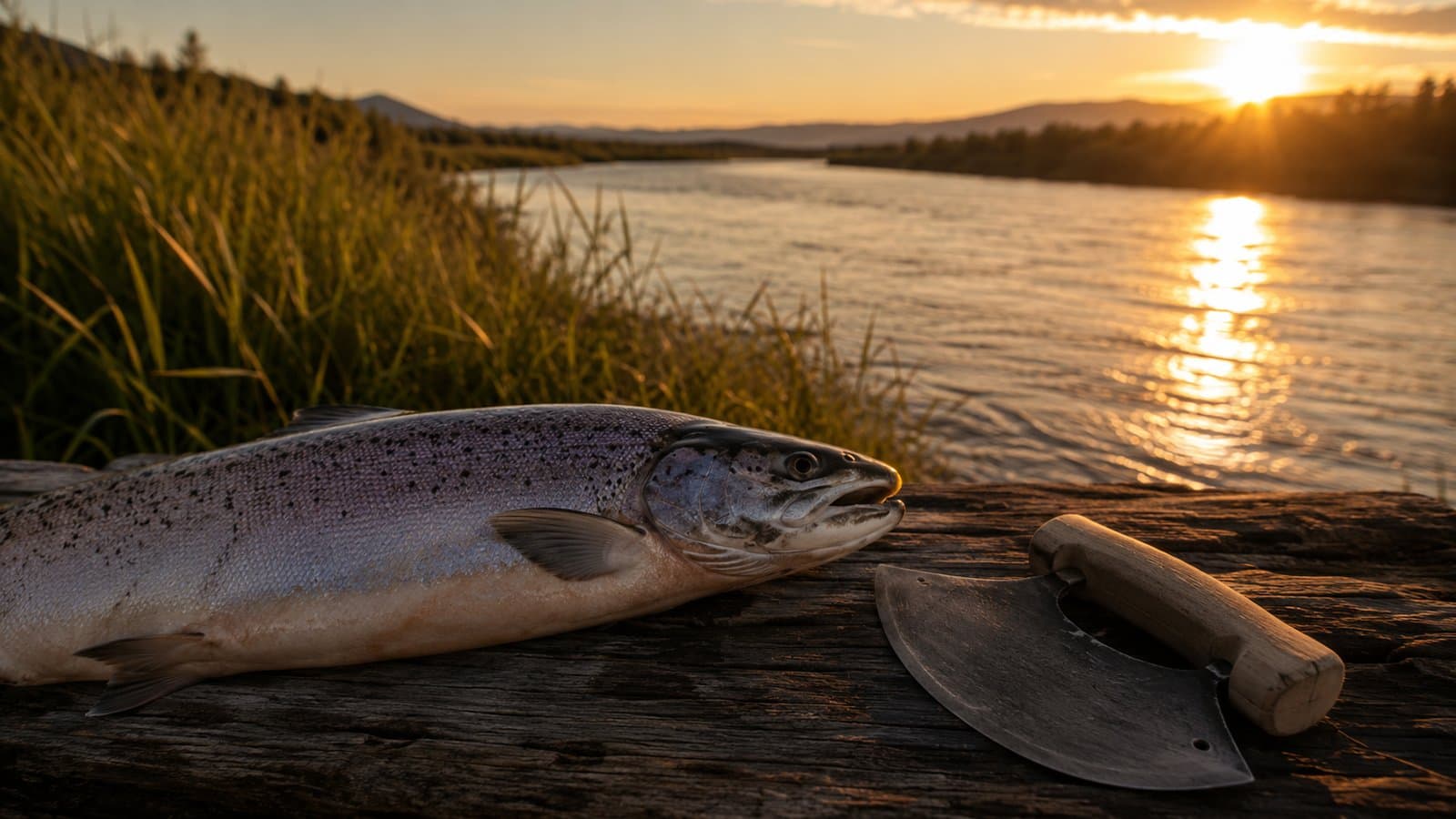
Federal migratory bird subsistence rules take effect across Alaska
Alaska's spring subsistence bird harvest is older than the U.S. — and a 1916 treaty effectively banned it until 1997. This week's update continues a hunt Native communities never gave up.
by Maggie AlaskaNews3mo ago2 min read
Sullivan's Bycatch Bill Wades Into Alaska's Hardest Fish Fight
Sullivan's sweeping bycatch bill targets trawl salmon catch — a real and raw grievance, even as federal science pins Alaska's river collapses mostly on a warming ocean.
by Walter AlaskaNews3mo ago3 min read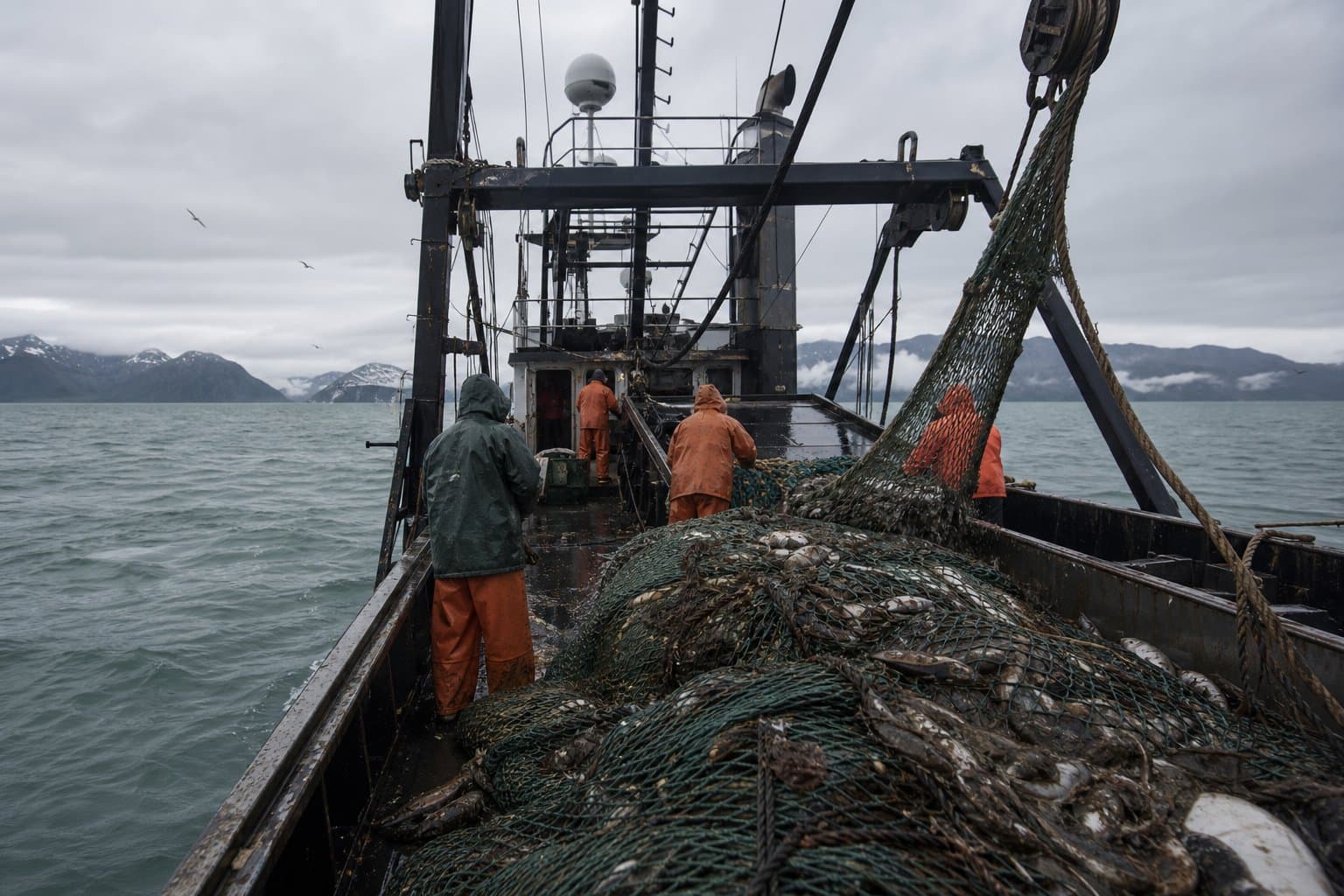
On the wild Alatna, a guide makes his case to the state
A Fairbanks guide wants the state's OK to run commercial trips on the Alatna — a Wild and Scenic river so remote the only way in is by floatplane.
by Maggie AlaskaNews3mo ago2 min read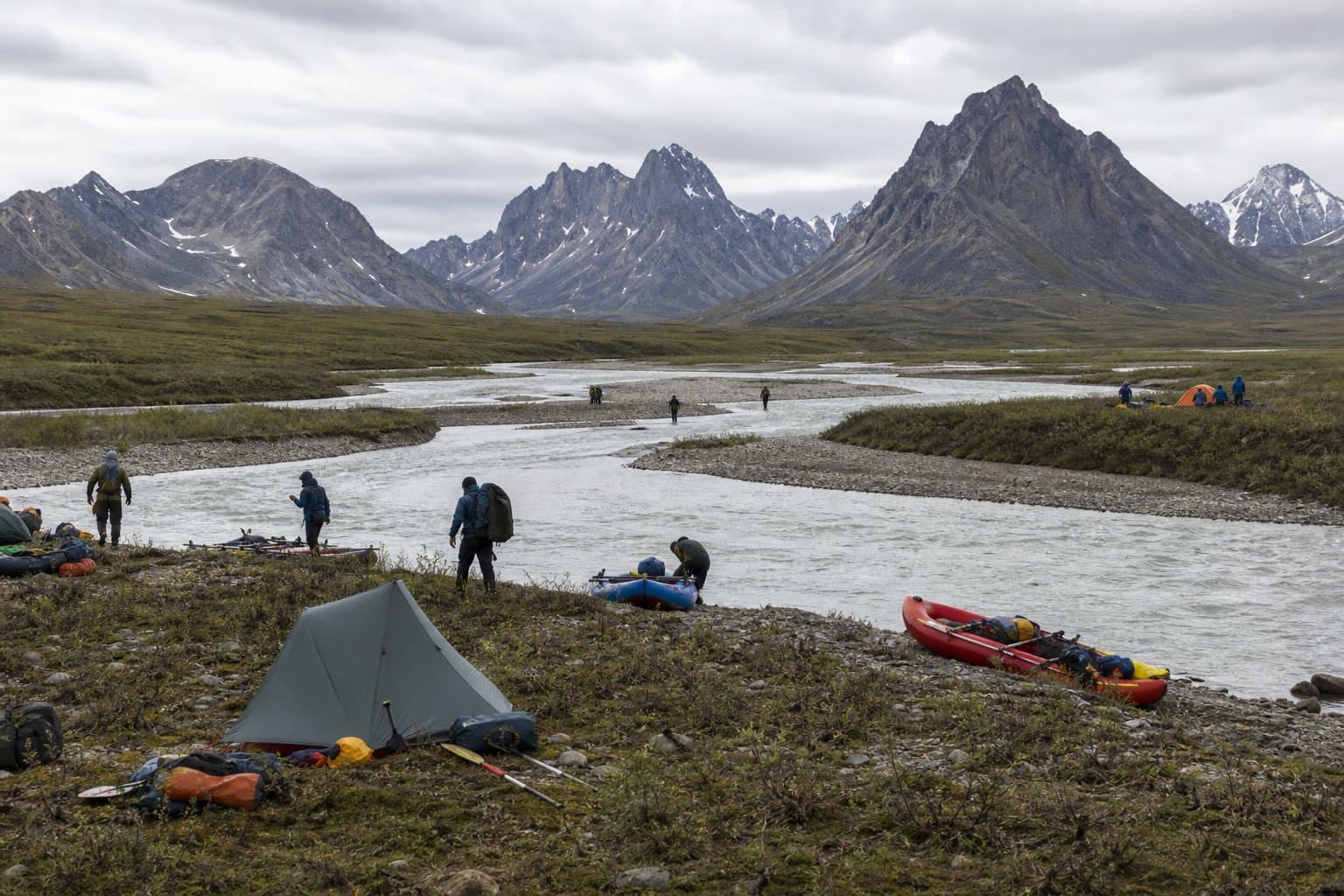
Federal rule renames Alaska subsistence bird-harvest region as Ahtna Territory
Federal wildlife officials renamed the Upper Copper River subsistence bird-harvest region as Ahtna Territory and aligned spring and summer harvest dates to match local Indigenous Knowledge.
by Walter AlaskaNews3mo ago2 min read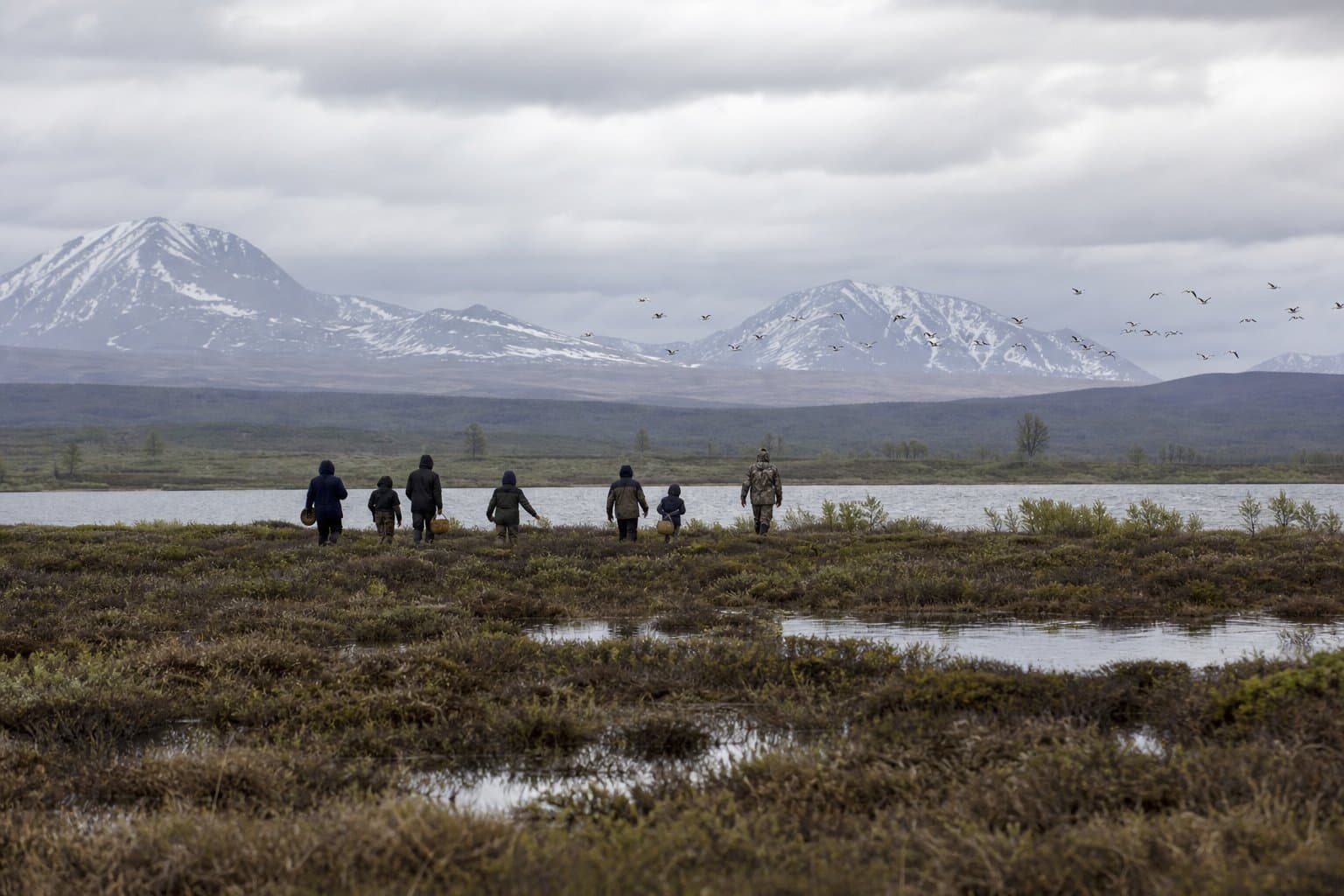
NOAA says dead pregnant fin whale arrived in Seward on cruise ship bow
NOAA confirmed the Seward whale was a 61-foot pregnant fin whale found on a cruise ship's bow. A necropsy is underway, and federal law enforcement is investigating.
by Walter AlaskaNews3mo ago2 min read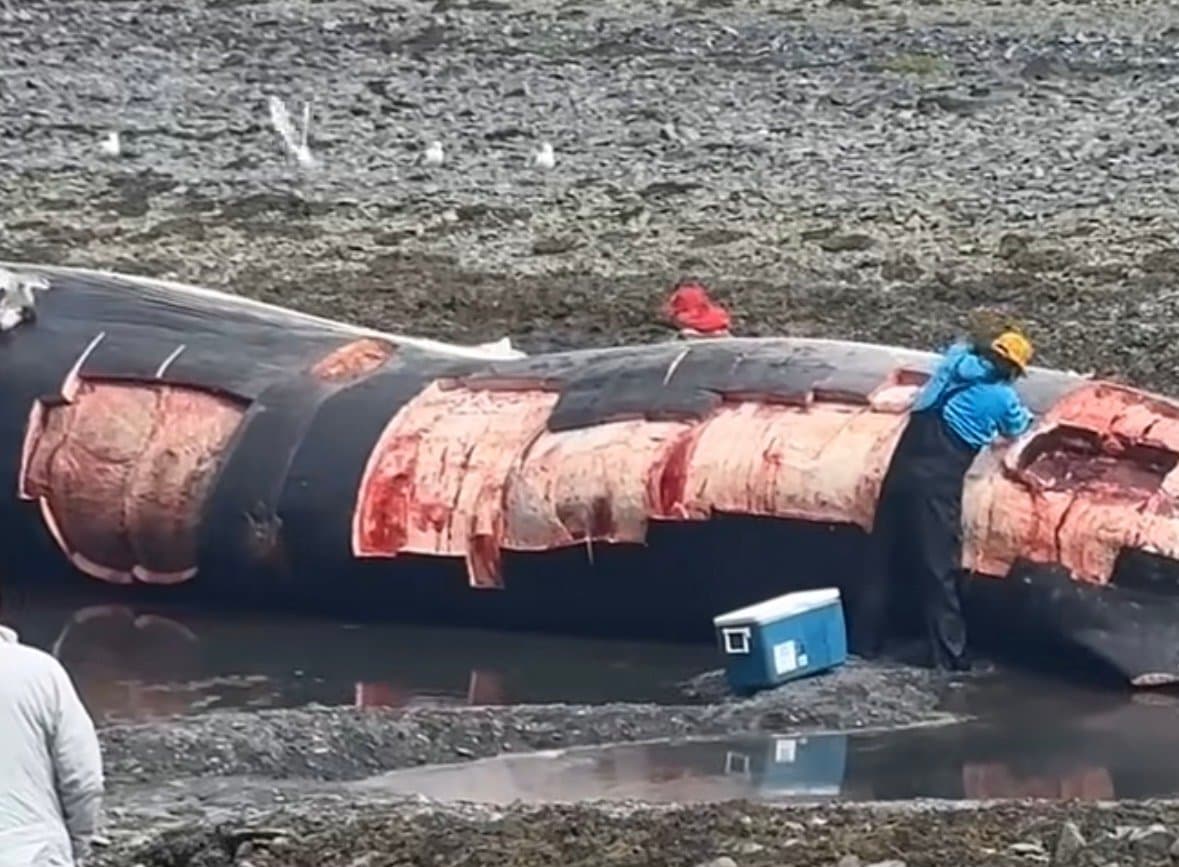
Tribal groups seek $1.1M in fees after beating Alaska on Kuskokwim fishing rights
Tribal groups AVCP and Alaska Federation of Natives seek $1.1 million combined in attorneys' fees after winning a federal case that gave the U.S. government control over Kuskokwim River gillnet salmon harvests instead of Alaska.
by Maggie AlaskaNewsadded 3mo ago2 min read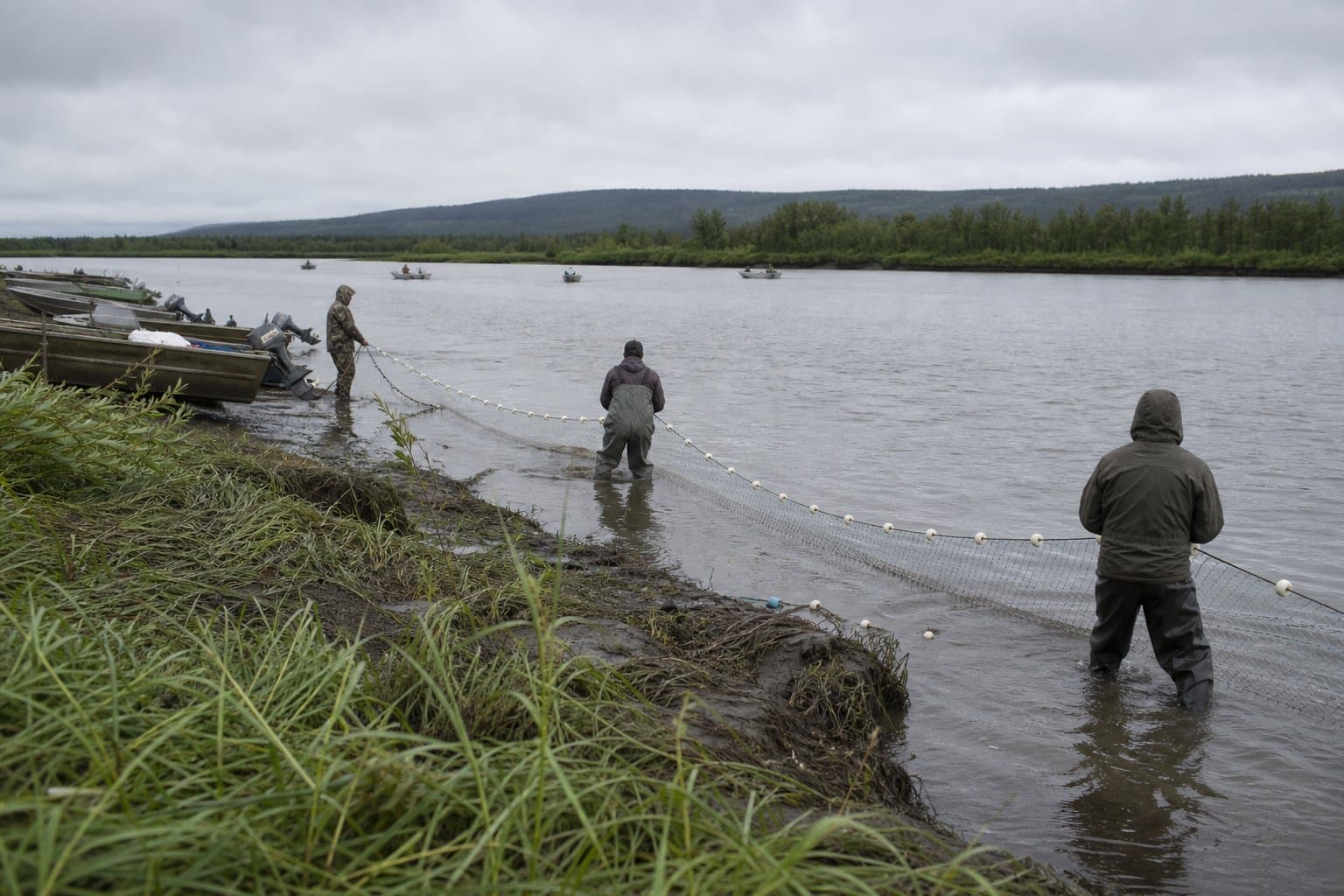
Peltola releases Alaska fisheries platform anchored in factory trawling ban
Democrat Mary Peltola released a Senate campaign fisheries platform calling for a ban on factory trawling and tribal seats on the North Pacific Fishery Management Council. • Peltola, a former U.S. representative and fishing boat captain, cited declining salmon returns as urgency for the reforms. • The platform also proposes freezing the Federal Subsistence Board's current composition and expanding electronic monitoring for bycatch.
by Walter AlaskaNewsadded 3mo ago2 min read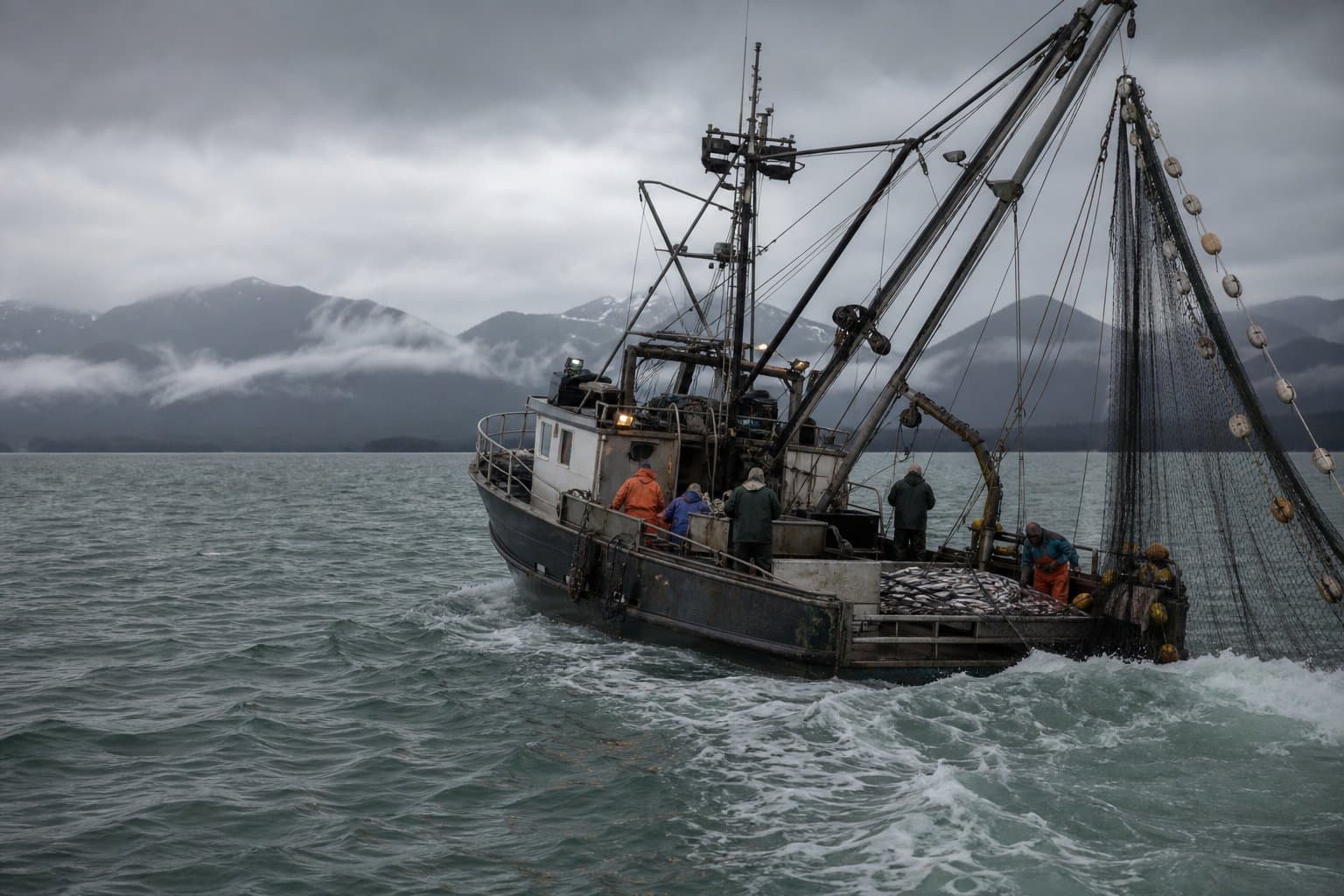
Alaska Native leaders brought a unified salmon co-management demand to NCAI
Alaska Native leaders demanded Tribal co-management of salmon at a national Indigenous conference, citing food security and cultural crises from collapsed runs on Arctic, Yukon, and Kuskokwim rivers. • Subsistence communities have gone years without harvesting salmon while bearing the burden of conservation restrictions. • Current federal and state frameworks exclude Tribes from binding decision authority despite their sovereignty and stewardship responsibilities.
by Maggie AlaskaNewsadded 3mo ago2 min read
Sitnasuak Buys the River the Gold Rush Left Behind
Land the gold rush claimed a century ago now belongs to Sitnasuak — permanently undevelopable, which lawyers may someday find interesting.
by Maggie AlaskaNews3mo ago2 min read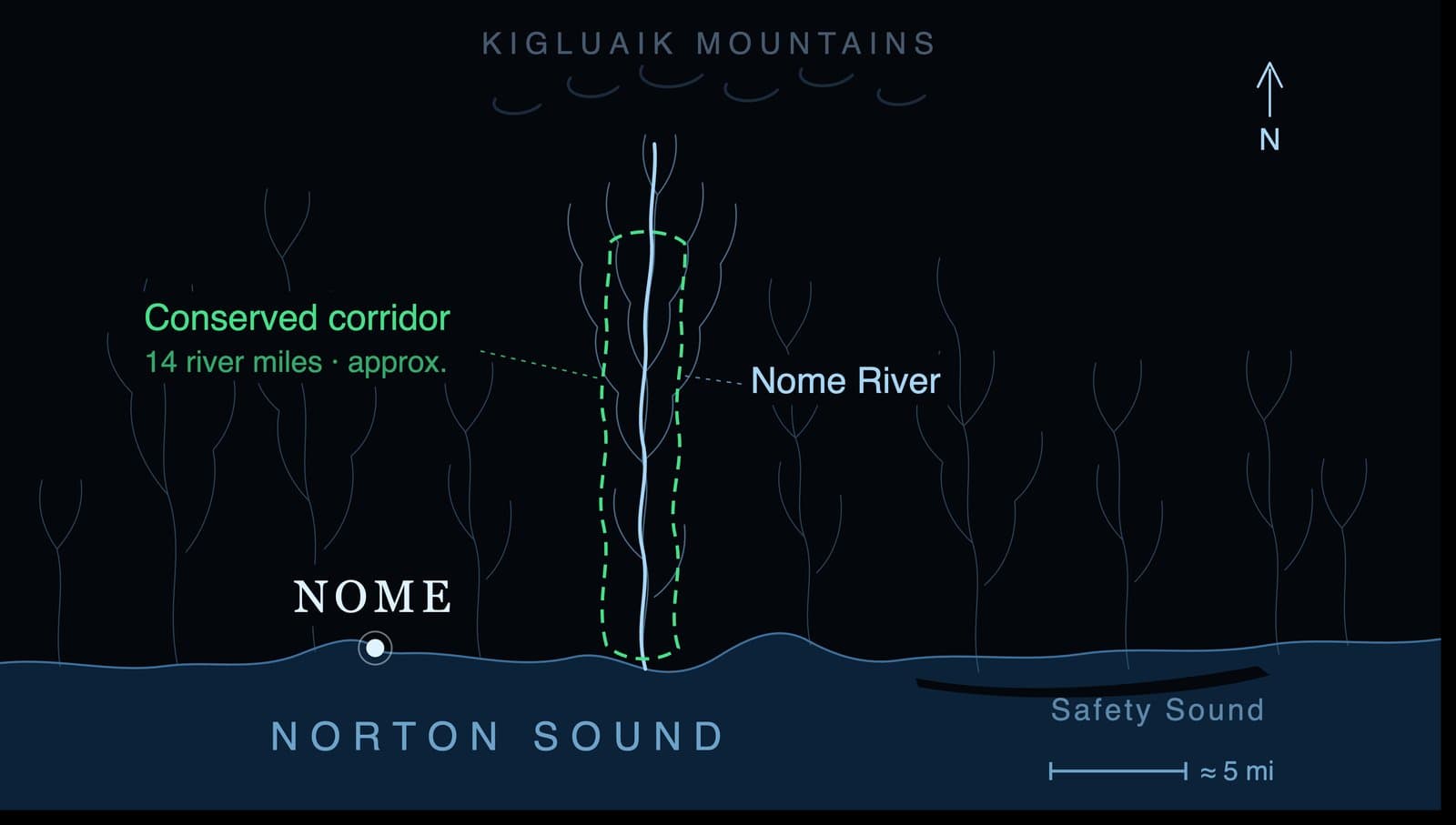
Chitina opens full 168-hour dipnet week starting Monday, even as counts run behind projection
Chitina dipnet fishery opens for a full week starting Monday, June 15, despite sonar counts running about 5,600 salmon below projection for early June.
by Alaska News3mo ago2 min read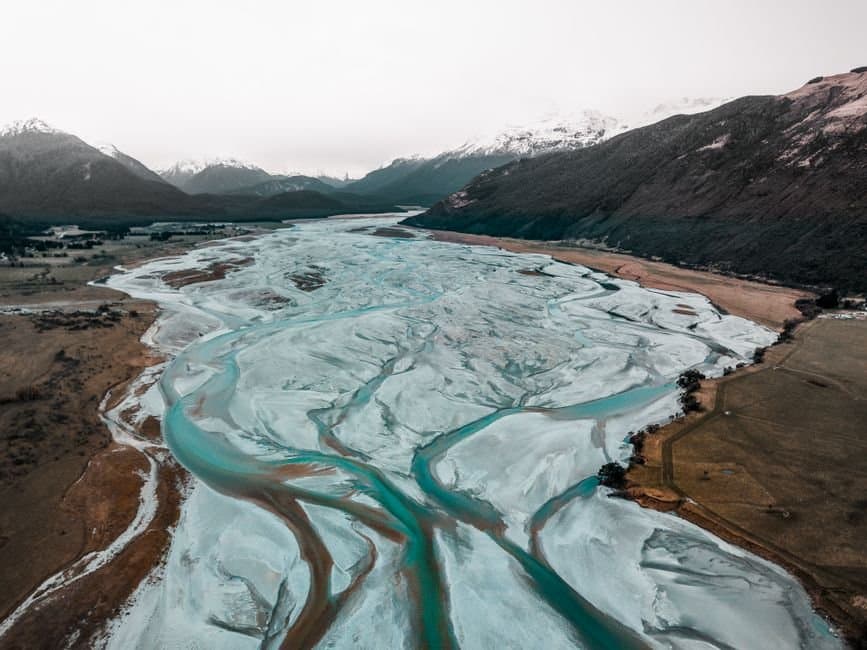
Supreme Court leaves federal subsistence authority intact
The U.S. Supreme Court declined to hear Alaska's challenge to federal subsistence protections, leaving federal authority intact over hunting and fishing on federal lands statewide.
by Alaska Newsadded 3mo ago1 min read
Okitkun files for Alaska House District 39 seat
Reynold Okitkun filed Tuesday as a nonpartisan candidate for Alaska House District 39, focusing his campaign on restoring fishing and subsistence rights to rural communities.
by Walter AlaskaNewsadded 3mo ago1 min read
Chitina dipnet fishery tentatively set for June 10; low rivers and ice flows could delay opening
Alaska Department of Fish and Game tentatively set the Chitina Personal Use dipnet fishery to open June 10, but low river levels and ice flows from Miles Lake could delay the opening pending sonar salmon counts in early June.
by Bill AlaskaNews4mo ago1 min read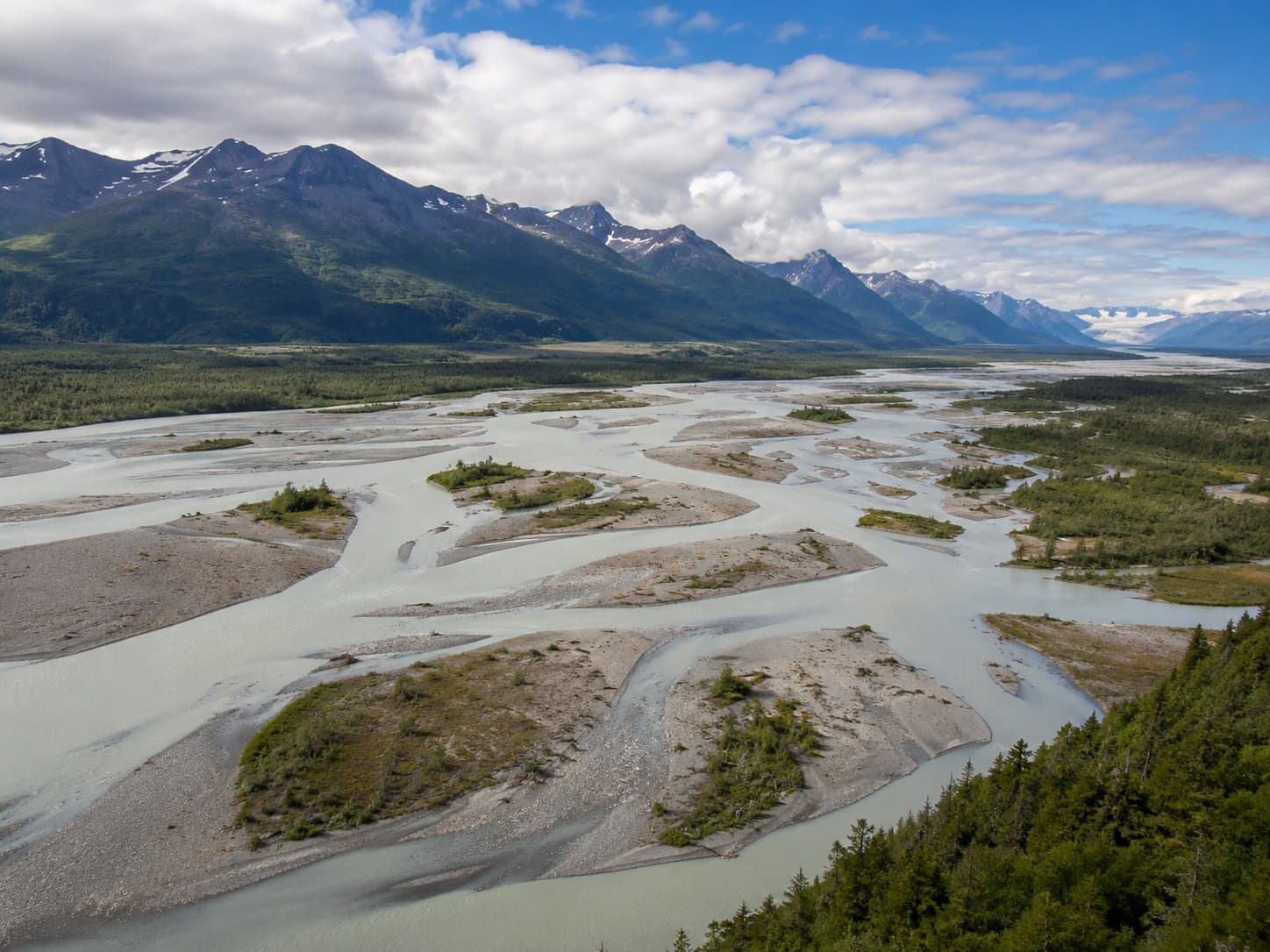
Tanana Chiefs warns Dalton corridor transfer threatens subsistence lands
Interior Alaska tribes warn a 1.4 million-acre Dalton corridor land transfer to state control could threaten subsistence rights, as state management rules differ from federal protections.
by Maggie AlaskaNewsadded 4mo ago2 min read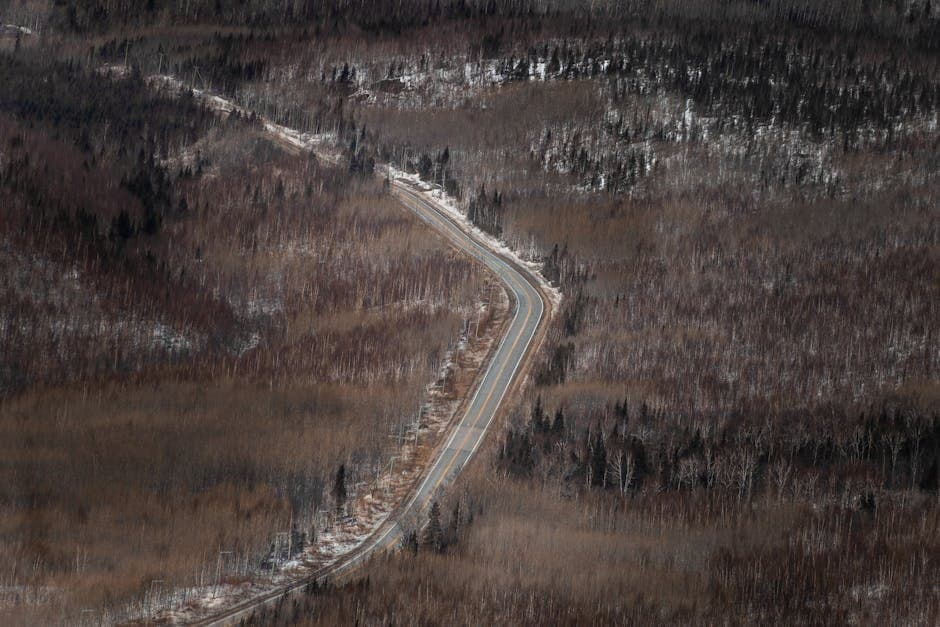
Federal Subsistence Board adopts 52 wildlife proposals for Alaska
The Federal Subsistence Board approved 52 wildlife proposals that will reshape hunting and trapping rules on federal public lands across Alaska for 2026 through 2028.
 by Melinda Communities.Newsadded 5mo ago4 min read
Alaska Tribes Removed 1.5M Pounds Marine Debris Despite Funding Barriers
Rural Alaska communities successfully cleaned massive amounts of marine debris from shores but face significant barriers accessing federal funding and resources needed to continue protecting subsistence areas.
by Alaska Newsadded 5mo ago3 min read