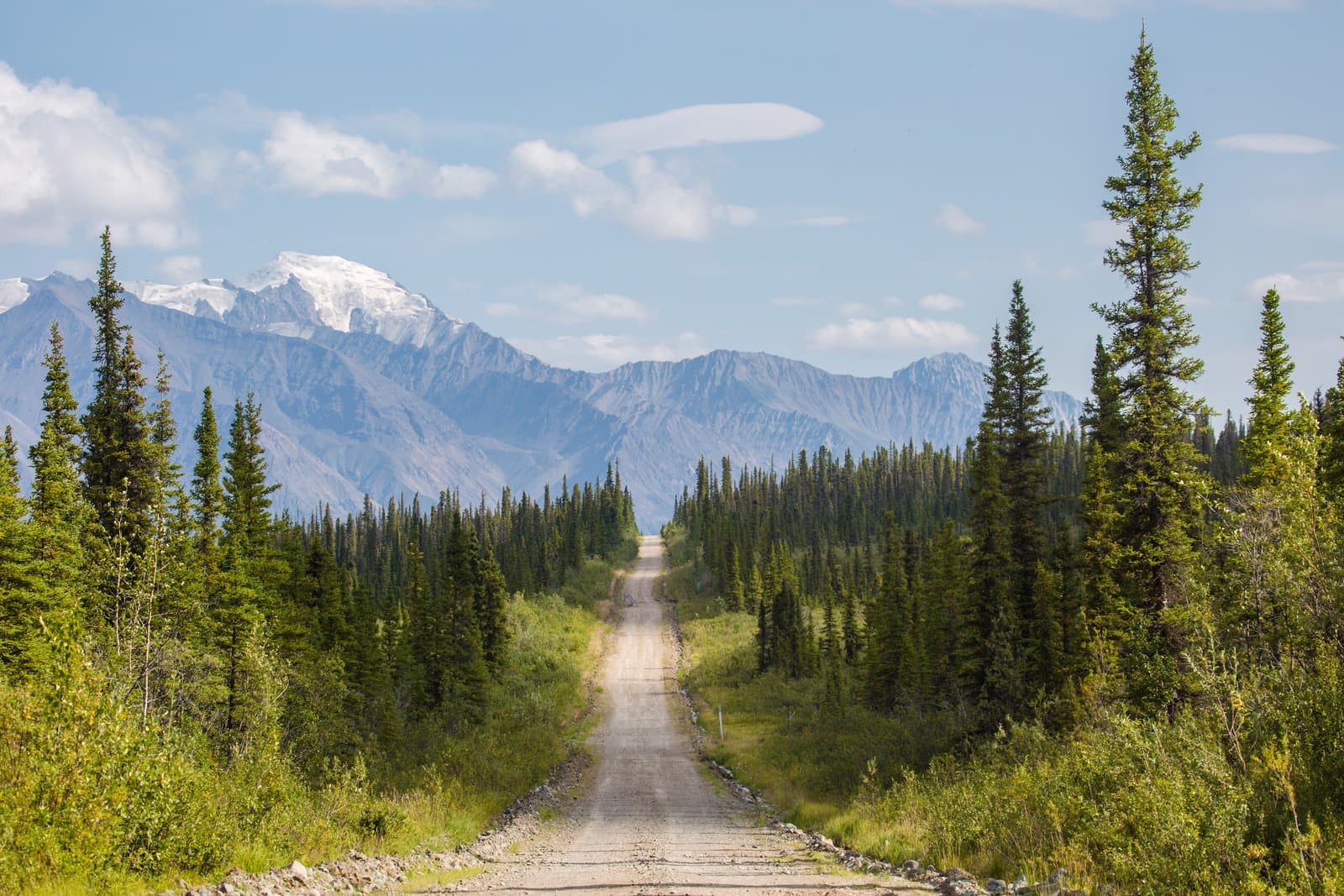
Photo by Cale Green
Rural Alaska Electricity Costs Run Three to Five Times Urban Rates
Residents in rural Alaska villages pay electricity bills three to five times higher than households in Anchorage, Fairbanks, and Juneau, according to data from the University of Alaska Fairbanks International Arctic Research Center.
The cost gap stems from reliance on diesel-powered microgrids in remote communities. Fuel deliveries arrive infrequently and prices can exceed $1 per kilowatt-hour. More than 150 standalone microgrids serve dispersed villages across the state.
Alaska operates nearly 3,500 megawatts of microgrid capacity, representing 50 percent of all installed microgrids in the United States. Most still depend on diesel generators despite $250 million in state investments in renewable energy projects between 2009 and 2015.
Transformation Plans Face Funding Questions
The Alaska Energy Authority outlined plans in January 2023 to transform rural microgrids through its Grid Resilience and Innovation Partnership initiative. The agency has not announced specific timelines or funding amounts for the upgrades.
Agency documents acknowledge diesel cannot be fully eliminated due to life-safety concerns in remote areas. Some Alaska communities have deployed microgrids with 100 percent renewable capabilities, but the transition remains incomplete across most rural villages.
Cost Pressures Hit Remote Communities
Commercial fishers, subsistence harvesters, and remote villagers bear the economic impact of high energy costs. Villages accessible only by air or water face additional transportation costs that drive up energy prices.
The Railbelt grid provides 79 percent of the state's electricity and generates 73 percent of its power from natural gas. The system faces technical hurdles integrating renewable sources like tidal energy, which could provide 200 to 300 megawatts with infrastructure upgrades.
Economic necessity rather than policy mandates now drives many community-level energy decisions. State energy officials continue pursuing renewable integration projects despite declining funding levels since the 2009-2015 investment period.
Source: Residents Highlight Energy Grid and Cost Challenges.
AI-assisted. How we use AI
Stay informed. Support what matters.
Free, permanent access to local news you can verify. Subscribe to support Alaska News and go ad-free.
Related Coverage
Remote Alaska villages pay $6.63 per gallon as fuel costs strain budgets
Alaska News · 5mo ago
Alaska raises rural power subsidy floor, cutting support $3M
Alaska News · 4mo ago
Alaska's Off-Grid Communities Face Rising Diesel Costs as Governor Promotes Solar Alternative
Alaska News · 4mo ago
Alaska Sustainable Energy Conference explores future of statewide energy systems
Alaska News · 4mo ago
Alaska household electricity prices rose 5.6 percent from a year earlier in July, federal data show
Alaska News · 3d ago
Comments
Sign in to leave a comment.
No comments yet. Be the first to share your thoughts.