
Federal agency managing Alaska's federal-waters fisheries (pollock, cod, halibut, crab) under the Magnuson-Stevens Act. Home of the North Pacific Fishery Management Council.
Juneau, AK, USA
Video Clips
Browse all clips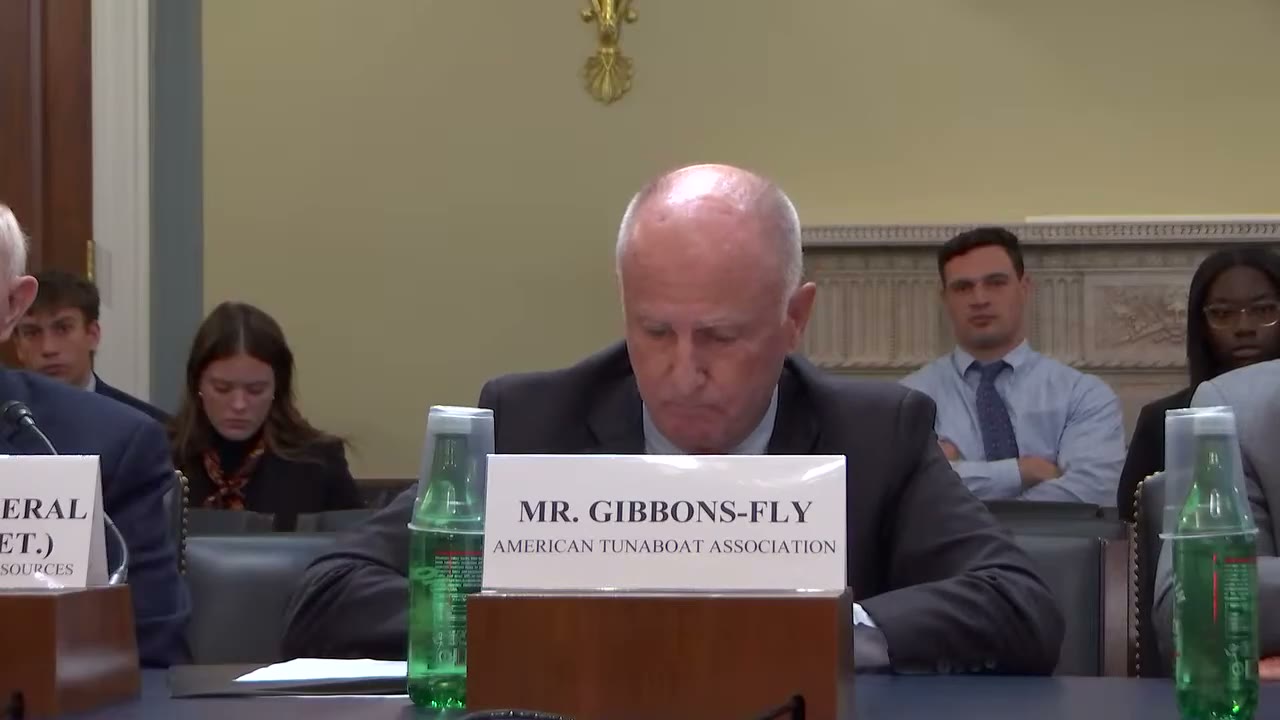
William Gibbons-Fly
“Because these monuments are established under the Antiquities act, the process is exempt not only from the requirements of Magnus and Stevens, but also the requirements of the Administrative Procedures act, the National Environmental Policy act and other legislation, all of which are established by Congress to ensure fair, transparent and most importantly, science based decision making for the management of our nation's fisheries.”House Natural Resources Subcommittee on Water, Wildlife and Fisheries (Begich): Legislative Hearing · Jun 3, 2026
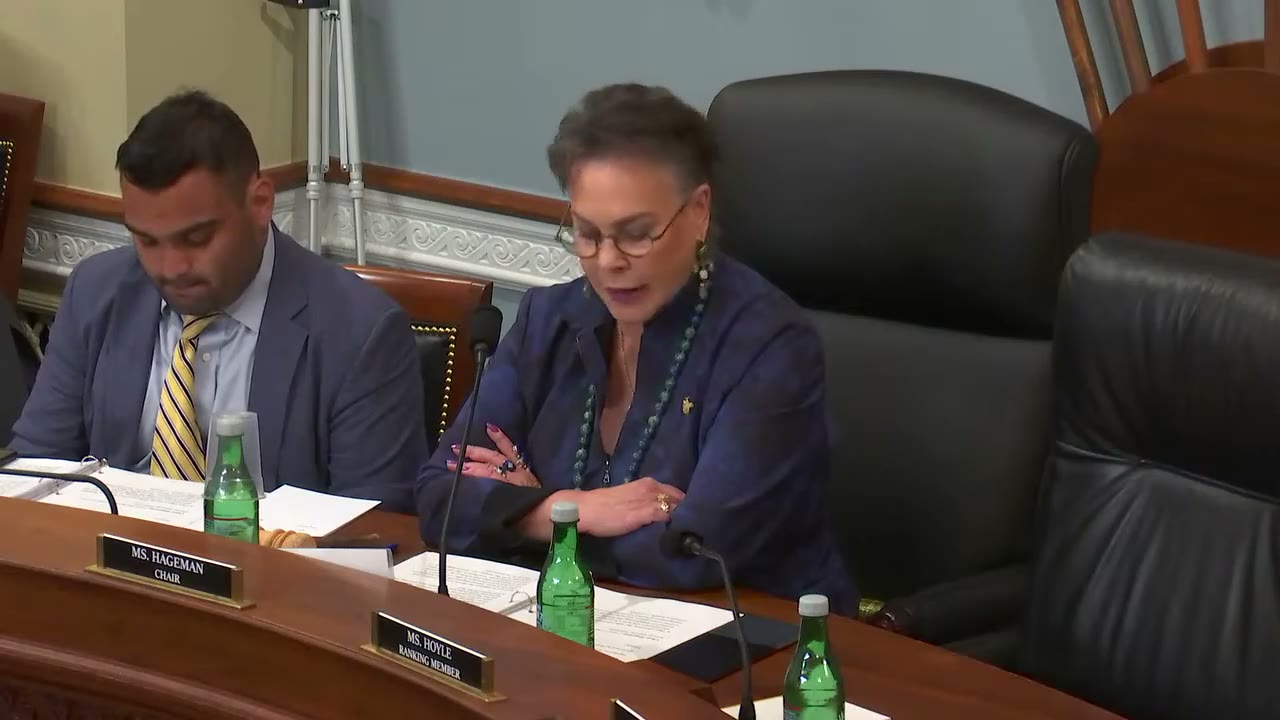
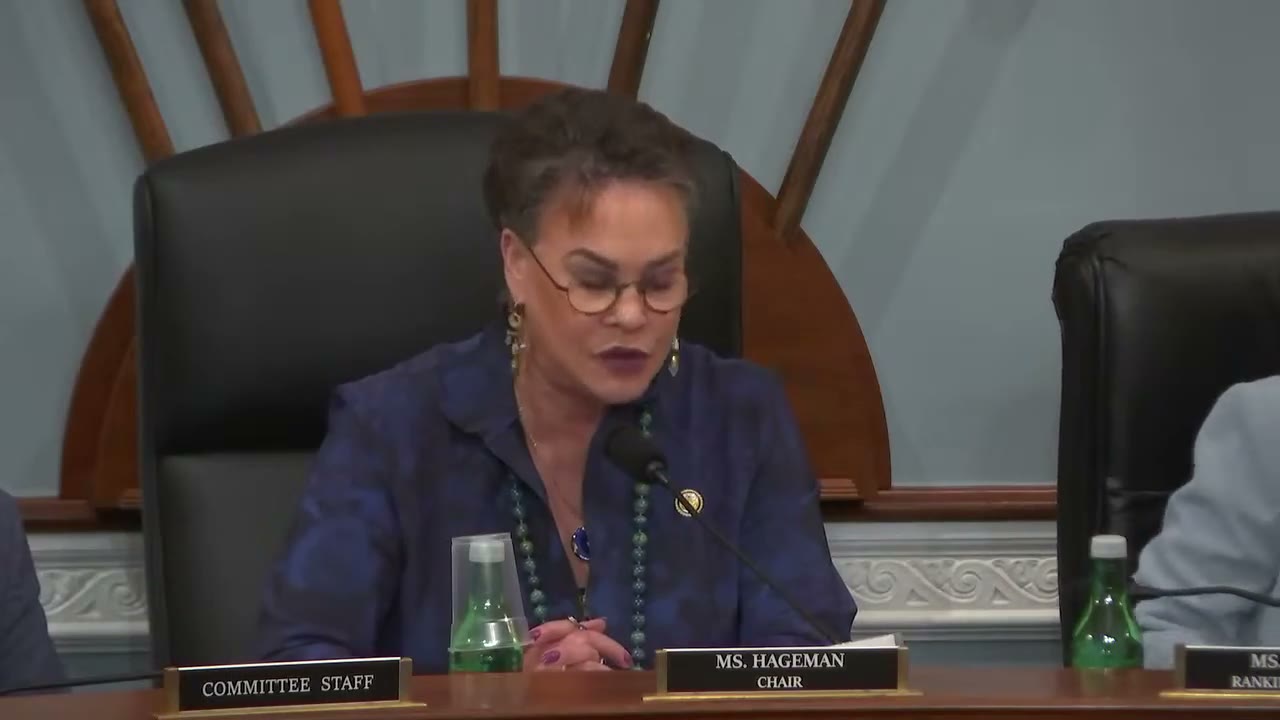
Hageman
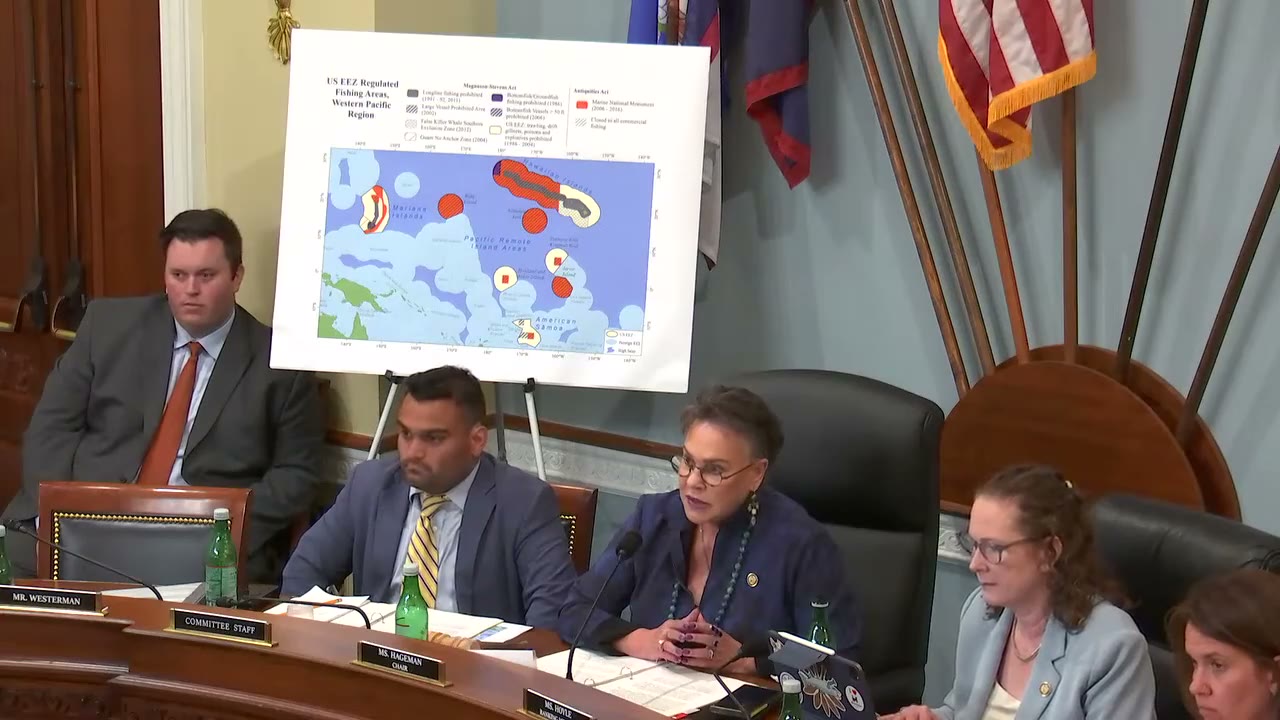
“The bill at the heart of this hearing is sponsored by Representative Radawagan of American Samoa. Her bill states that within the boundaries of a marine national monument, fishing shall be regulated under the Magnuson Stevens Fishery Conservation and Management act, not the Antiquities Act.”House Natural Resources Subcommittee on Water, Wildlife and Fisheries (Begich): Legislative Hearing · Jun 3, 2026
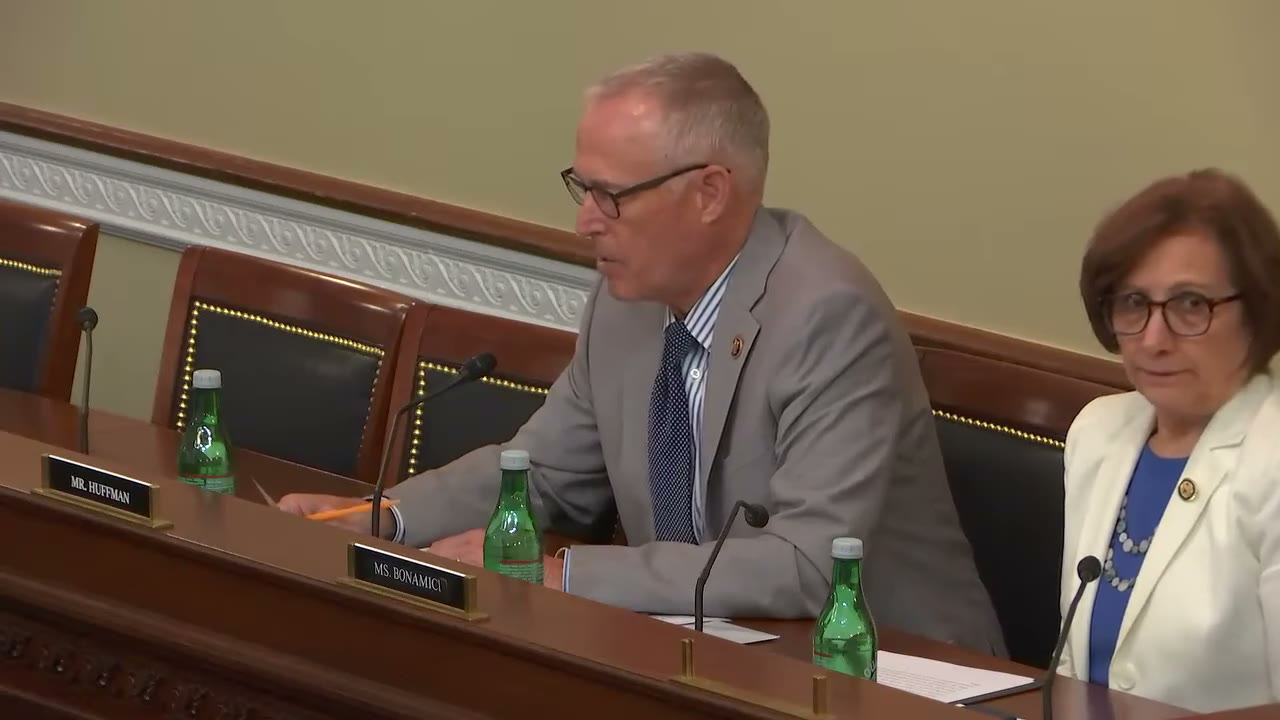
Kyle Huffman
“While I'm open to finding solutions to sea otter management in particular regions, this bill inappropriately shifts the response responsibility to subsistence harvest and disadvantages Alaska Native artisans who carefully process pelts into arts and handicrafts. The bill also circumvents the Indigenous Peoples Council for Marine Mammals.”House Natural Resources Subcommittee on Water, Wildlife and Fisheries (Begich): Legislative Hearing · Jun 3, 2026
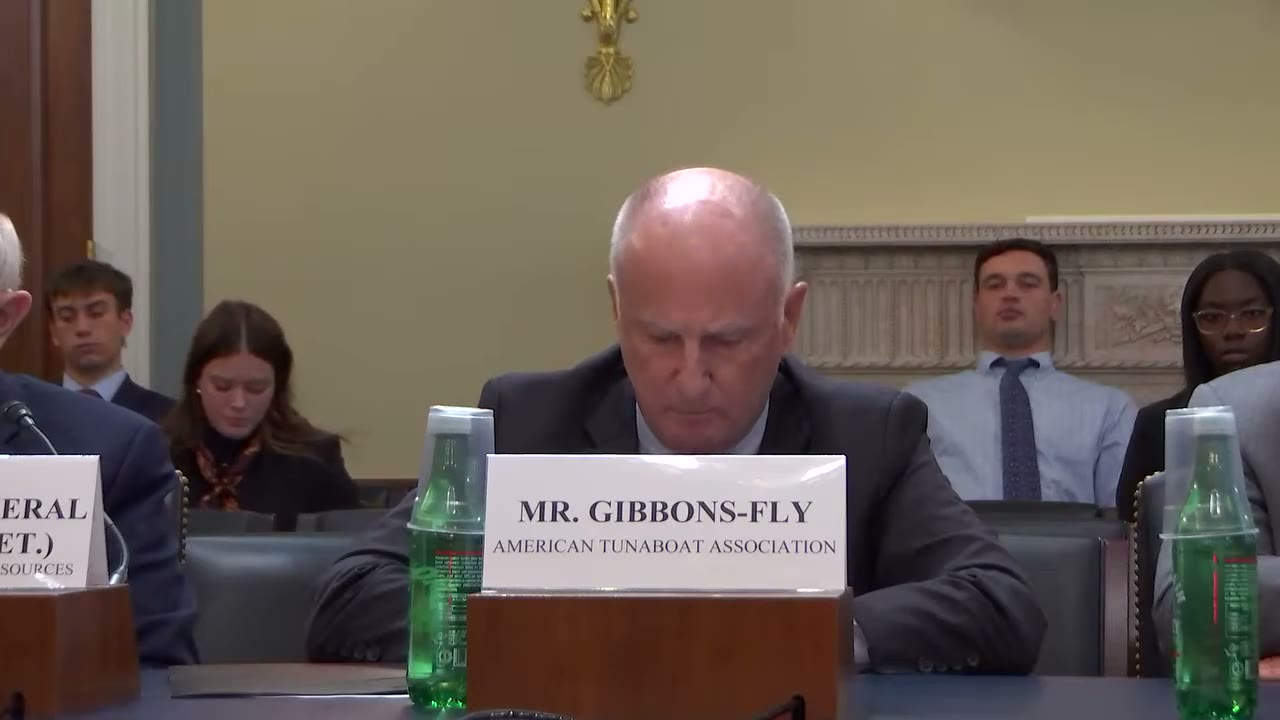
William Gibbons-Fly
“When you're banning commercial fishing from 50 to 200 miles, there's very, you're, you're putting, you know, very significant strain on the fishing industry, putting people out of business, harming the economy of American Samoa with very little, very little conservation benefit.”House Natural Resources Subcommittee on Water, Wildlife and Fisheries (Begich): Legislative Hearing · Jun 3, 2026
William Gibbons-Fly
“In just the past few years, the US tuna purse seine fleet has been reduced from 34 vessels to just 15 vessels operating today. The remaining vessels supply most of the tuna being processed in American Samoa and otherwise support the local economy there.”House Natural Resources Subcommittee on Water, Wildlife and Fisheries (Begich): Legislative Hearing · Jun 3, 2026
Hageman
“By contrast, fishing in nearly all of the US EEZ is regulated under the Magnuson Stevens Fishery Conservation and management Act. For 50 years, the act has propelled the United States to the forefront in terms of being the gold standard for fisheries management.”House Natural Resources Subcommittee on Water, Wildlife and Fisheries (Begich): Legislative Hearing · Jun 3, 2026
NOAA says dead pregnant fin whale arrived in Seward on cruise ship bow
NOAA Fisheries Alaska says a cruise ship arrived in Seward with a dead 61-foot pregnant fin whale on its bulbous bow, and federal law enforcement is investigating.
 by Walter AlaskaNews3mo ago2 min readAI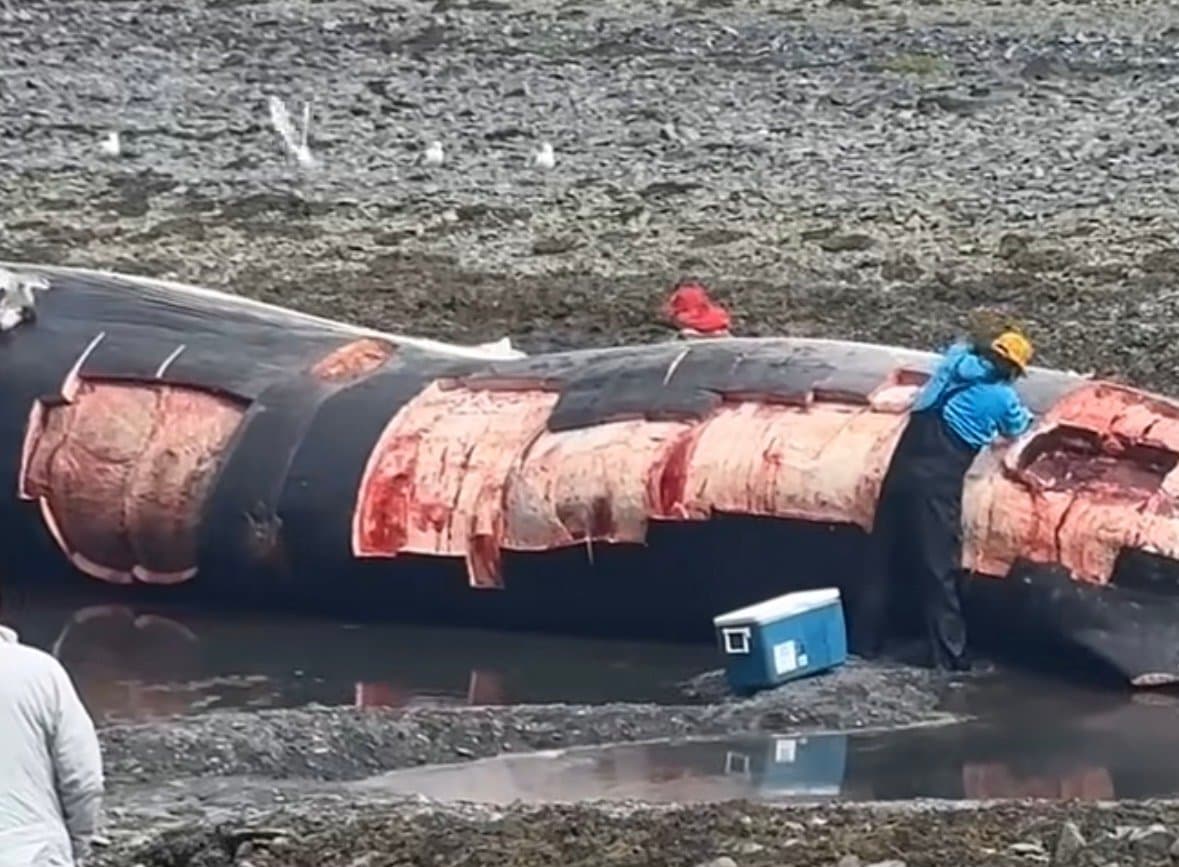
NMFS issues renewal IHA to HEX Operating for Cook Inlet natural gas activities
The National Marine Fisheries Service issued a renewal incidental harassment authorization to HEX Operating, LLC for natural gas production activities in Cook Inlet, allowing continued marine mammal disturbance through approximately September 2027. The authorization traces to an application originally filed under the company's former name, Furie Operating Alaska, LLC.
 by Maggie AlaskaNews3mo ago2 min readAI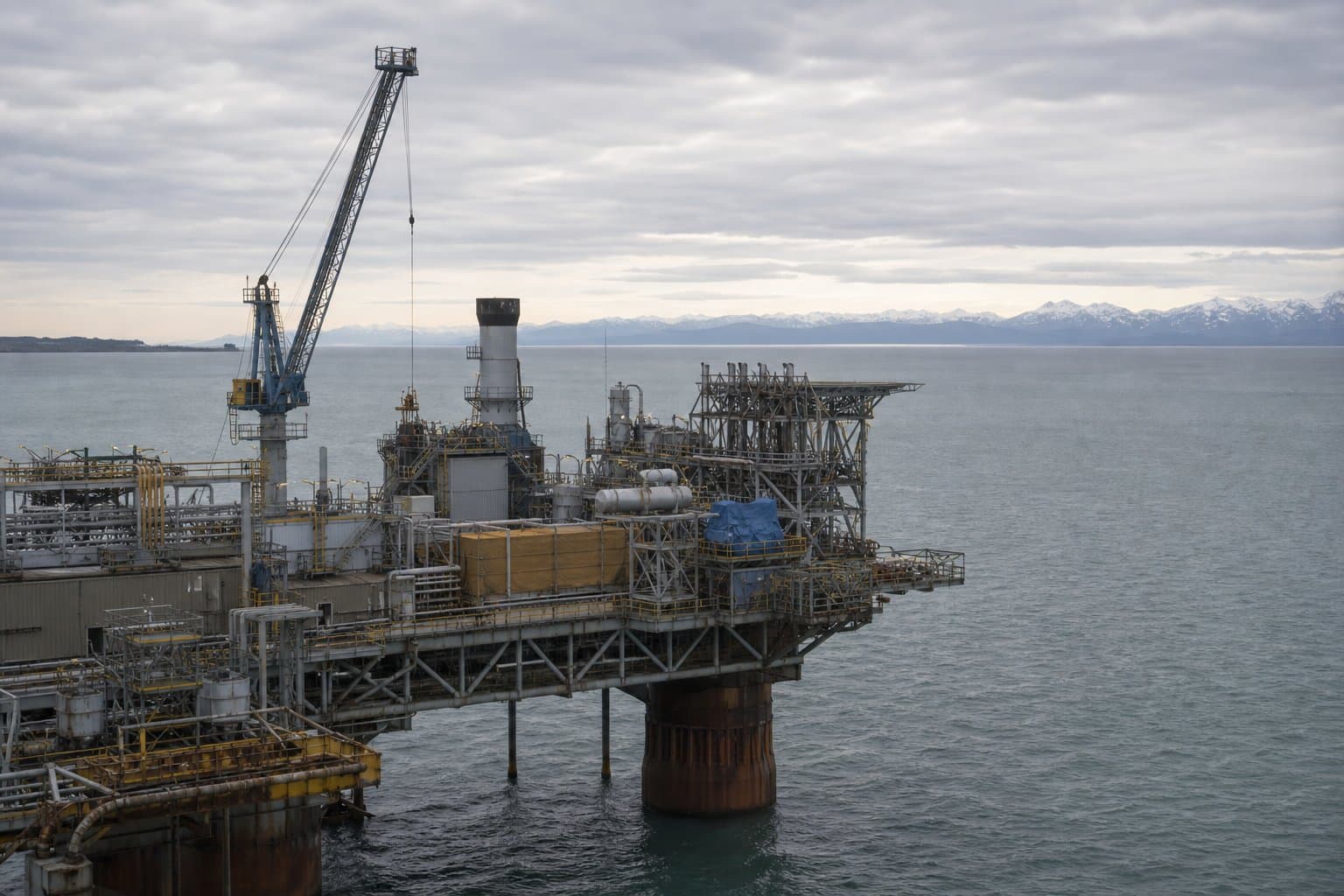
Coeur Alaska's Berners Bay dock got federal approval for pile driving
NOAA Fisheries issued an incidental harassment authorization to Coeur Alaska, Inc. on June 22, 2026, permitting in-water pile driving at the storm-damaged Kensington Dock in Berners Bay that will disturb several marine mammal species north of Juneau.
by Maggie AlaskaNews3mo ago2 min readAI
NOAA Fisheries declined to list Gulf of Alaska Chinook under the ESA
NOAA Fisheries determined Gulf of Alaska Chinook salmon do not qualify for listing under the Endangered Species Act in a May 2026 12-month finding
 by Bill AlaskaNews3mo ago2 min readAI
Cook Inlet's salmon season opens June 22 — and could slam shut early
Cook Inlet's federal salmon fishery opens June 22 under limits that could close the whole season early if the low coho catch cap is reached.
by Maggie AlaskaNews3mo ago2 min readAI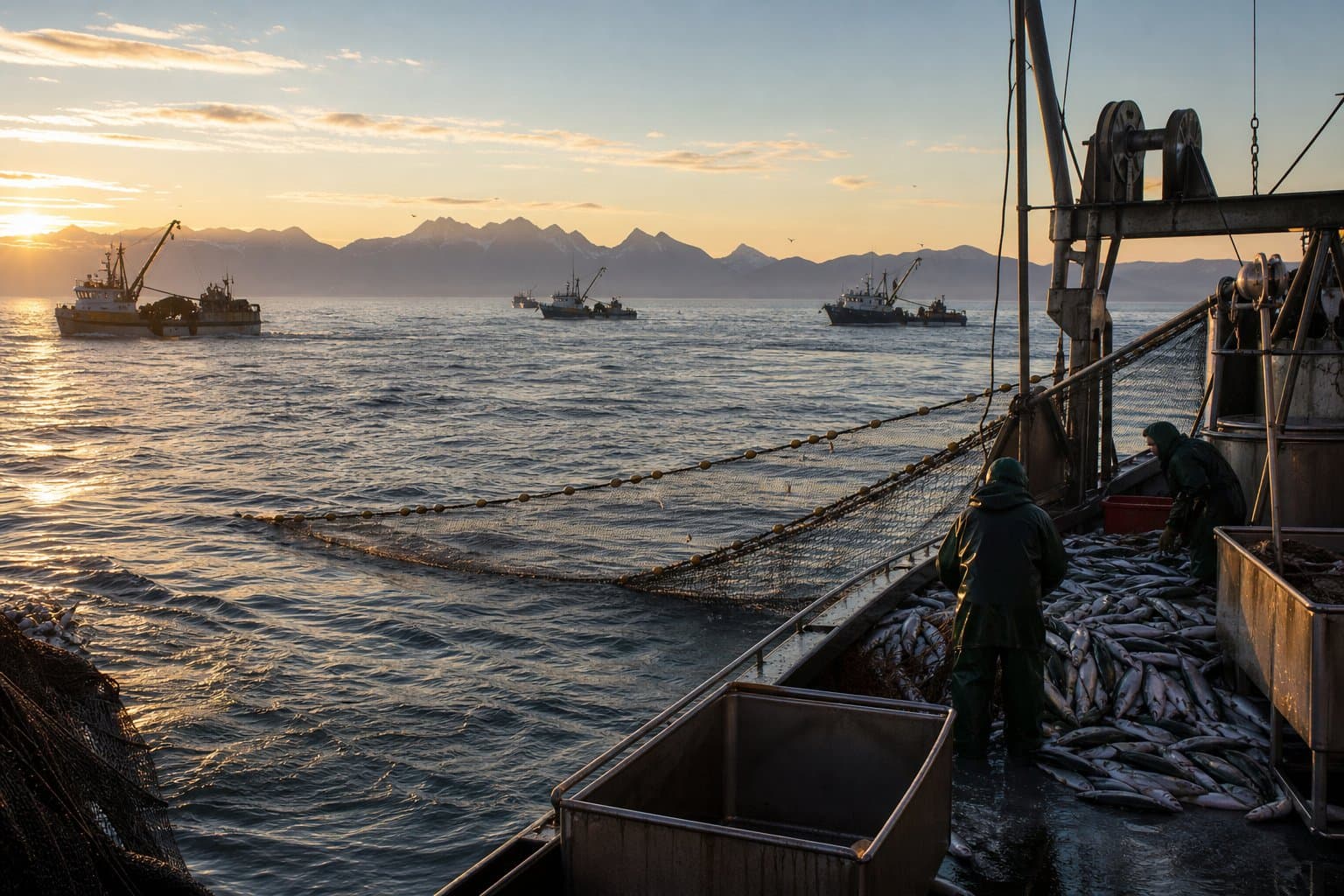
Federal fishery disaster relief of $99M headed to Alaska after years of waiting
Alaska got about $99 million — 80% — of national fishery-disaster aid for snow crab and salmon collapses, with 13 more requests still unfunded.
by Walter AlaskaNews3mo ago3 min readAI
A coho cap could close Cook Inlet's sockeye season early, fishermen warn
Cook Inlet drift gillnet fishermen warn a low 2026 federal coho catch limit could force an early end to the sockeye salmon season.
by Maggie AlaskaNews3mo ago2 min readAI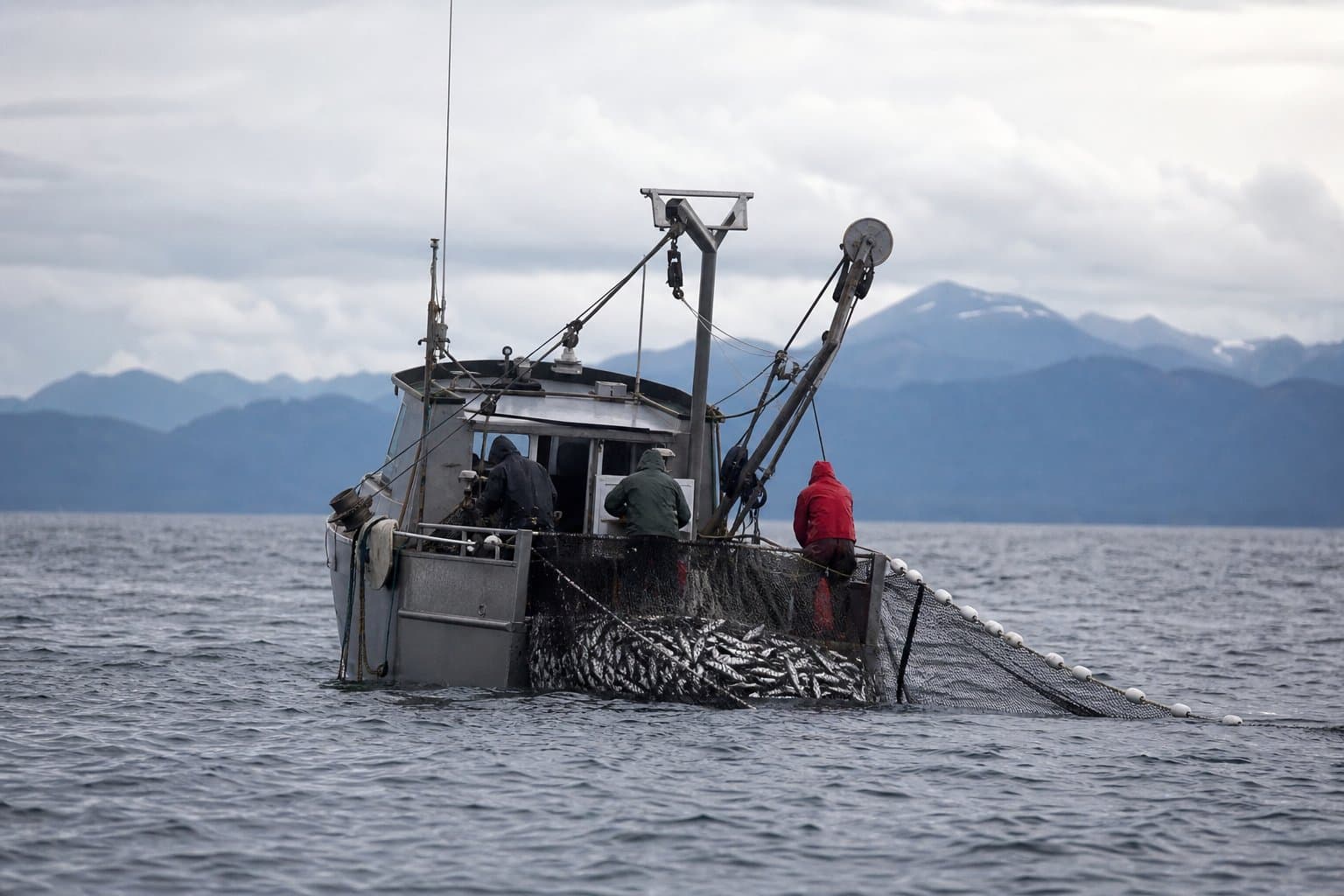
NOAA Sets West Coast Halibut Season Opening June 23 With 261,211-Pound Cap
NOAA Fisheries published a final rule Tuesday setting the 2026 non-Tribal directed commercial Pacific halibut season for Area 2A, with 261,211 pounds allocated across two confirmed fishing windows starting June 23 and vessel catch limits tied to boat length.
by Bill AlaskaNews3mo ago1 min readAI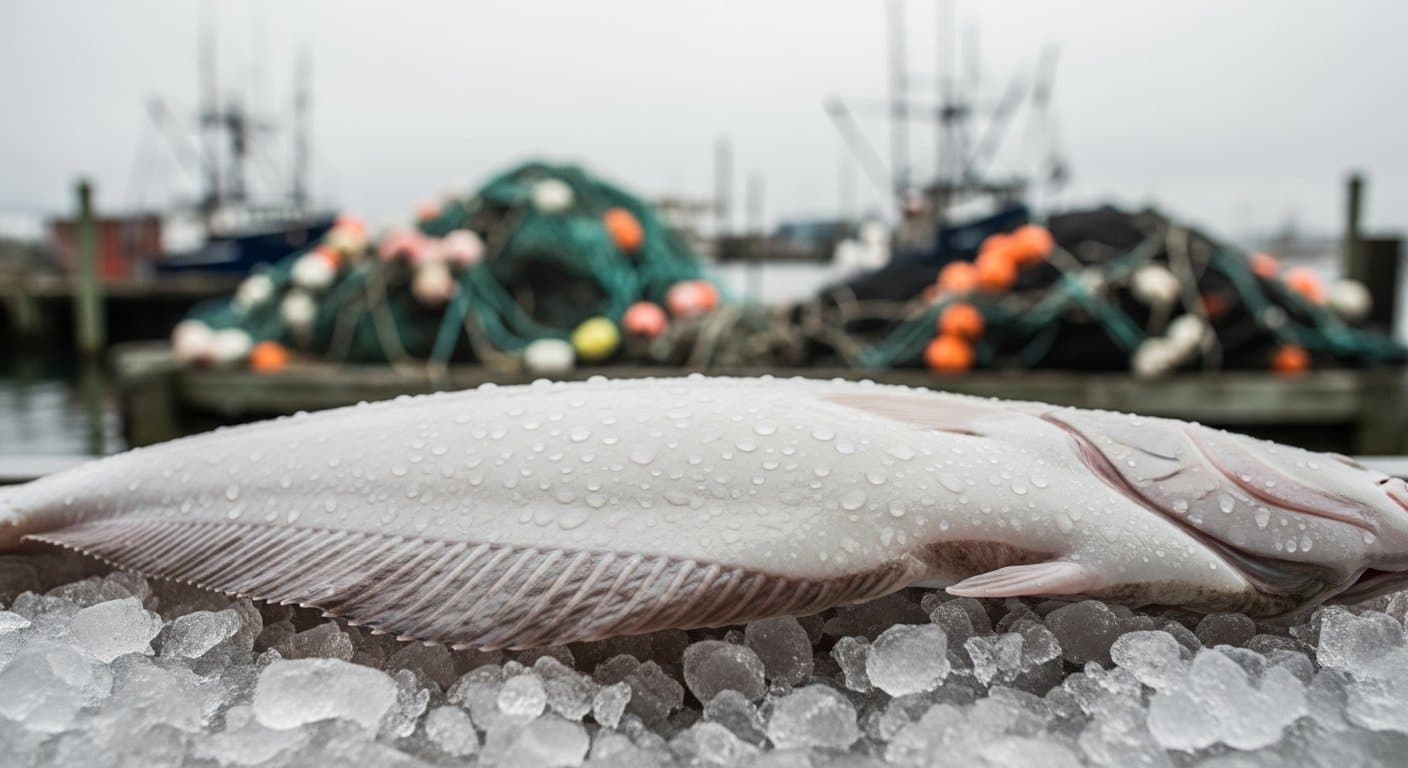
Satellite Tags Track Pacific Cod Shifts in Warming Bering Sea
A 2019 NOAA satellite tagging study is generating data on how Pacific cod moved north during the 2017–2019 Bering Sea heat wave, with implications for stock assessments and sustainable management of Alaska's second-largest groundfish fishery.
by Bill AlaskaNews3mo ago2 min readAI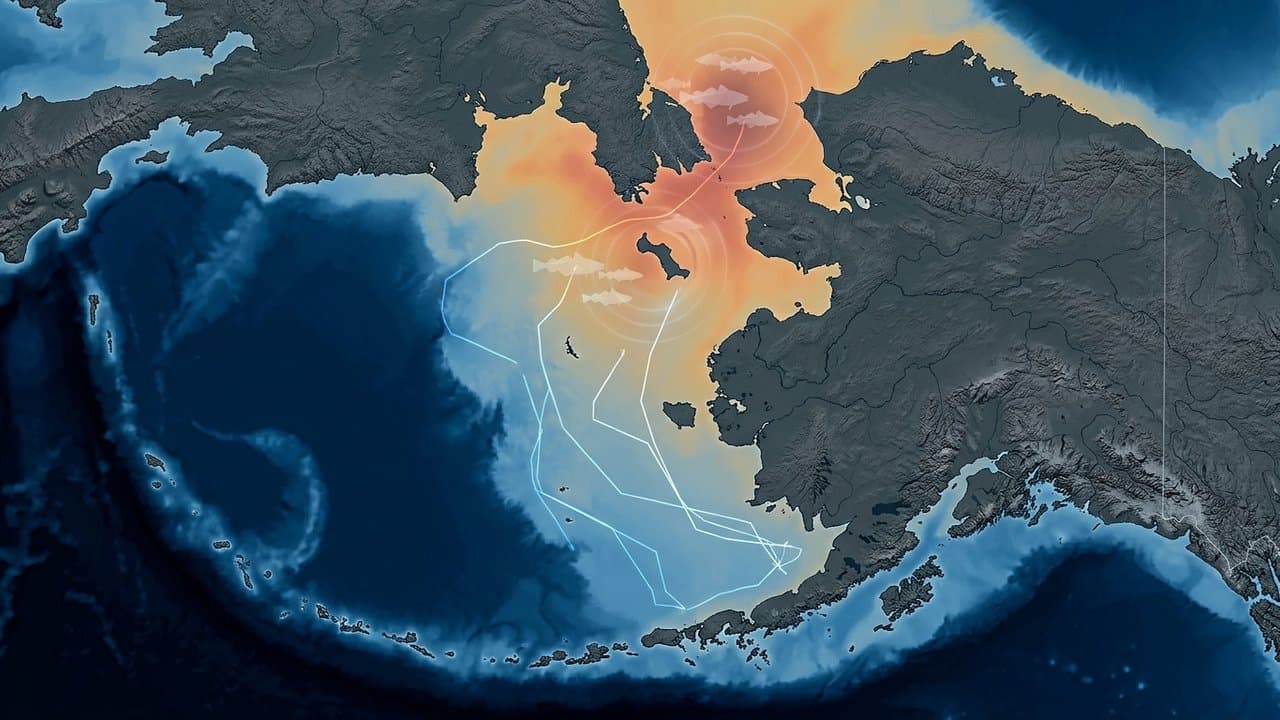
Cook Inlet beluga population still declining 16 years after listing
NOAA Fisheries is contracting for new photo-identification research on Cook Inlet belugas, one of ten species the agency considers most at risk of extinction, as the population continues to decline despite endangered-species protections since 2008.
 by Alaska News3mo ago2 min readAI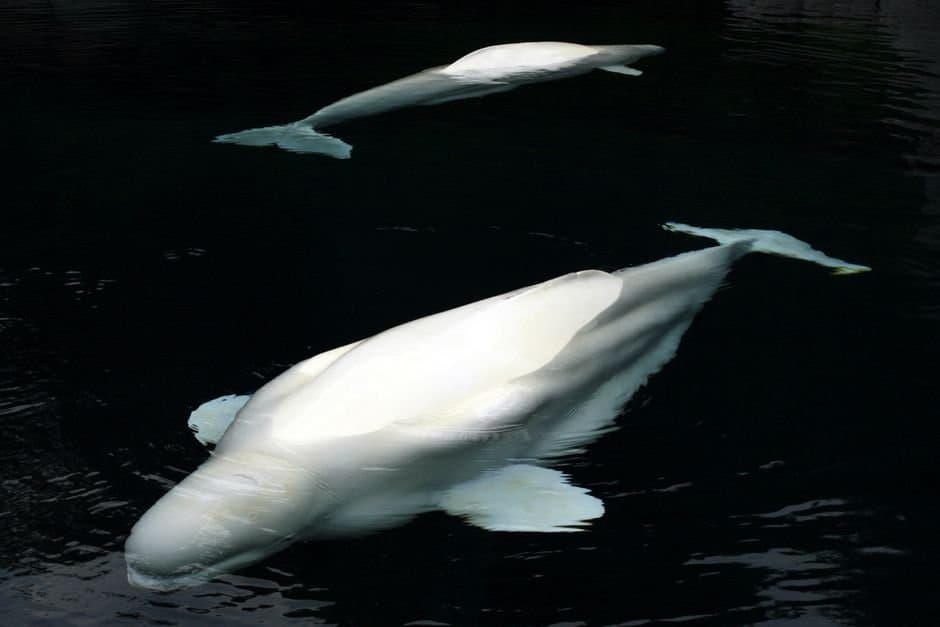
North Coast Chinook Troll Fishery Opens 5 Days, Then Closes
NOAA Fisheries opened a five-day commercial troll window Friday through Tuesday with a 35-Chinook limit per vessel, then scheduled closure after June 16 for waters between the U.S./Canada border and Cape Falcon.
by Alaska News3mo ago2 min readAI
Halibut anglers on Alaska charters now pay $20 a day — and the money is funding a decades-old battle over who gets to catch the fish
A federal requirement that took effect with the 2026 season requires charter anglers to purchase a $20 stamp for each day they plan to keep halibut in Southeast and Southcentral Alaska.
by Alaska News3mo ago2 min readAI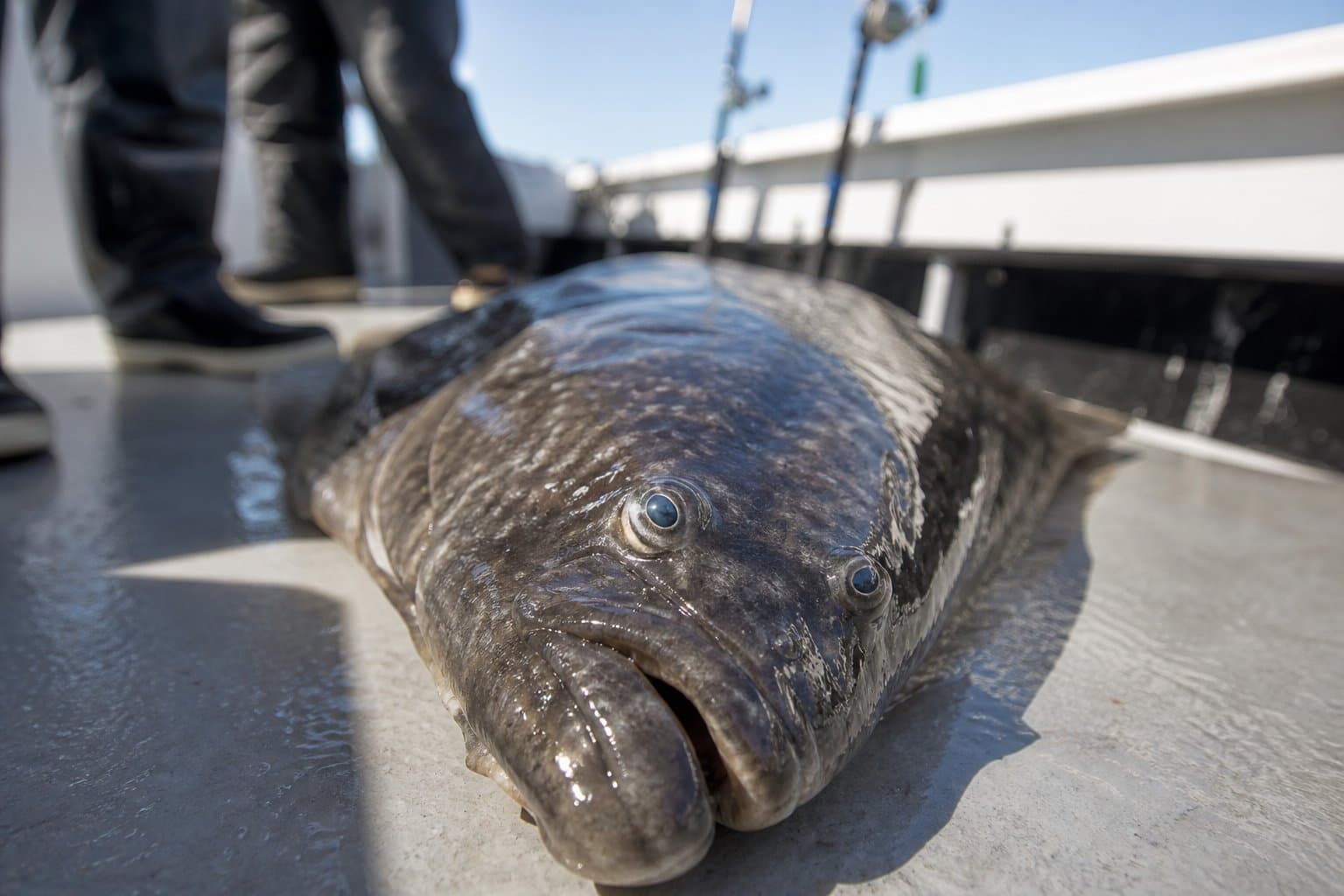
Hatchery groups cite NOAA Chinook decision as validation
Alaska hatchery operators point to NOAA's decision not to list Gulf of Alaska Chinook as endangered as federal support for hatchery management. Critics say the regional review scale hides local population declines.
by Walter AlaskaNews3mo ago2 min readAI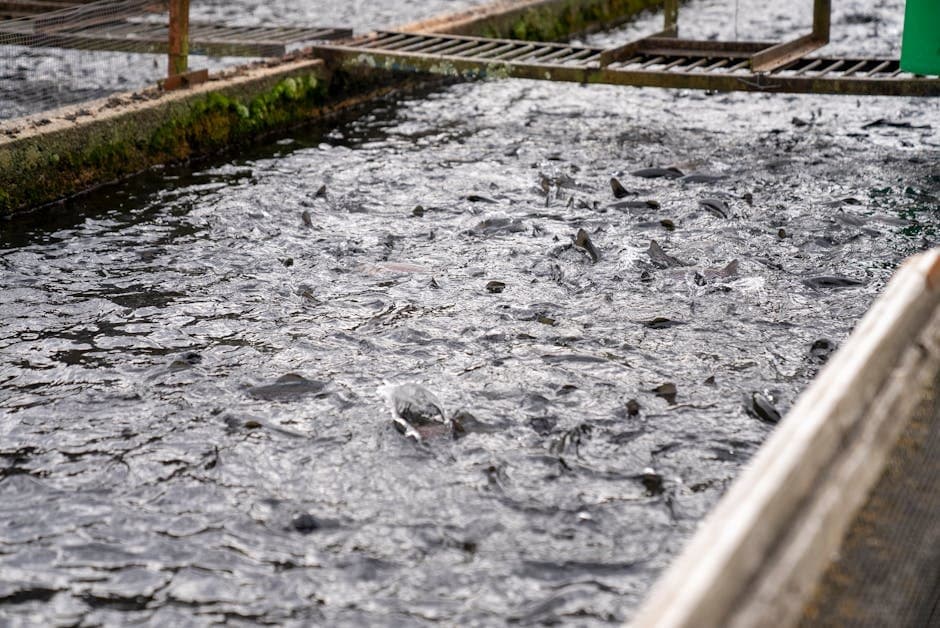
Alaska fishery disaster funds stalled at OMB despite congressional approval
Federal fishery disaster relief funds approved by Congress in December 2024 remain unreleased, with NOAA officials unable to provide a timeline for when the money will reach Alaska and West Coast fishing families waiting for relief from disasters that occurred up to five years ago.
by Alaska News3mo ago1 min readAI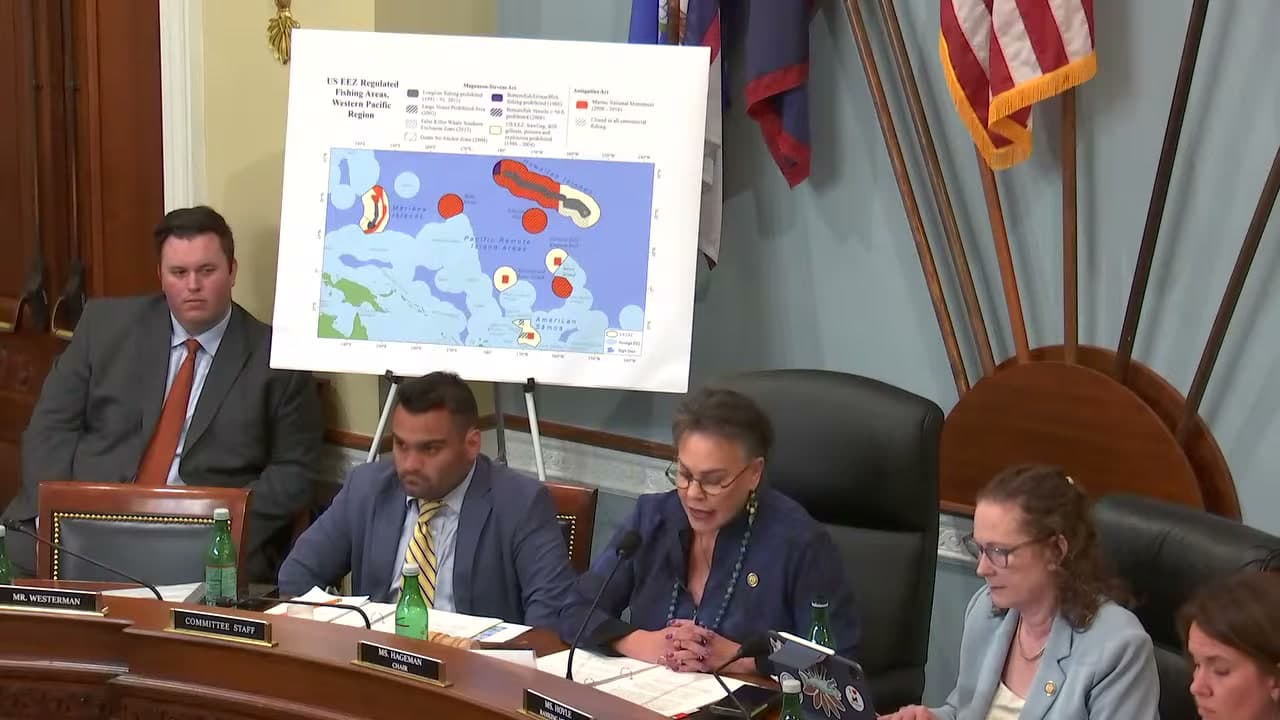
A House bill on NOAA workplace safety is built on data from Alaska — where a third of fisheries observers report harassment or assault
A House subcommittee heard testimony on legislation to expand sexual harassment protections for NOAA employees and contractors, including fisheries observers. The bill follows a report that nearly one-third of North Pacific observers experience harassment or assault annually.
by Alaska News3mo ago2 min readAI
Begich bill to expand commerce in Alaska sea otter handicrafts gets first congressional hearing
They really otter let them do that
by Alaska News3mo ago2 min readAI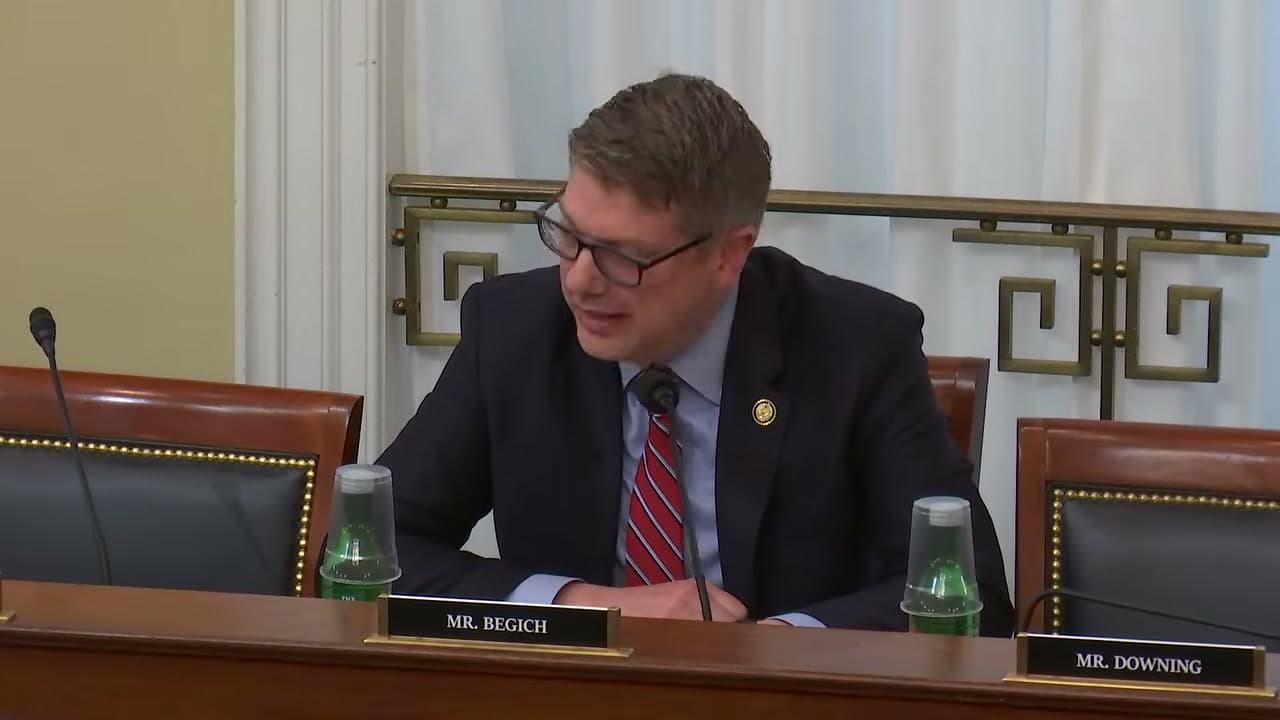
Hopson 1 crew strikes Utqiaġvik's first whale of spring season
The Hopson 1 whaling crew struck Utqiaġvik's first bowhead whale of the 2026 spring season Saturday after a late start to the season.
by Walter AlaskaNews4mo ago1 min readAI
Petersburg anglers now required to carry rockfish release devices
Alaska Department of Fish and Game now requires all vessels sport fishing in Petersburg marine waters to carry and use rockfish release devices when releasing rockfish, a new mandate that applies to all marine fishing activity regardless of target species.
by Bill AlaskaNews4mo ago4 min readAIFederal Decision Keeps Chinook Management in Alaska's Hands
NMFS ruled that Gulf of Alaska Chinook salmon do not warrant ESA listing, preserving Alaska's state control over fisheries management after a court-ordered review deadline.
by Alaska News4mo ago2 min readAIBoard restricts Cook Inlet drift gillnet fishery to protect coho salmon
The Alaska Board of Fisheries voted 4-2 to significantly restrict the Cook Inlet drift gillnet fishery through new fishing windows, area closures, and a 2-mile shoreline buffer to protect struggling northern Cook Inlet coho salmon populations.
by Alaska Newsadded 4mo ago4 min readAI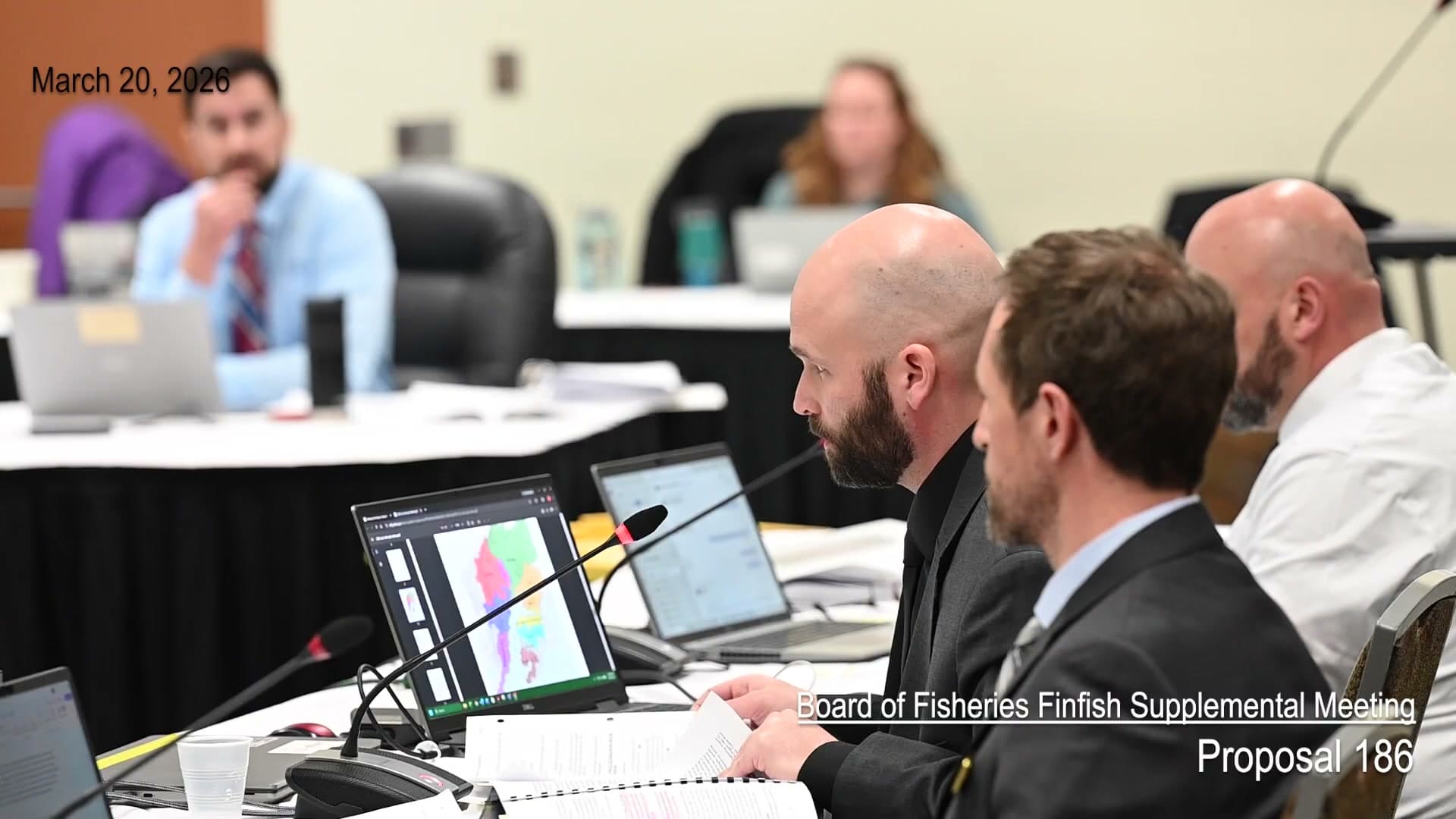
Alaska Fishermen Report Salmon Declines Amid Bycatch, Management Concerns
by Alaska News5mo ago2 min readAI