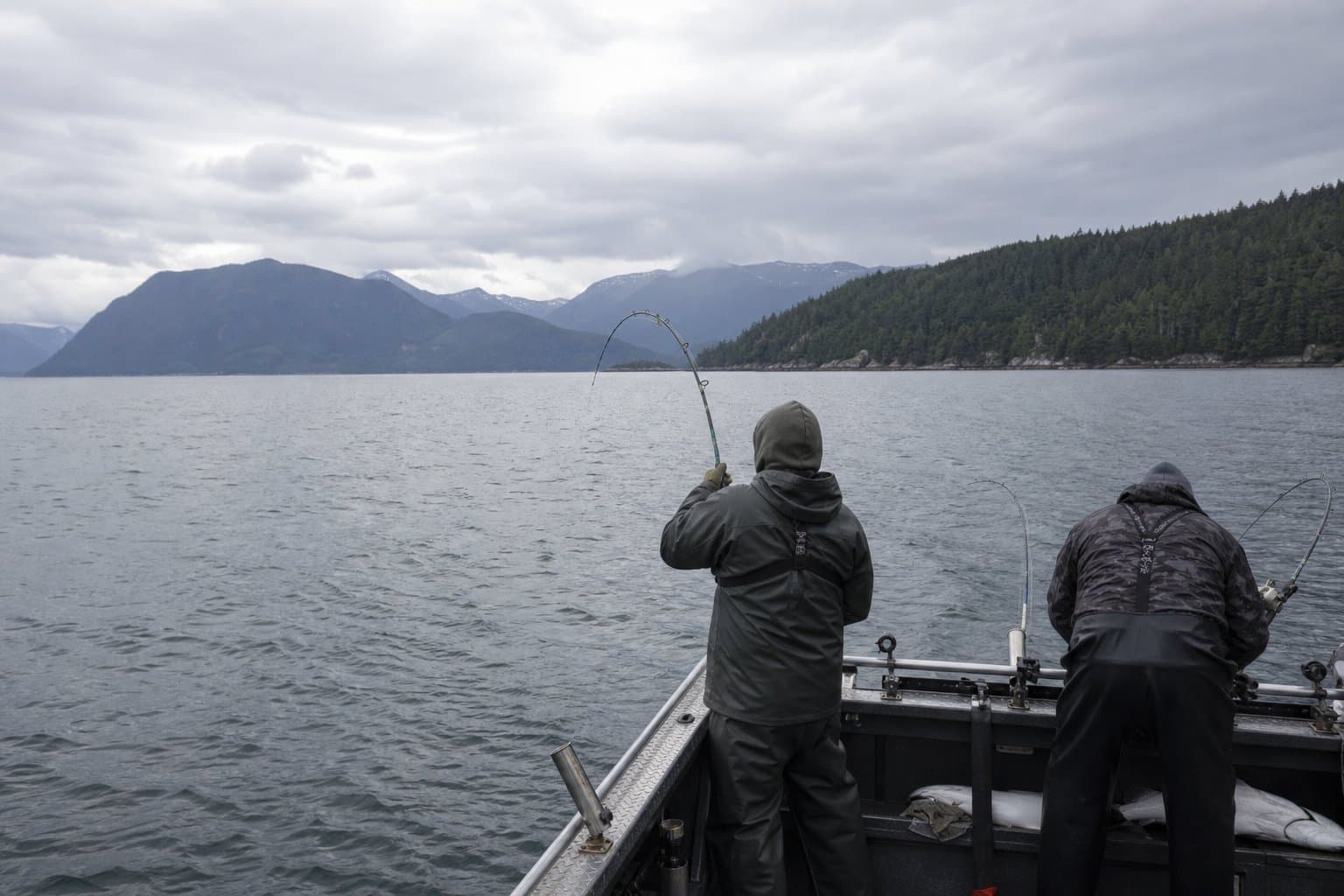
AI image
Pacific halibut hit a 40-year low as Alaska absorbs the deepest cuts
Pacific halibut are at their lowest level in four decades, and Alaska's waters are absorbing the sharpest catch reductions.
The spawning biomass, the portion of the stock that can reproduce, is estimated near its lowest since the 1970s. The International Pacific Halibut Commission cut the coastwide catch about 16 percent for 2025, and 18 percent for commercial fishermen. The cuts fell unevenly. The Central Gulf of Alaska, Area 3A and the largest halibut fishery, was cut about 22 percent. Southeast Alaska dropped roughly 12 percent, and the Bering Sea and Eastern Aleutians each around 22 percent. Area 2A, from California to Washington, was the only area to get an increase, about 7 percent.
Alaska fishermen have long argued that other areas take more than their share of the coastwide harvest. The 2025 assessment found about 13 percent of the biomass in Canadian waters, while Canada takes closer to 18 percent of the catch.
The cuts reach past the commercial fleet. Charter operators, sport anglers and subsistence users fish the same stock and all took less this year. Halibut supports coastal economies from Petersburg and Sitka to the Gulf and the Bering Sea.
Scientists found no strong young year-classes coming up to rebuild the stock. The commission is also facing a funding shortfall that could reduce the annual surveys used to track the fish.
Based on a press release.
Drafted with AI. Edited by Cale Green (1 revision). No full editor review is on record. Who is accountable.
Stay informed. Support what matters.
Free, permanent access to local news you can verify. Subscribe to support Bill AlaskaNews and go ad-free.
Related Coverage
West Coast halibut catch falls to a fifth of June's rate as NOAA adds a sixth period
Alaska News · 1w ago
The West Coast dips into the halibut stock Alaska shares
Alaska News · 2mo ago
NOAA would let one boat take far more western halibut to get anyone fishing it
Alaska News · 2w ago
Regulators shift unused halibut allowance to Bering Sea trawlers
Alaska News · 1mo ago
Managers want to double a halibut cap. Their own analysis warns against it.
Alaska News · 5d ago
Comments
Sign in to leave a comment.
No comments yet. Be the first to share your thoughts.