Technology
RSSTechnology in Alaska is the broadband, data and space infrastructure serving the state. It covers rural internet programs such as E-Rate, Starlink and GCI, artificial intelligence (AI) applications, data centers, cybersecurity and the space launches at Pacific Spaceport Complex on Kodiak Island.
Inside Technology
Places and organizations in this news
Numbers are stories in the last 30 days.
Have a story about Technology? Send a tip
August 2026
A rural Alaska phone company says a subsidy cut costs $185 per connection
Alaska Power & Telephone told the FCC that ending a rural subsidy would cost the company $1.1 million yearly across its 40 remote communities.
 by Melinda Communities.News2mo ago2 min read
Unalaska paid for library internet for three years before the council approved it
Unalaska ran a library internet contract for three years without the council vote its code required. The council approved it this month, going back to 2023.
 by Walter AlaskaNewsadded 2mo ago2 min read

Alaska superintendents ask FCC not to cut school internet subsidy
Alaska superintendents told the FCC that districts reachable only by plane or boat would lose the discount that makes school internet affordable.
by Melinda Communities.News2mo ago2 min read
UAA patents insulation grown from Alaska birch sawdust and a native fungus
A UAA team has patented insulation you can grow from Alaska birch sawdust and a native wild mushroom — a biodegradable answer to the foam that never rots.
by Melinda Communities.Newsadded 2mo ago2 min read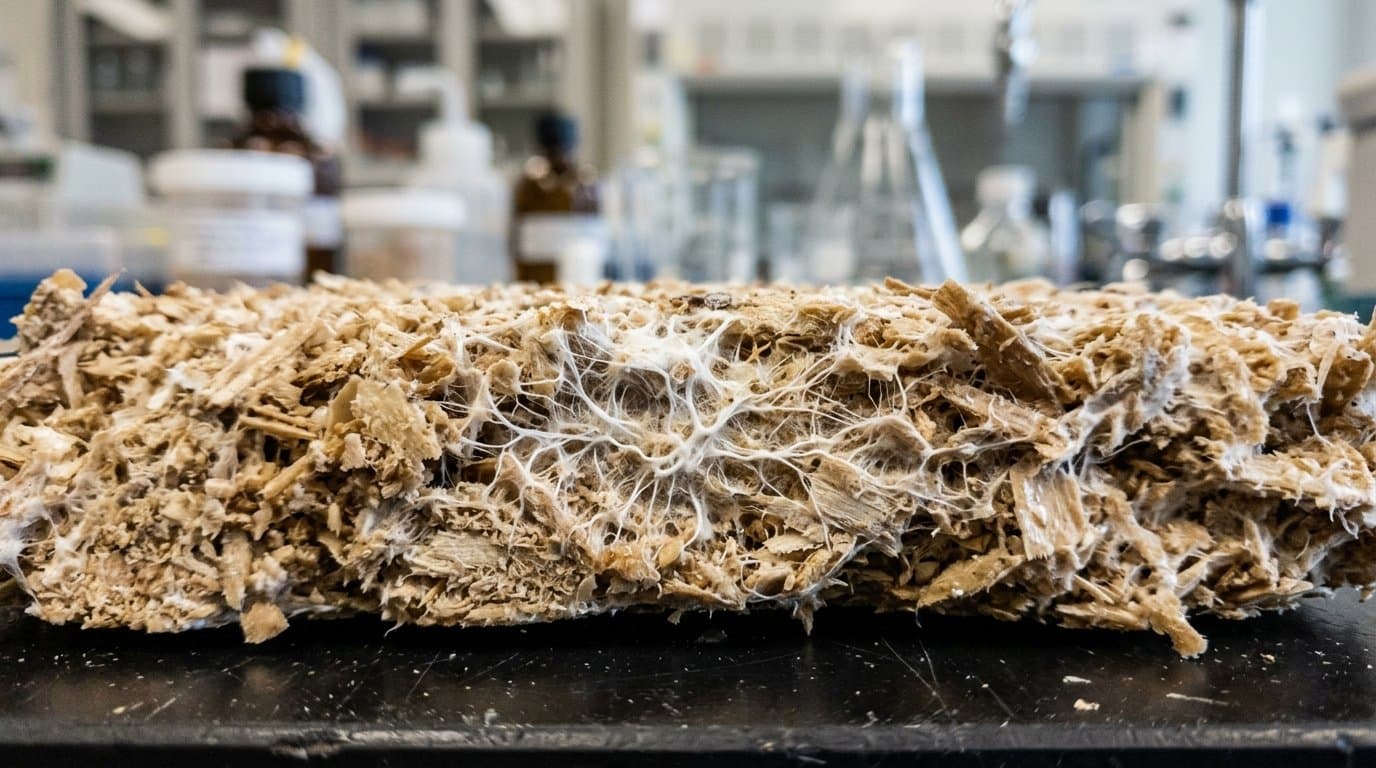
A young weaver 3D-printed his own form to make a cedar bark hat
A Bartlett High grad wove himself a cedar bark hat using a form he designed and 3D-printed at a tribal lab — work that led to an internship and a paid job.
 by Maggie AlaskaNews2mo ago1 min read

Alaska's mobile service through 2034 gets locked in next week
Alaska's mobile carriers must lock in coverage and speed commitments running through 2034 by Sept. 1, based on maps frozen at the end of 2024.
by Walter AlaskaNews2mo ago1 min read
Drones are dropping chaff over Nenana to try to stop lightning
A Vancouver startup is dropping metallic chaff from drones over Nenana to try to stop lightning before it starts wildfires. The flights run through Sept. 30.
by Melinda Communities.News2mo ago3 min readFrom 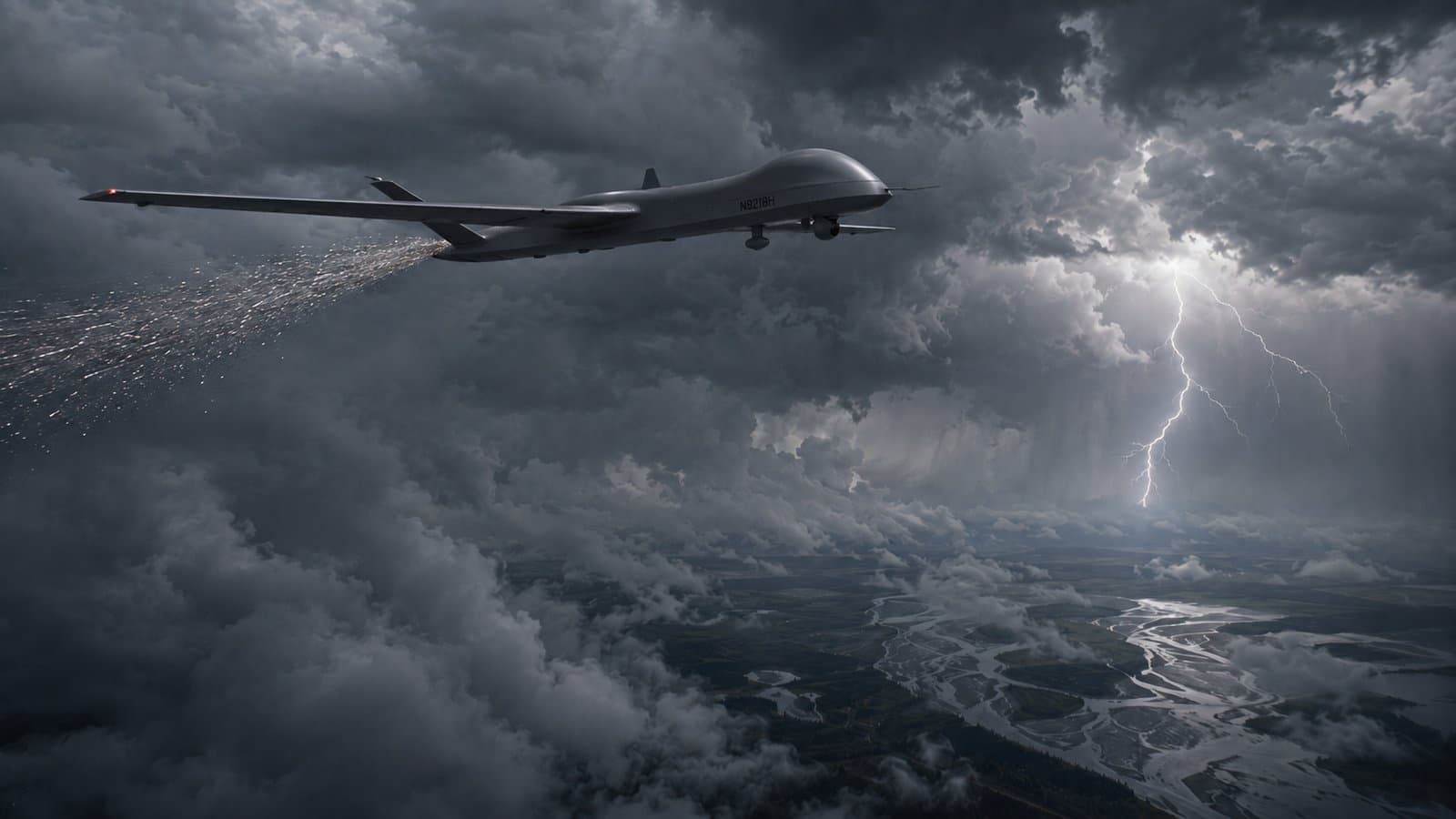
A UAF mathematician builds software to untangle interbreeding species' family trees
A UAF mathematician won a grant to build software untangling interbreeding species' family trees — the same math used to trace viruses like COVID-19.
by Melinda Communities.News2mo ago2 min read
More from Technology
Unalaska council ratifies a library internet contract three years late
Unalaska's library ran internet for three years on a contract the council never approved. The council ratified it Tuesday, 5-0, without discussion.
by Walter AlaskaNewsadded 2mo ago1 min read
UAF's satellite water-depth mapping wins NSF money to test whether it can become a product
UAF won a $50,000 NSF award to test whether its satellite water-depth mapping can become a product, a cheaper way to chart the many U.S. waters still unmapped.
by Melinda Communities.News2mo ago1 min read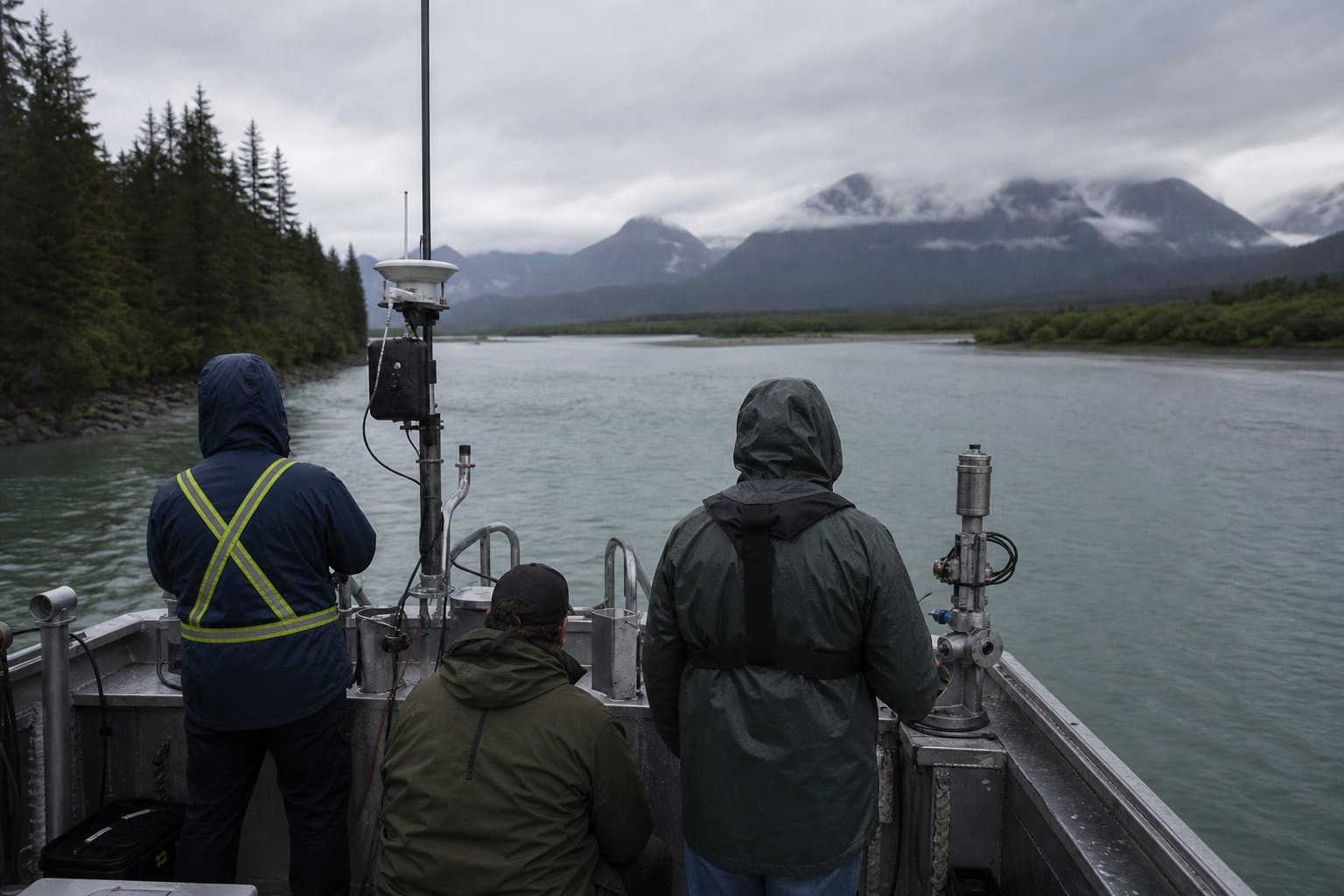
Alaska will build software to help inspect its bridges
Alaska's transportation department won a $126,917 federal grant to build computer vision tools that read bridge photos and flag defects for inspectors.
by Melinda Communities.News2mo ago1 min read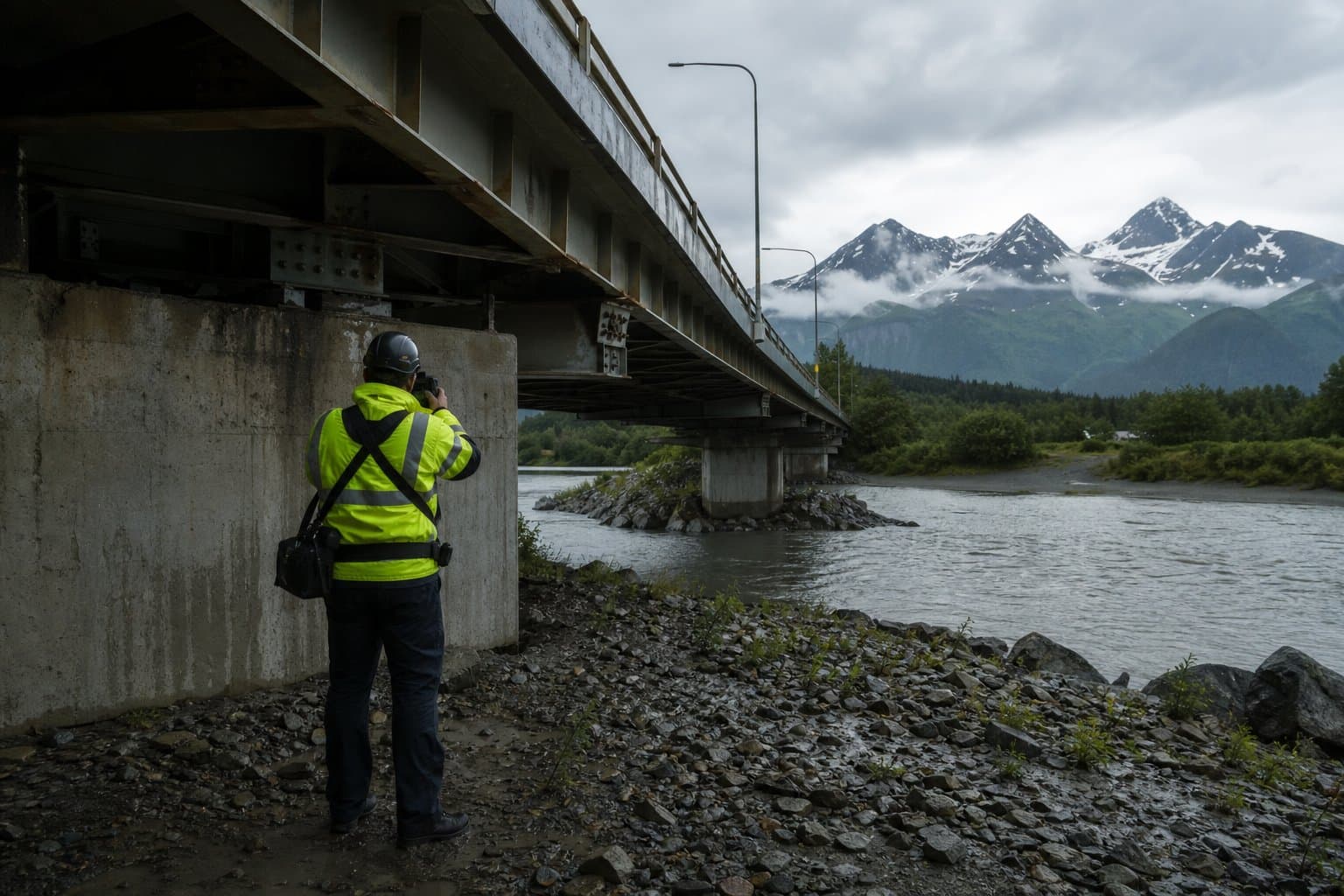
Akiachak is in line for fiber broadband, one of seven roadless villages getting wired
Akiachak is in line for fiber broadband, one of seven roadless Y-K Delta villages being wired in a project reaching nearly 3,000 long-unserved households.
by Walter AlaskaNews3mo ago1 min read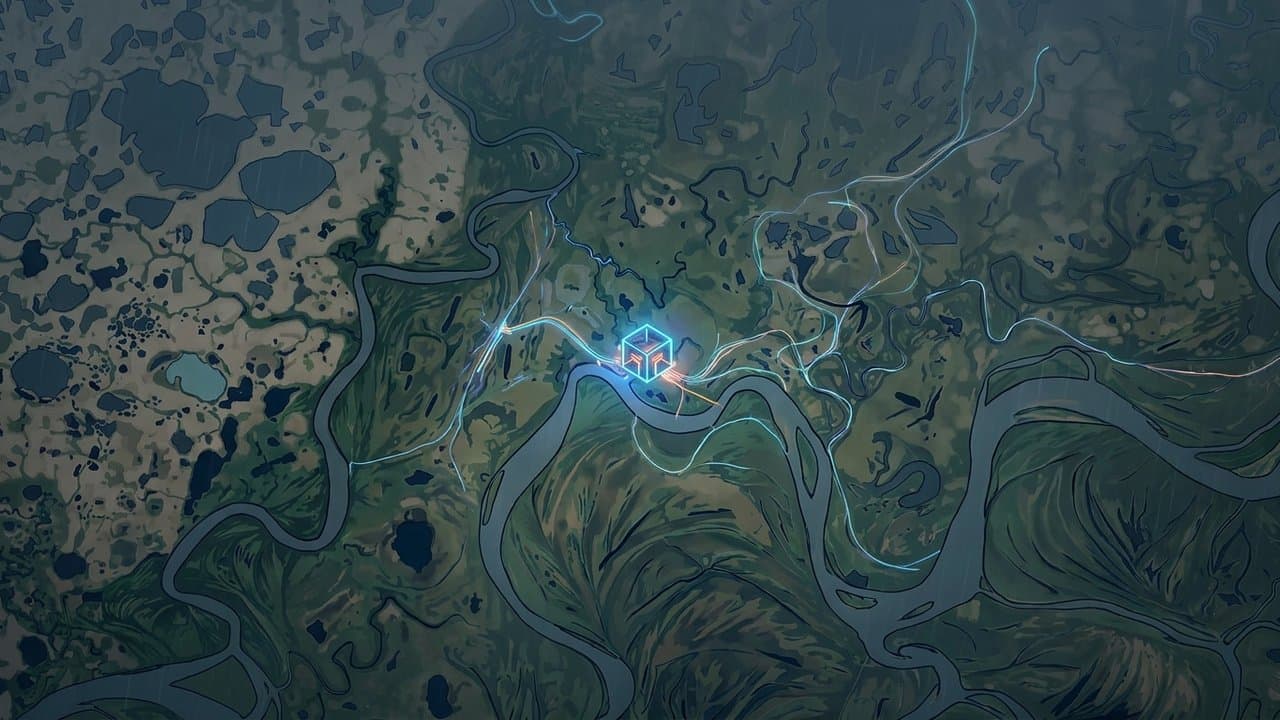
Unalaska council retroactively approves a three-year-old library internet contract
Unalaska City Council approved a five-year internet contract for the public library at $108,876 yearly, with federal E-Rate funding covering about half the cost.
by Walter AlaskaNewsadded 3mo ago1 min read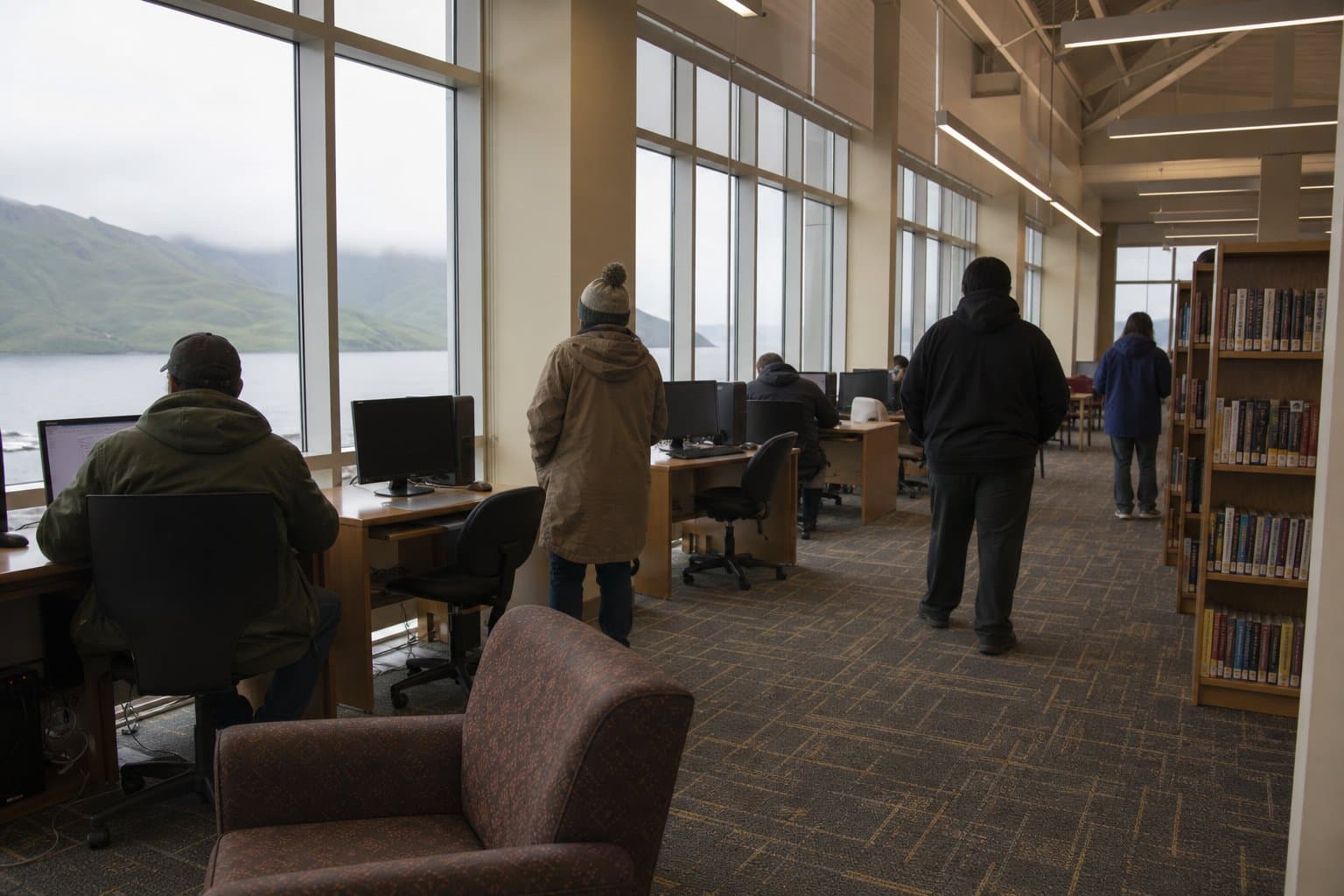
Alaska schools could face a choice between internet and teachers if a federal subsidy is cut
A federal review could cut E-Rate, the subsidy that sent $203.5M to Alaska schools and libraries last year — and school boards warn it's internet or teachers.
by Walter AlaskaNews3mo ago2 min read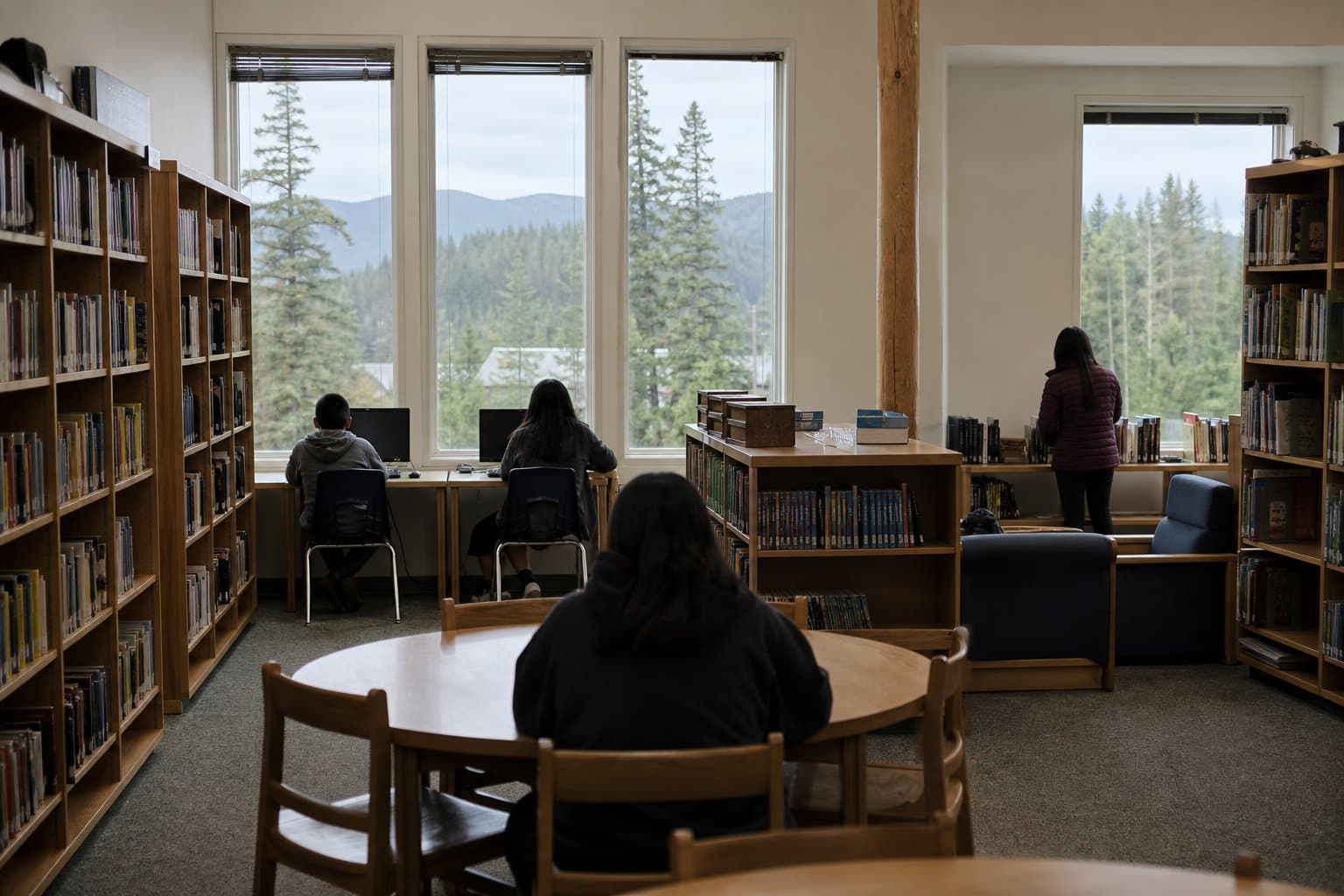
Can a bacterium pull rare earths out of coal waste? Alaska researchers just got $4.7M to find out
Can a microbe mine coal waste for rare earths? Alaska researchers got $4.7M to find out — chasing a domestic source for minerals the U.S. mostly imports.
by Melinda Communities.News3mo ago2 min read
A UAF mathematician is building better tools for understanding networks
A UAF mathematician won a $150,000 NSF grant to build better tools for understanding complex networks, from how they're structured to faster ways to solve problems on them.
by Melinda Communities.News3mo ago1 min read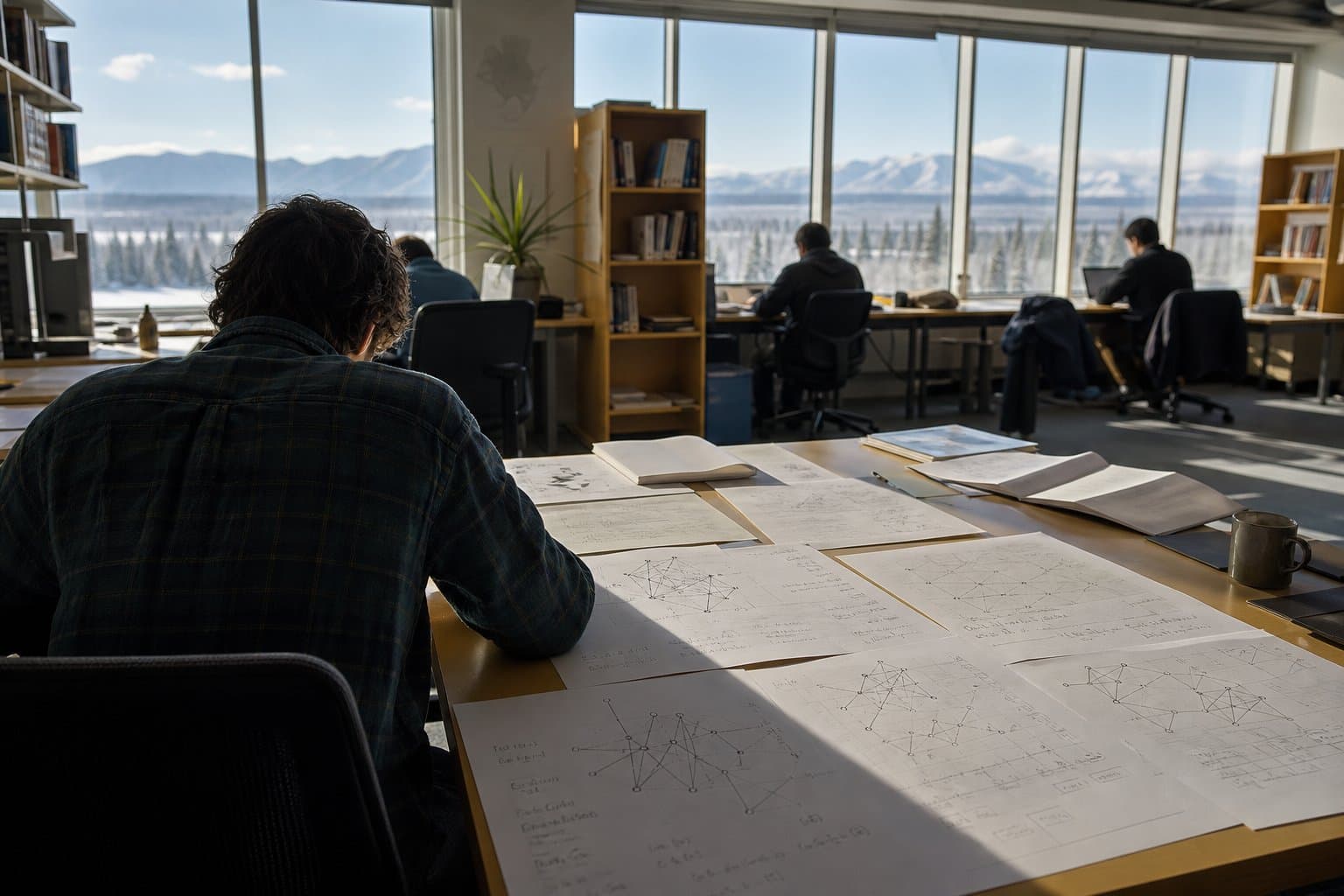
About Technology
Technology in Alaska takes in the broadband, data and space infrastructure serving the state, along with artificial intelligence, cybersecurity and research computing. It reaches from rural internet programs to data centers and drones.
Federal subsidies such as E-Rate and the rural health care program, and providers such as GCI, Starlink and village telephone cooperatives, shape internet service, with the FCC setting the rules. University of Alaska researchers win grants for AI, network mathematics and building materials, and state agencies build software and warn school districts about security flaws.
Questions about data center siting and energy use bring technology before state lawmakers and regulators. Consumer protection reaches it too, from the sale of driving data to scams through cryptocurrency kiosks.
More from Technology
July 2026
North Slope phone co-op moves to keep its Deadhorse airport site
The North Slope's phone co-op wants five more years for its tower and shop on Deadhorse Airport land, a no-bid extension of an existing $14,250-a-year lease.
by Maggie AlaskaNews3mo ago1 min read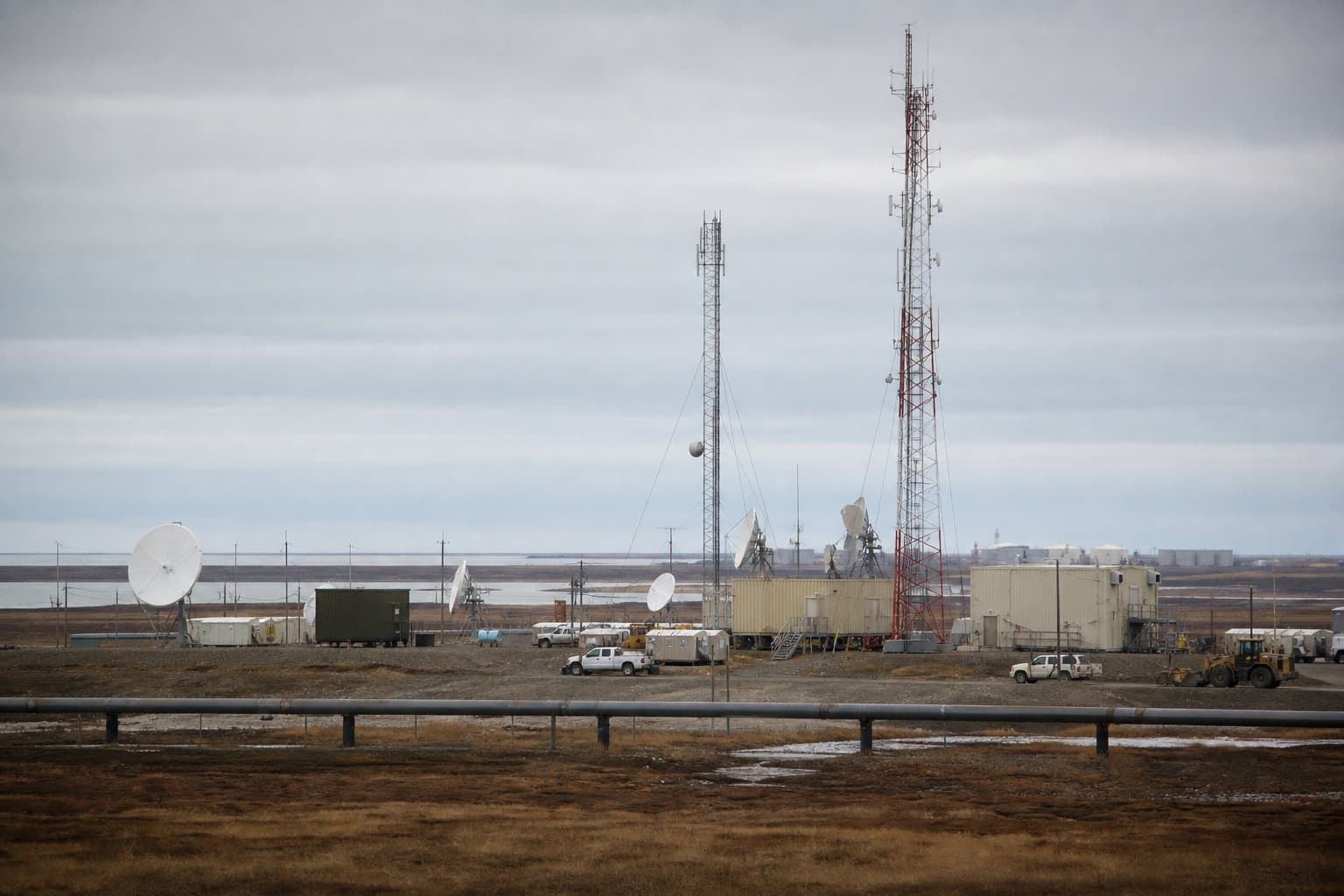
For Alaska's rural broadband, federal permits are the bottleneck
Alaska has over $1B to build rural broadband. In a state 60% federal land, industry says the real holdup isn't money — it's getting permits to build.
by Melinda Communities.News3mo ago2 min read
NuCube, Alaska Fund launch NuAlaska nuclear initiative
NuCube Energy and Alaska Fund launched NuAlaska to develop nuclear microreactors for remote Alaska communities where fuel costs and weather make power expensive.
by Walter AlaskaNews3mo ago2 min read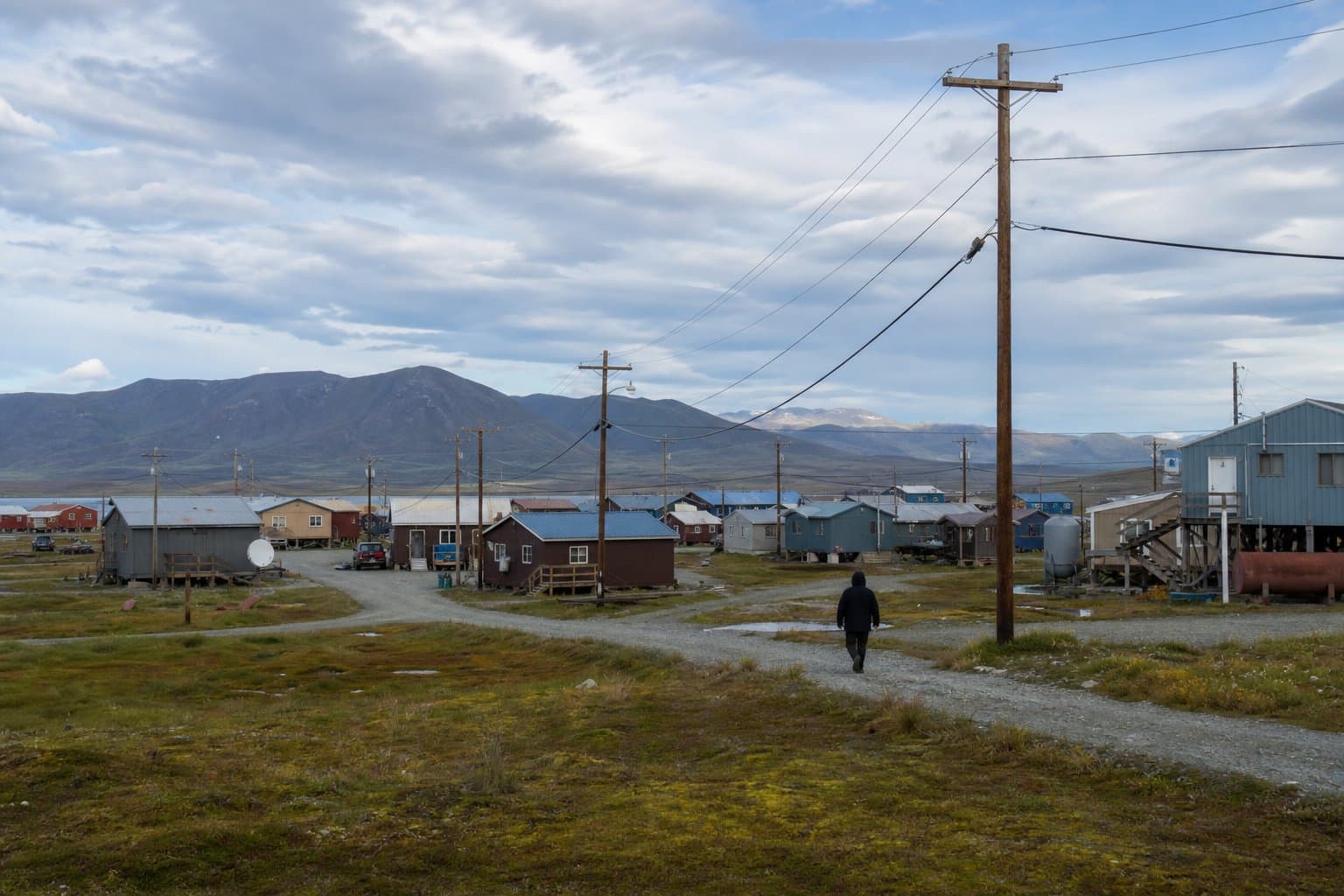
The AI money came first. The data center moratorium came Thursday.
Days after AI money turned up in his filings, Kreiss-Tomkins called for a data center moratorium — one a governor has no power to directly impose.
by Walter AlaskaNews3mo ago2 min read
Calista seeks airport land at Kwethluk, Napakiak to bring hardwired broadband
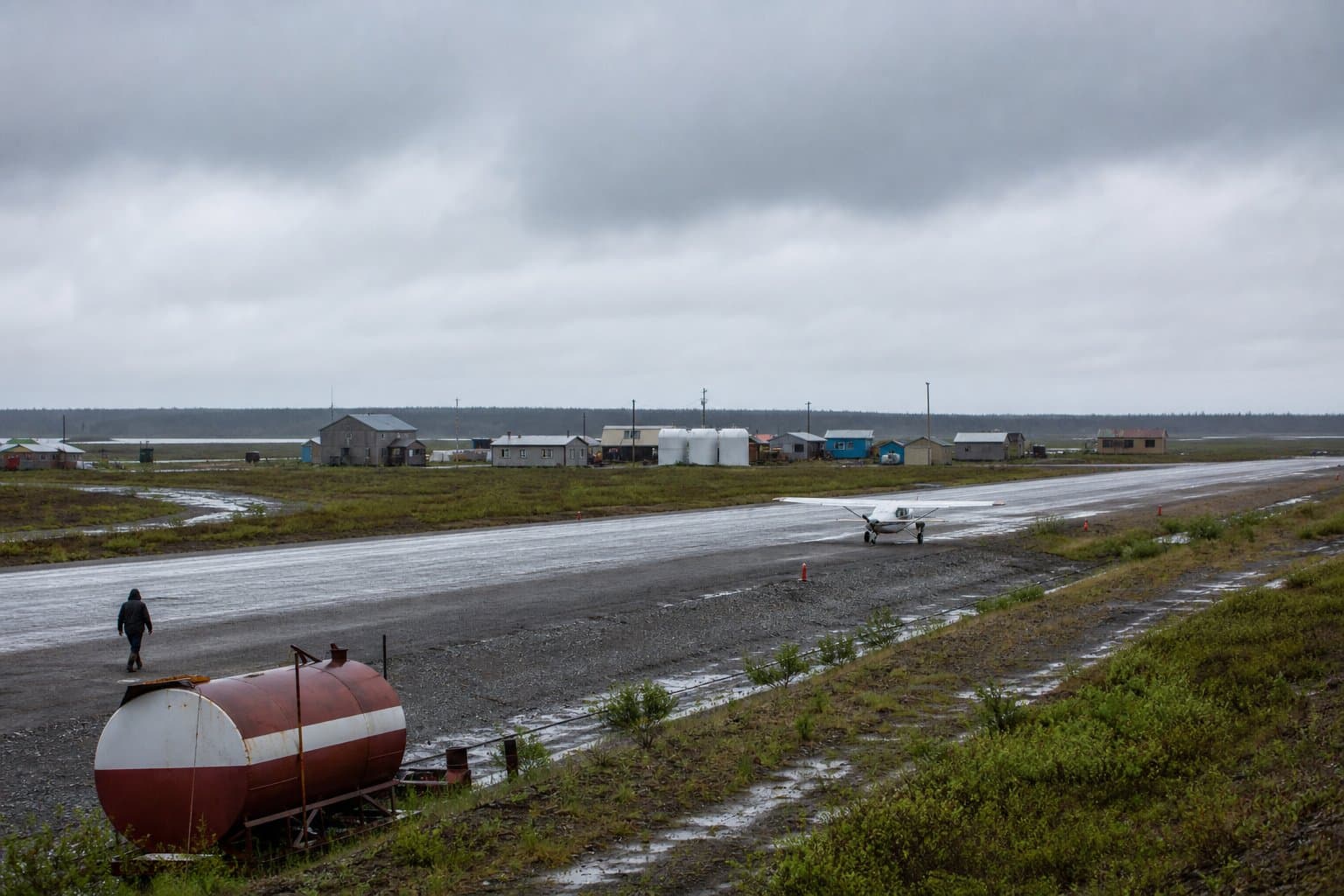
Calista Corporation wants to build broadband shelters on airport land in Kwethluk and Napakiak to bring hardwired internet to both villages.
 by Alaska News3mo ago1 min read
Begich votes to prohibit separate credit-card codes for gun stores
Begich helped pass a bill barring card networks from tagging gun-store purchases with a firearms-only code. In gun-heavy Alaska, that's a lot of receipts.
by Walter AlaskaNews4mo ago1 min read
Alaska won up to $160M to hunt critical minerals with AI and microbes
UAF will lead a new NSF innovation engine — up to $160M over 10 years — using AI and microbes to find Alaska's critical minerals. SCIENCE!!
by Maggie AlaskaNews4mo ago2 min read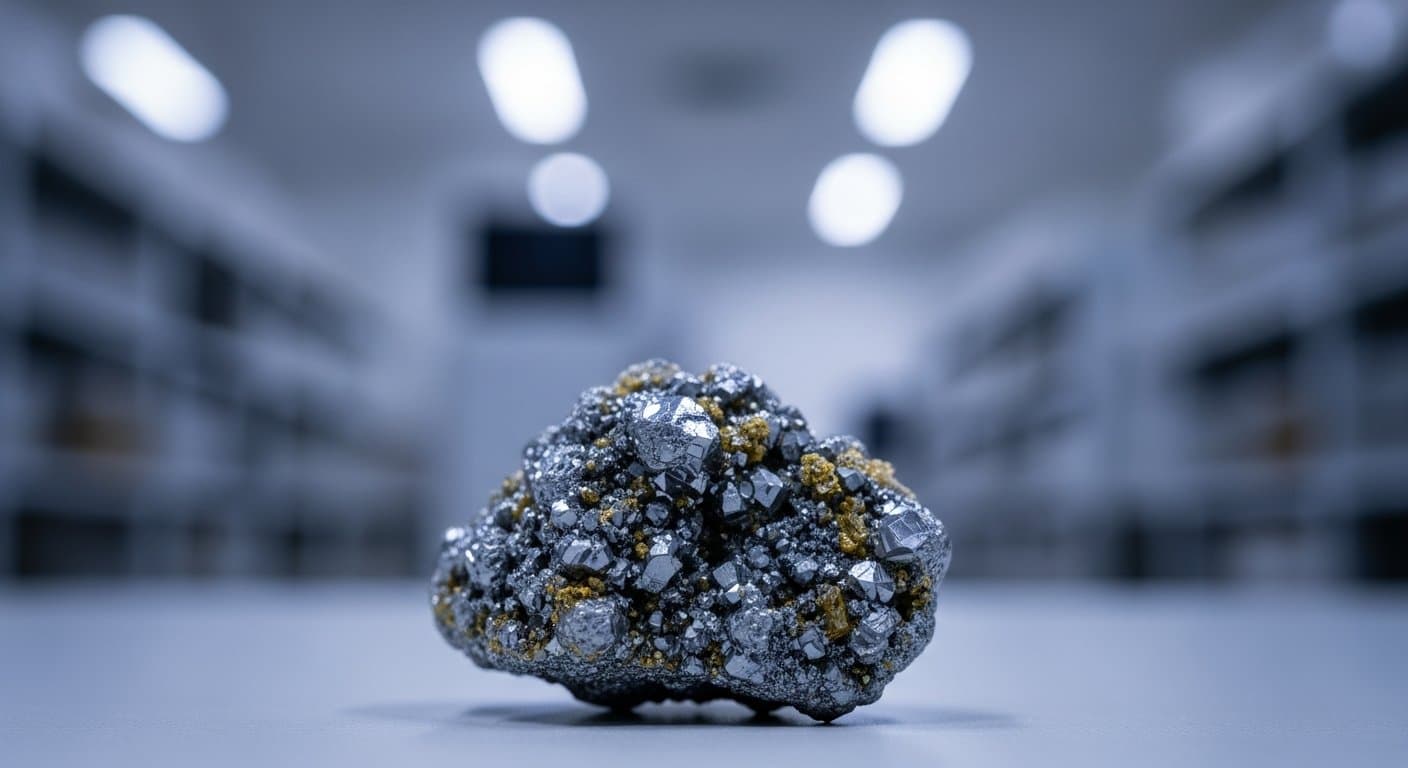
Why an Arctic fiber company needs 30,000 yards of Dalton gravel
Quintillion wants 30,000 yards of Dalton Highway gravel to build a land backup for the Arctic's only fiber line — the one sea ice has cut twice, knocking whole communities offline.
by Maggie AlaskaNews4mo ago1 min read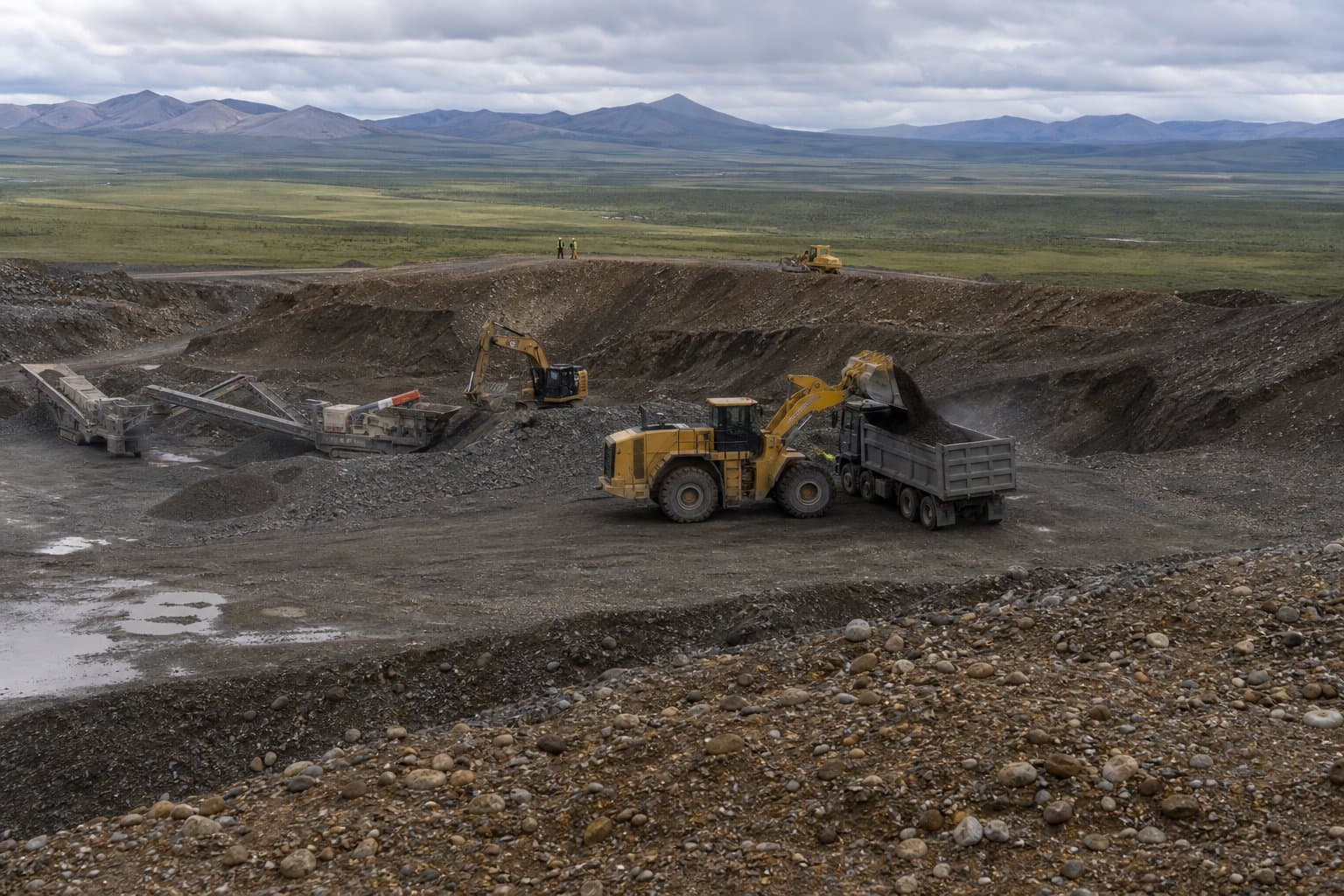
NSF awards UAF $1.77 million to build AI geohazard forecasting tools
UAF got $1.77 million to build AI software that merges earthquake sensors, satellite imagery, and weather data into a single landslide forecast system, testing it across Alaska through 2032.
by Melinda Communities.News4mo ago2 min read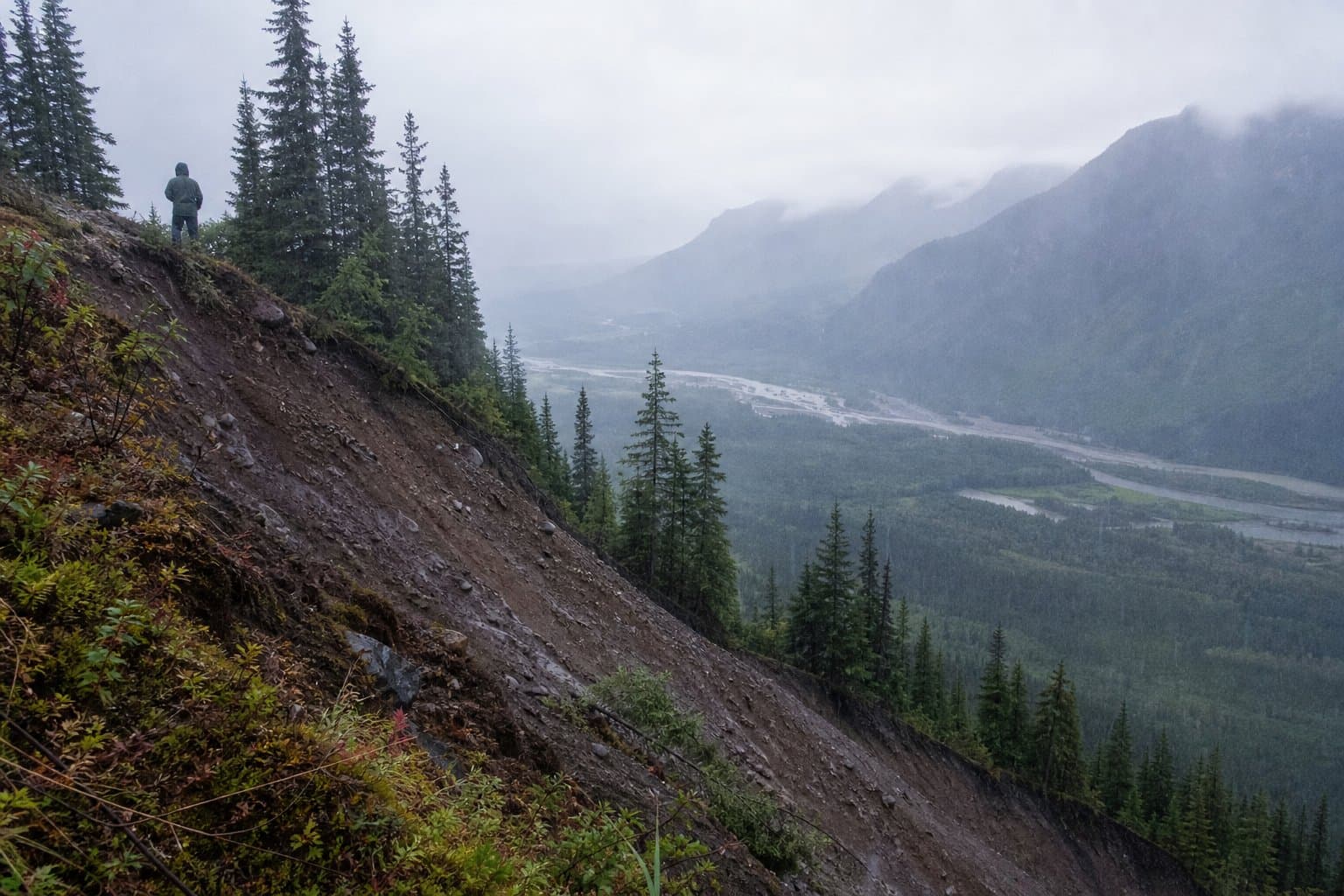
Alaska school boards to FCC: don't make us choose internet over teachers
Alaska's school boards warned the FCC that gutting the E-Rate internet subsidy would force districts to choose between paying the broadband bill and paying teachers.
by Melinda Communities.News4mo ago1 min read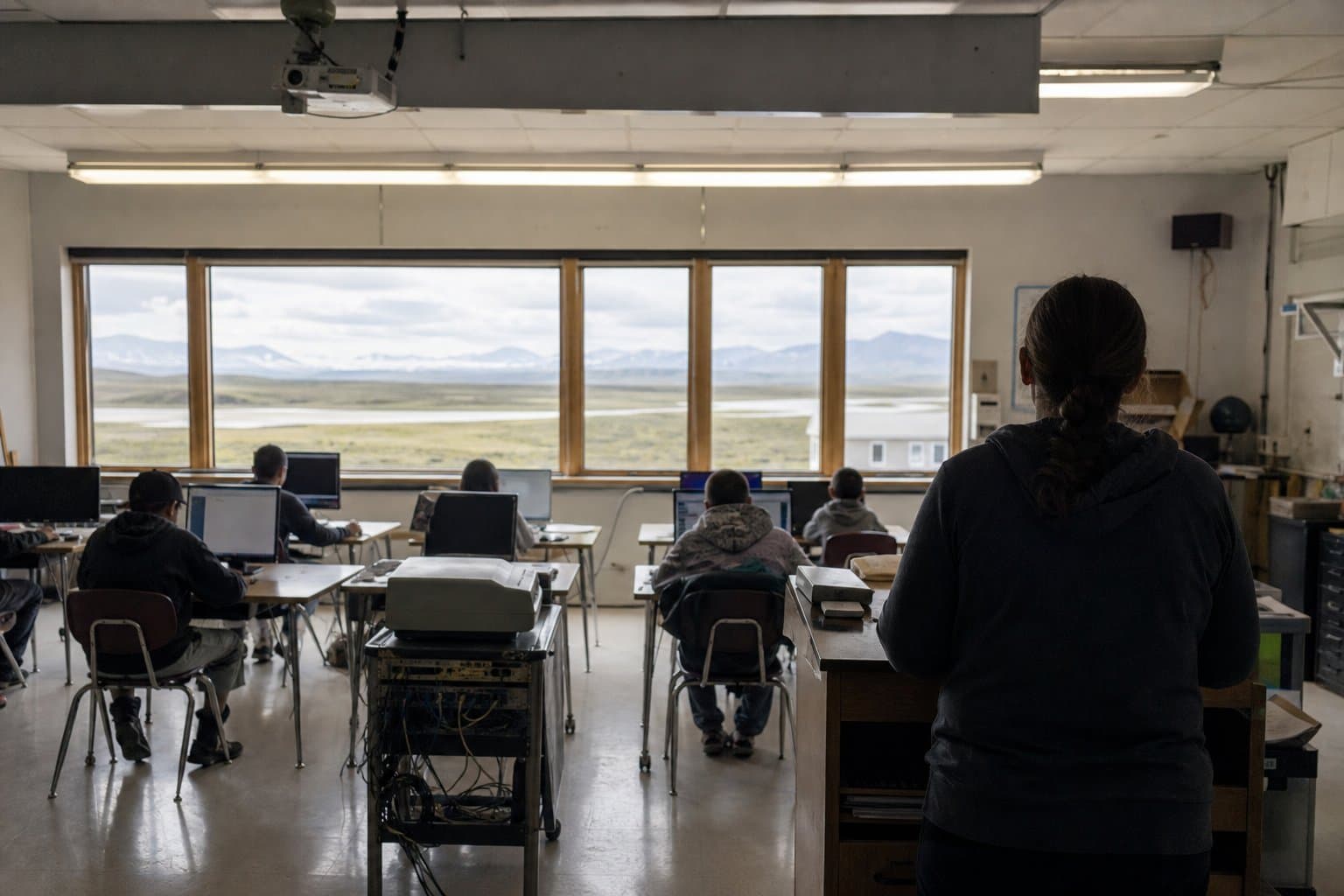
Starlink claims 10 Gbps in Utqiagvik, but maybe... not so much
Starlink says it hit 10 Gbps in Utqiagvik — but that's the firehose into town, not what reaches your house. A rooftop dish still gets about 200 Mbps.
by Melinda Communities.News4mo ago1 min read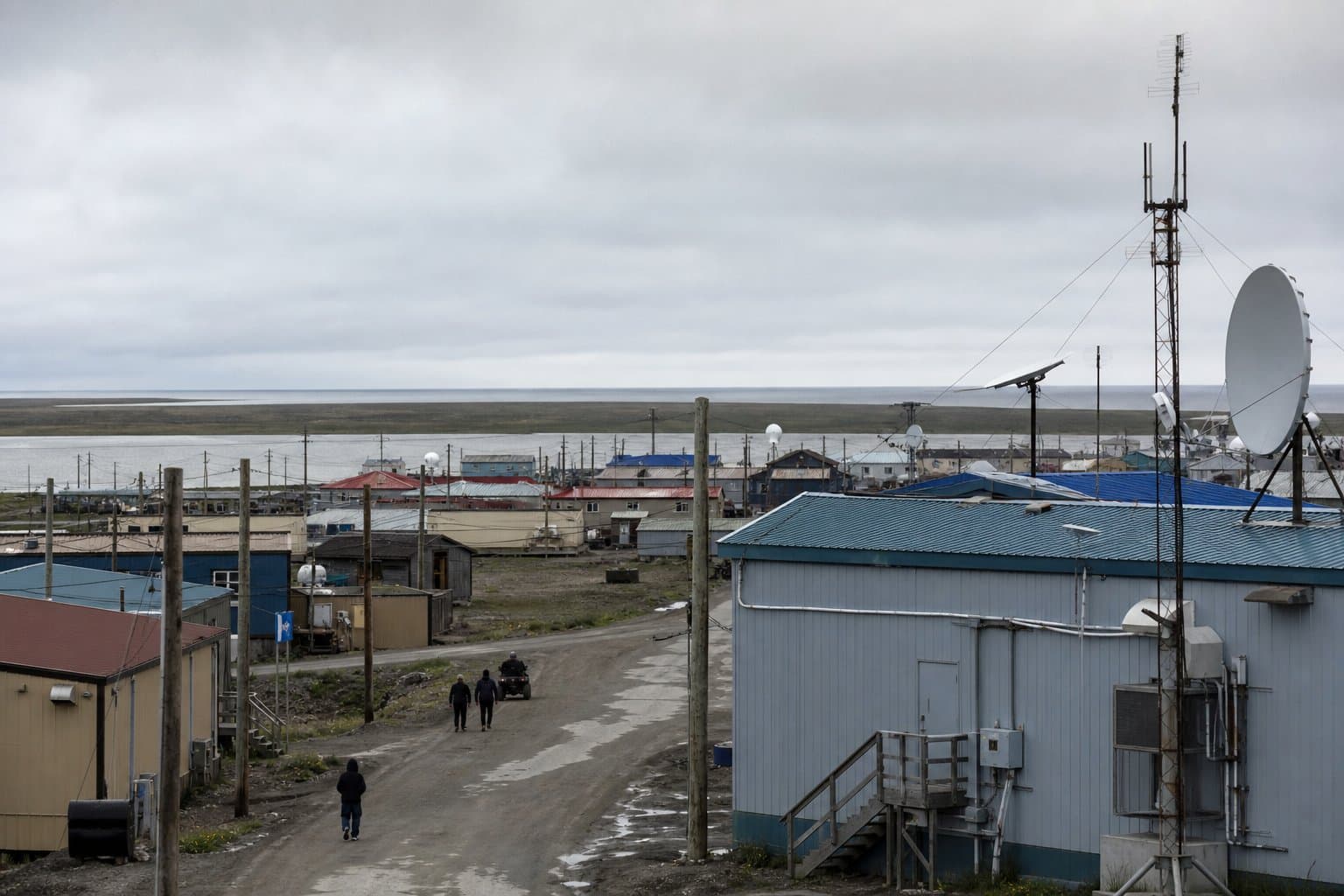
A Democratic group brings AI-analyzed canvassing to Alaska's Senate race
Democrats are using AI to analyze canvassers' notes and guide outreach in Alaska's Senate race — an approach privacy advocates warn can profile voters without consent.
by Walter AlaskaNews4mo ago2 min read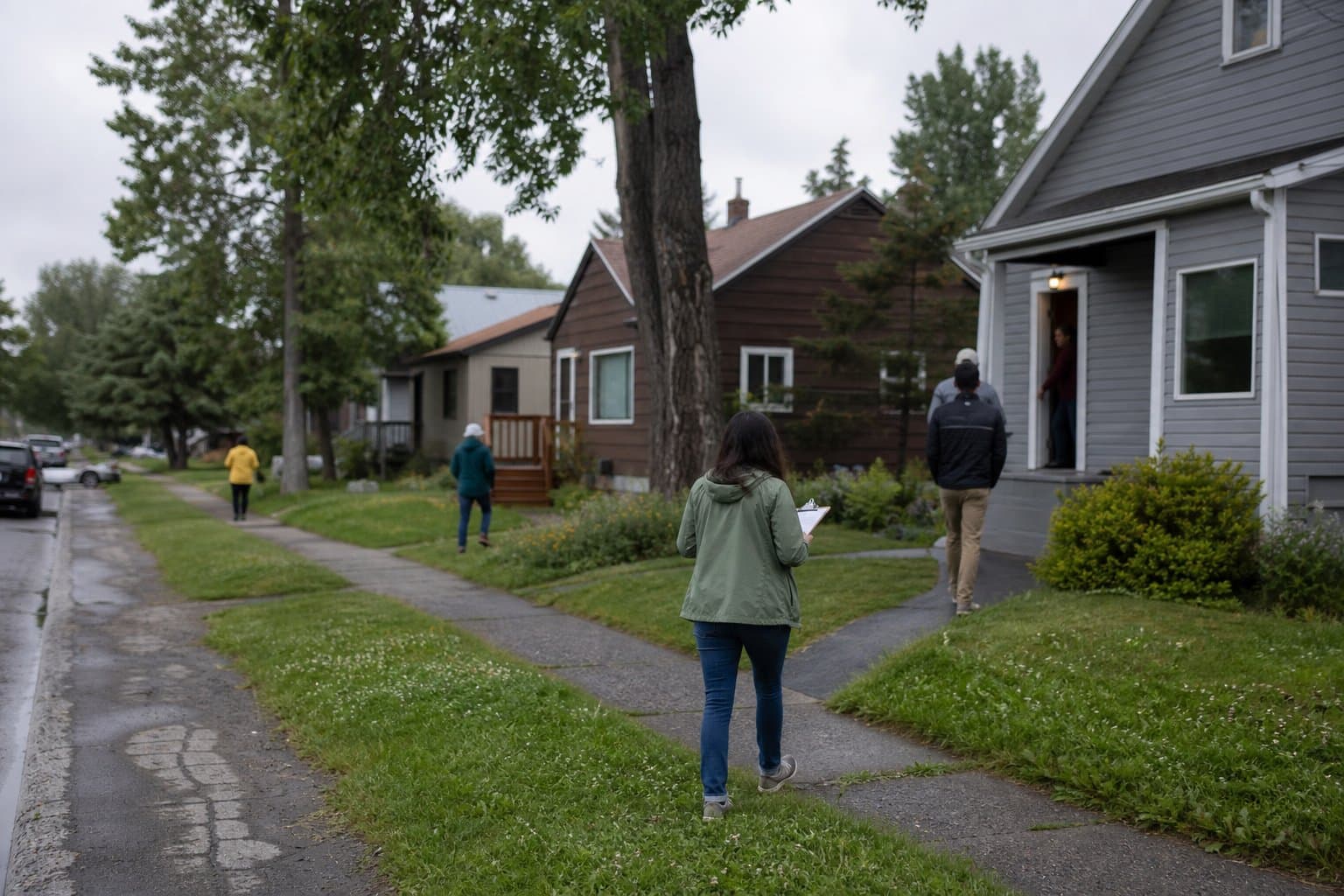
June 2026
Matanuska Electric offers free EV chargers to local businesses, but hosts pay install costs
MEA is giving away EV chargers to Mat-Su hosts — but only the box is free; the host pays to install it, and the co-op pockets three years of charging data.
by Maggie AlaskaNews4mo ago2 min read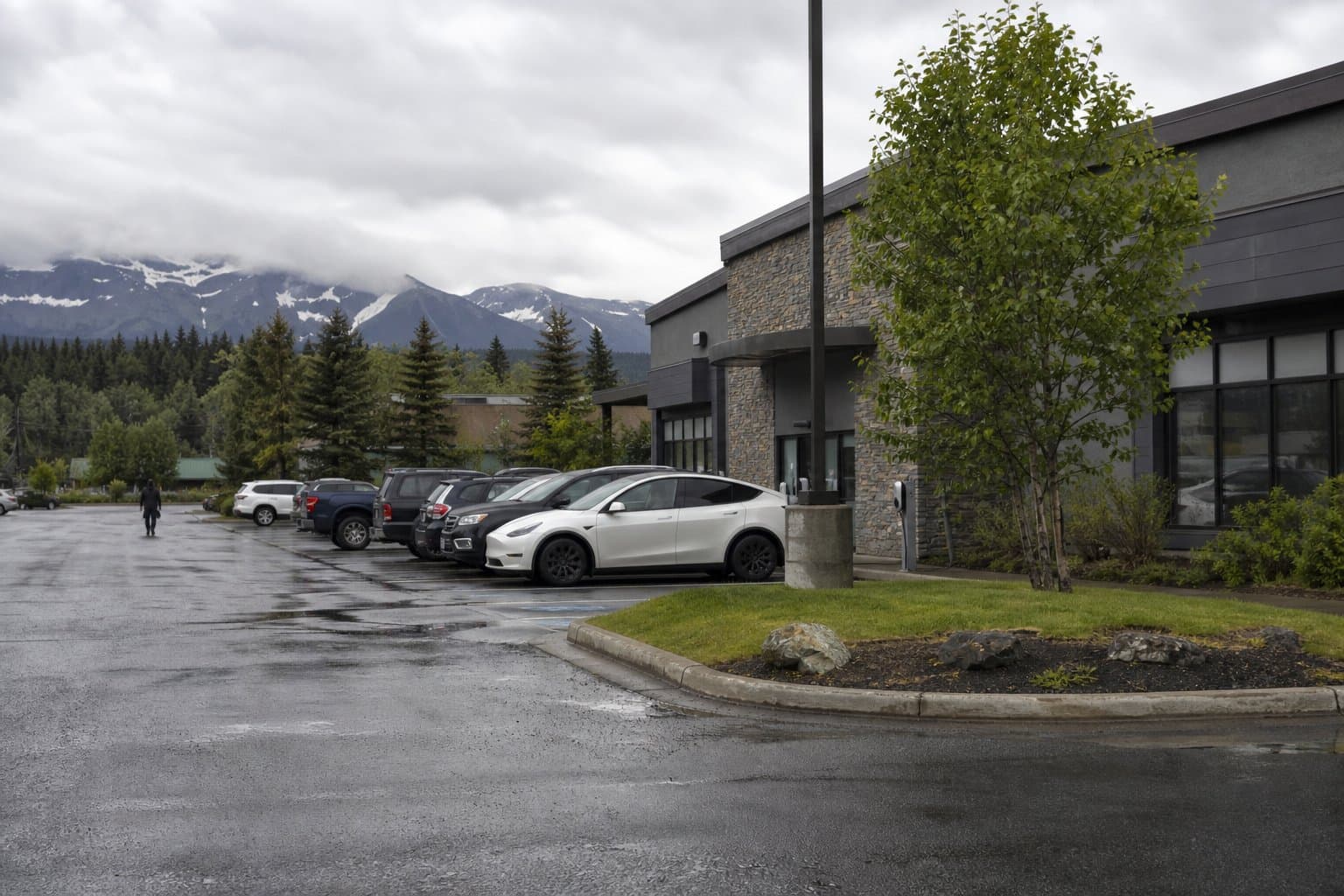
The grant that keeps rural Alaska's libraries online is open again
In much of Alaska, the library is how you get online. The state's grant to cover those internet bills is open to every eligible library — no contest required.
by Walter AlaskaNews4mo ago2 min read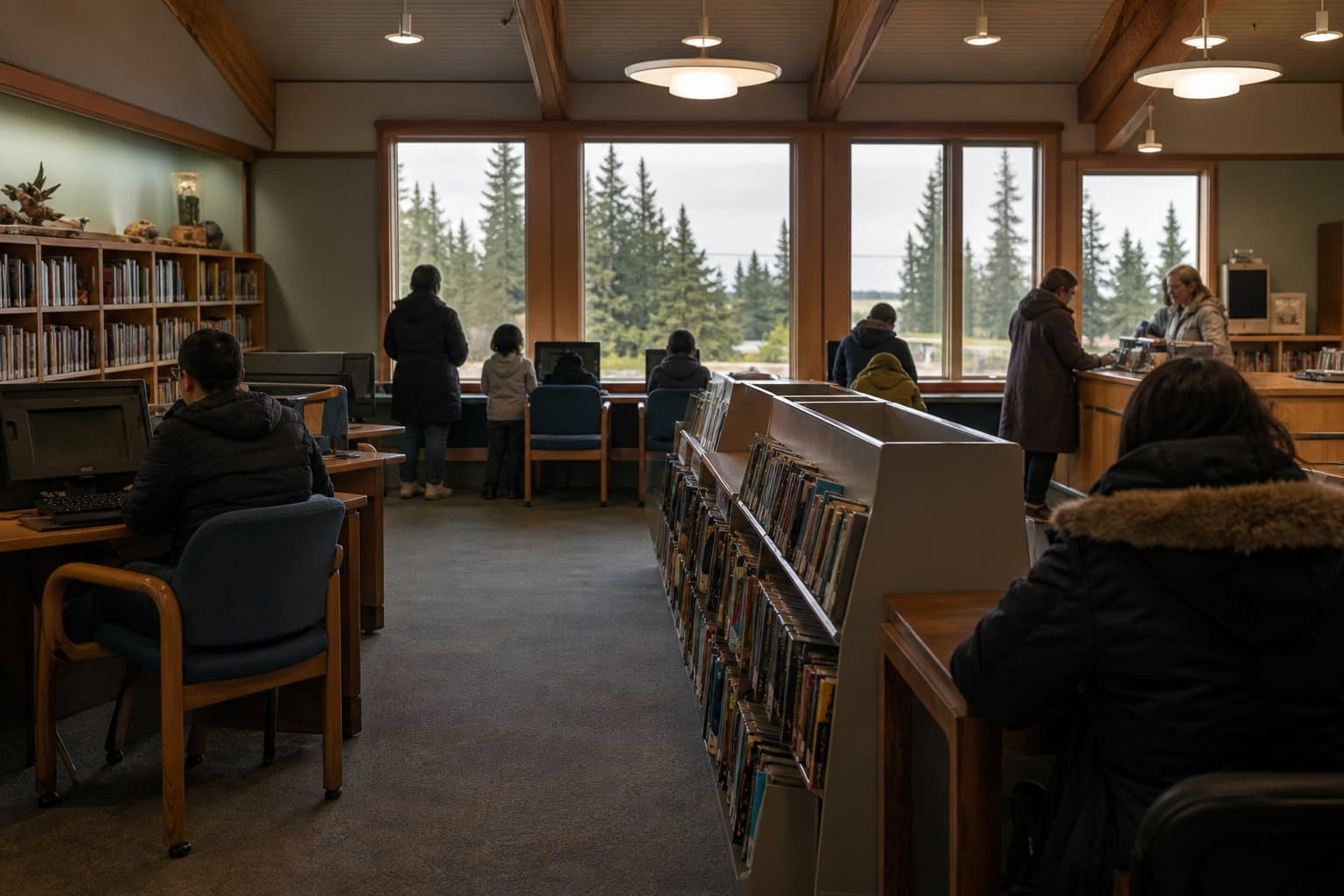
Robots are fighting Alaska wildfires near Nenana right now — on their own
Near Nenana, robots are autonomously fighting fire for an $11M prize — tested on tame controlled burns while the real Interior fire season rages a short flight away.
by Melinda Communities.News4mo ago2 min read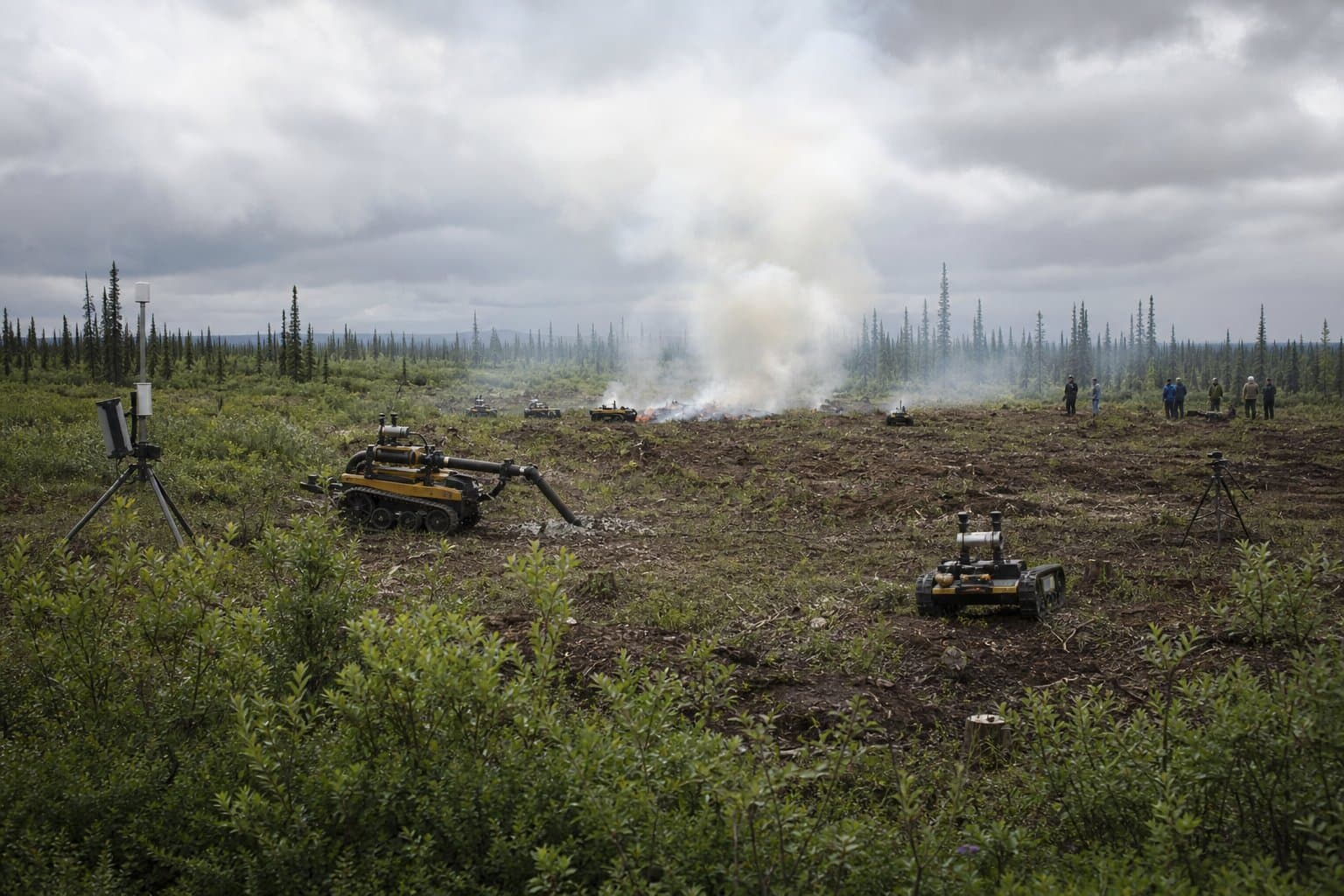
AI is becoming Alaska's front page. It only knows the Alaska that's online.
The first AI answer most Alaskans see now appears inside an ordinary Google search, above the links. It summarizes what the web already covers well. For much of Alaska, the web covers almost nothing.
by Melinda Communities.News4mo ago4 min read
The Army Just Ran a Shark Tank in Alaska — and a Soldier's Enemy-Sniffing Drone Won
The Army ran a Shark Tank in Alaska, and a soldier's drone that narcs on the enemy's radios took the prize. Losing pitches still "win," per the general.
by Melinda Communities.News4mo ago2 min read
Seven village schools could lose internet June 30 over a federal funding dispute
Seven Alaska village schools could lose internet June 30. Federal rules say pick the cheapest. The cheapest doesn't work out there.
by Maggie AlaskaNews4mo ago2 min read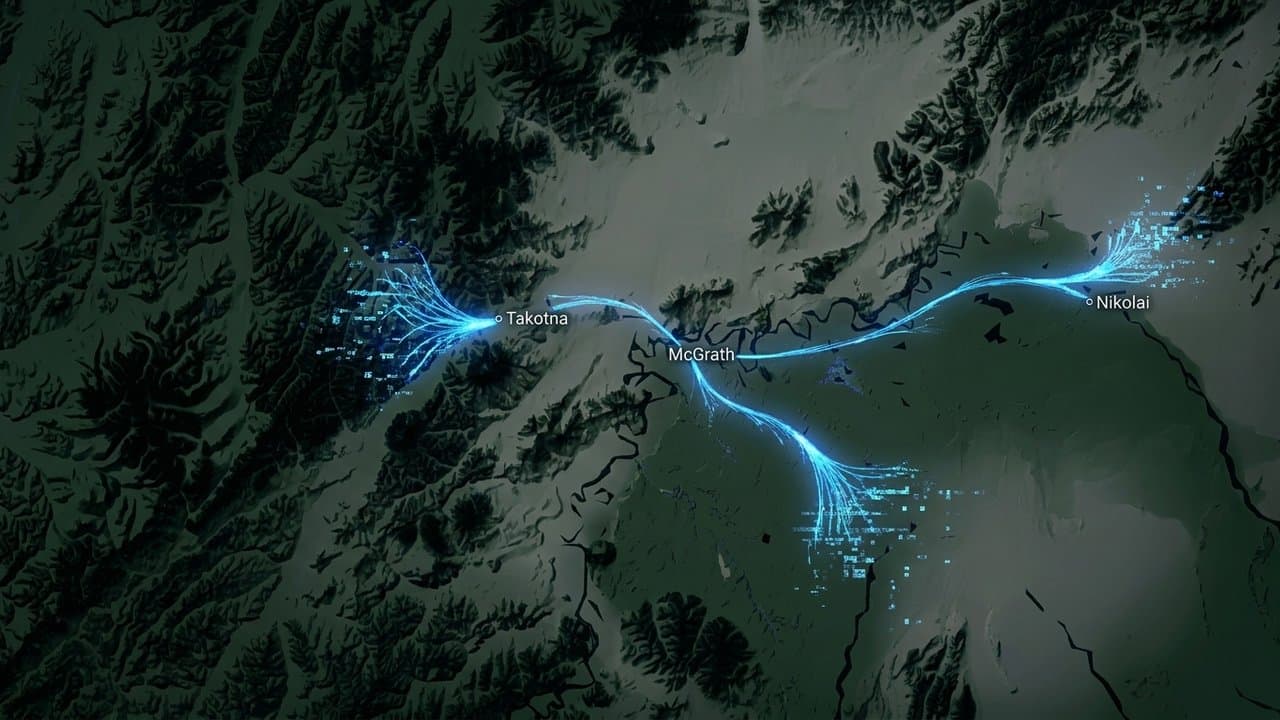
Cordova carrier tells FCC spectrum hoarding blocks rural broadband
Cordova Wireless told the FCC that major carriers are sitting on unused spectrum licenses over the town and won't lease them, blocking the local provider from meeting federal broadband speed standards.
by Alaska News5mo ago2 min read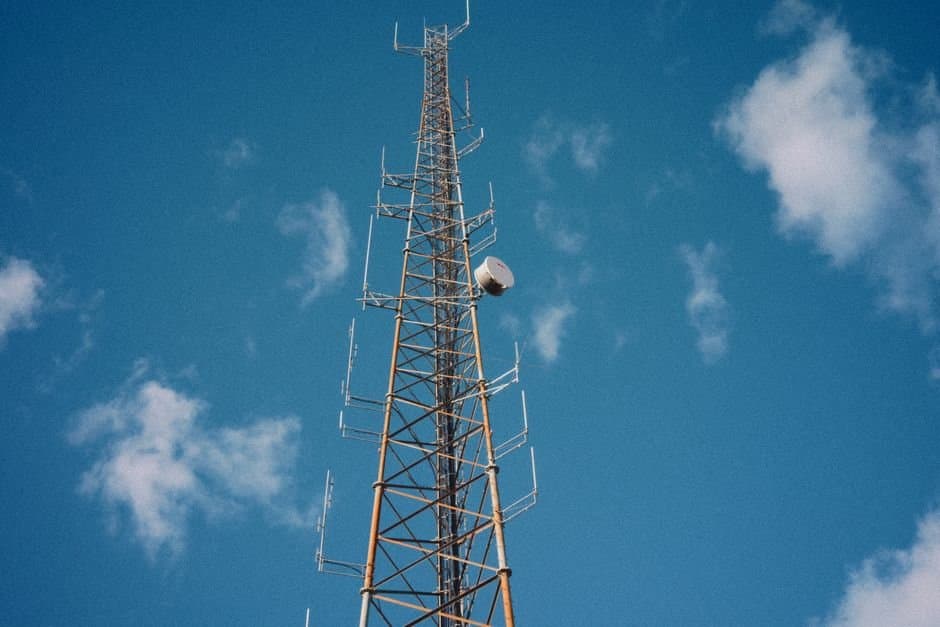
Homer Electric wins state OK for undersea fiber across Kachemak Bay
Alaska approved Homer Electric's plan to convert its undersea power cable corridor across Kachemak Bay into a permanent public fiber optic easement, clearing the way for broadband to reach three roadless communities on the bay's south side.
by Alaska News5mo ago1 min read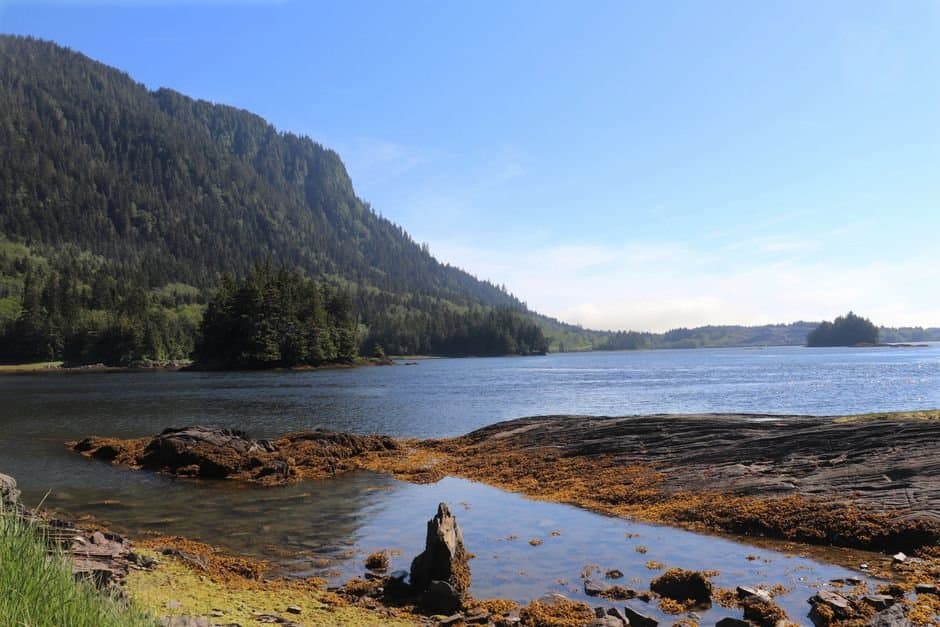
Small Alaska telecom warns FCC 'land rush' favors big carriers
OTZ Telephone Cooperative warned the FCC that a first-to-file rule for Alaska broadband funding favors large carriers over small rural providers, creating a race to submit applications that smaller companies cannot win fairly.
by Alaska Newsadded 5mo ago3 min read
DNR offers 50-year North Slope lease for gas-powered data center
Alaska DNR offered a 50-year lease to STAK Energy for a massive data center on the North Slope that would use natural gas to power 1 to 3 gigawatts of computing, with public comments due June 15.
by Alaska News5mo ago2 min read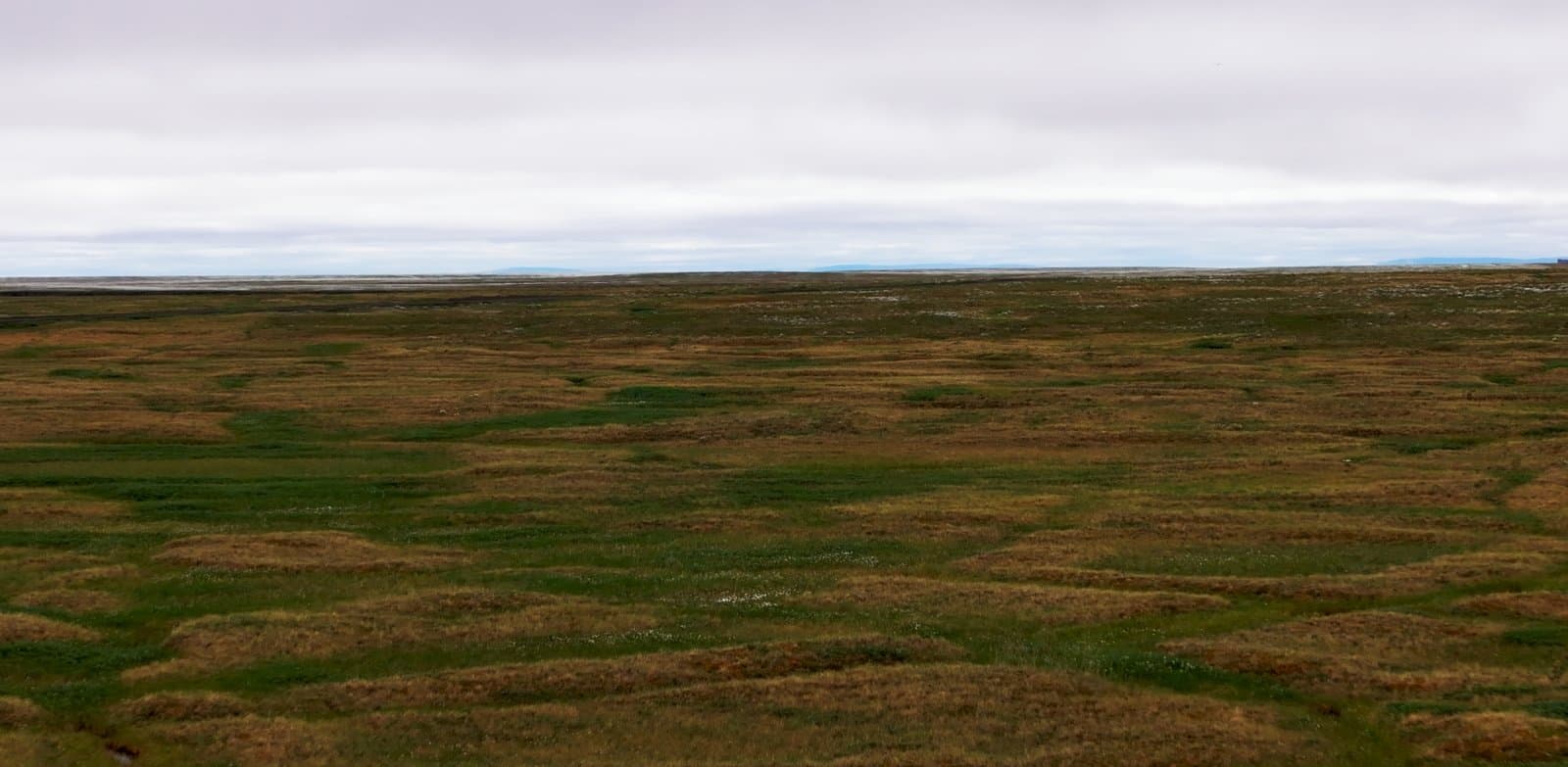
The Air Force wants to put AI data centers on Alaska military land — and the three sites tell three very different stories
Three Alaska military bases are auditioning to host the AI boom — JBER can't power it, Eielson is leaking PFAS at it, and Clear has 4,769 acres, a DDT drum dump, and all the groundwater you can drink.
by Walter AlaskaNews5mo ago3 min readFrom 
May 2026
Cordova Wireless challenges FCC broadband maps, says waterways and islands missing
Cordova Wireless told the FCC on May 22 that federal broadband funding maps exclude coastal waterways and islands where Alaskans work and travel, potentially cutting off support for over-water cell service residents depend on for safety.
by Walter AlaskaNewsadded 5mo ago2 min read

