Voting Record
RSSVoting Record in Alaska is the record of how its congressional delegation and state legislators cast roll-call votes. It tracks votes on bills, amendments, confirmations, and veto overrides in the U.S. Senate, U.S. House, and the Alaska Legislature.
Places and organizations in this news
Numbers are stories in the last 30 days.
Generated Image
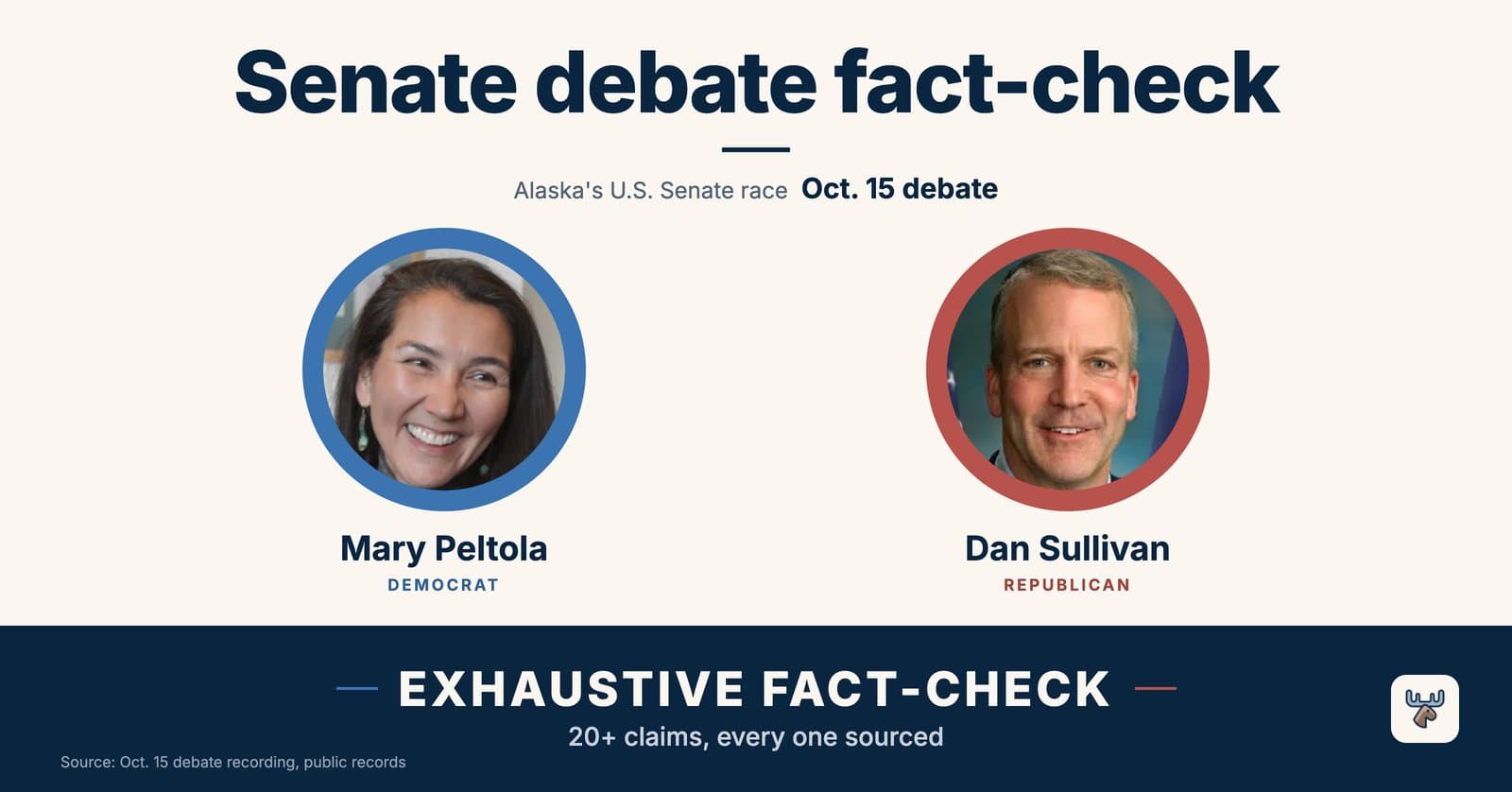
Sullivan and Peltola got key facts wrong in a heated Senate debate, records show
Republican Sen. Dan Sullivan and Democrat Mary Peltola accused each other of lying again and again in Thursday night's U.S. Senate debate, and at one point the moderator warned she would have their microphones shut off if she had to. By Alaska News' count of the transcript, Peltola said "lie," "lies" or "lying" five times and Sullivan four.
The hour, broadcast statewide by Alaska Public Media, Alaska's News Source and KTOO, was the last in the stations' Debate for the State series before the Nov. 3 election. Early voting begins Monday. Lori Townsend moderated, and Liz Ruskin of Alaska Public Media and Will Courtney of Alaska's News Source asked the questions. Alaska Public Media's recording of the full debate is here; times in this story show about where each quote can be found in that recording.
It got personal early. After Sullivan said Peltola "defines the rigged system," she answered, "Dan just keeps telling lies and Alaskans are sick of it." When Sullivan said she had voted against a troop pay raise "because she wanted more transgender surgeries for our troops," Peltola cut in: "That is absurd." Moments later she told him, "Dan, you should be ashamed of yourself for propagating these lies."
Later, Sullivan stopped to ask the moderators whether the candidates had been given the questions in advance. Courtney and Townsend said neither had. Sullivan said he was watching his opponent read from questions "that seem to be answered," and Peltola said, "I'm prepared!" Peltola read from note cards for about half her answers to the moderators' questions and Sullivan also used notes, Alaska News found, and Ruskin later posted on social media that Sullivan had clarified he didn't believe the hosts gave anyone the questions. Minutes later, Sullivan told Peltola, "You're walking through the revolving door so much, you must be getting dizzy up here." After he raised a New York Times story about Peltola's treatment of her staff, Townsend called for decorum. "If I have to have mics shut off, I will," she said.
Near the end, it turned warmer. Asked for one nice thing about the other, Sullivan said his wife, Julie, invited Peltola to his Marine Corps retirement ceremony, and Peltola came. Peltola called it a lovely service and said she could name three lovely things about Dan and Julie Sullivan: their daughters.
In between, both candidates made specific claims about votes, money and laws that can be checked. Alaska News checked more than 20 of them against Senate and House roll calls, Alaska House journals going back to 2002, federal health and campaign finance records and the candidates' own statements.
The results cut both ways. Sullivan said Peltola missed a 2008 vote to advance the gas line; the House Journal shows she voted for it and was excused for the next day's revote. Peltola said Sullivan voted to raise the Social Security retirement age; he voted against the most direct proposal to do that. Sullivan named the wrong senator as the one who blocked his bycatch bill. Peltola said she is being outspent three to one, but ad-tracking data and federal filings from before the debate showed a much narrower gap. Counting the campaigns' own spending, her side had spent more through September.
Is Peltola being outspent three to one?
What Peltola said (58:12): "I'm being outspent three to one right now because of Dan's supporters, specifically Elon Musk."
Verdict: Mostly False. Outside groups have spent more for Sullivan, but not three to one. The ad tracker her campaign cited showed Republicans ahead nearly three to one in mid-September, counting ads booked but not yet aired. By Sept. 30, the same tracker showed about 1.4 to 1, with bookings for the rest of the race even. Federal filings show outside groups spending about 1.4 times as much for Sullivan, and counting the campaigns' own spending, Peltola's side had spent more.
Peltola's campaign pointed to a Sept. 11 chart from AdImpact, a firm that tracks political ads. It showed Republicans had aired or booked $34 million in Alaska Senate ads to Democrats' $12.2 million, about 2.8 to 1, though most of the Republican total, $23.1 million, was for ads that hadn't aired yet.
By Sept. 30, AdImpact's figures showed Republicans had aired $26.6 million in ads to Democrats' $14.3 million, and the two sides had about the same amount booked for the rest of the race, $14.4 million for Republicans and $14.5 million for Democrats. That's about 1.4 to 1 in all. From Sept. 28 to Oct. 11, spending on ads that aired in the race split about 53% to 47% in Republicans' favor, according to the Wesleyan Media Project, which analyzes AdImpact data. AdImpact's figures count ads only, including the campaigns' own.
Through Oct. 14, the day before the debate, outside groups reported spending about $37.5 million to support Sullivan or oppose Peltola and about $27.4 million to support Peltola or oppose Sullivan, by Alaska News' tally of Federal Election Commission filings. That's about 1.4 to 1 overall and about 1.3 to 1 since Sept. 1. Sullivan's side led by more than three to one only until early August, when about a tenth of it had been spent.
The campaigns' own spending runs the other way. Through Sept. 30, Peltola's campaign had spent about $29.3 million, three times the $9.7 million Sullivan's campaign had spent since his 2020 reelection, FEC reports show. Counting both kinds of spending through Sept. 30, the latest campaign reports, Peltola's side had spent about $45.4 million and Sullivan's about $36 million.
Musk's own super PAC, America PAC, had reported about $662,000 in spending for Sullivan or against Peltola through Oct. 14, less than 2% of the outside money on Sullivan's side. But Musk gave $158 million in September to Senate Leadership Fund, its FEC report shows, and that group had reported more independent spending for Sullivan in Alaska than any other, about $12.1 million. Federal filings don't show whether Musk's money paid for its Alaska ads.
The health care claims
The sharpest policy fight was over health care: the 2025 tax-and-spending law, which Peltola called "the big beautiful bill" and Sullivan called the "Working Families Tax Cuts Act," and the enhanced Obamacare tax credits that expired at the end of 2025. Both candidates went beyond what the record shows. The law's biggest Medicaid changes are set to start in 2027, and the expired credits have made private coverage much more expensive.
Sullivan (31:41): The law "did not cut Medicaid for Alaskans, funding for Alaskans at all." Verdict: Mostly false. The law adds work requirements for some adults on Medicaid expansion, requires some enrollees to renew every six months and limits retroactive coverage, according to the state Department of Health. Once the work requirement takes effect, which is set for January 2027, 9,452 to 13,611 Alaskans could lose coverage, a state-commissioned analysis projects, and even people who qualify for an exemption could lose coverage if the state can't verify it, Alaska News has reported.
On funding, Sullivan has more of a point for now. Alaska is the only state that doesn't use the provider taxes the law limits, and the federal government still pays 90% of the cost for expansion enrollees. But fewer people on Medicaid means less federal money: KFF, applying Congressional Budget Office estimates, projected the law would reduce federal Medicaid spending in Alaska by about $2 billion over 10 years. In Petersburg, the hospital's chief executive and a board member have split over whether the law is a cut or mainly a paperwork burden.
Peltola (30:36): "10,000 Alaskans immediately off of Medicaid." Verdict: Mostly false. Enrollment did fall by about that much after the law was signed, from 220,373 in July 2025 to 209,461 in May 2026, the latest final count, according to the federal figures behind a Georgetown University tracker her party cites. But that's a drop in the monthly total, not a count of people the law removed. During that period, none of the law's eligibility changes had started. The first, affecting some noncitizens, took effect Oct. 1 of this year, two weeks before the debate. Enrollment was already falling, down about 28,000 in the nine months before the law passed as the state worked through pandemic-era eligibility reviews. Both clinic closures her party cites came before the law's eligibility changes took effect, and the five "at risk" hospitals come from a list Democratic senators made before the law passed.
Peltola (30:36): Restoring "healthcare tax credits that Dan Sullivan voted against seven times." Sullivan (31:41): "I actually bucked my party and voted to extend the premium tax credits on Obamacare twice." Verdicts: Peltola's count is mostly true. Sullivan's "twice" is half true. Sullivan did vote no seven times in fall 2025, though six were repeat votes on the same Democratic funding bill, and all but one of the seven were procedural. He also voted against two extension measures earlier in 2025, in February and June. On Dec. 11, 2025, he was one of four Republicans who voted to advance a three-year extension, his only such vote in the Senate record since January 2025.
His campaign told FactCheck.org that when the Senate voted on "plans to lower health care costs," he "voted yes on both the Democratic plan and the Republican plan." But only the Democratic plan extended the credits; the Republican bill would have paid into health savings accounts instead. He filed amendments to both bills to extend the credits for two years, but neither came to a vote.
His jab that Peltola "never voted at all" to extend them is half true: she didn't, but she never had the chance. The House passed the extension through 2025 in August 2022, days before the special election that sent her to Congress, and it didn't run out until a year after she left.
Peltola (30:36): "Tens of thousands of Alaskans across our state can no longer afford private healthcare insurance." Verdict: Exaggerated. Losing the credits did make private insurance much more expensive. The average monthly premium after subsidies for marketplace sign-ups rose from $223 in 2025 to $344 in 2026, federal enrollment data show, and KFF estimated that a 60-year-old earning just over the subsidy cutoff now pays about $2,190 a month for a benchmark plan, up from $555.
But no public data count how many Alaskans can no longer afford coverage, and the numbers that do exist don't reach tens of thousands. Only about 26,000 Alaskans buy their own insurance, according to the state Division of Insurance, so her figure would mean nearly all of them. Peltola's campaign pointed to a KFF projection that the law and the expired credits together will leave about 29,000 more Alaskans uninsured in 2034. But that looks eight years ahead, and KFF attributes about 22,000 of it to Medicaid and about 6,000 to the marketplace, where people buy private plans. So far, the number of Alaskans paying for marketplace coverage fell by about 3,500, or 13%, from February 2025 to February 2026, federal data show.
What’s behind Sullivan’s charges about Peltola’s staff?
What Sullivan said (26:55): "25 staffers quit on Mary Peltola because she abused them physically and emotionally. And then she slanders every other group: African Americans, special needs individuals."
Verdict: The turnover figure is mostly true. The rest is reported and partly disputed. About two dozen staffers did leave, but the record doesn't show they all quit because she abused them physically and emotionally.
The New York Times story Sullivan cited was based on interviews with nine anonymous former staff members, along with text messages and photos. Citing the research site LegiStorm, it reported that about two dozen staff members left Peltola's congressional office. Her aides said at the time that the office was replacing staff left over from her Republican predecessor, Don Young, but only five of the two dozen had worked for Young, and two former staffers told the Times her volatility was also a major factor. Former aides described angry, profane outbursts, and the Times reported that staff were sometimes driven to tears and often discussed quitting.
The Times reported a shove in February 2024, described by a staffer who was there and two others who heard about it soon after, as well as text messages sent at the time. The aide left Peltola's team soon after. Her campaign denied it was a shove and said she bumped him accidentally. Four former staffers said they heard her use a slur for gay people, which the campaign denied. The paper also published a text in which she used a slur for people with intellectual disabilities, and the campaign said she regretted it.
The African Americans charge matches an Alaska Landmine report Oct. 9 that two anonymous former staffers said Peltola used a slur for Black people in 2024. Her campaign called that report "an outright lie."
Alaska News could not independently verify these allegations. Peltola's campaign told the Times there was no pattern of abusive behavior and that she sometimes struggled with grief after the deaths of her mother and husband in 2023. Several people who worked with her over the years described positive experiences to the Times. Tyson Fick, who advised her on fishing policy in Congress, said she was "awesome and demanding" and sometimes "raised her voice," but "I don't think it was ever an abusive scenario." In the debate (39:58), she called many of the allegations "outright fabrications" or exaggerations.
Has Peltola been a lobbyist?
What Sullivan said (25:07): "She made almost half a million dollars last year as a D.C. lobbyist." He went on: "She did it when she left the state legislature. She set up a lobbying firm."
Verdict: Mostly true about her past state lobbying. The rest is exaggerated and disputed. Last year she wasn't registered as a lobbyist, and her campaign won't say whom she advised.
Six years after leaving the state House in 2009, Peltola, then Mary Sattler, registered as a state lobbyist through her business, Sattler Strategies. She was registered from 2015 through 2017, for clients including the City of Bethel and the Association of Village Council Presidents, and state records show no registration for her since.
What did you make of this story? (no account needed)
Have a story about Voting Record? Send a tip
Latest
September 2026
Senate passes national college NIL bill 77-22, with Murkowski voting yes and Sullivan not voting
The Senate passed a national college NIL bill 77-22 Monday. Murkowski voted yes; Sullivan didn't vote on any of the day's six roll calls, all on the bill.
 by Walter AlaskaNews1mo ago2 min read
Both Alaska senators back advancing a federal NIL bill
Murkowski and Sullivan both voted to advance a federal college athlete pay bill. Alaska has no NIL law of its own, so federal rules would apply directly.
by Walter AlaskaNews1mo ago1 min read
August 2026
Supreme Court lets Trump's mail-voting order advance, but Alaska's rules are unchanged for now
The Supreme Court let Trump's mail-voting order advance but didn't rule it legal. Alaska's voting is unchanged for now; a separate order blocks the key piece.
by Walter AlaskaNews2mo ago3 min read
Alaska's senators split as Senate confirms Blanche 50-49
The Senate confirmed Todd Blanche as attorney general 50-49 Saturday, with Sen. Lisa Murkowski voting no and Sen. Dan Sullivan voting yes.
by Walter AlaskaNews3mo ago2 min read
July 2026
A bill to give the Coast Guard its own secretary, one of several that haven't moved
A Senate bill would give the Coast Guard its own civilian secretary, mirroring the other armed services. It's the third such attempt this Congress, and like the others, it's parked in committee.
by Walter AlaskaNews3mo ago2 min read
A cap on what families pay for child care is going away, with both Alaska senators' votes
A federal cap limiting what low-income families pay for child care is being removed, and both Alaska senators voted to let the rollback stand. States now set their own rates.
by Walter AlaskaNews3mo ago2 min read
Alaska's senators split on Iran war powers, and Murkowski missed the vote
Murkowski has repeatedly broken with Trump to rein in the Iran war. Thursday she missed the vote, and Sullivan again voted no. The motion failed 47-49.
by Walter AlaskaNews3mo ago1 min read
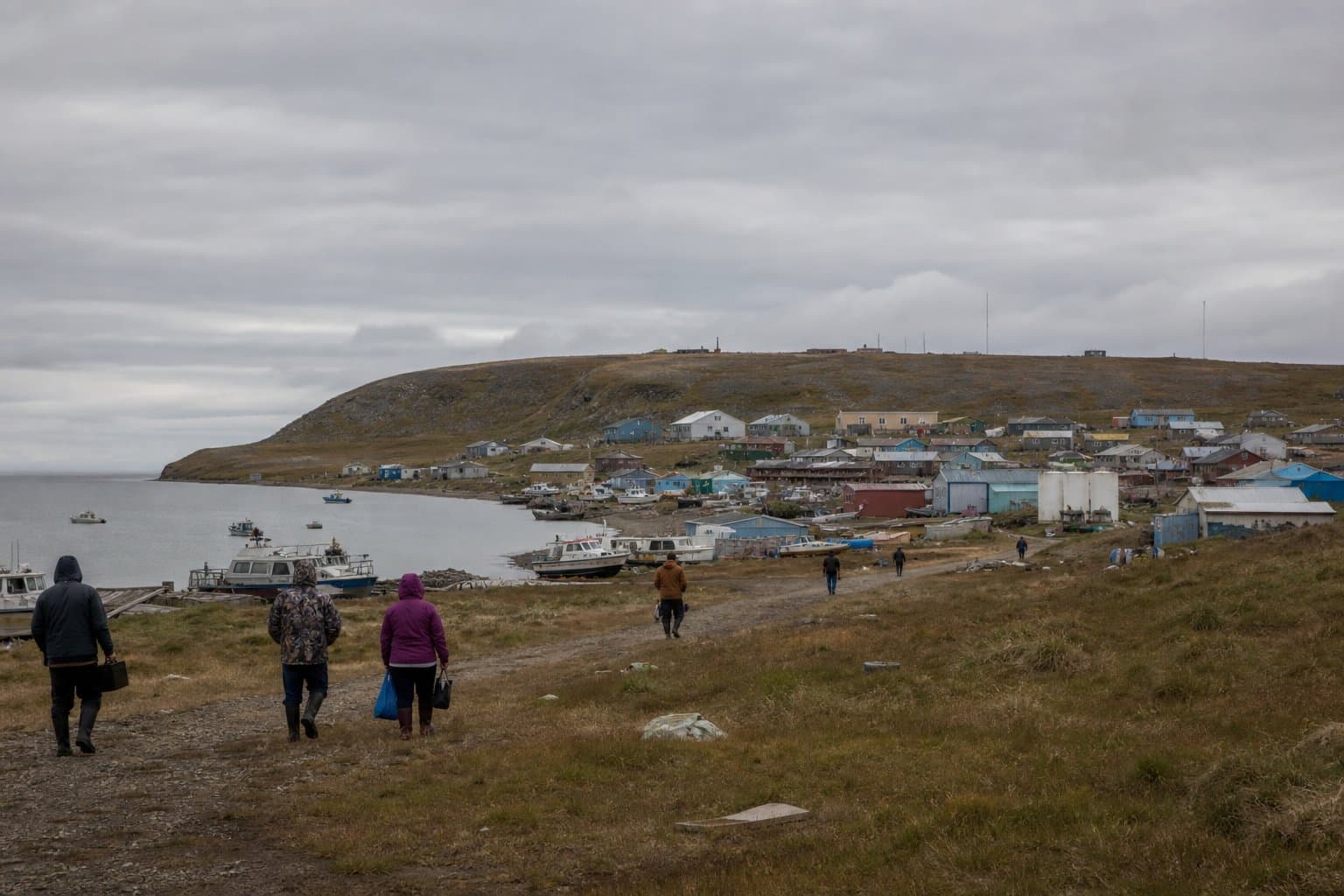
Savoonga's voting barriers surface in Senate election-integrity debate
Sen. Murkowski cited Savoonga's $1,000 travel costs to register in person under the proposed SAVE America Act. • U.S. Department of Justice found Alaska violated disability-access voting rules in 2024. • Absentee ballot application deadline for 2026 Primary is August 8.
 by Maggie AlaskaNews3mo ago1 min read
More from Voting Record
Begich votes to prohibit separate credit-card codes for gun stores
Begich helped pass a bill barring card networks from tagging gun-store purchases with a firearms-only code. In gun-heavy Alaska, that's a lot of receipts.
by Walter AlaskaNews3mo ago1 min read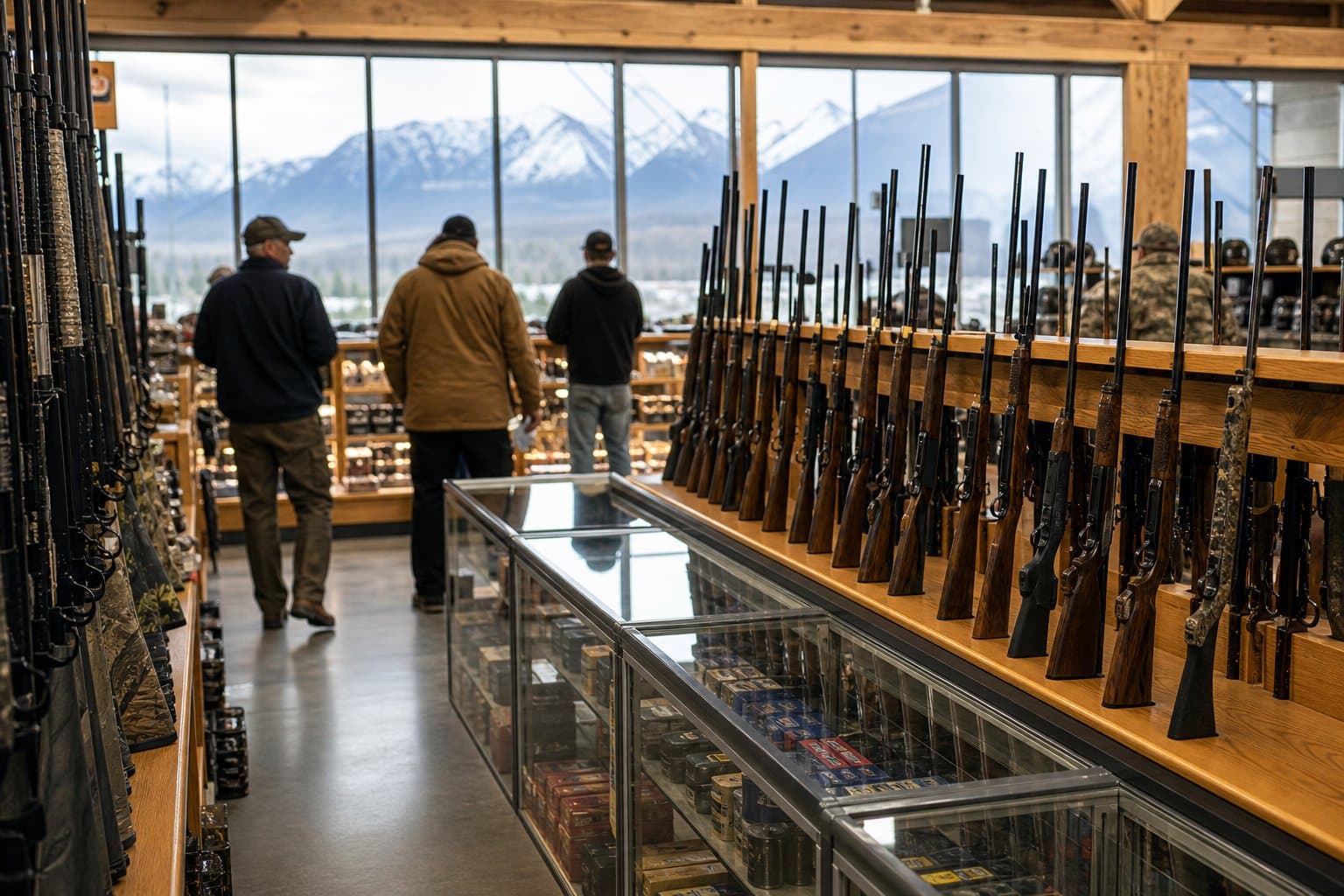
June 2026
Outside spending in the Alaska Senate race intensifies — Majority Forward ads target Sullivan
Outside spending lands in the Alaska Senate race. Majority Forward attacks Sullivan on Iran; GOP-aligned spending is 2x as large.
by Walter AlaskaNews4mo ago2 min read
About Voting Record
Voting record in Alaska is the record of how the state's congressional delegation and state legislators cast roll-call votes. It takes in votes on bills, amendments, confirmations and veto overrides in the U.S. Senate, the U.S. House and the Alaska Legislature.
Alaska's two U.S. senators sometimes split on confirmations and war powers, and a missed vote is part of the record. Federal bills draw particular attention when Alaska has no law of its own on the subject, since federal rules would then apply in the state directly.
