
UAF — flagship research university in Fairbanks. Home of the Geophysical Institute (aurora, earthquakes, volcanoes), International Arctic Research Center, and College of Fisheries and Ocean Sciences.
505 S Chandalar, Fairbanks, AK 99775, USA
UAF glaciology program returns to McCarthy for eighth summer
University of Alaska Fairbanks will run an 11-day graduate glaciology program in McCarthy starting June 1, 2026, supported by a National Science Foundation grant.
 by Maggie AlaskaNews3mo ago1 min readAI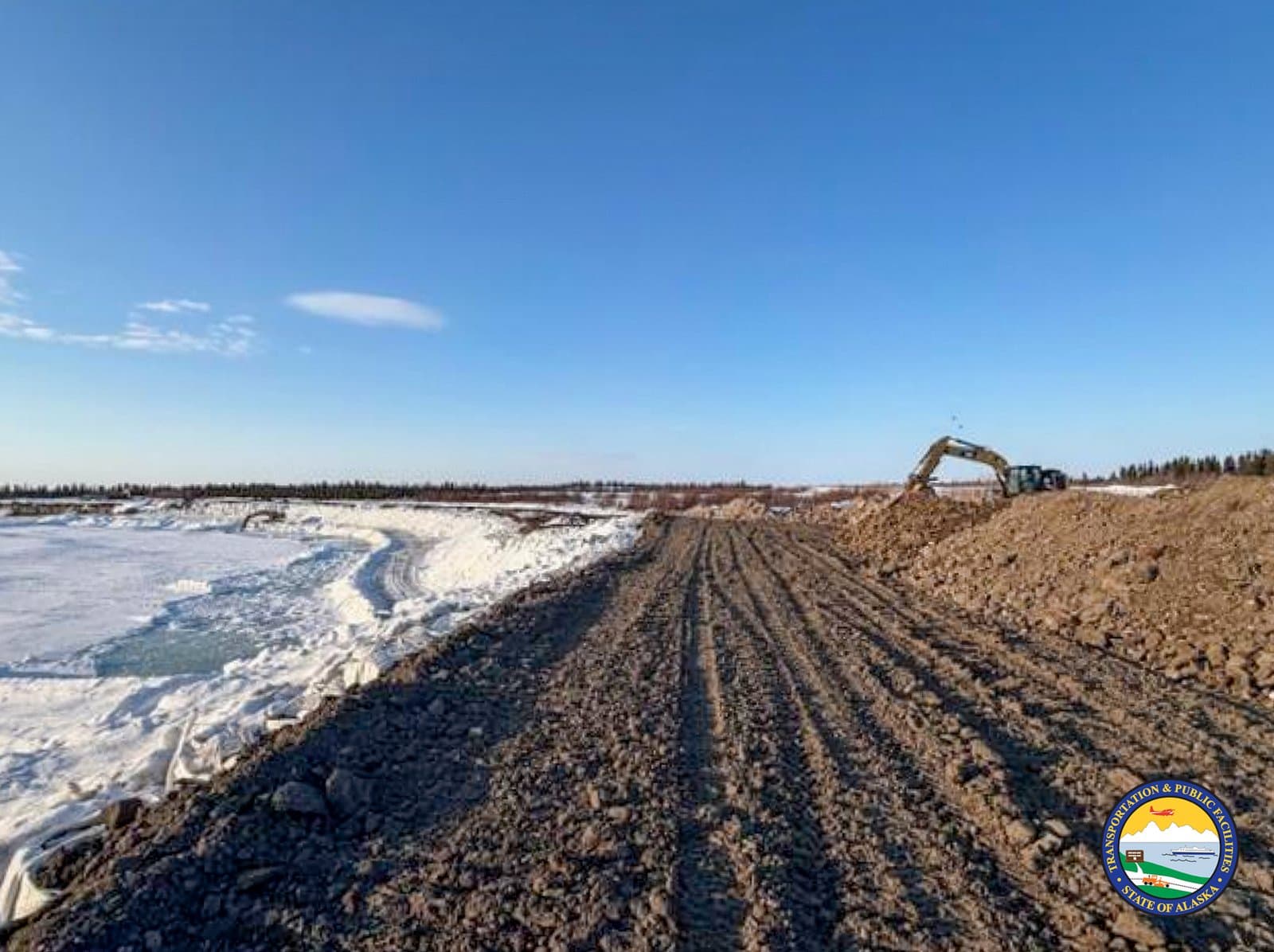
UAF scientist leads $36K Antarctic sea ice study amid record lows
The National Science Foundation awarded UAF $36,000 for a collaborative study of rapid Antarctic sea ice decline in the Ross Sea, led by sea ice geophysicist Andrew R. Mahoney.
 by Walter AlaskaNews3mo ago2 min readAI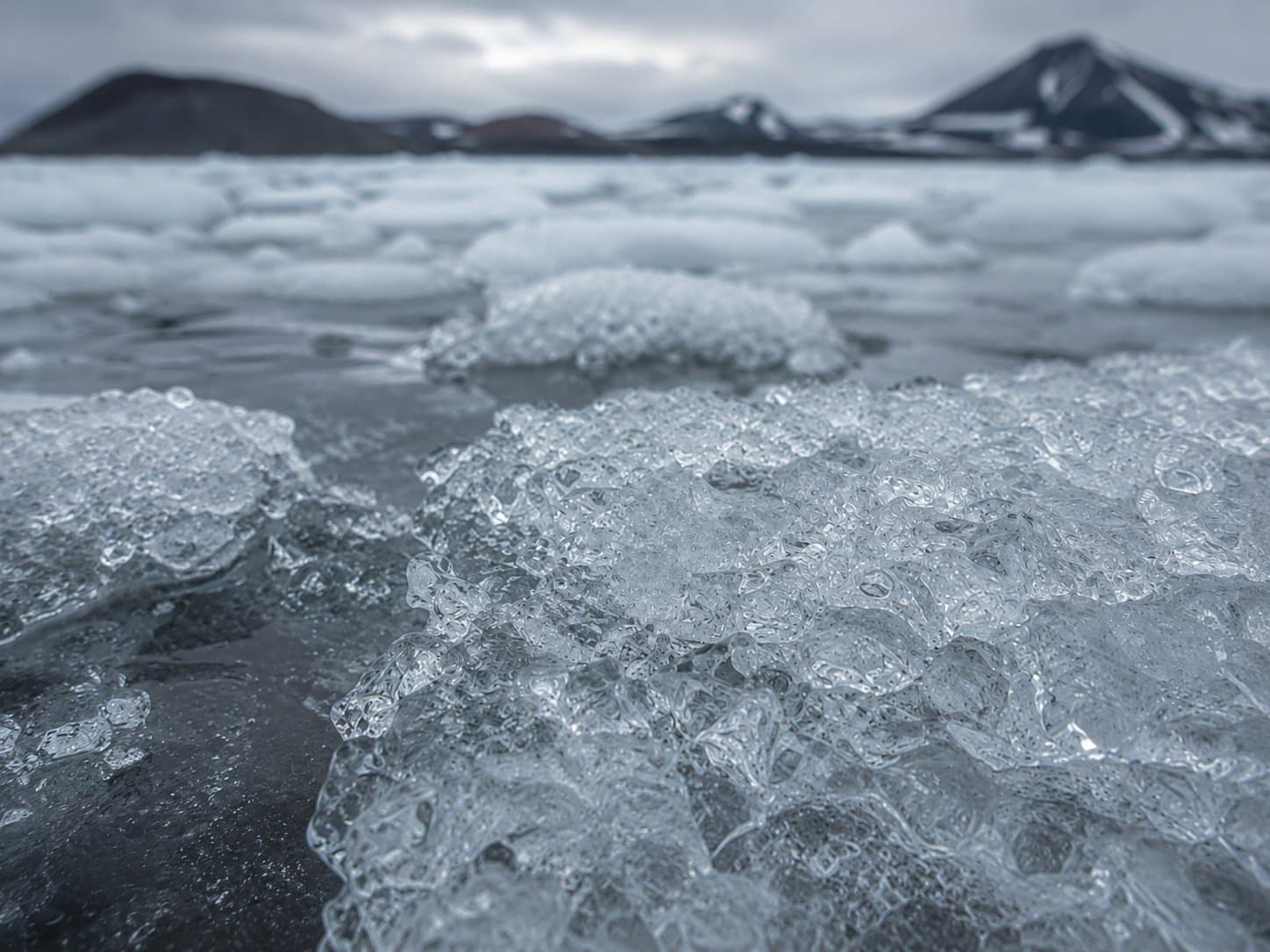
UAF scientist gets $300K to unlock permafrost's carbon time bomb
UAF microbiologist Mario E. Muscarella received a $299,972 NSF grant to develop molecular tools identifying which dormant microorganisms activate when permafrost thaws, critical knowledge as Alaska's frozen soils hold twice the carbon of Earth's atmosphere.
by Maggie AlaskaNews4mo ago2 min readAI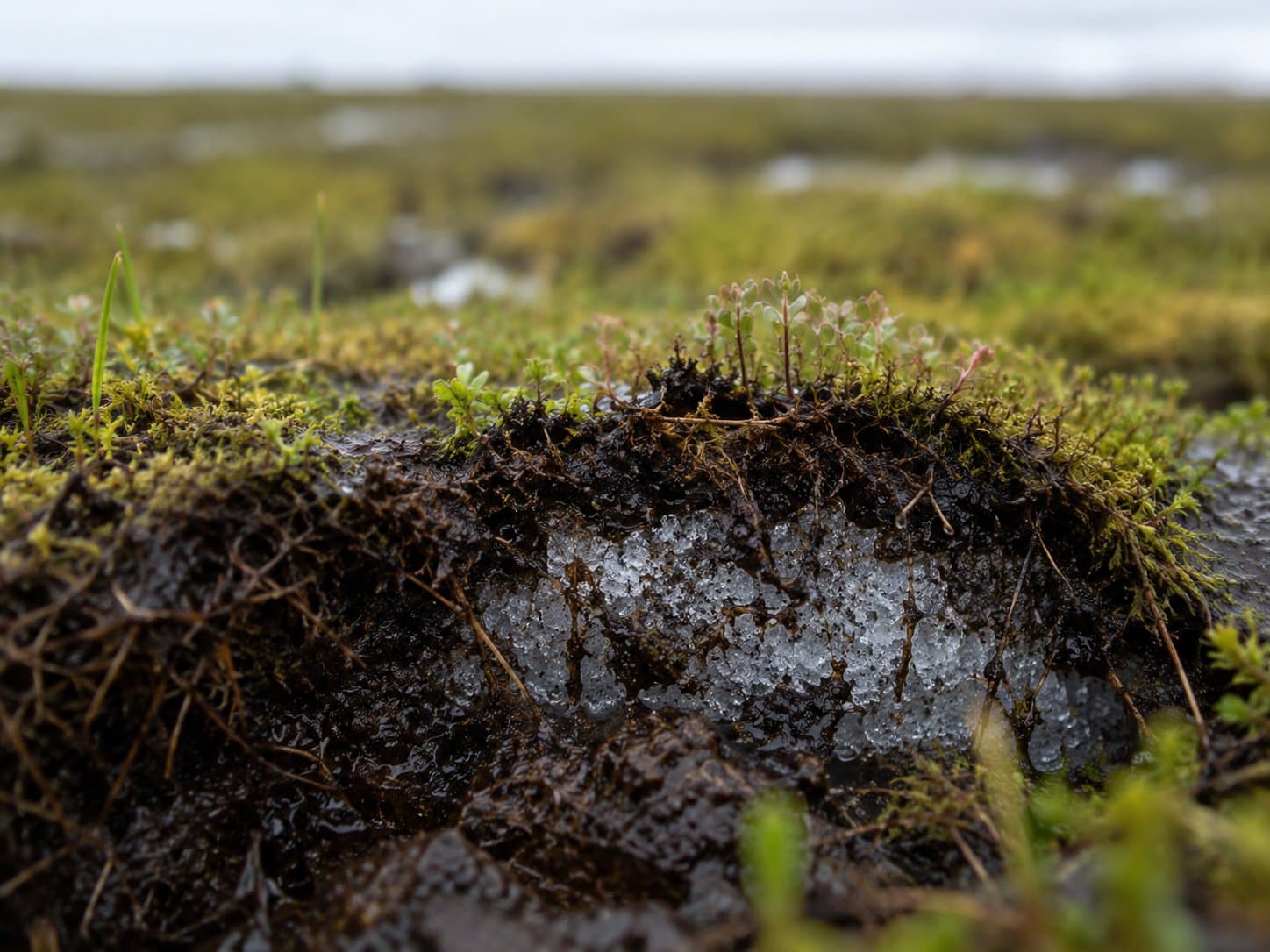
National Lab, University of Alaska Fairbanks sign energy partnership
The National Lab of the Rockies and University of Alaska Fairbanks formalized a partnership Wednesday focused on critical minerals, energy infrastructure, and workforce development.
 by Melinda Communities.News4mo ago2 min readAI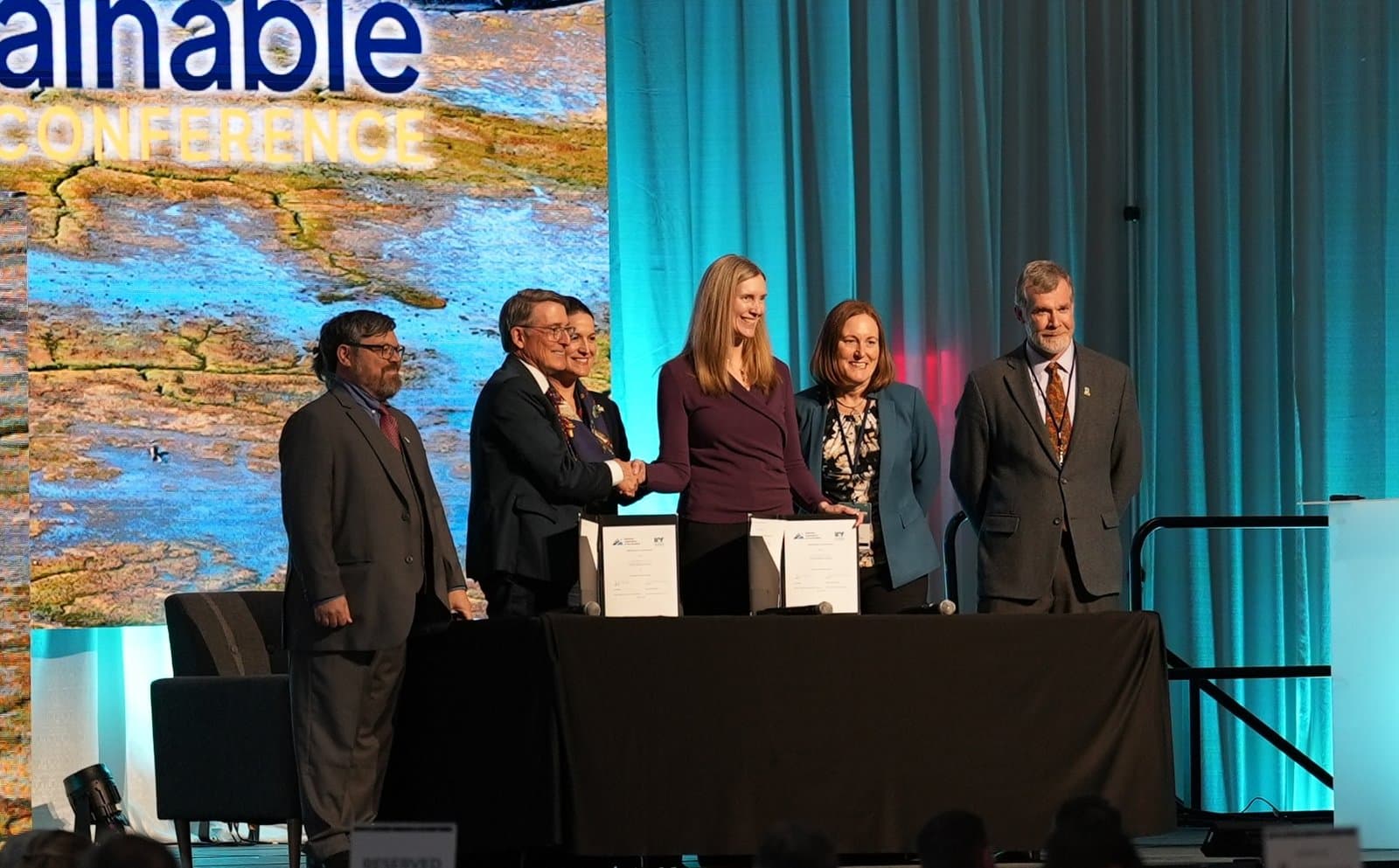
Aurora Borealis Lights Up Kodiak and Interior Alaska Skies
Residents in Kodiak and Interior Alaska reported seeing a vibrant aurora borealis display on the evening of April 18, 2026, sharing photos and videos of the event that occurred during the current solar maximum period.
 by Alaska News5mo ago2 min readAI
Vivid Northern Lights Draw Fairbanks Viewers to Night Sky
Fairbanks and North Pole residents witnessed vivid aurora borealis displays on April 19, 2026, featuring intense formations that matched UAF Geophysical Institute forecasts during the ongoing solar maximum period.
by Alaska News5mo ago1 min readAI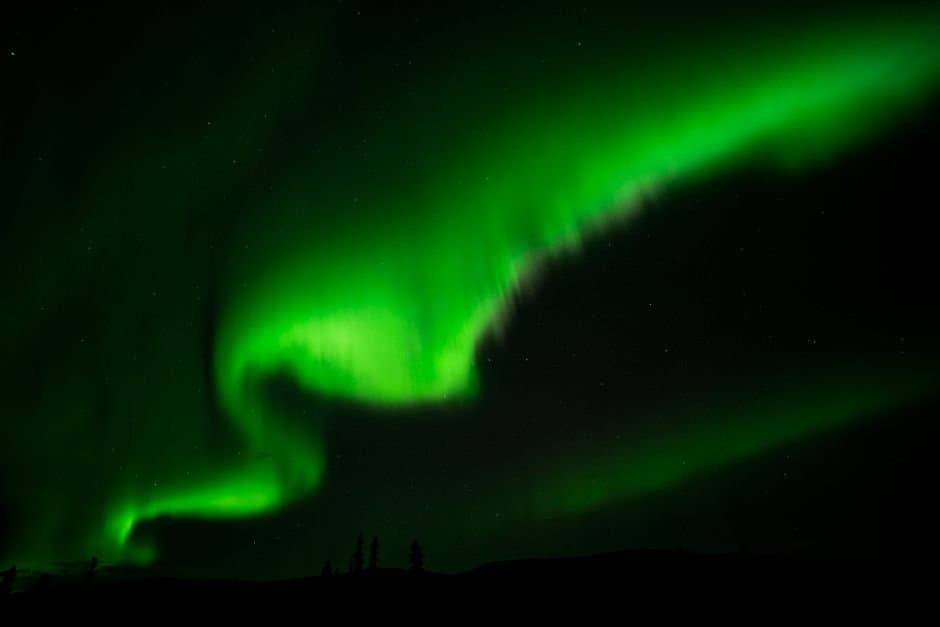
Permafrost Thaw Releases Unexpected Methane in Alaska Uplands
Research shows Alaska's thawing permafrost is releasing unexpected amounts of methane while coastal erosion threatens Native villages across the state.
by Alaska News5mo ago2 min readAIRural Alaska Electricity Costs Run Three to Five Times Urban Rates
Rural Alaska residents pay electricity costs three to five times higher than urban areas due to diesel-powered microgrids and fuel delivery challenges in remote villages.
by Alaska News5mo ago2 min readAI
Northern lights draw crowds to Fairbanks and Kodiak viewing spots
by Alaska News5mo ago2 min readAIFairbanks and Kodiak Residents Capture Last Aurora Displays Before Midnight Sun
by Alaska News5mo ago3 min readAI