Aurora
RSSAurora in Alaska is the natural light display known as the aurora borealis or northern lights. It appears in the night sky over places such as Fairbanks and Kodiak, driven by solar activity and geomagnetic storms. Viewing depends on darkness, weather and forecasts.
Places and organizations in this news
Numbers are stories in the last 30 days.
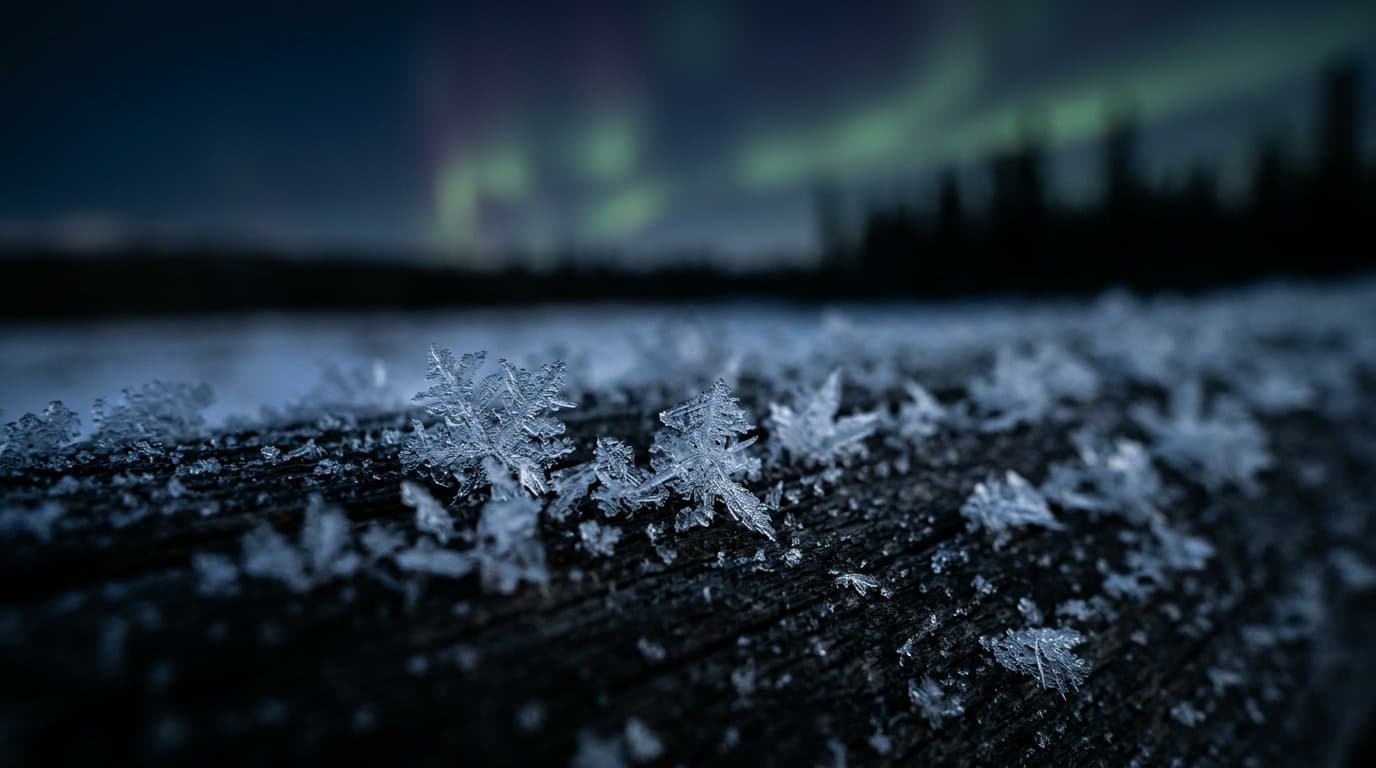
AI image
Northern lights possible in much of Alaska through Sunday night, if the clouds cooperate
A minor geomagnetic storm that began Saturday is expected to keep northern lights possible across much of the state into Sunday night. Clouds could hide them in most places.
NOAA's Space Weather Prediction Center recorded storm levels Saturday and expects them again Sunday, with a chance of a stronger, moderate storm. Its latest forecast calls for storm levels through much of Sunday, peaking from about 3 to 6 pm Alaska time, then dipping before returning from 9 pm to midnight. It expects activity to ease Monday.
The early window falls mostly in daylight and twilight. Civil twilight ends around 5:30 pm in Anchorage and Wasilla and about 5 pm in Tok, with full dark roughly an hour later. That makes the 9 pm to midnight window the likelier one for most viewers.
The storm is coming from a coronal hole, an opening in the sun's outer atmosphere that sends out a fast stream of solar wind. Over the past day, it pushed solar wind speeds from about 425 to about 736 kilometers per second, NOAA said.
At the storm's expected peak, the aurora typically reaches as far south as Anchorage and Juneau. In Tok, the lights can appear overhead or high in the sky. In Glennallen, Wasilla and Anchorage, which sit near the southern edge, viewers should look for a glow low on the northern horizon.
Clouds are the biggest question. National Weather Service forecasts call for mostly cloudy skies across much of the state Sunday evening. Anchorage, Wasilla and Soldotna are forecast around 60% to 70% cloud cover, Glennallen 75% to 80% and Fairbanks and Tok 80% to 95%. Juneau is expected to see rain. For the rest of Saturday night, Glennallen and Anchorage have the clearest forecasts of the places we checked, at about half cloud cover through midnight, though activity is expected to drop a notch.
What did you make of this story? (no account needed)
Have a story about Aurora? Send a tip
Latest
October 2026
Minor geomagnetic storm could bring northern lights to Fairbanks and Nome Saturday night
Halloween's geomagnetic storm came early. Fairbanks and Nome have the best shot at northern lights tonight, with the peak forecast from 10 pm to 1 am.
 by Walter AlaskaNews1w ago2 min read
Fairbanks has best chance for northern lights early Friday as G2 storm nears
Fairbanks has the best shot at northern lights early Friday morning. The storm's actual peak arrives after sunrise, because of course it does.
by Walter AlaskaNews1mo ago2 min read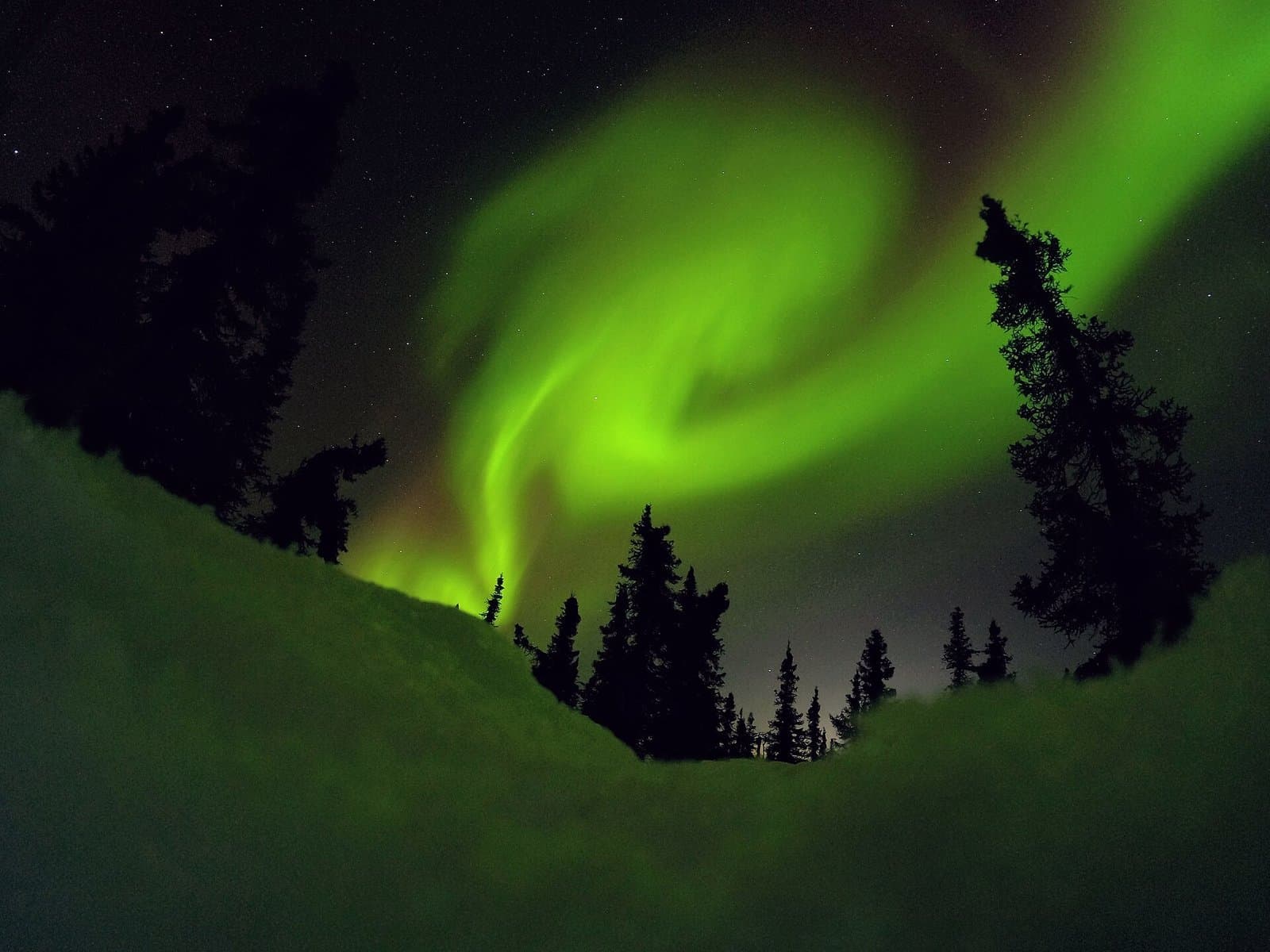
September 2026
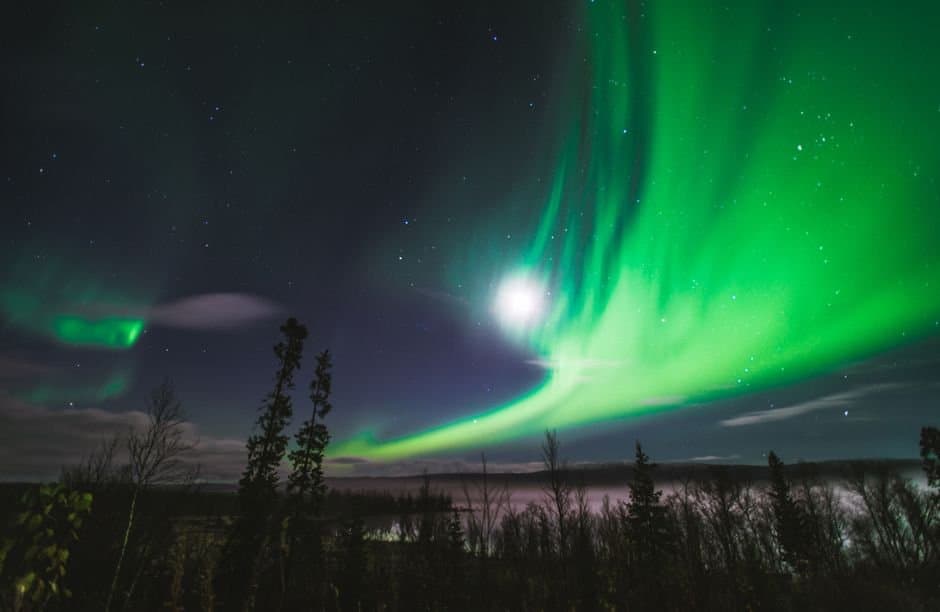
Northern lights outshine a nearly full moon over Fairbanks as solar wind keeps the aurora active
Northern lights over Fairbanks outshone a nearly full moon this week. Officially it wasn't even a storm, but one guide called it the best show of the season.
 by Maggie AlaskaNews1mo ago2 min read
August 2026
An eclipsed Moon rises over Alaska Wednesday, with aurora possible after
Alaska gets a deep partial lunar eclipse Wednesday night plus a chance at aurora, on the first dark nights of the season. Best viewing 9:30 to 10 pm.
by Walter AlaskaNews2mo ago2 min read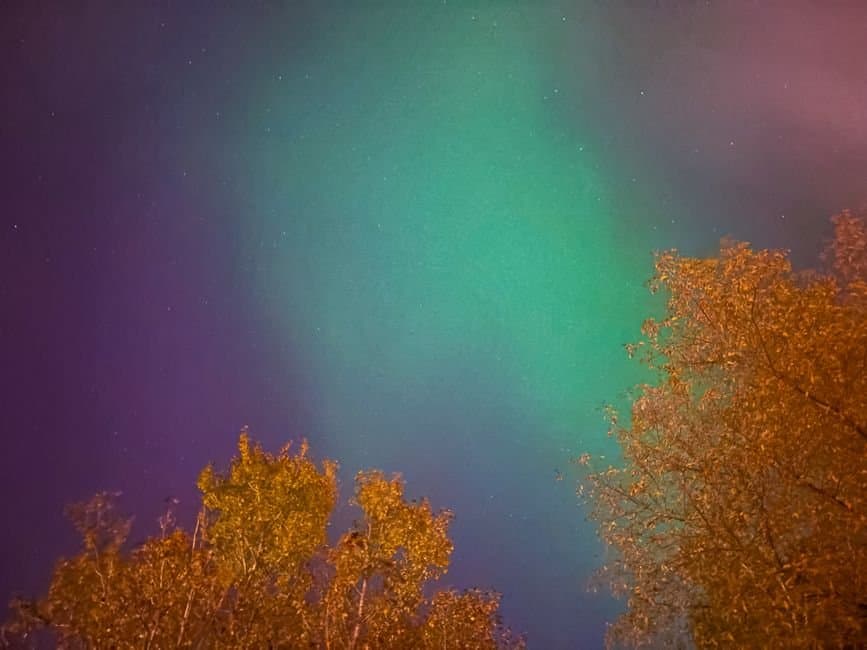
May 2026
Aurora Borealis Lights Up Kodiak and Interior Alaska Skies
Aurora borealis lit up Kodiak and Interior Alaska skies on April 18, visible for hours under clear conditions during the ongoing solar maximum.
 by Alaska News6mo ago2 min readFrom
Vivid Northern Lights Draw Fairbanks Viewers to Night Sky
Vivid green auroras lit up Fairbanks and North Pole skies on April 19, matching forecasts and marking part of a solar cycle expected to bring frequent displays for another one to two years.
by Alaska News6mo ago1 min readFrom 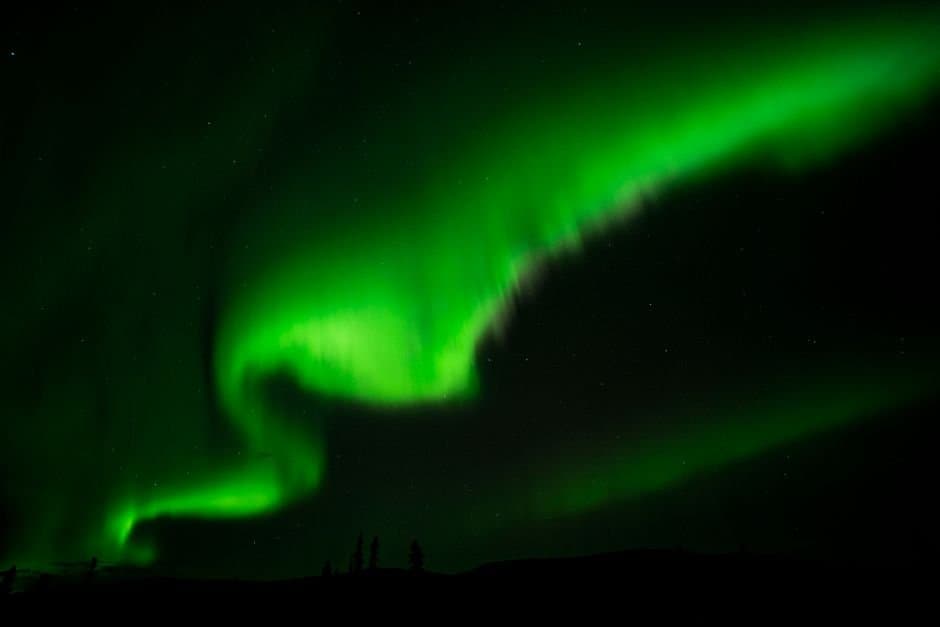
April 2026
Northern lights draw crowds to Fairbanks and Kodiak viewing spots
Bright green aurora lit Alaska skies on April 18-19, drawing crowds to Fairbanks and Kodiak as the University of Alaska Fairbanks forecast predicted peak activity around midnight.
by Alaska News6mo ago2 min readFairbanks and Kodiak Residents Capture Last Aurora Displays Before Midnight Sun
Fairbanks and Kodiak residents caught vibrant northern lights on April 18 and 19, likely the last aurora views before the midnight sun eliminates darkness on April 21.
by Alaska News6mo ago3 min readAbout Aurora
Aurora in Alaska is the natural light display known as the aurora borealis or northern lights. It appears in the night sky over places such as Fairbanks, North Pole, Kodiak and Nome, driven by solar activity and the geomagnetic storms it produces.
Seeing it depends on darkness, clear skies and the strength of the storm, so viewers watch forecasts such as those from the University of Alaska Fairbanks Geophysical Institute. Displays are rated by geomagnetic storm level, and periods near solar maximum bring them more often.
The viewing season follows the light. Aurora fades from view in spring as the midnight sun removes darkness and returns with the first dark nights of autumn, sometimes alongside events such as a lunar eclipse.

