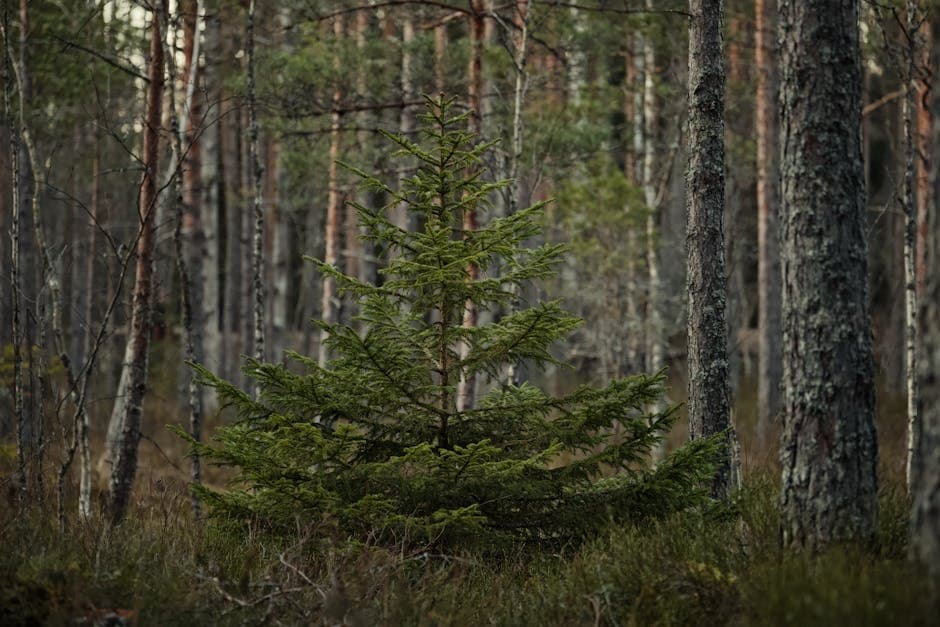
Photo by Lauri Poldre on Pexels · Photo source
Fairbanks spruce pollen hits season high in UAF count
Fairbanks spruce pollen hit a season high Friday at 346 grains per cubic meter, according to readings posted by the University of Alaska Fairbanks Cooperative Extension Service.
UAF listed the June 5 count as high and a new season record. The reading came from the Arctic Health Research Building. Birch remained high at 130. Alder was moderate at 40. Chokecherry, poplar and sedge were low. Mold spores were also listed as low, though UAF notes mold counts are analyzed separately and provided for general information.
The work serves two audiences. Allergy sufferers use the counts to understand what is in the air. Researchers use the long Fairbanks record to study how pollen seasons behave over time in Interior Alaska.
Research using the Fairbanks counts has found longer pollen seasons, with Fairbanks seeing longer and more intense seasons in particular, UAF said. Friday's count does not prove a climate trend by itself. It is one reading in one season. But it adds to a local record that UAF says has become useful because it has been kept for decades.
The method is direct. Pollen is collected on a greased rotorod, stained and counted under a microscope, then converted into grains per cubic meter.
For residents, the immediate news is simpler. Spruce and birch are high. The yellow dust in the air is measurable. And UAF's long-running pollen work is giving Fairbanks a clearer record of allergy season as it unfolds.
Source: Fairbanks pollen count hits season high as UAF tracks allergy science.
Made by our human newsroom with AI. How humans and AI work here · Grow with our newsroom
Stay informed. Support what matters.
Free, permanent access to local news you can verify. Subscribe to support Walter AlaskaNews and go ad-free.
Related Coverage
Interior's First Big Smoke Event Drifts Toward Fairbanks
Alaska News · 4mo ago
Fairbanks logs wettest September since 1925 as Chena River hits late-season record
Alaska News · 1w ago
Interior faces warmest stretch of summer as Tanana Valley smoke lingers
Alaska News · 2mo ago
New $605k research asks why some Denali spruce survive the beetles
Alaska News · 2mo ago
A fire no one is fighting has been fouling Fairbanks' air for weeks
Alaska News · 3mo ago
Comments
Sign in to leave a comment.
No comments yet. Be the first to share your thoughts.