Fort Yukon
RSSNews from Fort Yukon, Alaska
Local organizations and topics
Numbers are stories in the last 30 days.
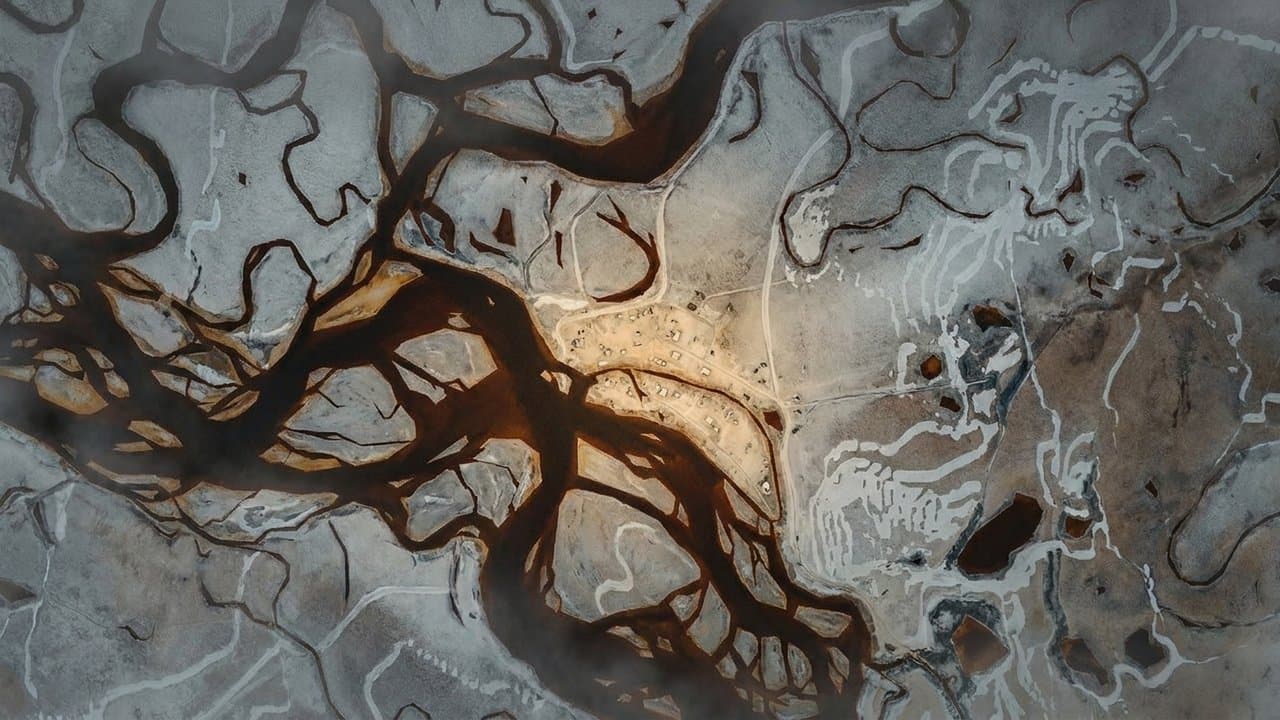
Editorial map (Gemini + Google Maps)
Fort Yukon says manganese and iron have made its water brown and unsafe for infants
Fort Yukon's water has had high levels of manganese and iron for more than a month, turning it brown and making it unsafe for infants, the city has told the State Emergency Operations Center.
The state recorded the city's account in its daily situation report Monday.
Tanana Chiefs Conference has sent 24 cases of bottled water, and a nearby radar site has opened up as a source of safe drinking water, the report says.
The state Department of Environmental Conservation's drinking water program and a Tanana Chiefs Conference remote maintenance worker are providing technical help.
The report gives no test results, so it's not clear how high the levels are.
Federal health guidance singles out babies when it comes to manganese. Young infants may absorb more of it and excrete less, and formula contains more manganese than breast milk, according to the Environmental Protection Agency's health advisory. For babies younger than 6 months, the EPA advises staying under 0.3 milligrams per liter even over a span of 10 days. Otherwise, its short-term advisory level is 1 milligram per liter.
What did you make of this story? (no account needed)
Have a story from Fort Yukon? Send a tip
Latest
September 2026
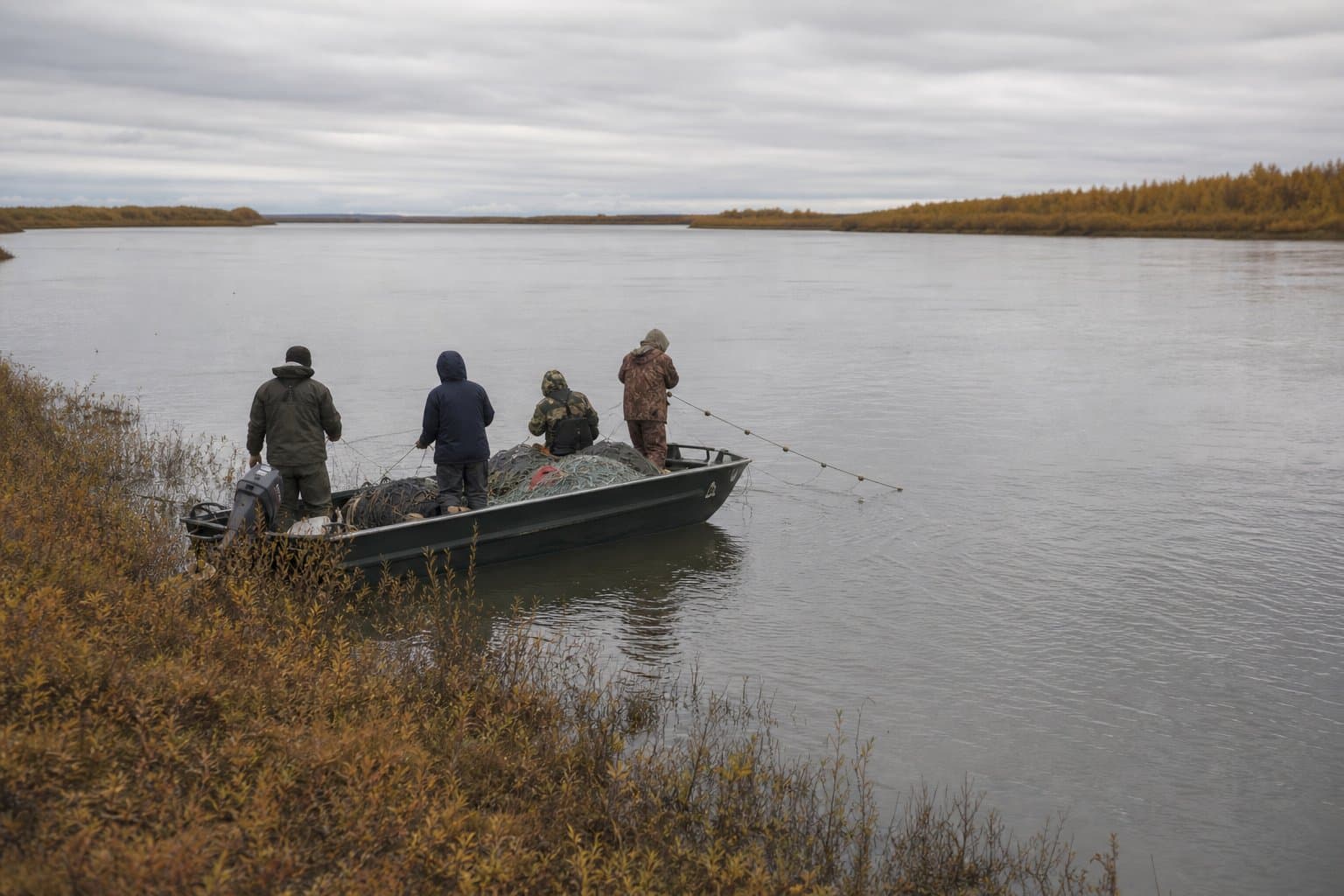
Subsistence fishing reopens on the upper Yukon, village by village
Subsistence fishing reopens on the upper Yukon in stages from Sept. 26 to Oct. 6, timed so Canadian-bound fall chum pass each stretch of river first.
 by Bill AlaskaNews1mo ago2 min read
August 2026
A Fort Yukon tribal crew that fights fire across the country just locked in funding through 2031
A Fort Yukon tribal fire crew — Native firefighters protecting an area larger than Texas — just locked in federal funding through 2031.
 by Maggie AlaskaNews2mo ago2 min read
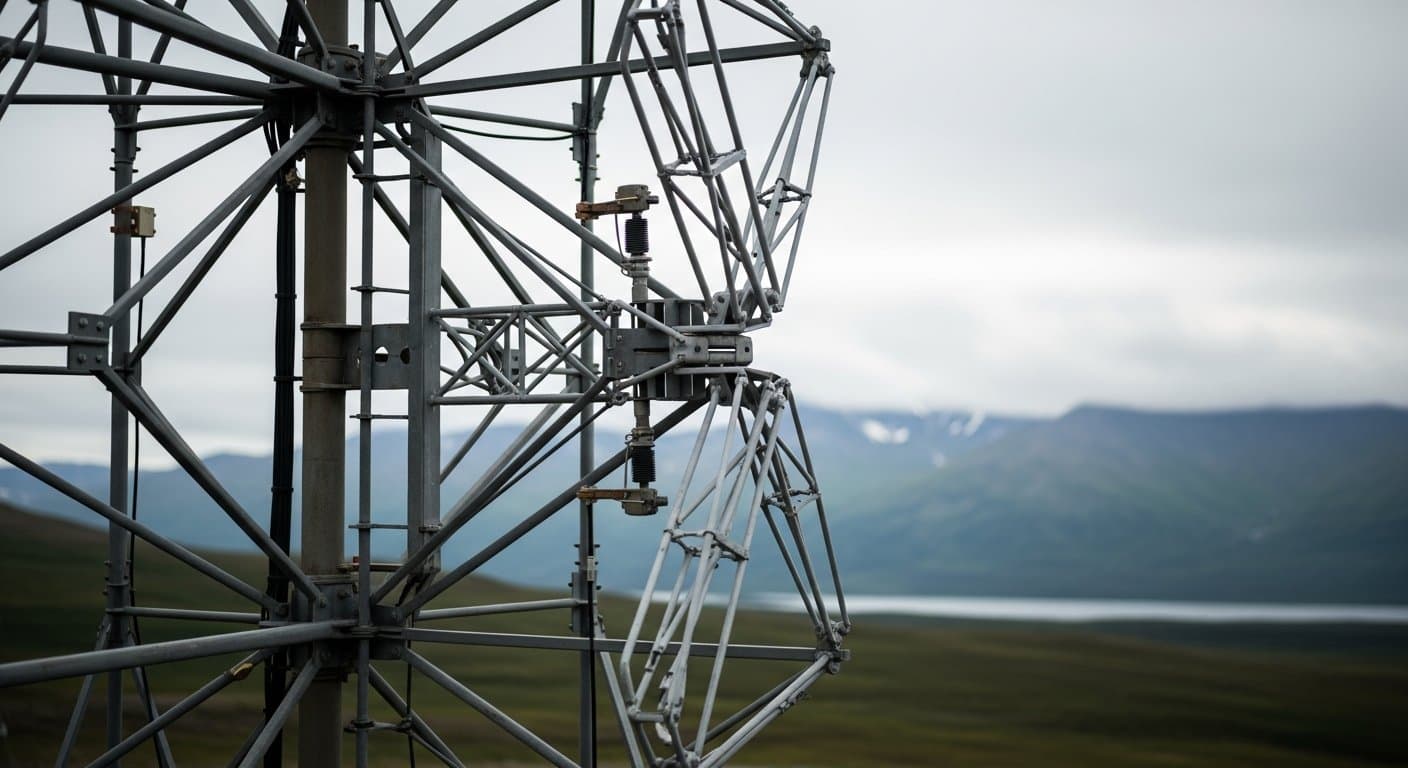
The Air Force needs its Cold War-era Arctic radar towers inspected — the ones still watching Alaska's skies
The Air Force needs four Cold War-era Alaska radar towers inspected — 1950s sites still watching the Arctic, run by an Alaska Native corporation.
 by Melinda Communities.News3mo ago2 min read
The Yukon River is mostly closed to salmon fishing this year
The Yukon is mostly closed to salmon fishing in 2026 — kings, chum, likely coho — with runs badly depressed and kings barred under a U.S.-Canada pact.
by Bill AlaskaNews3mo ago2 min read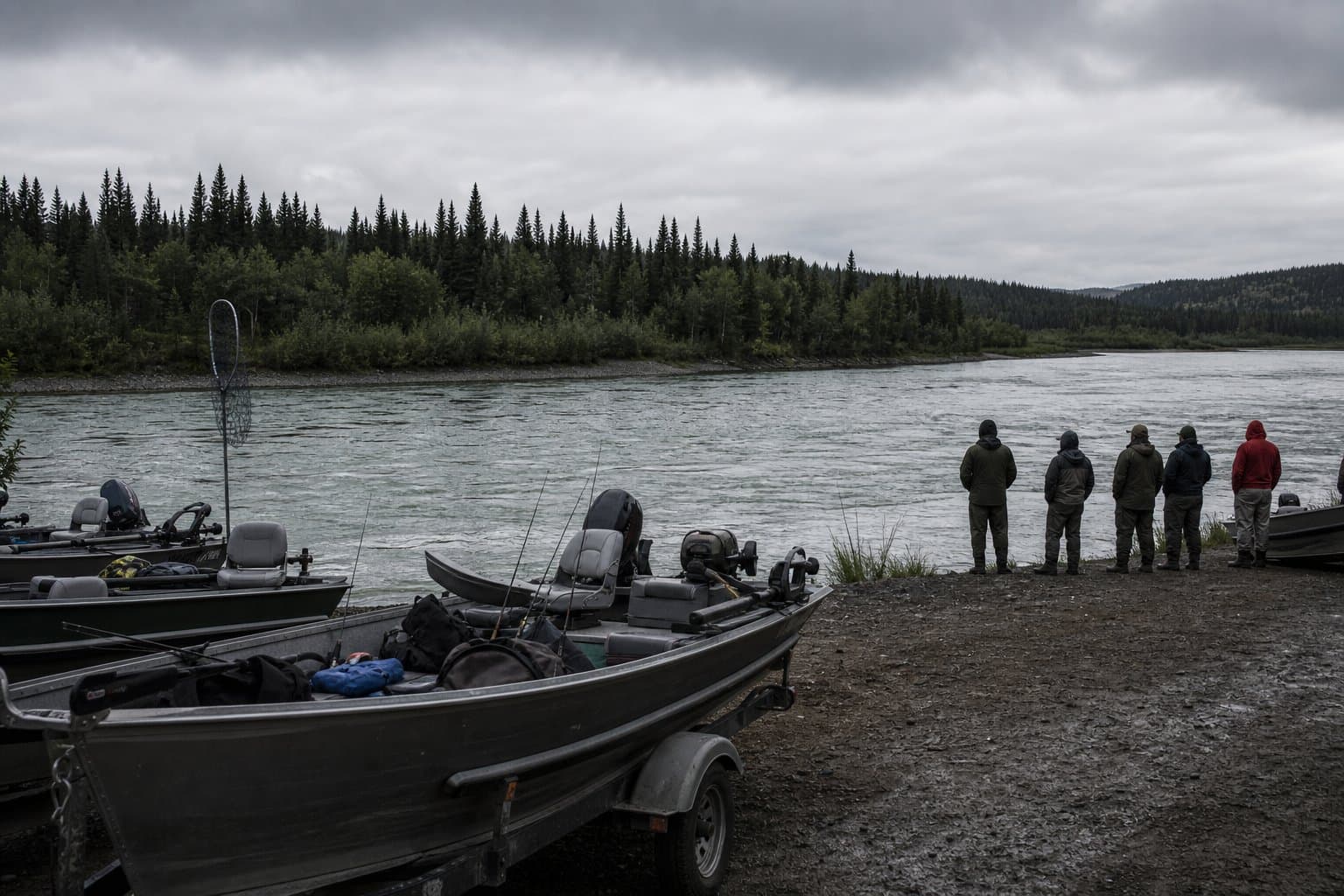
Yukon fall salmon subsistence fishing closes as the run falls short
Fall chum and coho subsistence fishing is closing across the upper Yukon as the run falls short, the last in a season of closures that moved steadily up the river.
by Bill AlaskaNews3mo ago2 min read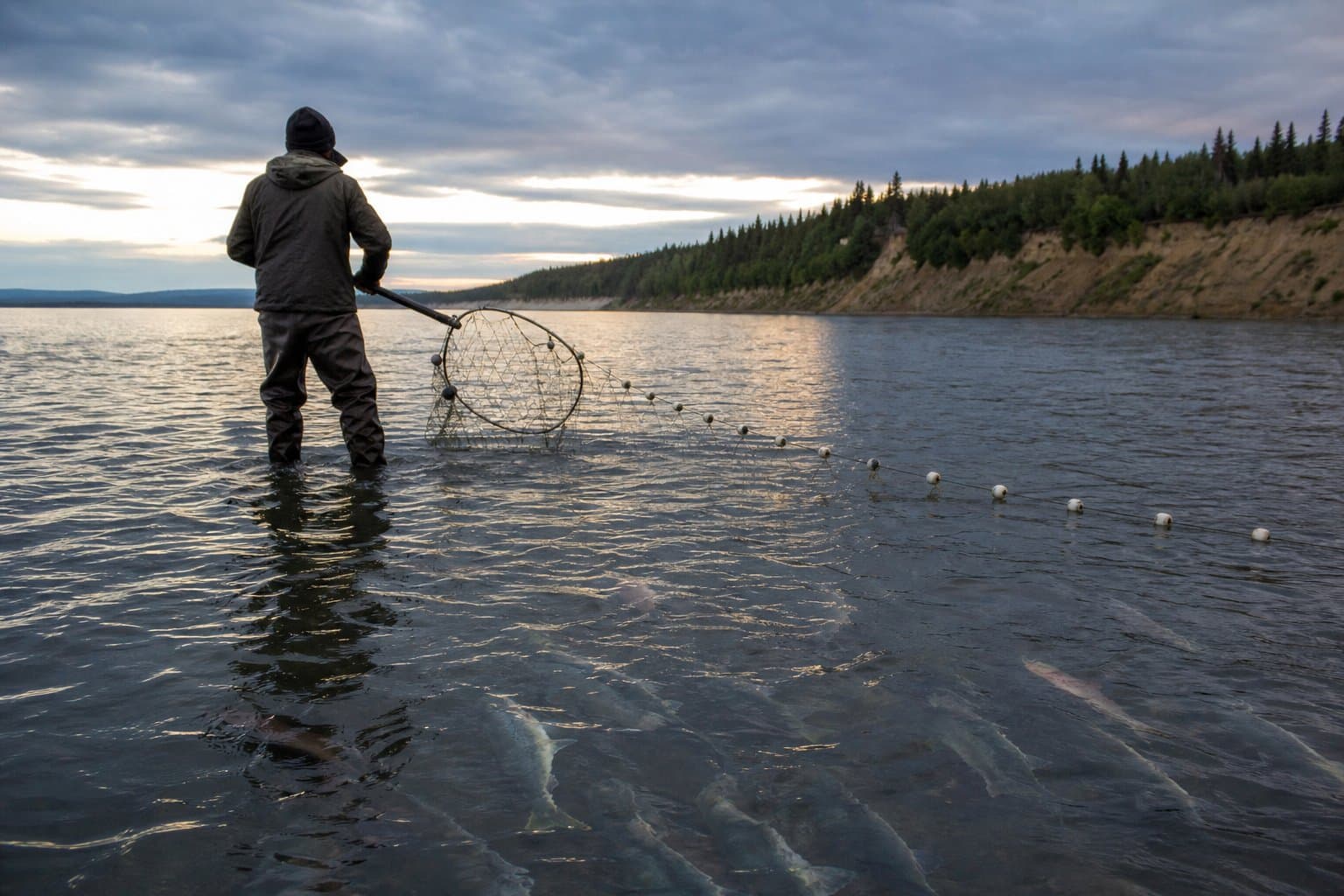
July 2026
Fort Yukon woman faces assault, weapons charges after June disturbance in Circle
A two-hour overnight disturbance across several spots in Circle on June 24 ended with a Fort Yukon woman arrested weeks later, facing assault and other charges.
by Maggie AlaskaNewsadded 4mo ago1 min read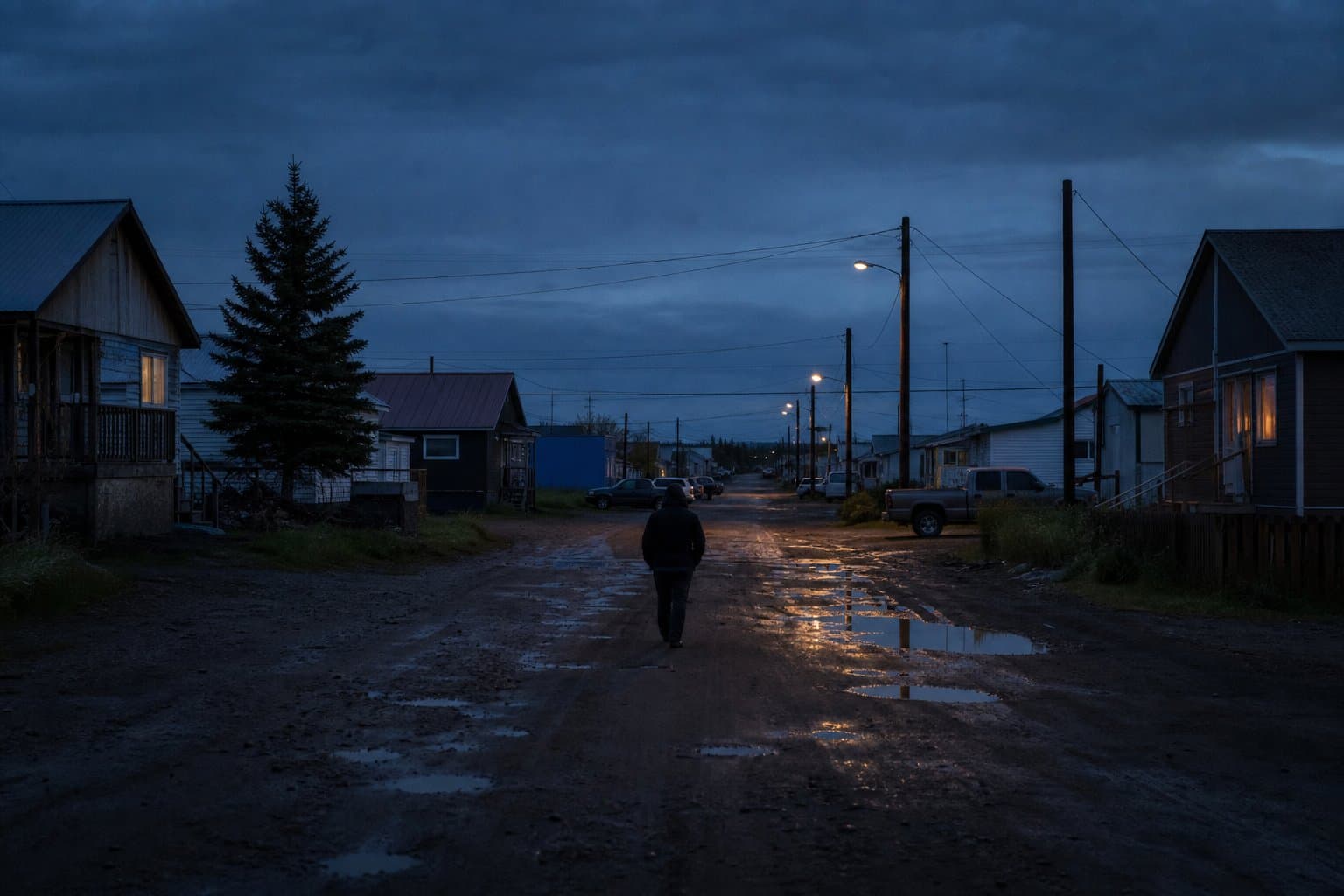
June 2026
Peltola tours the Interior on fish and costs — into a contested field
Peltola toured Interior Alaska on salmon and cost-of-living — but it's a campaign swing, not a coronation: Sullivan works the same ground and the same bycatch issue.
by Maggie AlaskaNewsadded 4mo ago2 min read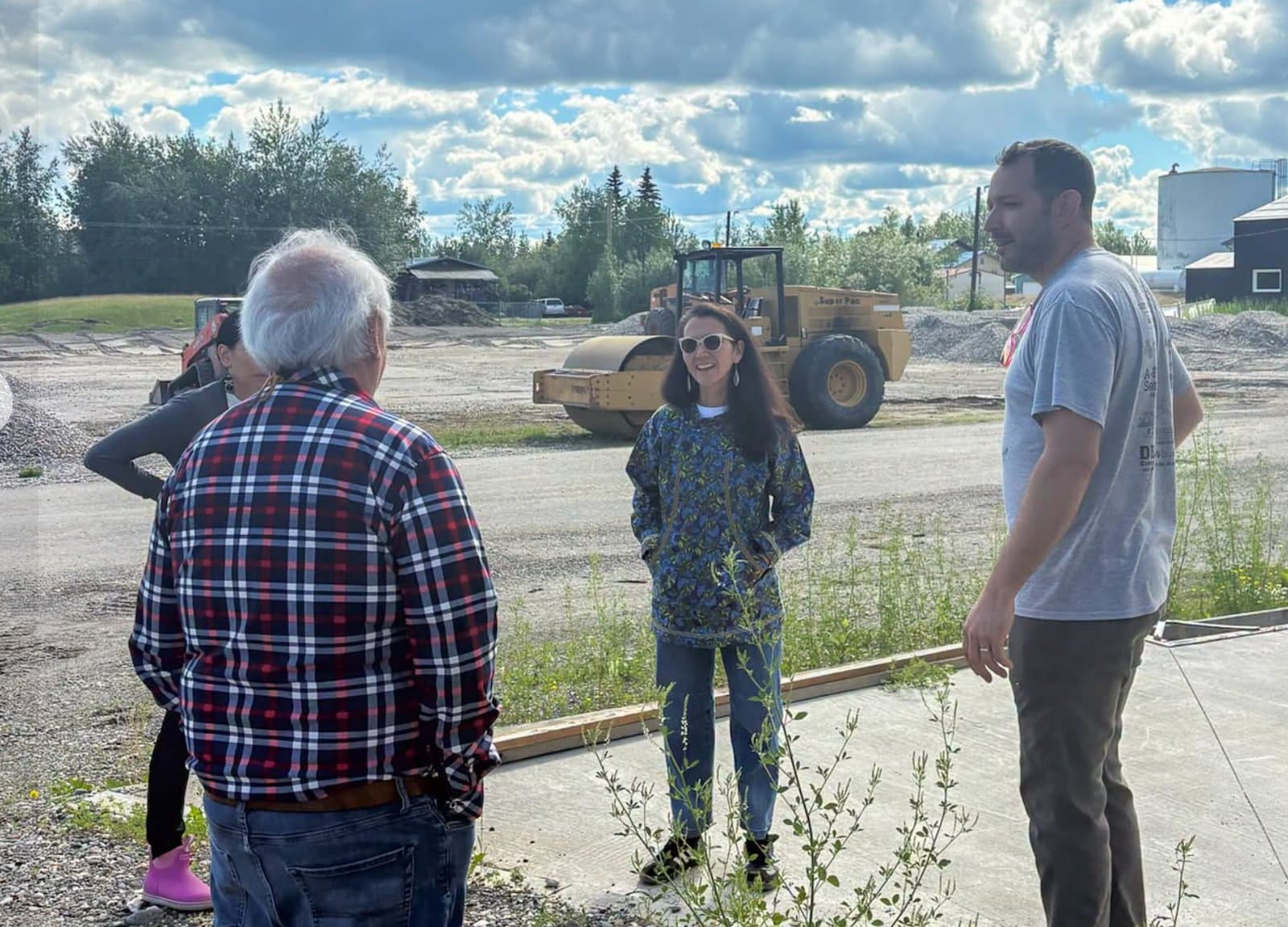
May 2026
TCC offers disaster relief to tribal members hit by fire, flooding
Tanana Chiefs Conference offers one-time disaster payments to enrolled tribal members whose homes or possessions are damaged by fire, flooding, or high winds, covering appliances, food loss, and winter gear with no income requirement.
by Maggie AlaskaNewsadded 5mo ago1 min read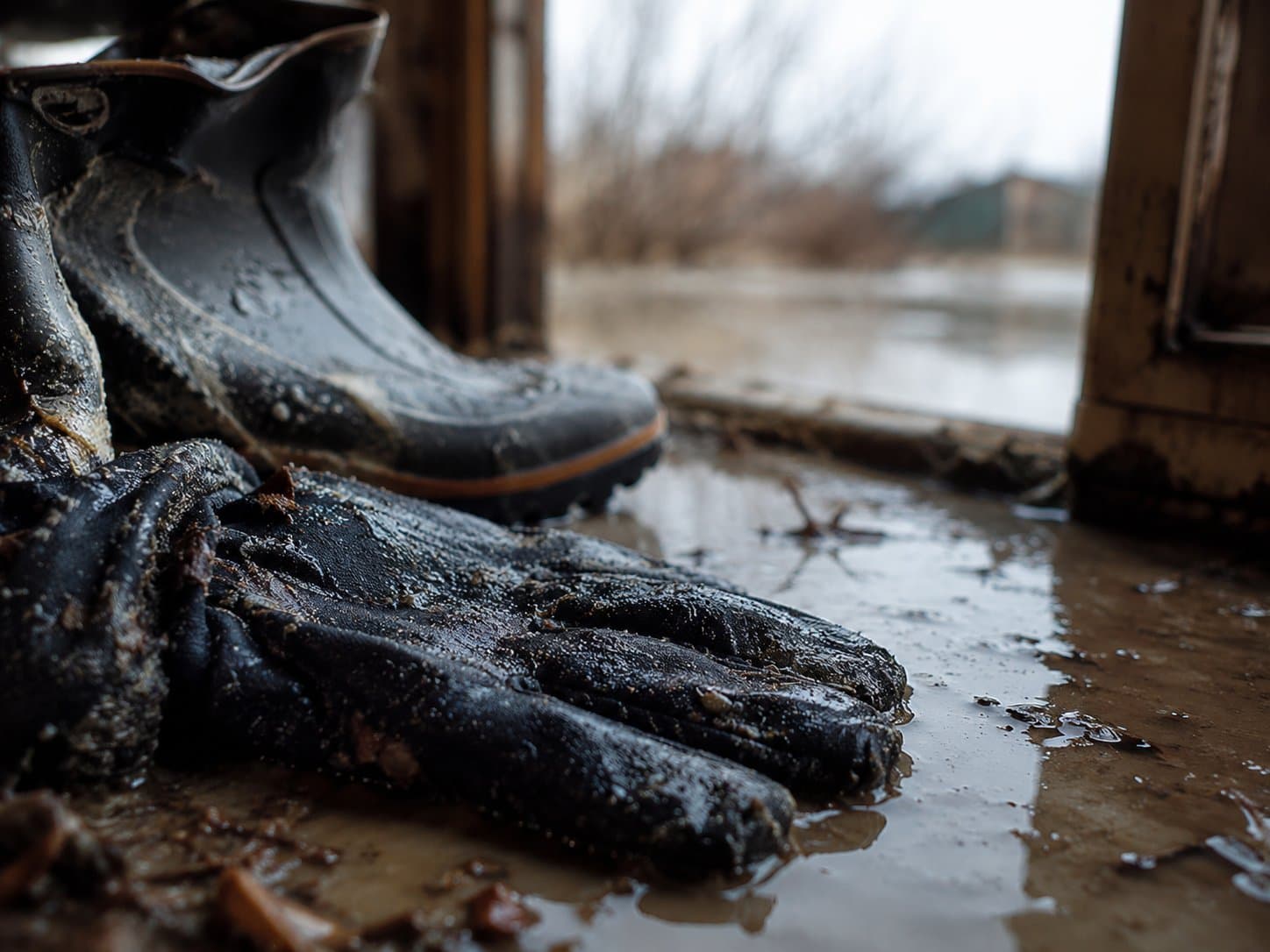
About Fort Yukon
Fort Yukon (Gwichyaa Zhee) is a city in Alaska's Interior, in the Yukon-Koyukuk Census Area, at the confluence of the Yukon and Porcupine rivers. It is the largest Gwich'in community in Alaska.
Subsistence salmon fishing on the upper Yukon is central to life in Fort Yukon, and openings and closures for king, chum and coho salmon follow runs that have been badly depressed. A Fort Yukon tribal wildland fire crew fights fires across Alaska and the country with federal funding.
Tanana Chiefs Conference provides services in Fort Yukon, including help when the city's water system fails and disaster relief for tribal members. Fort Yukon is also among the Interior villages where Cold War era radar sites still operate.