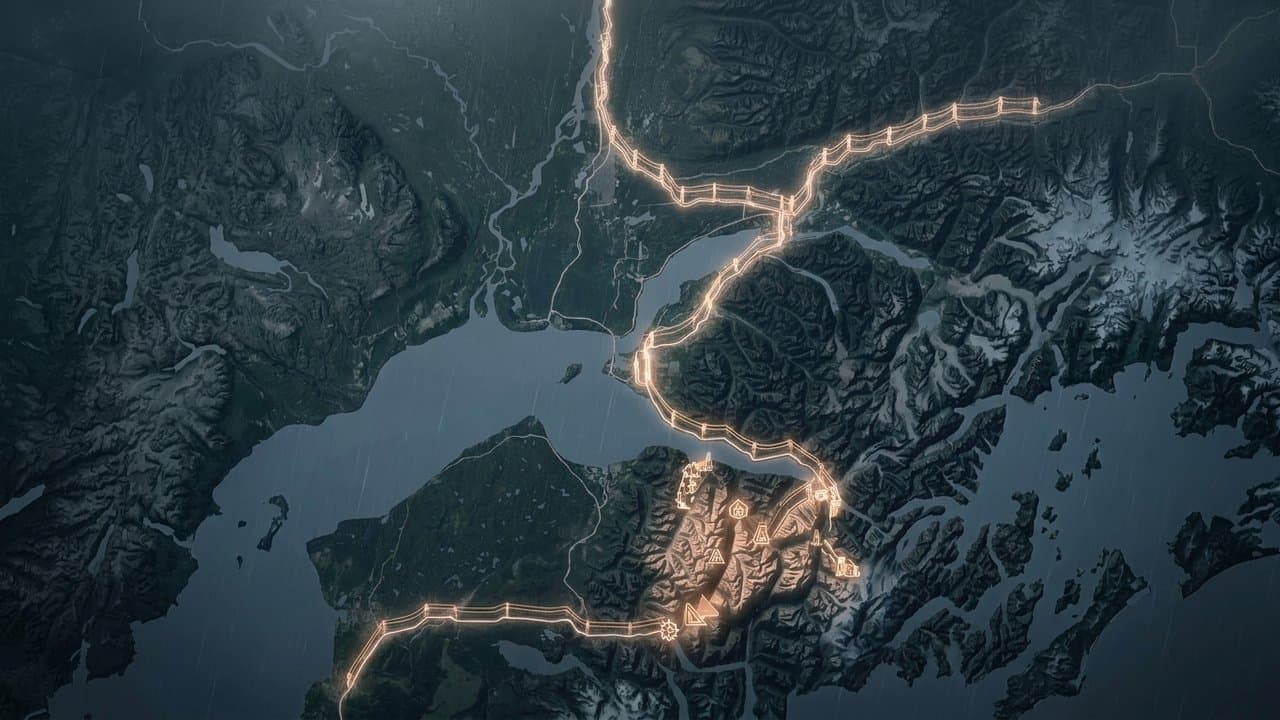
Editorial map (Gemini + Google Maps)
Railbelt ratepayers will repay up to $100M for a Bradley Lake expansion built around federal tax credits
Railbelt electric customers will ultimately repay up to $100 million in short-term debt to fund a major expansion of the Bradley Lake hydroelectric plant, under a financing plan the project's management committee approved in July. The plan lets the Alaska Energy Authority borrow through a commercial paper program, drawn as money is needed, to carry the project through mid-2028.
The expansion is substantial. It would raise the plant's average annual generation by about 38 percent, largely by lifting Bradley Lake's maximum pool 16 feet and diverting meltwater from the Dixon Glacier into the reservoir, adding a large block of new storage. First water is targeted for 2031. The full project is budgeted at about $436 million, most of it still to be financed.
Repayment falls on the five utilities that buy Bradley Lake power: Chugach Electric, Golden Valley Electric, Matanuska Electric, Homer Electric, and the City of Seward. Their customers ultimately carry the cost, secured by a pledge of the project's revenues.
The most telling detail is why the dam is being raised exactly 16 feet. Authority Executive Director Curtis Thayer told the committee that height was chosen to qualify the project for federal tax credits worth up to $200 million. That eligibility is not yet settled, and the uncertainty is a big reason the authority is borrowing short-term rather than locking in long-term bonds now: with the tax credits, final costs, and interest rates all still in flux, short-term debt keeps its options open while the picture clears.
The committee left itself exits. The financing must close by the end of November, and the committee kept the right to withdraw its approval before then. The authority also has to come back with further design and cost estimates, and the results of its federal license amendment, over the next year.
The existing plant, on the Kenai Peninsula, supplies about 10 percent of Railbelt energy and has long been among the region's cheapest power. Its original construction bonds were paid off in 2021.
Assembled from public records the newsroom collected.
AI-assisted. How we use AI
Stay informed. Support what matters.
Free, permanent access to local news you can verify. Subscribe to support Walter AlaskaNews and go ad-free.
Related Coverage
Comments on the $400 million Bradley Lake expansion close Friday
Alaska News · 1mo ago
Bradley Lake expansion has carried three price tags in four months as the comment window closes
Alaska News · 2mo ago
A $400 million expansion of Bradley Lake hydro would power about 30,000 homes and cut Southcentral's gas use
Alaska News · 1mo ago
As Cook Inlet gas runs short, Alaska moves to squeeze 38% more power from an existing dam
Alaska News · 2mo ago
Three Homer Electric generators failed at once, and hydro covered the gap
Alaska News · 1w ago
Comments
Sign in to leave a comment.
No comments yet. Be the first to share your thoughts.