Alaska Department of Education & Early Development (DEED) is the state department overseeing K-12 schools and early learning. It distributes state funding to school districts, licenses teachers, and sets policy on school safety and nutrition. It also oversees Alaska's libraries and archives.
Photo: Liz via Wikimedia Commons · Photo source · CC BY 2.0
education.alaska.gov ↗Alaska
Places and topics in this news
Numbers are stories in the last 30 days.
Have a story about Alaska Department of Education & Early Development? Send a tip
June 2026
Rural students double FAFSA completion with one-on-one advising
Eight rural Alaska school districts reached 60 percent FAFSA completion this year through the Career Guide Initiative, more than double the statewide rate, by pairing students with advisors who help them plan college, training, or workforce paths.
 by Walter AlaskaNews5mo ago1 min read

ASD claims state funding bill comes too late
Anchorage School District says a potential $37 million state funding increase tied to an August 31 revenue determination arrives too late to hire teachers before the 2026-27 school year begins.
by Walter AlaskaNews5mo ago2 min read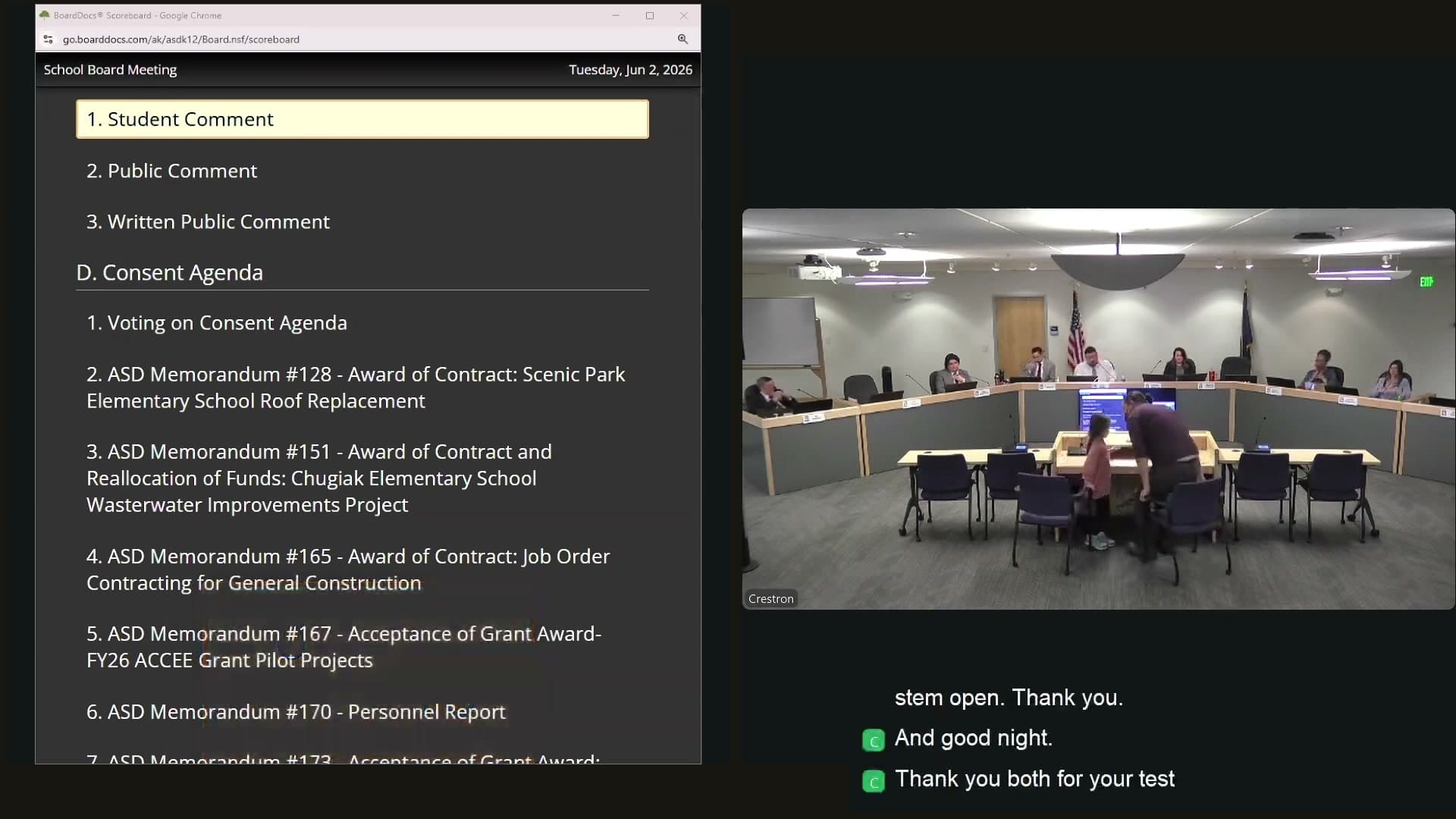
Mt. Edgecumbe names new academic, residential principals as applicant deadline nears
Big change ups at Mount Edgecumbe High School, also there's a deadline approaching quickly for students
by Walter AlaskaNews5mo ago2 min read
State library, archives, and museum mark ten years in shared Juneau building
Alaska's State Library, Archives, and Museum building in Juneau marks ten years since opening in 2016 with a free family fair on June 27.
 by Melinda Communities.News5mo ago2 min read
May 2026
Alaska districts must submit fiscal 2027 plans by May 15. Many don't yet know what the state will give them.
Alaska school districts must submit improvement plans and budgets by May 15 while facing massive shortfalls and uncertain state funding, with Kenai Peninsula weighing four school closures and Anchorage facing a $90 million gap.
 by Alaska Newsadded 5mo ago2 min read
DEED seeks Interior, Northwest parents for migrant education council
Alaska's education department seeks two parents from Interior and Northwest regions by May 31 to join the council that guides the migrant education program for students whose families move for seasonal work.
by Alaska News5mo ago2 min read
Seven Western Alaska typhoon evacuees graduate from Anchorage schools
Seven students evacuated from Western Alaska villages after ex-Typhoon Halong in October 2025 graduated Monday from Bettye Davis East Anchorage High School after completing their senior year there.
by Walter AlaskaNewsadded 5mo ago1 min read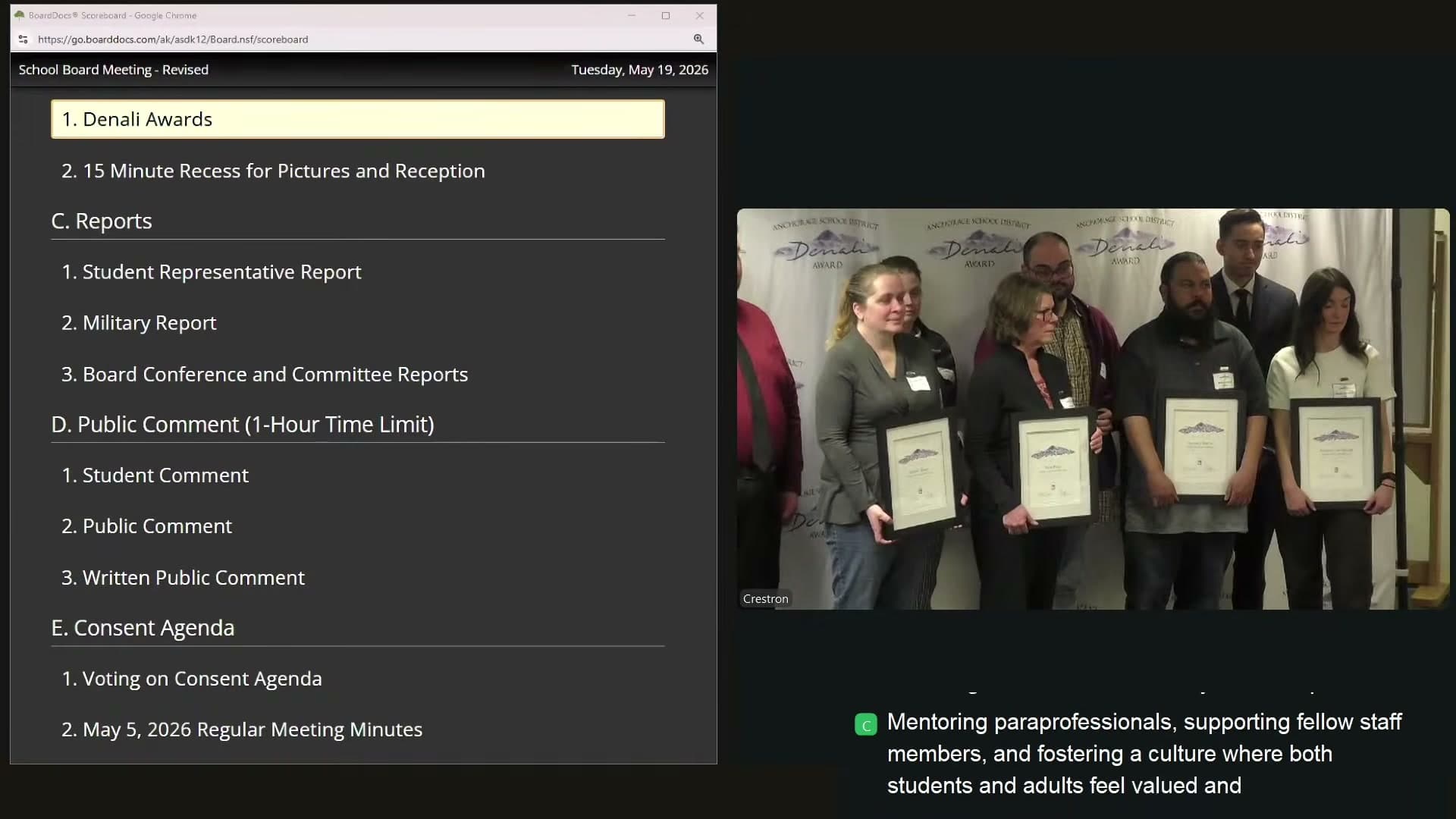
Alaska districts face June 30 deadline for federal education funds
Alaska school districts must submit federal education grant applications in substantially approvable form by June 30, 2026, to receive funding starting July 1, or face delays.
by Alaska News5mo ago2 min read
Alaska lowers bar for toddlers to get early intervention services
Alaska lowered the eligibility threshold for toddler early intervention services from 50 percent to 25 percent developmental delay, allowing thousands more children to access help earlier.
by Walter AlaskaNews5mo ago3 min readAlaska News Roundup: Gas pipeline tax fight, Point Thomson trade-off, and McNeil River access debate
Senate passed gas pipeline tax bill raising oil production tax floor to six percent, drawing industry criticism. • Point Thomson regulators warn blowdown for pipeline risks sixty-five million barrels of condensate. • Mount Edgecumbe enrollment dropped a quarter to three hundred eleven students amid facility and health concerns. • Fish and Game reviews wheeled plane landings at McNeil River bear sanctuary despite conservation objections.
by Walter AlaskaNews5mo ago3 min read
52 Alaska districts join safety consortium using federal grant model
Hydaburg City School District is leading 52 Alaska districts in a safety symposium to build customized school safety plans using a federal grant model.
by Alaska News6mo ago1 min readAlaska schools face May 15 deadline for improvement plans, funding
Alaska school districts must submit three-year improvement plans and budgets to the state by May 15, a deadline that comes as districts budget without knowing their actual state funding.
by Alaska News6mo ago3 min readU.S. Education Secretary Tours Mat-Su Career and Charter Schools
U.S. Education Secretary Linda McMahon visited two Mat-Su schools on May 7 to tour career programs and meet students as part of a 50-state tour marking the nation's 250th anniversary.
by Alaska News6mo ago1 min readAlaska House Weighs $113M Education Funding Overhaul
House committee heard testimony on a $113 million bill to give school districts budget certainty by July 1, but members questioned whether the state can accurately model the long-term cost.
by Alaska News6mo ago2 min read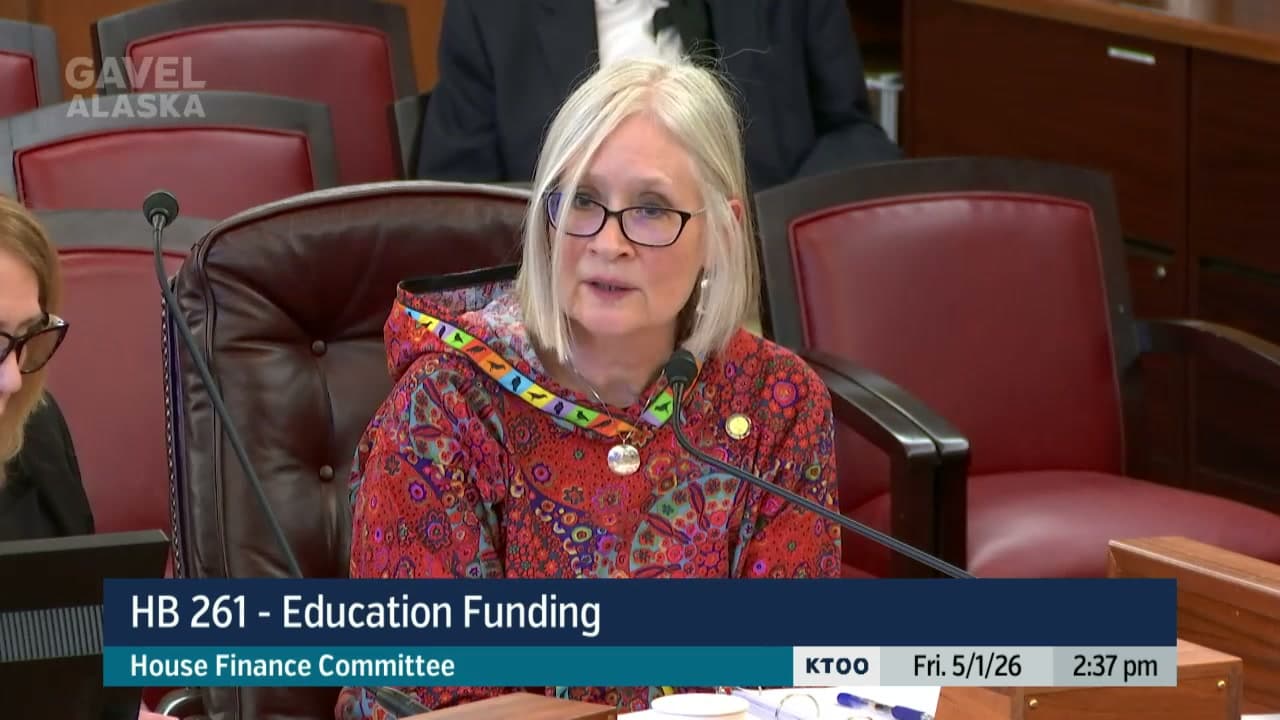
Alaska marks 50 years of regional education attendance areas
Alaska marked 50 years of Regional Education Attendance Areas, the system that brought local control to rural schools serving 15 percent of students across more than half the state.
by Alaska News6mo ago3 min read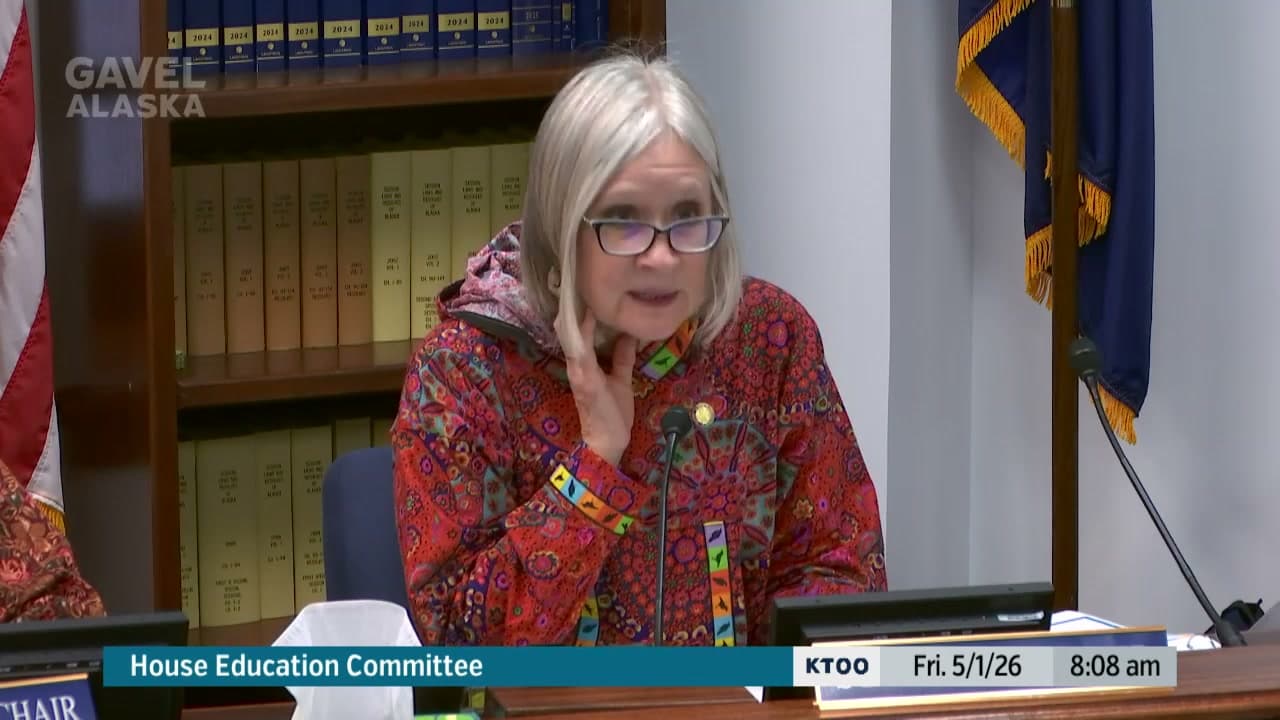
April 2026
Alaska House panel hears bill to overhaul school funding timelines
House Bill 261 would let Alaska school districts budget using enrollment numbers from July instead of October, letting them offer teacher contracts months earlier when more candidates are available.
by Alaska Newsadded 6mo ago4 min read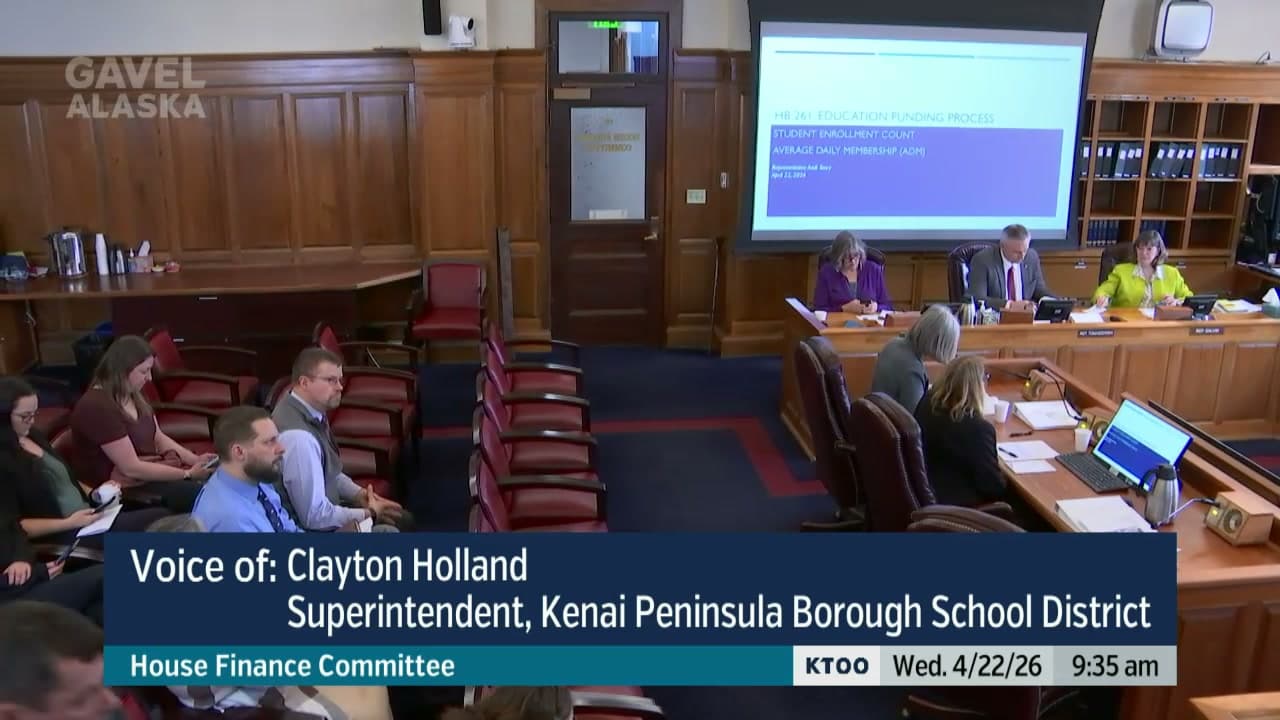
Coming up
Alaska Department of Education and Early Development - FY2028 School Construction Funding Virtual Hearing (Session 1)
Virtual
Hearing
FY2028 CIP Reconsideration Hearing - Session 1
Hearing
FY2028 CIP Reconsideration Hearing - Session 2
Hearing
Alaska Department of Education and Early Development - FY2028 School Construction Funding Virtual Hearing (Session 2)
Hearing
Alaska Department of Education and Early Development - FY2028 School Construction Funding Virtual Hearing (Session 3)
Hearing
About Alaska Department of Education & Early Development

Photo: Liz via Wikimedia Commons · Photo source · CC BY 2.0
education.alaska.gov ↗Alaska
The Alaska Department of Education & Early Development (DEED) is the state department that oversees public K-12 schools and early learning in Alaska. It distributes state funding to school districts, licenses teachers and carries out policy set by the State Board of Education. It also oversees the state's libraries and archives.
The department administers the school funding formula and federal programs such as school meals and migrant education, and it sets requirements for graduation, testing and school improvement plans. Reading results and statewide assessments, school safety and cybersecurity, and how much money districts receive are recurring questions.
DEED supports Alaska Native language education, including reading screeners and teacher training in Indigenous languages, and it works with rural Regional Education Attendance Areas. The Legislature sets the funding the department distributes, so changes to the formula and to school construction funding are debated there.
More from Alaska Department of Education & Early Development
Alaska Universities Report 73% Jump in Teacher Pipeline Enrollment
University of Alaska teacher pipeline enrollment jumped 73 percent, with the university awarding over $1 million in scholarships to 109 candidates as the state works to fill 324 teacher vacancies.
by Alaska News6mo ago4 min read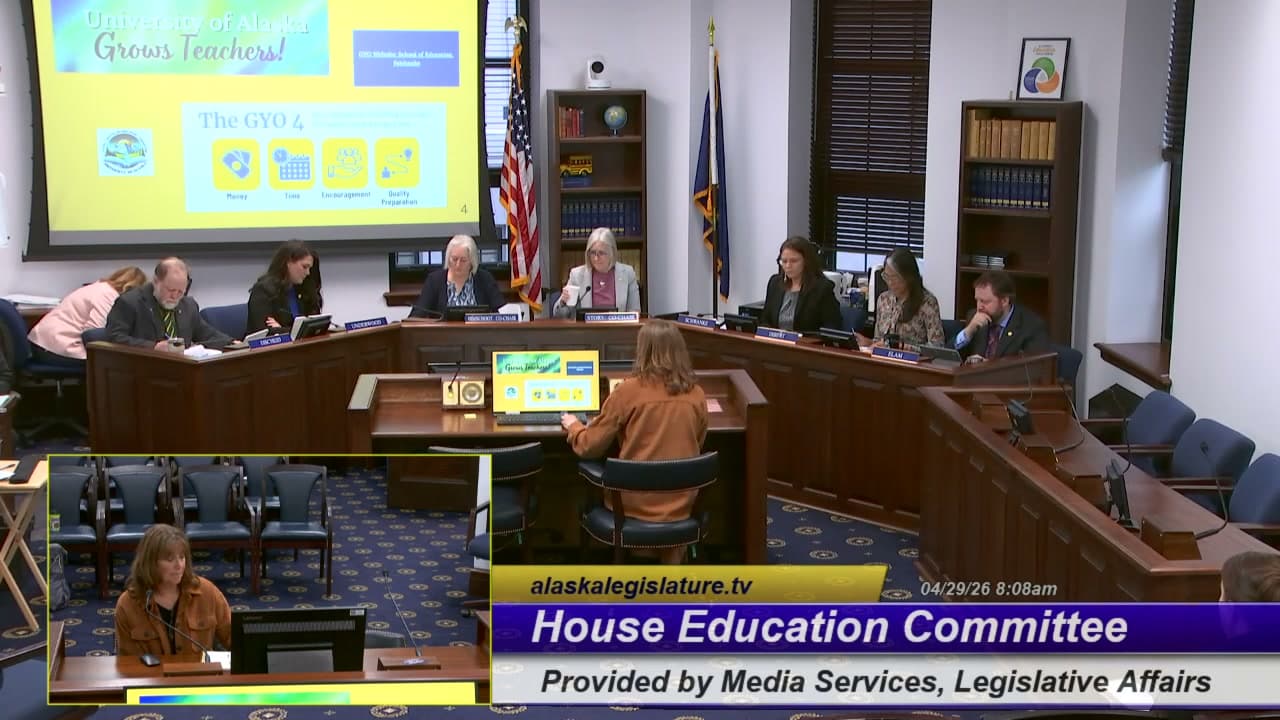
Alaska's tribal school compact bill navigates sovereignty and public education law
Senate Bill 66 would authorize up to five Alaska tribes to operate public schools under compact agreements, with a seven-year pilot costing $19.2 million in the first year.
by Alaska News6mo ago4 min read
House Finance considers multi-year school funding averaging bill
House Bill 261 would let Alaska school districts know enrollment by July 1 instead of October, using three-year averaging to give them budget certainty and time to hire teachers earlier.
by Alaska News6mo ago4 min read
Task Force Hears Federal Assessment Rules, NAEP Context, and AKSTAR Demo
Task force learned federal law sets testing minimums but states choose how to assess and support schools. • NAEP proficiency scores are aspirational targets, not typical performance, and poverty matters more than school reforms alone. • Alaska's AKSTAR combines interim and spring tests to predict student achievement within 24 to 72 hours.
by Alaska Newsadded 6mo ago8 min read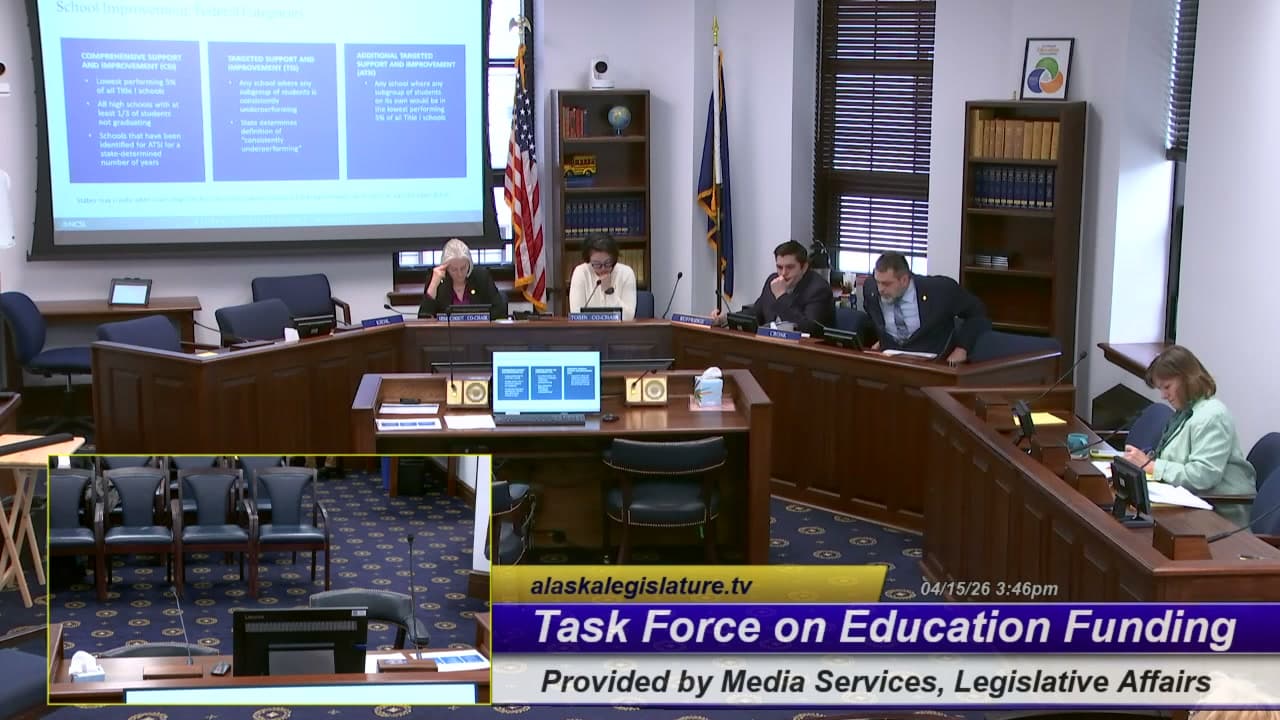
House panel debates $113M education funding formula shift
House panel heard testimony on a bill that would shift school funding to a three-year enrollment average, costing $113 million annually but giving districts budget certainty earlier in the year.
by Alaska News6mo ago6 min read
Senate Education Committee Advances Opioid Awareness Bill, Hears Tribal School Compact Proposal
Senate Education Committee advanced a bill requiring opioid prevention curriculum in grades 6-12. • Committee heard first presentation on allowing tribes to operate public schools through state-tribal compacts, with second hearing scheduled Monday.
by Alaska Newsadded 6mo ago5 min read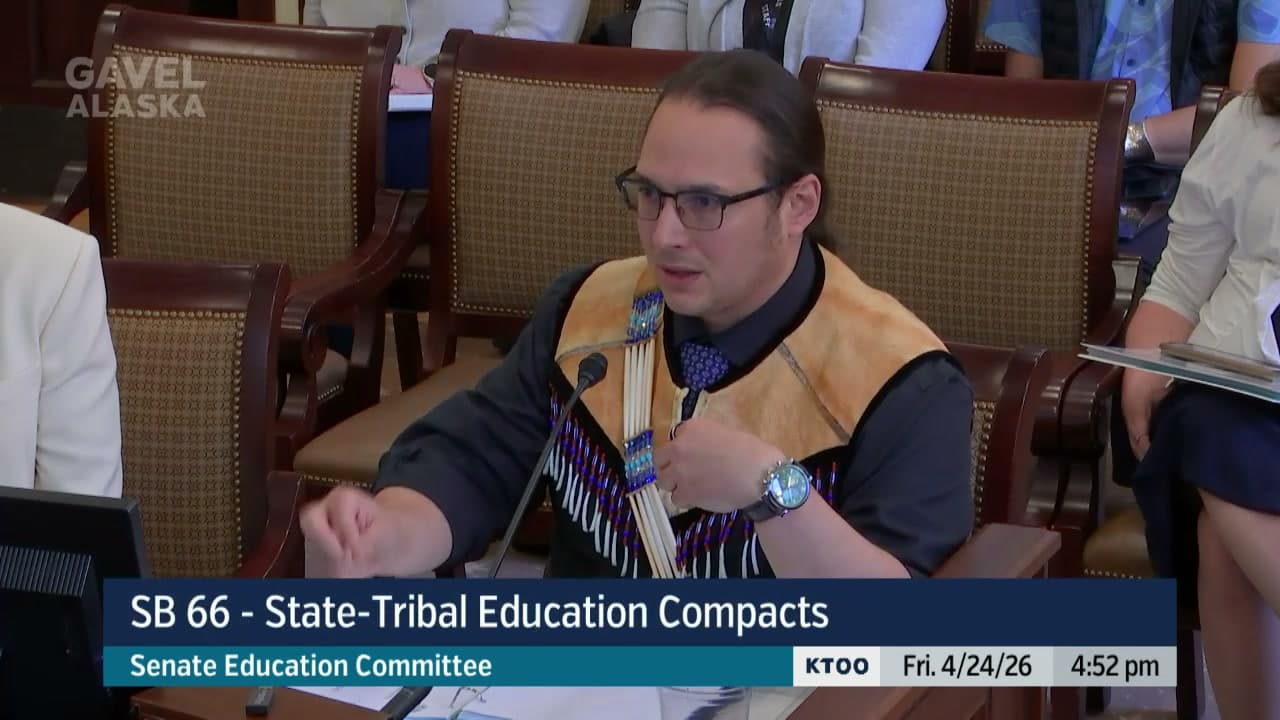
Alaska Advances Mental Health Education Guidelines Without Mandates
The House Finance Committee advanced a bill to create voluntary mental health guidelines for schools to address Alaska high youth suicide rates.
by Alaska News6mo ago4 min readHouse Finance Advances Mental Health Education Guidelines for Schools
House Finance advanced a bill requiring schools to develop mental health education guidelines, as Alaska faces the nation's highest youth suicide rate.
by Alaska News6mo ago3 min readHouse Education Committee advances CPR training bill with rural flexibility
House Education Committee advanced a CPR training bill Monday with amendments letting rural schools skip hands-on practice and delaying the requirement to July 2027 to pursue grant funding.
by Alaska Newsadded 6mo ago3 min read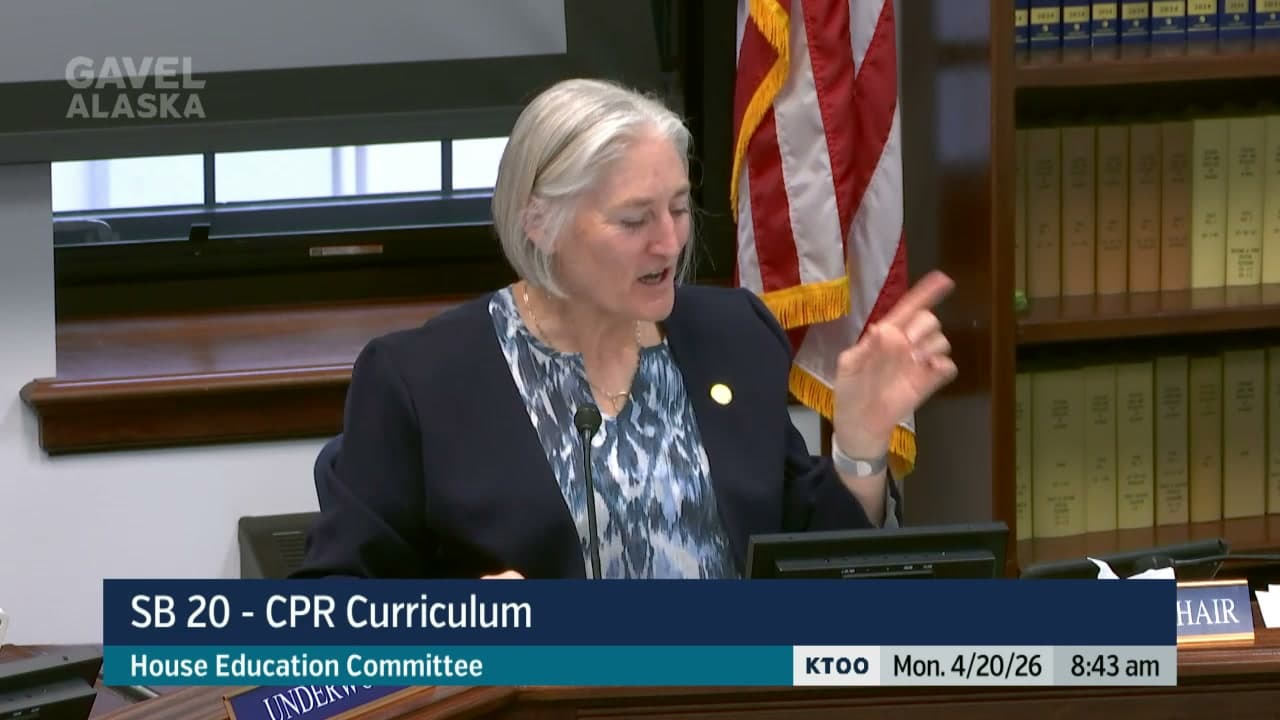
Alaska Overhauls School Construction Funding to Help Rural Districts Compete
Alaska is changing school construction funding to prioritize building safety over age. The new rules start for fiscal year 2028.
by Alaska Newsadded 7mo ago4 min readAlaska School Funding System Favors Wealthy Districts, Senators Say
Alaska senators say the state's school construction funding system favors wealthy districts that can afford architects and engineers, leaving poorer communities waiting years for basic repairs.
by Alaska Newsadded 7mo ago4 min readHouse Education Committee Advances Bill to Boost Residential School Funding
House Education Committee heard testimony Thursday on a bill to raise funding for Alaska's nine residential schools for the first time since 2015, adding $2.3 million annually to cover inflation.
by Alaska Newsadded 7mo ago2 min readAlaska Special Education Crisis: 200 Teaching Positions Unfilled Statewide
Alaska school districts cannot fill 200 special education teaching positions, forcing some schools to operate without a resident special education teacher.
by Alaska Newsadded 7mo ago1 min read