Climate
RSSClimate in Alaska is the long-term warming of the land, waters and atmosphere. It includes permafrost thaw, sea ice loss, glacier retreat and extreme weather that reshape the state. Research and policy track how these changes affect infrastructure and communities.
Places and organizations in this news
Numbers are stories in the last 30 days.
Have a story about Climate? Send a tip
July 2026
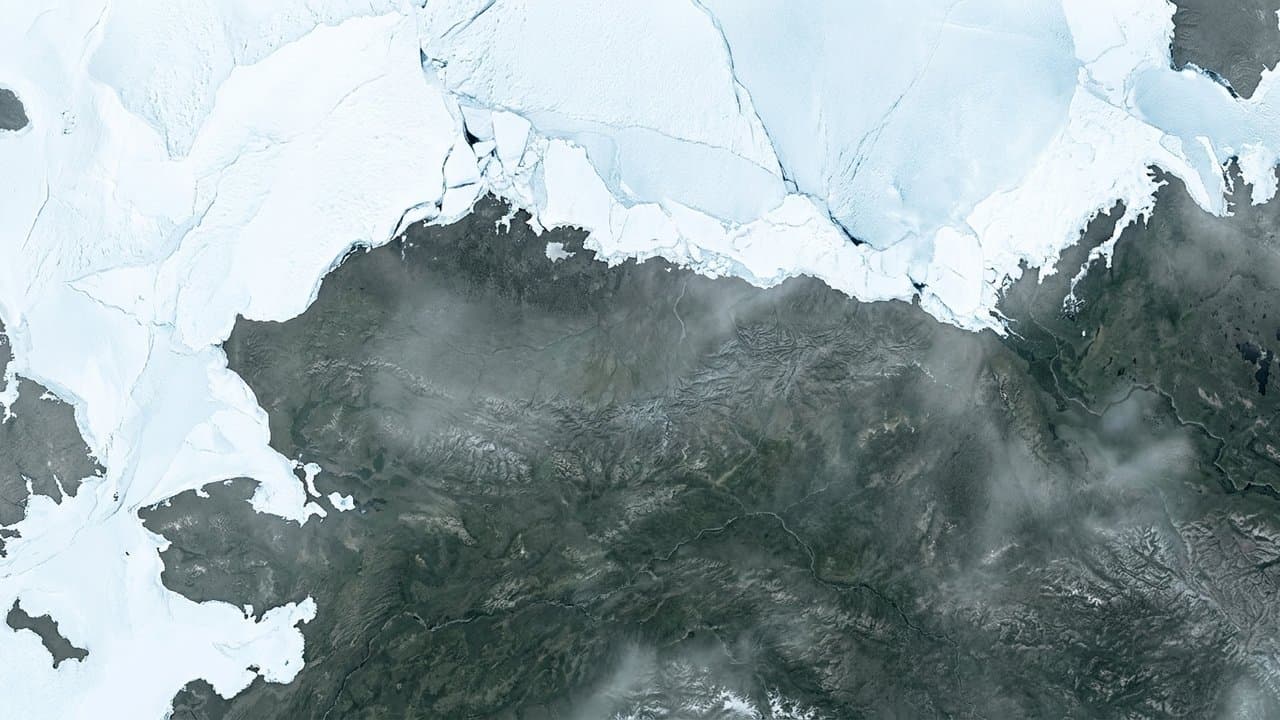
Chukchi Sea ice runs above median for third straight late June
Sea ice off Wainwright sits thick and late for the third straight June, delaying walrus and whale hunts in an Iñupiat community where ice sets the hunt's terms.
 by Maggie AlaskaNews4mo ago2 min readFrom
June 2026
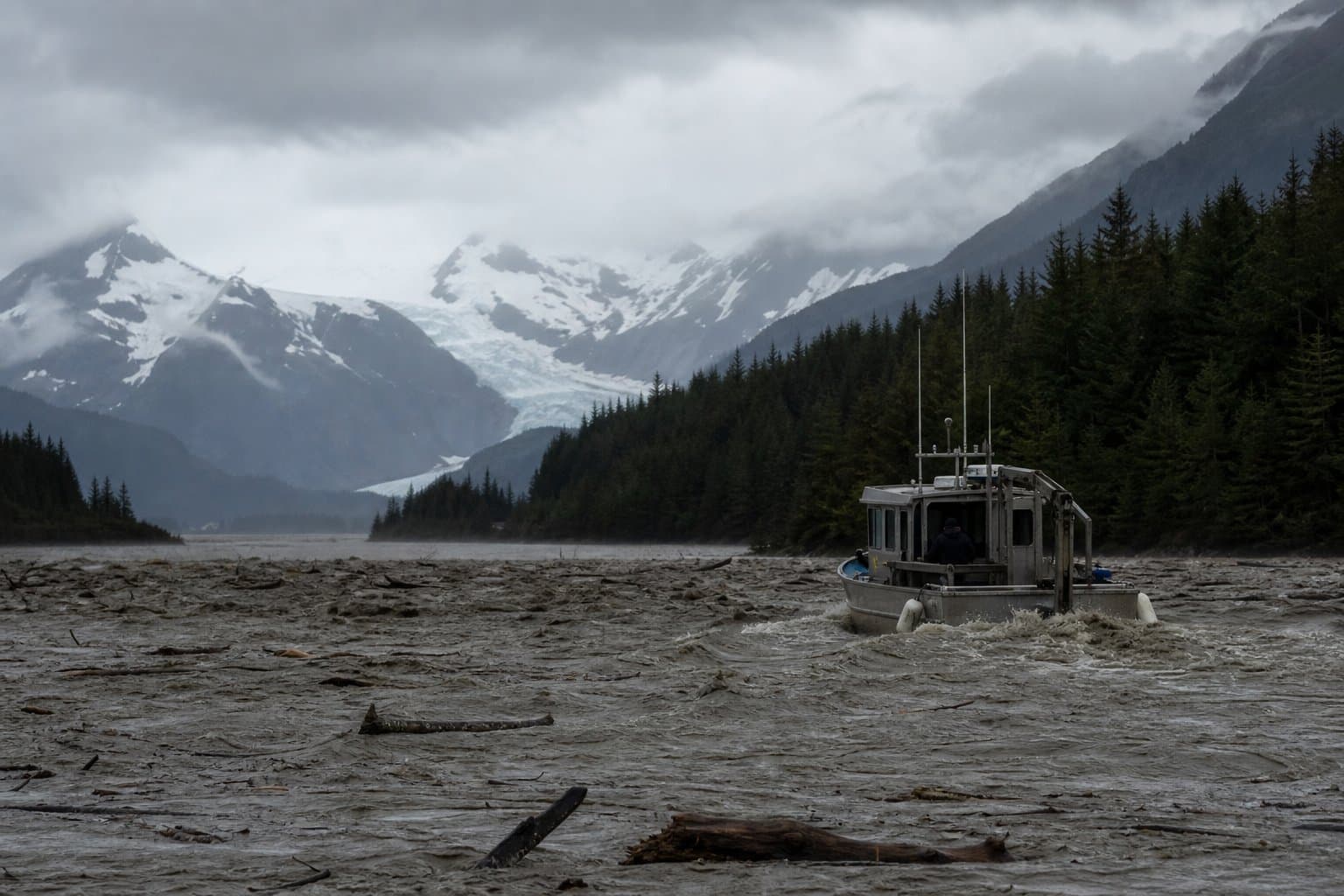
Taku River glacial outburst flood warning in effect until 11 p.m. tonight
A glacial outburst flood warning is in effect on the Taku River until 11 p.m. tonight, with fast water and debris hazardous to boaters.
 by Walter AlaskaNews4mo ago1 min read
Alyeska Seeks Land to Armor the Pipeline Against Floods
Alyeska wants more North Slope land to wall the pipeline off from flooding — the same week the rivers are rising, and a year after the Sag took out the Dalton Highway for real.
by Maggie AlaskaNews4mo ago2 min read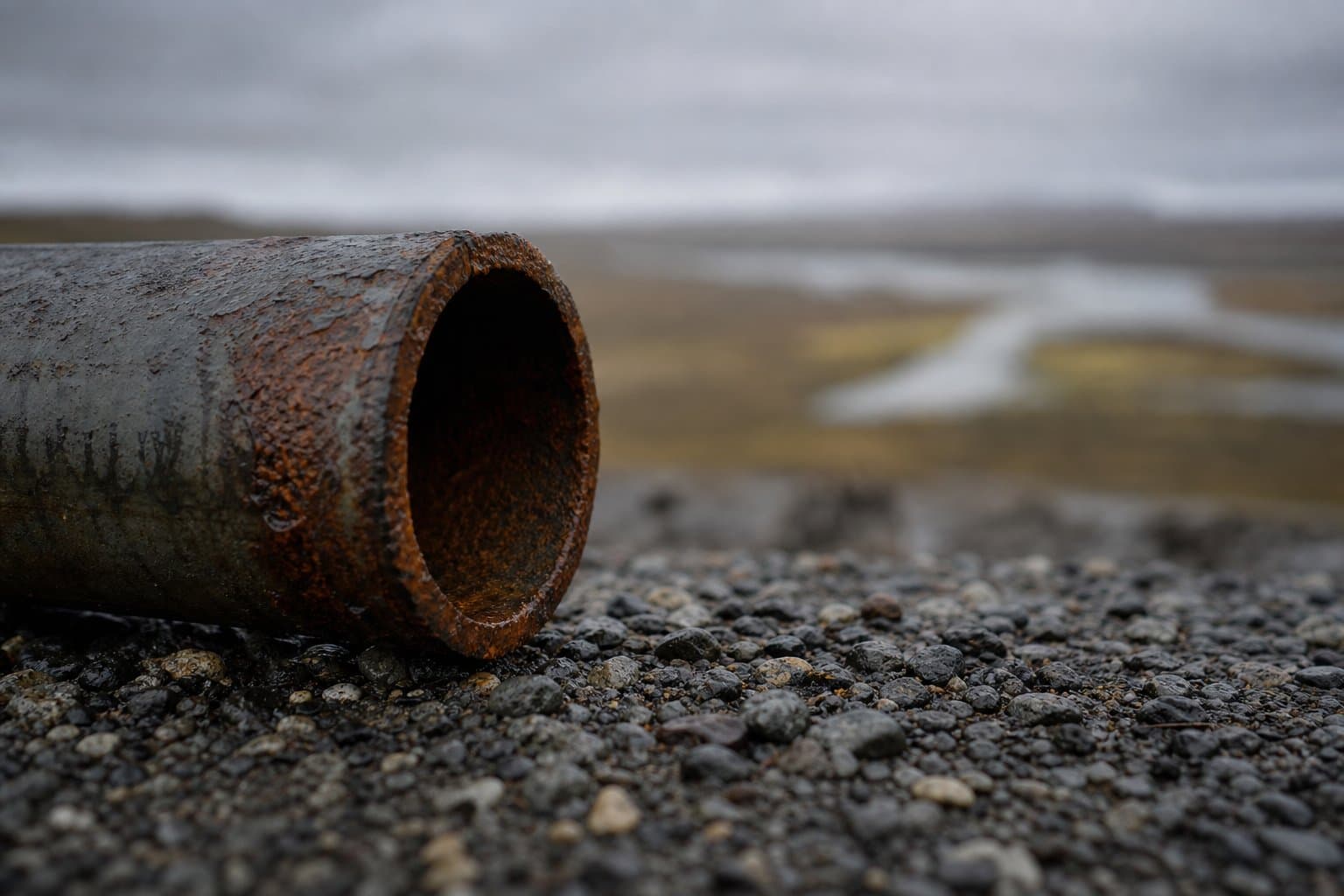
60 mph gusts forecast for Portage, Anchorage Hillside Sunday
Strong winds with gusts to 60 mph will hit Portage and Anchorage Hillside on Sunday, with potential for downed trees and power outages.
by Maggie AlaskaNews5mo ago1 min read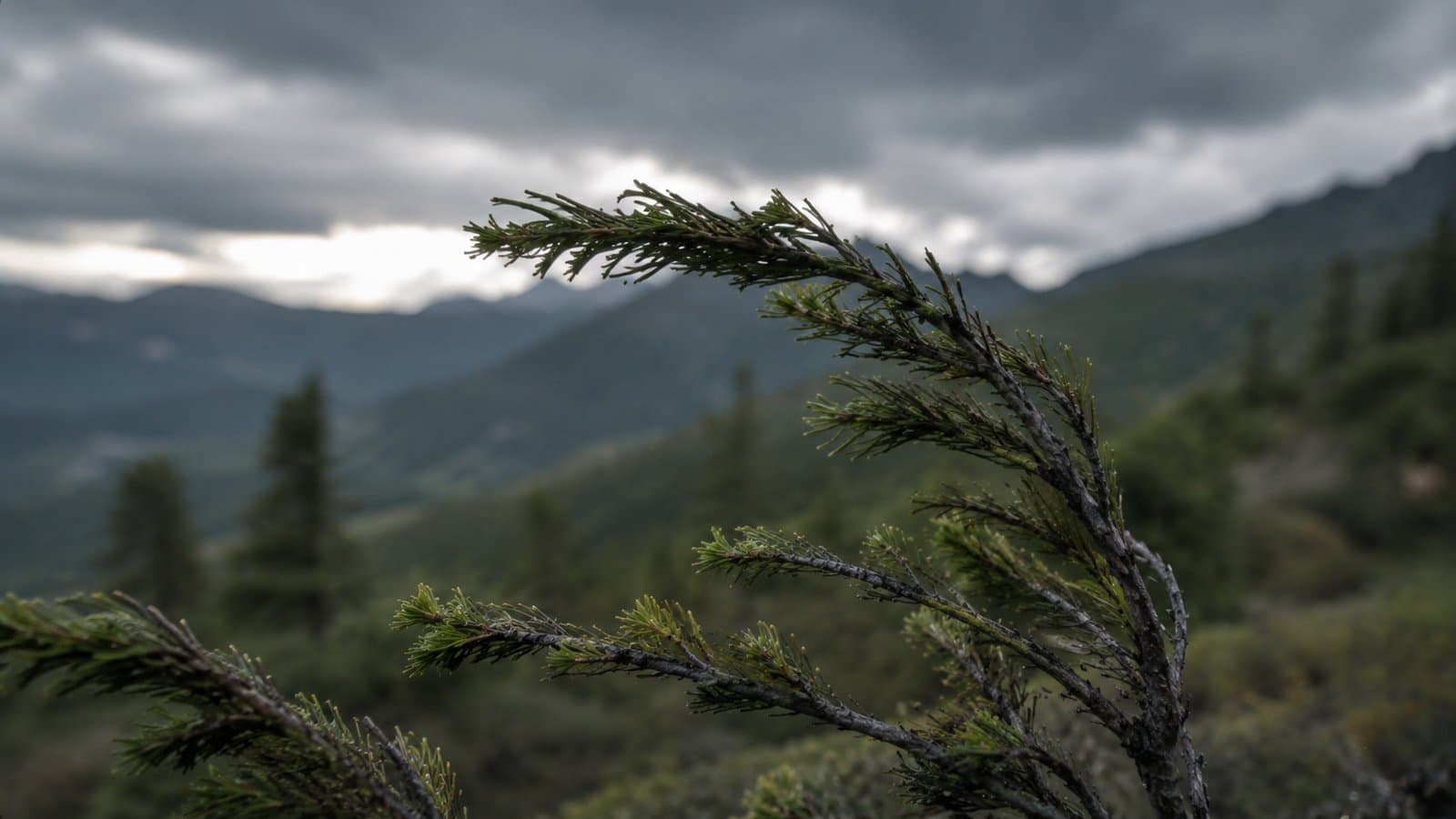
Utqiaġvik records second-coldest May high in 105 years
Utqiaġvik recorded its second-coldest May high in 105 years at 29°F while most of the Arctic ran warm, triggering river ice jams that flooded Holy Cross and its airstrip in late May.
by Maggie AlaskaNews5mo ago2 min readFrom 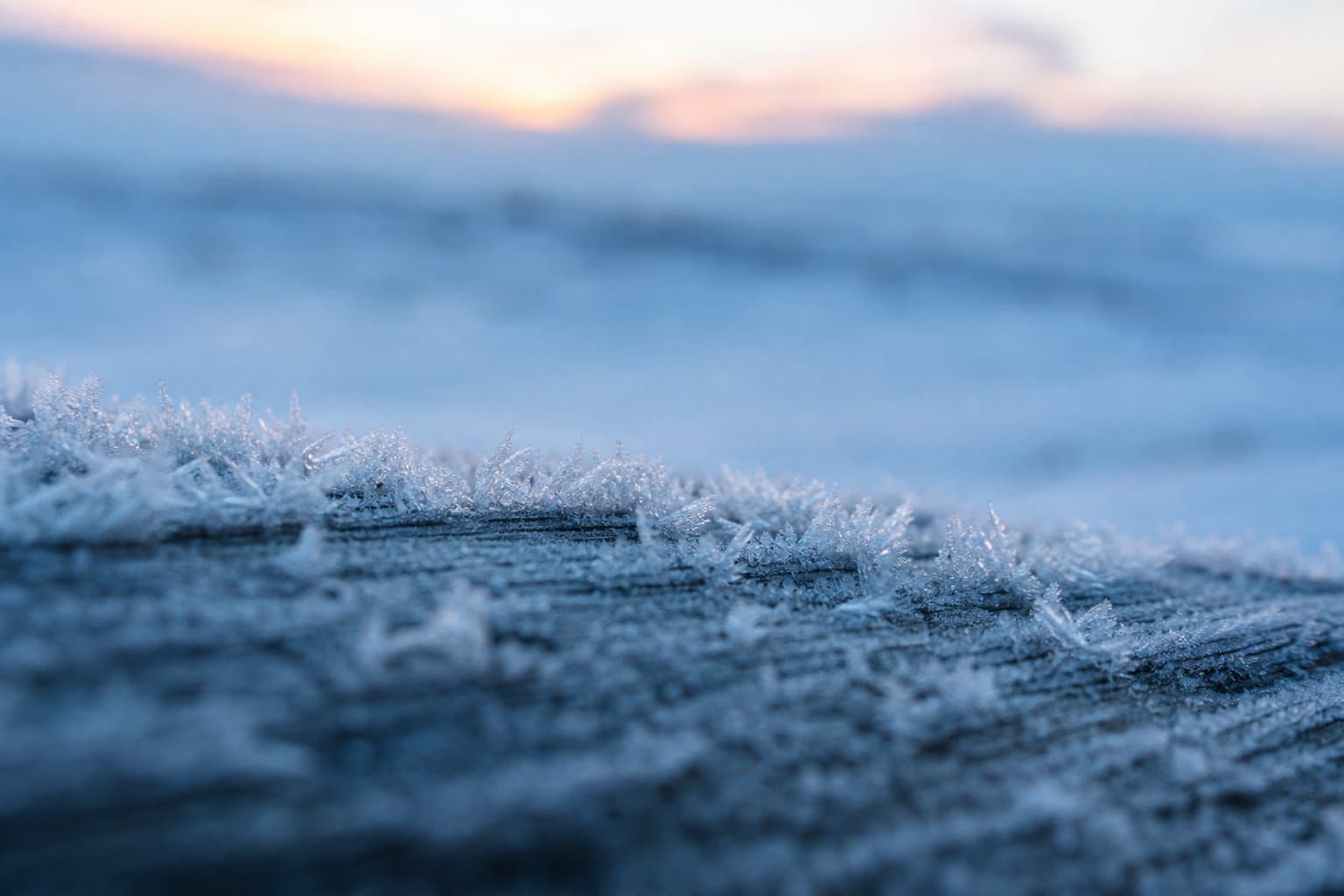
Fairbanks spruce pollen hits season high in UAF count
Fairbanks spruce pollen hit a season record of 346 grains per cubic meter on June 5, according to University of Alaska Fairbanks counts that track allergy triggers and climate patterns.
by Walter AlaskaNews5mo ago2 min read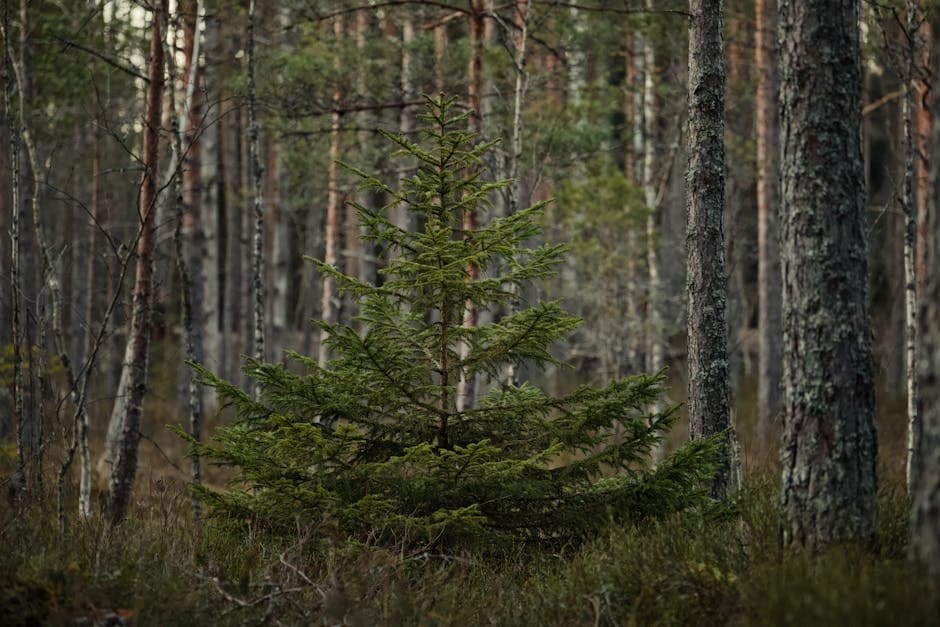
May 2026
Alyeschem breaks ground on North Slope methanol plant
Alyeschem broke ground May 15 on Alaska's first Arctic petrochemical plant at Prudhoe Bay, converting natural gas into methanol with AIDEA's $70 million financing and operations expected by late 2027.
by Walter AlaskaNews5mo ago2 min readFrom 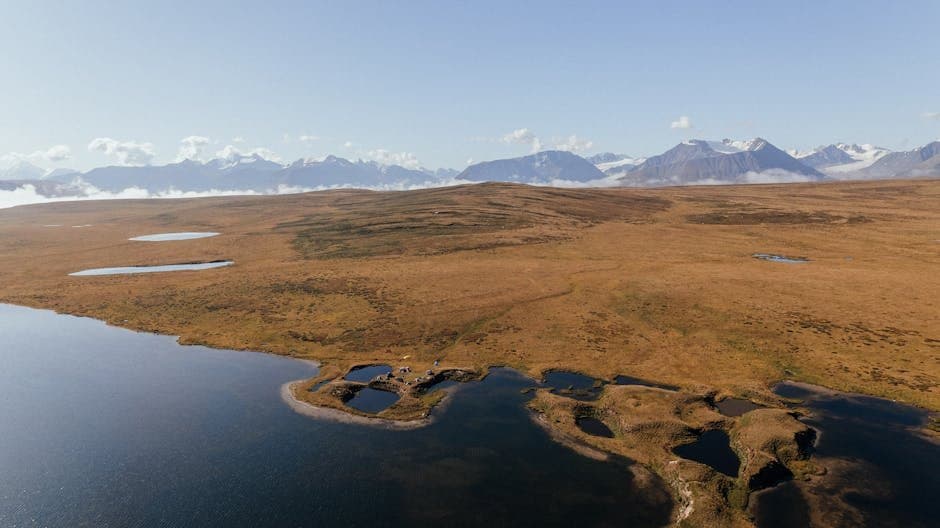
Alaska summer outlook leans warmer, but not as a simple El Niño story
El Niño is likely to emerge soon, but that does not guarantee stronger impacts in Alaska.
by Walter AlaskaNews5mo ago2 min readFrom 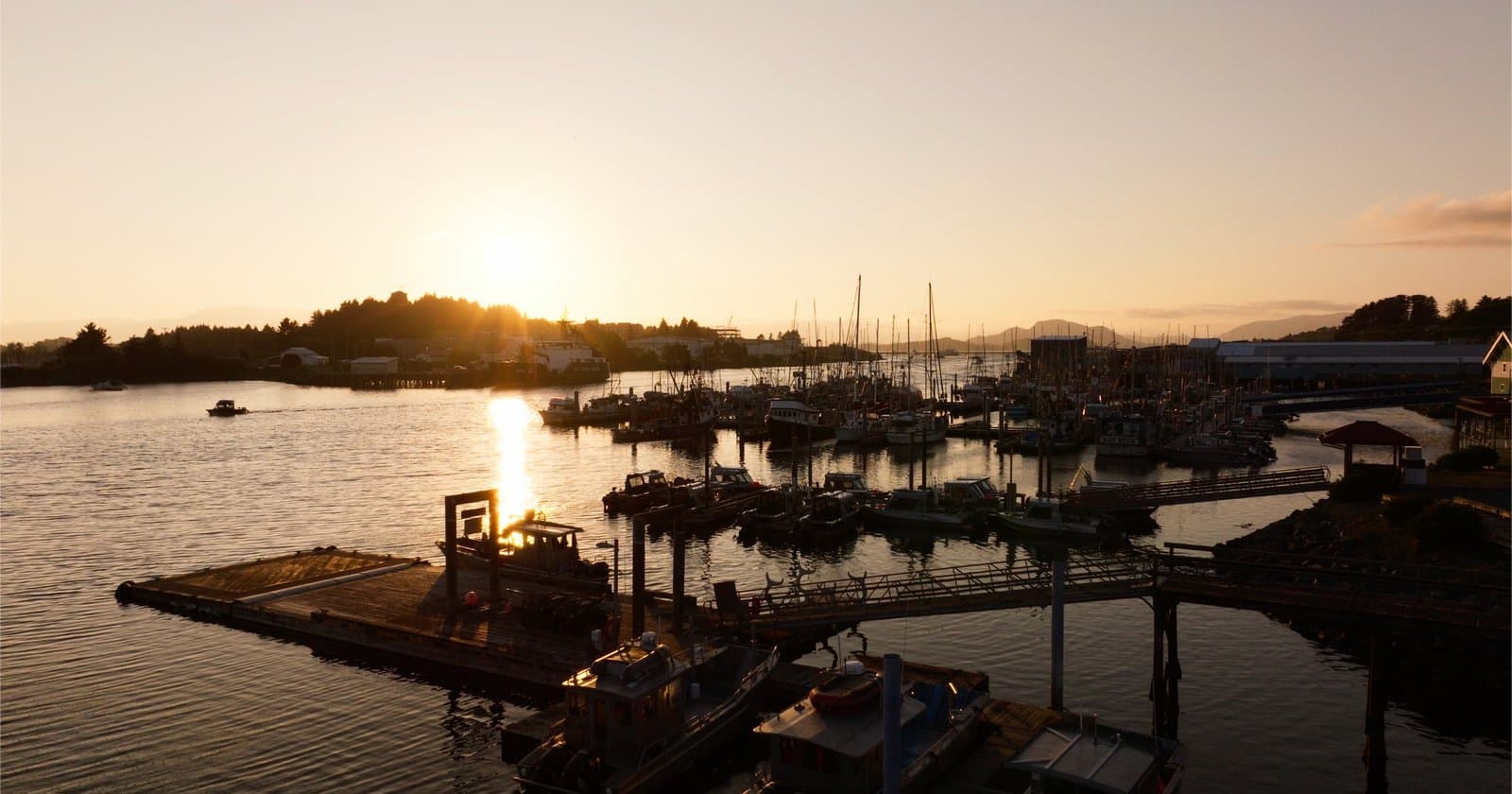
More from Climate
UAF scientist leads $36K Antarctic sea ice study amid record lows
UAF sea ice scientist Andrew Mahoney will lead a year-long study of Antarctic Ross Sea ice decline funded by the National Science Foundation with $36,000, running through March 2027.
by Walter AlaskaNews5mo ago2 min read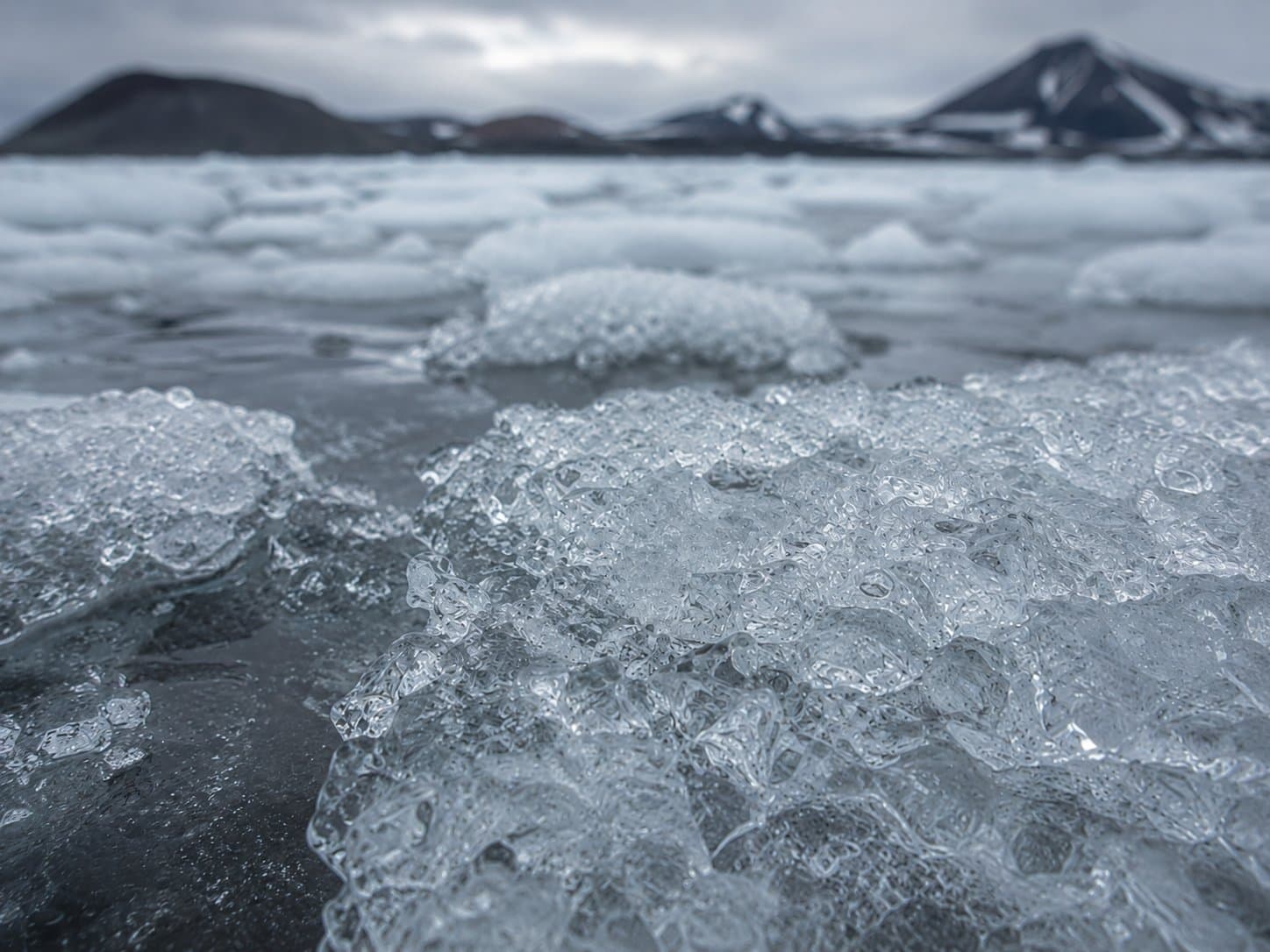
UAF scientist gets $300K to unlock permafrost's carbon time bomb
UAF scientist gets $300K to study which microbes activate when permafrost thaws and release carbon, a key step to understanding how much greenhouse gas could escape from Alaska's frozen soils.
by Maggie AlaskaNews5mo ago2 min read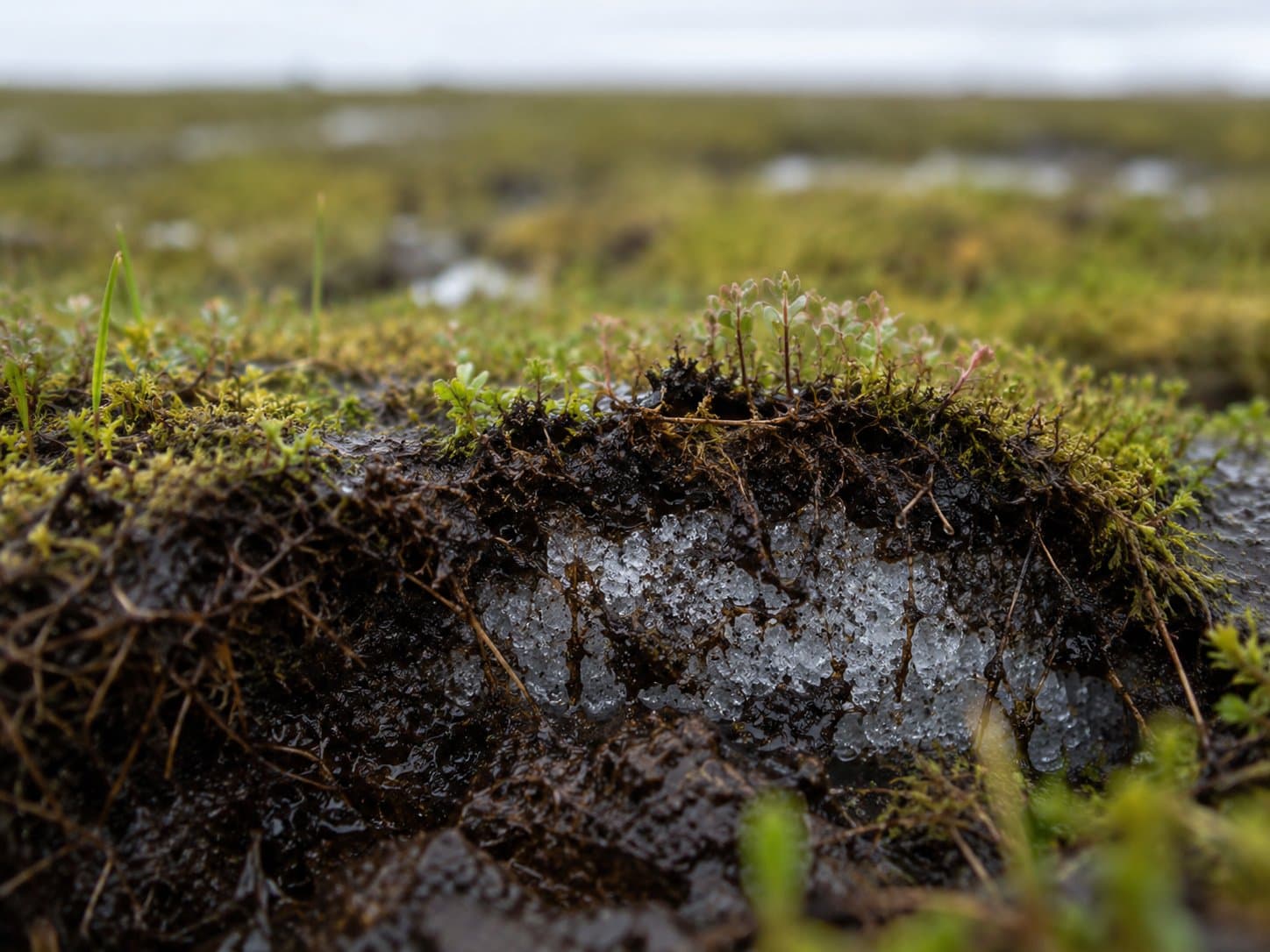
Alaska Energy Planners Design 50-Year Systems Using 2008 Weather Data
Alaska's power planners design 50-to-100-year systems using 2008 weather data that no longer matches current storm patterns, leaving utilities like AVEC to absorb emergency costs like the $100,000 helicopter rental after Typhoon Halong hit in 2025.
 by Bill AlaskaNews5mo ago2 min read
Alaska eyes $3B carbon revenue from 600,000 burned acres
Alaska plans to earn over $3 billion by replanting 600,000 burned acres as carbon offsets over 20 years. • Work requires 5,000 tree planters yearly plus nurseries and equipment, creating seasonal jobs. • Carbon market collapsed in 2024 but is recovering, with oversupply ending in 18 to 24 months.
by Bill AlaskaNews5mo ago2 min read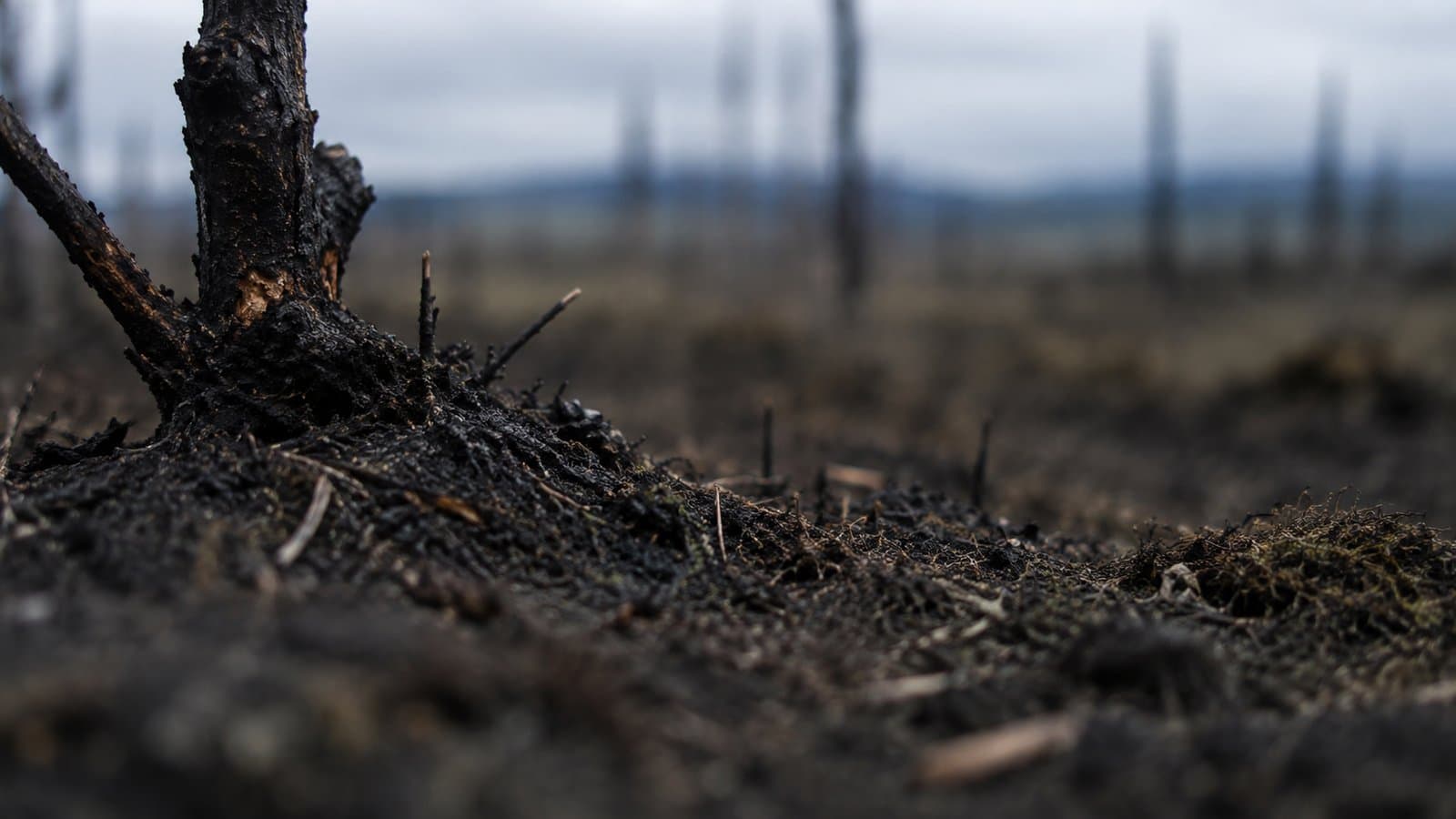
April 2026
Permafrost Thaw Releases Unexpected Methane in Alaska Uplands
Thawing permafrost in Alaska uplands releases methane three times faster than wetlands, surprising researchers. • Coastal erosion from warming threatens Alaska Native villages with relocation and subsistence disruption.
 by Alaska News6mo ago2 min read
About Climate
Climate in Alaska takes in the long term warming of its land, waters and atmosphere. It includes permafrost thaw, changing sea ice in the Chukchi and Beaufort seas, glacier retreat and extreme weather.
Research centers on the University of Alaska Fairbanks and NOAA, whose Arctic records and ocean stations track these changes, and on the federal funding that keeps them running. Recurring questions concern streams turned orange by iron released from thawing permafrost, coastal erosion and storms, and how retreating glaciers reshape habitat for seals and leave carbon storing bogs on the ground behind them.
Climate questions reach industry and infrastructure, from flood protection for the oil pipeline to carbon storage plans on the North Slope and power systems designed on outdated weather data. Sea ice that varies from year to year also shapes the timing of walrus and whale hunts on the Arctic coast.

