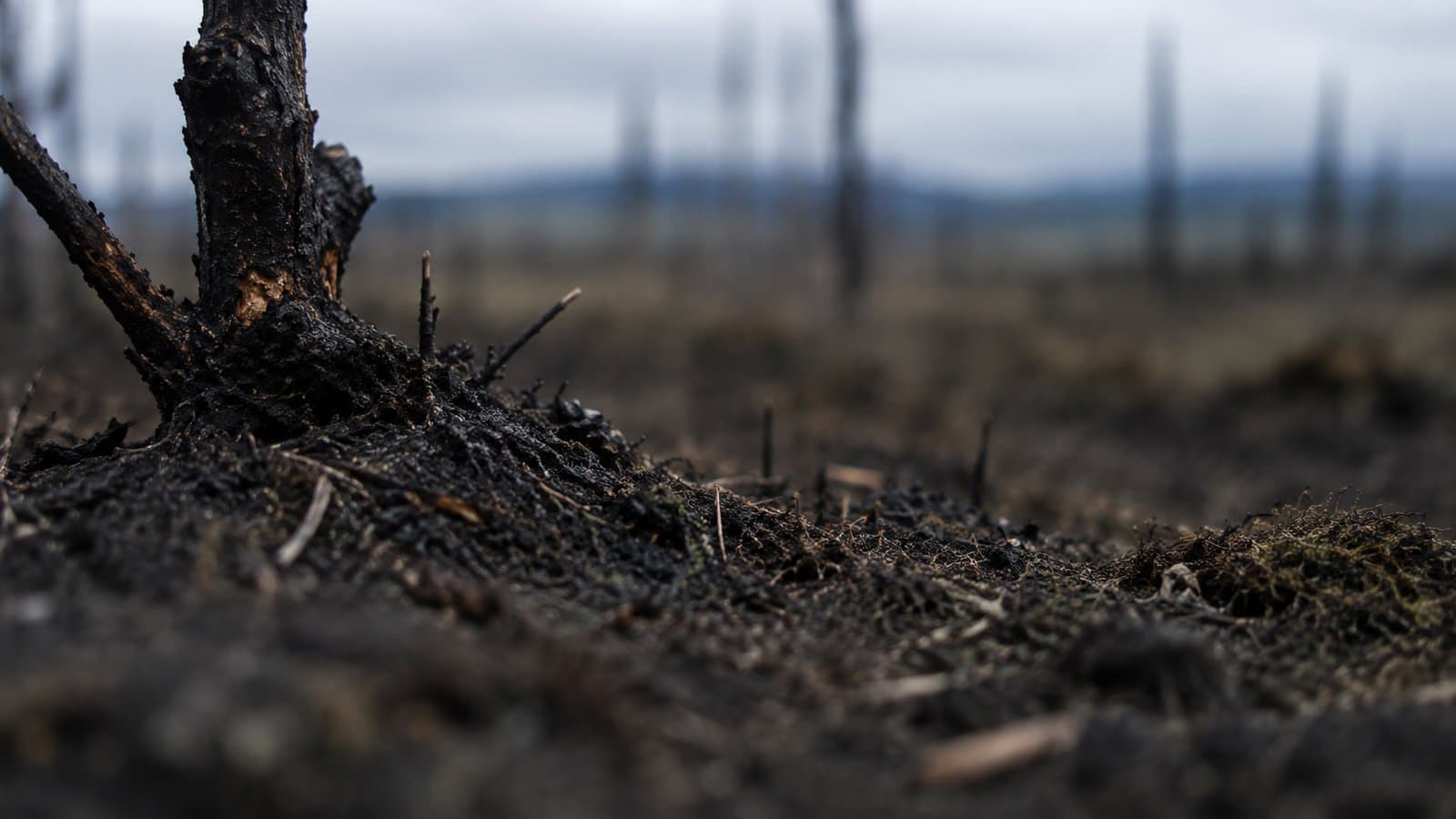
Photo by Cale Green
Alaska eyes $3B carbon revenue from 600,000 burned acres
Alaska could generate more than $3 billion over 20 years by replanting roughly 600,000 acres of interior forest that burned and failed to regenerate naturally, according to Rick Doman, a panel participant at the Sustainable Energy Conference.
The revenue would come from lands that currently produce nothing; the state would retain ownership and the jobs.
SB 48 and its regulations authorize the Department of Natural Resources to develop state-led offset projects and lease state lands up to 55 years to private parties for carbon purposes, Doman said. The 600,000 acres represent previously forested areas not successfully regenerating on their own.
"If all 600,000 acres were treated, potential revenue from offsets over 20 years could exceed $3 billion," Doman said. The work would create seasonal employment, particularly for youth.
The work would require significant infrastructure. "It would take about 5,000 tree planters to plant the trees required in Alaska," Doman said, adding "Each year." The state would need a tree nursery, equipment contractors to prepare sites, and helicopter operators.
Trevor McDougall, a second panelist, acknowledged the required investment. "We're talking big numbers in terms of acreage that's available, but we're also probably talking about significant investment on behalf of the state and whatever private sector developer we might partner with there," he said.
The projections depend on a carbon market that collapsed in 2024 and 2025, then began recovering in 2026. The correction brought increased scrutiny from buyers, improving project integrity and transparency. The oversupply of carbon credits is expected to dry up in the next 18 to 24 months, and buyers are increasingly looking to lock up prices for multiyear deals, Doman said.
Alaska wildfire history from 2000 to 2024 totals about 9 million acres of burned forest. "Severity was so high that conifer seed source and hardwood roots were compromised," Doman said. White spruce do not produce seed every year, and if fire happened in a non-mast year, the site might have greened up and precluded natural reseeding.
This article is based on a public meeting — Forests of the Future: Innovative Management, Shared Stewardship and Opportunities for Carbon Offsets in Alaska ().
Made by our human newsroom with AI. How humans and AI work here · Grow with our newsroom Transcript byLucas Brown
Stay informed. Support what matters.
Free, permanent access to local news you can verify. Subscribe to support Bill AlaskaNews and go ad-free.
Related Coverage
Alaska Proposes $4.4 Billion Synthetic Aviation Fuel Refinery Using Beetle-Killed Trees
Alaska News · 4mo ago
Alaska proposes timber harvest in all Haines State Forest areas
Alaska News · 4mo ago
Alaska, Forest Service sign 20-year shared stewardship timber deal
Alaska News · 4mo ago
Alaska seeks federal approval to regulate carbon storage wells
Alaska News · 4mo ago
Alaska Sustainable Energy Conference explores future of statewide energy systems
Alaska News · 4mo ago
Comments
Sign in to leave a comment.
No comments yet. Be the first to share your thoughts.