Alaska House panel expands farm tax breaks to flowers, hay
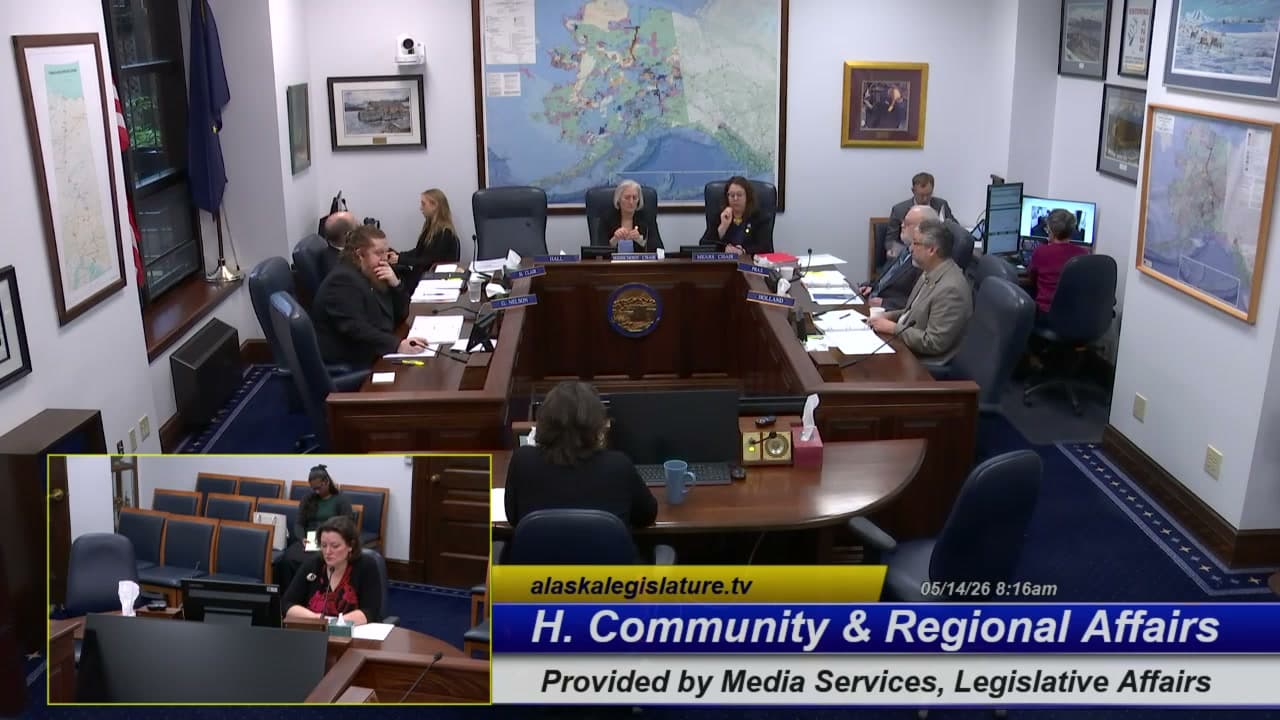
The Alaska House Community and Regional Affairs Committee voted Thursday to expand the state's farm property tax deferral program to include flower and hay production, reversing a 2024 restriction that limited the breaks to food production only.
The committee adopted Amendment 1 to Senate Bill 200, which adds peonies, Alaska-grown flowers, and all hay production back into the municipal property tax deferral program. The amendment also tightened eligibility requirements by changing the income standard from $2,500 in general farm income back to $2,500 in products sold. The committee then moved the amended bill forward with individual recommendations and an attached fiscal note.
Two years ago, the Legislature passed Senate Bill 161, which modernized the income test for eligibility based on recommendations from the Alaska Farm Bureau. That law expanded municipal farm property tax breaks to include farm structures and changed farm qualification from a 10-percent farm-income test to requiring an IRS Schedule F and at least $1,000 in annual sales. The Legislature also narrowed the scope of the deferral to food production at that time. Since then, lawmakers recognized the change inadvertently excluded farms operating as S corporations and cut out non-food agricultural operations that support the broader industry.
"It has become very apparent to Senator Bjorkman that agriculture, the agriculture industry, is very integrated and that all parts of it must be equally supported in order for all parts of it to succeed," said a staff member to Senator Jesse Bjorkman, the bill's sponsor.
The bill addresses two gaps in the current law. It adds S corporations that operate as farms back into the program and restores eligibility for non-food agricultural operations. The property tax deferral, first enacted in 1967, lowers municipal property taxes on land where farmers are actively farming.
Amy Seitz, policy director for the Alaska Farm Bureau, told the committee that more than 600 farms statewide currently have conservation plans on file with the Division of Agriculture. Those plans are required for farms on state agricultural covenant land and would become relevant for farms seeking the tax deferral for conservation strips on working farms under the bill.
The amendment drew support from committee members who said the original food-only restriction created artificial distinctions in an integrated industry. One member noted the difficulty of separating hay production by end use, whether it feeds meat rabbits or pet rabbits.
"Just because something is not purely for human consumption does not mean it is not agriculture," said Representative Garret Nelson.
The amendment also clarified that greenhouses would qualify for the tax break only if they grow plants from seed or starts to sell, not if they simply import and care for plants until sale. Co-Chair Donna Mears noted that the deferral applies proportionately to eligible land and structures, as determined by assessors, not as an all-or-nothing benefit.
A committee member raised concerns about whether the bill would significantly expand the amount of land receiving the tax break. Staff clarified the conservation plan provision covers narrow strips of land used for soil and water protection on working farms, not large conservation areas.
"What we are talking about are strips of land, say around a field where there are trees to help prevent soil from blowing off the field, or strips of land," the staff member said. "If you have a farm that borders on a waterway, you will have a strip of land to keep that waterway from being impacted."
The measure was heard for the second time by the committee before advancing. It now heads to the House floor.
This article is based on a public meeting — HCRA-260514-0800 ().
AI-assisted. How we use AI Transcript byLucas Brown
Stay informed. Support what matters.
Free, permanent access to local news you can verify. Subscribe to support Alaska News and go ad-free.
Related Coverage
Alaska lawmakers debate farm tax break for horses, flowers
Alaska News · 4mo ago
Senate advances farm tax bill, carves out Anchorage exemption
Alaska News · 4mo ago
Senate panel advances property tax cap bill despite state warnings
Alaska News · 5mo ago
House panel hears bill to ease farmland leasing, lower costs for Alaska growers
Alaska News · 4mo ago
Senate Finance Advances Agricultural Leasing Reform After Farmer Cites $9,000 Annual Fee
Alaska News · 5mo ago
Comments
Sign in to leave a comment.
No comments yet. Be the first to share your thoughts.