People & Culture
RSSAlaska News coverage of people and culture topics including community events, arts funding, local businesses, and cultural institutions.
Mat-Su resolution would ask school board to start classes after Labor Day
Mat-Su Assembly will vote Tuesday on a resolution asking the school board to start classes the day after Labor Day instead of earlier in August.
 by Walter AlaskaNews5h ago1 min read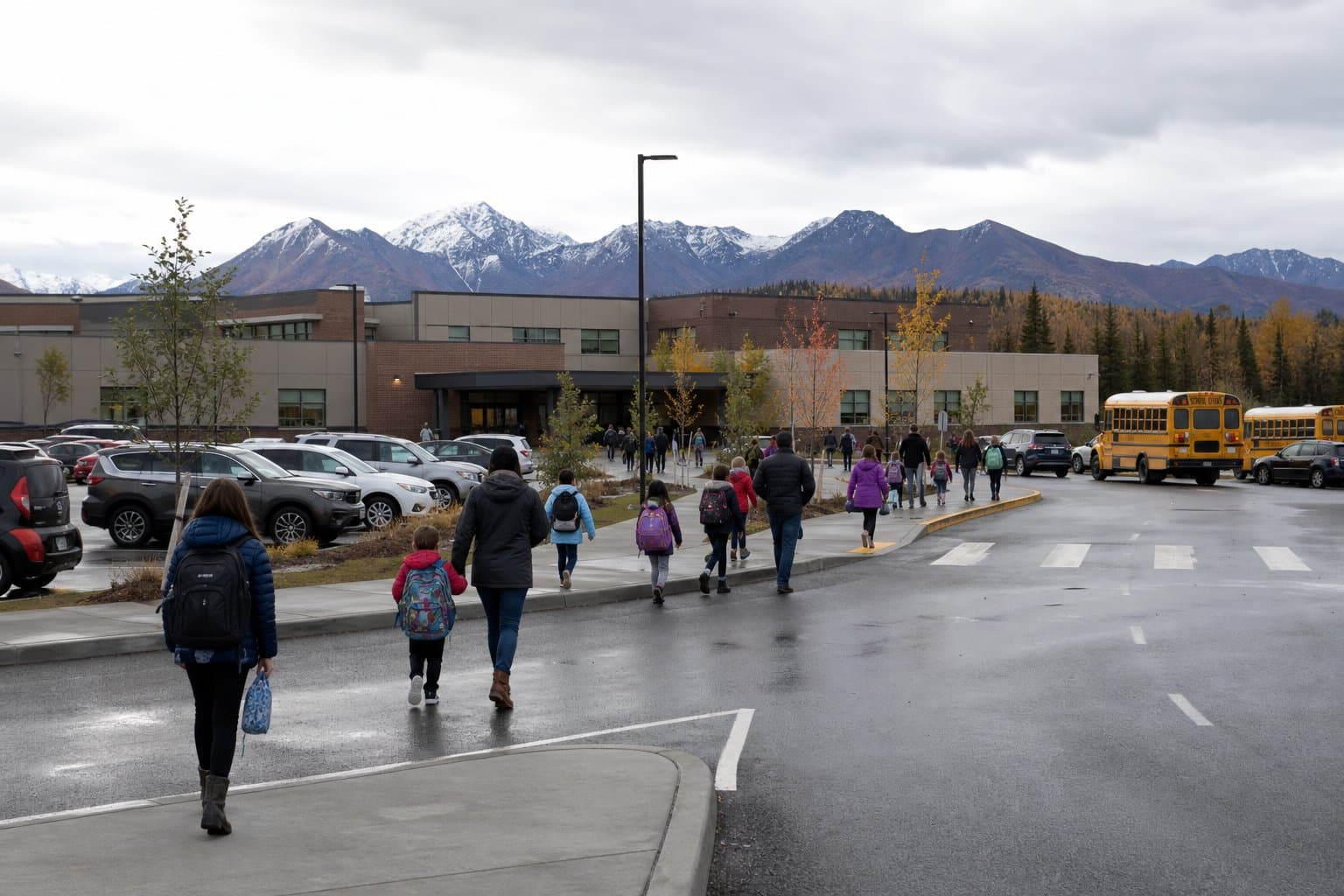
Norton Sound Health Corporation gets $250,000 federal grant for produce prescription program
A $250,000 Indian Health Service grant will help Norton Sound Health Corporation give food-insecure households monthly produce vouchers or shipments.
 by Maggie AlaskaNews7h ago2 min read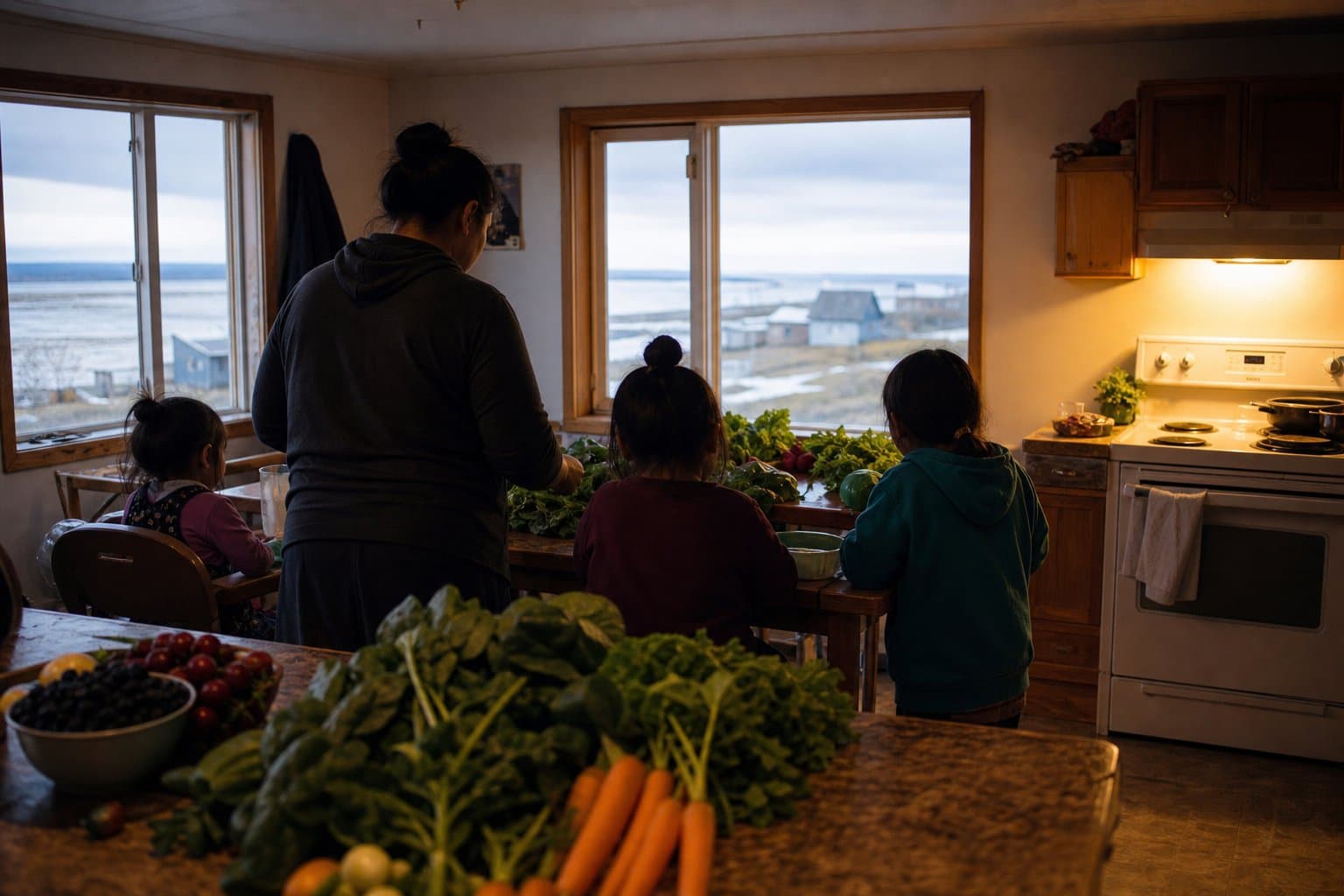
Fairbanks Memorial gets $3 million toward first inpatient psychiatric unit for teens in Interior Alaska
Interior Alaska teens who need inpatient psychiatric care must leave the region. A $3 million federal grant will help Fairbanks Memorial build a four-bed unit.
by Maggie AlaskaNews7h ago2 min read
Fairbanks residential mental health center to add six rooms with $1.95 million federal grant
A Fairbanks residential mental health center will add six private rooms, a kitchen and gathering space with a $1.95 million earmark requested by Murkowski.
by Maggie AlaskaNews7h ago2 min read
Seward hospital's new rural health grants collide with a shortage of space
Seward hospital won a $1.1 million federal grant to add prenatal care locally but has no space, forcing a choice between a $250,000 office conversion or a $4 million to $6 million addition
 by Melinda Communities.News10h ago3 min read
Alaska prisons seek contractor for mental health care, with video visits allowed in Nome, Bethel and Ketchikan
Alaska's prisons want a contractor for mental health care at four facilities. In Nome, Bethel and Ketchikan, clinicians might visit in person only monthly.
by Walter AlaskaNews14h ago2 min read
Petersburg hospital CEO and board member differ on how federal budget law will affect Medicaid
Petersburg's hospital CEO told his board the federal budget law mostly adds paperwork for the state. A board member called it major Medicaid cuts.
by Walter AlaskaNews17h ago2 min read
Southwest Region schools serve freeze-dried carrot chips from 2,300 pounds of summer vegetables
Southwest Region School District freeze-dried more than 2,300 pounds of potatoes and carrots over the summer, and carrot chips are now a lunchroom favorite.
by Walter AlaskaNews18h ago1 min read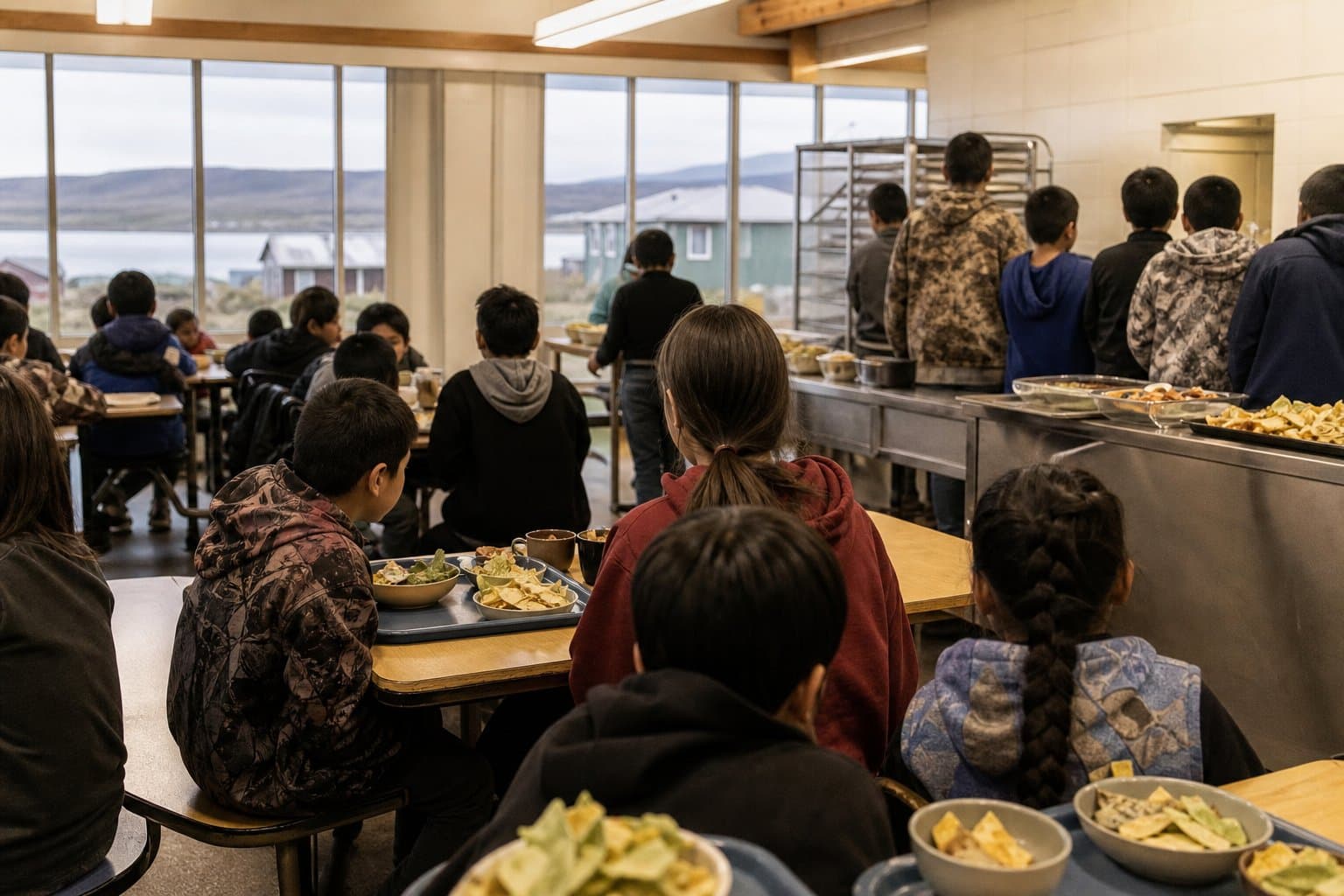
Kodiak Middle School breakfast jumps from 11 students a day to 127 with grab-and-go meals
Kodiak Middle School cut the breakfast line, handed out grab-and-go meals and brought back strawberry milk. Daily breakfast went from 11 kids to 127.
by Walter AlaskaNews18h ago1 min read
FCC reconsiders how it sets rural clinic telecom subsidies, 97% of which go to Alaska
Alaska gets 97% of a federal subsidy that helps rural clinics pay for connectivity, and the FCC wants to rethink how it's calculated. Comments due Wednesday.
by Walter AlaskaNews19h ago3 min read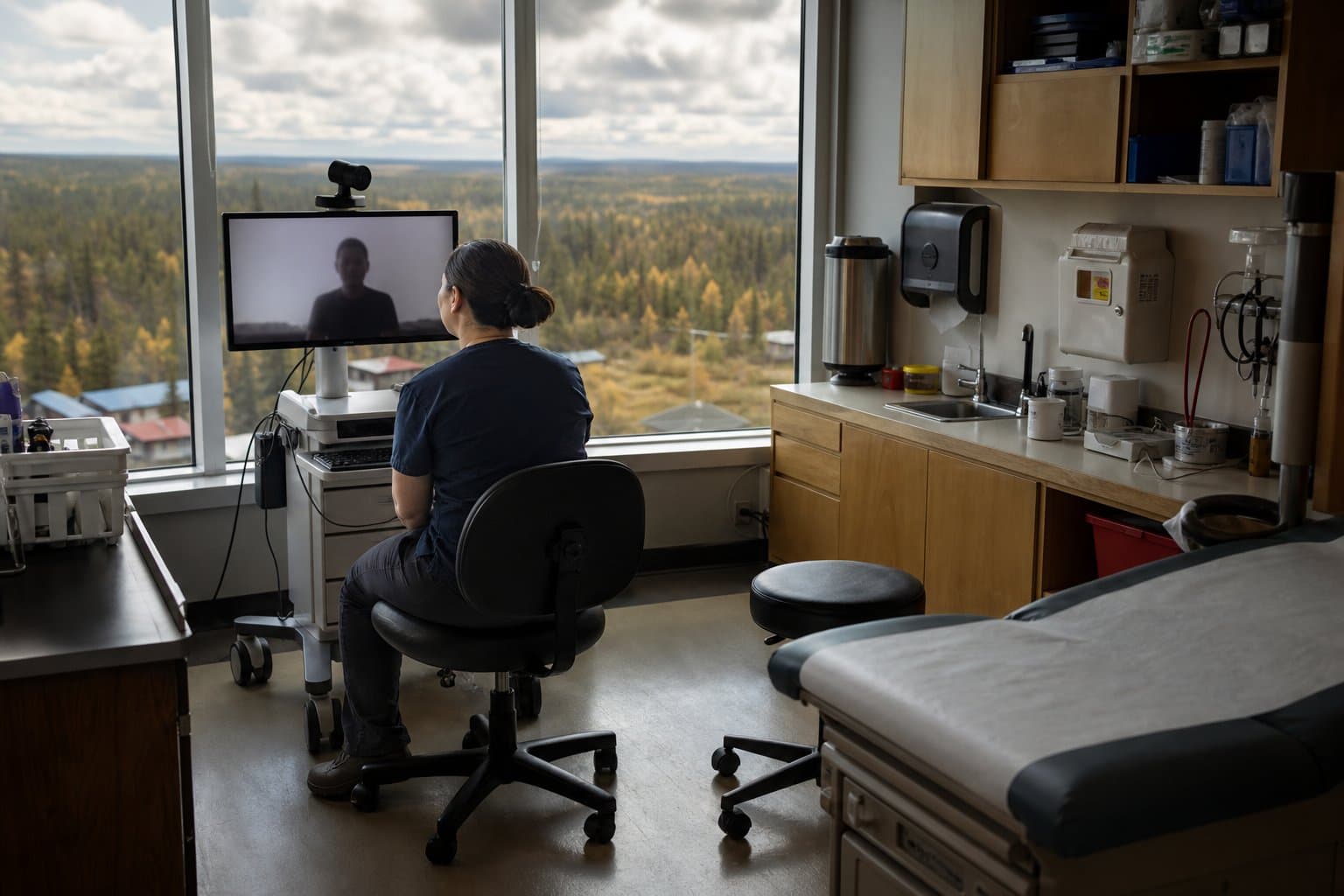
State lifts Kaktovik do-not-drink water order
Kaktovik residents can drink their tap water again. The state lifted its do-not-drink order Saturday after three weeks of antifreeze-chemical contamination.
by Maggie AlaskaNews1d ago2 min read
Bethel police warn residents not to shoot suspected rabid animals in the head
Bethel police warn residents to avoid shooting suspected rabid animals in the head, since brain tissue is needed to confirm the disease. Two foxes in Bethel tested positive for rabies in February.
by Maggie AlaskaNews2d ago1 min read
YKHC names interim chief Patricia Smith as permanent president and CEO
Patricia Smith, YKHC's interim chief since April and a nearly 30-year employee, is now the Bethel tribal health corporation's permanent CEO.
by Walter AlaskaNews2d ago2 min read
FCC weighs new ways to set prices for rural Alaska clinics' internet and phone service
A federal telecom subsidy that's about 97% Alaska is up for a rewrite. The FCC wants comments by Wednesday on how rural clinic internet prices get set.
by Melinda Communities.News3d ago2 min read
State puts $4.2 million toward housing for teachers and other professionals in rural Alaska
Rural Alaska keeps losing teachers to a lack of decent housing. The state has $4.2 million to build more, for communities that signed up by August.
by Maggie AlaskaNews3d ago3 min read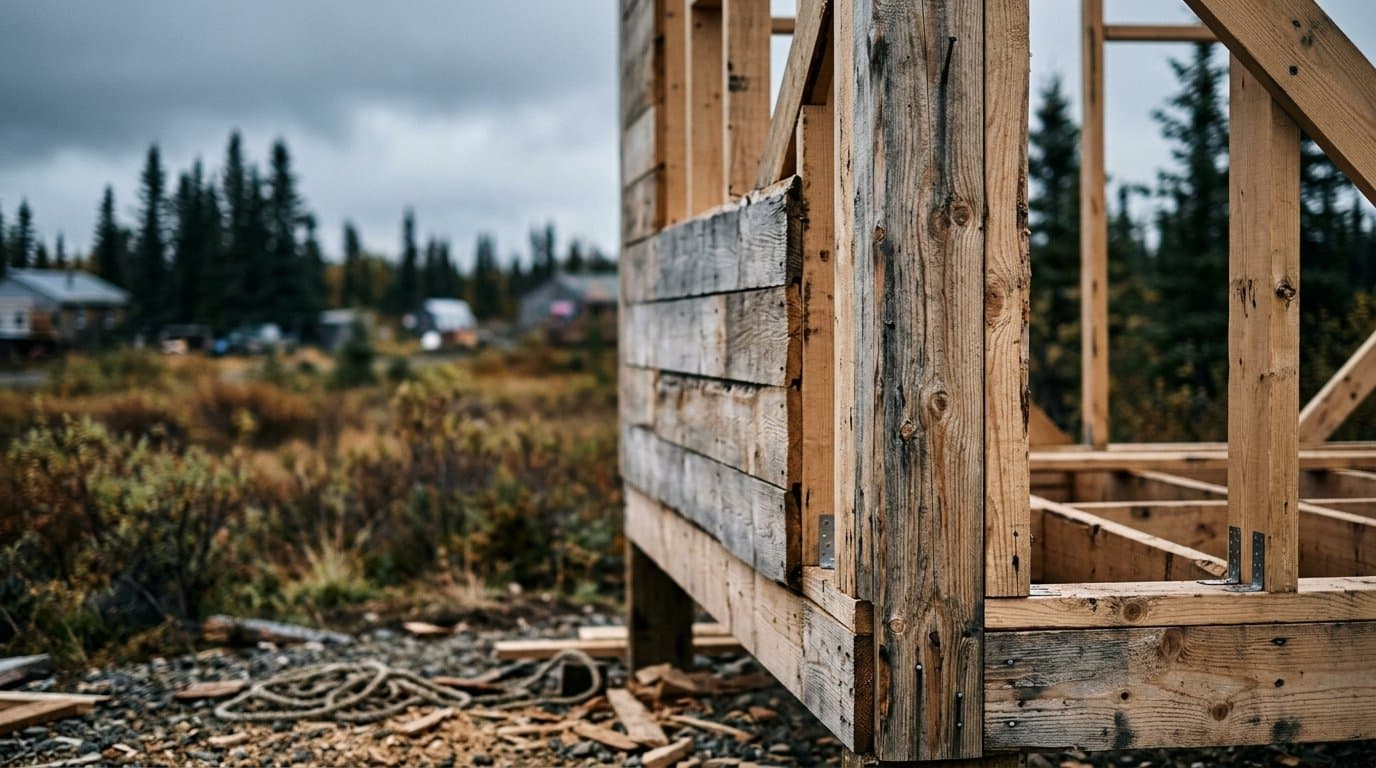
Summit on Aging attendees can book one-on-one time with state health leaders
Going to next month's Summit on Aging? You can book 15 minutes with state health leaders. Alaskans 65 and older get in free, but everyone has to register.
by Walter AlaskaNews3d ago1 min read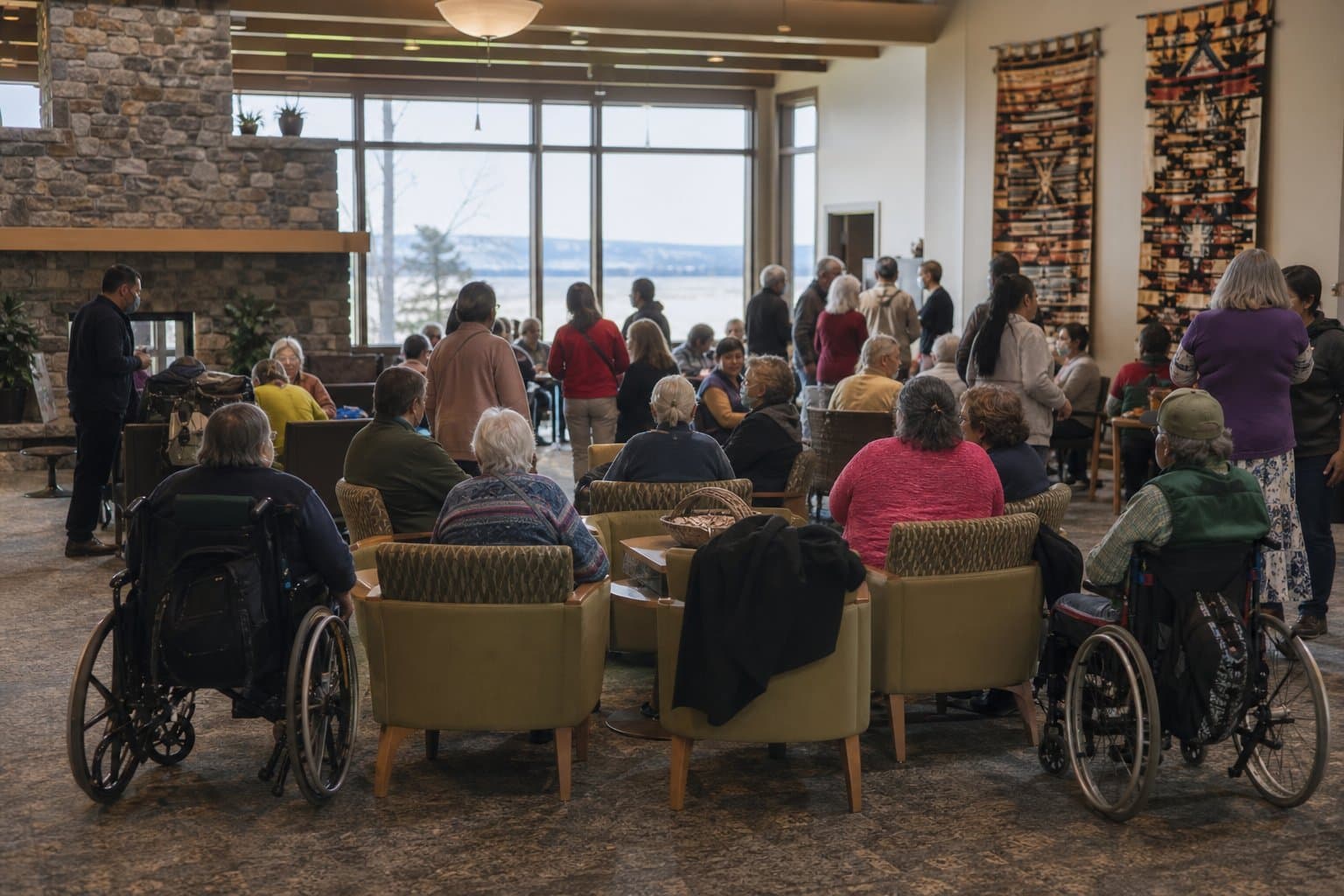
Mat-Su Regional gets $5 million in federal rural health money for a neonatal intensive care unit
Mat-Su Regional Medical Center gets $5 million in federal rural health money for a neonatal intensive care unit meant to keep more newborns out of Anchorage.
by Melinda Communities.News3d ago2 min read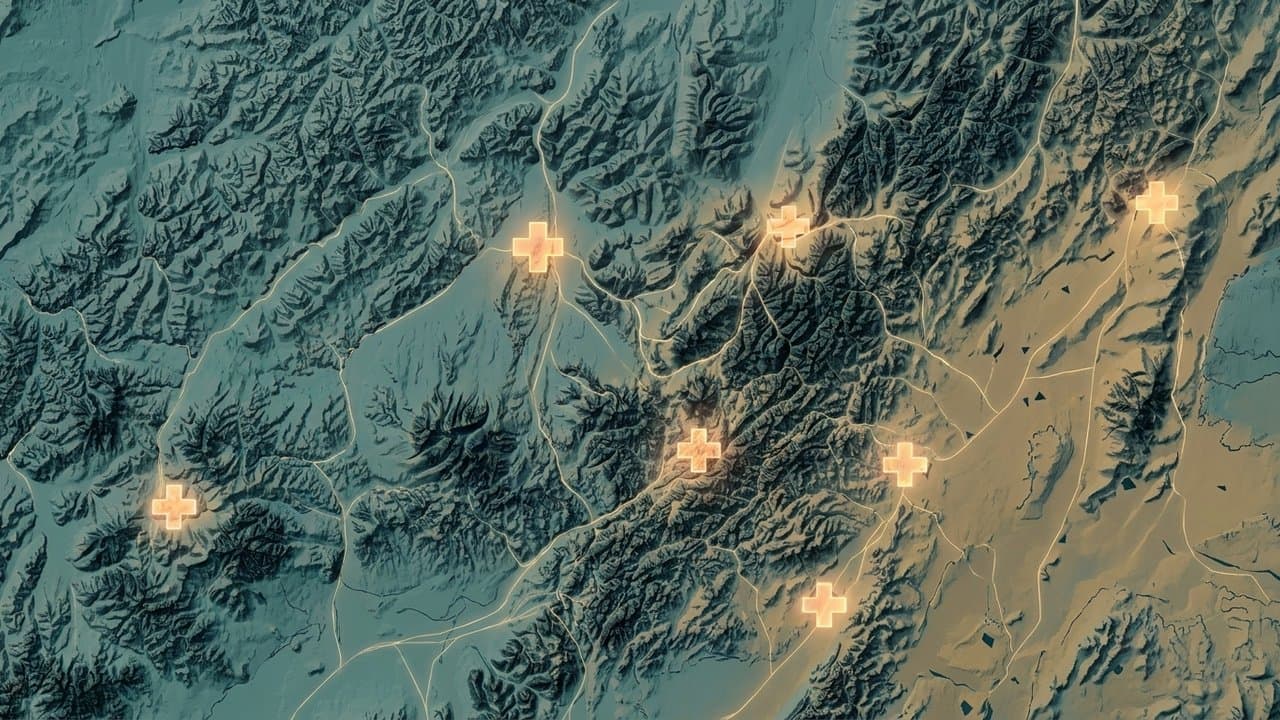
Hope's second Fox Fest brings three bands to Creekbend Cafe on Saturday
Hope's Creekbend Cafe hosts its second Fox Fest on Saturday, Sept. 26, with three live bands performing from 3 to 10 p.m. for $35 adults, free for kids 15 and under.
 by Alaska News3d ago1 min read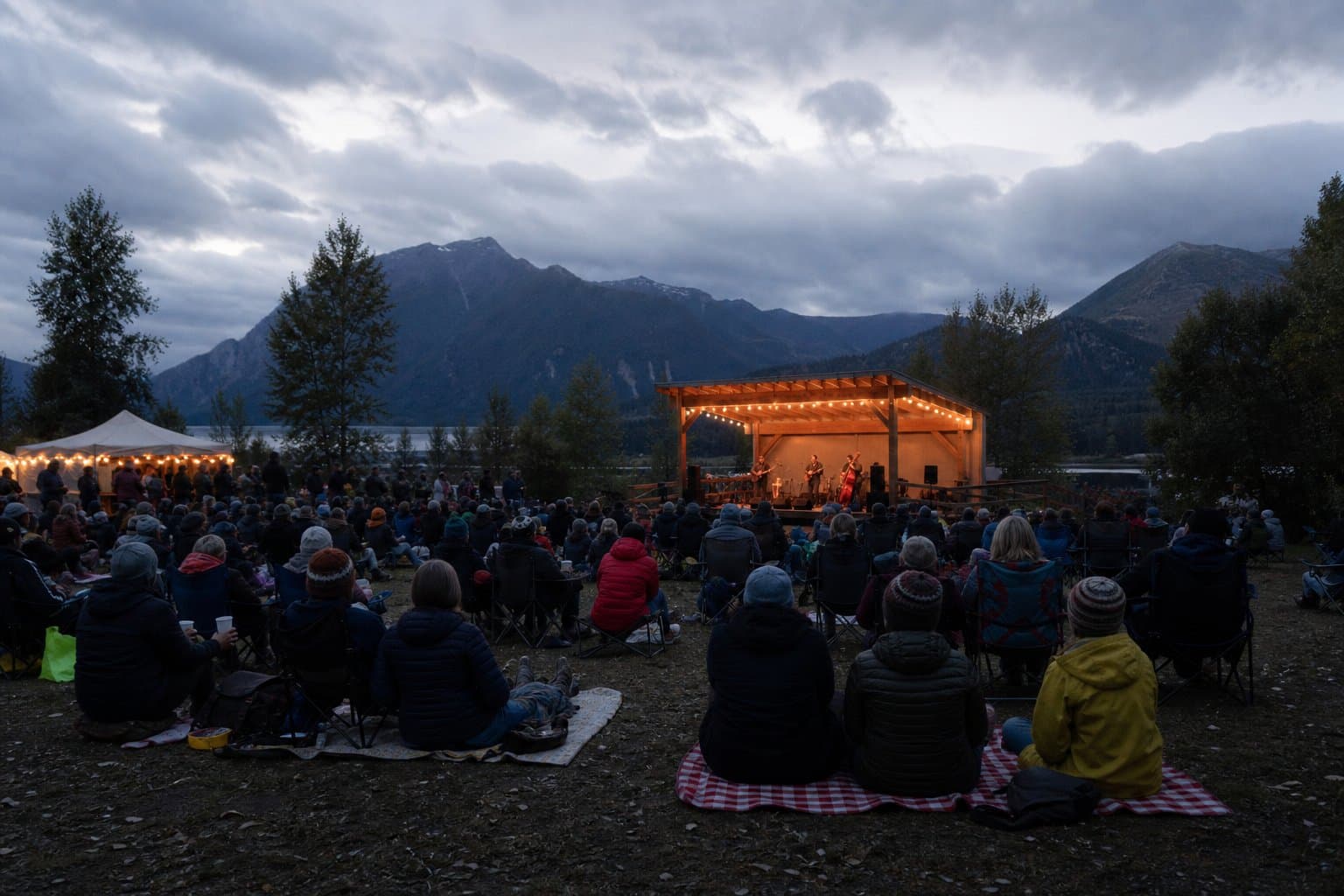
Harvest Moon festival brings Alaska-grown food, pie contest to Soldotna
Soldotna Creek Park hosts the Harvest Moon Local Food Festival on Sept. 26 from 11 a.m. to 6 p.m., featuring Alaska-grown food vendors, live music, and a homemade pie contest capped at 30 pies that requires preregistration and a $5 entry fee.
by Alaska News3d ago2 min read
FDA to pay Alaska $540,768 for state food safety inspections
The FDA will pay Alaska's food inspectors $540,768 for another year of checking restaurants and fish plants, the same week Murkowski asked it to keep doing so.
by Walter AlaskaNews3d ago1 min read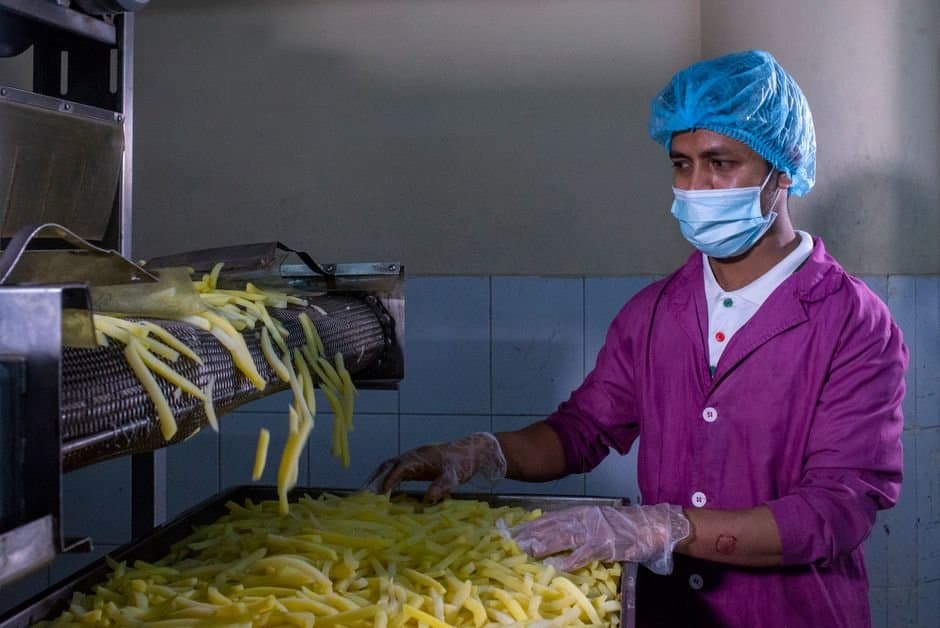
Where to celebrate Oktoberfest in Southcentral this weekend and next
Free Oktoberfest celebrations hit Girdwood, Anchorage and Valdez this weekend, Sept. 25-26. Ticketed adult events follow Oct. 3 in Palmer and Eagle River.
 by Cale Green3d ago3 min read
Anchorage School Board keeps control of closed-school planning after lawyer advises against Assembly task force
A school board member wanted the Assembly in on what happens to empty schools. The district's lawyer said no, so Assembly members get seats but no votes.
by Walter AlaskaNewsadded 3d ago3 min read
Kotzebue water system exceeds federal lead action level after two of 10 homes test high
Two of 10 Kotzebue homes tested above the federal lead action level. The city is testing more homes and says to run taps until cold before drinking.
by Alaska News4d ago2 min read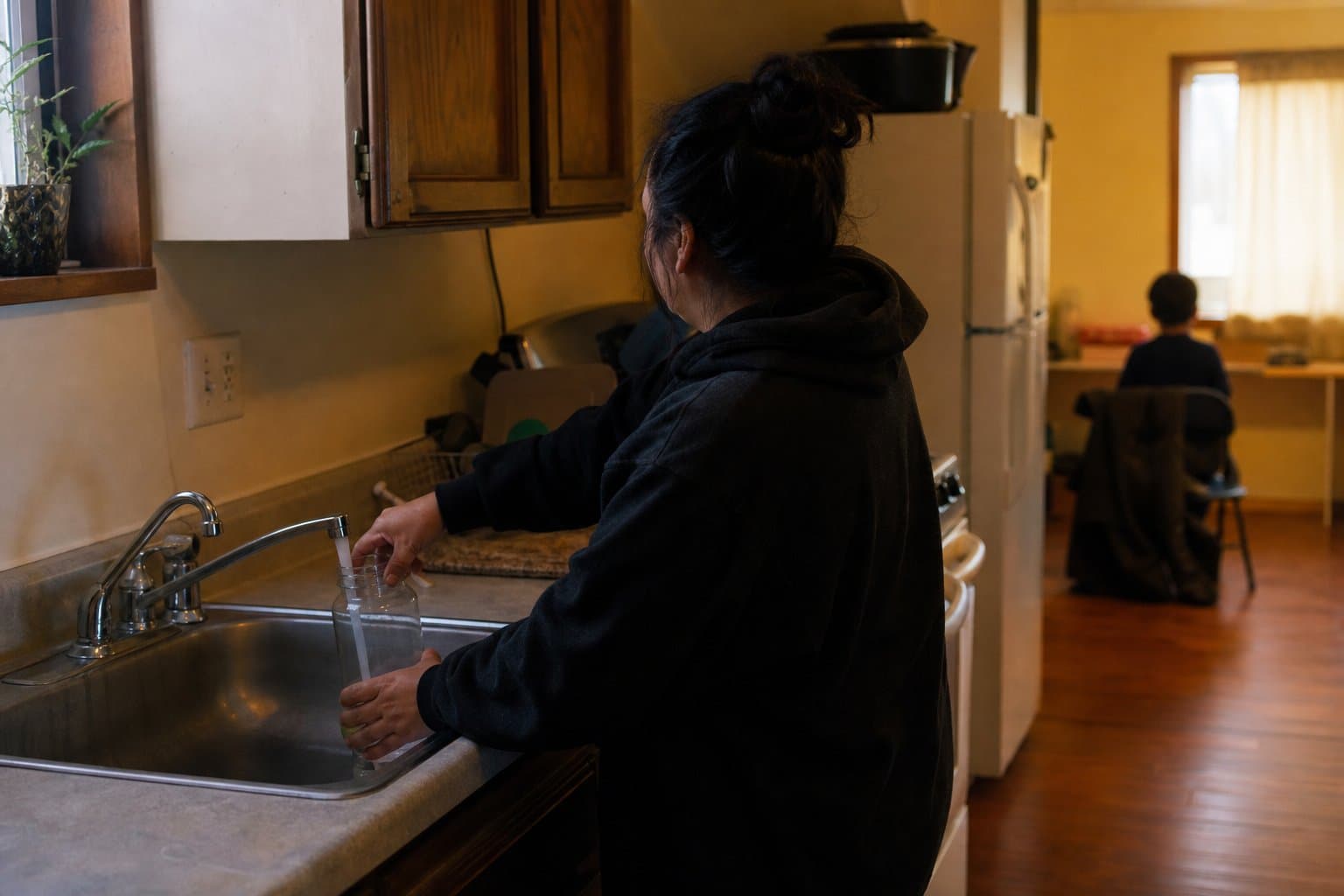
Federal report puts Alaska's maternal death rate above the national rate but warns the count is small
Alaska's maternal death rate ran above the national rate in a new federal report, but it rests on 17 deaths and the report itself says to read it with caution.
by Walter AlaskaNews4d ago2 min read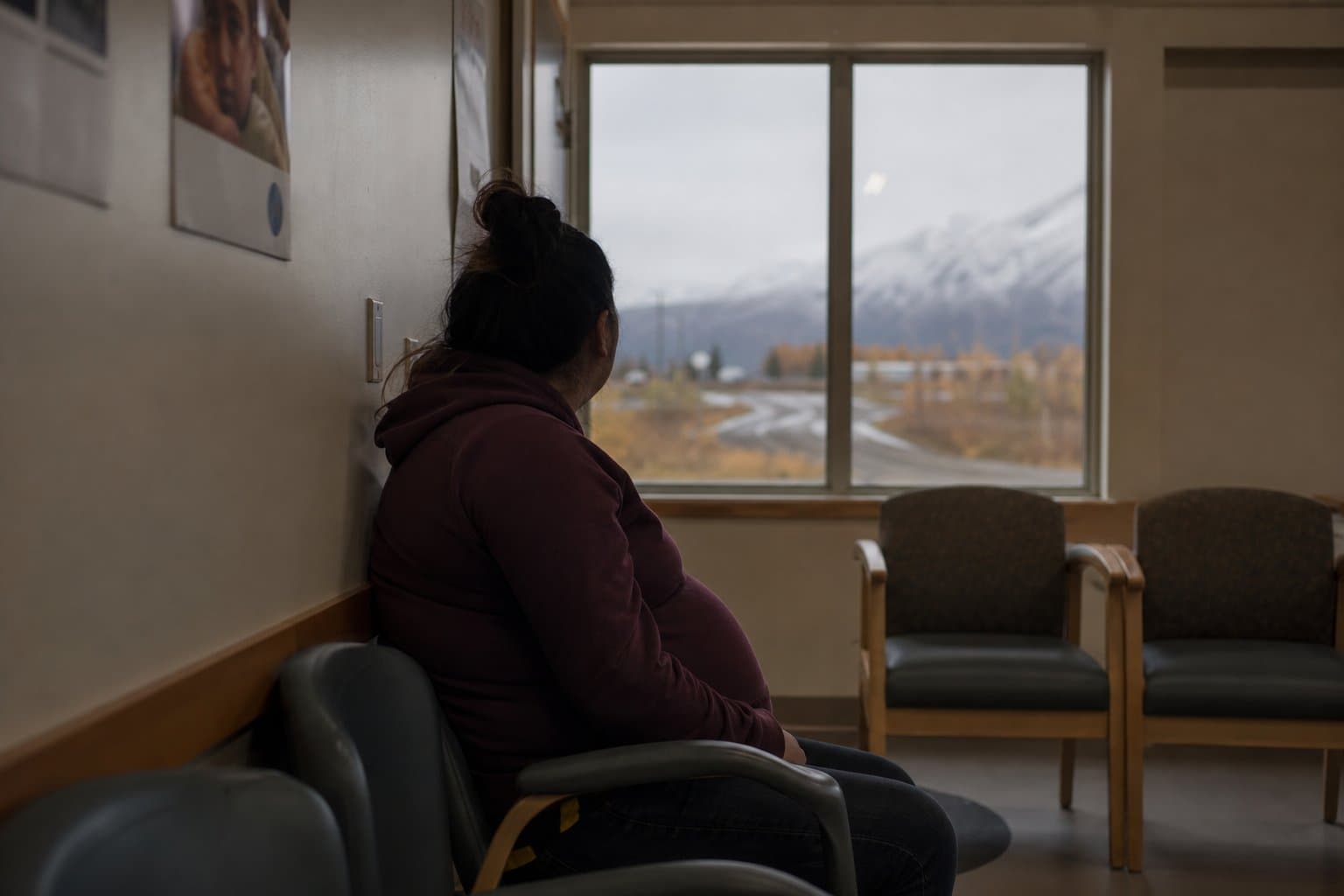
Alaska health officials warn concentrated kratom products can cause overdoses drug tests miss
Kratom gummies and shots can cause opioid-like overdoses that drug tests miss. Alaska ER visits tied to kratom already top last year's total.
by Walter AlaskaNews4d ago2 min read
Alaska has five weeks to commit $33 million in federal rural health money
Alaska has about $33 million in federal rural health money left to hand out, and five weeks to do it. There are no extensions, the feds say.
by Walter AlaskaNews5d ago2 min read
Alaska will score rural health grant applications on cost-effectiveness
Alaska will score rural health grant applications on cost for the first time, and will post the final rules halfway through the window to apply.
by Walter AlaskaNews5d ago2 min read
Alaska will not release statewide 2025 youth health survey results
Alaska is not releasing statewide youth health data for 2025. Only 29 percent of students answered, and the state says the numbers do not hold up.
by Walter AlaskaNews5d ago2 min read
Alaska recorded 22 COVID-19 deaths last season, including one child
Twenty-two Alaskans died with COVID-19 listed on the death certificate last season. One was a child. The summary says nothing more about that.
by Walter AlaskaNews5d ago2 min read
Tlingit & Haida wins $1.57M to train Southeast Alaska overdose responders
Tlingit & Haida will spend $1.57 million over four years training responders and keeping naloxone stocked across Southeast Alaska communities.
by Maggie AlaskaNews5d ago2 min read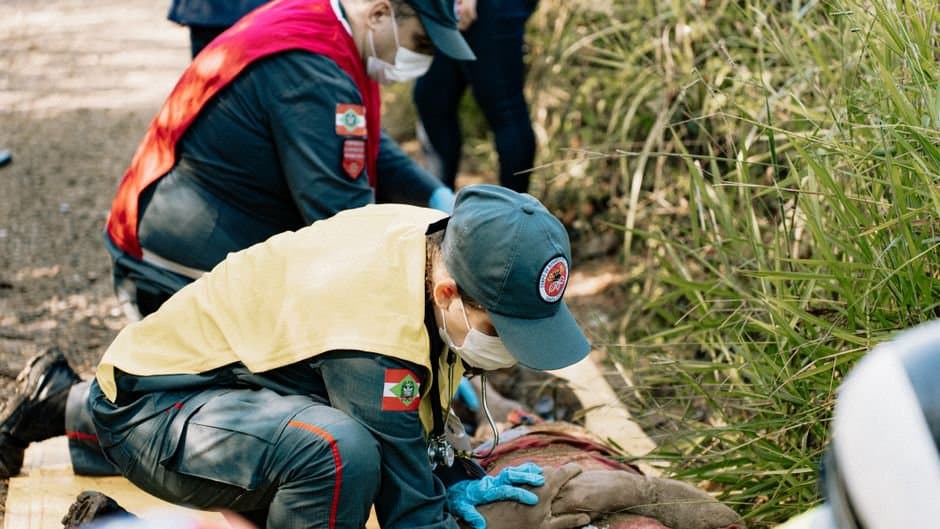
Federal grant funds eating disorder training for 30 tribal health providers in Alaska
Alaska has no dedicated eating disorder care for an estimated 65,000 people. A federal grant will train 30 tribal providers to help them out.
by Maggie AlaskaNews5d ago1 min read
Murkowski's bill would extend a rural maternity program Alaska never used
Alaska has never won a grant from the rural maternity program Murkowski's new bill would keep funded. The same bill has died three times before.
by Walter AlaskaNews6d ago2 min read
Copper River responders will learn to start addiction treatment in the field
One paid ambulance crew and 20 volunteers cover an area bigger than West Virginia. A $300,000 grant will train them to reverse overdoses in the field.
by Maggie AlaskaNews6d ago1 min read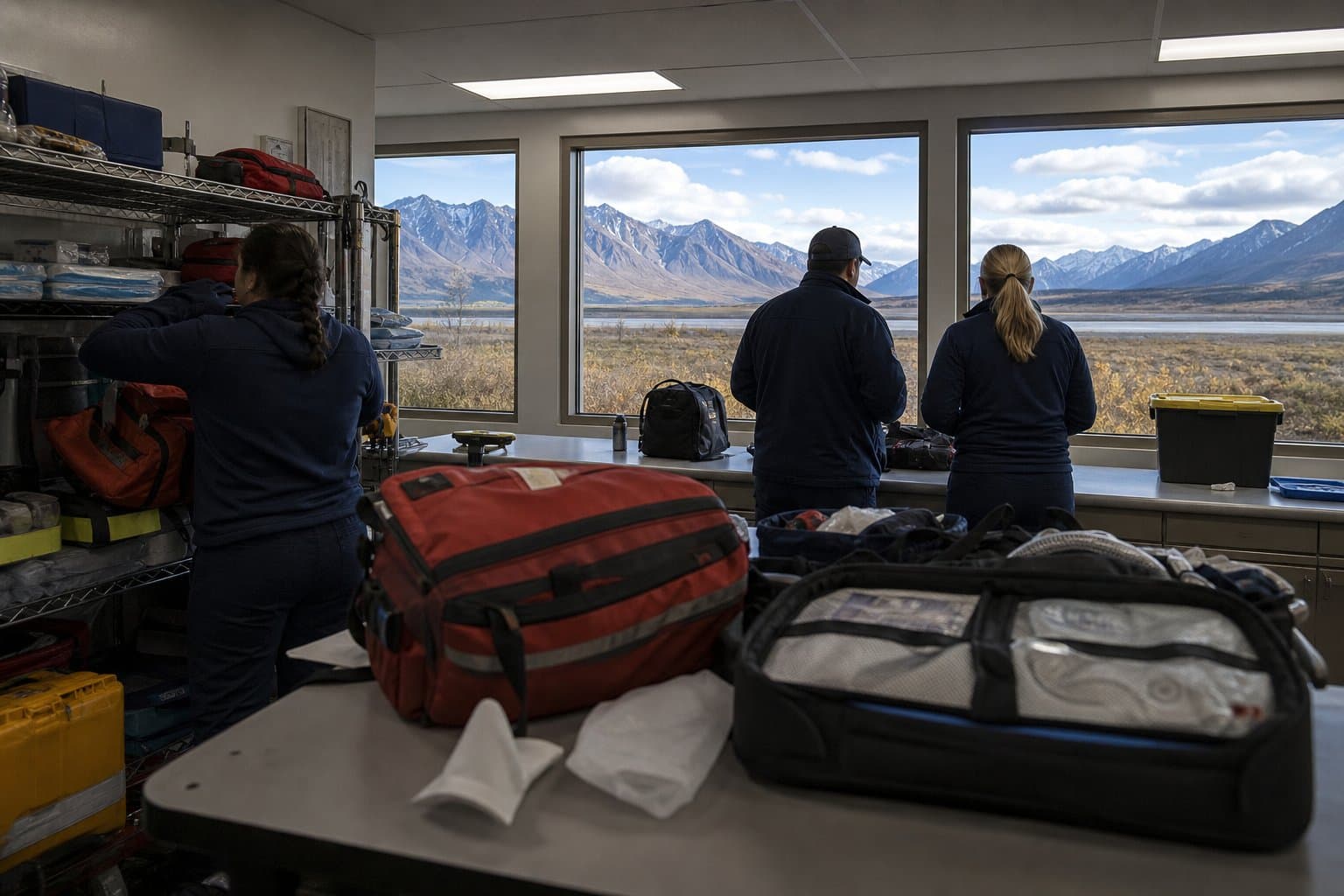
Juneau's JAMHI clinic gets $938,000 in congressionally directed funds to replace failing HVAC
Juneau has no road out. The clinic holding its primary care and behavioral health is getting federal money for failing HVAC and fire suppression.
by Melinda Communities.News6d ago2 min read
Alaska Native tribes begin five-year youth suicide prevention programs
Ten Alaska Native tribes and health organizations begin five-year youth suicide prevention programs next week, sharing about $4.1 million in federal money.
by Maggie AlaskaNews6d ago2 min read
Kodiak's health center is getting its own heating unit, off the hospital's
Kodiak's community health center shares aging air handling with the hospital next door. A $300,000 earmark buys it a rooftop unit of its own.
by Melinda Communities.News6d ago1 min read
Alaska sets October-to-May RSV window; Native toddlers again qualify for a second dose
More Alaska babies now qualify for a second RSV shot, including those born preterm or with Down syndrome. Parents may need to ask for it directly.
by Walter AlaskaNews1w ago2 min read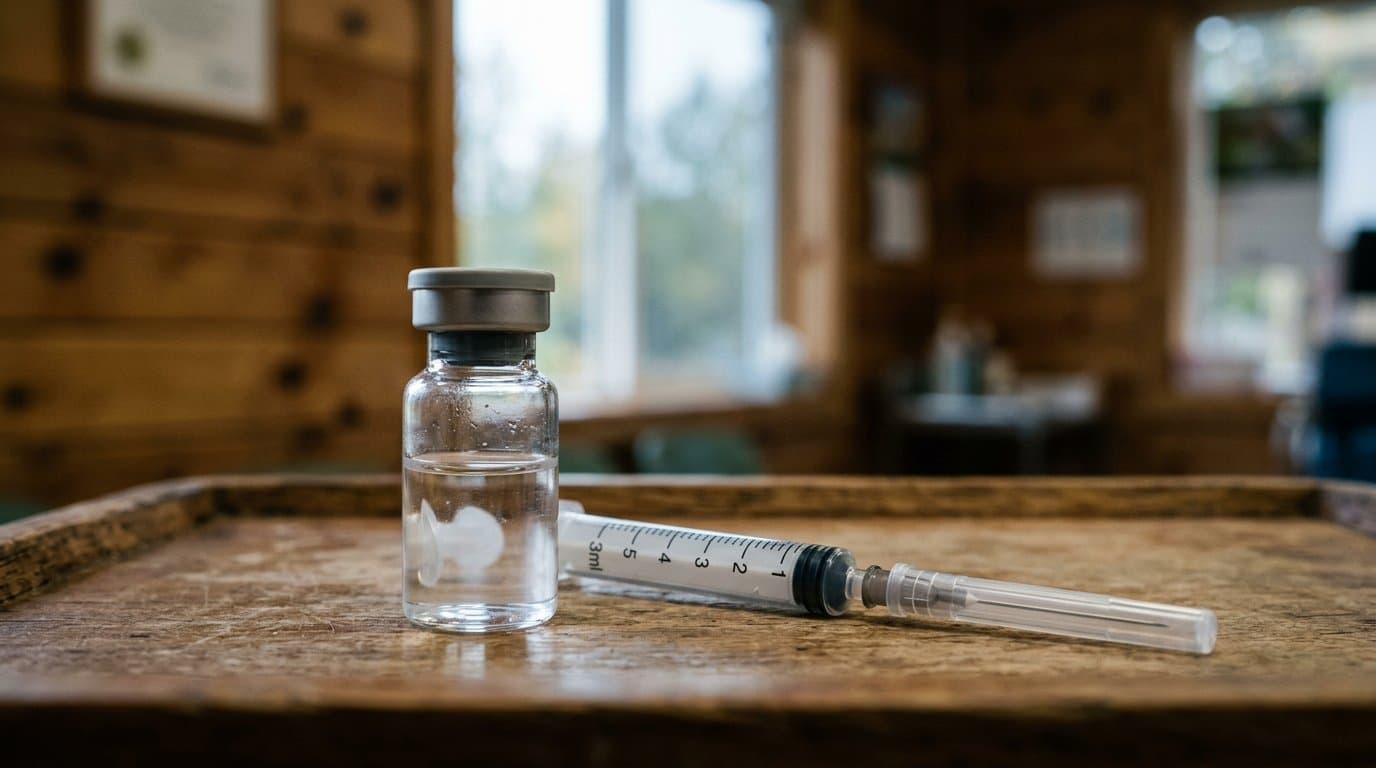
The state is still taking comments on a school rule it dropped last year
Alaska's education department is still taking comments on a rule its board killed 11 months ago. The follow-up the board asked for is harder to find.
by Walter AlaskaNews1w ago2 min read
Aniak basketball still plays as the Halfbreeds
Aniak basketball still uses a nickname students chose in the late 1970s to express the community's mixed Alaska Native and white ancestry.
by Maggie AlaskaNews1w ago1 min read
Anchorage officials fail to agree on shared school-closure committee
The Assembly and School Board could not agree on giving both bodies votes on a school-closure committee. The existing board-led panel remains.
by Walter AlaskaNews1w ago5 min read