Wildlife
RSSWildlife in Alaska is the state's animal populations and the rules, agencies and conflicts that surround them. It covers bear safety, caribou and wolf management, marine mammal protections, and human-wildlife conflicts in places like Anchorage and Kodiak, overseen by state and federal agencies.
Places and organizations in this news
Numbers are stories in the last 30 days.
Have a story about Wildlife? Send a tip
Week of May 25
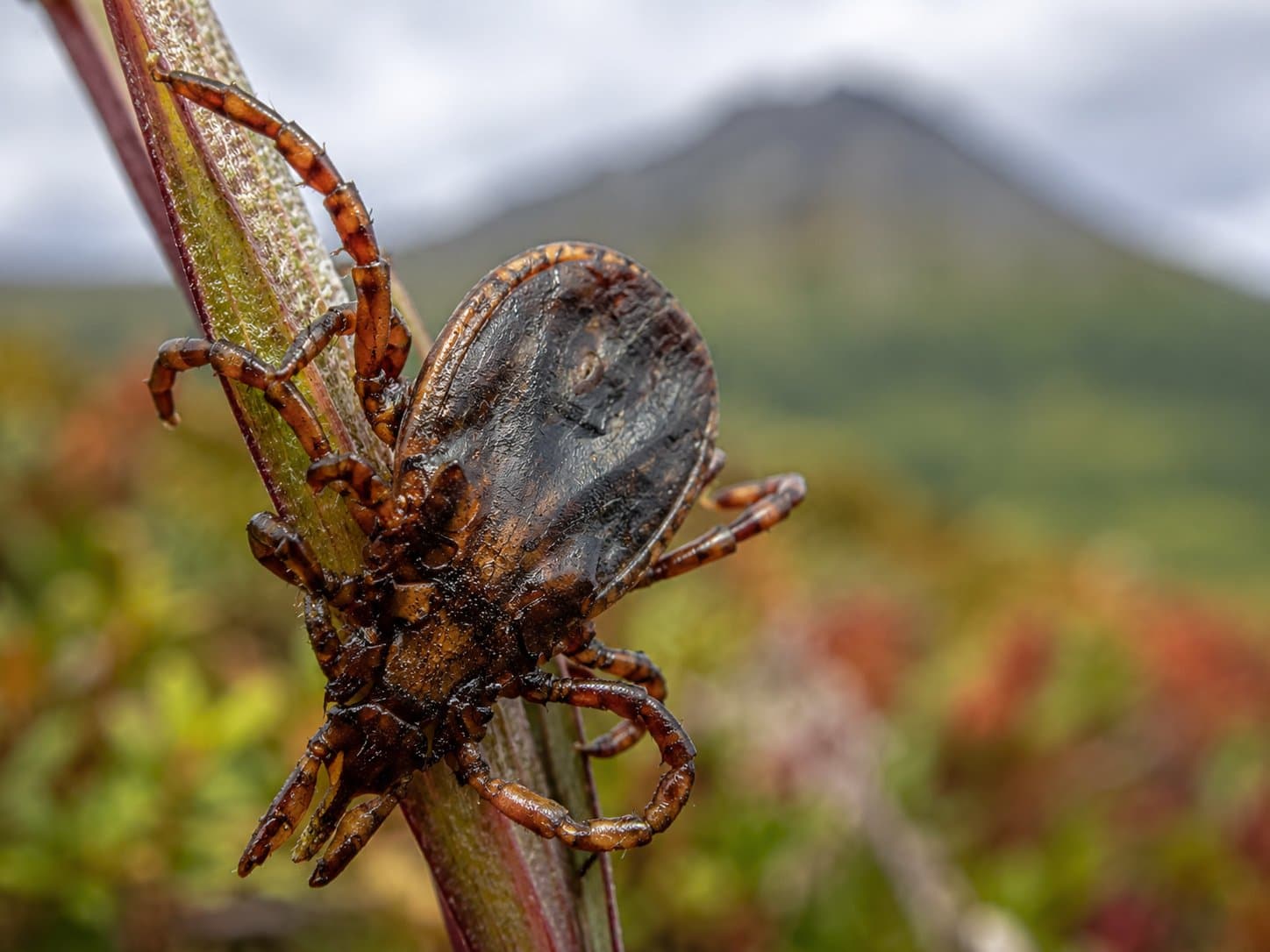
Tick found after Flattop hike shows Alaska's changing tick reality
A tick found on a pet after a Flattop hike near Anchorage has prompted veterinarians to remind residents that non-native ticks are arriving in Alaska and pet owners should check for them after outdoor activity.
 by Walter AlaskaNews5mo ago3 min read
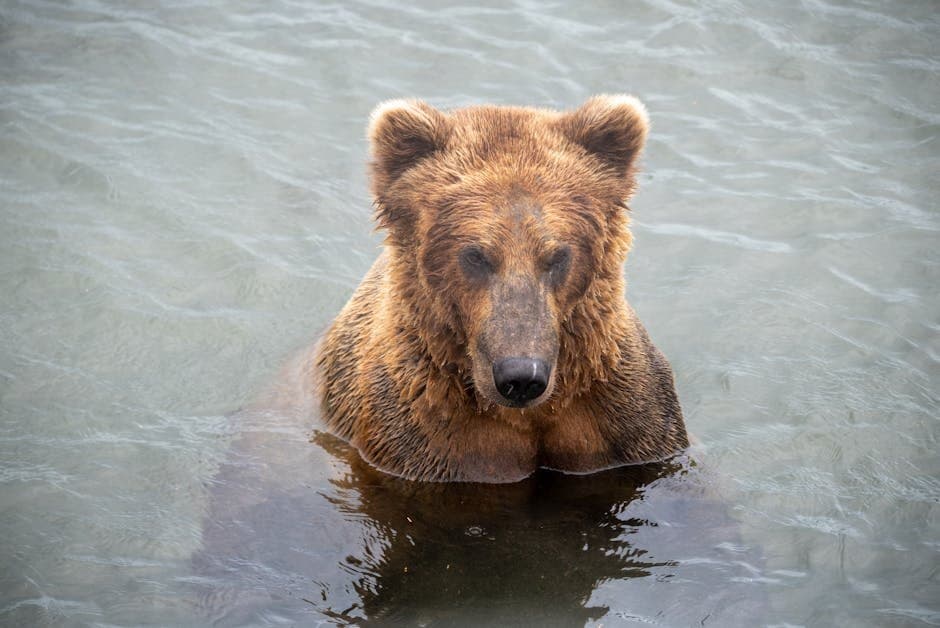
Kenai River king salmon fishery closed through mid-August 2026
Kenai River king salmon fishing closed May 1 through August 15, 2026 under emergency order. Third consecutive year of full closure due to conservation concerns. Other species fishing allowed with single-hook lures only. Nearby Kasilof River open to limited hatchery king salmon fishing.
 by Bill AlaskaNews5mo ago2 min readFrom
Eagle River king salmon fishery closed for 2026 season
Alaska closed all king salmon sport fishing in Eagle River through July 13, 2026 due to weak fish populations and unmet escapement goals.
by Bill AlaskaNews5mo ago1 min readFrom 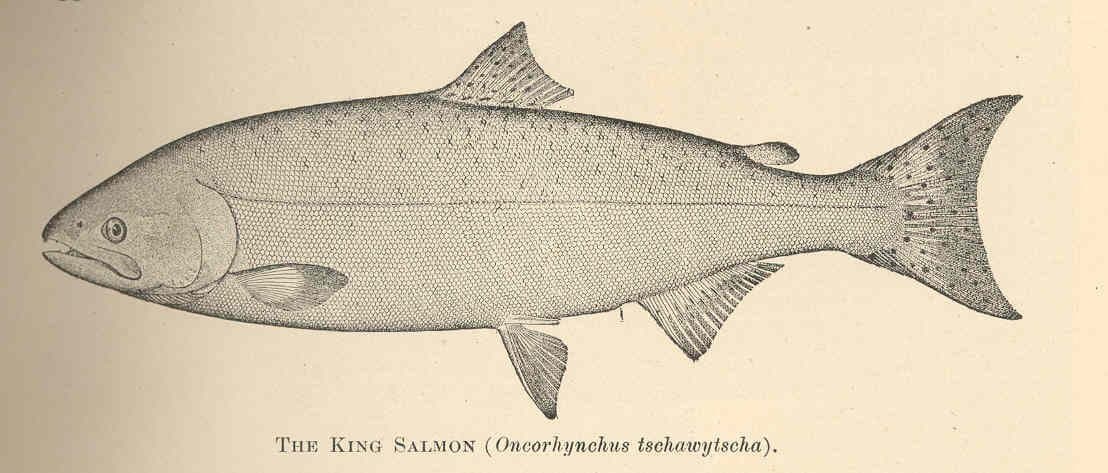
Week of May 18
House Finance adds feral cat spay-neuter provisions to invasive species bill
House Finance added feral cat spay-neuter provisions to an invasive species bill in a 9-2 vote, delaying the cat management rules until 2028.
by Walter AlaskaNews5mo ago2 min read
Week of May 11
Alaska News Roundup: Gas pipeline tax fight, Point Thomson trade-off, and McNeil River access debate
Senate passed gas pipeline tax bill raising oil production tax floor to six percent, drawing industry criticism. • Point Thomson regulators warn blowdown for pipeline risks sixty-five million barrels of condensate. • Mount Edgecumbe enrollment dropped a quarter to three hundred eleven students amid facility and health concerns. • Fish and Game reviews wheeled plane landings at McNeil River bear sanctuary despite conservation objections.
by Walter AlaskaNews5mo ago3 min read
Alaska Opens First Mountain Lion Hunting Season in Southeast
Alaska opens its first mountain lion hunting season in Southeast starting Aug. 1, allowing one kill per hunter and letting them keep the animal after sealing it with the state.
 by Alaska News6mo ago1 min read
Week of Apr 13
Alaska residents share bear and moose encounters as spring wildlife season begins
Alaskans are posting spring bear and moose sightings on social media as animals emerge from winter across the Kenai Peninsula and Interior, following typical seasonal patterns.
by Alaska News6mo ago2 min readWeek of Mar 30
Wildlife refuge bill faces pushback over jet ski ban, firearm restrictions
House Bill 321 would simplify wildlife refuge designations and add 688 acres to Creamer's Field. • Alaska Department of Fish and Game opposes a jet ski ban in Kachemak Bay, but public testimony supports it. • Legislators want more time to review the complex 80-plus page bill with 20-plus maps.
by Alaska Newsadded 7mo ago3 min readComing up
Shaped by Wildlife: Stories of encounters, harvests, and traditions
Glenn Massay Theater, Palmer, Alaska
Performance
Upper Tanana Fortymile Fish and Game Advisory Committee Meeting
Meeting
Ketchikan Fish and Game Advisory Committee Meeting
Meeting
Copper Basin Fish and Game Advisory Committee Meeting
Meeting
Effective: Alaska; Wildlife, Harvest, and Access
Public notice
About Wildlife
Wildlife in Alaska takes in the state's animal populations and the rules, agencies and conflicts that surround them. The Alaska Department of Fish and Game, the Board of Game and the U.S. Fish and Wildlife Service manage species on land and water, along with the National Park Service on its lands.
Recurring subjects include bears drawn to garbage in towns such as Kodiak, caribou and moose harvest limits set by the Board of Game, marine mammals such as Cook Inlet belugas, fur seals and humpback whales, and wildlife disease such as rabies. Encounters with bears near trails and homes, and invasive species such as northern pike, return as well.
Local advisory committees and tribal organizations take part in decisions about hunting rules and subsistence harvests. National wildlife refuges and parks cover much of Alaska, so federal rules on refuge access and research weigh heavily in the state.


