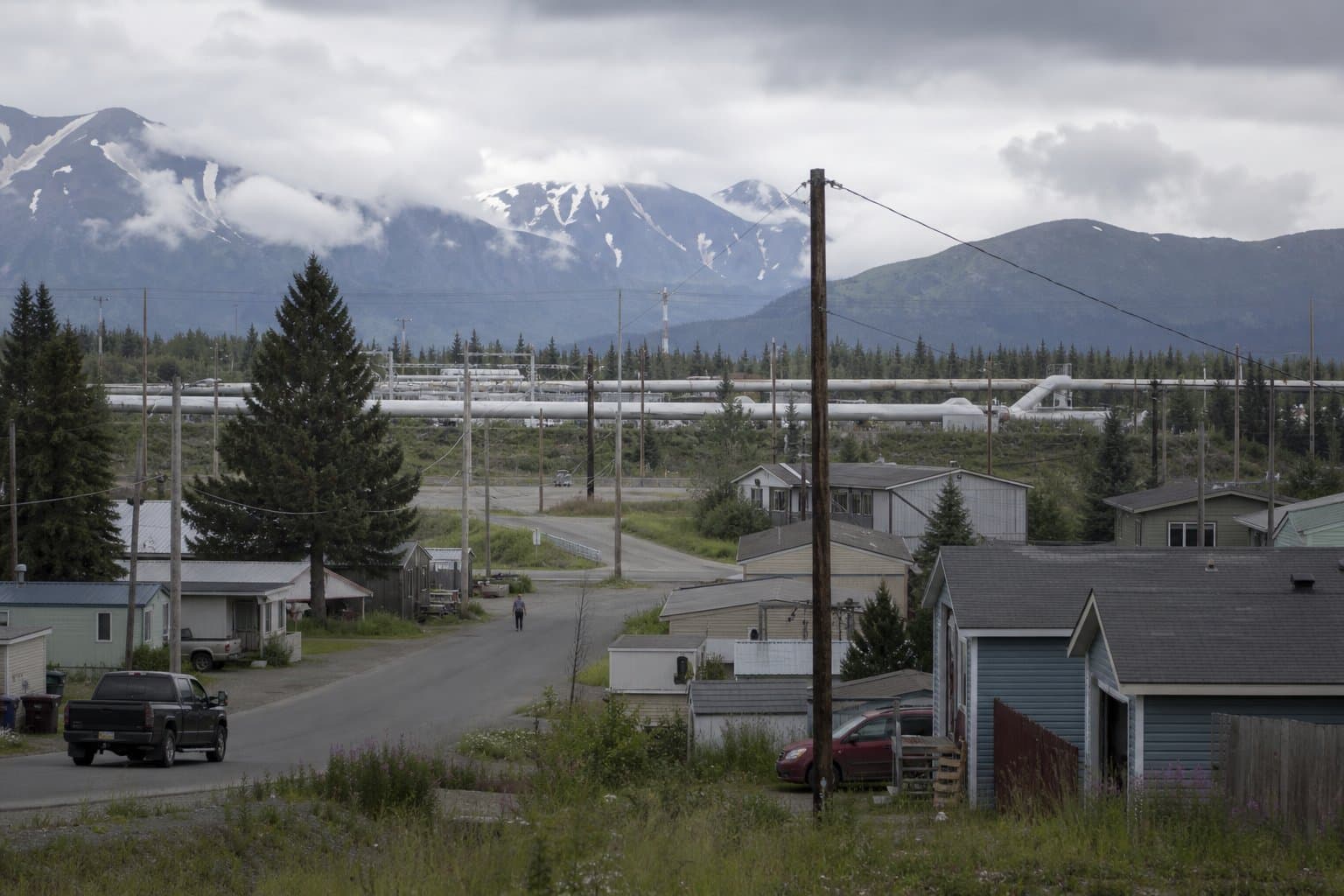
AI image
What the Senate Changed in the Gas-Line Deal
The Senate's rewrite of HB 381 — the bill built to lure the Alaska LNG pipeline to a final investment decision — does two things a reader actually cares about: it puts the state on a shorter leash with its own gas-line corporation, and it spells out who collects the tax money the project would throw off.
The leash comes first.
The Senate Finance Committee's version formally makes the Alaska Gasline Development Corporation a "fiduciary of the state" and ends the wide latitude lawmakers had handed it years ago. AGDC would now have to clear big moves with the Legislature — selling off a subsidiary, issuing major bonds — and couldn't hide contract terms that put state money at risk behind confidentiality deals. Senate President Cathy Giessel framed it as a deliberate reckoning with how much oversight an agency "supposed to be acting in the state's interest" should face. AGDC has warned the transparency rules could scare off private partners.
The consumer protections are the part Southcentral families would feel. The bill caps the price utilities can charge for the gas at $16 per million BTU, rising only with inflation, and bars the developer from passing construction overruns or shortfalls onto customers — answering the fear, as Sen. James Kaufman put it, that the state would "give away the farm through tax relief" and still get expensive gas. That $16 ceiling is worth holding next to the number the administration advertises: the Governor and his energy advisers have repeatedly promised $5 gas once the project is fully ramped up, but $5 is a projection, not a figure written into the bill. Fairbanks gets its own win: the spur line bringing gas to the Interior would have its cost spread across all utility customers statewide, not loaded onto the roughly 3,500 ratepayers on the Interior's gas system.
Where the bill gets quietly consequential is the money. In the project's early years, the tax revenue flows mostly to local governments and community-assistance programs — with a cut off the top to the North Slope Borough, home of the gas treatment plant, and later a large share to the Kenai Peninsula Borough, where the gas is processed and shipped. The state's own general fund waits its turn: only after 2060 does the state start keeping half of the total tax. For decades, the boroughs along the line collect most of the benefit while the state plays the long game.
That 2060 date carries the deal's real bargain. The tax change that make the project pencil out for the developer expire then — but only if Glenfarne holds up its end: tens of millions in upfront payments to the state, a union labor agreement, and a built-and-running spur line to Fairbanks. The bill also seeds a fund to cushion communities along the corridor and another, drawn from royalty gas, to lower home heating costs.
None of this is settled. The Senate passed its version June 19, but it also added a new income tax on large oil-and-gas pass-through companies — supporters call it closing a loophole that lets producers like Hilcorp skip corporate income tax, while the developer and Governor call it a threat to financing. Gov. Mike Dunleavy said the amended bill "is not going to work," called a second special session, and floated his own leaner version. The House then rejected the Senate bill, sending it to a conference committee. Whatever finally emerges, the Regulatory Commission of Alaska still has to approve any gas contract before a customer pays a cent.
Source: Alaska State Legislature ().
Drafted with AI. Edited by Cale Green (2 revisions). No full editor review is on record. Who is accountable.
Stay informed. Support what matters.
Free, permanent access to local news you can verify. Subscribe to support Walter AlaskaNews and go ad-free.
Related Coverage
Where Alaska's gas-line tax deal stands, and what's still stuck
Alaska News · 2mo ago
House panel ties Alaska gas line tax breaks to Fairbanks spur line
Alaska News · 4mo ago
Alaska's LNG tax break now hinges on a gas line to Fairbanks
Alaska News · 3mo ago
House Finance writes a $16 gas-price cap into Alaska LNG bill — even if Enstar's contract isn't signed
Alaska News · 3mo ago
Senate unveils gas pipeline bill with $600M property tax, consumer protections
Alaska News · 5mo ago
Comments
Sign in to leave a comment.
No comments yet. Be the first to share your thoughts.