AI image
Micciche sets break-even floor on Kenai Peninsula tax break for Alaska LNG
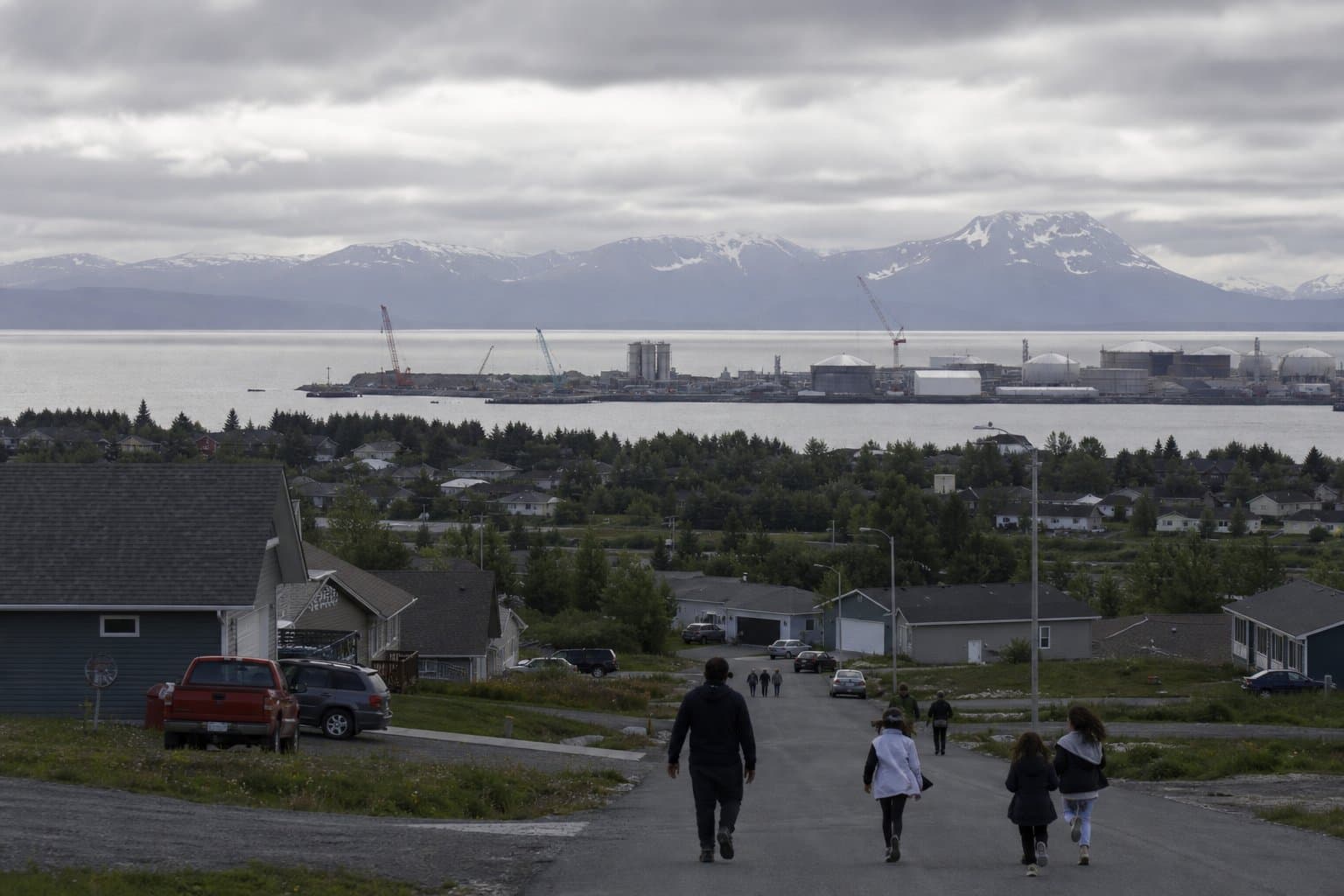
Kenai Peninsula Borough Mayor Peter Micciche told a Commonwealth North forum in Anchorage on Friday, June 5, that the borough will accept a 75% property tax reduction for the proposed Alaska LNG facility at Nikiski but will not accept anything below break-even. He set that floor while the tax bill is still moving through the Alaska State Legislature.
The numbers he laid out show where the floor comes from. Published construction estimates he cited put the LNG facility alone at $23.6 billion to $28.4 billion, and the borough's projected impact from the project runs about $30 million a year. Taxed at a residential neighbor's rate, the facility would owe the borough between $212 million and $255 million. Under the proposed 75% reduction, it would pay a first-year effective rate near 2 mills, against the 9 mills a residential neighbor pays and the 20-mill statutory oil and gas rate. The borough, Micciche said, will forgo between $132 million and $175 million and call that fair. "Struggling seniors in my community must get their costs covered," he said. Keep the borough whole, he told the panel, and it will remain the same partner to industry it has been since 1969.
Micciche also asked the developers to keep Phase 2, the export terminal, bundled with Phase 1. The "divorce" of the two phases, he said, has made his community and the rest of the Railbelt nervous, because the $5 per thousand cubic feet gas price arrives only if the second half gets built. Phase 1 alone, he said, fixes the price at $16.
The governor's bill, introduced March 20, offers full property tax relief for 10 years of operations or until production reaches 1 billion cubic feet per day, then a volumetric tax the Department of Revenue scored at about $74 million a year, a 90% cut. The Alaska State Legislature has held 36 hearings on the measure since it was introduced. Alaska News has previously covered the North Slope and Kenai Peninsula mayors negotiating property tax structures with the developers as the Alaska House Finance Committee pushed back its amendment deadline.
The case for relief rests on a supply problem the forum returned to repeatedly. John Sims, president of ENSTAR Natural Gas Company, said Cook Inlet produced more than 300 billion cubic feet a year at its early-1990s peak and now produces 60 billion to 70 billion, while ENSTAR alone can need about 320 million cubic feet on a severe cold-weather peak day. The utility's supply contract with Hilcorp, the basin's dominant producer, ends in 2033.
Micciche did not argue against the project. He told the panel the borough is a partner in it, and he put a price on the concession the borough is prepared to make. The developer side pushed back on how much more the public can ask. Matt Kissinger, commercial director at AGDC, called this a marginal project, evidenced by the fact that it has not been built despite the need, and said a project like it cannot put out $800 million to $1 billion a year in taxes. He also pointed to a benchmarking study that found Alaska's property tax roughly 10 times higher than competing jurisdictions, citing LNG Canada, which pays about $27 million a year.
Here is what gets lost in the mill-rate arithmetic: Cook Inletkeeper has argued that borough and state leaders should disclose the "real costs" of the project rather than debating tax structure alone, pointing to global LNG market volatility and stranded-asset risk. No such voice appeared at the forum, which drew its speakers from ENSTAR, AGDC, ISER, the Alaska State Senate, and the borough.
Micciche put the ask more plainly to the panel: "You don't have to make us wealthy, but you must keep us whole." He framed the dispute not as whether the borough supports the gas line, but as how much of the discount its taxpayers underwrite.
Source: Energy Forum: This Time, the Gas Line Has a Deadline ().
Drafted with AI. Edited by Cale Green (1 revision). No full editor review is on record. Who is accountable.
Stay informed. Support what matters.
Free, permanent access to local news you can verify. Subscribe to support Bill AlaskaNews and go ad-free.
Related Coverage
Alaska LNG seeks 90% property tax cut; Kenai Peninsula pushes back
Alaska News · 3mo ago
Senate Finance weighs Alaska LNG tax worth $124M a year — and whether it's enough for host communities
Alaska News · 3mo ago
Alaska House Rewrites LNG Tax Bill, Raising Rate While Empowering Boroughs
Alaska News · 4mo ago
North Slope, Kenai mayors negotiate gas line property tax as House Finance delays bill deadline
Alaska News · 3mo ago
Mayors Oppose Alaska LNG Tax Bill, Cite Revenue Concerns
Alaska News · 5mo ago
Comments
Sign in to leave a comment.
No comments yet. Be the first to share your thoughts.