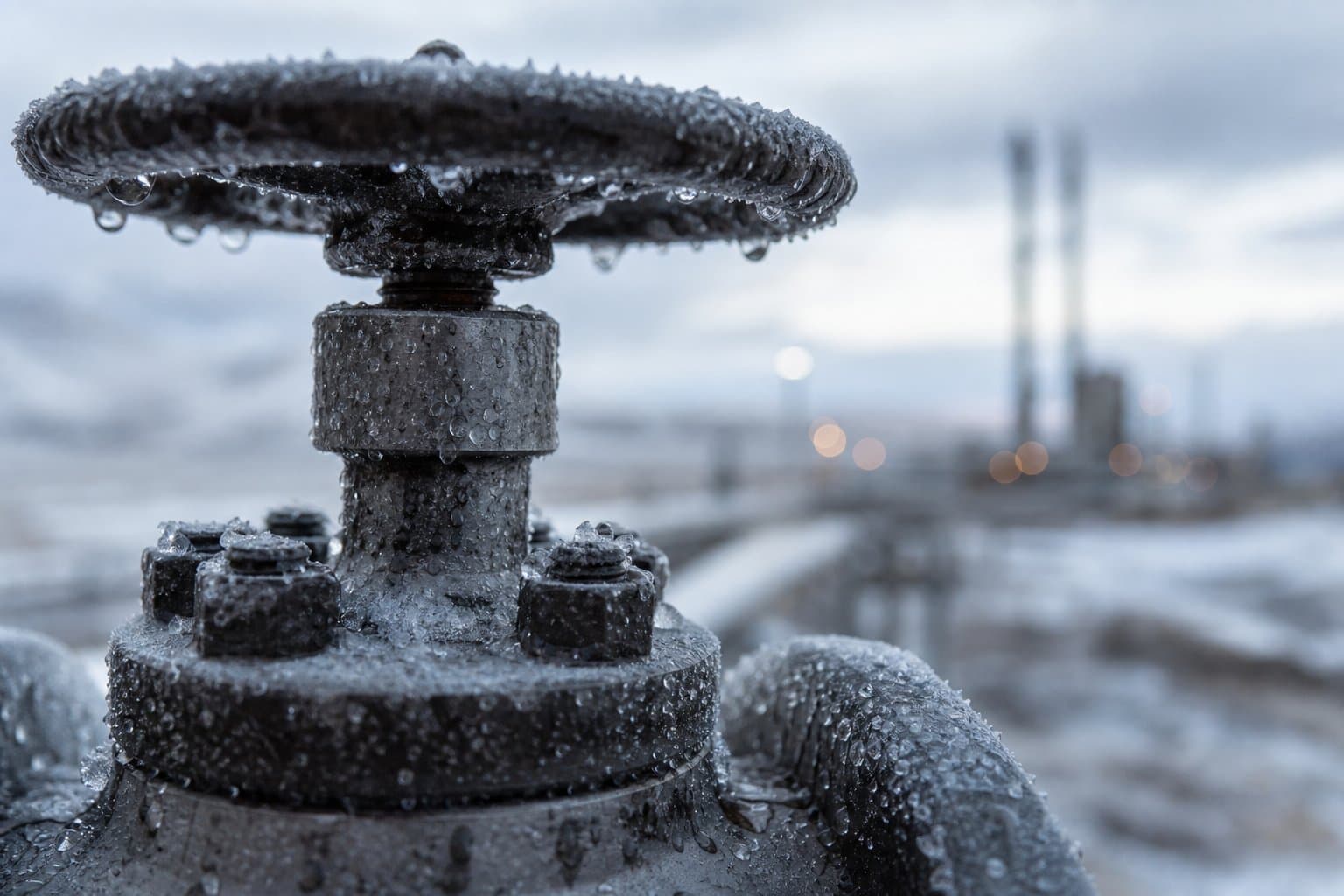
AI image
Alaska regulators say gas-line oversight hinges on federal decision
The agency Alaskans rely on to scrutinize utility costs has no say over the biggest cost coming their way.
Regulatory Commission of Alaska officials told the Senate Finance Committee on June 9 that the commission holds no authority over the proposed North Slope gas pipeline — because the federal government claimed it first.
In a May 21, 2020 order approving the Alaska LNG Project, the Federal Energy Regulatory Commission asserted exclusive federal jurisdiction, invoking its Section 3 power over gas exported to foreign markets and sweeping the project's in-state deliveries into that same authority. Under state law, the RCA stands down where FERC has exclusive jurisdiction. The practical result, Chair John Espindola explained, is that the body that would normally vet pipeline costs flowing into ratepayers' bills has no seat at the table.
But the project's new shape may crack that door open.
It is now split in two: Phase I is a purely in-state line from the North Slope to Nikiski, with a Fairbanks offtake and no exports; Phase II adds the LNG export terminal. Because a stand-alone in-state pipeline is exactly the kind of project Alaska normally regulates, the RCA could gain a role if FERC revisits its jurisdiction in light of that phasing. For now, Espindola said, both phases remain federal — nothing different has appeared in the FERC docket.
Even if the commission did get jurisdiction, its leash would be short. Under the in-state pipeline law the Legislature passed as House Bill 4 in 2013 — which the Alaska Supreme Court confirmed applies to projects like this one in its 2025 ruling Orutsararmiut Native Council v. Boyle — the RCA could issue construction certificates and review contracts, but negotiated deals are presumed fair absent fraud or duress, and the commission cannot set rates. The one firm guarantee is structural: as a contract carrier, the pipeline can never charge a shipper more than its contract rate.
The stakes are not abstract. Lead developer Glenfarne, which holds a 75 percent stake to the state-owned AGDC's 25 percent, is targeting a final investment decision on the in-state phase this year and first gas by 2029 — even as the Legislature weighs a pipeline tax break that the House sent to the Senate on June 12.
Source: Regulatory Commission of Alaska ().
AI-assisted. No editor review is on record for this article. Who is accountable.
Stay informed. Support what matters.
Free, permanent access to local news you can verify. Subscribe to support Walter AlaskaNews and go ad-free.
Related Coverage
Senate panel examines price controls, federal authority on gas pipeline
Alaska News · 4mo ago
The $16 Gas Promise Comes With Fine Print
Alaska News · 2mo ago
A pipeline wants to more than double its rates, and Alaska has a stake
Alaska News · 2mo ago
Senate Finance presses Alaska LNG spur line: who builds, who pays, who regulates
Alaska News · 3mo ago
Senate panel examines regulatory questions on gas pipeline tax plan
Alaska News · 4mo ago
Comments
Sign in to leave a comment.
No comments yet. Be the first to share your thoughts.