The Alaska Department of Health (DOH) is the state agency that oversees public health, Medicaid and behavioral health programs for Alaska. It sets Medicaid rules and rates, funds senior, disability and emergency medical services, and backs rural health and public health programs statewide.
Photo by USFWS Alaska, via Flickr · Photo source · Public domain
health.alaska.gov ↗Alaska
Places and topics in this news
Numbers are stories in the last 30 days.
Have a story about Alaska Department of Health? Send a tip
Week of May 25
Alaska Native children under 10 had double the national rickets rate during 2001–2010, state report shows
Alaska Native children under 10 had rickets at double the U.S. rate from 2001 to 2010, driven by high latitude and vitamin D deficiency. • 91 percent of newborns in the Yukon-Kuskokwim Delta had vitamin D deficiency at birth. • Alaska now recommends 800 IU daily vitamin D for breastfed infants, double the national guideline. • Alaska Medicaid covers the higher supplementation doses.
 by Maggie AlaskaNews5mo ago2 min readFrom

Alaska reports increase in heart valve defect, decrease in abdominal wall defect
Alaska saw more cases of pulmonary valve atresia and stenosis from 2018 to 2022, exceeding the national rate, while abdominal wall defects declined, according to the state birth defects registry.
 by Walter AlaskaNewsadded 5mo ago1 min read
Week of May 18
Alaska seniors lost $8M to scams as programs expand to meet growing population needs
Alaska seniors lost 8.17 million dollars to scams in 2024, led by tech support fraud. • Senior population grew 78 percent since 2010 and now makes up 22 percent of the state. • State launched a mobile app to help seniors apply for eight public assistance programs. • Community programs are expanding volunteer services and elder abuse awareness.
by Walter AlaskaNews5mo ago2 min read
Alaska deploys $272M federal award to reshape rural health care delivery
Alaska got 272 million dollars to fix rural health care through hiring, technology, and access. • 1,800 groups applied in round one across five health focus areas. • Money must be spent by September 2027 with strict cost limits. • Year two applications open late summer 2026.
by Walter AlaskaNews5mo ago2 min read
Alaska targets 18-25 age group as substance use escalates after 25
Alaska launched the Next Move campaign May 20 targeting ages 18 to 25, when state data shows substance use escalates, offering mental health resources and coping strategies at NextMove.alaska.gov.
by Walter AlaskaNews5mo ago2 min read
Alaska Launches Mobile Benefits App in State With Spotty Rural Internet
Alaska launched a mobile app May 20 for residents to apply for eight public assistance programs including Medicaid and SNAP, though paper and phone options remain available for those without reliable internet access.
by Walter AlaskaNews5mo ago2 min read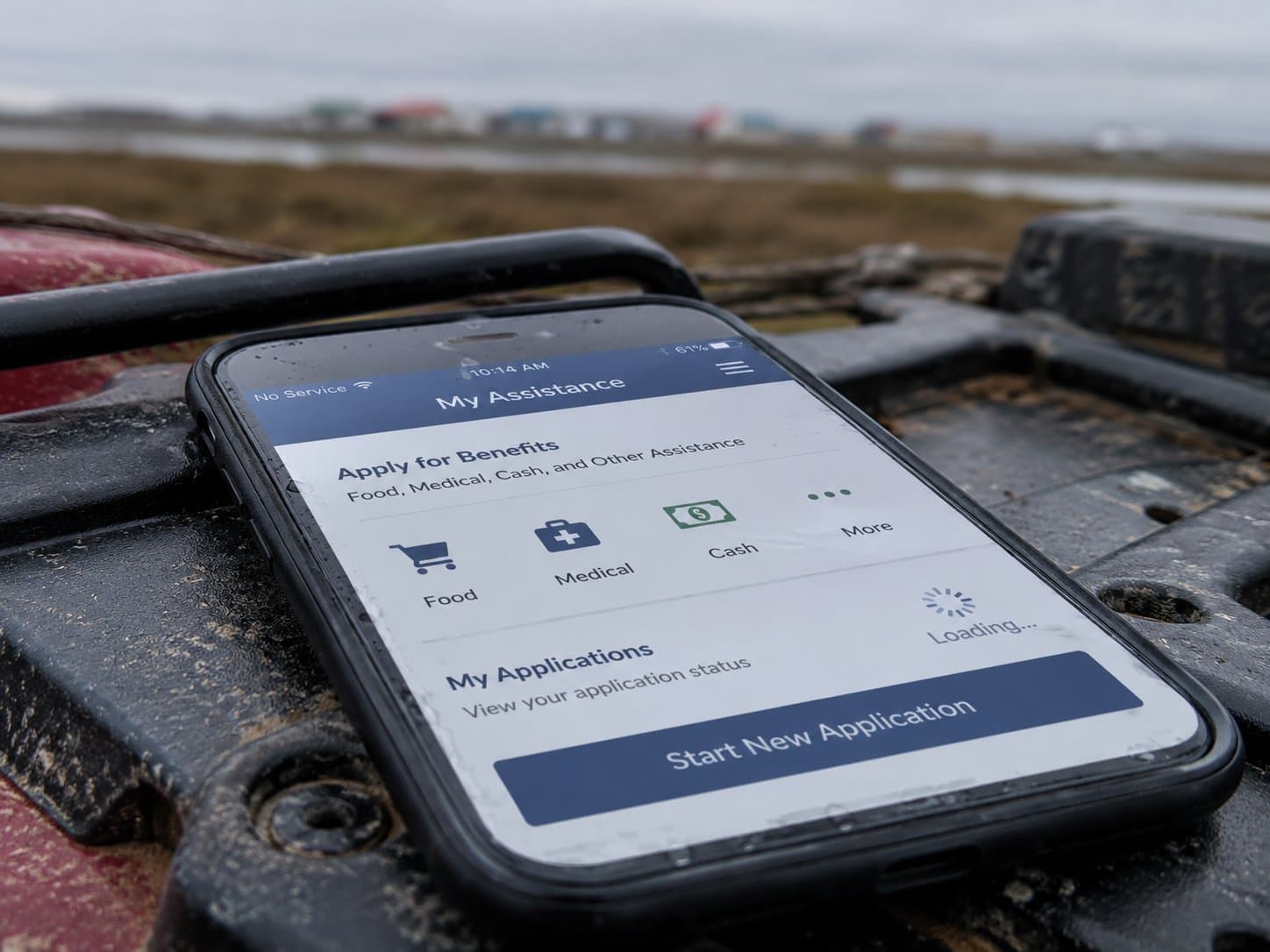
Alaska EMS agencies can now check pediatric readiness with new online tool
Alaska EMS and fire-rescue agencies can now use a free online tool at EMSpedsReady.org to assess how ready they are to handle pediatric emergencies and identify gaps in their preparedness.
 by Alaska News5mo ago2 min read

Federal program offers Alaska SUD workers up to $250,000 in loan repayment
Federal program offers Alaska substance use disorder workers up to $250,000 in student loan repayment for a six-year service commitment, with applications due June 23.
by Walter AlaskaNews5mo ago1 min readAlaska deploys $272M rural health program through regional meetings
Alaska is holding regional planning meetings to decide how to spend a $272 million federal rural health program, with sessions scheduled in Mat-Su Valley on June 4 and Anchorage on Sept. 22.
by Maggie AlaskaNews5mo ago3 min readWeek of May 11
Alaska limits disability employment training to 50 care coordinators
Alaska is offering a free online disability employment training course to the first 50 care coordinators who register, with a June 30 deadline to complete it for six continuing education hours.
by Alaska News6mo ago2 min readAlaska opens second round of rural health webinars for $272M program
Alaska is hosting webinars May 13 through 15 to plan how to spend $272 million in federal rural health funding, the second-highest amount awarded to any state.
by Alaska Newsadded 6mo ago3 min readWeek of May 4
Kenai health office closed May 7 due to plumbing problems
Alaska Department of Health's Kenai office at 630 Barnacle Way closes May 7 for plumbing repairs, with remote workers staying home and essential staff reporting as usual.
by Alaska News6mo ago1 min readWeek of Apr 20
Senate Education Committee Advances Opioid Awareness Bill, Hears Tribal School Compact Proposal
Senate Education Committee advanced a bill requiring opioid prevention curriculum in grades 6-12. • Committee heard first presentation on allowing tribes to operate public schools through state-tribal compacts, with second hearing scheduled Monday.
by Alaska Newsadded 6mo ago5 min read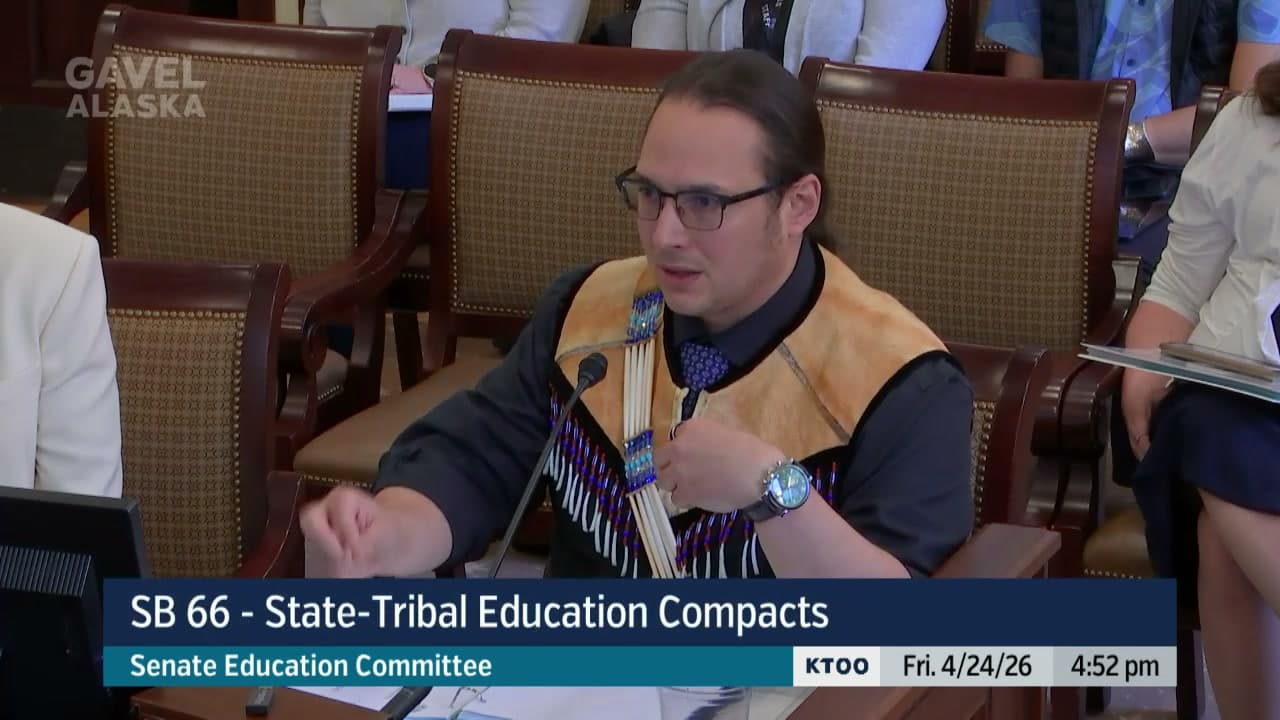
Week of Apr 6
Alaska House committee reviews $759K in agency requests to fix payment delays
Alaska House committee heard requests for $759,200 to fix chronic late payments, as contractors report business closures from state agencies paying 30 to 65 days behind schedule.
by Alaska Newsadded 7mo ago2 min readAlaska House committee advances bill to expand early intervention eligibility
A House bill would lower Alaska's early intervention eligibility threshold to match federal standards, potentially saving $34.9 million annually in special education costs.
by Alaska Newsadded 7mo ago2 min readWeek of Mar 30
House Finance weighs bill to standardize state payment timelines
House Finance examined a bill requiring Alaska to pay nonprofits and tribal groups within 30 days, matching private contractor timelines, with interest penalties for delays.
by Alaska Newsadded 7mo ago2 min readComing up
Rural Health Transformation Advisory Council Meeting
Online only (register through the Department of Health notice to receive the virtual meeting link)
Meeting
Alaska Pharmacy and Therapeutics Committee Meeting
Meeting
Alaska Department of Health Medicaid Personal Care Assessment Public Hearing
Hearing
RHTP Year 2 Statewide Convening
Conference
Drug Utilization Review Committee Public Comment Deadline
Public notice
About Alaska Department of Health

Photo by USFWS Alaska, via Flickr · Photo source · Public domain
health.alaska.gov ↗Alaska
The Alaska Department of Health (DOH) is the state agency that oversees public health, Medicaid and behavioral health programs for Alaska. It is one of the departments of the State of Alaska executive branch.
The department sets Medicaid rules and payment rates, funds senior, disability and emergency medical services, and writes rules for child care facilities, EMS clinicians and medical marijuana caregivers. Its stories return to rural health grants under the federal Rural Health Transformation Program, Medicaid billing and fraud, behavioral health clinics that must take crisis patients at any hour, and outbreaks such as syphilis.
It decides whether hospitals and clinics may build or expand, and its awards reach tribal health organizations, hospitals and clinics across the state. Its Division of Public Health tracks disease and immunizations, while a state disability council and an aging summit bring advocates and families before its leadership.