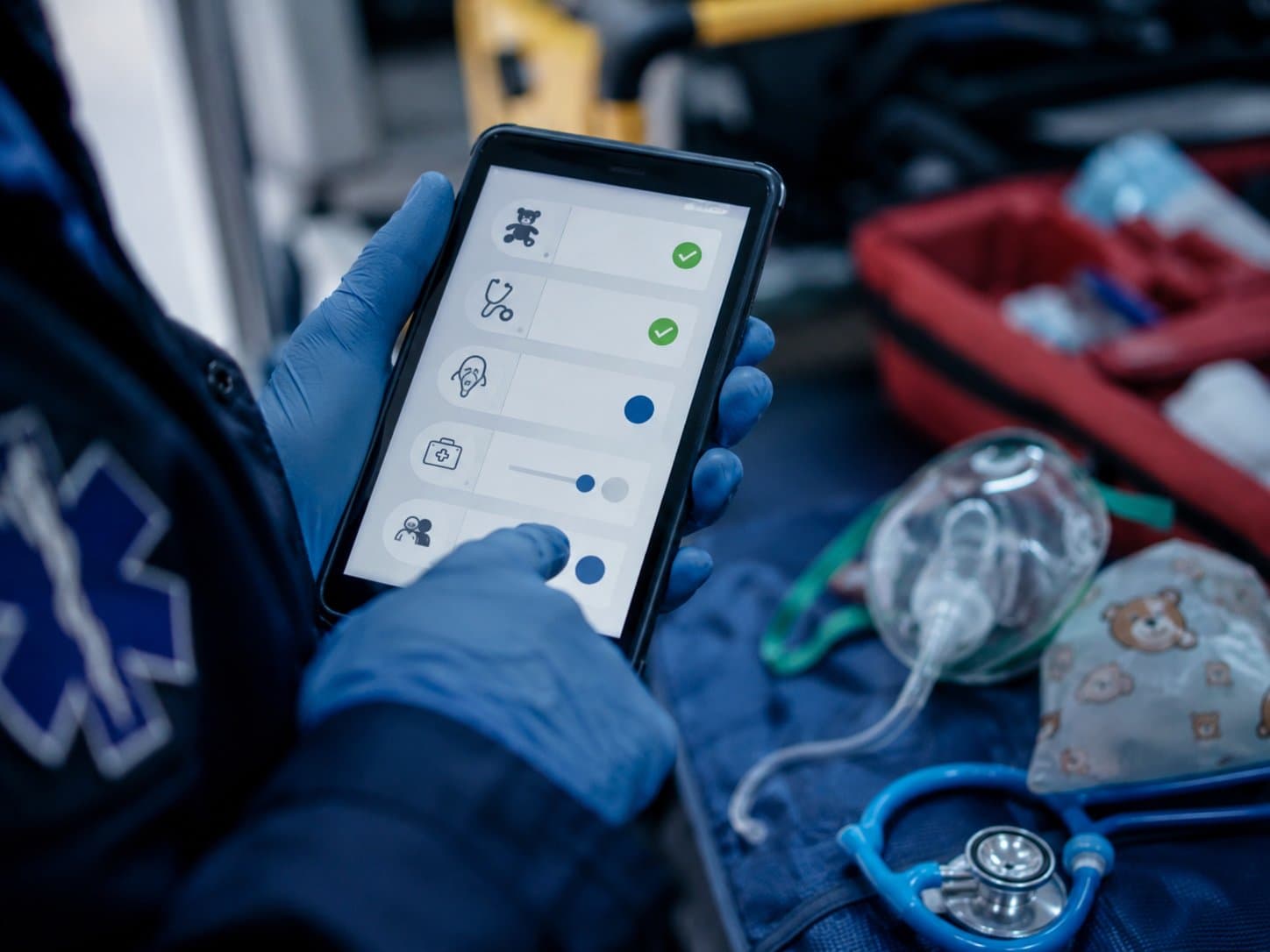
Photo by Cale Green
Alaska EMS agencies can now check pediatric readiness with new online tool
Alaska's emergency medical service and fire-rescue agencies can now check how ready they are to handle child emergencies using a new national assessment tool, the Alaska Emergency Medical Services for Children program announced.
The National Prehospital Pediatric Readiness Project launched an open assessment at EMSpedsReady.org. Agencies can take it anytime and retake it as often as they want. The tool creates an instant gap report showing overall and item-level scores to guide improvements.
"When a child experiences a health emergency, the stakes are high," the program said. "But because pediatric emergencies happen infrequently, EMS systems may not be as experienced in managing them as they are adults."
The assessment is designed for one submission per agency. It can be downloaded for team review before completing it online. Agencies that participated in the 2024 nationwide assessment can use the open tool to measure two-year progress. Agencies that did not participate can establish a baseline to guide future improvements.
The announcement came during EMS for Children Day, part of national EMS Week. The Alaska EMSC program thanked clinicians, educators, dispatchers, partner agencies, and community members who work to strengthen pediatric emergency care across the state.
Free pediatric resources available
A webinar on managing cervical spine injuries in children is scheduled for May 20, 2026, at 10:00 AM Alaska time. The session is cohosted by the National Association of Emergency Medical Technicians and approved for one hour of CAPCE credit.
The program highlighted a new Pediatric Education and Advocacy Kit focused on blunt head trauma. The kit includes a Pediatric TBI Resuscitation Algorithm to support assessment, imaging, and disposition decisions, and an EMS TBI Algorithm to guide prehospital care.
A free national Pediatric Readiness Education Series is offered monthly on the third Thursday at 7:00 AM Alaska time. Sessions focus on common clinical conditions in the emergency department setting and are designed for ED clinicians and staff across disciplines. EMS clinicians are also welcome to attend.
The Alaska Office of Emergency Medical Services can be reached at [email protected].
Based on a press release.
AI-assisted. How we use AI
Stay informed. Support what matters.
Free, permanent access to local news you can verify. Subscribe to support Alaska News and go ad-free.
Related Coverage
Alaska Just Graded Its ERs on Treating Kids
Alaska News · 3mo ago
Free one-hour EMS session Sept. 2 on Alaska's new fingerprint rules
Alaska News · 1mo ago
Alaska Native Medical Center offers free mass-casualty triage training
Alaska News · 4mo ago
Alaska joins a national EMS system, but local ambulance service won't change
Alaska News · 1mo ago
Alaska's EMS compact takes effect Sept. 20, but isn't usable yet
Alaska News · 1mo ago
Comments
Sign in to leave a comment.
No comments yet. Be the first to share your thoughts.