Indigenous Affairs
RSSIndigenous Affairs in Alaska covers Alaska Native and American Indian governance, tribal institutions and cultural life. It spans ANCSA corporations, tribal councils, subsistence rights, language revitalization, repatriation of ancestral remains, and federal tribal policy.
Inside Indigenous Affairs
Places and organizations in this news
Numbers are stories in the last 30 days.
Have a story about Indigenous Affairs? Send a tip
Week of May 11
New Forensic Methods May Help Alaska Museums Identify Ancestors
Alaska museums host a May 19 virtual meeting on new genetic methods to identify ancestral remains and connect them to tribes for repatriation.
 by Alaska News6mo ago2 min read
Railbelt power grid operator schedules three subcommittee meetings in two days
Railbelt Transmission Organization holds three subcommittee meetings May 13 and 14, with the full Governance Committee meeting May 15 in Anchorage.
by Alaska News6mo ago1 min readSenate panel advances Native corporation reporting exemption despite concerns
Senate panel advanced a bill exempting 37 Alaska Native village corporations from state reporting, rejecting an amendment that would have kept the requirement for the largest ones.
by Alaska News6mo ago3 min readWeek of May 4
Alaska Native Women Face Trafficking Risks Across Rural and Urban Areas
Alaska Native women and girls face heightened trafficking and abuse risks across rural and urban areas. • A 2026 federal report found Alaska's foster care system failed to assess Native children in state custody for sex trafficking. • Rural villages lack law enforcement, shelters, and victim services, making communities vulnerable to exploitation.
by Alaska News6mo ago3 min readFrom Douglas man to share journey building traditional Inupiaq qayaq
Douglas resident Lou Logan presents his year-long project building a traditional Inupiaq qayaq at the Alaska State Museum on Saturday, May 16, at 1 p.m., free admission.
by Alaska News6mo ago2 min readAlaska House bill would tighten hunting, fishing residency to 180 days
House Bill 93 would require hunters and fishers to spend 180 days in-state to claim resident status. It takes effect January 2028.
by Alaska News6mo ago4 min read
Alaska House bill to ban polystyrene food containers moves to Senate
Alaska House Bill 25, which would ban polystyrene foam food containers statewide, advanced to the Senate after testimony Tuesday on cost versus pollution concerns.
by Alaska News6mo ago2 min read
Week of Apr 27
House panel hears bill to extend confidentiality to tribal victim advocates
House Bill 384 would grant tribal victim advocates the same legal confidentiality protections currently held by nonprofit and military counselors.
by Alaska Newsadded 6mo ago4 min read
More from Indigenous Affairs
Federal Subsistence Board adopts 52 wildlife proposals for Alaska
The Federal Subsistence Board approved 52 new hunting rules for federal lands. • Rules take effect July 1 and govern subsistence access through June 2028. • Changes include a new Kodiak brown bear hunt and tighter limits in Southeast.
 by Melinda Communities.Newsadded 6mo ago4 min read
House panel advances tribal victim advocate confidentiality bill
House committee unanimously advanced a bill adding two words to Alaska law to give tribal domestic violence advocates the same confidentiality protections as other victim service providers.
by Alaska Newsadded 6mo ago2 min read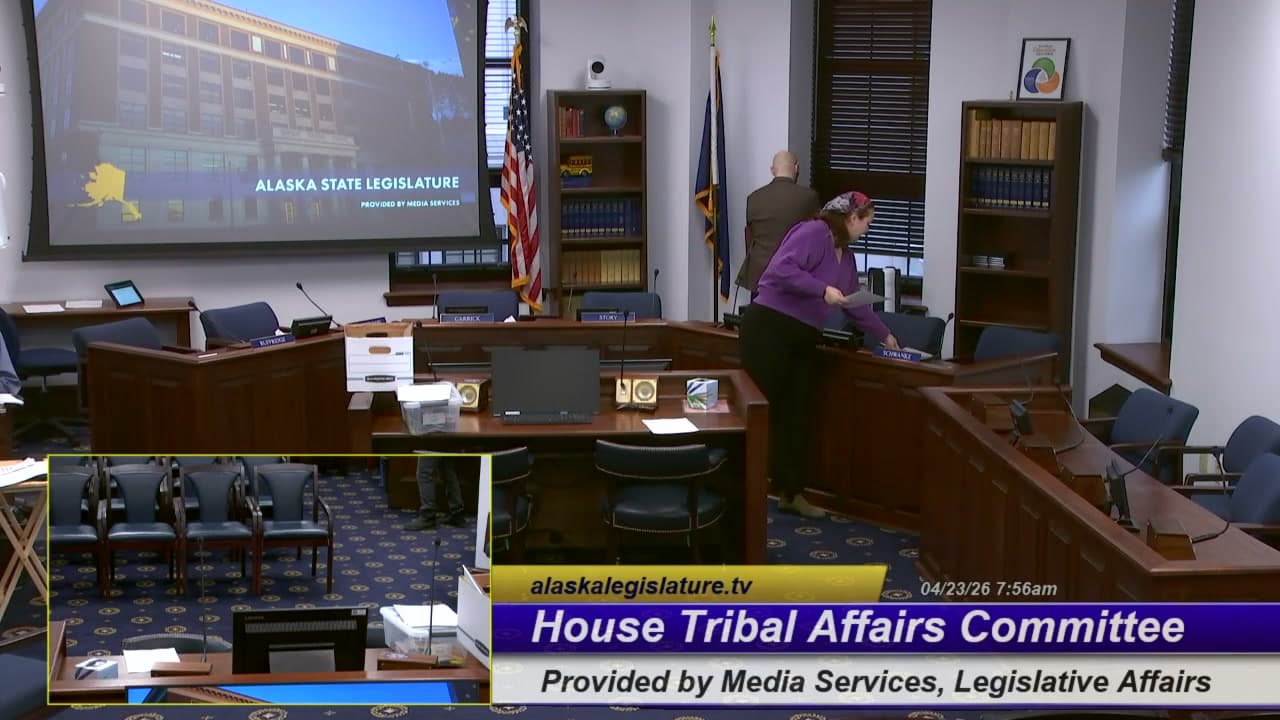
Tlingit & Haida building two education campuses on Prince of Wales
Tlingit & Haida is building two early education campuses on Prince of Wales Island, opening summer 2026, to expand Head Start and childcare access with Tlingit and Haida language immersion.
by Alaska Newsadded 6mo ago2 min read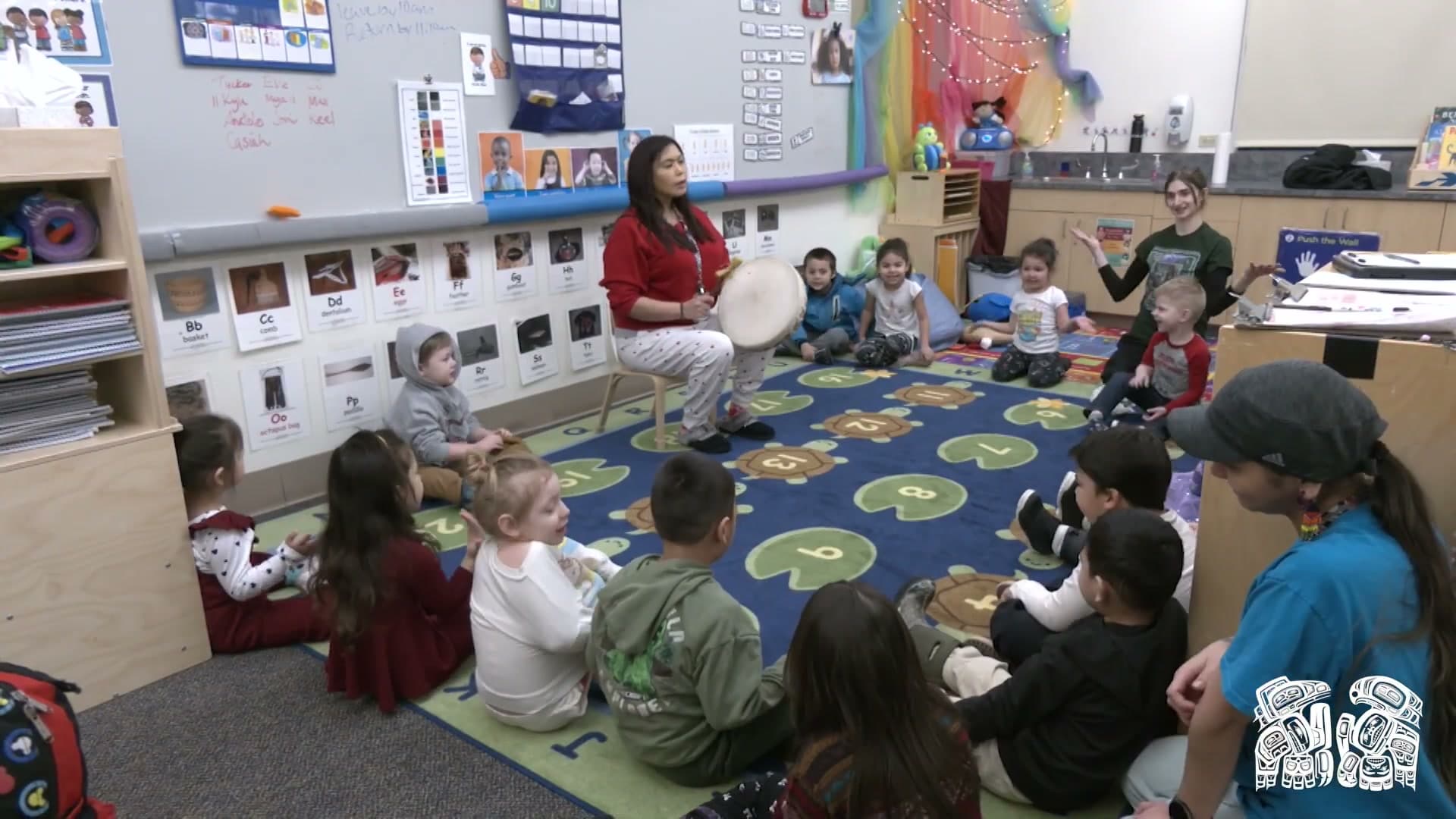
House Judiciary advances bill extending confidentiality to tribal advocates
The House Judiciary Committee advanced a bill to grant tribal victim advocates the same legal confidentiality protections as other state programs.
by Alaska News6mo ago3 min read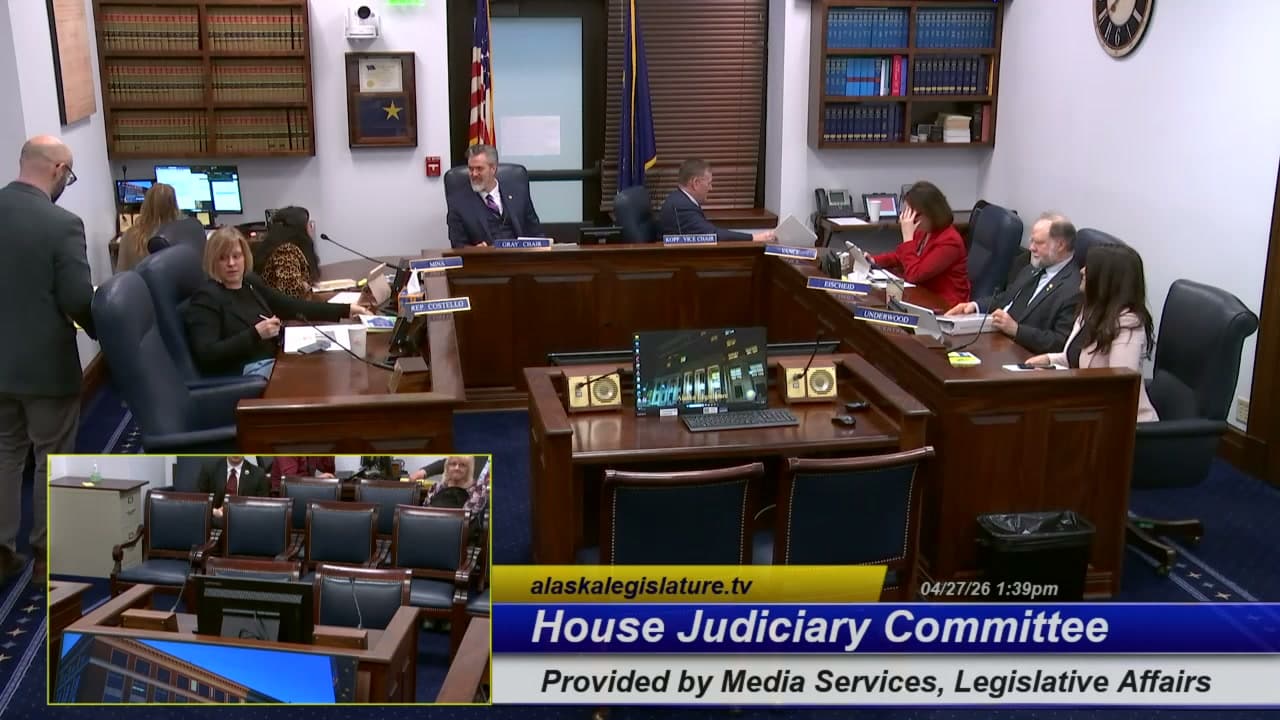
Alaska's tribal school compact bill navigates sovereignty and public education law
Senate Bill 66 would authorize up to five Alaska tribes to operate public schools under compact agreements, with a seven-year pilot costing $19.2 million in the first year.
by Alaska News6mo ago4 min read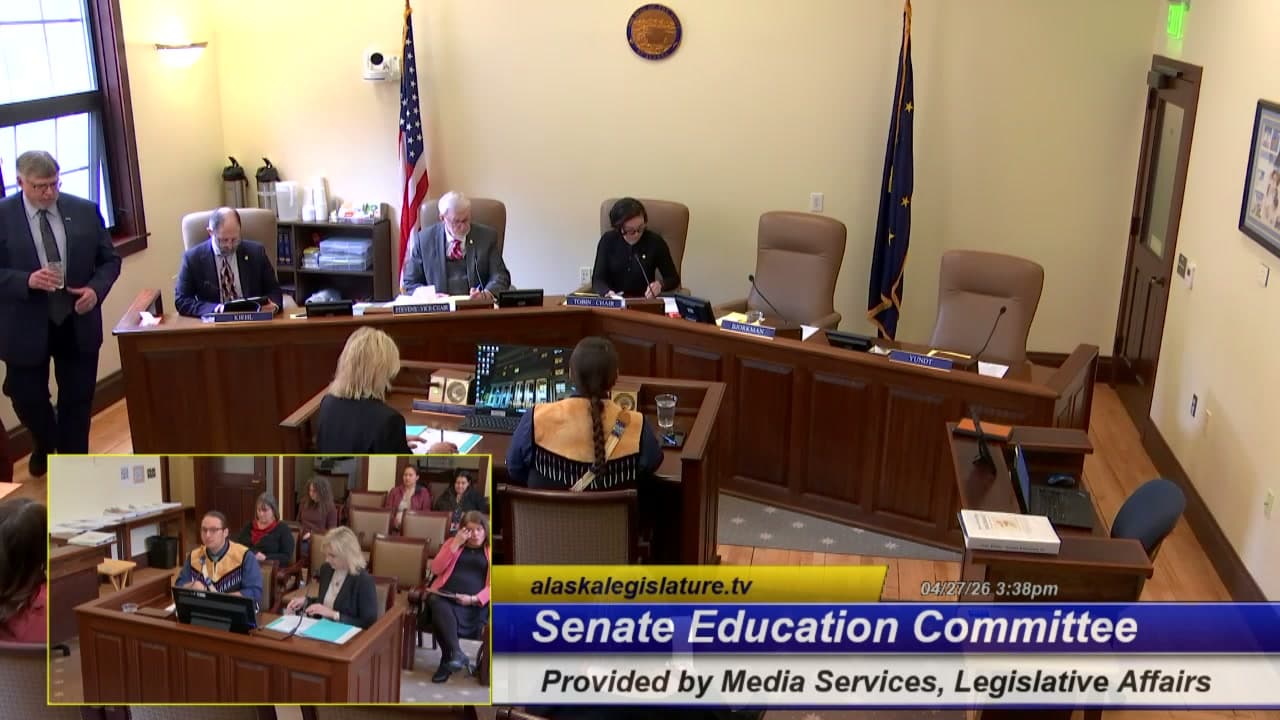
Week of Apr 20
Toksook Bay documentary on suicide prevention screened for Alaska lawmakers
Lawmakers watched a documentary on youth suicide in Toksook Bay. The film highlights the need for mental health support in rural Alaska.
by Alaska Newsadded 6mo ago4 min read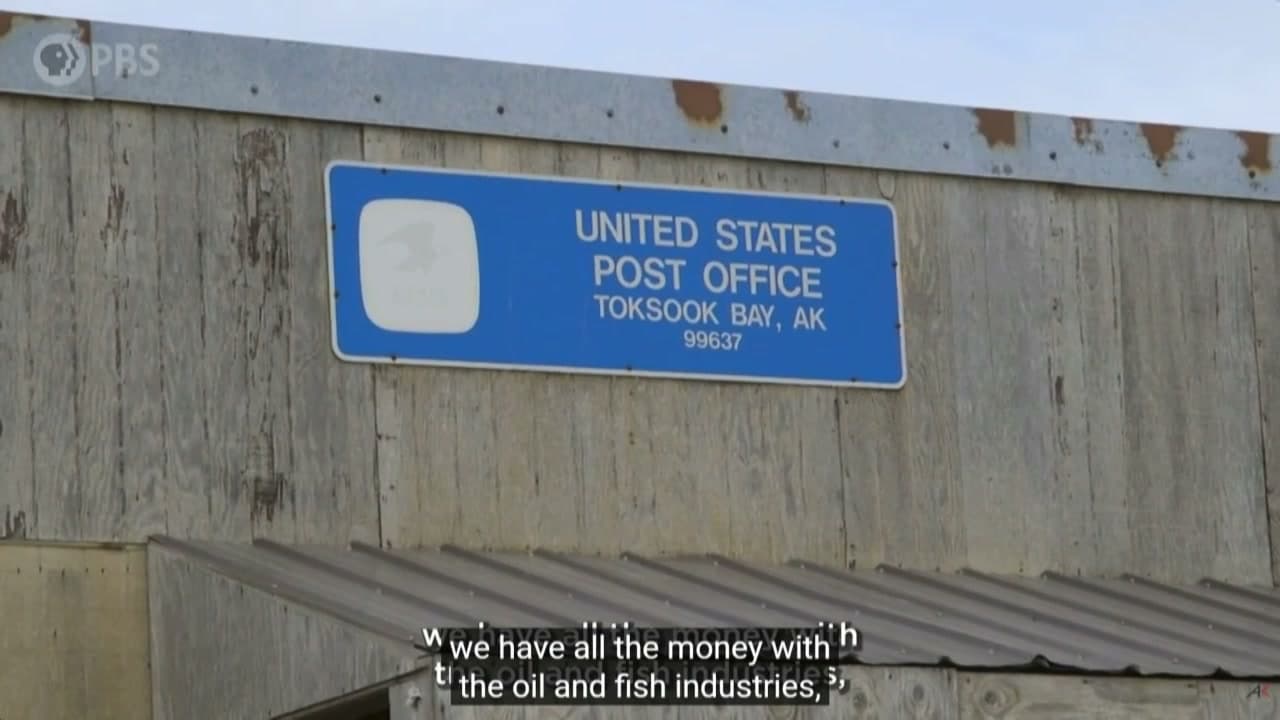
Week of Apr 13
Alaska Tribes Removed 1.5M Pounds Marine Debris Despite Funding Barriers
Alaska tribes removed 1.5 million pounds of marine debris last summer but face barriers like grant complexity and equipment costs that threaten their ability to protect subsistence resources.
by Alaska Newsadded 7mo ago3 min readWeek of Apr 6
House panel backs Alaska Native 8A program support resolution
House Resources Committee approved a resolution backing Alaska Native corporations' continued access to a federal small business program that generated $13.5 billion in revenue for the state in 2022.
by Alaska Newsadded 7mo ago2 min readComing up
ANCSA: Why It Matters
The Hotel Captain Cook, 939 W 5th Ave, Anchorage, Alaska, United States
Class
Public Comment Deadline: Dingell Act Native Allotment Relinquishment (GS-5241)
Public notice
NAGPRA Repatriation Request Deadline
Public notice
NAGPRA Repatriation Eligibility: BLM Alaska Human Remains
Public notice
About Indigenous Affairs
Indigenous Affairs in Alaska takes in Alaska Native and American Indian governance, tribal institutions and cultural life. It spans the regional and village corporations created under ANCSA, tribal councils and consortiums, and the peoples of the state, among them Tlingit, Haida, Athabascan, Yupik, Inupiat and Aleut.
Recurring questions include corporation shareholder elections, scholarships and distributions, the return of ancestral remains and cultural items from museums and federal agencies, language revitalization, tribal authority over fish, wildlife and land, and tribal health and elder programs funded by federal grants.
The Alaska Federation of Natives brings these institutions together at its annual convention, and federal agencies such as the Bureau of Indian Affairs and the Indian Health Service fund many tribal programs. Subsistence hunting and fishing rights are a closely related subject.
More from Indigenous Affairs
Alaska Native Groups Push for Fishing Permit Reform After $7.5B Exodus
Alaska Federation of Natives told legislators that non-resident permit holders took $7.5 billion in salmon earnings since 1975, leaving rural villages with fishing participation down to 12%.
by Alaska Newsadded 7mo ago2 min read

