Broadband
RSSBroadband in Alaska is the fiber, satellite and wireless networks that connect its cities and remote villages. It spans funding fights over E-Rate school subsidies, rural telecom grants and the federal BEAD program, and providers such as GCI, TERRA and Starlink serving village connectivity.
Places and organizations in this news
Numbers are stories in the last 30 days.
Have a story about Broadband? Send a tip
Week of Jun 15
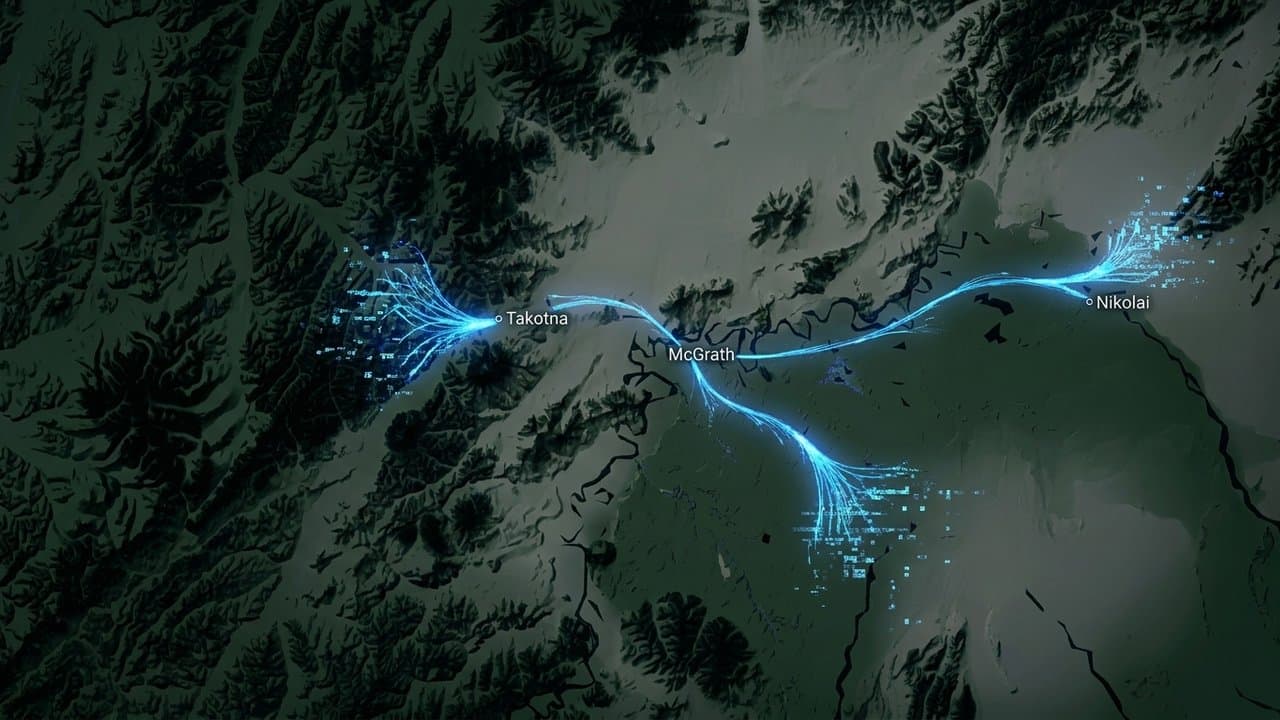
Seven village schools could lose internet June 30 over a federal funding dispute
Seven Alaska village schools could lose internet June 30. Federal rules say pick the cheapest. The cheapest doesn't work out there.
 by Maggie AlaskaNews4mo ago2 min read
Week of Jun 8
Cordova carrier tells FCC spectrum hoarding blocks rural broadband
Cordova Wireless told the FCC that major carriers are sitting on unused spectrum licenses over the town and won't lease them, blocking the local provider from meeting federal broadband speed standards.
 by Alaska News5mo ago2 min read
Homer Electric wins state OK for undersea fiber across Kachemak Bay
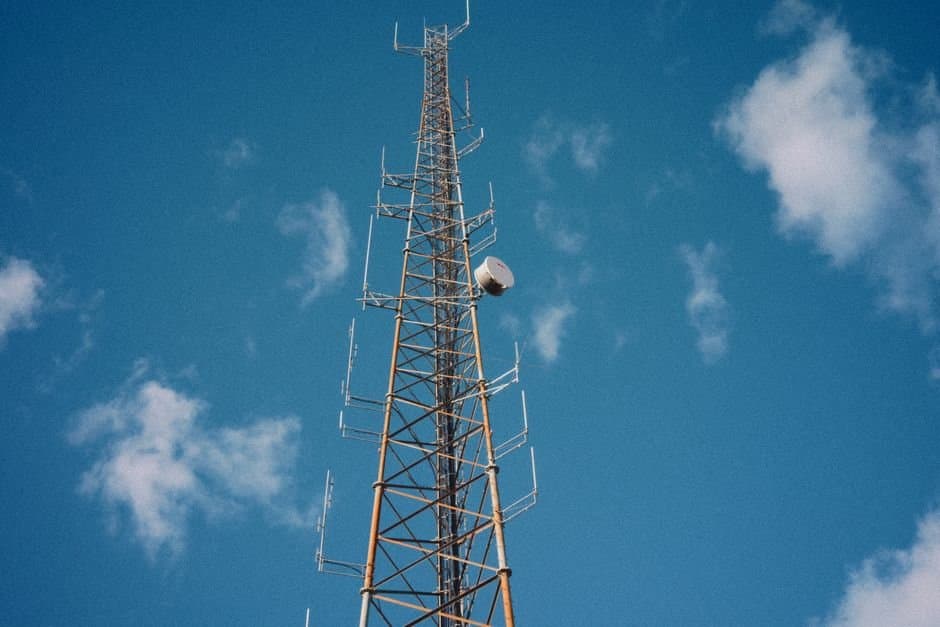
Alaska approved Homer Electric's plan to convert its undersea power cable corridor across Kachemak Bay into a permanent public fiber optic easement, clearing the way for broadband to reach three roadless communities on the bay's south side.
by Alaska News5mo ago1 min read
Small Alaska telecom warns FCC 'land rush' favors big carriers
OTZ Telephone Cooperative warned the FCC that a first-to-file rule for Alaska broadband funding favors large carriers over small rural providers, creating a race to submit applications that smaller companies cannot win fairly.
by Alaska Newsadded 5mo ago3 min read
Week of May 25
Cordova Wireless challenges FCC broadband maps, says waterways and islands missing
Cordova Wireless told the FCC on May 22 that federal broadband funding maps exclude coastal waterways and islands where Alaskans work and travel, potentially cutting off support for over-water cell service residents depend on for safety.
 by Walter AlaskaNewsadded 5mo ago2 min read
GCI to end landline long-distance service in six Southeast communities
GCI will discontinue landline long-distance service in six Southeast communities on or after August 1, 2026, citing rising facility costs, pending FCC approval.
by Walter AlaskaNewsadded 5mo ago1 min readWeek of May 18
Yukon Premier Warns of Near-Blackouts, Scales Back Electric Vehicle Push
Yukon nearly faced blackouts during extreme cold, forcing premier to drop EV mandates and subsidies to ease grid strain. • Territory will add 15 megawatts of diesel or LNG this summer, then 45 more over five years. • Isolated 150-megawatt grid relies on three aging dams and cannot tap neighboring regions for power. • Electrification paused as near-term priority until capacity expands.
by Walter AlaskaNews5mo ago2 min read
Alaska manufacturers have 11 days to enter state's top award
Alaska manufacturers have until May 29 to nominate themselves for the 2025 Manufacturer of the Year award, which includes state marketing and an Alaska Manufacturing Association membership.
by Alaska News5mo ago2 min read
More from Broadband
Mat-Su Job Center Offers Free Digital Literacy Help Twice Weekly
Free one-on-one digital literacy tutoring is available Tuesdays and Thursdays at the Mat-Su Job Center in Wasilla, covering email, job searching, and basic computer skills.
by Alaska News5mo ago1 min readWeek of May 11
52 Alaska districts join safety consortium using federal grant model
Hydaburg City School District is leading 52 Alaska districts in a safety symposium to build customized school safety plans using a federal grant model.
by Alaska News6mo ago1 min readWeek of Apr 27
Fairbanks Borough mails 2026 property assessment notices
Fairbanks Borough mailed 2026 property assessment notices in late January, and values may have risen even if your home hasn't changed, based on neighborhood sales and market conditions.
by Alaska Newsadded 6mo ago1 min read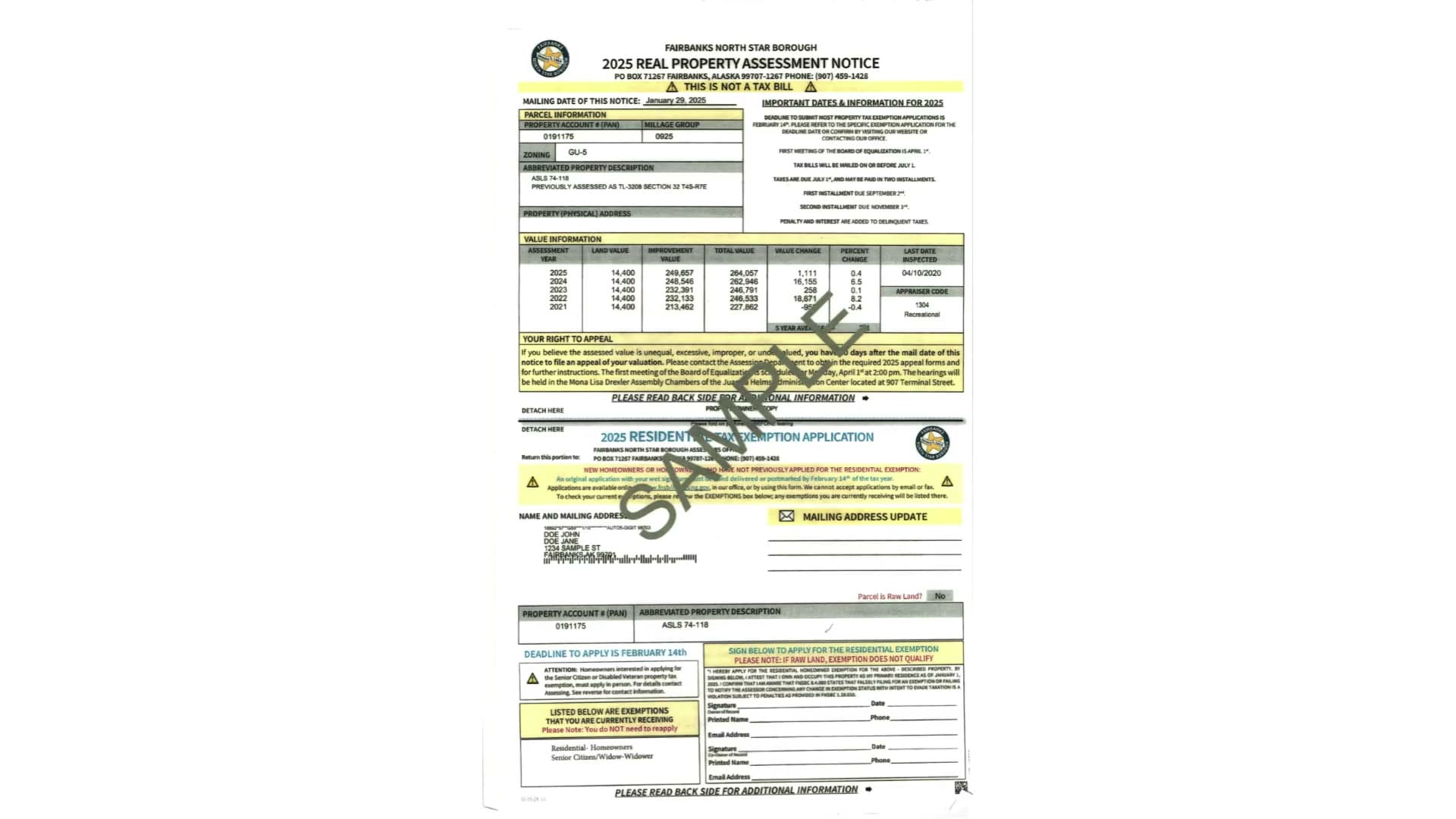
Coming up
FCC Petition for Reconsideration or Review Deadline
Public notice
Alaska Broadband Grant Agreement Extension Deadline
Public notice
Applications or written comments due: ADA-09737 Proposal to Permit State Airport Land at Tuluksak Airport
Public notice
Public Comment Period: Arctic Slope Telephone Association Fiber Optic Easement Amendment
Public notice
Alaska DOT&PF LEO Satellite Internet Evaluation - Final Report Due
Public notice
About Broadband
Broadband in Alaska takes in the fiber, satellite and wireless networks that carry internet and phone service to its cities and remote villages. Its providers range from GCI and Starlink to village and regional telephone cooperatives and Native corporations building hardwired lines.
Federal programs pay for much of it, including E-Rate discounts for schools and libraries, the rural health care subsidy for clinic connectivity, and grants for rural networks, and the FCC sets their terms. Recurring questions concern cuts to those subsidies, whether small carriers can compete for funding and spectrum, and wholesale prices on Arctic fiber lines.
The issue reaches school districts, public libraries, city councils approving internet contracts and the state grant that helps libraries pay their bills. Siting towers and equipment shelters on airport land ties broadband to state and local land decisions.
