Weather & Climate
RSSWeather and Climate in Alaska is the conditions, advisories and events that affect communities statewide. The National Weather Service issues advisories for wind, snow, fog, flooding, surge, heat and frost. It also tracks seasonal temperature records, aurora activity and earthquakes.
Inside Weather & Climate
Places and organizations in this news
Numbers are stories in the last 30 days.
Have a story about Weather & Climate? Send a tip
Week of May 25
Dunleavy declares disaster for Interior spring flooding
Governor Dunleavy declared a disaster for spring flooding in Interior Alaska, activating state aid programs. Residents can register for assistance through July 11.
 by Maggie AlaskaNews5mo ago2 min read
UAF scientist leads $36K Antarctic sea ice study amid record lows
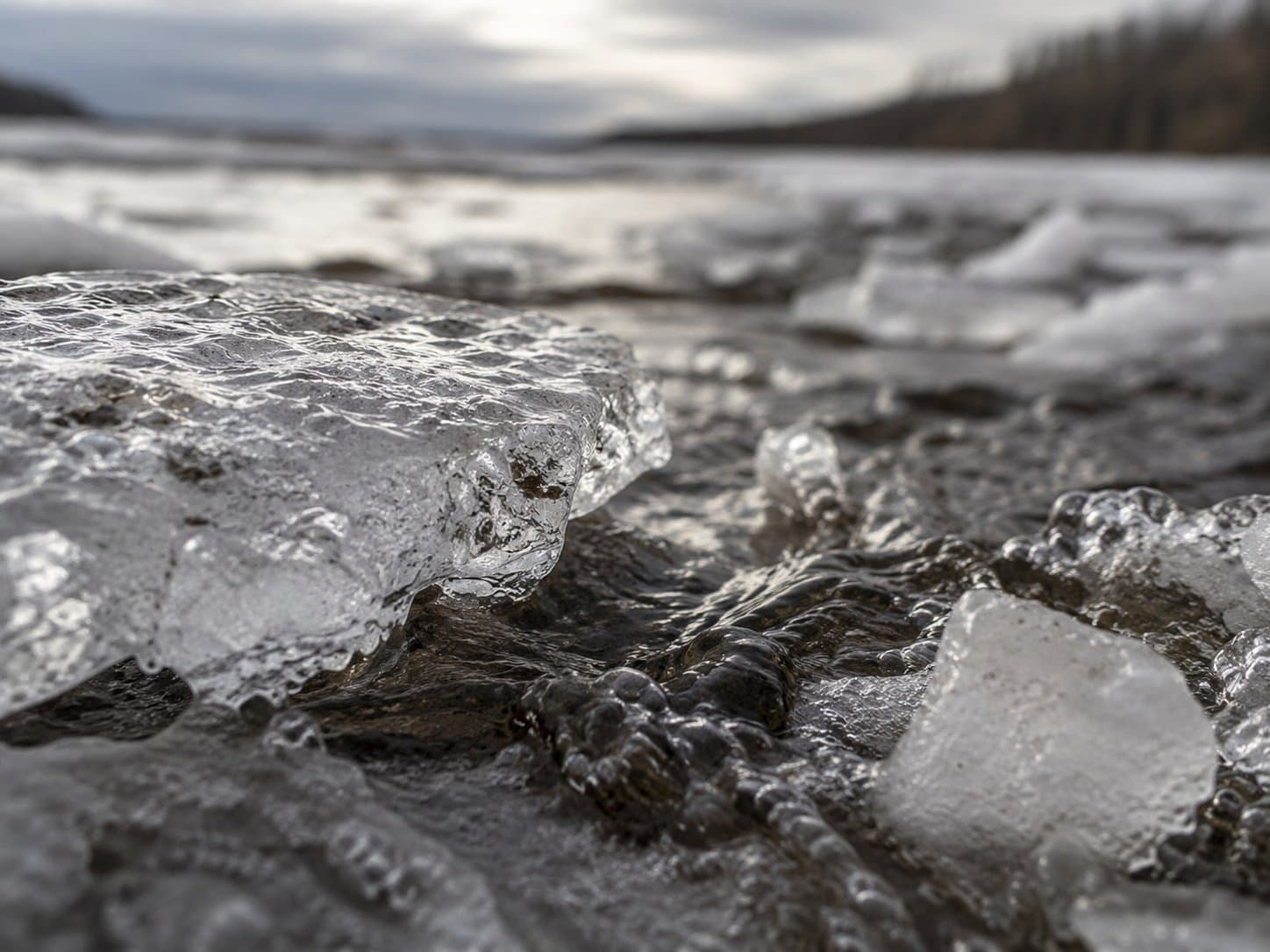
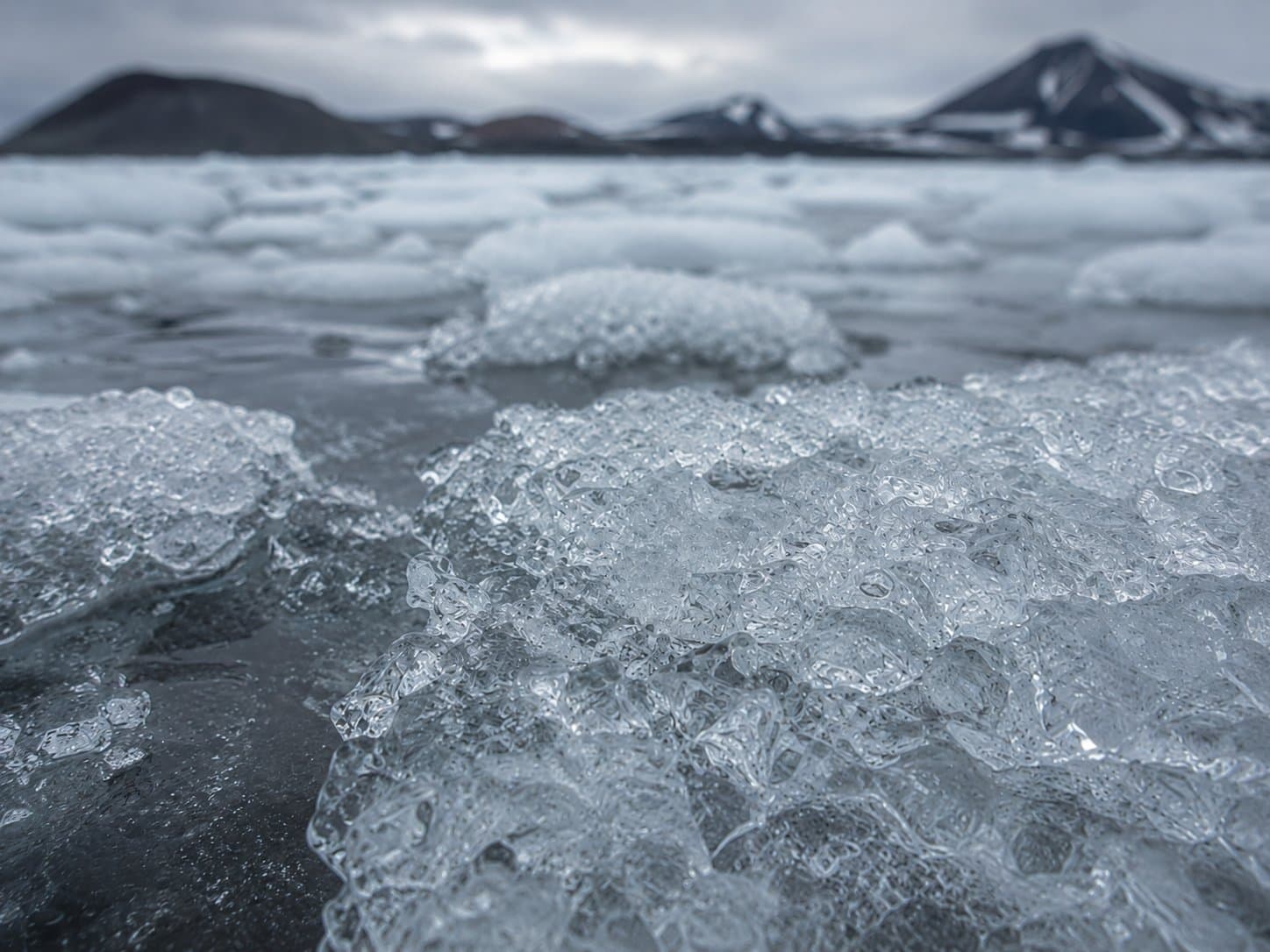
UAF sea ice scientist Andrew Mahoney will lead a year-long study of Antarctic Ross Sea ice decline funded by the National Science Foundation with $36,000, running through March 2027.
 by Walter AlaskaNews5mo ago2 min read
Week of May 18
UAF scientist gets $300K to unlock permafrost's carbon time bomb
UAF scientist gets $300K to study which microbes activate when permafrost thaws and release carbon, a key step to understanding how much greenhouse gas could escape from Alaska's frozen soils.
by Maggie AlaskaNews5mo ago2 min read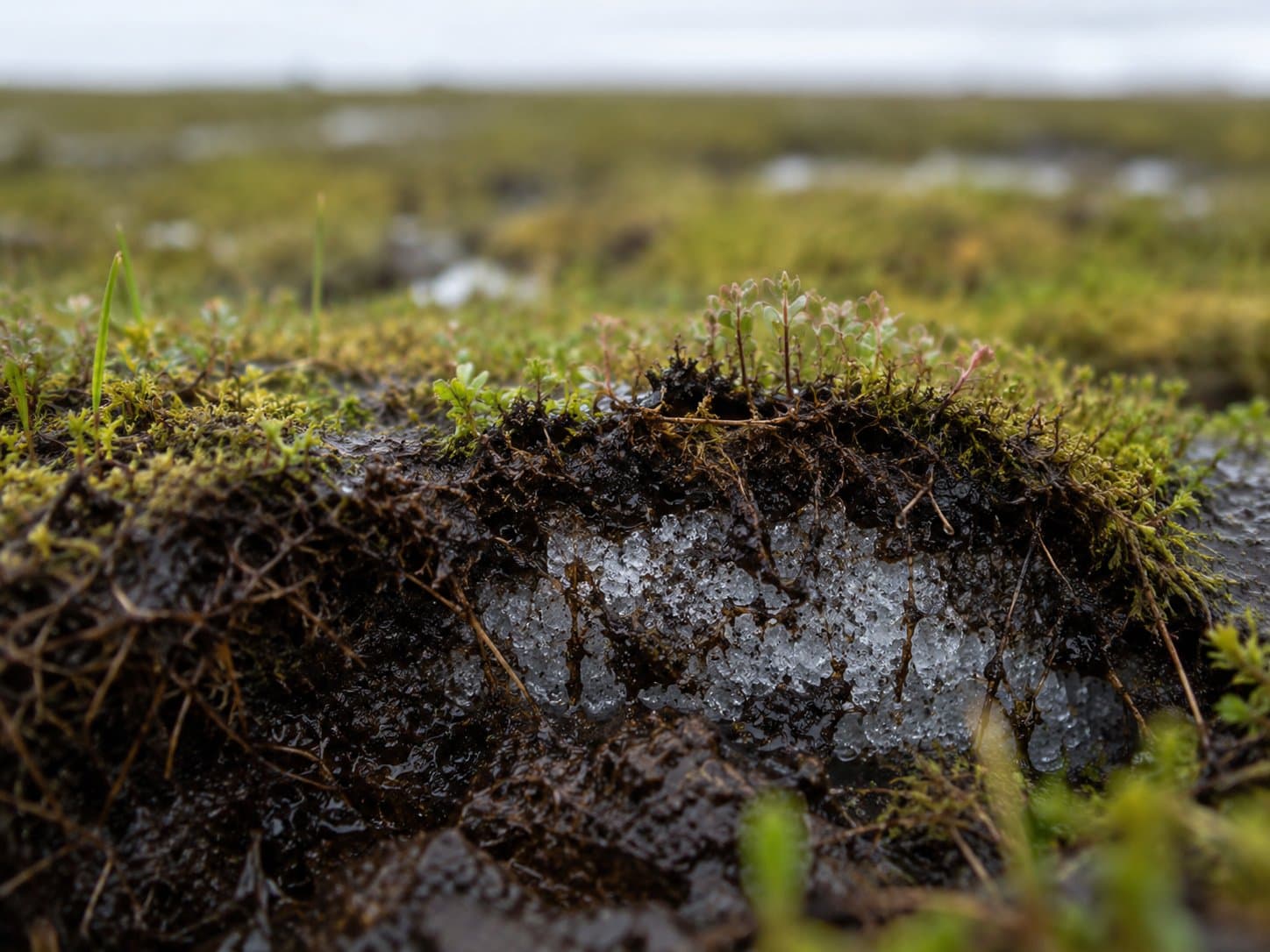
Alaska Energy Planners Design 50-Year Systems Using 2008 Weather Data
Alaska's power planners design 50-to-100-year systems using 2008 weather data that no longer matches current storm patterns, leaving utilities like AVEC to absorb emergency costs like the $100,000 helicopter rental after Typhoon Halong hit in 2025.
 by Bill AlaskaNews5mo ago2 min read
Alaska eyes $3B carbon revenue from 600,000 burned acres
Alaska plans to earn over $3 billion by replanting 600,000 burned acres as carbon offsets over 20 years. • Work requires 5,000 tree planters yearly plus nurseries and equipment, creating seasonal jobs. • Carbon market collapsed in 2024 but is recovering, with oversupply ending in 18 to 24 months.
by Bill AlaskaNews5mo ago2 min read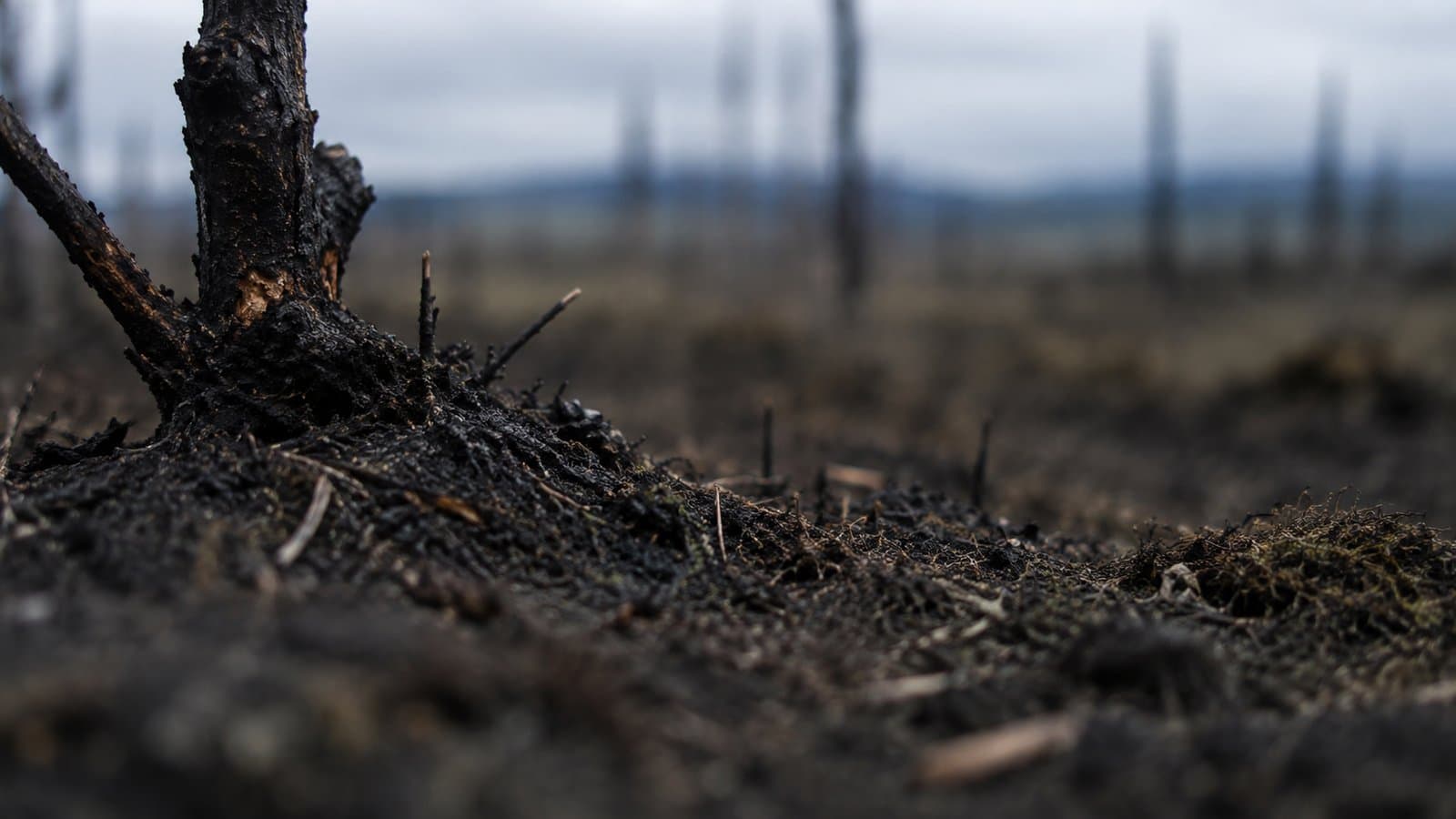
Week of May 11
Mount Kupreanof shows signs of magma intrusion 50 miles from Sand Point
Mount Kupreanof, 50 miles from Sand Point, is showing magma movement for the first time in over 10,000 years, prompting the Alaska Volcano Observatory to raise its alert level on May 11.
 by Alaska Newsadded 6mo ago2 min read
Week of May 4
Aurora Borealis Lights Up Kodiak and Interior Alaska Skies
Aurora borealis lit up Kodiak and Interior Alaska skies on April 18, visible for hours under clear conditions during the ongoing solar maximum.
by Alaska News6mo ago2 min readFrom Vivid Northern Lights Draw Fairbanks Viewers to Night Sky
Vivid green auroras lit up Fairbanks and North Pole skies on April 19, matching forecasts and marking part of a solar cycle expected to bring frequent displays for another one to two years.
by Alaska News6mo ago1 min readFrom 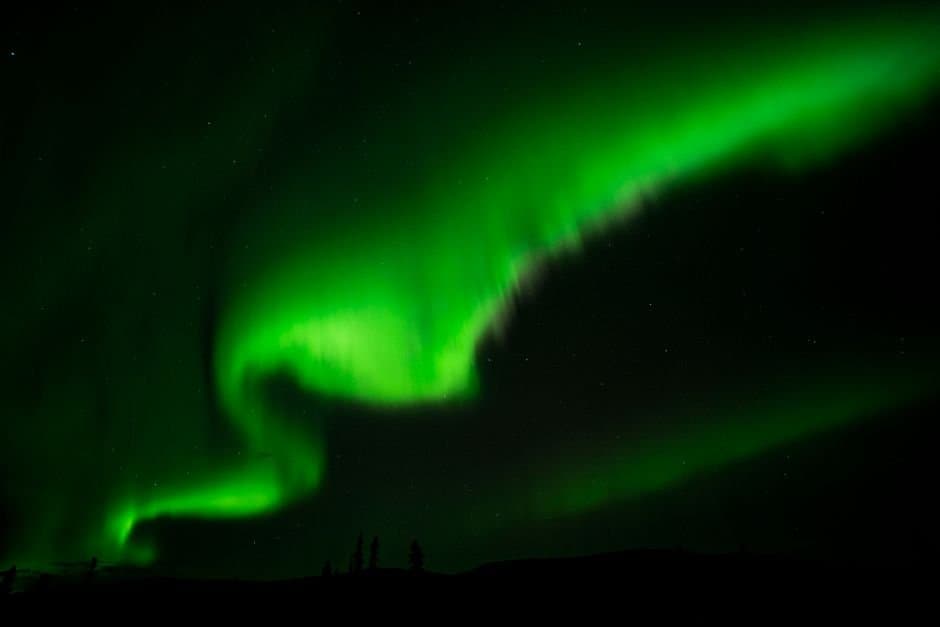
More from Weather & Climate
Ice Jam Near Kalskag Threatens Flooding Along Lower Kuskokwim River
An ice jam near Kalskag, 90 miles upriver from Bethel, threatens flooding along the lower Kuskokwim River through May 7, with water already cutting off roads and forcing school closures in the region.
by Alaska News6mo ago2 min readSmoke from Boundary Fire Settles Over Tanana, Residents Report Health Impacts
Heavy smoke from the Boundary Fire settled over Tanana on May 4, forcing residents indoors and disrupting fishing and woodcutting as elders reported breathing difficulties.
by Alaska News6mo ago2 min readFlash flood inundates Anderson home as water rises over 6 feet overnight
Flash flood swept through Anderson overnight May 3-4, raising water more than 6 feet and inundating at least one home in the remote Interior village of about 250 people.
by Alaska News6mo ago2 min readWeek of Apr 20
3-Year-Old Dies After Falling Through Ice in Goodnews Bay
A 3-year-old boy died Thursday after falling through thin ice on the Goodnews River in Goodnews Bay, a remote village in the Yukon-Kuskokwim Delta about 400 miles west of Anchorage.
by Alaska News6mo ago2 min readPermafrost Thaw Releases Unexpected Methane in Alaska Uplands
Thawing permafrost in Alaska uplands releases methane three times faster than wetlands, surprising researchers. • Coastal erosion from warming threatens Alaska Native villages with relocation and subsistence disruption.
by Alaska News6mo ago2 min readWeek of Apr 13
Northern lights draw crowds to Fairbanks and Kodiak viewing spots
Bright green aurora lit Alaska skies on April 18-19, drawing crowds to Fairbanks and Kodiak as the University of Alaska Fairbanks forecast predicted peak activity around midnight.
by Alaska News6mo ago2 min readFairbanks and Kodiak Residents Capture Last Aurora Displays Before Midnight Sun
Fairbanks and Kodiak residents caught vibrant northern lights on April 18 and 19, likely the last aurora views before the midnight sun eliminates darkness on April 21.
by Alaska News6mo ago3 min readAbout Weather & Climate
Weather and climate in Alaska take in the storms, advisories and longer seasonal patterns that shape daily life across the state. The National Weather Service issues the warnings for wind, snow, fog, ice, coastal surge and river flooding, and tracks temperature and precipitation records.
Wind storms bring power outages and fallen trees from Southcentral to Southeast and the Arctic coast. Snow and ice shape driving on the Seward, Parks and Dalton highways, while coastal flooding and high surf threaten villages on the Yukon-Kuskokwim Delta and the Chukchi coast. Heavy rain raises rivers and creeks from Fairbanks to Juneau.
The subject also covers aurora forecasts tied to solar storms, Arctic sea ice trends and erosion along exposed coasts and bluffs.


