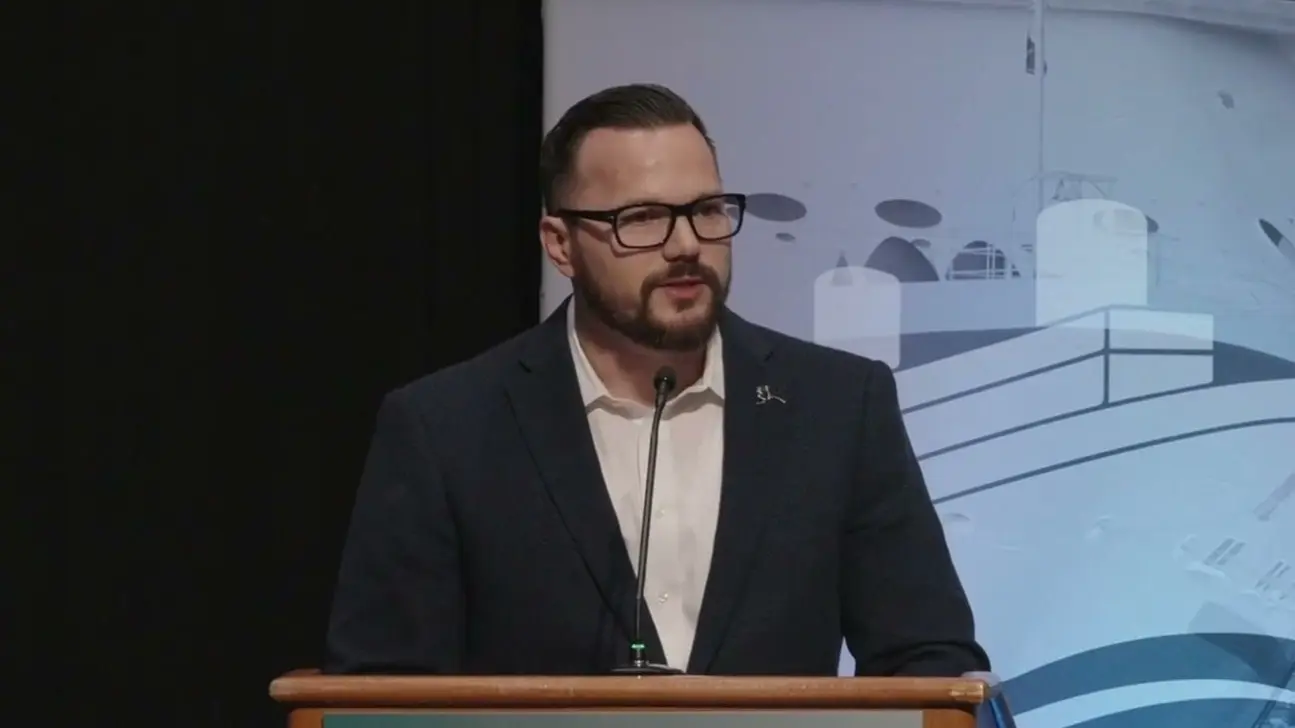
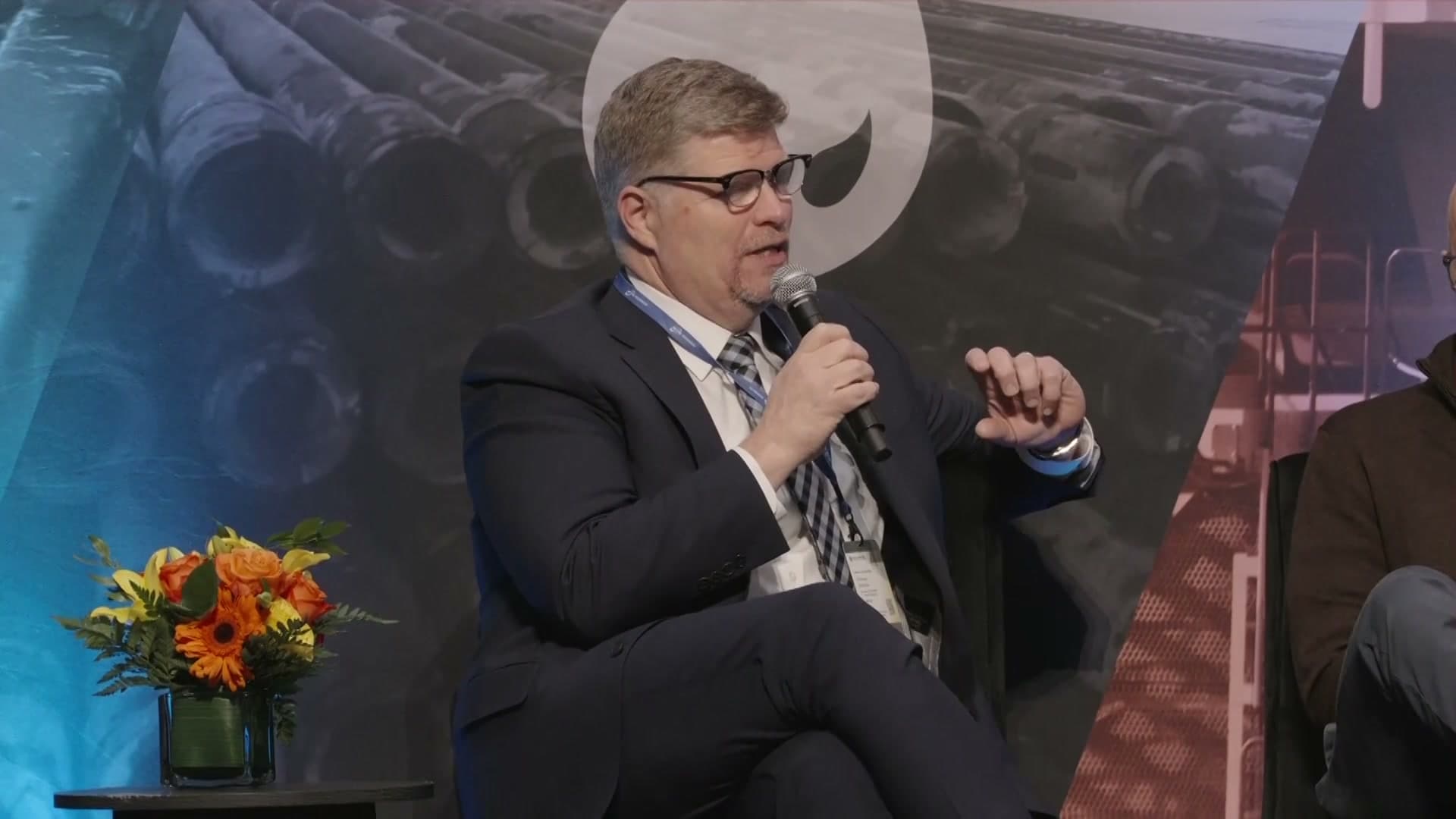
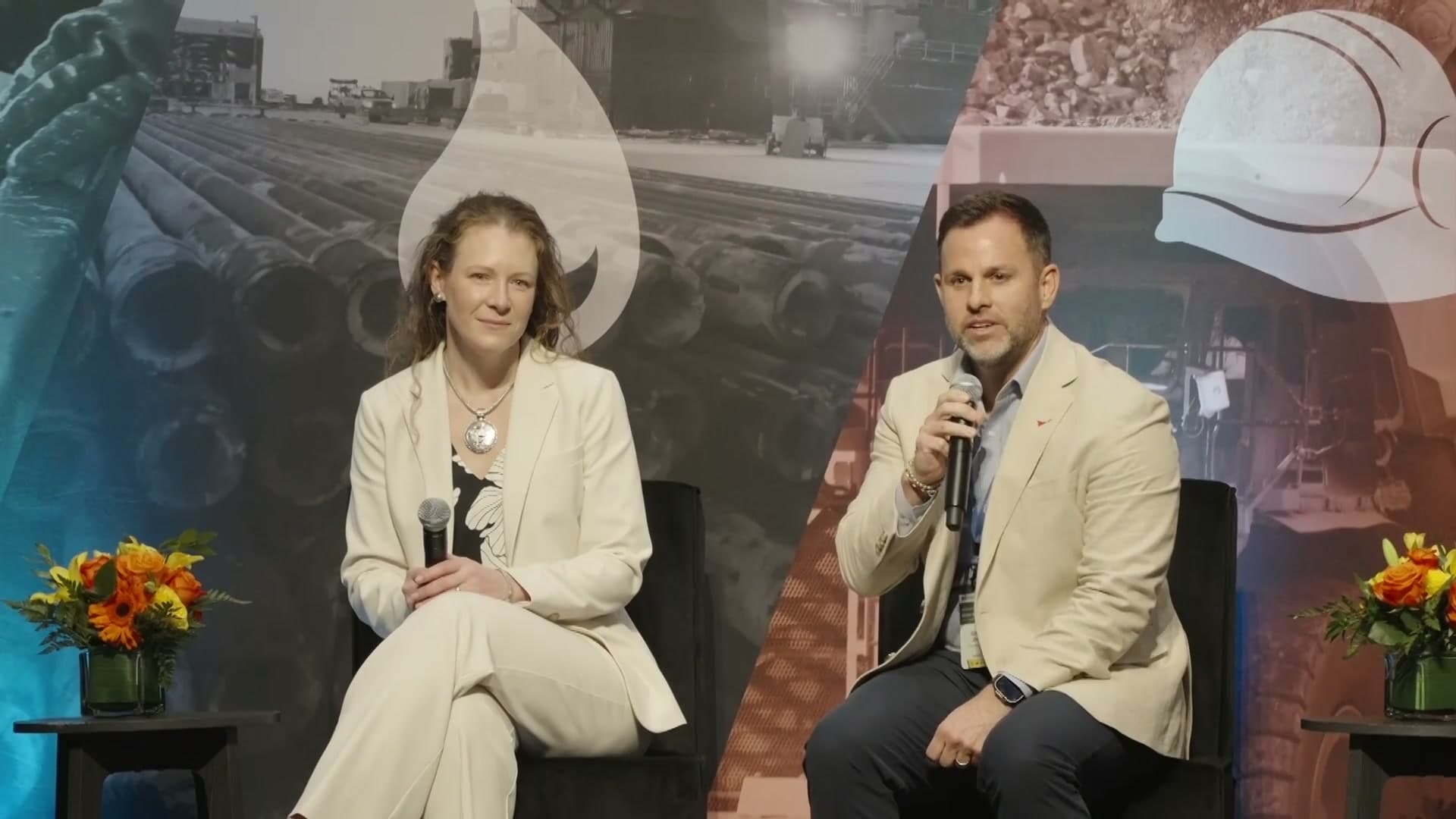
Frame from "RDC: Day_01_Glenfarne AK LNG Update_4.mp4" · Photo source
Glenfarne says Alaska LNG needs a tax bill without federal owners
If the federal government and the state end up owning the Alaska LNG project, it would be exempt from state property tax, the president of the company developing the gas line says.
Without federal ownership, he said, "a tax bill would still be necessary," like the one that stalled in the Legislature this year.
Adam Prestidge, president of Glenfarne Alaska LNG, laid out both scenarios in a Nov. 11 speech to the Resource Development Council's Alaska Resources Conference. He called the federal one a hypothetical, because talks over how to structure the project aren't finished.
Under current law, the Department of Revenue estimated in May that the project would pay the state $25 million in property tax in 2029, rising to $244 million in 2033. Its estimates for local governments along the route reached into the hundreds of millions of dollars a year by 2033.
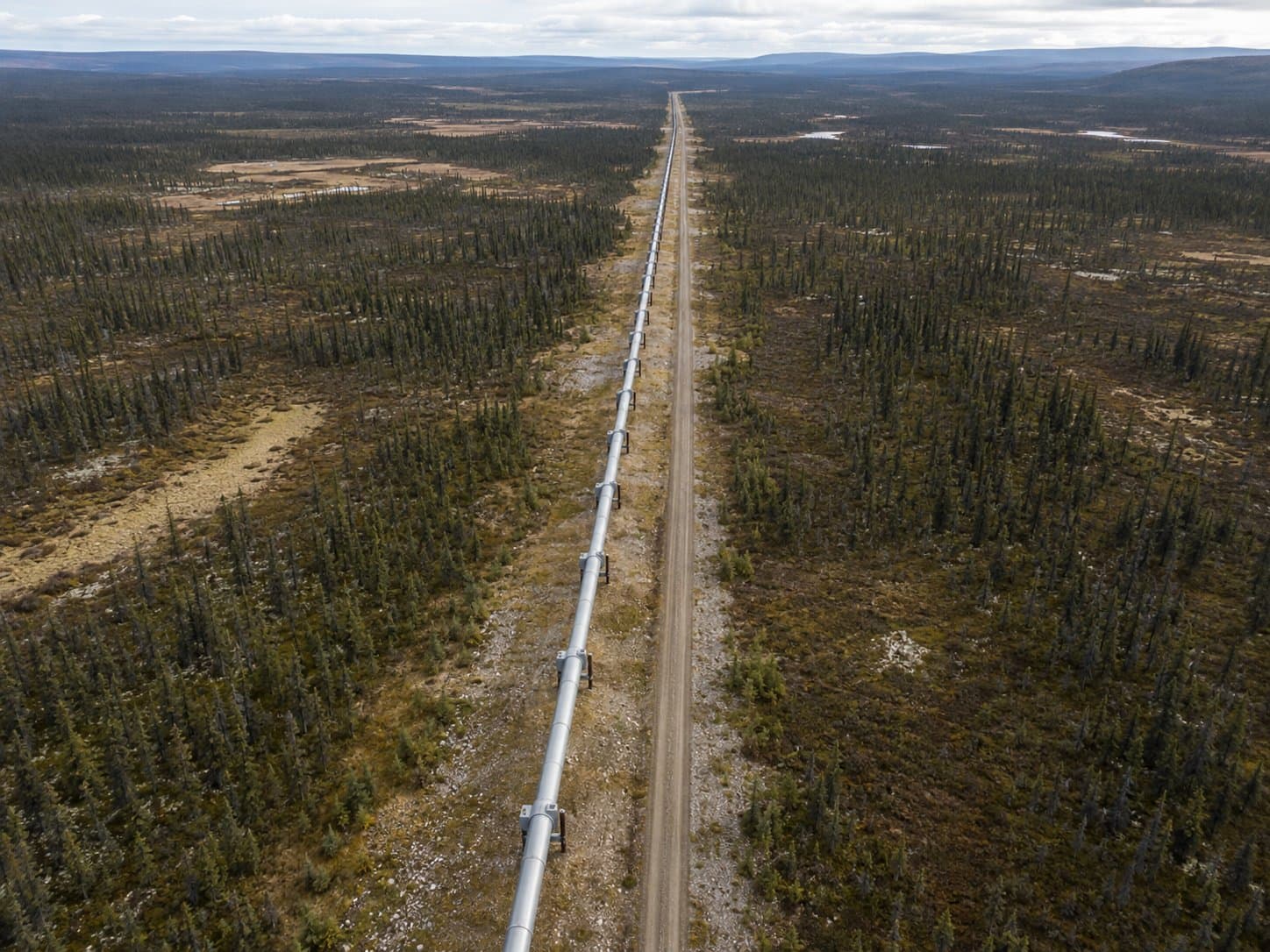
If the project were owned partly by the state, through the Alaska Gasline Development Corporation, and partly by the federal government, Prestidge said, "by virtue of tax law, the government ownership of the project makes the project exempt from state property tax." State law exempts a gas line owned or financed by the gasline corporation from state and municipal property taxes, but only until commercial gas starts flowing. That law doesn't address federal ownership.
In that scenario, Prestidge said, the state would instead earn royalties, production tax and corporate tax and "most significantly, equity returns" from its share. He said Glenfarne would work to ensure those benefits reach "the communities, the municipalities."
Today, Glenfarne owns 75% of the project and the gasline corporation owns 25%, according to an October lease filing. Prestidge didn't say what would happen to Glenfarne's share if the federal government became an owner.
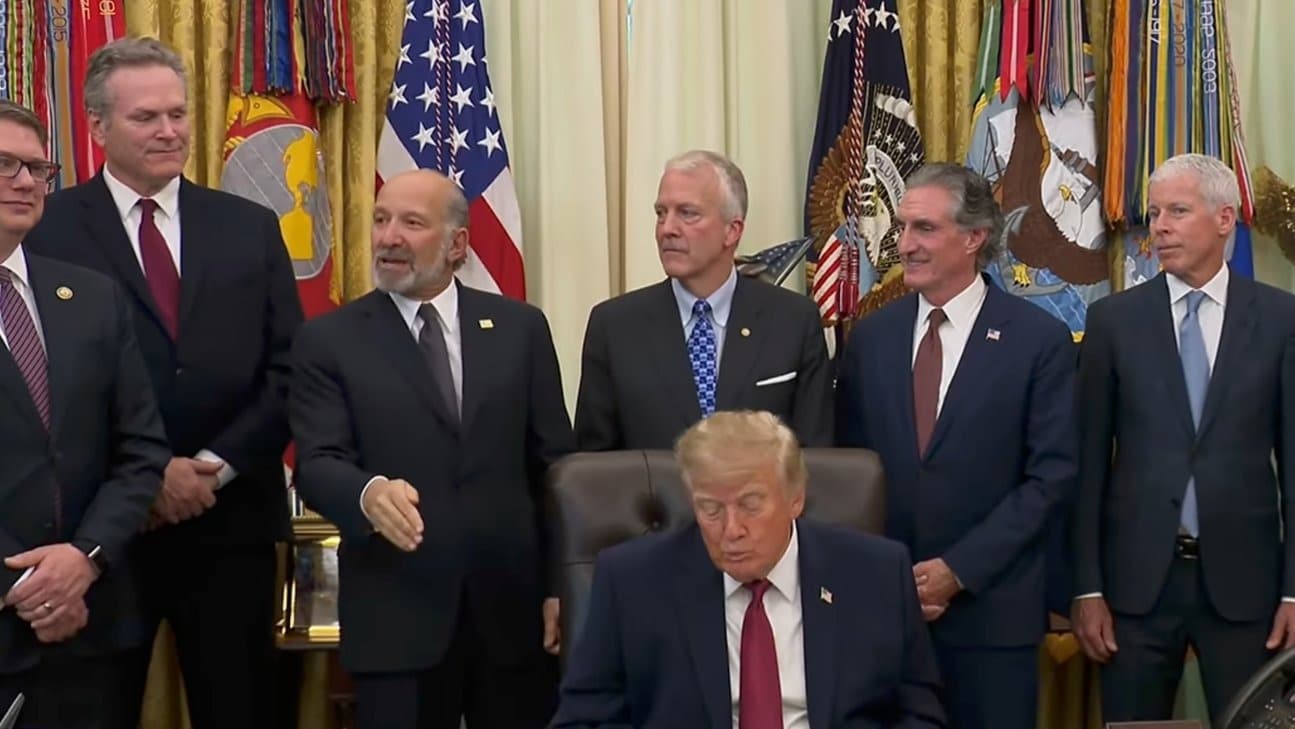
He said Glenfarne is in "detailed discussions" with the U.S. Department of Commerce on structuring the project so South Korea can fund its equity, which he said would mean "an immediate FID," or final investment decision, across the whole project. In October, Commerce Secretary Howard Lutnick said President Donald Trump had "federalized" the project, without saying what that meant.
Korea is still reviewing the project's financial viability, Prestidge said. He cited the Korean ambassador to the U.S. saying Korea's work on the project is "subject to meeting commercial reasonableness requirements." "That's obviously a big question," he said. In October, South Korea's industry minister said Seoul had agreed only to review the project, not commit to building it.
Without Korean investment, Glenfarne would try to finance the project privately. That would take a state tax bill, gas supply deals with Enstar and other utilities approved by the Regulatory Commission of Alaska, and private financing, Prestidge said. He said he can't say when a final investment decision would come on that path, only that it would take longer. Either way, Glenfarne plans to pursue an LNG import terminal to relieve "the immediate need for gas in Southcentral Alaska," he said.
The property tax bill stalled after three special sessions between May and August, according to the gasline corporation's September report. Prestidge pointed to its pairing with a separate tax on S corporations. "Combining these two major, complex pieces of legislature into one voting initiative, in my opinion, proved to be too complicated to move forward," he said.
Prestidge said he takes concerns about whether Glenfarne shared enough information with lawmakers "very personally and very seriously." "Now the future of this project rests with the legislature and a new governor," he said.
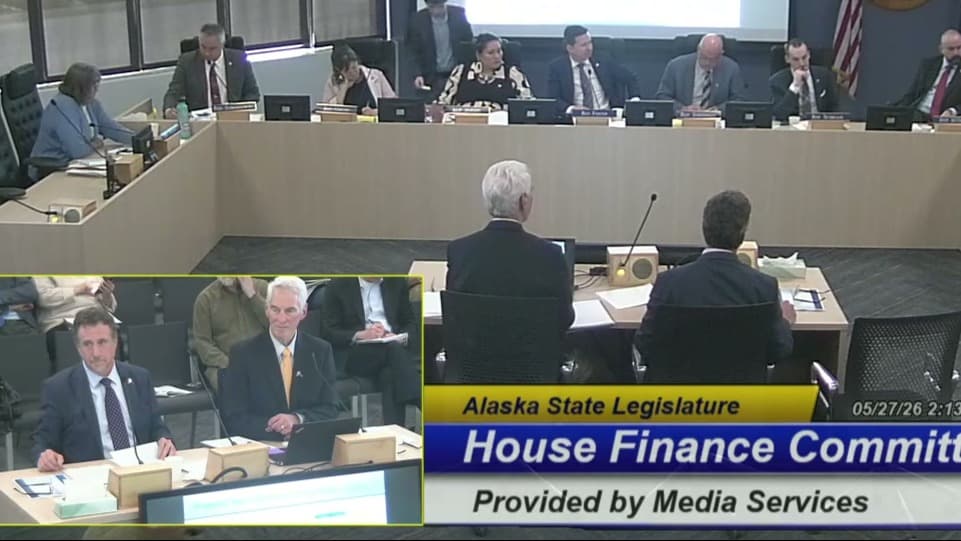
Since the speech, several legislators at a Nov. 17 hearing called the Dunleavy administration's plan to give the project full pipeline leases before the new governor takes office "rushed." Natural Resources Commissioner John Crowther called it "timely" to keep the project's land rights moving. Earlier this month, the project told federal regulators its first construction work, once expected in April, won't start until 2027.
What did you make of this story? (no account needed)
Made by our human newsroom with AI. Reviewed by Cale Green. How humans and AI work here · Grow with our newsroom · Transcript byWalter AlaskaNews
Keep Alaska News free for everyone.
No paywall, ever. Members pay so everyone can read the meetings and records Alaska News covers.
Get Alaska News in your inbox
Create your free account and get the day’s top stories around 6 each morning, in a few minutes’ read.
Top stories, around 6 each morning.
Stories on what you follow, on Sundays.
This article is based on a public meeting of Resource Development Council for Alaska — RDC: Day_01_Glenfarne AK LNG Update_4.mp4 ().
Watch key moments from the source meeting. Click to expand.



Comments
Sign in to leave a comment.
No comments yet. Be the first to share your thoughts.