AI image
Alaska LNG's first construction work moves to 2027 after a planned April start passes
The company developing the Alaska LNG pipeline told federal regulators Thursday that it did no construction in October and plans only more planning and field surveys this month. In February, it had told the same regulators that work was expected to start April 15.
The company, 8 Star Alaska, now plans for contractors to start in 2027. The filings don't call the change a delay or give a reason. Glenfarne Alaska LNG owns 75% of 8 Star, and the Alaska Gasline Development Corporation, the state's gasline corporation, owns 25%.
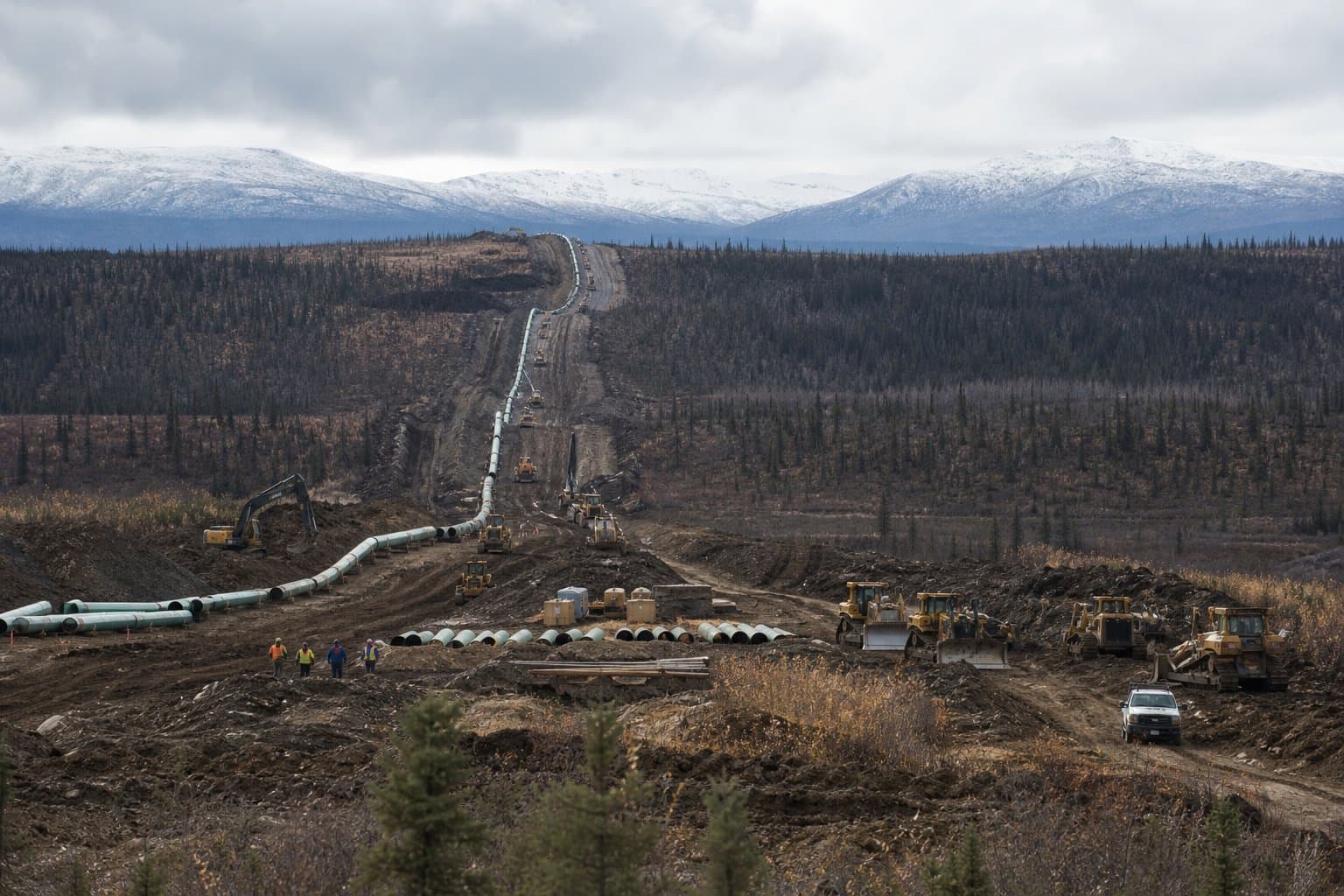
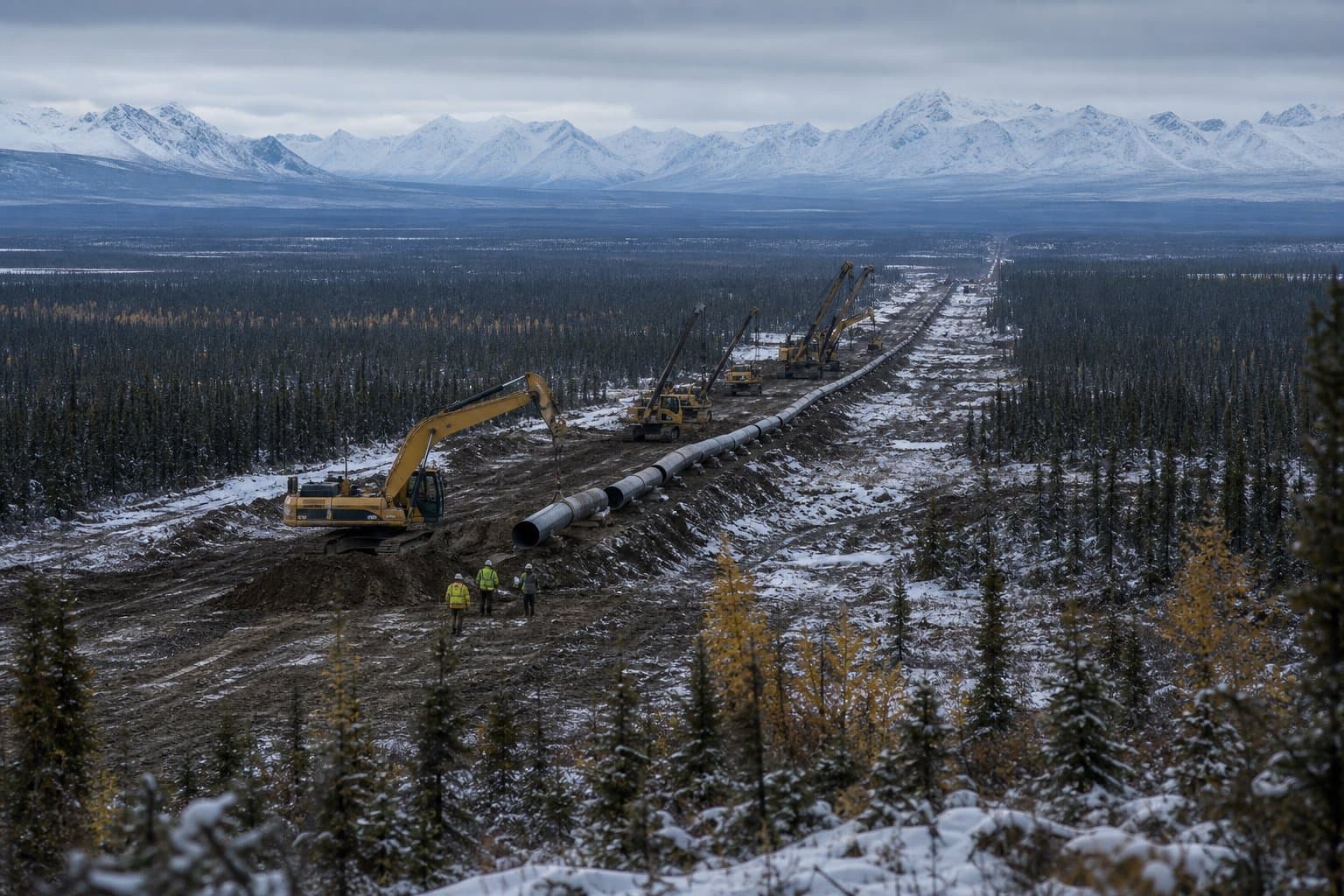
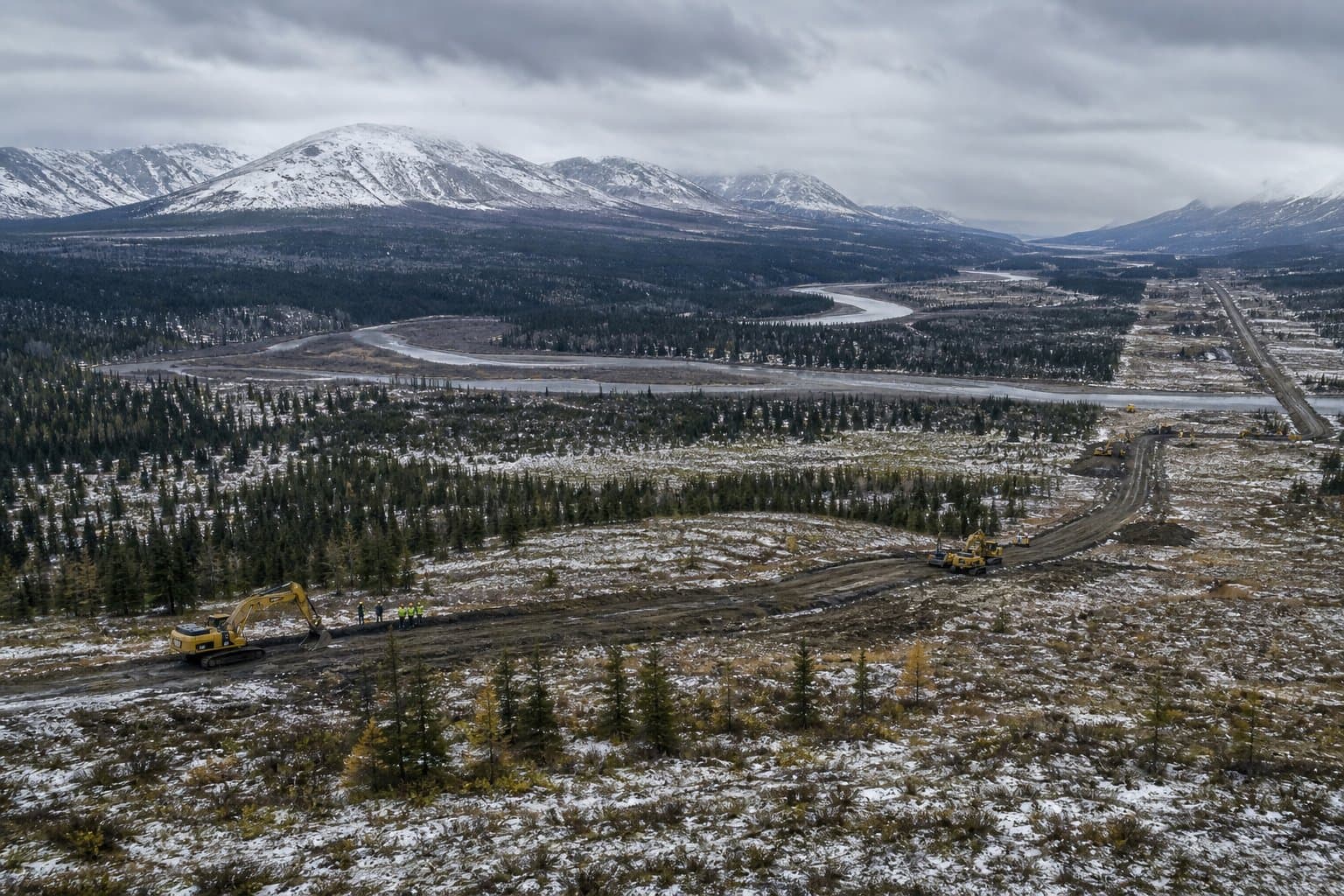
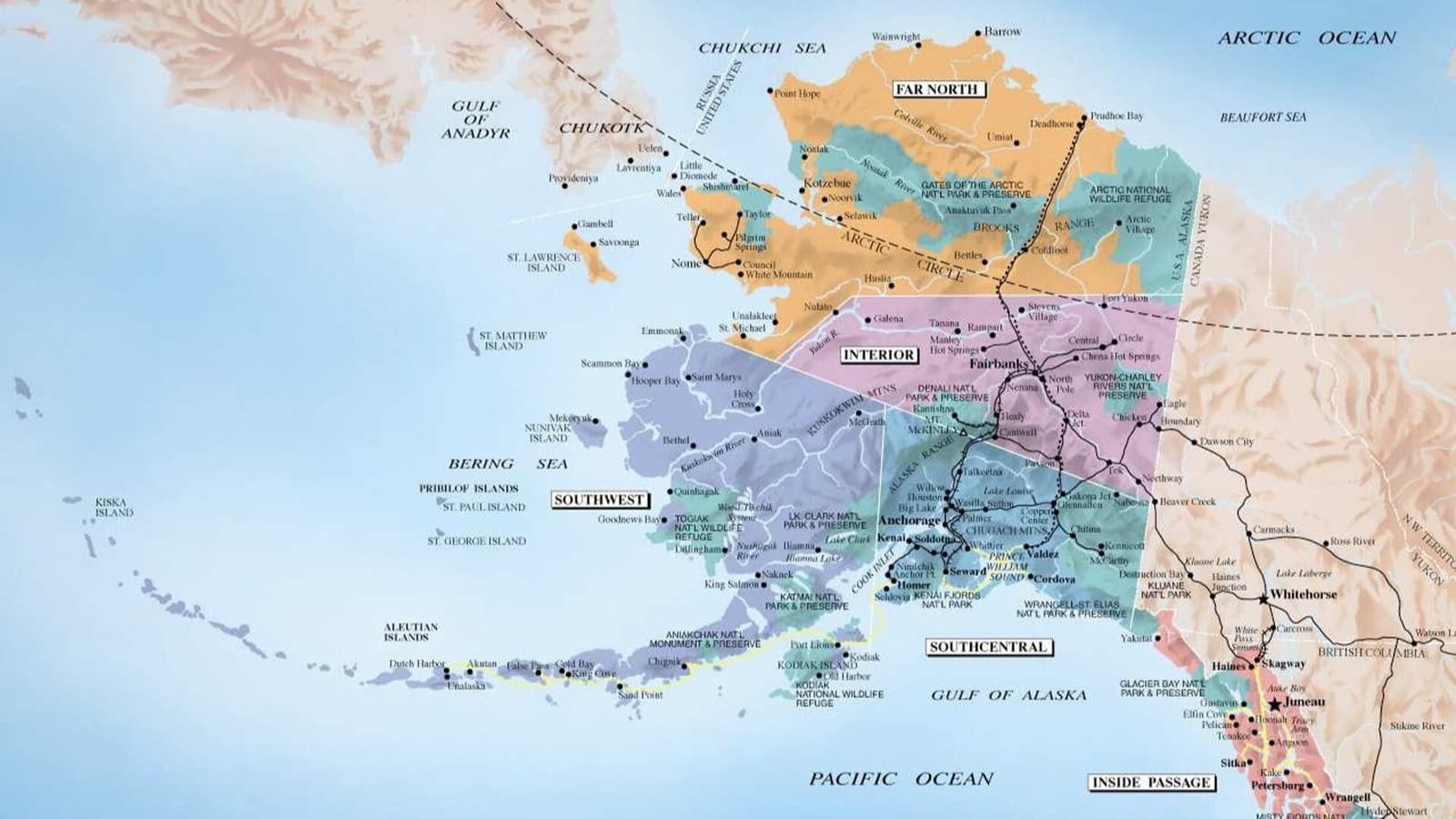
The first work wouldn't be pipe in the ground. It's what the company calls early works: digging gravel pits, building pads for work camps and setting up yards to store pipe along the 807-mile route from the North Slope to Nikiski.
In its Feb. 5 plan to the Federal Energy Regulatory Commission, 8 Star said construction was "currently expected to be April 15, 2026 for Early Works activities." On June 18, company President Adam Prestidge told the commission, "8 Star plans to commence construction at early works locations during the 2026 field season."
In an Oct. 2 letter asking the state to convert its pipeline leases, the company said civil contractors will mobilize in 2027 to build gravel sites, camp pads and pipe storage yards for the first pipe deliveries.
Neither of this week's federal filings gives a 2027 start date. In May, Glenfarne CEO Brendan Duval said the company was targeting the first quarter of 2027 to start building the pipeline.
Thursday's monthly status report lists only planning work and field surveys for October and the coming month and says "no onsite construction was performed." Before building anything, the company still has to ask the commission for written permission to proceed.
The list of early work sites is also shorter. A Nov. 4 letter lists 332 early work components on about 7,224 acres, down from 400 on about 7,890 acres in June. Most of that land, about 5,700 acres, is for 147 material sites, where gravel is dug. The drop comes from the 77 access roads, covering 790 acres, that were in June's table and aren't in this one, though the letter still lists access roads among the planned work. The new list adds eight railroad spurs and one more material site.
Prestidge wrote that the work was "updated to reflect current construction plans." The letter answers the commission's request for more information on historic and cultural sites. It says historic properties will be avoided with a 500-foot buffer where practicable, with a qualified professional monitoring work where they can't be. The maps and site lists are filed as confidential, so the public filings don't say which places are affected.
The project's latest report to the U.S. Department of Energy, on Oct. 1, still targets finishing the pipeline in 2028 and first gas in 2029. The filings don't say whether starting later changes those dates.
The state Department of Natural Resources proposed Oct. 23 to convert the project's conditional leases on its pipeline route to full leases. Conversion wouldn't allow construction to start, which still requires the state's sign-off. The department will hold hearings Nov. 23 online and Nov. 24 in Anchorage and take written comments through Nov. 25.
What did you make of this story? (no account needed)
Made by our human newsroom with AI. Reviewed by Cale Green. How humans and AI work here · Grow with our newsroom ·
Get Alaska News in your inbox
Create your free account and get the day’s top stories around 6 each morning, in a few minutes’ read.
Top stories, around 6 each morning.
Stories on what you follow, on Sundays.
Source: Alaska LNG's first gravel and camp work moved from April 2026 to 2027 across its own filings, as a new FERC letter lists 332 components on 7,224 acres.









Comments
Sign in to leave a comment.
No comments yet. Be the first to share your thoughts.