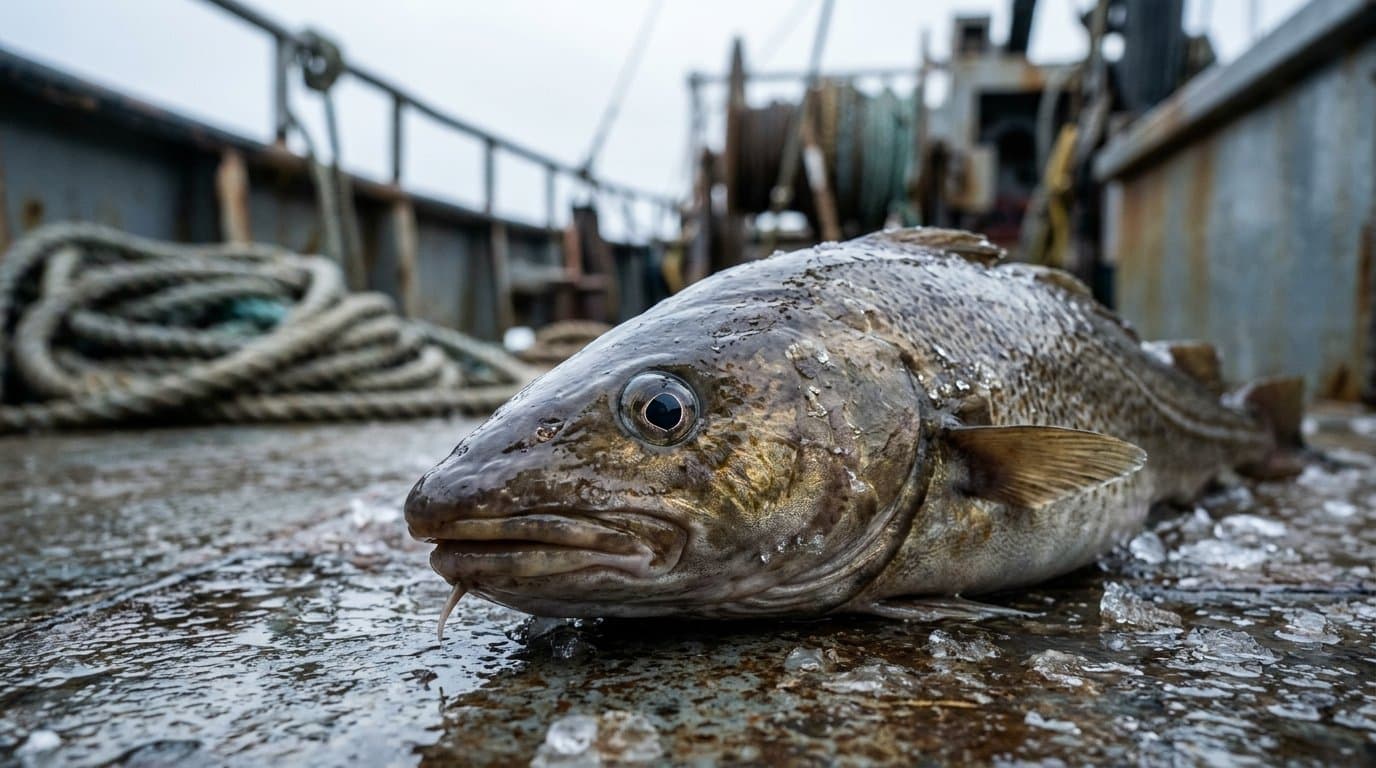
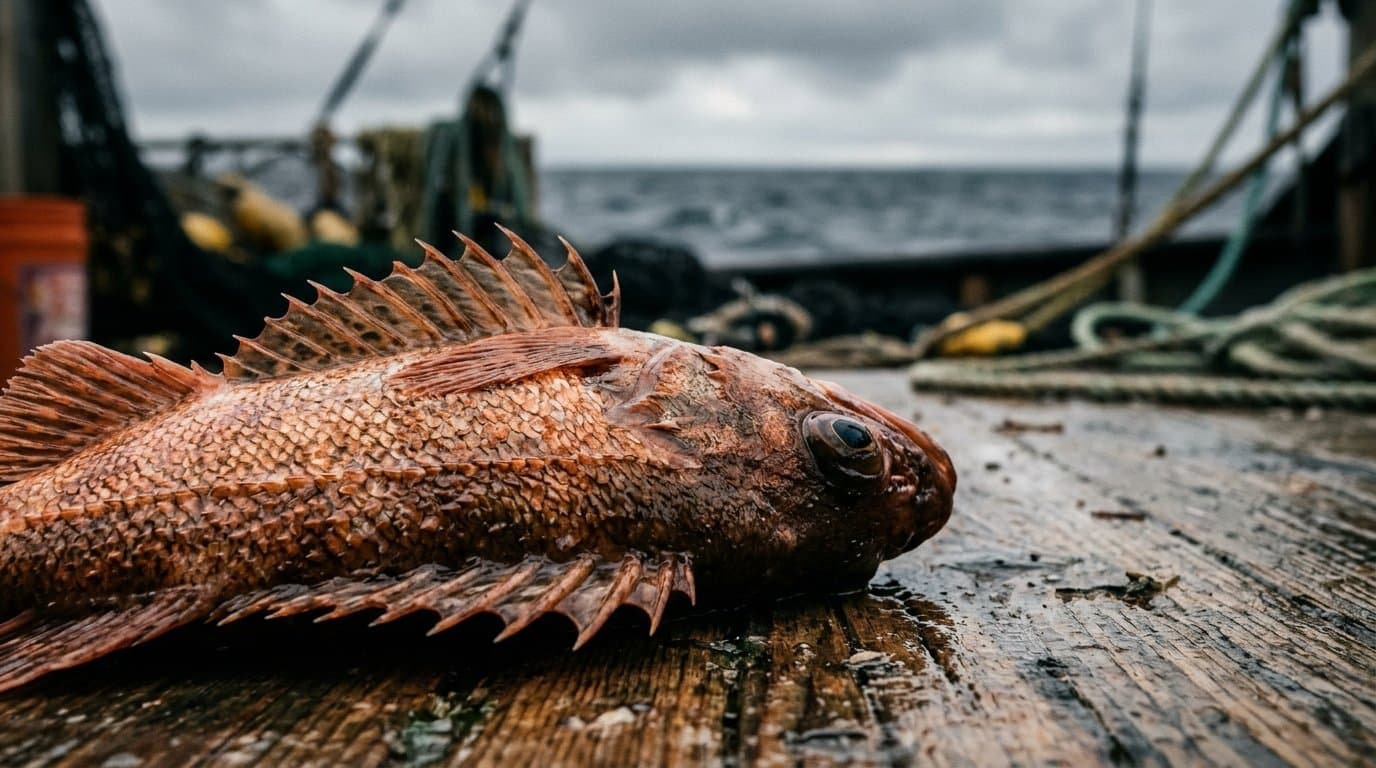
AI image
The eastern Bering Sea had its coldest spring since 2012, and its groundfish came out heavier
Federal scientists report the eastern Bering Sea had its coldest spring since 2012 and its most sea ice since 2013, and the pollock, cod and yellowfin sole there came out heavier and in better condition.
The report, from NOAA Fisheries' Alaska Fisheries Science Center, goes to the North Pacific Fishery Management Council, which meets Dec. 4 to 9 in Anchorage to set 2027 catch limits for those fish. It also finds record-low modeled pH in bottom water, a third year of toxic algae and a poor 2027 outlook for Yukon and Kuskokwim Chinook and chum.
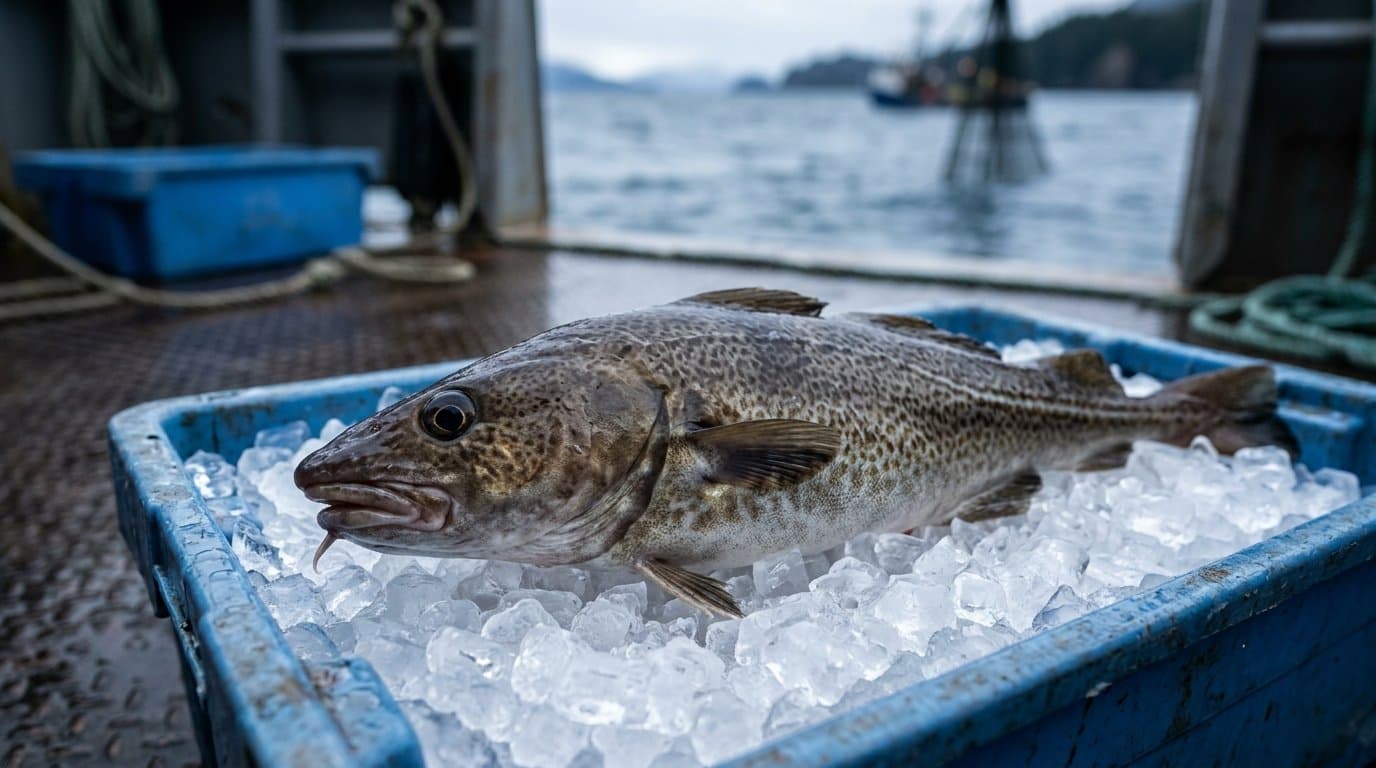
The heavier fish have not brought higher recommended catch ceilings. In the groundfish plan team's summary of this year's assessments, Bering Sea cod's risk rating, which flags concerns the stock models miss, dropped a level because of more food and less pressure from predators. Still, the team recommends lower 2027 ceilings: 1.896 million metric tons of pollock, down from 2.036 million, and 123,787 tons of cod, down from 141,520.
For cod, the cut comes mainly from a lower estimate of how many fish there are. This summer's survey pointed to the fewest Bering Sea cod since 1989. For pollock, surveys found more fish, and the scientists' summary ties the lower ceiling to no single cause. The clearest change is a new model with a lower cap on how hard the stock can be fished. The council sets quotas at or below the ceilings.
An exceptionally weak Aleutian Low, the region's main winter low-pressure system, then strong north-to-south winds in March and April, pushed sea ice south over the southeastern shelf. Water stayed more than 2 degrees Celsius, about 3.6 degrees Fahrenheit, below average through late summer.
That built a large cold pool, the layer of near-bottom water below 2 degrees Celsius, which the summary of the report says shapes where crab and groundfish live. It covered 282,325 square kilometers, about 109,000 square miles, or about 150% more than in 2025 and the fifth-largest since 1982, according to the full report. In 2018 and 2019, during a warm period the summary calls "unprecedented," there was no cold pool at all in summer.
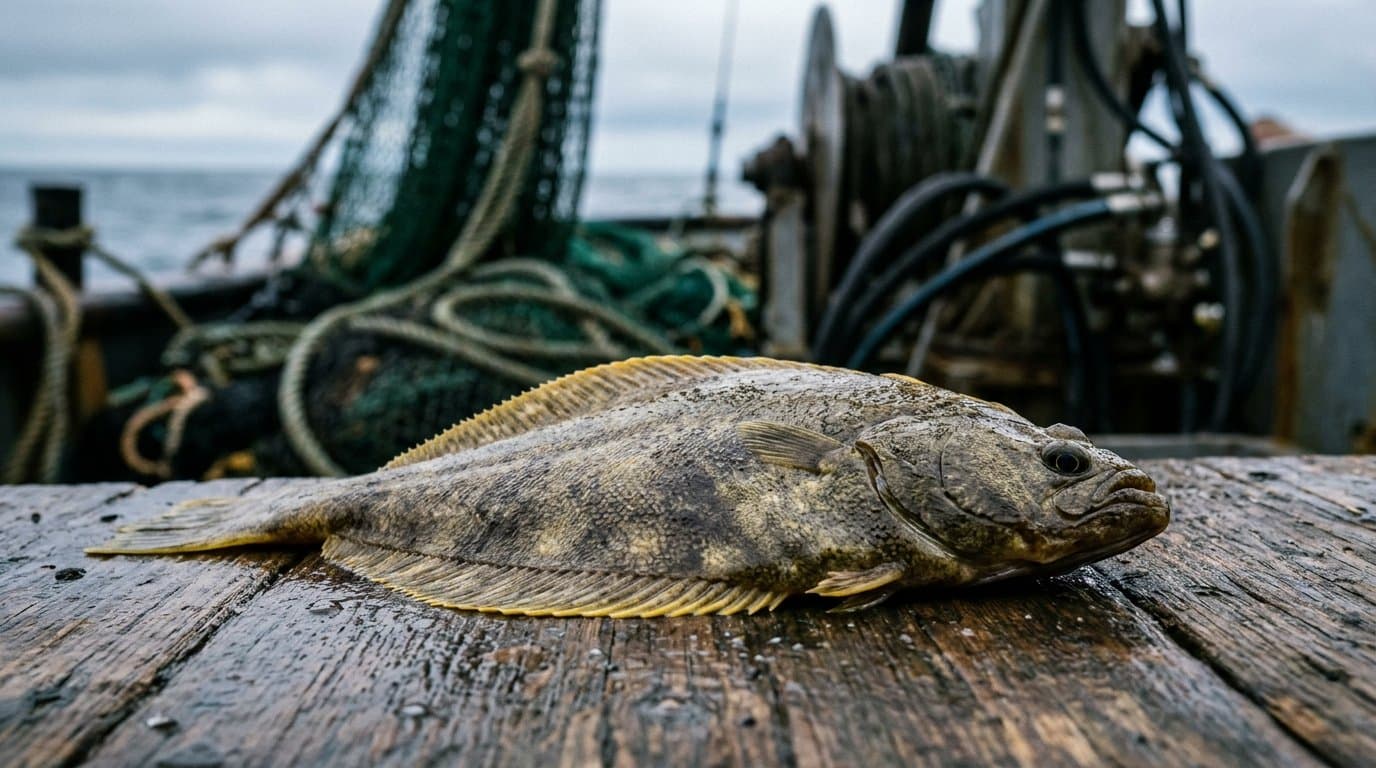
Large copepods and krill, both zooplankton, were more plentiful and carried more fat. The NOAA bottom trawl survey found more biomass and better condition in pollock, cod and yellowfin sole, and cod condition was the highest since 2005. Forage fish were a weaker spot: capelin, herring and young pollock were low over the southeastern shelf.
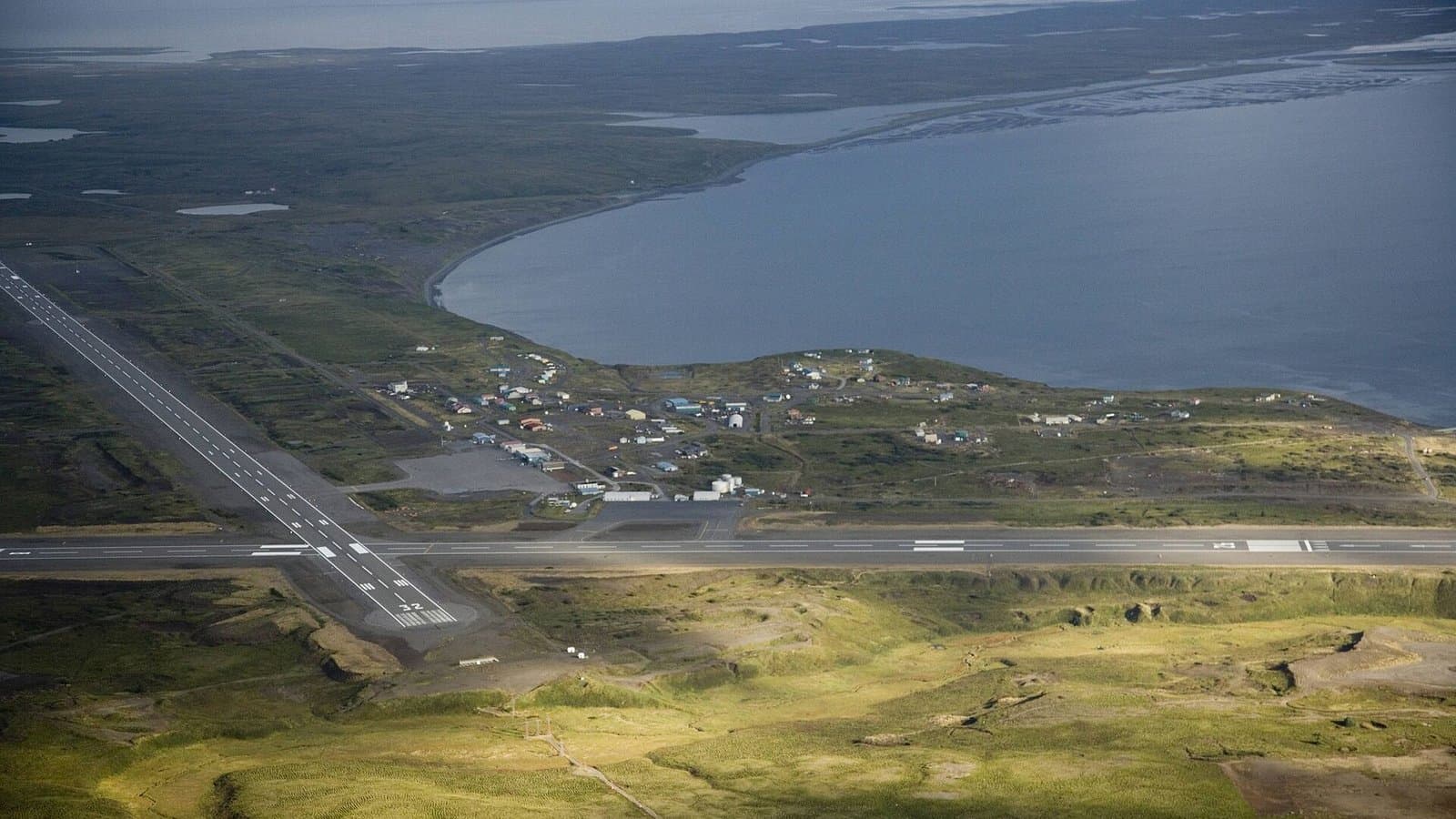
On the Pribilof Islands, seabirds had a strong breeding year on St. Paul Island. Northern fur seal mothers there made their shortest foraging trips in the time series, and female pups were heavier than average.
Young Chinook in the northern Bering Sea were in better shape and more numerous. Their index, 2.5 million, was still below the 2003 to 2025 average of 2.76 million. The summary says that points to potential improvement in adult runs over the next three to four years. For 2027, though, the full report anticipates poor Chinook and chum abundance on the Yukon and Kuskokwim. It says the outlook is not a predictive forecast and does not account for El Niño.
Modeled bottom-water pH and aragonite saturation, measures of how acidic and corrosive the water is, hit their lowest points in the 1993 to 2026 series. Red king crab appear more vulnerable than snow crab.
Toxic Alexandrium algae bloomed for a third straight year in the southeastern Bering Sea. The report says its saxitoxin killed seabirds on Round Island in Bristol Bay in August, after fur seal deaths at the Pribilof Islands in 2024 and 2025. Federal wildlife records list 470 dead birds, 450 of them black-legged kittiwakes, with saxitoxin a suspected cause in all 10 tested.
The summary says a very strong El Niño is expected to warm the eastern Gulf of Alaska this winter, but Bering Sea conditions depend more on the Aleutian Low and regional winds. Forecasts for the southeastern shelf range from near-neutral to warm. "Any developing warmth over the shelf will overlay the cool thermal conditions observed in 2026," says the summary of the report edited by Elizabeth Siddon of the center's Auke Bay Laboratories.
The council's Scientific and Statistical Committee takes up the report and the recommended ceilings Nov. 30 through Dec. 3. Written comment to the council is open until noon Friday.
What did you make of this story? (no account needed)
Made by our human newsroom with AI. How humans and AI work here · Grow with our newsroom ·
Keep Alaska News free for everyone.
No paywall, ever. Members pay so everyone can read the meetings and records Alaska News covers.
Get Alaska News in your inbox
Create your free account and get the day’s top stories around 6 each morning, in a few minutes’ read.
Top stories, around 6 each morning.
Stories on what you follow, on Sundays.
Source: North Pacific Fishery Management Council, Bering Sea had its coldest spring since 2012 and most sea ice since 2013, federal scientists report, with fatter groundfish and hopeful signs for Chinook.




Comments
Sign in to leave a comment.
No comments yet. Be the first to share your thoughts.