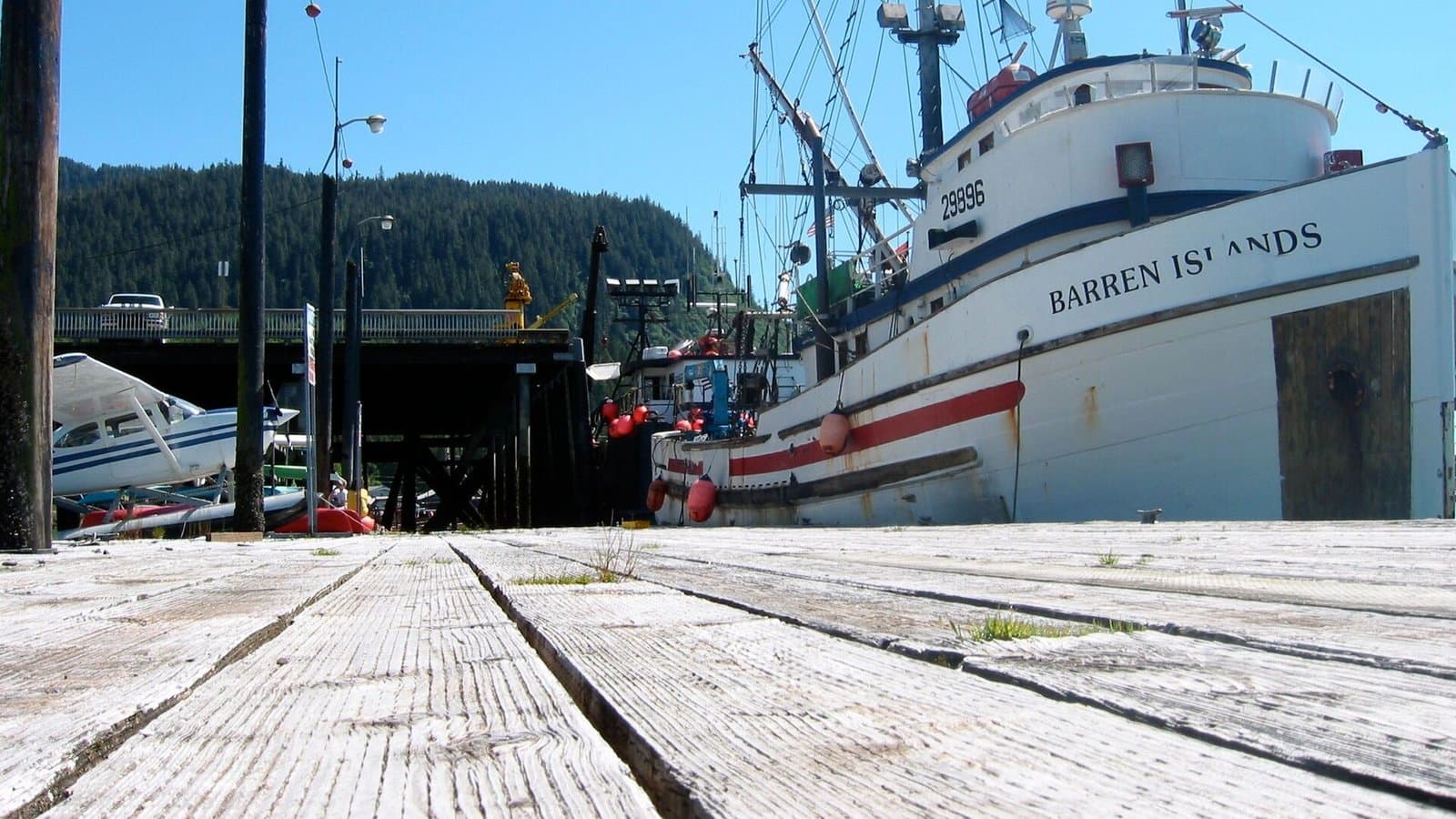
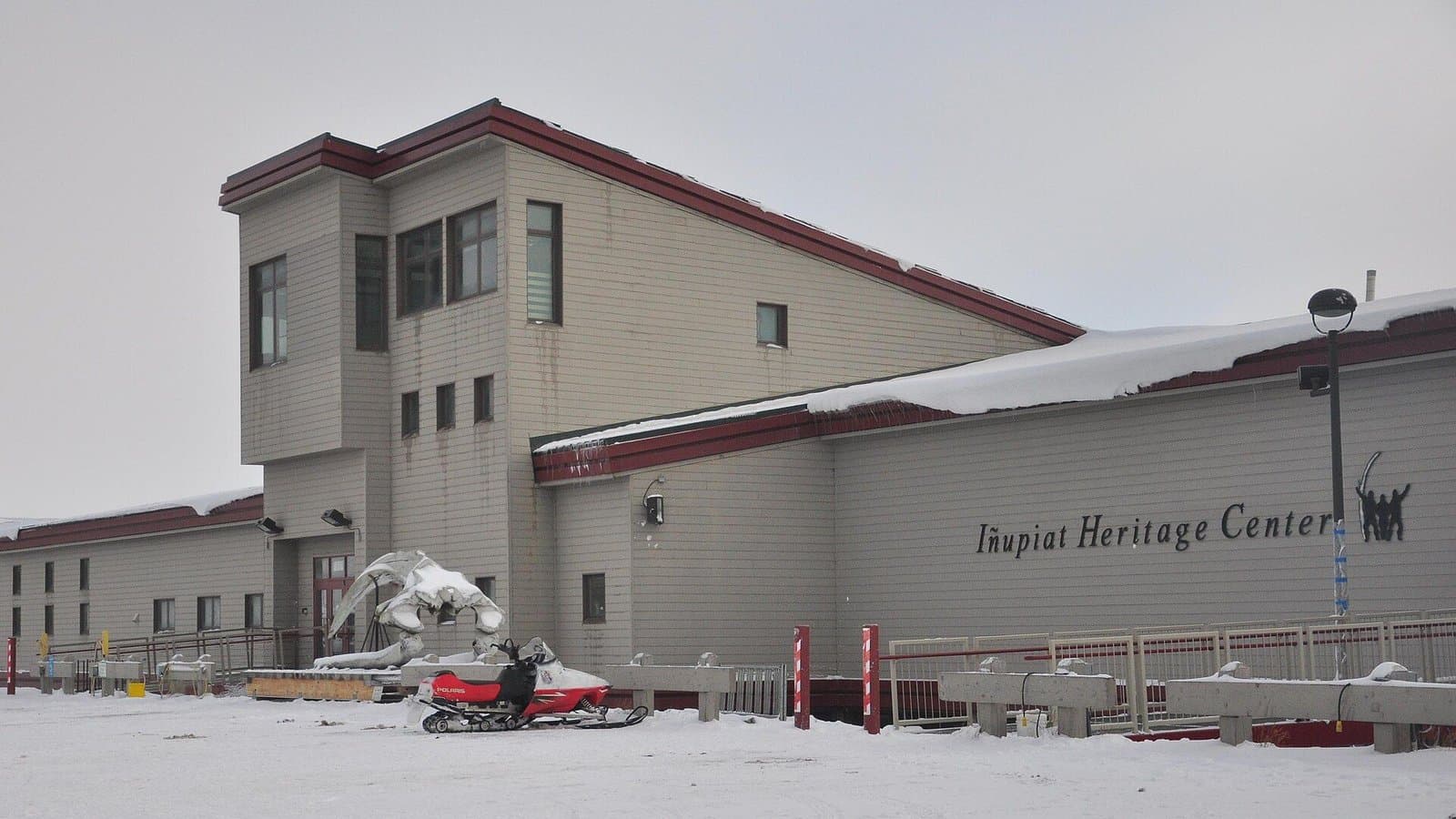
Photo: James Crippen via Wikimedia Commons · Photo source · Public domain
Groundfish boats' earnings rose 9% in 2025 as their share of value held near a historic low
Fishing boats that sold groundfish off Alaska earned $777 million in 2025, up 9% from 2024. But their share of what that fish brought after processing stayed near a historic low of about 30% for a second straight year. NOAA Fisheries economist Russel Dame presented the figures to the fishery council's Joint Groundfish Plan Team on Monday.
First-wholesale value, the gross value of the first sale after initial processing, rose 8% to $2.6 billion, according to the Brief on the Economic Status of the Groundfish Fisheries Off Alaska, 2026. Boats' dockside sales came to roughly 30 cents for every dollar of that value. Both figures are gross revenue in nominal dollars, not adjusted for inflation.
The report goes to the North Pacific Fishery Management Council, which is set to adopt 2027 groundfish catch limits at its Dec. 4-9 meeting in Anchorage.
The dockside gain came mostly from higher prices. Pacific cod added $42 million and sablefish $21 million. Pollock, the largest fishery, fell $15 million as its average price dropped 6% while catch rose 2%. The $777 million total remains 4% below the 2020-2024 average of $811 million.
The brief links the price gains partly to a smaller global supply of some groundfish. Catch limits for Barents Sea cod, a substitute for Pacific cod, have dropped sharply in consecutive years, and processors shifted toward frozen Alaska Pacific cod. Russian exports of frozen pollock stayed near record highs in 2025, which the brief says likely contributed to falling pollock prices.
Retained catch rose 2% to 4.4 billion pounds. Bering Sea and Aleutian Islands dockside value rose 4% to $635 million; Gulf of Alaska value jumped 33% to $142 million.
The report says the real effective exchange rate stabilized in 2025 but remains at a historical high, making Alaska seafood exports more expensive than competing seafood and other proteins. The low vessel share, it says, may be associated with market factors such as increased processing overhead or input inflation.
Active catcher processors fell to 47, the fewest since records began in 2003. Catcher vessels rose to 519 from a recorded low in 2024, bringing the active fleet to 566.
Early 2026 sales records show higher dockside prices for Pacific cod, pollock and sablefish, which the economists say suggests final 2026 prices will rise too.
The documents also break out revenue by owner residence. The Alaska resident share of shoreside groundfish dockside value is at its highest level since 1998, but the full Economic SAFE report attributes about 73% of all 2025 groundfish dockside value to vessels whose owners live outside Alaska.
The economists say the figures are context for setting total allowable catch, not the acceptable biological catch that scientists recommend first. The Scientific and Statistical Committee, the council's science advisers, is set to review the report Nov. 30 through Dec. 3. Written comments to the council are due at noon Nov. 27.
What did you make of this story? (no account needed)
Made by our human newsroom with AI. How humans and AI work here · Grow with our newsroom ·
Get Alaska News in your inbox
Create your free account and get the day’s top stories around 6 each morning, in a few minutes’ read.
Top stories, around 6 each morning.
Stories on what you follow, on Sundays.
Source: North Pacific Fishery Management Council.








Comments
Sign in to leave a comment.
No comments yet. Be the first to share your thoughts.