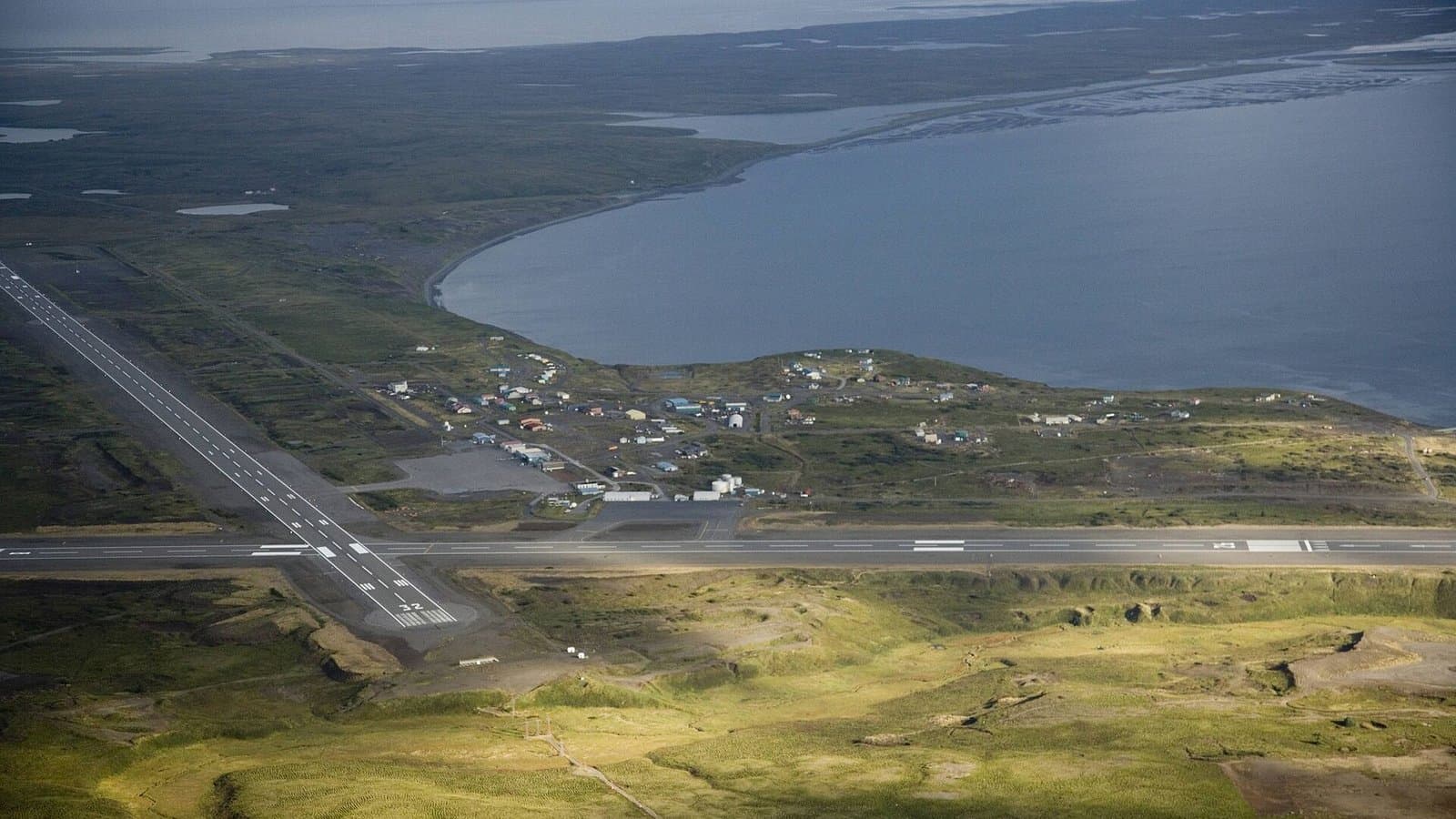
Photo: US Fish and Wildlife Service via Wikimedia Commons · Photo source · Public domain
Grant Aviation will keep flying King Cove to Cold Bay at a higher federal subsidy
The U.S. Department of Transportation picked Grant Aviation on Nov. 18 to keep flying King Cove's federally subsidized flights to Cold Bay for two more years, at about 22% more than it pays now.
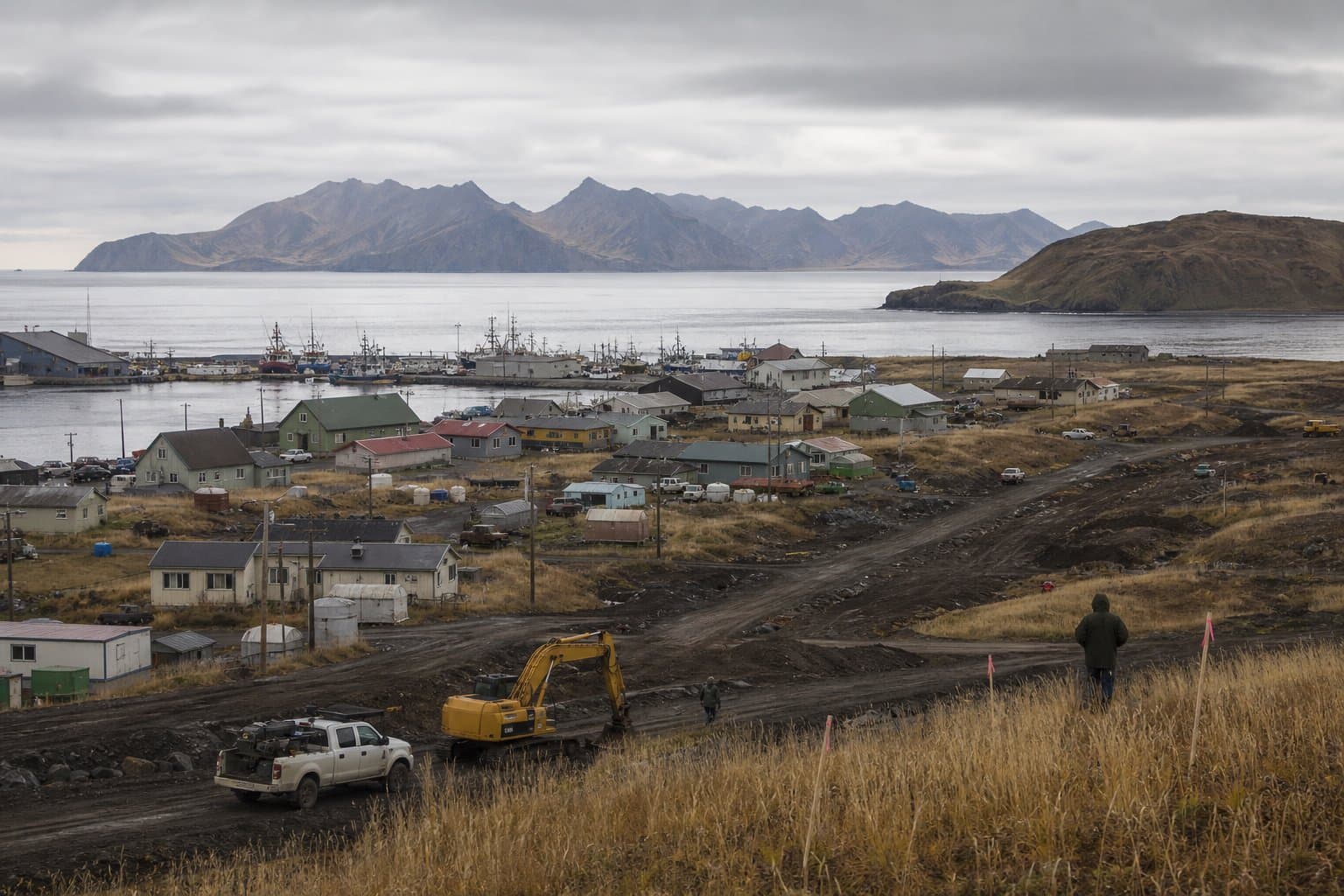
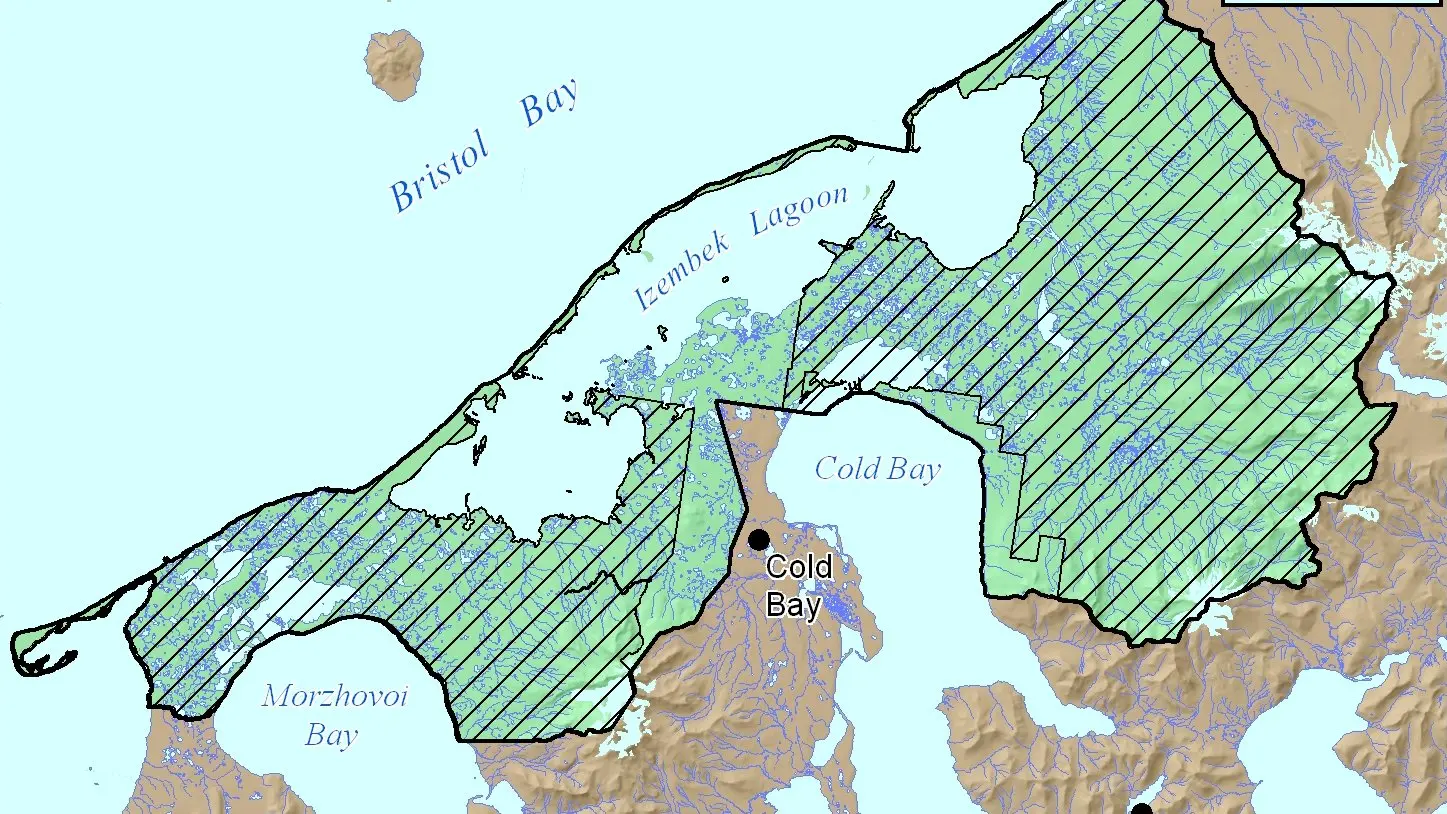
The short hop links King Cove to Cold Bay, whose all-weather airport connects the town to Anchorage. King Cove's own airport is inaccessible because of weather roughly 120 days a year, Mayor Warren Wilson said in a state release in September. There's no road between the two towns.
King Cove has sought a road to Cold Bay for decades, and construction has begun on only part of it. The state started building the first 2.8 miles in September, on land King Cove Corporation owns. The rest of the 18.9-mile route needs federal land in the Izembek National Wildlife Refuge and is tied up in court; a federal judge vacated the land exchange it depends on in August, and that ruling is on appeal. Supporters say the road would save lives in medical emergencies. Opponents, including conservation groups, say it would damage the refuge's wildlife habitat.
Through the Essential Air Service program, which pays an airline to keep a set level of scheduled flights going to small communities, Grant's subsidy is set at $1,905,765 for the first year and $2,009,692 for the second, starting Dec. 1. That's about $3.92 million for the same 12 round trips a week the current contract covers.
The new first-year rate is about 2.7 times the $697,478 the department set for the last year of Grant's 2019 to 2024 contract, according to the department's 2024 order.
Grant was again the only bidder. King Cove was one of six of seven Alaska routes up for bid this year where a single carrier bid, each seeking more federal money.
Grant's proposal says wages, fuel and insurance costs have risen significantly. By our arithmetic on its cost sheets, most of the first-year subsidy increase comes from lower expected revenue. Grant projects $287,945 in first-year revenue from fares, freight and mail, down from $517,630 in its 2024 proposal. Its projected costs, including profit, rose about 4%, to $2.19 million. The subsidy covers the gap.
Fewer people flew in 2025. Federal figures the department published in April show 618 passengers at King Cove that year, down from 889 the year before. Mail rose, to 191,862 pounds from 179,909.
Grant's proposal aims for 624 flights a year "as weather permits," with a target completion rate of 75%. By our count of federal flight data, Grant flew 447 flights from King Cove to Cold Bay in 2025, about 72% of that goal. From January through August this year it flew 334, about 80% of that pace. Generally, only completed flights are eligible for payment.
The department said Grant has provided reliable service at King Cove for more than nine years. When Grant won the current contract in 2024, the department said most public commenters raised concerns about unreliable service and its effects on passengers and mail, including medications. Others pointed to weather and the need for runway improvements, and one called Grant safe and reliable. This year, the department asked the community and the state for comments and got none.
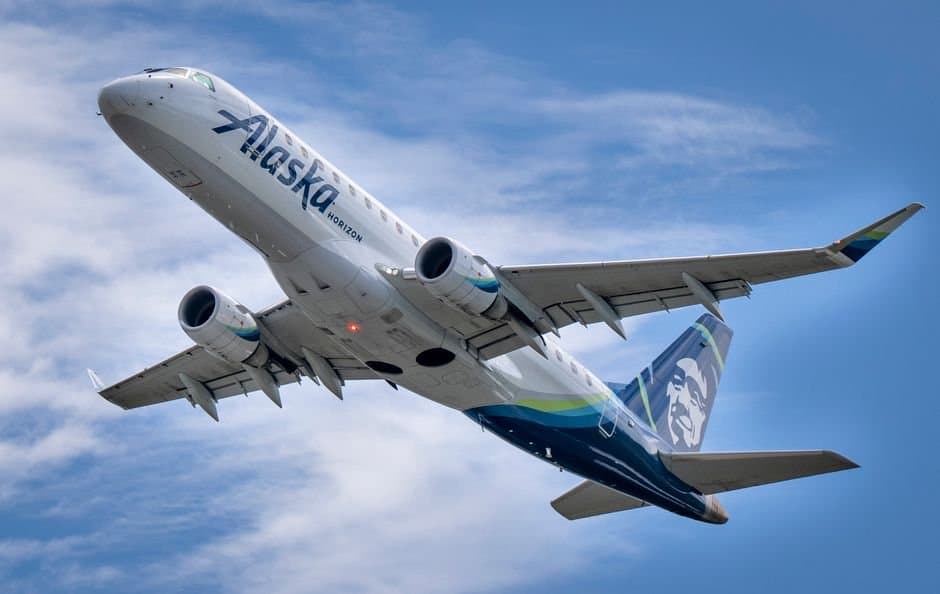
The new contract names only the nine-seat Piper Navajo Chieftain; the current one also allows a Beechcraft King Air.
The selection depends on Grant's signed federal certifications, and payment depends on money being available. The program's money runs through Dec. 11 under the stopgap spending law enacted in September. During last fall's shutdown, the department warned carriers it might relieve them of their contract obligations, then secured more money to keep paying until Congress restored funding in November 2025.
What did you make of this story? (no account needed)
Made by our human newsroom with AI. Reviewed by Cale Green. How humans and AI work here · Grow with our newsroom ·
Keep Alaska News free for everyone.
No paywall, ever. Members pay so everyone can read the meetings and records Alaska News covers.
Get Alaska News in your inbox
Create your free account and get the day’s top stories around 6 each morning, in a few minutes’ read.
Top stories, around 6 each morning.
Stories on what you follow, on Sundays.
Source: Grant Aviation keeps subsidized King Cove flights to Cold Bay at a higher federal cost.




Comments
Sign in to leave a comment.
No comments yet. Be the first to share your thoughts.