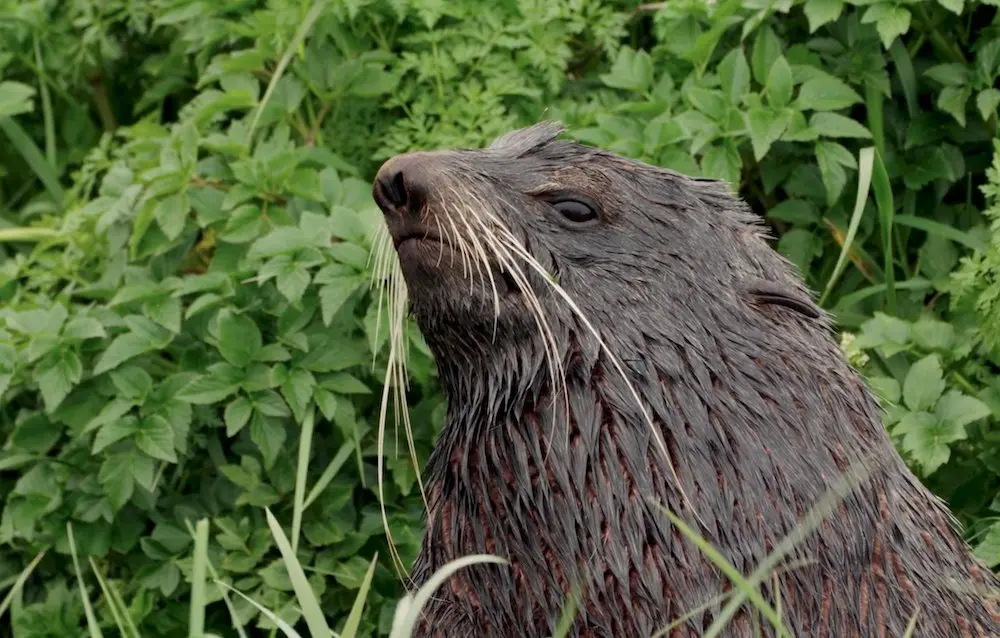
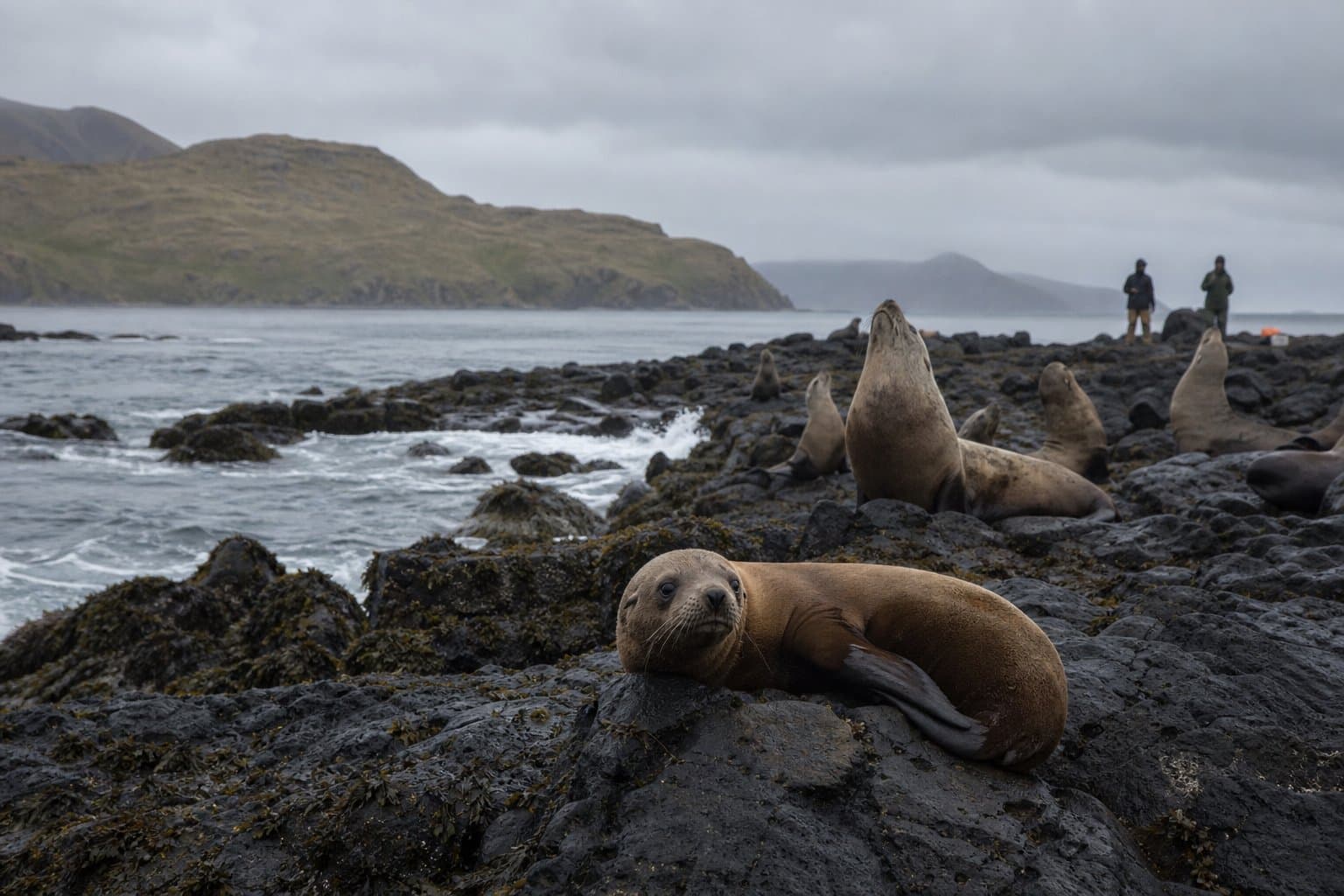
Close-up: A northern fur seal on St. Paul Island. The Pribilof Islands’ fur seals have been designated depleted under the Marine Mammal Protection Act since 1988. (Photo by Cale Green)
Toxic algae that killed Pribilof fur seals bloomed again in the Bering Sea this summer
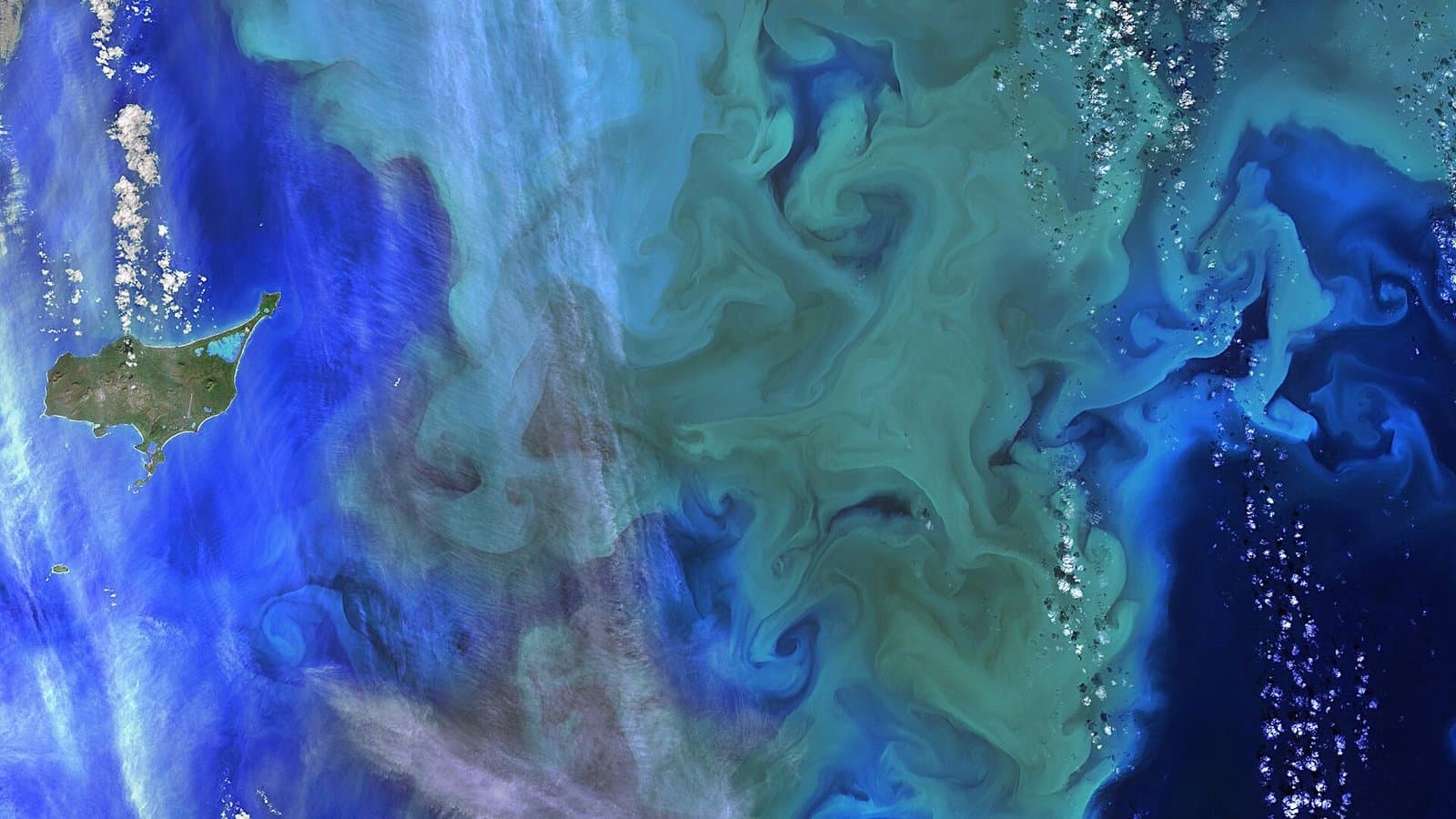
A toxic alga that killed northern fur seals on the Pribilof Islands in 2024 and 2025 bloomed again in the southeastern Bering Sea this summer, the third year in a row, according to a new federal report.
The alga, called Alexandrium, makes saxitoxin, the poison behind paralytic shellfish poisoning. In people, it can kill within two hours, and there is no antidote.
No fur seal deaths were linked to it this year. But about 470 seabirds, most of them black-legged kittiwakes, died this summer on Round Island in Bristol Bay, home to one of North America's largest walrus haulouts. U.S. Geological Survey records list saxitoxin poisoning as a suspected cause in all 10 birds tested; the report says researchers are still investigating whether those deaths trace back to the bloom.
A bloom has developed in the same stretch of ocean every summer since scientists began surveying it with shipboard plankton-imaging instruments in 2024. The report says that suggests it "may be a perennial feature of the southeastern Bering Sea."
The toxin moves up the food chain, from clams and small fish to seals and seabirds. The report says it reaches animals that coastal communities harvest for food, and that testing of marine subsistence foods happens "as funding allows."
The report, edited by NOAA Fisheries scientist Elizabeth Siddon, goes to the North Pacific Fishery Management Council's Scientific and Statistical Committee at its meeting starting Nov. 30. The committee uses it as background as it recommends next year's catch limits for pollock, cod and other groundfish in the Bering Sea and Aleutian Islands.
Alexandrium is a microscopic, single-celled alga. Between blooms, it can lie dormant as cysts in seafloor sediment; the study of the 2024 fur seal deaths reported large beds of those cysts in the area. Warmer water raises the rate at which the cysts germinate and the cells grow, the report says.
Clams, krill and fish such as herring can build up the toxin, according to NOAA, and it passes to the animals that eat them. Saxitoxin blocks nerve signals, causing paralysis, especially of the muscles used to breathe. Marine mammals poisoned at sea would most likely suffocate there and might never be found, the researchers wrote, so known cases are probably "a gross underestimate."
The first confirmed fur seal deaths from the toxin came on St. Paul Island in August 2024. A member of the Aleut Community of St. Paul Island first spotted them on Benson Beach, a popular beachcombing spot: 10 dead fur seals in good body condition, along with hundreds of dead fish. Tribal environmental staff froze six of the carcasses for testing, and staff from the tribe's Ecosystem Conservation Office are among the study's authors.
That study, led by NOAA research biologist Kathi Lefebvre, found saxitoxin in all five adult seals tested. In the waters where the seals feed, the toxin was in every fish and clam sampled and in 93% of zooplankton and worms.
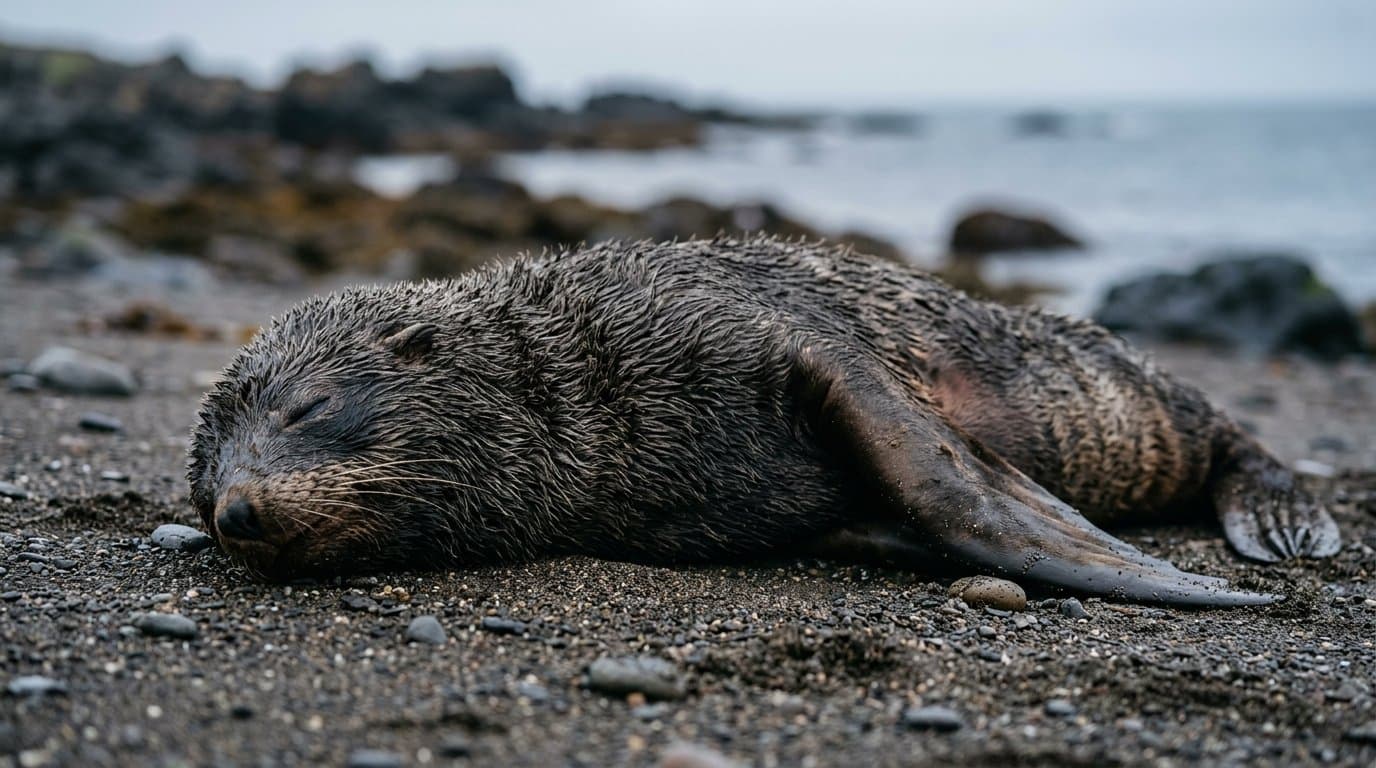
In 2025, scientists found high concentrations in the same area in early August. About two weeks later, dead fur seals, seabirds and fish were found on St. George Island, just south of St. Paul. Twenty-one fur seals were found dead there, and one carried the highest saxitoxin level ever recorded in the species. The report says the birds were mostly thick-billed murres and that their numbers at the Pribilof colonies stayed relatively stable this year.
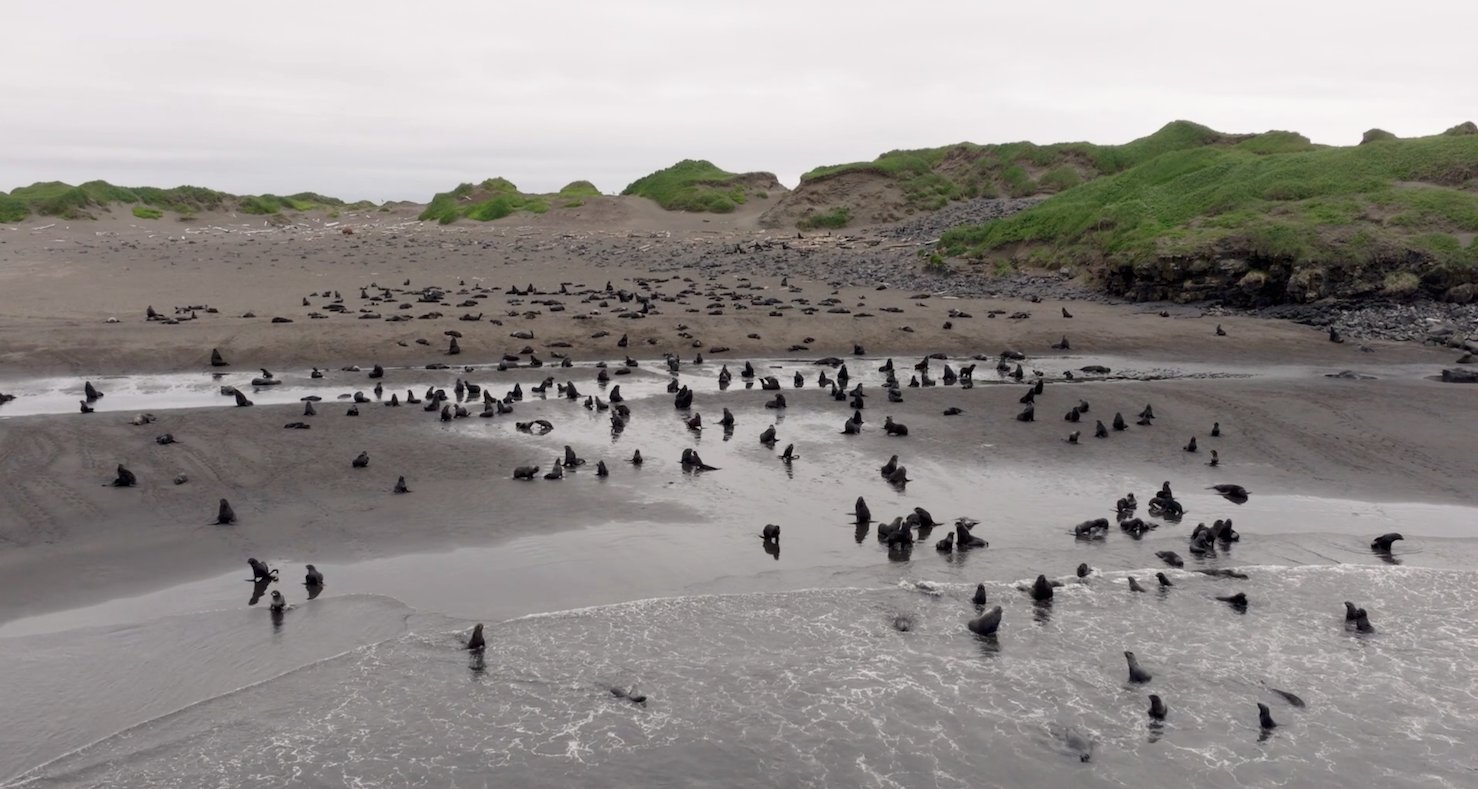
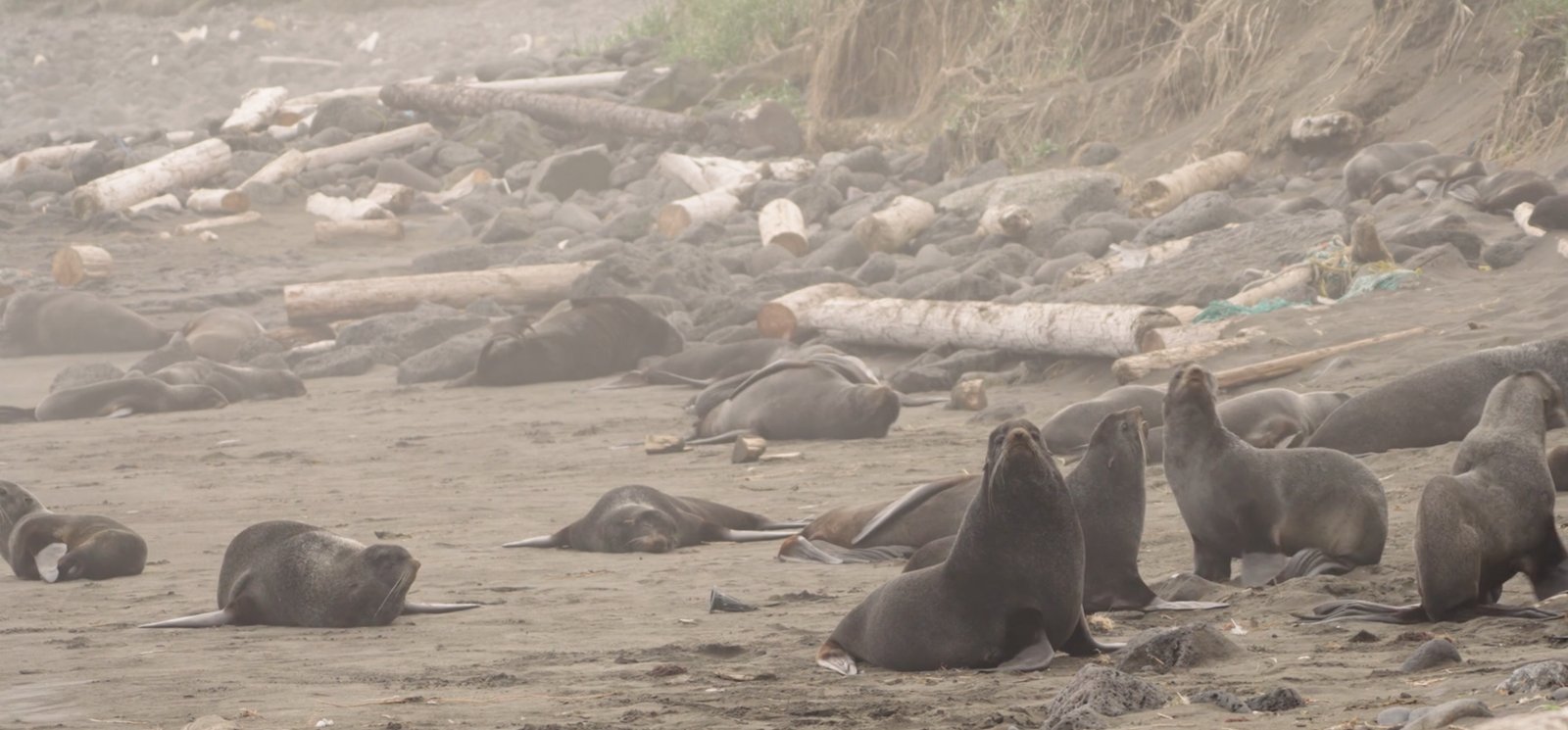
The Pribilof fur seals have been designated depleted under the Marine Mammal Protection Act since 1988. The number of pups born on St. Paul fell about 4% a year from 1998 to 2022, the most recent count, while St. George's grew after hitting a low in 2012, the report says.
This year's bloom started small. On June 21 and 22, plankton-imaging instruments on two vessels detected about 800 Alexandrium cells per liter of seawater, roughly a quart, about 130 miles east of St. Paul. The instruments photograph tiny particles in seawater flowing through the vessel. That wasn't enough to trigger an advisory.
By late August, counts by biologists aboard the NOAA ship Oscar Dyson and by an instrument aboard the research vessel Sikuliaq reached an estimated 50,000 cells per liter, which the report calls "very high and potentially dangerous." The bloom covered the area from the Pribilofs to the north side of the Alaska Peninsula, and a group of experts sent an advisory to communities, managers and researchers in the region.
It was the only harmful algal bloom that plankton-imaging instruments on three research vessels detected in Alaska waters this summer. The report says 2026 was a cooler year, which likely explains a slight drop in blooms overall.
The state recorded 132 cases of paralytic shellfish poisoning and five deaths from 1993 through 2021, most often from butter clams, mussels and cockles; most of the poisonings happened on Kodiak Island and in Southeast. Cooking and freezing don't destroy the toxin, and a contaminated clam shows no visible sign of it.
The state tests commercial shellfish, which it says are safe to eat, but it has no testing program for shellfish people harvest themselves. When NOAA announced the St. Paul findings in 2025, it said the toxin's presence in wildlife "does not currently pose a human health risk."
Lefebvre's research team says warming water is increasing these toxins in Arctic and sub-Arctic food webs. A second study she led, published in the journal Nature in 2025, tested samples from 205 bowhead whales taken in fall subsistence hunts in the Beaufort Sea from 2004 to 2022. Saxitoxin was in at least half of the whales sampled every year, and whales that fed where more ocean heat was flowing in generally carried more of it.
"As the Arctic Ocean ecosystem gets warmer, harmful algal blooms are becoming more frequent, getting stronger, and spreading further," Lefebvre said in a NOAA account of the fur seal study.
Raphaela Stimmelmayr of the North Slope Borough's Department of Wildlife Management said communities need field tests that can check traditional foods for the toxins in real time, according to a NOAA account of the whale study.
Lefebvre's team has received another five-year grant to continue its research, the report says, and is strengthening ties with Alaska Native communities that rely on marine foods so they can monitor for the blooms and toxins locally.
What did you make of this story? (no account needed)
Made by our human newsroom with AI. Reviewed by Cale Green. How humans and AI work here · Grow with our newsroom ·
Keep Alaska News free for everyone.
No paywall, ever. Members pay so everyone can read the meetings and records Alaska News covers.
Get Alaska News in your inbox
Create your free account and get the day’s top stories around 6 each morning, in a few minutes’ read.
Top stories, around 6 each morning.
Stories on what you follow, on Sundays.
Source: North Pacific Fishery Management Council.







Comments
Sign in to leave a comment.
No comments yet. Be the first to share your thoughts.