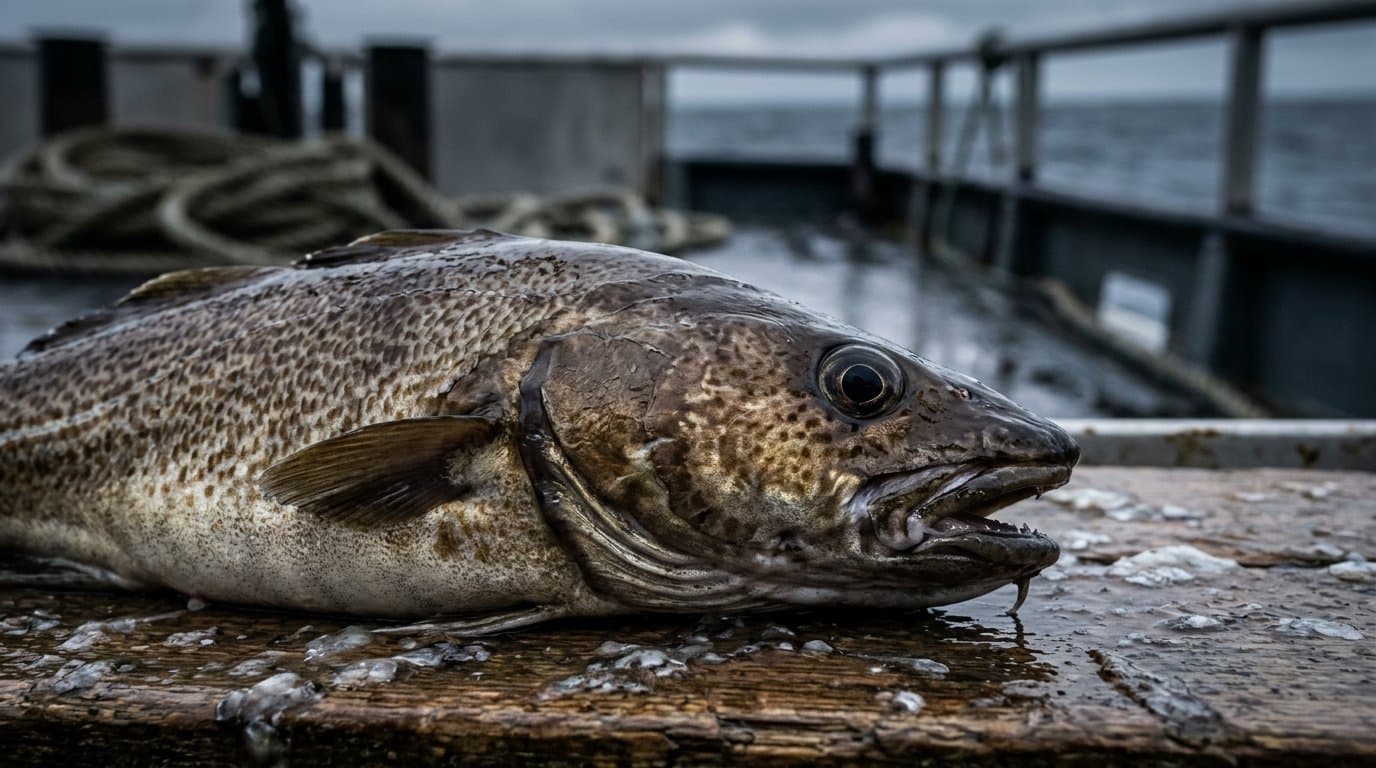
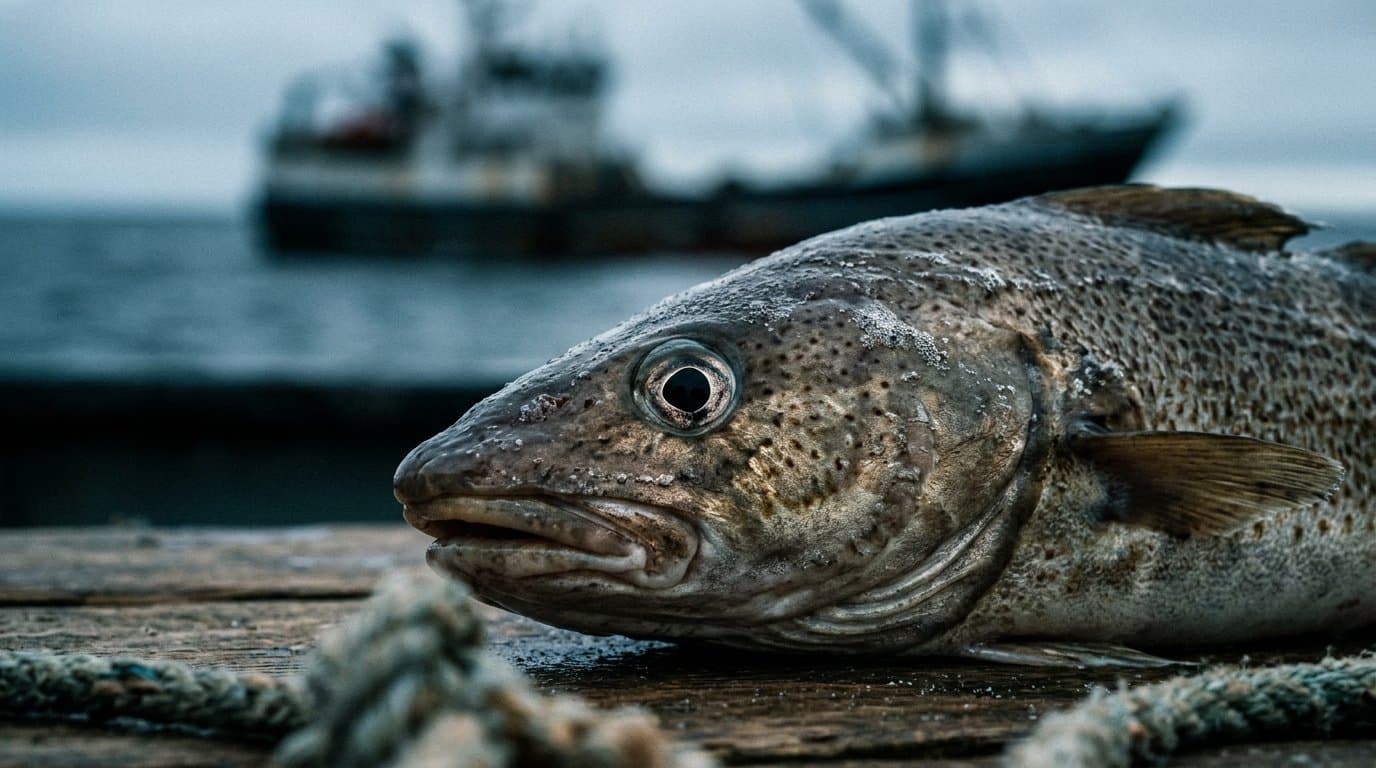
AI image
Scientists call for lower Bering Sea cod limit after survey finds fewest cod since 1989
Fishermen in the eastern Bering Sea should be allowed to catch less Pacific cod next year, federal scientists say, after this summer's survey pointed to the fewest cod in the Bering Sea since 1989.
In a draft assessment dated Nov. 3, scientists at NOAA's Alaska Fisheries Science Center recommended capping next year's catch at 123,787 metric tons, about 273 million pounds. That's 12.5% below this year's ceiling. If adopted, it would be the lowest since the eastern Bering Sea got its own cod limit in 2014, narrowly below the 2021 ceiling.
Pacific cod supports what NOAA Fisheries calls Alaska's second-largest groundfish fishery. In the Bering Sea, it's caught with trawls, longlines, pots and jigs, by everything from factory ships to boats under 60 feet. About 11% of the federal catch is set aside for Western Alaska villages through the Community Development Quota program.
The scientists didn't find the stock overfished or close to it, and they rated each risk category they track "no concern." They project the spawning population will edge up next year, to 35.2% of its estimated unfished level from 34% this year.
The lower ceiling comes mainly from a lower estimate of how many cod are out there. With the new survey data, they now estimate fewer cod were born in 2018, 2023 and 2025 than they had thought, partly offset by more born in 2022. By the model-based estimate the assessment uses, this summer's survey found 27% fewer cod than in 2025 and 65% fewer than at the 2014 peak.
The authors, led by Steven Barbeaux, said the cut comes mainly from those estimates, not from changes to their model. "These changes primarily reflect revisions to estimated year-class strength and population abundance rather than differences in model configuration," they wrote.
Not every measure fell. The total weight of cod in the survey's eastern Bering Sea area rose to about 621,000 tons from 548,000 "despite the drop in numbers," the authors wrote.
It's the first full assessment of the stock since 2024. The federal government shutdown kept one from being done in 2025, according to the federal rule that set this year's limits, so those limits came from 2024 projections. Measured against what those projections expected for 2027, the spawning stock is down 5.8%, but the recommended catch is down 11.7%. That's because of a federal harvest rule: while the spawning population is below 40% of its estimated unfished level, the allowed fishing rate is lowered too.
The ceiling isn't the limit boats fish under. The state runs its own cod fishery in nearshore waters, which gets 13% of the ceiling this year, and the federal limit comes from what's left. This year's federal limit is 123,077 tons. Under the recommended ceiling, it would be smaller.
As of Oct. 1, boats had caught 88% of this year's Bering Sea limit outside the village program, and NOAA Fisheries' October report projected the fleet might reach its directed-fishing limit by the end of the month. In October, managers twice moved cod that trawl catcher vessels weren't expected to catch, 350 tons and 475 tons, mostly to hook-and-line and pot boats under 60 feet.
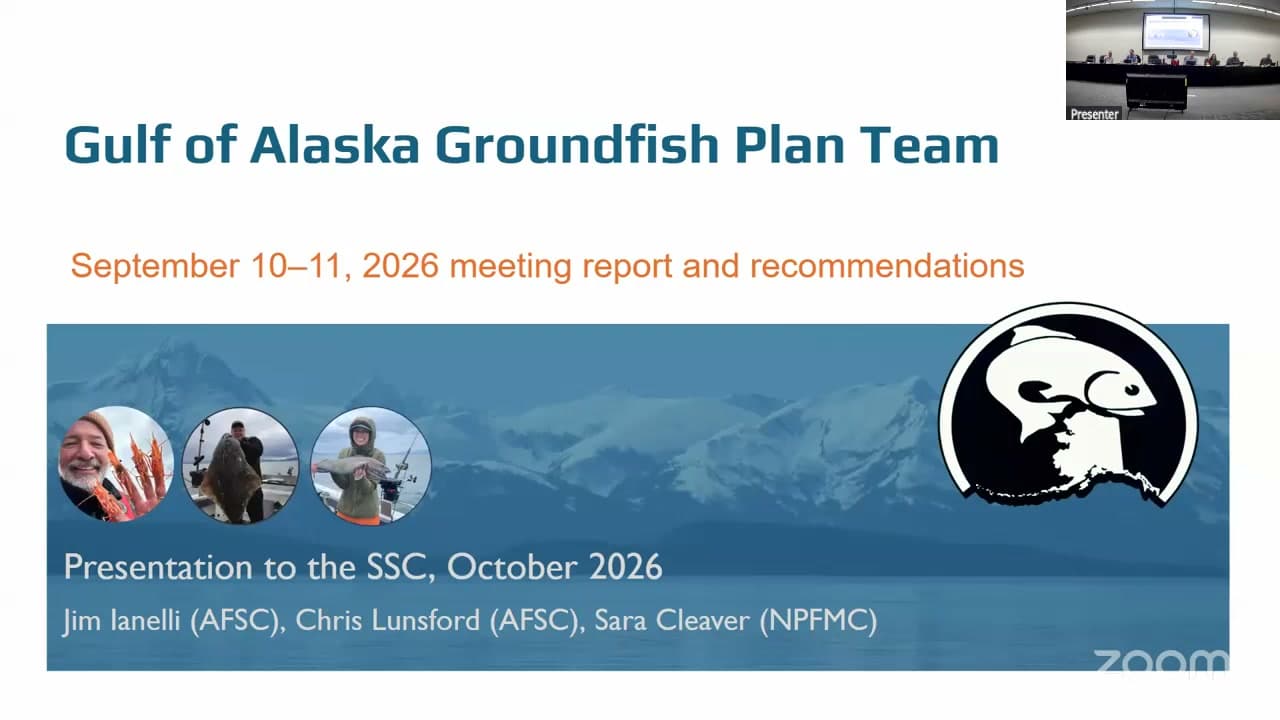
The recommendation isn't final. The council's Groundfish Plan Team reviews it Nov. 16 to 20 in Seattle, and its Scientific and Statistical Committee weighs in before the North Pacific Fishery Management Council votes on next year's limits at its Dec. 4 to 9 meeting in Anchorage. Any of them could change the numbers.
If the ceiling holds, it would be the third straight yearly drop. The scientists project another in 2028, to 118,299 tons.
What did you make of this story? (no account needed)
Made by our human newsroom with AI. Reviewed by Cale Green. How humans and AI work here · Grow with our newsroom ·
Get Alaska News in your inbox
Create your free account and get the day’s top stories around 6 each morning, in a few minutes’ read.
Top stories, around 6 each morning.
Stories on what you follow, on Sundays.
Source: North Pacific Fishery Management Council.



Comments
Sign in to leave a comment.
No comments yet. Be the first to share your thoughts.