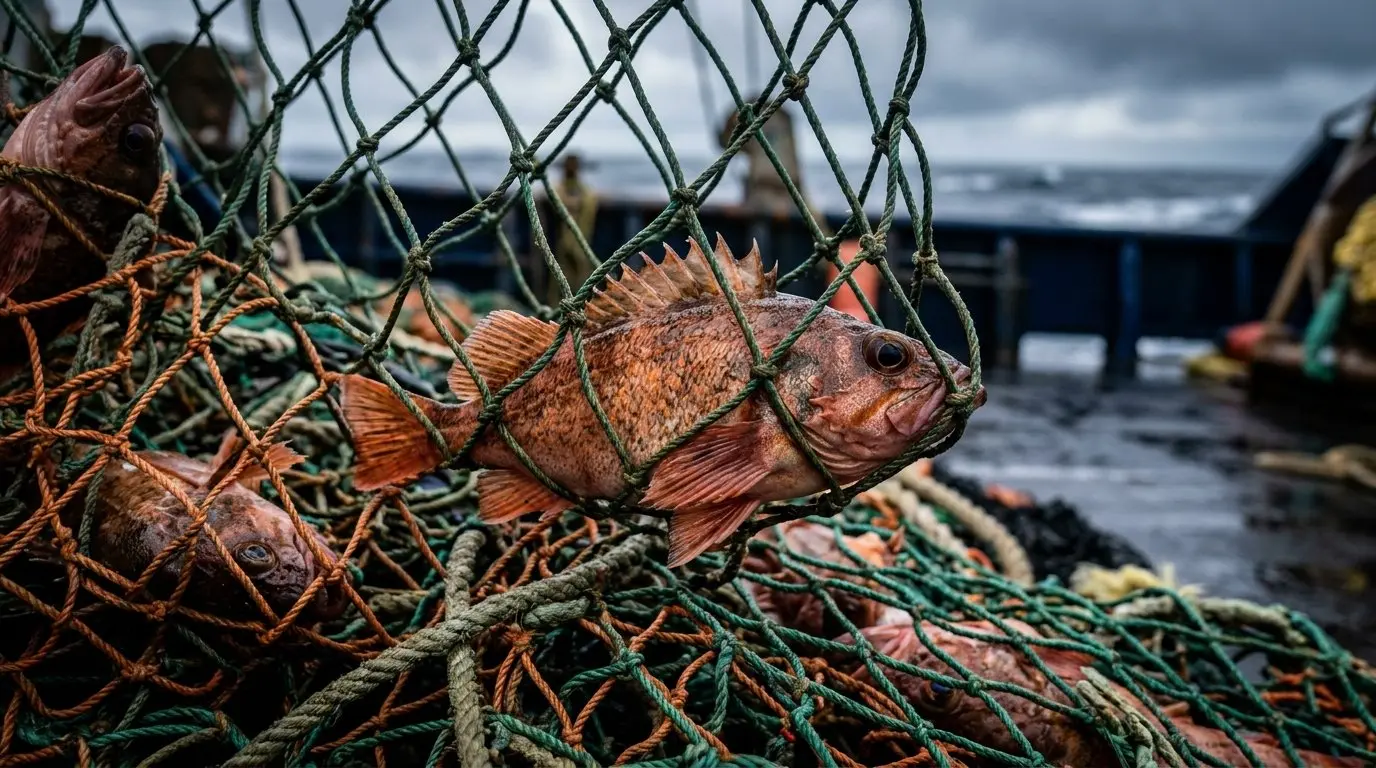
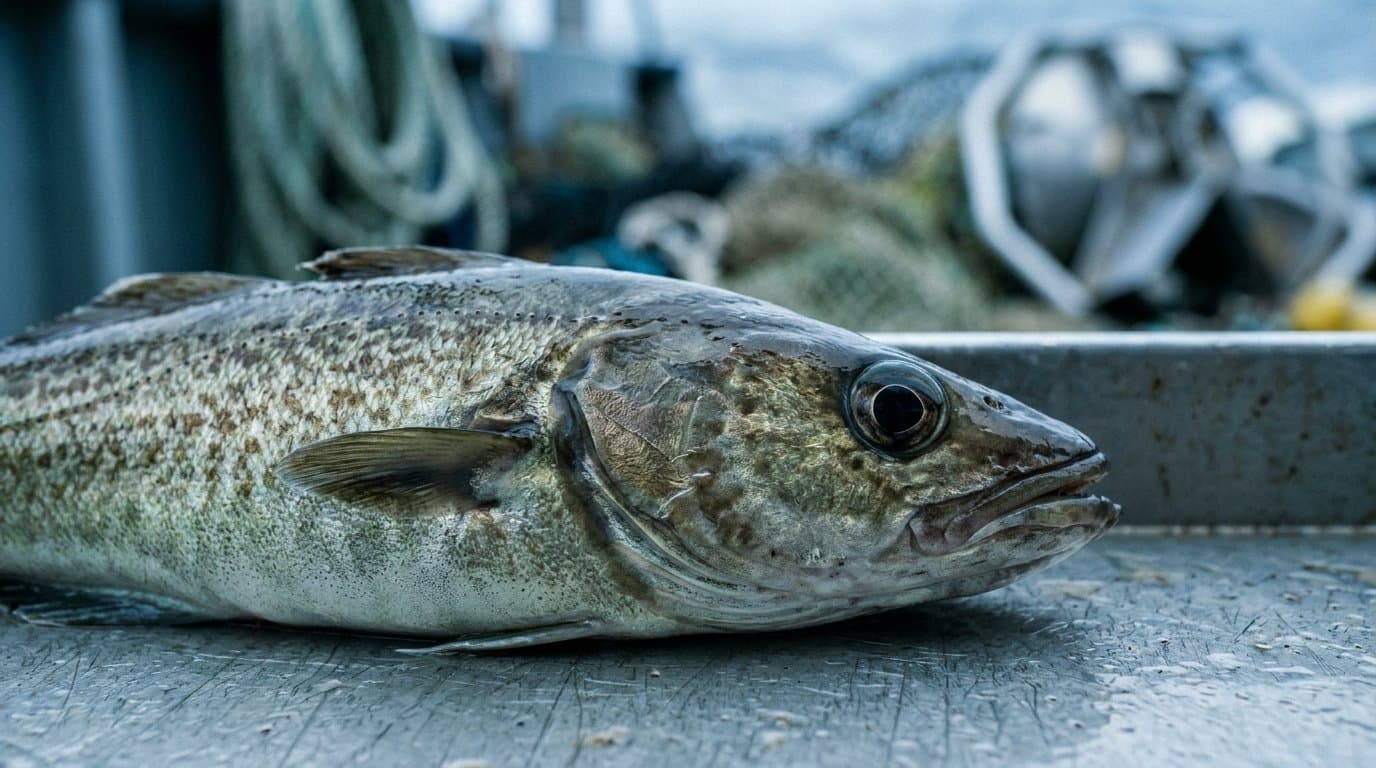
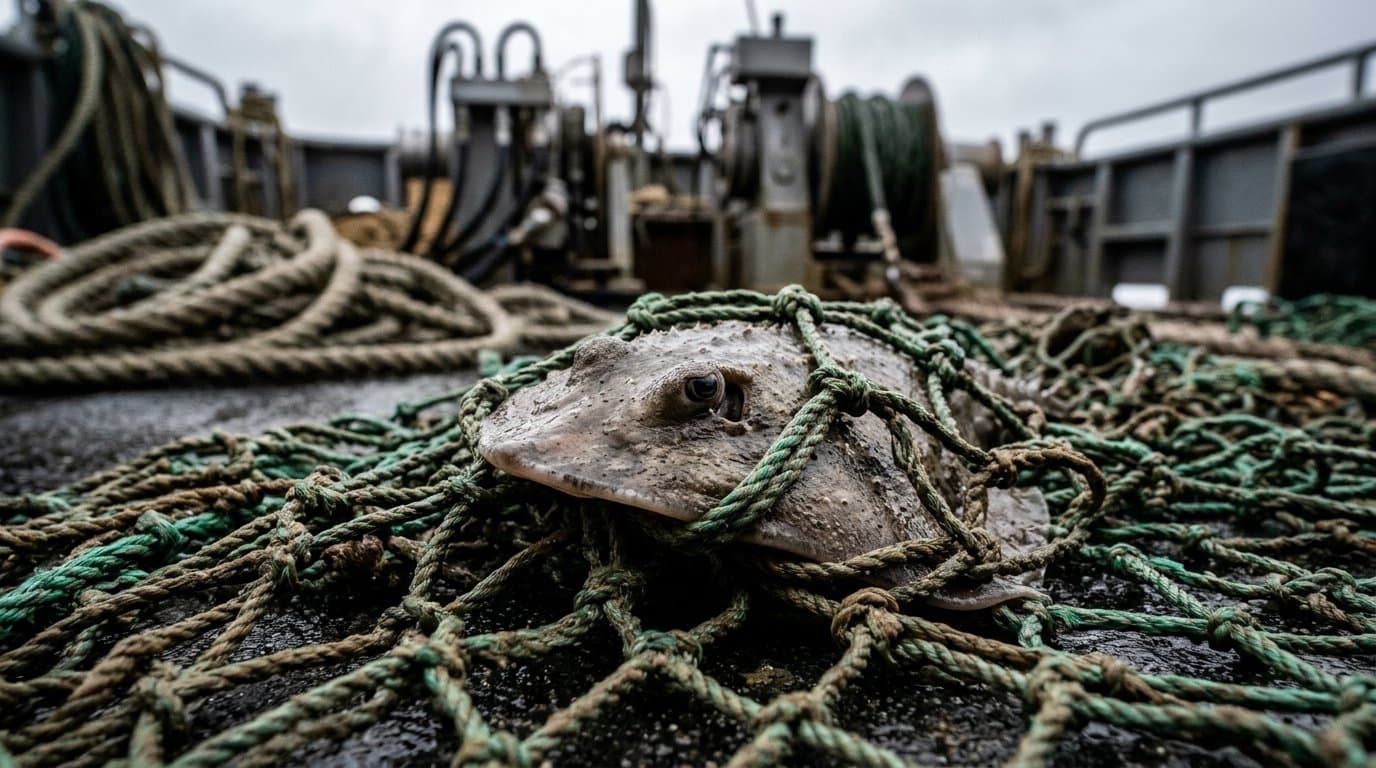
AI image
Scientists recommend holding Aleutian rougheye rockfish limit flat for 2027 and 2028
Three federal fisheries scientists recommend holding the Bering Sea and Aleutian Islands acceptable biological catch for blackspotted and rougheye rockfish at 766 metric tons for 2027 and 2028, according to a draft assessment posted Nov. 9. That matches the 2026 limit and sits 9.46% below the 846 tons the stock model would otherwise allow.
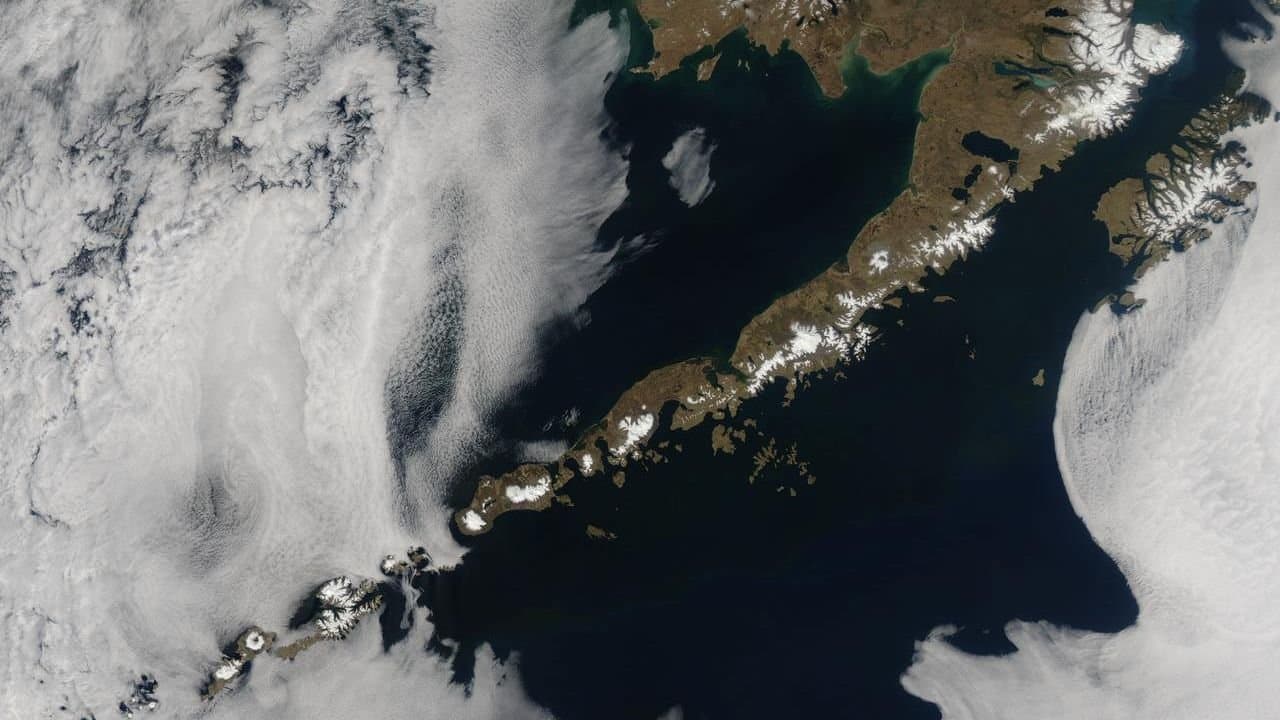
Paul D. Spencer, James N. Ianelli and Ned Laman of the Alaska Fisheries Science Center wrote the 2026 BSAI Blackspotted/Rougheye Rockfish Assessment. They cite conflicts between data sets, a stock and catch made up of young fish, fishery catch that does not match where the survey finds fish and a lower 2026 Aleutian survey. The Aleutian survey estimate fell 40%, from 24,410 tons in 2024 to 14,655 tons this year.
"Given these multiple issues, we recommend a reduction from the maximum permissible ABC," the authors wrote, referring to the highest catch level the harvest rules allow. They note the stock is not overfished, is not subject to overfishing and is not approaching an overfished condition.
The model estimates fish born in 2011 at 32.73 million, more than eight times the next-largest year class. Used as is, that number would have cut the 2027 Aleutian maximum 20%, from 712 tons to 573. The authors instead substituted the next-largest year class, as they did in 2022 and 2024.
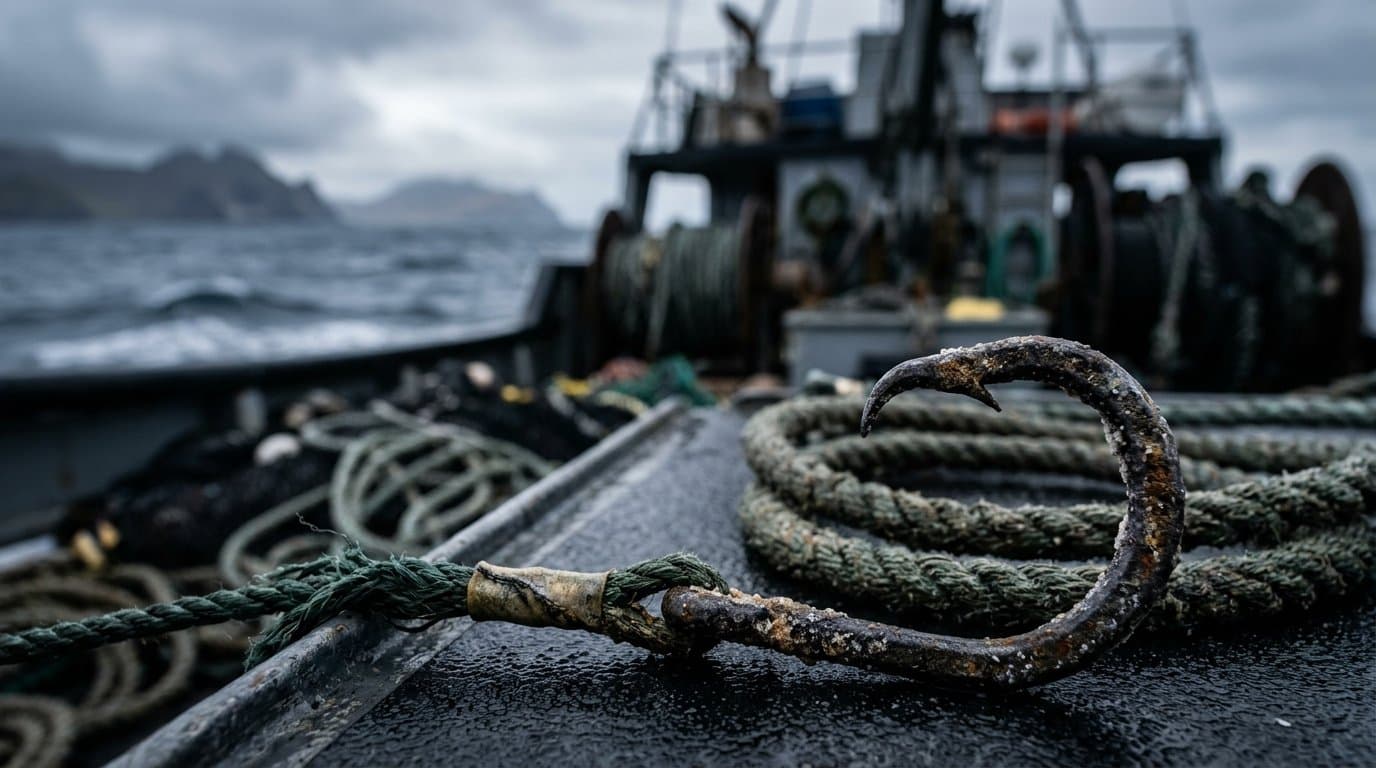
The fish come up as bycatch, mainly on trips for rockfish, Atka mackerel, Pacific cod and Kamchatka flounder. Catch in the western and central Aleutians has topped its subarea limit every year since 2019, by 66% on average, the draft shows. This year it reached 411 tons through Oct. 10, against a 325-ton limit.
The western Aleutians have held about 12% of the Aleutian stock by survey on average but produced 31% of the catch from 1994 to 2026. Western catch has been more than twice its voluntary ceiling, called the maximum subarea species catch, every year since 2019. This year it reached 246 tons against 109. The combined western and central limit "has not been effective in limiting catch in the WAI and reducing disproportionate harvesting," the authors wrote.
This is the only Alaska stock ranked "strong concern" for stock structure, a rating the authors trace partly to heavy western catch in the 1990s and sharp declines there beginning in 2000.
The National Marine Fisheries Service closed retention of these rockfish in the Central and Western Aleutian districts from noon Sept. 9 through Dec. 31 because the 325-ton limit had been or would soon be reached, according to the Federal Register notice. Hook-and-line, pot and jig catcher vessels are exempt.
The draft would replace the old subarea limits with three "Biologically-informed Recommended Distributions": 113 tons for the western Aleutians, 370 tons for the central Aleutians and 283 tons for the eastern Aleutians and eastern Bering Sea. Like the old limits, they carry no accountability measures when exceeded, and the council may set area catch limits below, at or above them. The authors say the change renames the advice without changing its method. At its October meeting, the council asked the science committee for December advice on flexibility in those area splits.
The council's groundfish Plan Team, its scientific review panel, is scheduled to review the assessment Tuesday afternoon.
The Scientific and Statistical Committee meets Nov. 30 to Dec. 3 at the Egan Center in Anchorage to recommend catch limits. The council meets there Dec. 4 to 9 to set 2027 catch limits. Written comment is open until noon Alaska time Nov. 27 through the council meeting page.
What did you make of this story? (no account needed)
Made by our human newsroom with AI. How humans and AI work here · Grow with our newsroom ·
Get Alaska News in your inbox
Create your free account and get the day’s top stories around 6 each morning, in a few minutes’ read.
Top stories, around 6 each morning.
Stories on what you follow, on Sundays.
Source: North Pacific Fishery Management Council, Scientists recommend holding Aleutian rougheye rockfish limit flat as catch keeps topping western and central Aleutian limits.




Comments
Sign in to leave a comment.
No comments yet. Be the first to share your thoughts.