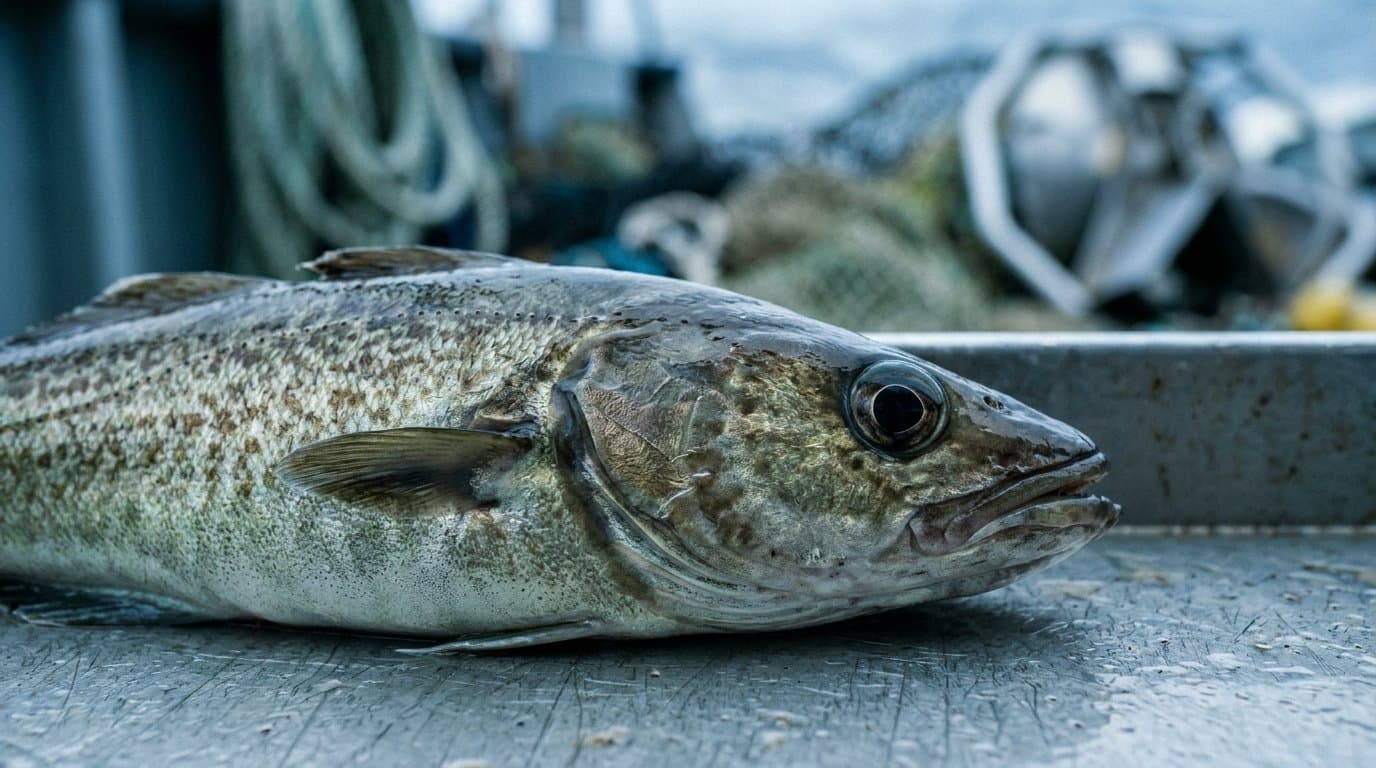
AI image
Scientists recommend a higher Gulf pollock limit for 2027, then a cut in 2028
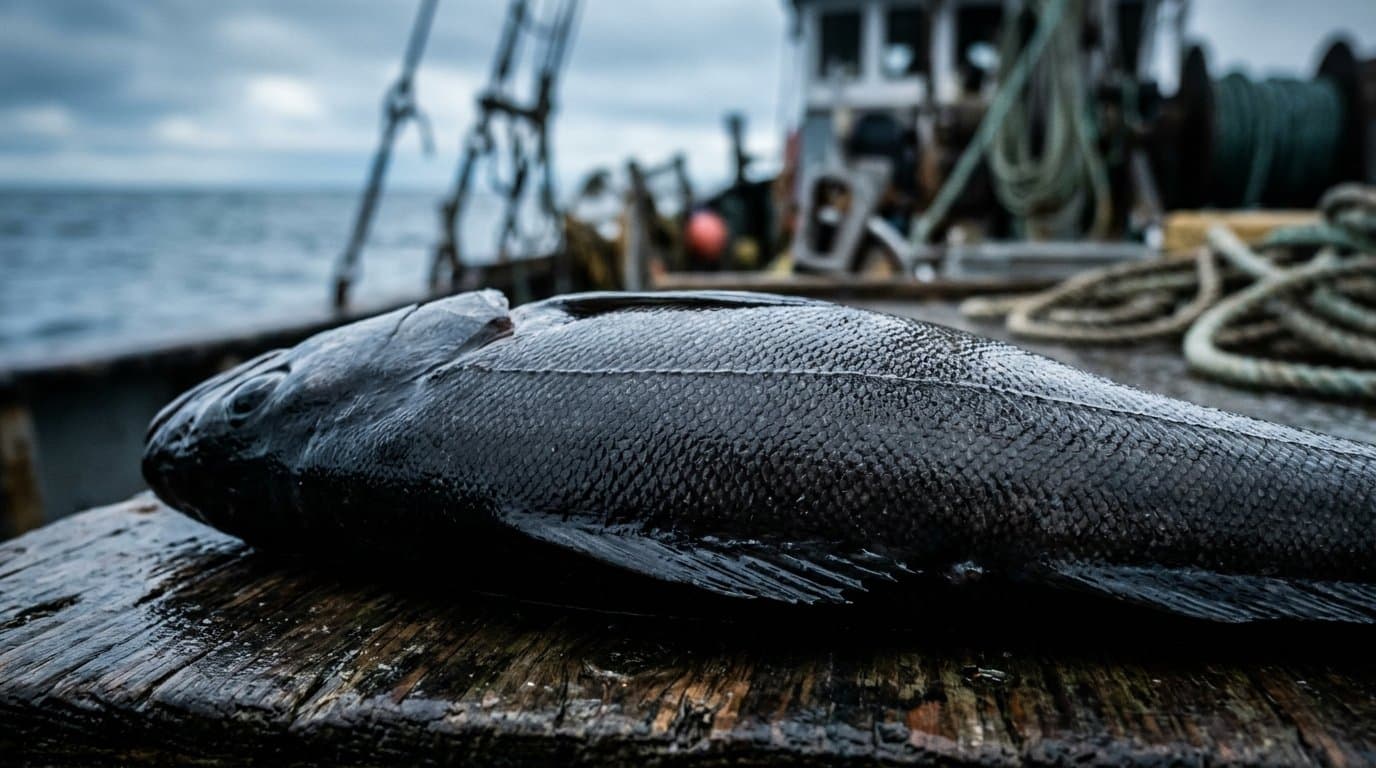
Federal scientists are recommending a higher Gulf of Alaska pollock catch limit for next year, followed by a cut in 2028.
A draft stock assessment led by Cole Monnahan of NOAA's Alaska Fisheries Science Center, released Monday, recommends a 2027 ceiling of about 155,600 metric tons, roughly 343 million pounds. That's about 17% more than this year. For 2028, it recommends about 106,200 tons, about 20% below this year and nearly a third below 2027.
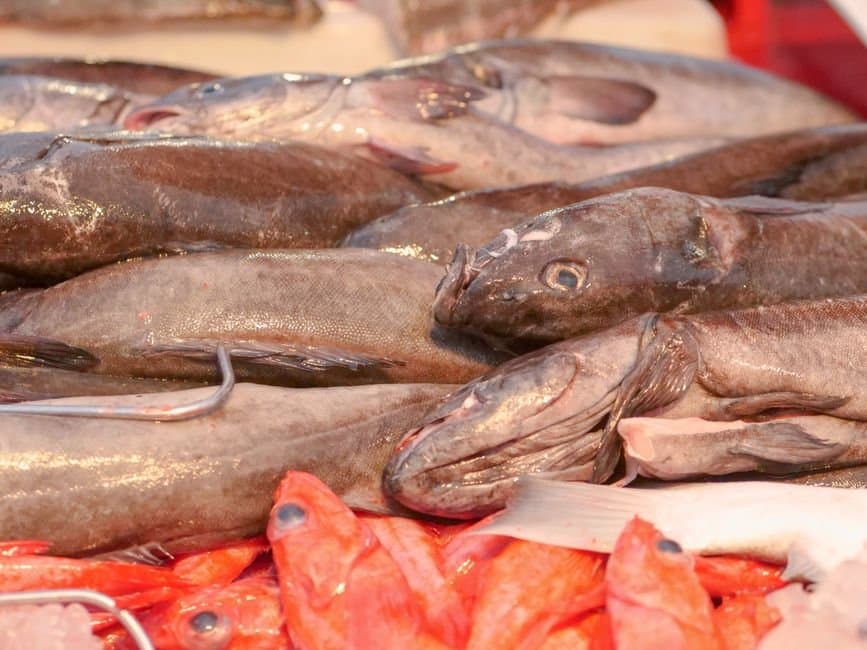
Pollock is the mild white fish in fish sticks, fast-food fish sandwiches and imitation crab. The numbers cover the central and western Gulf, where nearly all of the Gulf's pollock is caught.
The numbers are a draft. A team of scientists reviews them Nov. 17, and the North Pacific Fishery Management Council, which recommends catch limits for federal waters off Alaska, sets the limits in December in Anchorage. A final federal rule follows early next year.
The 2027 increase would win back part of a big cut. This year's limit is about 133,100 tons, down from about 181,000 in 2025. No new assessment was done last year because of a prolonged partial government shutdown, the draft says, so this year's limit was based on projections from the 2024 assessment. Because the draft's summary compares 2027 with the 2025 limit, it describes the new number as a 14% decrease.
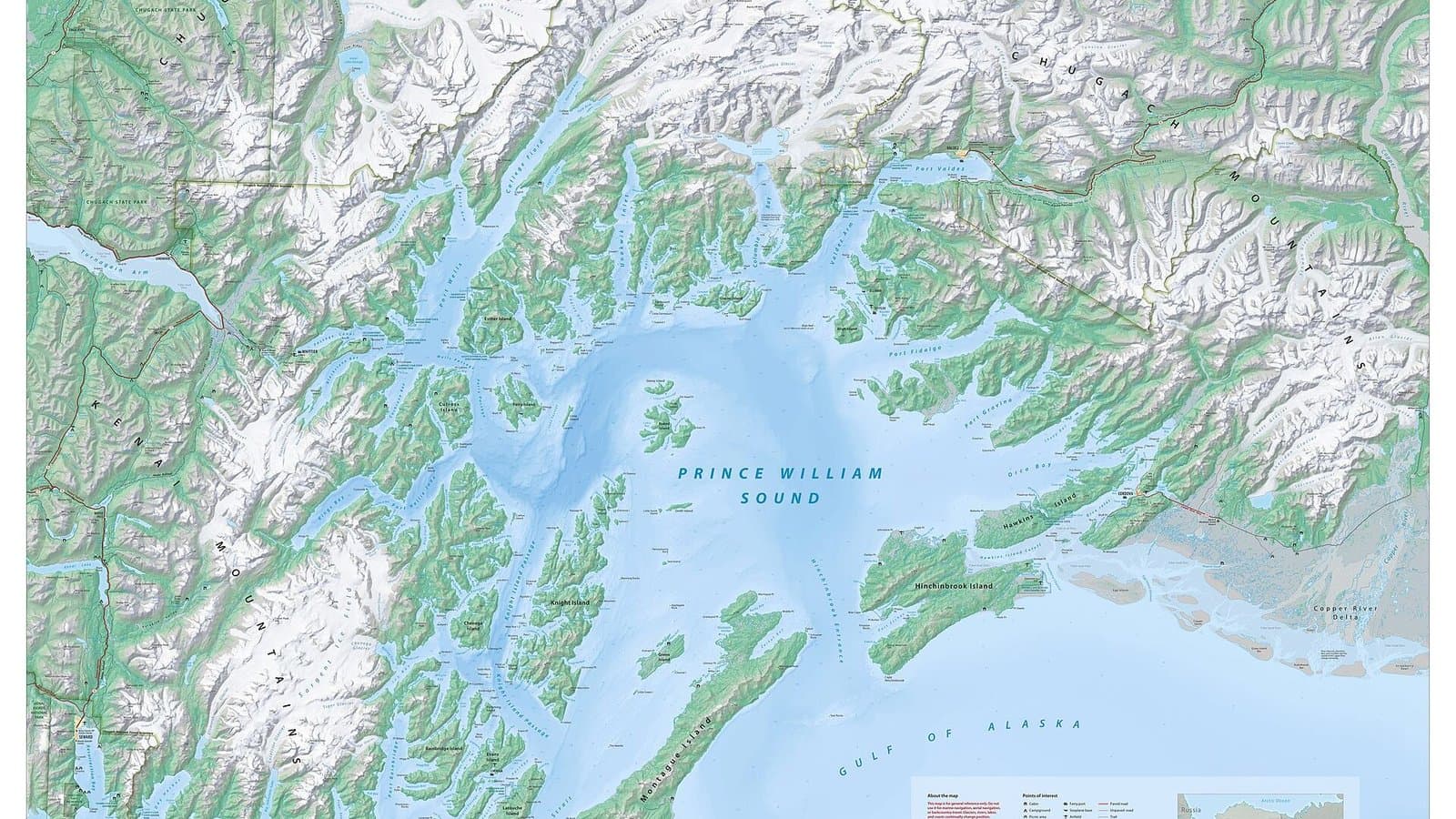
The scientists say the stock is not overfished. The mature females that produce the next generation are projected for 2027 at about 38% of what they'd be with no fishing, just under the 40% benchmark used in setting catch limits. The chance of falling to 20%, the level at which fishing that targets pollock shuts down, is negligible through 2031, the draft says.
The draft doesn't give a single reason for the 2028 drop. Its projection assumes the full 2027 limit is caught and that an average number of young fish join the stock. It also now estimates there are fewer fish born in 2020 and 2021 than first thought. The 2020 fish made up more than a third of last year's catch.
The surveys scientists rely on point in different directions. This year's winter acoustic survey in Shelikof Strait, between Kodiak Island and the Alaska Peninsula, fell about 35%, and the state's latest bottom trawl survey fell 27%. But last year's federal bottom trawl survey rose about 35%, to its highest estimate on record.
Neither of the draft's models can match the federal survey's recent highs. Monnahan told council scientists in October that it came mostly from one to three tows near Unimak Pass. "The reasons for this are unclear and will be explored in the coming years," the authors wrote.
The draft also warns that a warm 2027 winter and spring under strong El Niño conditions, with less food, "may challenge the survival" of pollock born in 2027.
The biggest share of next year's increase would go to the Shumagin area in the western Gulf, up about 44%. Chirikof would rise about 13% and Kodiak about 6%, while West Yakutat would fall about 8%.
What did you make of this story? (no account needed)
Made by our human newsroom with AI. Reviewed by Cale Green. How humans and AI work here · Grow with our newsroom ·
Get Alaska News in your inbox
Create your free account and get the day’s top stories around 6 each morning, in a few minutes’ read.
Top stories, around 6 each morning.
Stories on what you follow, on Sundays.
Source: Draft Gulf pollock assessment would raise the 2027 catch limit about 17%, then cut it to 106,221 tons for 2028.



Comments
Sign in to leave a comment.
No comments yet. Be the first to share your thoughts.