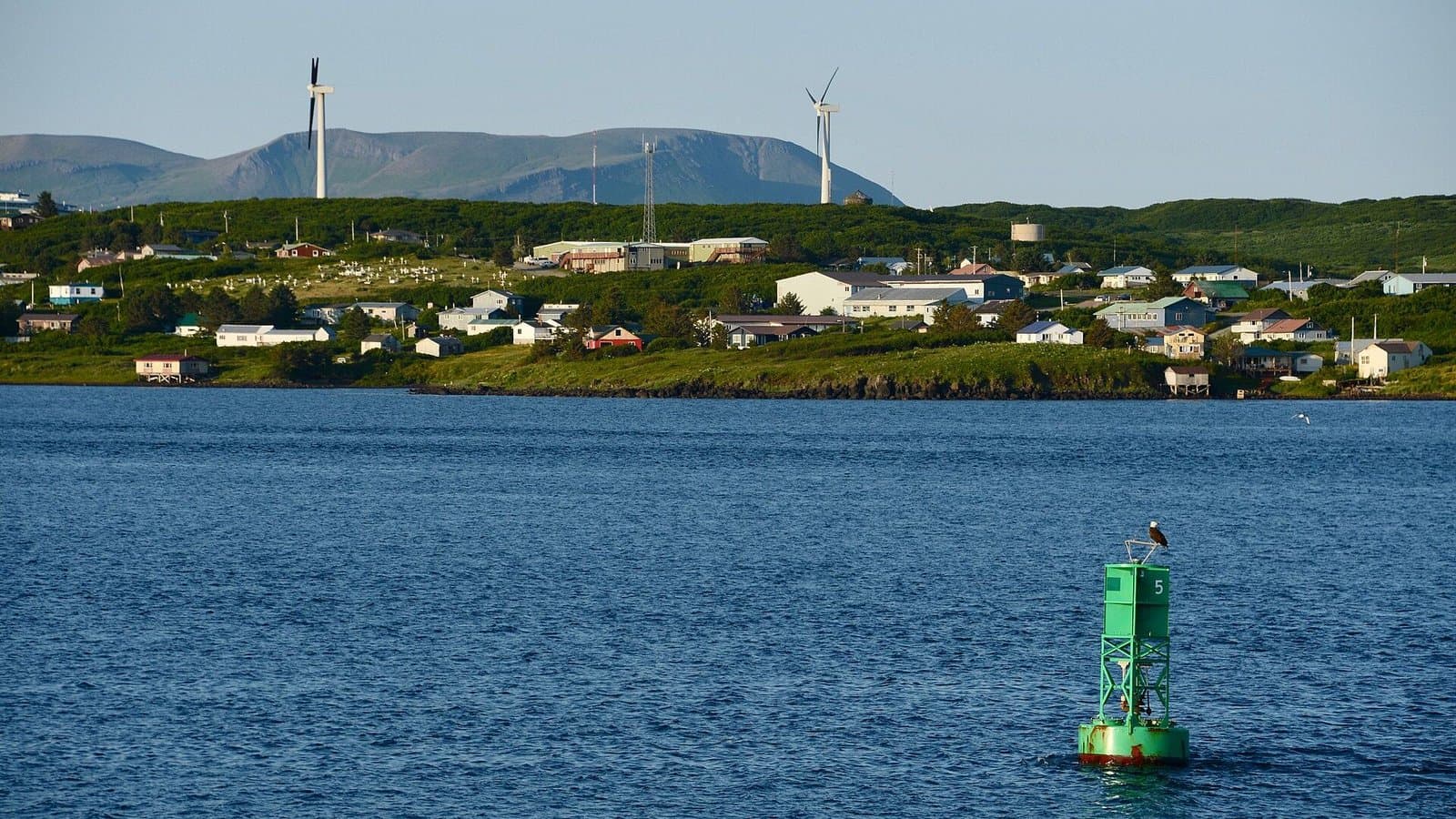
Photo: James Brooks via Wikimedia Commons · Photo source · CC BY 2.0
UAF study ties 2020 Sand Point tsunami to slow fault slip minutes after quake
A study led by University of Alaska Fairbanks professor Ronni Grapenthin concludes that slow fault movement, not the magnitude 7.6 earthquake itself, raised the tsunami that followed the Oct. 19, 2020, quake southeast of Sand Point. The UAF Geophysical Institute announced the findings Thursday.
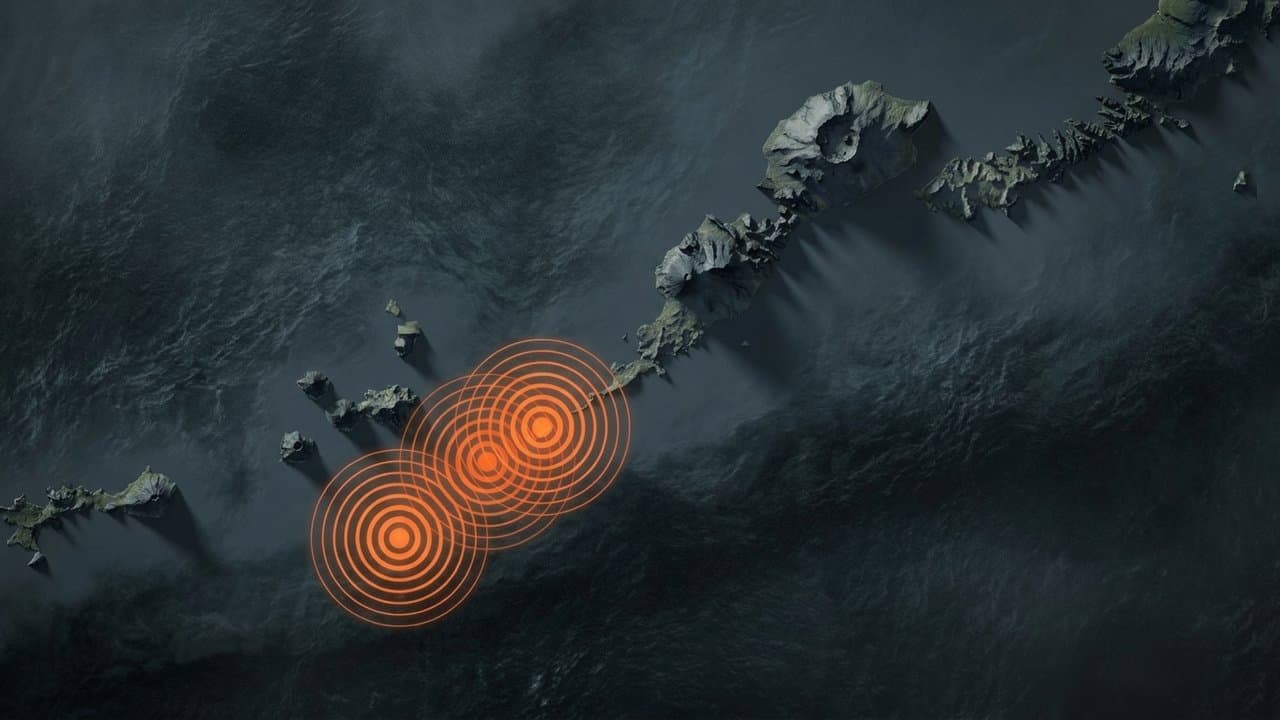
The slow movement began up to eight minutes after the quake, on a small section of the Alaska-Aleutian megathrust about 60 miles south of it, the institute said. The megathrust runs along a subduction zone roughly 2,500 miles long, where the Pacific plate slides beneath the North American plate. The movement was too far offshore, and too slow, for land-based stations to record.
The main quake moved mostly horizontally, with the two sides of the fault sliding past each other by nearly 7 feet. That kind of motion, known as strike-slip, usually does not move enough water to cause a substantial tsunami, the institute said. This one was larger than that would predict. Tide gauges recorded waves of 0.76 meters at Chignik, 0.70 meters at Sand Point and 0.64 meters at King Cove, according to NOAA's tsunami database. Waves reaching Hawaii measured about 10 inches, the institute said.
Grapenthin and his colleagues suggest the main quake increased stress on the shallow megathrust, triggering the delayed slip. Computer modeling suggests that slip lifted the seafloor about 16 inches, enough to generate the tsunami. The researchers say two magnitude 5.7 aftershocks about 11 minutes after the main quake may be related.
"It was slow for an earthquake but fast enough to make a tsunami," Grapenthin said. He said the two were separate events, but the megathrust slip likely would not have happened at that time without the main quake.
The authors tested a single strike-slip fault and a strike-slip plus thrust model against satellite positioning, radar and seismic data. Both fit the land-based data, but neither reproduced the tsunami. The study appeared Oct. 6 in Seismica.
The October 2020 quake was an aftershock of the July 21, 2020, magnitude 7.8 Simeonof earthquake, according to the Alaska Earthquake Center. That quake partly filled the Shumagin Gap, the one stretch of the Aleutian chain without a large historical earthquake. Tsunami warnings and evacuations along the Alaska Peninsula followed both quakes, and Sand Point reported damage to roads and docks.
"Nothing says this shallow delayed slow slip can't happen with other earthquakes," Grapenthin said. "But with only land-based observations, we might not catch this shallow slip and mis-estimate what the seismic hazard is in the shallow megathrust."
What did you make of this story? (no account needed)
Made by our human newsroom with AI. How humans and AI work here · Grow with our newsroom ·
Get Alaska News in your inbox
Create your free account and get the day’s top stories around 6 each morning, in a few minutes’ read.
Top stories, around 6 each morning.
Stories on what you follow, on Sundays.
Source: UAF Geophysical Institute news, UAF study says slow fault slip minutes after the 2020 Sand Point quake, not the quake itself, made its tsunami.







Comments
Sign in to leave a comment.
No comments yet. Be the first to share your thoughts.